8 Rare Shade Loving Plants That Bring Life To Washington Homes In Winter
Washington winters bring gray skies and chilly rain, making it tough for most plants to survive outdoors.
But your home doesn’t have to feel lifeless during these dreary months.
Some remarkable plants thrive in low light and cooler temperatures, bringing vibrant greens and even colorful blooms right when you need them most.
Finding the right plants for shady indoor spaces can transform your Washington home from drab to delightful.
These rare varieties don’t just survive in dim corners; they actually prefer them.
They’re perfect for those north-facing windows or rooms that never see direct sunlight, especially during the short winter days common throughout the Pacific Northwest.
What makes these plants truly special is their ability to add life and color when everything outside looks bare and brown.
Many homeowners struggle to keep their spaces feeling fresh during the cold season, but these shade-loving wonders offer an easy solution.
They’re not your typical houseplants either; each one brings something unique to your indoor garden.
Whether you’re in Seattle, Spokane, or anywhere else in Washington, these eight rare beauties will brighten your winter days.
They require minimal care, handle low light like champions, and bring that much-needed touch of nature indoors when the weather outside is less than inviting.
1. Begonia Maculata (Polka Dot Begonia)
Spotting this stunning plant in someone’s home always sparks conversation.
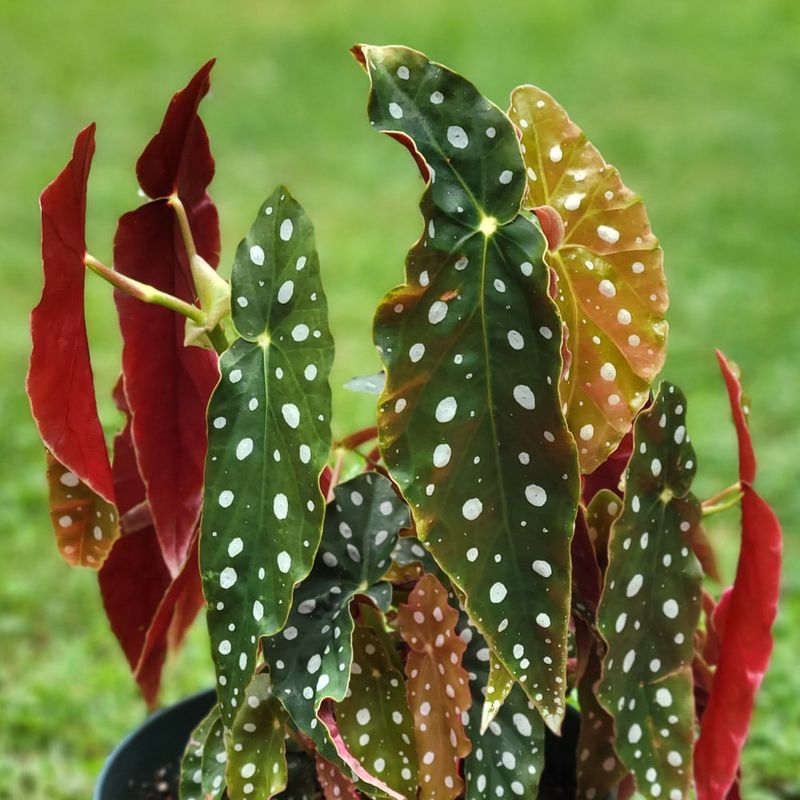
The Begonia Maculata looks like someone took a paintbrush and carefully dotted each leaf with metallic silver spots against deep olive-green surfaces.
Flip the leaves over and you’ll find rich burgundy undersides that add even more visual interest to your Washington living space.
This Brazilian native adapted perfectly to indoor life and actually prefers the softer light that winter provides.
Direct sunlight can fade those gorgeous spots, so your shady corner becomes the ideal location.
The plant grows upright with bamboo-like stems, reaching about two feet tall when happy.
Small white or pink flowers appear occasionally, dangling like tiny angel wings from the stems.
Care requirements stay pretty simple for busy Washington homeowners.
Water when the top inch of soil feels dry, which happens less frequently during winter months.
The plant appreciates humidity, something our Pacific Northwest climate naturally provides, though indoor heating can dry things out.
A pebble tray with water underneath the pot helps maintain moisture levels without overwatering.
Temperature consistency matters more than anything else with this beauty.
Keep it away from drafty windows and heating vents where sudden changes might stress it out.
Room temperatures between 65-75 degrees work perfectly.
The Begonia Maculata stays compact enough for apartments while making a bold statement that reminds you spring will eventually return to Washington.
2. Streptocarpus (Cape Primrose)
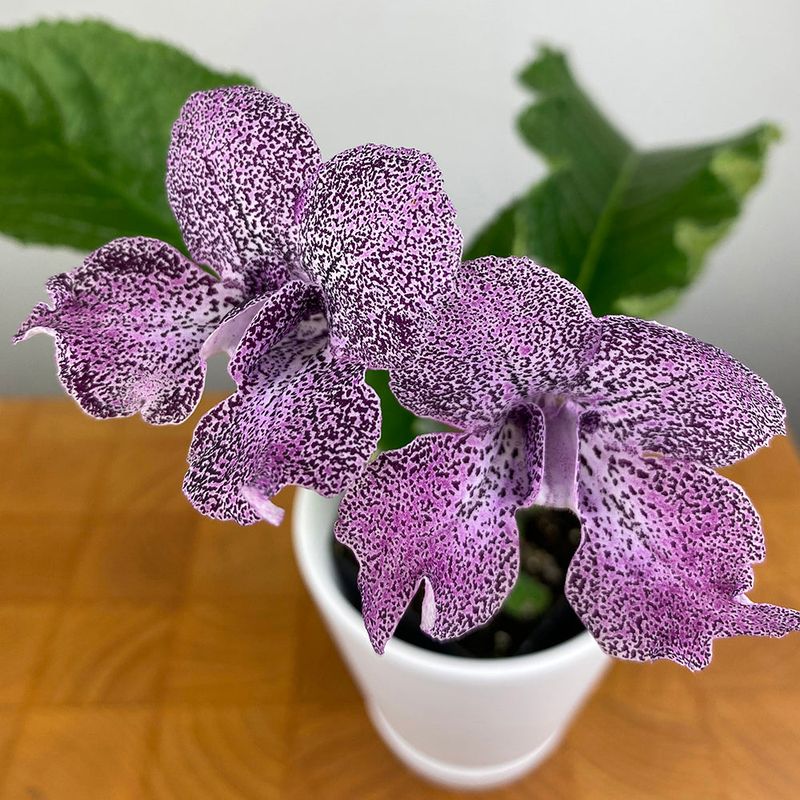
Most flowering plants sulk in shade, but Streptocarpus breaks all the rules.
Native to South African forests where dappled light filters through tree canopies, these relatives of African violets produce stunning tubular blooms in purple, pink, white, or blue throughout winter.
Imagine having fresh flowers brightening your Seattle apartment when everything outside looks gray and wet.
The fuzzy, wrinkled leaves grow in rosettes close to the soil, staying relatively small and manageable.
What really impresses people is how the flower stalks shoot up several inches, displaying multiple blooms at once.
Each flower lasts for weeks, and the plant keeps producing new ones as long as conditions stay favorable.
Washington’s naturally cool winter temperatures actually encourage more blooming.
Finding Streptocarpus takes some effort since most garden centers stock more common houseplants.
Specialty nurseries or online plant shops offer the best selection.
Once you get one home, place it near an east or north-facing window where bright but indirect light reaches the leaves.
Too much direct sun scorches those delicate petals quickly.
Watering needs careful attention because the leaves hate getting wet.
Pour water directly into the soil, letting excess drain completely.
The roots prefer staying slightly moist but never soggy.
Feed with diluted African violet fertilizer every two weeks during the blooming season.
These rare gems reward minimal effort with maximum color, proving that Washington winters don’t have to mean giving up on flowers indoors.
3. Alocasia Reginula (Black Velvet)
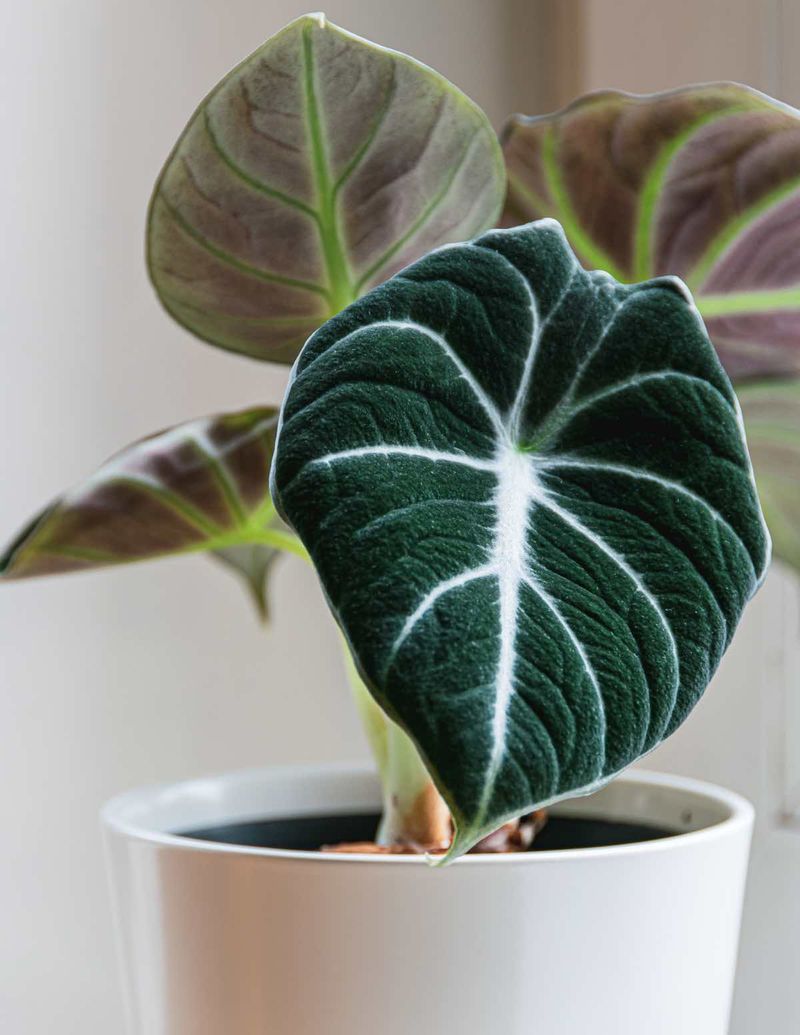
Running your fingers across these leaves feels like touching velvet fabric.
Alocasia Reginula earns its nickname honestly, with nearly black foliage that appears almost purple under certain lighting.
Thick white veins create dramatic contrast, looking like lightning bolts frozen across each heart-shaped leaf.
This compact beauty rarely exceeds twelve inches in height, making it perfect for Washington apartments or smaller homes.
Borneo’s rainforest floors provided the original habitat for this stunner, where tall trees blocked most direct sunlight.
Your dimly lit bathroom or bedroom recreates those conditions beautifully.
The plant actually struggles in bright light, with leaves losing their intense coloring and developing brown edges.
Winter’s shorter days in Washington suit this plant perfectly, requiring no special grow lights or complicated setups.
Humidity becomes the biggest challenge for Black Velvet success.
Our region’s winter air turns dry once heating systems kick on, potentially causing crispy leaf edges.
Group several plants together to create a microclimate, or invest in a small humidifier nearby.
Misting doesn’t work well because water droplets can leave spots on those velvety surfaces.
Watering follows a specific rhythm that takes practice to master.
The soil should dry out partially between waterings but never completely.
Stick your finger about an inch deep; if it feels slightly damp, wait another day or two.
Overwatering causes root problems faster than almost anything else.
Despite these particular needs, the dramatic appearance makes every bit of effort worthwhile for Washington plant collectors seeking something truly unusual.
4. Episcia (Flame Violet)
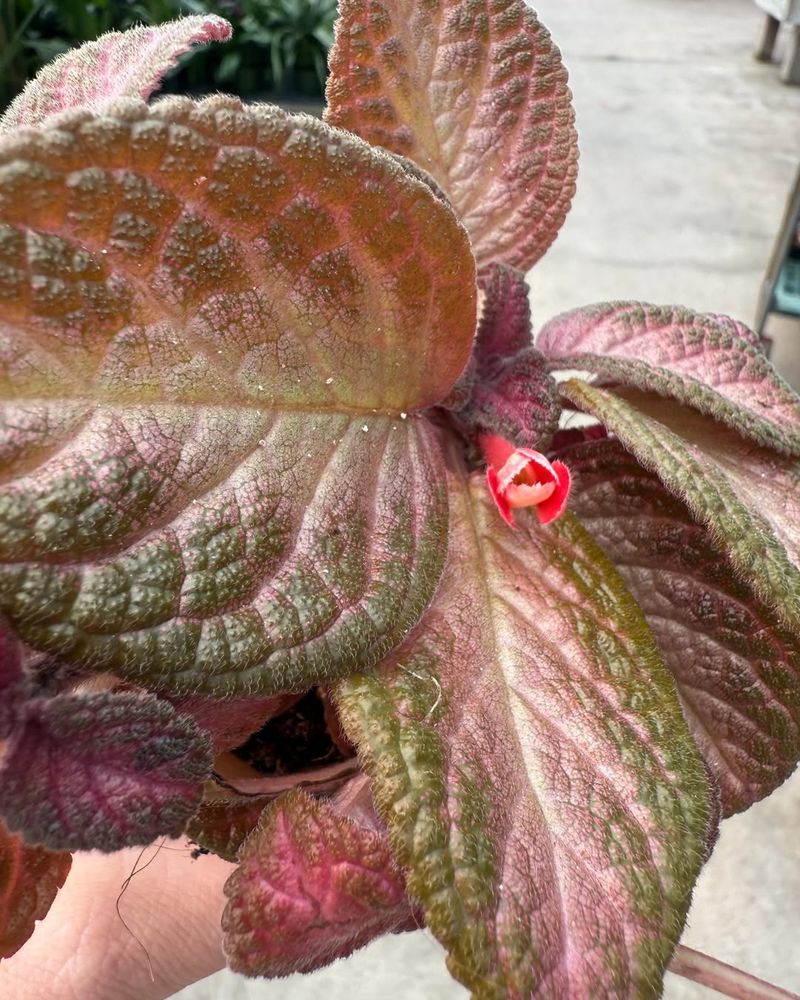
Forget boring green foliage when you can have leaves painted in pink, silver, bronze, and emerald all at once.
Episcia varieties offer some of the most colorful foliage available for shade, with intricate patterns that look hand-painted.
Small tubular flowers in red, orange, or yellow add bonus color, though the leaves steal the show.
This trailing plant works wonderfully in hanging baskets near north-facing windows throughout Washington homes.
Central and South American rainforests gave us this gem, where it carpets the forest floor beneath towering trees.
The plant sends out runners similar to strawberry plants, creating baby plantlets at the ends.
These runners cascade beautifully over pot edges, creating a living waterfall effect.
Each variety displays different leaf patterns, from quilted textures to metallic sheens that catch whatever light reaches them.
Growing Episcia successfully requires understanding its tropical preferences.
Warm temperatures between 65-80 degrees keep it happiest, which most Washington homes maintain during winter.
Cold drafts from windows or doors can cause leaves to drop, so position plants carefully.
The shallow root system means smaller pots work better than deep containers, preventing soil from staying too wet.
Consistent moisture matters more than heavy watering sessions.
The soil should stay evenly moist but never waterlogged or bone dry.
Using room-temperature water prevents shocking the roots.
Fertilize monthly with a balanced, diluted formula to maintain that incredible leaf coloring.
Propagation happens easily by pinning those runners into nearby pots, giving you free plants to share with fellow Washington gardening enthusiasts who appreciate rare beauties.
5. Haemanthus Albiflos (Paintbrush Plant)
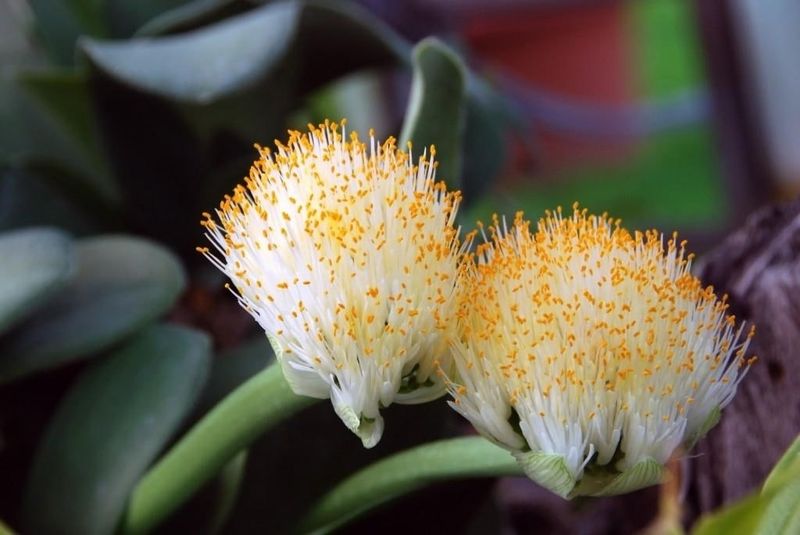
Did you know some bulbs actually bloom during winter instead of spring?
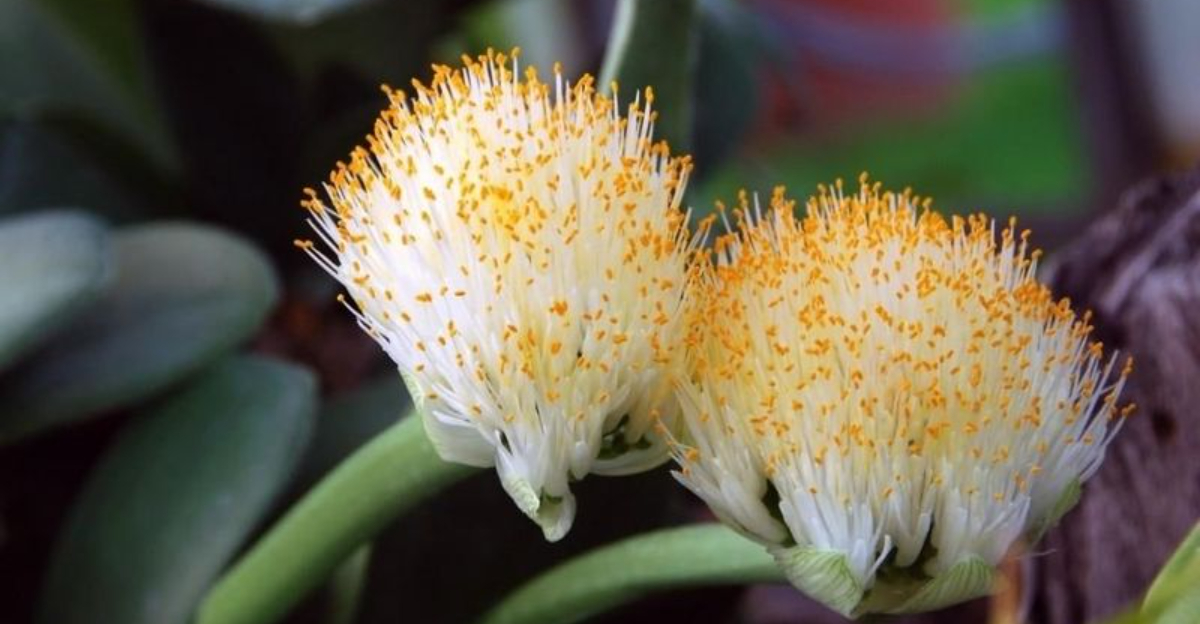
Haemanthus Albiflos defies normal bulb behavior by producing extraordinary white flower heads that resemble shaving brushes or paintbrushes dipped in cream.
These bizarre blooms appear from October through January, exactly when Washington residents need something cheerful indoors.
The thick, tongue-shaped leaves stay evergreen year-round, providing constant interest even between flowering periods.
South Africa’s shaded cliff faces and forest margins created this unusual bulb’s preferences for low light and cooler temperatures.
Unlike most flowering bulbs that demand bright sun, this one thrives in the same dim conditions that challenge other plants.
The flowers last for several weeks, eventually developing into orange-red berries that add another decorative element.
Each bulb produces two to four leaves that lie almost flat, creating an architectural presence.
Patience pays off with Haemanthus because growth happens slowly.
The bulb might take a year or two to settle in before blooming reliably.
Plant it in well-draining soil with the top third of the bulb sitting above the surface.
Terra cotta pots work better than plastic because they allow excess moisture to evaporate through the sides.
Watering needs decrease dramatically during summer when the plant rests.
During winter’s active growth and blooming period, water moderately when soil dries out.
The thick leaves store water like succulents, preventing drought stress.
Avoid fertilizing too heavily; a light feeding in early fall prepares the bulb for flowering.
Finding this rare gem requires searching specialty bulb suppliers, but Washington gardeners seeking unique winter bloomers will find the hunt worthwhile.
6. Pilea Involucrata (Friendship Plant)
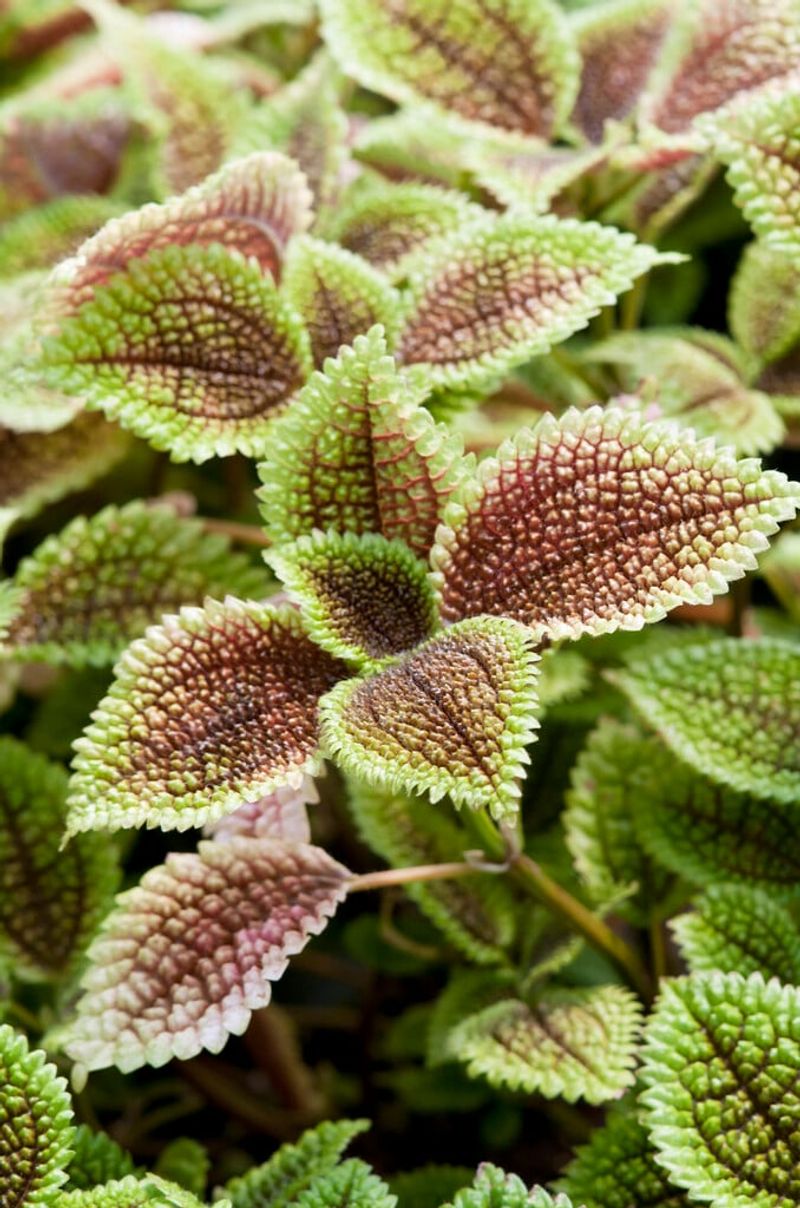
Textured leaves create visual interest that smooth foliage simply cannot match.
Pilea Involucrata features deeply quilted, puckered leaves in shades of bronze, copper, and deep green that catch light beautifully.
The common name comes from how easily it propagates and shares with friends, though some say it references how the leaves seem to reach out like welcoming arms.
This compact grower stays under ten inches tall, fitting perfectly on Washington desks, shelves, or bathroom counters.
Central American cloud forests provided the original home for this charming plant, where constant moisture and filtered light created ideal conditions.
Your shadiest room mimics that environment surprisingly well.
The plant grows in a mounded shape, with leaves overlapping to create a lush, full appearance.
Tiny pink flowers occasionally appear but remain insignificant compared to the foliage show.
Maintaining the intense leaf coloring requires avoiding bright light that washes out those rich tones.
North-facing windows or spots several feet from east or west windows work perfectly.
The plant tolerates lower light levels than many houseplants, making it ideal for offices or rooms without much natural light during Washington’s dark winter months.
Water requirements stay moderate and forgiving.
Let the top half-inch of soil dry between waterings, then water thoroughly until it drains from the bottom.
The plant wilts dramatically when too dry but bounces back quickly after watering.
High humidity enhances leaf texture and prevents browning edges, though the plant adapts to average home conditions.
Pinching back leggy stems encourages bushier growth and provides cuttings that root easily in water, creating more plants to spread around your home or gift to neighbors.
7. Spathiphyllum Wallisii (Dwarf Peace Lily)
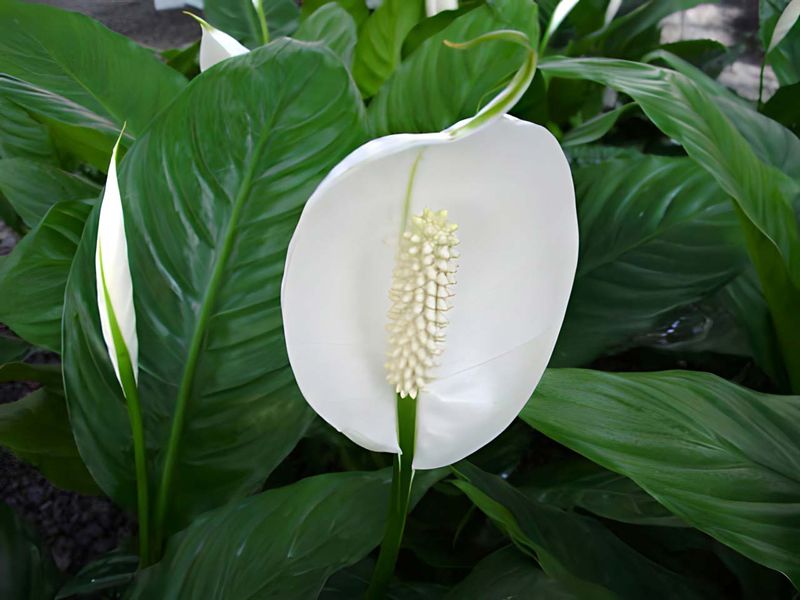
Peace lilies might seem common, but this miniature version remains a hidden treasure.
Spathiphyllum Wallisii grows only eight to twelve inches tall compared to its larger cousins that reach three feet.
Those elegant white spathes still appear regularly throughout winter, floating above glossy green foliage like small white flags.
Washington homeowners with limited space appreciate how this compact beauty delivers the same air-purifying benefits and blooms without hogging valuable real estate.
Colombian rainforest understories taught this plant to thrive in deep shade where little else grows.
Your darkest corner becomes prime real estate for this accommodating species.
The white spathes aren’t actually flowers but modified leaves surrounding the true flower spike.
They emerge green, gradually turn white, then fade back to green before dropping off.
Each bloom lasts four to six weeks, and happy plants produce them continuously.
Watering this plant practically foolproof because it communicates clearly.
Leaves droop dramatically when thirsty, then perk back up within hours of watering.
This visible signal prevents both overwatering and underwatering mistakes.
Use filtered or distilled water if your Washington tap water contains high chlorine or fluoride levels, which can cause brown leaf tips.
The plant tolerates neglect better than fussing.
Average room temperatures suit it fine, and it adapts to varying humidity levels without complaint.
Wipe dust from leaves monthly to keep them glossy and maximize their air-cleaning abilities.
Repot only when roots completely fill the current container, usually every two to three years.
This dwarf variety proves that good things really do come in small packages, especially for Washington residents wanting elegant blooms without sacrificing space.
8. Ctenanthe Setosa (Grey Star)
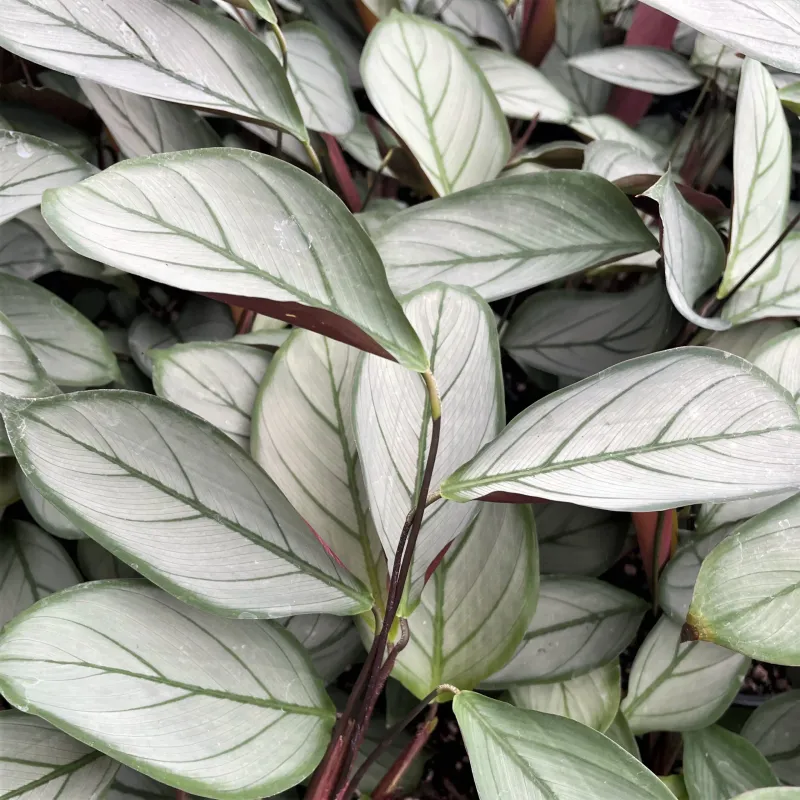
Watch this plant move and you might think you’re imagining things.
Ctenanthe Setosa belongs to the prayer plant family, meaning its leaves fold upward at night and spread flat during the day.
The silvery-grey stripes against dark green create a sophisticated color palette, while purple undersides flash when leaves shift position.
This movement adds dynamic interest that static plants cannot provide, entertaining Washington residents during long winter evenings at home.
Brazilian rainforests created this beauty’s preference for warmth, humidity, and shade.
The plant grows about two feet tall with an equally wide spread, creating substantial presence without overwhelming smaller spaces.
Those distinctive leaf markings help it stand out in any collection, and the constant movement keeps things interesting.
Related to marantas and calatheas, this cousin offers similar care requirements with slightly more tolerance for average conditions.
Lighting needs lean toward the dimmer side of bright indirect light.
Too much sun bleaches those elegant stripes and causes leaf edges to brown.
Position it several feet from windows or in rooms where natural light stays diffused throughout the day.
Washington’s cloudy winter skies actually benefit this plant, providing consistent low light without harsh rays.
Humidity challenges many prayer plant relatives, but Ctenanthe Setosa shows more forgiveness than most.
It appreciates moisture in the air but won’t throw a tantrum if levels drop occasionally.
Keep soil consistently moist but not soggy, using water at room temperature to avoid shocking the roots.
Brown leaf edges indicate either low humidity or mineral buildup from tap water.
Feed monthly during winter with diluted fertilizer to support that active growth and movement that makes this rare plant so captivating in Pacific Northwest homes.