9 Rare Shade Plants Perfect For Indoor Corners In Illinois Homes
Indoor corners in Illinois homes often get ignored, yet with the right rare shade plants, those quiet spaces can become some of the most visually interesting and satisfying parts of the room.
Certain plants are naturally adapted to low light and still manage to bring texture, depth, and a sense of intention where bright sunlight never reaches.
Instead of leaving corners empty or filled with furniture, these plants help soften hard lines and make the entire space feel more balanced and thoughtfully arranged.
Choosing shade-loving plants for indoor corners creates a lived-in, curated feel that makes a home look finished rather than incomplete.
1. Begonia Maculata (Polka Dot Begonia)

Spotted leaves make this begonia stand out like artwork in any room corner where sunlight barely reaches throughout the day in Illinois homes.
The silver dots scattered across deep green foliage create a striking pattern that catches attention without needing bright rays to show off its charm.
Red undersides add another layer of visual interest, making this plant a conversation starter when guests notice its unique coloring and texture.
Watering needs stay moderate, so you will not spend hours fussing over this beauty once you understand its preferences and seasonal changes.
Humidity levels matter more than light intensity, which works perfectly for Illinois winters when indoor air tends to get dry from heating systems.
Misting the leaves occasionally or placing a tray of water nearby keeps this begonia happy and prevents browning edges that ruin its look.
Growth remains manageable indoors, rarely exceeding two feet tall, making it ideal for tight spaces where larger plants would feel overwhelming or cramped.
Pruning encourages bushier growth and removes any leggy stems that develop when conditions are not quite right for optimal plant health.
This rare variety brings tropical vibes to Midwestern homes without demanding the intense care routines that many exotic species typically require from their owners.
2. Alocasia Zebrina

Striped stems resembling zebra patterns give this alocasia its memorable name and make it a showstopper even in dimly lit Illinois home corners.
Bold arrow-shaped leaves stretch upward, creating dramatic silhouettes that add architectural interest to spaces lacking natural brightness or interesting design elements already.
The contrast between the patterned stalks and solid green foliage creates visual drama that few other shade-tolerant plants can match successfully.
Consistent moisture keeps this plant thriving, though overwatering quickly leads to problems like root issues that can weaken the entire plant structure.
Allowing the top inch of soil to dry between waterings prevents most common troubles while maintaining the lush appearance everyone loves.
Illinois tap water works fine, but letting it sit overnight allows chlorine to evaporate, which some sensitive plants appreciate for healthier growth.
Temperature preferences align well with typical indoor settings, thriving in the range most people find comfortable during different seasons throughout the year.
Cold drafts from windows or doors can cause stress, so positioning away from these areas protects the plant during harsh winter months.
This rare specimen grows slowly indoors, giving you time to appreciate each new leaf as it unfurls with those characteristic stripes everyone admires.
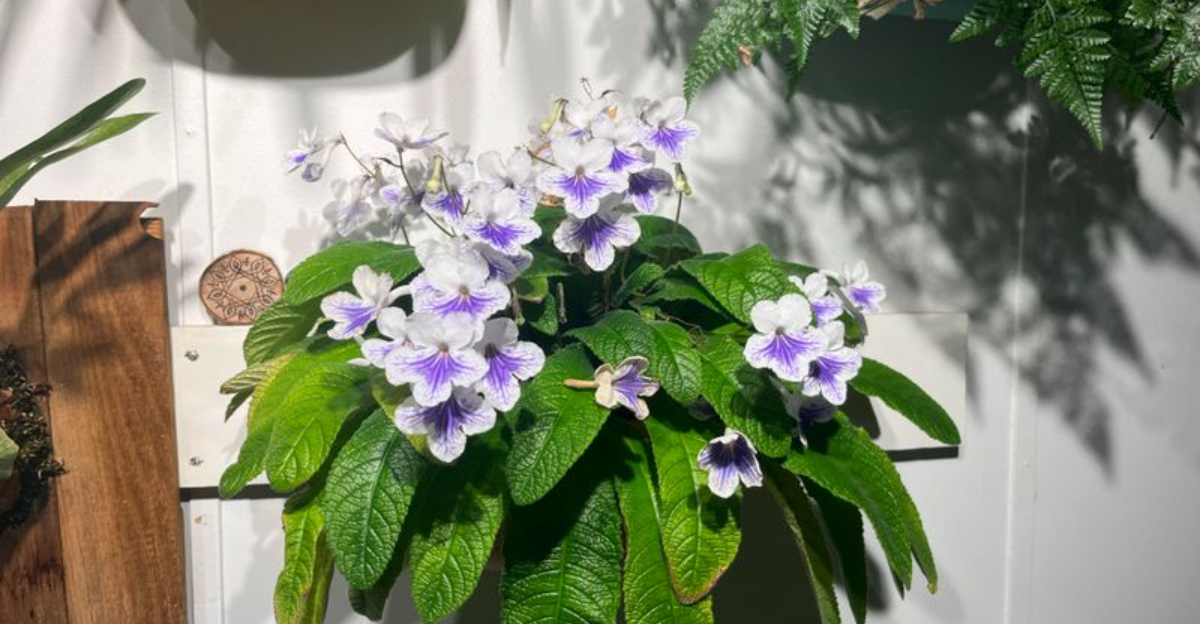
3. Streptocarpus (Cape Primrose)

Delicate blooms appear even in shaded corners, bringing color to spaces where most flowering plants would simply refuse to produce buds at all.
Soft petals in shades of purple, pink, or white emerge from fuzzy leaf rosettes, creating a charming display that lasts for weeks.
Illinois residents appreciate this rare plant because it flowers reliably indoors without needing the intense sunlight that many other bloomers absolutely demand.
Watering from below works best since moisture on the fuzzy leaves can cause spotting or other cosmetic issues that detract from beauty.
Placing the pot in a shallow dish of water allows roots to absorb what they need without risking leaf damage from splashes.
Room temperature water prevents shocking the roots, which can slow growth or cause the plant to drop buds before they open fully.
Compact growth habits make this primrose perfect for small tables, shelves, or windowsills that receive only indirect light throughout most of the day.
Removing spent flowers encourages the plant to produce more blooms, extending the flowering season and keeping your corner looking vibrant and fresh.
This variety tolerates the dry indoor air common in Illinois homes better than many other flowering species, reducing the need for constant humidifier use.
4. Peperomia Albovittata (Piccolo Banda)

Silvery stripes run along thick, succulent-like leaves that store water efficiently, making this peperomia forgiving when you forget a watering session occasionally.
Compact rosettes form naturally without much intervention, creating neat mounds of foliage that fit perfectly on narrow shelves or small corner tables.
Illinois plant collectors prize this rare variety for its unusual leaf patterns that look almost hand-painted by a skilled artist.
Low light tolerance exceeds that of many other peperomias, allowing it to flourish in corners where brighter varieties would struggle or fade.
Growth stays slow and steady, rarely requiring repotting more than once every two years, which saves time and effort for busy homeowners.
The thick leaves resist damage from accidental bumps, making this plant suitable for high-traffic areas where other delicate species might not survive.
Watering needs remain minimal thanks to the water-storing capabilities of those fleshy leaves that resemble succulent foliage in both texture and function.
Overwatering poses the biggest threat, so checking soil moisture before adding water prevents most problems that could harm the plant.
This peperomia handles the temperature fluctuations common in Illinois homes during season changes better than many tropical plants, showing remarkable adaptability and resilience.
5. Episcia (Flame Violet)

Vibrant leaf patterns steal the show long before any flowers appear, displaying intricate combinations of pink, silver, green, and burgundy that shimmer beautifully.
Trailing growth makes this rare plant perfect for hanging baskets or elevated shelves in Illinois corners where vertical space goes unused currently.
Tubular flowers in red, orange, or pink eventually emerge, adding another dimension of color to an already stunning foliage display.
Humidity requirements run higher than average, but grouping plants together or using pebble trays creates suitable conditions without expensive equipment or complicated setups.
Misting leaves lightly every few days helps maintain the moisture levels this tropical beauty prefers, especially during winter when indoor heating dries out air.
Consistent warmth matters more than bright light, making this plant ideal for cozy Illinois homes where temperatures stay relatively stable year-round.
Propagation happens easily through runners that the plant produces naturally, allowing you to expand your collection or share with friends who admire it.
Pinching back stems encourages fuller growth and prevents the plant from becoming too sparse or leggy over time with inadequate light exposure.
This episcia variety tolerates lower light better than many flowering plants, making it a rare find for shade enthusiasts who want color everywhere.
6. Hoya Carnosa Compacta (Hindu Rope Plant)

Twisted, rope-like foliage creates a sculptural appearance that looks completely different from typical houseplants found in most Illinois homes and garden centers.
Thick, waxy leaves curl tightly together, forming dense chains that cascade downward from pots or baskets in mesmerizing patterns that fascinate visitors.
This rare hoya variety grows slowly, but patience rewards you with a unique specimen that becomes more impressive with each passing year.
Watering infrequently suits this plant perfectly since its succulent leaves store moisture for extended periods, making it ideal for forgetful plant parents.
Allowing soil to dry completely between waterings prevents root problems that plague many other houseplants grown in similar conditions without proper drainage.
Illinois winters pose no challenge for this hoya, which handles dry indoor air better than most tropical species that require constant humidity adjustments.
Clusters of fragrant, star-shaped flowers eventually appear on mature plants, filling rooms with a sweet scent that surprises anyone unfamiliar with hoyas.
Blooms form on old growth, so never cutting off leafless stems ensures you will see flowers when the plant reaches maturity.
This variety tolerates neglect remarkably well, bouncing back from missed waterings or less-than-ideal conditions that would stress more demanding plant species significantly.
7. Ctenanthe Setosa (Grey Star)

Silvery grey patterns contrast beautifully against deep green leaves, creating a sophisticated color palette that elevates any Illinois home corner instantly and effortlessly.
Purple undersides reveal themselves when leaves fold upward at night, following a natural rhythm that adds movement and life to static spaces.
This rare prayer plant relative offers all the visual interest of more common varieties while tolerating shadier conditions that would leave others struggling.
Moisture-loving roots appreciate consistent watering that keeps soil evenly damp but never waterlogged, which requires finding a careful balance over time.
Using filtered or rainwater prevents the leaf edge browning that hard tap water sometimes causes in sensitive species like this beautiful ctenanthe.
Humidity levels matter significantly, so placing this plant in naturally humid rooms like bathrooms works wonderfully if light conditions allow for healthy growth.
Growth patterns stay relatively compact, making this plant suitable for smaller corners or spaces where sprawling varieties would quickly outgrow their allotted area.
Wiping leaves gently removes dust that accumulates over time and allows the plant to photosynthesize more efficiently even in low light situations.
Illinois plant enthusiasts find this variety easier to maintain than some finicky prayer plants, appreciating its resilience and stunning appearance that never fails.
8. Pilea Involucrata (Friendship Plant)

Quilted leaves with bronze tones create a textured appearance that begs to be touched, offering tactile interest beyond just visual appeal alone.
Compact mounds form naturally as the plant matures, filling small pots with dense foliage that looks lush and healthy year-round.
Illinois gardeners love this rare pilea for its easy propagation, which allows sharing cuttings with friends and explains the common name perfectly.
Low light conditions suit this plant beautifully, making it one of the best choices for corners that receive almost no direct sunlight.
Watering needs stay moderate, with the plant preferring to stay slightly moist rather than cycling between bone dry and soaking wet extremes.
Room temperature conditions found in most Illinois homes provide the perfect environment, requiring no special heating or cooling adjustments throughout different seasons.
Leaf coloration deepens in shadier spots, bringing out the rich bronze and burgundy tones that make this variety so distinctive and sought-after.
Pinching back stems encourages branching and prevents the plant from becoming leggy or sparse over time with less than ideal lighting.
This pilea handles occasional neglect gracefully, bouncing back quickly when normal care resumes after vacations or busy periods when plant maintenance gets overlooked.
9. Maranta Leuconeura Kerchoveana (Rabbit Foot Prayer Plant)

Dark brown spots resembling tiny rabbit footprints march across light green leaves, giving this rare maranta its whimsical common name and instant recognition.
Leaves fold upward at dusk and reopen at dawn, performing a daily dance that never gets old no matter how long you own the plant.
Illinois plant collectors seek this particular variety for its unique markings that differ from the more common red or green prayer plants seen everywhere.
Consistent moisture keeps this maranta happy, though soggy soil quickly leads to problems that can damage roots and cause leaf yellowing or browning.
Using a well-draining potting mix prevents water from sitting too long while still maintaining the dampness these tropical plants prefer for optimal health.
Humidity levels matter, but this variety tolerates average home conditions better than some other marantas, making it more accessible for beginners.
Growth stays low and spreading, making this plant ideal for wide, shallow containers that accommodate its horizontal growing habit and root structure.
Positioning away from heating vents protects the plant during Illinois winters when forced air can quickly dry out sensitive foliage and cause damage.
This prayer plant variety brings movement and personality to shaded corners, creating a living decoration that changes throughout the day and night.