8 Rare Shade Plants That Thrive In Indoor Corners Across Massachusetts
Indoor corners in Massachusetts homes often feel tricky to style, especially when sunlight barely reaches those tucked-away spots.
That’s where rare shade plants step in, thriving quietly where most houseplants struggle to survive.
These unique varieties bring texture, depth, and life to low-light areas without demanding constant attention or special care.
Once settled in the right corner, they turn overlooked indoor spaces into calming focal points that feel intentional and alive.
1. Begonia Pavonina (Peacock Begonia)
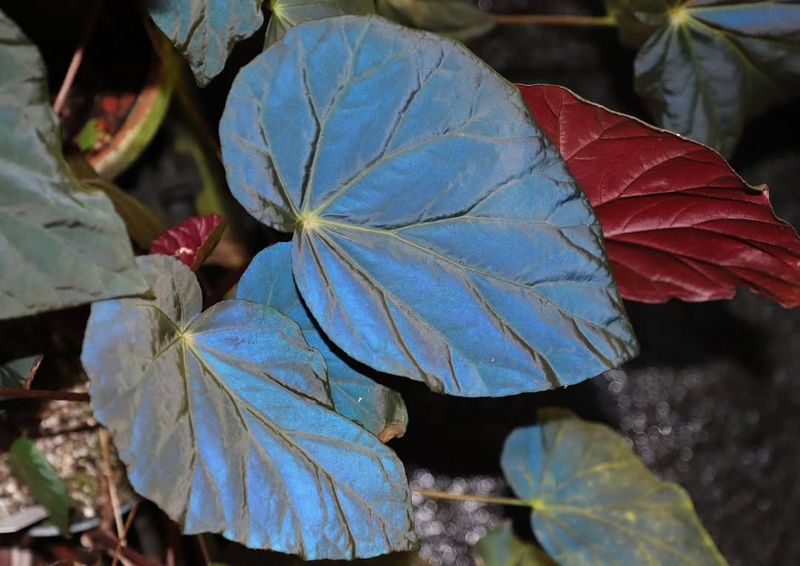
Peacock Begonia stands out with its stunning metallic blue leaves that shimmer like precious jewels when light hits them just right in homes.
Native to Malaysian rainforests, this rare beauty has adapted perfectly to low-light conditions, making it ideal for Massachusetts indoor corners that lack sunlight.
The iridescent foliage appears almost holographic, shifting between deep blue and emerald green depending on the angle you view it from each day.
Humidity is crucial for this tropical treasure, so placing it near a bathroom or using a pebble tray helps recreate its natural environment.
Boston residents especially love how this plant adds an exotic touch to their apartments without requiring bright windows or complicated care routines.
Watering should be moderate, allowing the soil to dry slightly between sessions to prevent root problems that could damage the delicate system.
Temperatures between sixty-five and seventy-five degrees work best, which matches most Massachusetts homes perfectly throughout the year without extra heating or cooling.
This begonia rarely flowers indoors, but the foliage alone provides enough visual interest to captivate anyone who walks past its shimmering display daily.
2. Alocasia Zebrina ‘Reticulata’
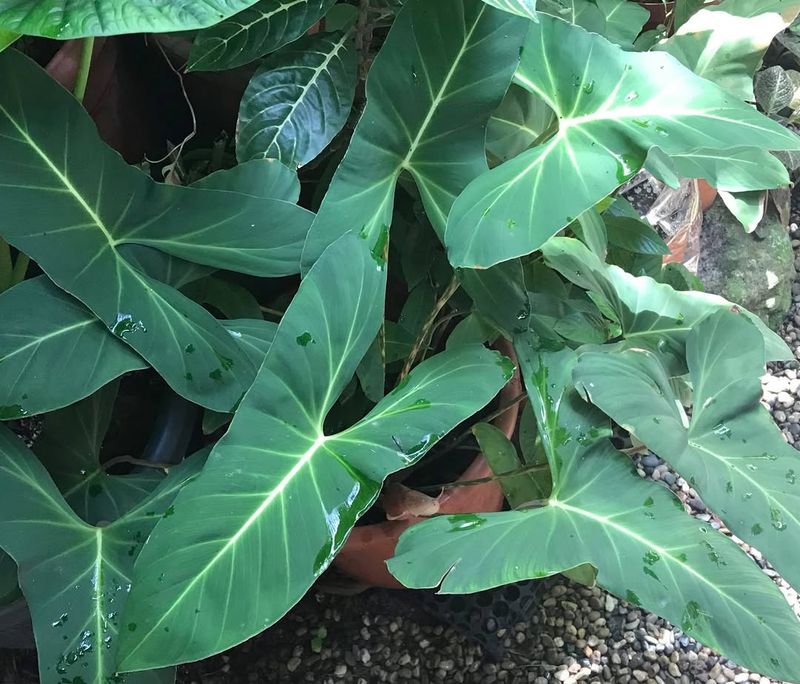
Zebra-striped stems make this Alocasia variety an instant conversation starter, with bold patterns that resemble wildlife markings on every single stalk displayed.
Arrow-shaped leaves emerge in deep green shades, contrasting beautifully against the yellow and black striped stems that rise elegantly from the soil below.
Unlike its cousins that demand bright light, this particular variety tolerates shadier conditions, making it perfect for Massachusetts apartments with limited window exposure.
Worcester homeowners often place this stunner in entryways or hallways where other plants would struggle to survive without adequate natural light sources nearby.
The plant grows moderately fast during warmer months, sending up new leaves regularly that unfurl slowly to reveal their dramatic shape and texture.
Keeping soil consistently moist but never waterlogged is the secret to success, as Alocasias dislike both drought and standing water equally much.
High humidity levels prevent brown leaf edges, so misting regularly or grouping plants together creates a microclimate that mimics tropical forest conditions naturally.
During winter months across Massachusetts, growth slows considerably, and the plant may drop a leaf or two, which is completely normal behavior patterns.
3. Streptocarpus ‘Harlequin Blue’
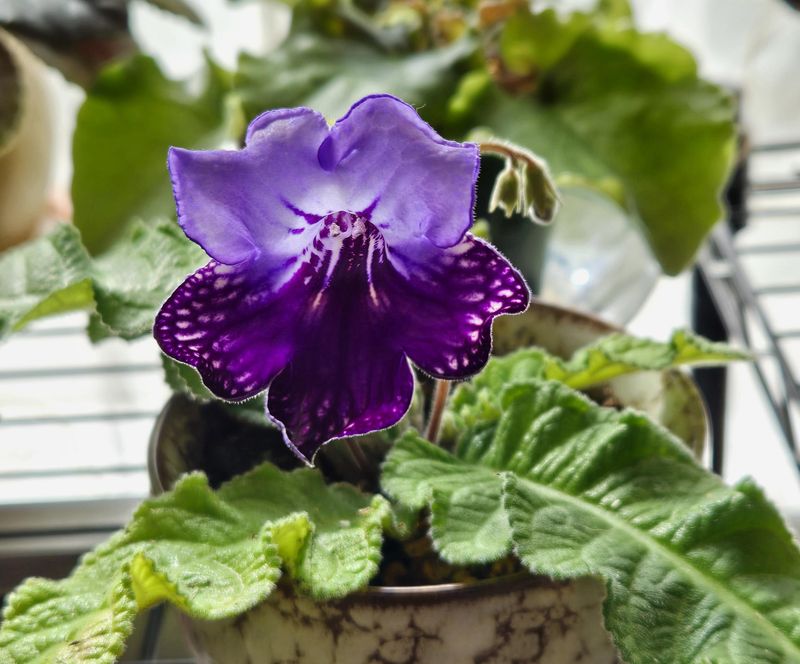
Delicate tubular blooms appear in stunning blue and white stripes, creating a whimsical display that brightens even the darkest corners of any room.
African violets might be popular, but Streptocarpus offers something far more unique with its continuous flowering habit and tolerance for shadier indoor environments.
Fuzzy green leaves form a compact rosette at the base, while flower stems rise gracefully above, carrying multiple blooms that last weeks at a time.
Cambridge gardeners treasure this rare gem because it flowers reliably indoors without needing bright windowsills or grow lights to trigger bud formation regularly.
The plant prefers cooler temperatures than most tropicals, making it exceptionally well-suited to Massachusetts homes where heating costs encourage slightly cooler indoor climates.
Watering from below works best, allowing roots to absorb moisture without wetting the fuzzy foliage, which can develop spots if water sits too long.
Fertilizing every two weeks during active growth with diluted liquid plant food encourages continuous blooming cycles that provide color throughout most of the year.
Removing spent flowers promptly redirects energy toward producing new buds, keeping the display fresh and encouraging the plant to bloom even more prolifically over time.
4. Pilea ‘Silver Tree’
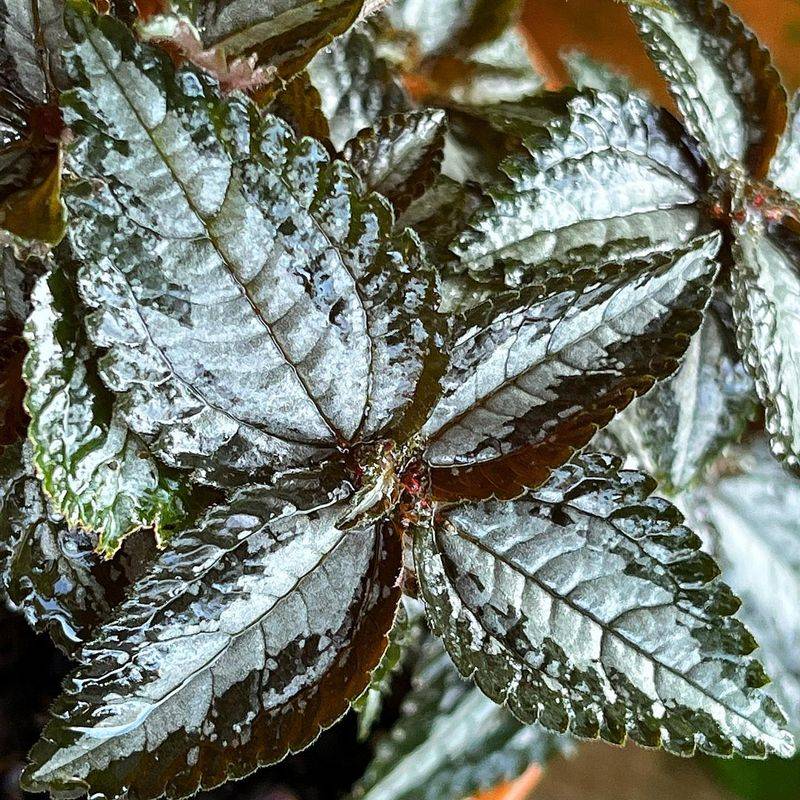
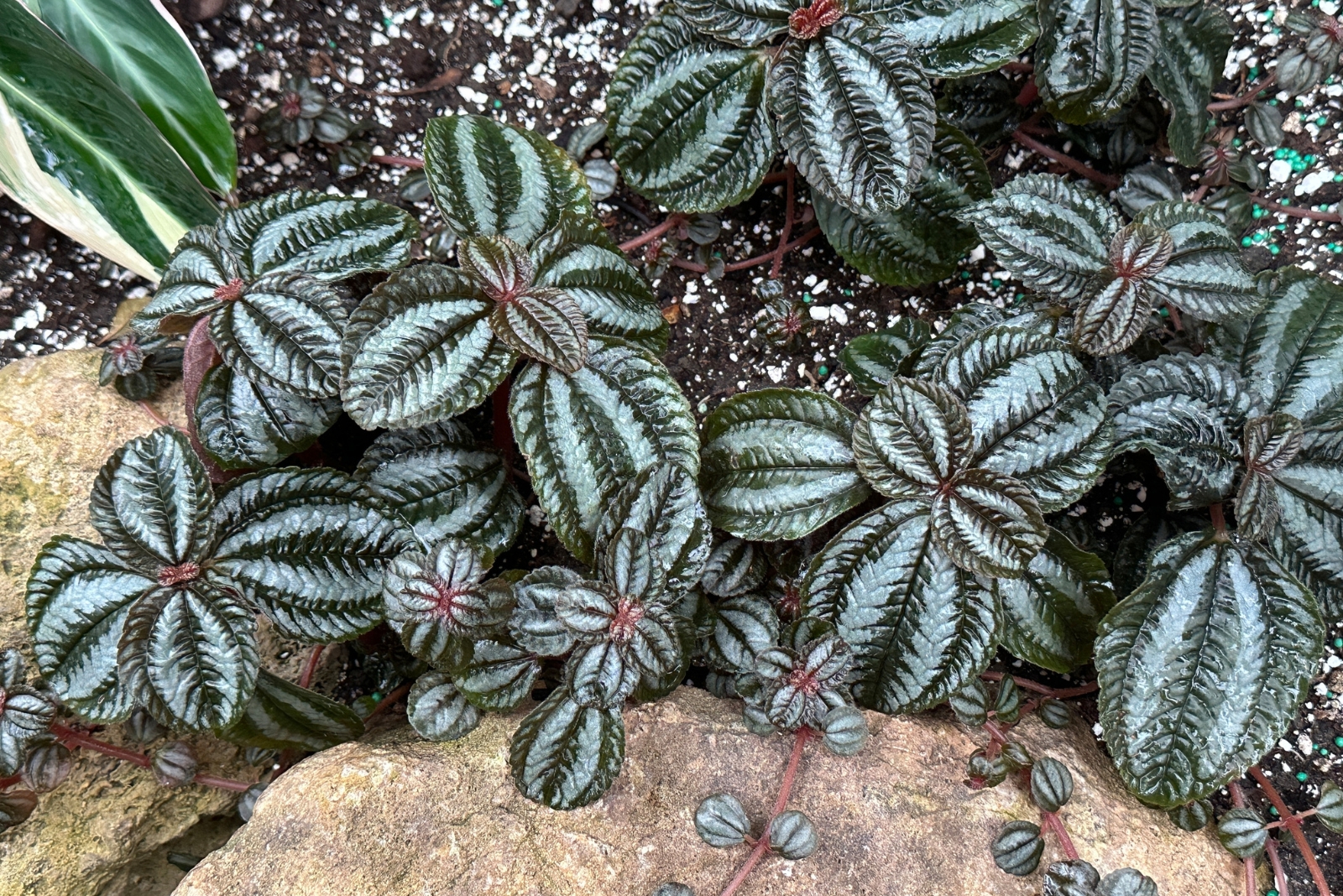
Quilted silvery-green foliage catches whatever light is available, reflecting it beautifully to create a luminous effect even in dimly lit spaces indoors.
This rare Pilea variety grows bushier than its popular cousin Pilea peperomioides, forming a dense mound of textured leaves that look almost embossed.
Springfield residents appreciate how forgiving this plant is, bouncing back quickly from occasional neglect or irregular watering schedules that busy lifestyles sometimes require.
The silvery sheen on each leaf comes from tiny hairs that cover the surface, creating a soft, touchable texture that invites interaction.
Hanging baskets work wonderfully for displaying this beauty, allowing the cascading growth habit to show off its full potential in corners near doorways.
Room temperature water applied when the top inch of soil feels dry keeps this Pilea happy without risking overwatering problems that plague many houseplants.
Propagation is incredibly easy through stem cuttings, meaning you can share this rare find with friends or create fuller plants by rooting multiple cuttings.
Across Massachusetts, plant collectors seek out this variety specifically for its unique appearance and ability to thrive where other decorative plants would simply fade.
5. Episcia ‘Chocolate Soldier’
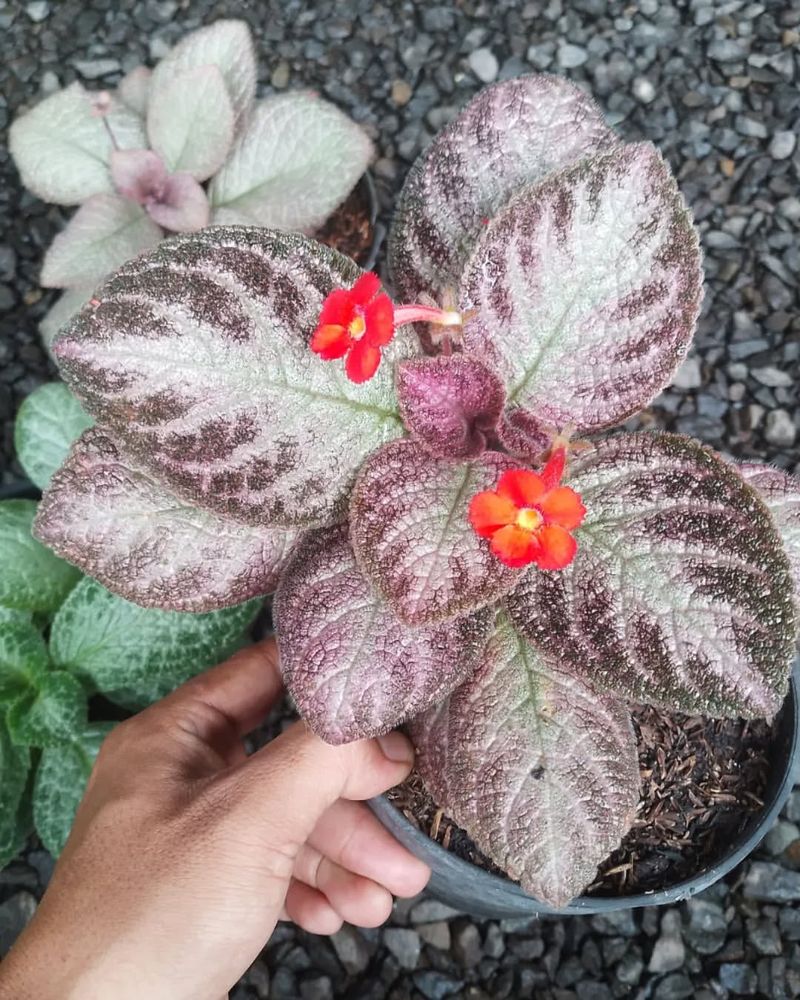
Velvety chocolate-brown foliage adorned with silver markings creates a dramatic contrast that looks almost too beautiful to be real in any indoor setting.
Small orange tubular flowers emerge periodically, adding pops of warm color against the dark leaves, though the foliage remains the main attraction here.
Lowell homeowners often choose this trailing plant for bookshelves or plant stands where its runners can cascade gracefully downward, creating living curtains of color.
Episcias originated in Central American rainforests, where they grew on shaded forest floors, so they naturally prefer the low-light conditions found in corners.
The fuzzy leaf texture feels luxurious to touch, and the plant produces runners with baby plantlets that root easily to create new specimens.
Warmth and humidity are important, but this variety adapts surprisingly well to typical Massachusetts indoor conditions with just occasional misting or nearby humidifiers.
Pinching back growing tips encourages bushier growth and prevents the plant from becoming too leggy or sparse over time with proper maintenance habits.
Fertilize lightly during spring and summer months to support healthy leaf production, but avoid overfeeding, which can damage the delicate root system underneath.
6. Begonia ‘Escargot’
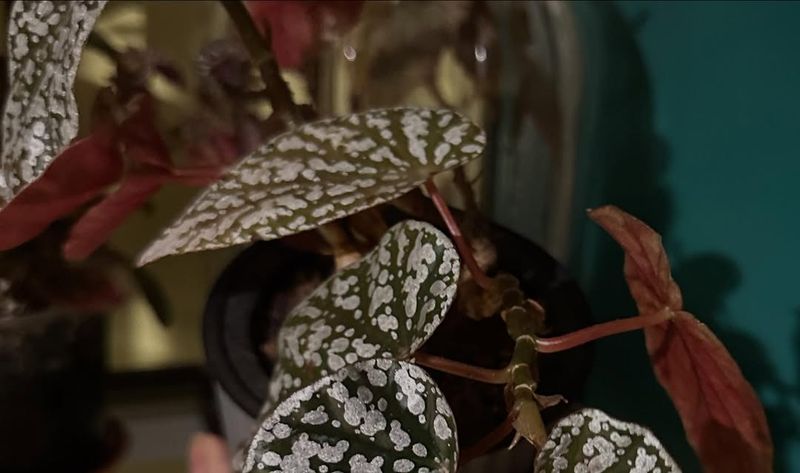
Spiral patterns on each leaf mimic snail shells perfectly, earning this begonia its French name and making it one of the most visually interesting plants.
Silver and olive-green coloration swirls from the center of each leaf outward, creating a mesmerizing effect that draws the eye immediately upon viewing.
Rex begonias like this one have been cultivated for their foliage rather than flowers, and Escargot represents one of the most striking varieties available.
Northampton plant enthusiasts seek out this rare beauty specifically for shadier rooms where its unique patterning can serve as living artwork on shelves or tables.
The plant grows relatively compact, making it suitable for smaller spaces like apartment bathrooms or office cubicles that lack direct sunlight throughout the day.
Watering needs are moderate, with the soil staying slightly moist but never soggy, which would cause rhizome problems that affect overall plant health.
Leaf edges may develop brown tips if humidity drops too low, so grouping plants together or using humidity trays helps maintain ideal conditions.
Across Massachusetts, collectors trade cuttings of this variety because it remains relatively uncommon in regular nurseries, making it a prized addition to any collection.
7. Hemigraphis Alternata (Purple Waffle Plant)
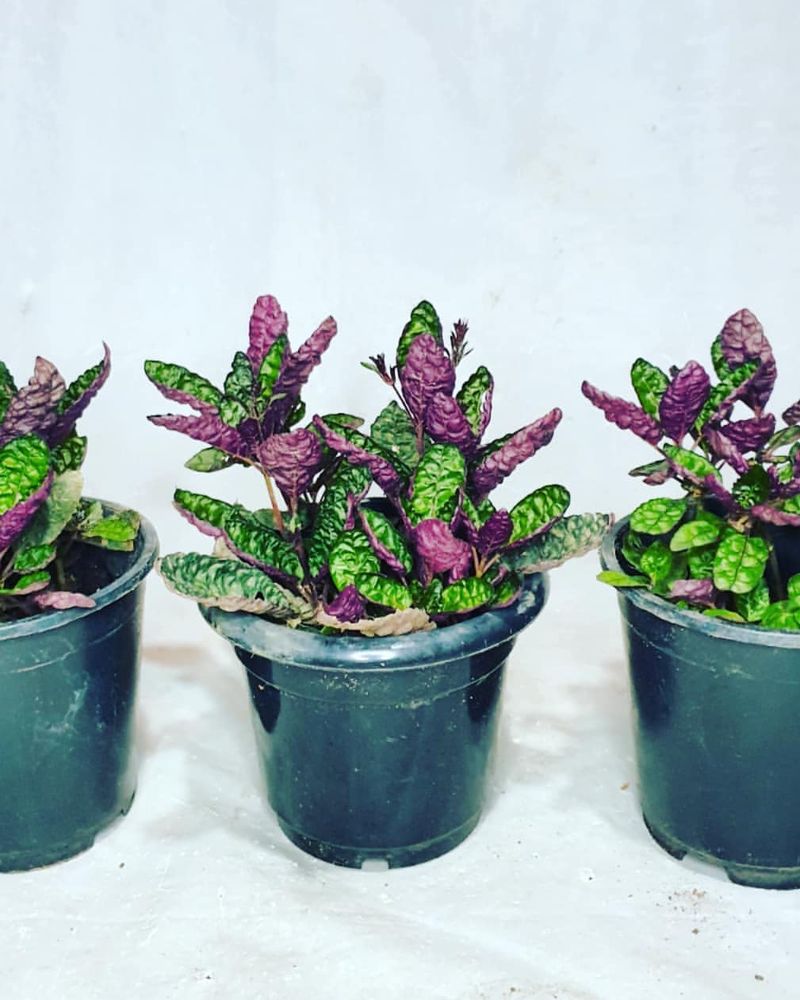
Deeply textured leaves resemble waffles, with puckered surfaces that create shadows and highlights, adding dimensional interest to any indoor plant collection displayed prominently.
The foliage shows off metallic purple undersides while the tops display green with purple veining, creating a two-toned effect that changes with perspective.
Salem residents love how this fast-growing groundcover fills in pots quickly, creating lush displays that look mature within just a few growing months.
Originally from Java, this plant adapted to shaded understory conditions, making it perfectly suited for Massachusetts homes with limited natural light coming through windows.
Small white flowers occasionally appear, but they are insignificant compared to the stunning foliage that provides year-round interest without seasonal blooming requirements needed.
Pinching back stems regularly encourages branching and prevents legginess, resulting in fuller, more attractive plants that maintain their compact shape throughout their lifespan.
Soil should remain evenly moist, similar to a wrung-out sponge, providing consistent moisture without creating waterlogged conditions that harm root development over time.
This plant works wonderfully in terrariums or mixed containers where its spreading habit can weave between other plants, creating layered compositions that look professionally designed.
8. Selaginella Erythropus (Ruby Red Spikemoss)
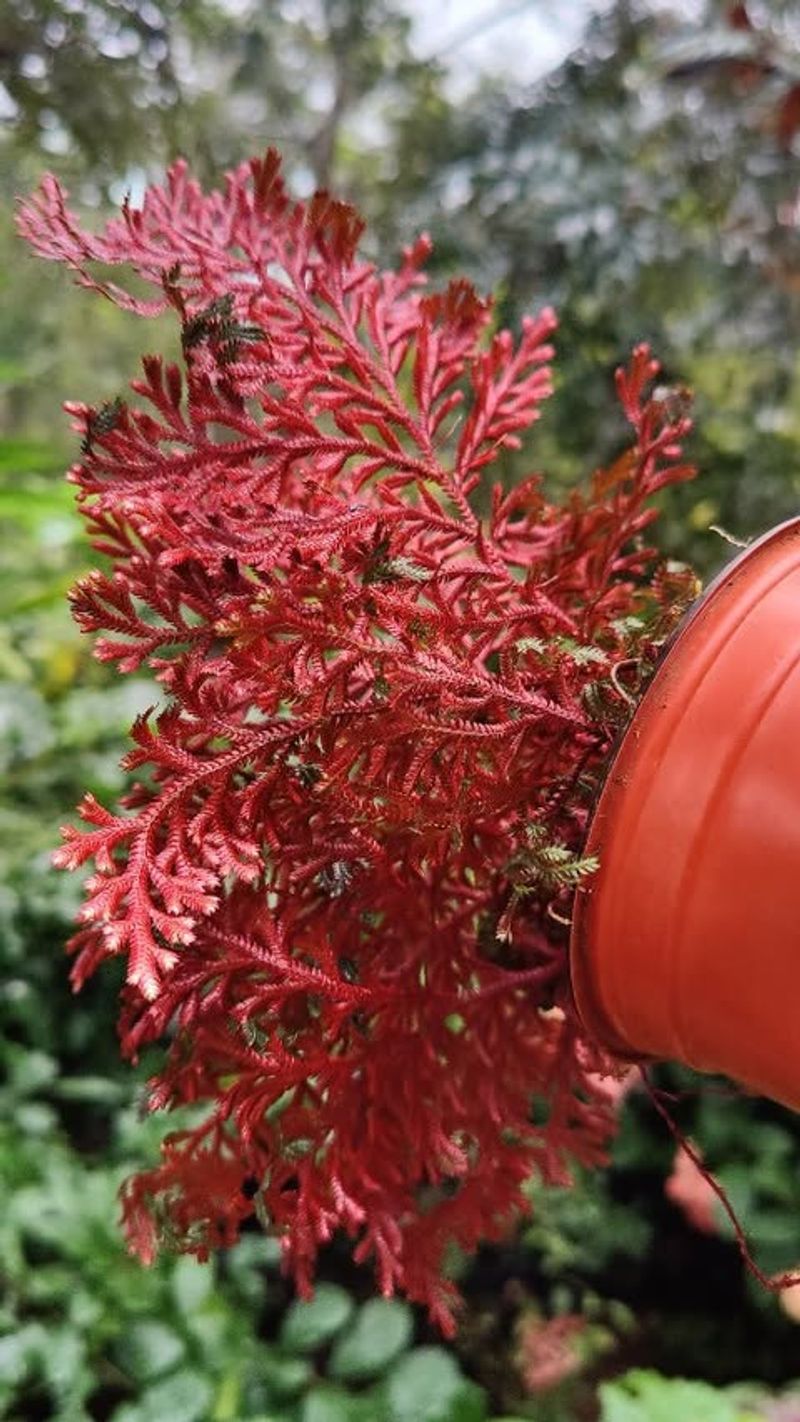
Fern-like fronds display an enchanting combination of ruby-red and emerald-green coloration that intensifies in lower light conditions rather than fading away completely.
This ancient plant species has survived since prehistoric times, making it a living fossil that brings a touch of natural history into homes.
Plymouth gardeners appreciate how this delicate beauty thrives in terrariums or covered containers where humidity stays consistently high throughout the day and night.
The feathery texture creates a soft, moss-like appearance, but Selaginella is actually more closely related to ferns than true mosses botanically speaking here.
Growth remains low and spreading, making it an excellent choice for shallow dishes or as groundcover beneath taller plants in mixed arrangements indoors.
Consistent moisture is absolutely essential, as this plant cannot tolerate drying out even briefly, which would cause rapid browning of the delicate foliage.
Bright indirect light brings out the reddest tones, but it adapts well to shadier corners, simply displaying more green coloration in lower illumination.
Across Massachusetts, this unusual specimen adds textural diversity to plant collections, offering something completely different from typical houseplants found in most garden centers today.