Rare Winter Blooming Hellebores Are Showing Color In Oregon Gardens
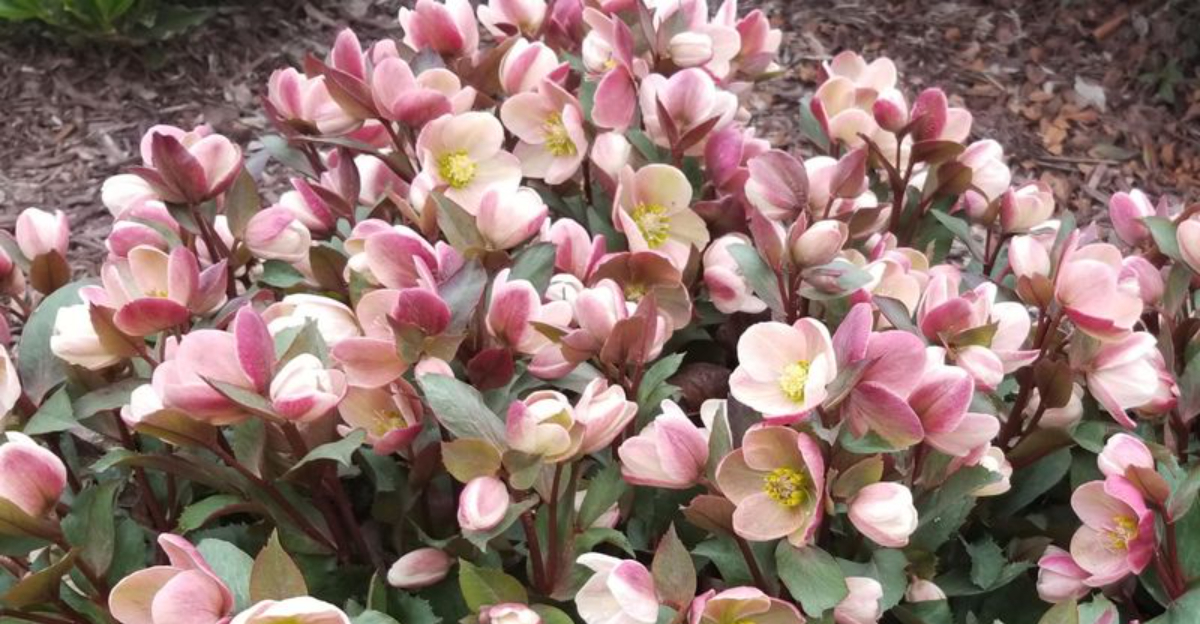
Winter might still have a grip on Oregon, but these rare hellebores are already pushing up blooms and quietly stealing attention when most gardens are still asleep.
Seeing flowers open during the coldest stretch always feels a little surprising, especially when color shows up weeks before spring feels anywhere close.
These winter bloomers have a way of lifting the mood, reminding gardeners that the season is already shifting, even if the weather has not caught up yet.
Many gardeners notice them first on a gray morning, standing out against wet soil and bare beds like a small reward for simply stepping outside.
Once they start blooming, it becomes hard not to check on them daily, watching subtle color changes unfold while winter still lingers.
1. Helleborus niger
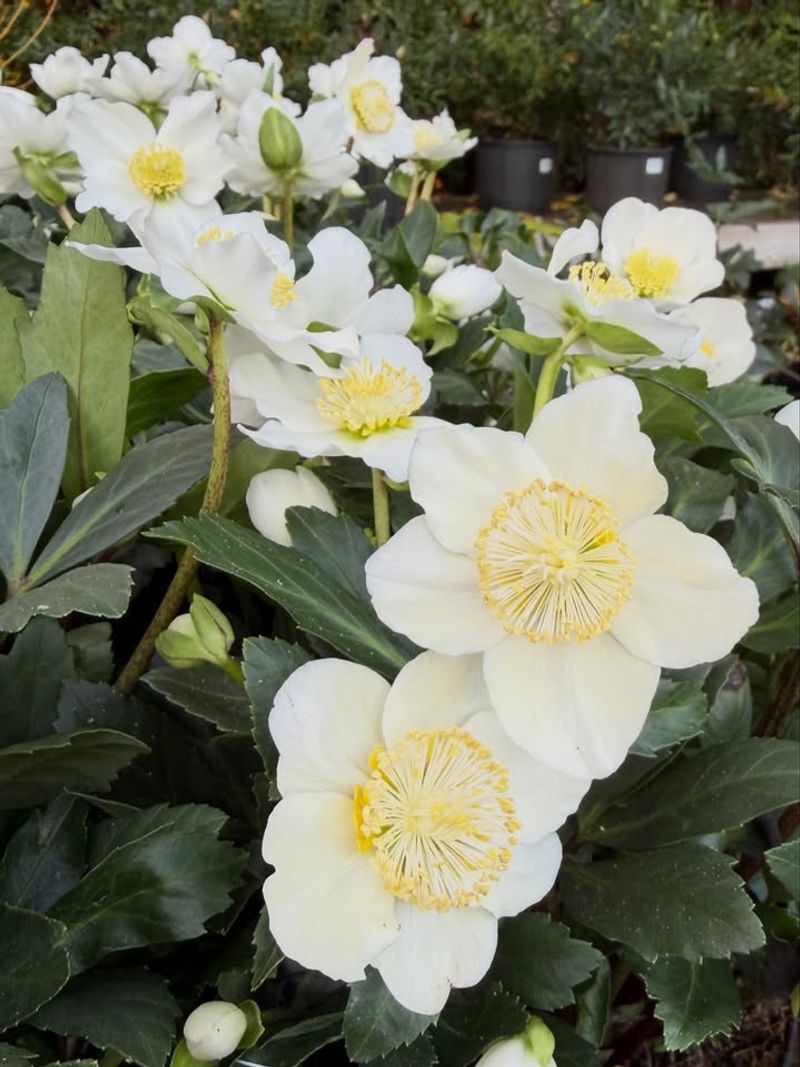
Pure white petals make this variety stand out like fresh snow against dark winter soil in gardens throughout Oregon each year.
Commonly called the Christmas rose, this hellebore begins its flowering cycle during December and continues producing blooms well into early spring months.
Oregon gardeners treasure it because the flowers emerge exactly when outdoor color feels most scarce and desperately needed for visual interest outdoors.
Each bloom measures about three inches across, featuring bright yellow stamens that contrast beautifully against the snowy petals surrounding the flower center.
The plant grows low to the ground, reaching only twelve to fifteen inches tall, making it perfect for front borders or underneath taller plants.
This species prefers partial shade and well-drained soil that stays consistently moist but never waterlogged during Oregon’s rainy winter season ahead.
The leathery evergreen leaves provide year-round interest even when flowers fade away completely after their blooming period ends in late winter months.
Christmas roses tolerate cold temperatures remarkably well, continuing to bloom even when frost covers the petals overnight in Oregon gardens statewide.
Gardeners often plant it near walkways or entrances so the winter blooms can be enjoyed up close during the coldest, grayest days of the year.
Once established, this hellebore requires very little maintenance, quietly returning each winter with reliable blooms that signal the slow transition from winter toward spring.
2. Helleborus orientalis
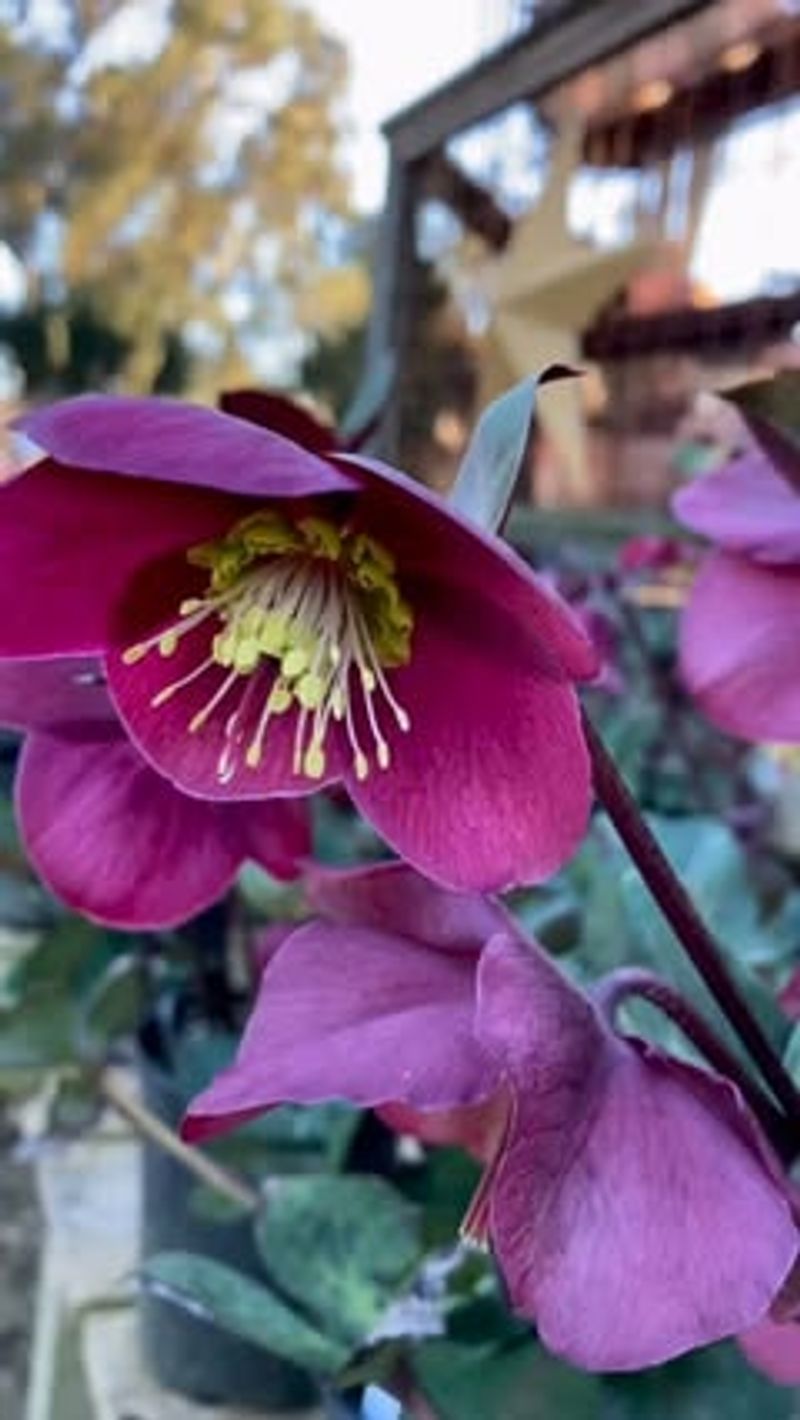
Lenten roses earn their name because they typically bloom around the Easter season, bringing vibrant hues to Oregon landscapes after Christmas varieties finish flowering.
Colors range from soft cream and pale pink to deep burgundy and rich purple, with many flowers displaying charming speckles or spots.
Oregon gardeners adore the variety because no two plants produce exactly identical blooms, creating unique displays that change from year to year naturally.
Flowers nod downward on sturdy stems, which protects the delicate reproductive parts from rain and snow that frequently fall during late winter here.
This downward-facing habit also adds an elegant, graceful quality that makes the plants look sophisticated in woodland garden settings throughout the state.
Plants grow eighteen to twenty-four inches tall and spread slowly through self-seeding, eventually forming attractive clumps that expand over multiple growing seasons ahead.
The foliage remains evergreen in Oregon’s mild climate, providing texture and structure even during months when blooms are completely absent from view.
Lenten roses adapt well to various light conditions, thriving in partial to full shade beneath deciduous trees throughout Oregon neighborhoods everywhere.
These hellebores often emerge just as winter fatigue sets in, giving gardeners a fresh sense of momentum before spring truly arrives.
Once settled in, they prove dependable and long-lived, quietly returning each year with stronger growth and increasingly impressive flower displays.
3. Helleborus foetidus
Clusters of small, bell-shaped flowers in chartreuse green with maroon edges create an unusual color combination rarely seen in other winter bloomers here.
Despite its unfortunate common name of stinking hellebore, the plant only releases a slight odor when leaves are crushed or damaged during handling.
Most gardeners never notice any unpleasant smell during normal garden activities, making the name somewhat misleading for typical landscape use situations.
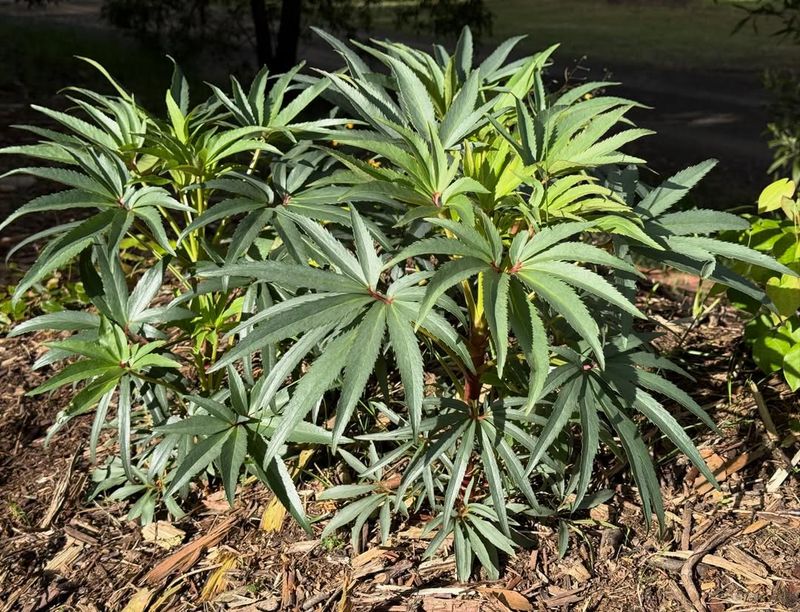
The deeply divided, dark green foliage looks almost tropical, adding bold texture to shaded garden areas where other plants struggle to provide interest.
Each leaf stem can hold seven to eleven narrow leaflets, creating a palm-like appearance that contrasts beautifully with the delicate flower clusters above.
This species blooms earlier than many other hellebores, often showing color in January when winter feels longest and dreariest.
Flower clusters contain dozens of individual blooms that last for weeks, providing extended color during a season when every bit of brightness counts.
Plants reach about eighteen inches tall and prefer dry shade conditions, making them perfect for challenging spots beneath evergreen trees in many yards.
4. Helleborus argutifolius
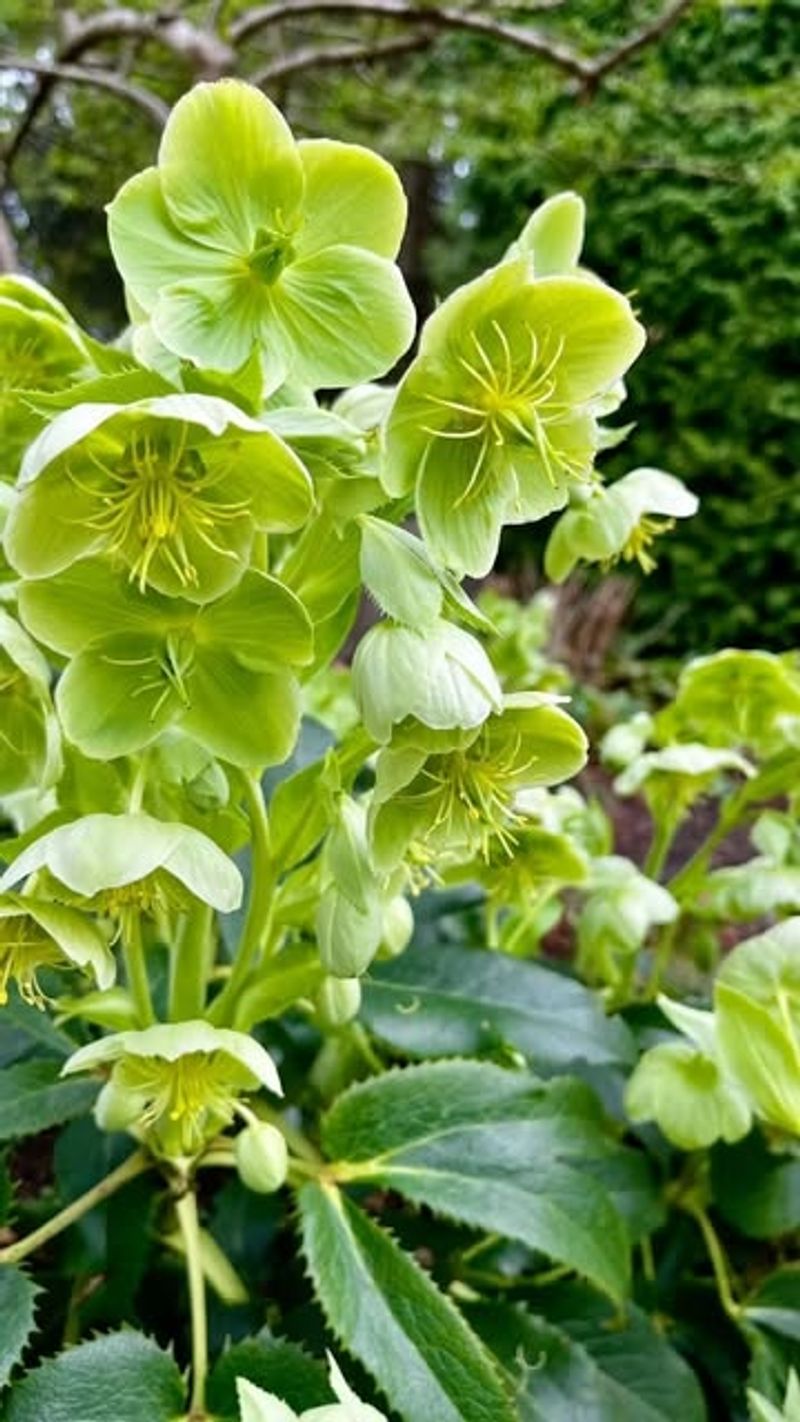
Bold, spiny-edged leaves give this variety an architectural quality that makes it stand out even before the impressive green flowers appear each season.
Native to Corsica and Sardinia, this hellebore brings Mediterranean charm to gardens, tolerating drier conditions than many of its relatives prefer.
Pale green, cup-shaped blooms appear in large clusters atop sturdy stems that can reach two to three feet tall, creating a strong visual presence.
Each flower measures about two inches across, and dozens form together in showy clusters that remain attractive for months through late winter.
The apple-green color pairs beautifully with early spring bulbs like daffodils and tulips, creating fresh, natural-looking combinations.
This species prefers more sun than most hellebores, making it suitable for brighter garden locations where afternoon light is common.
Thick, leathery leaves resist damage from wind and rain, helping the plant stay attractive when harsher weather affects more delicate plants.
Corsican hellebores self-seed freely, eventually forming impressive colonies that fill larger areas with very little ongoing effort.
5. Helleborus x hybridus
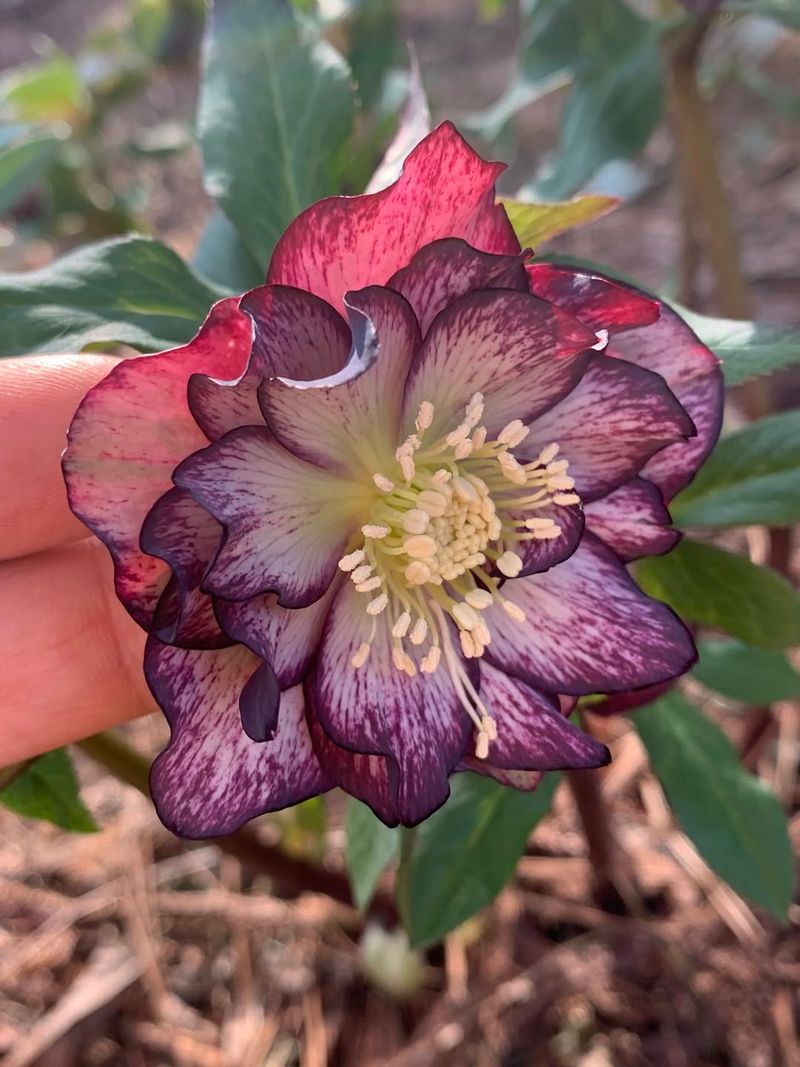
Hybrid hellebores offer the widest color range of any type, with breeders creating stunning varieties in almost every shade imaginable for Oregon gardeners.
These crosses between different species produce flowers in colors from nearly black to pure white, including yellows, pinks, and greens rarely found.
Many hybrids feature double flowers with extra petals, creating rose-like blooms that look almost too fancy for winter weather conditions outdoors.
Picotee patterns, where petal edges display contrasting colors, add extra visual interest that makes each flower a miniature work of garden art.
Oregon nurseries stock dozens of named varieties, allowing gardeners to select specific colors that complement existing landscape designs perfectly and intentionally.
Blooming typically begins in February and continues through April, bridging the gap between true winter and spring flowering seasons beautifully and reliably.
The flowers age gracefully, slowly fading to softer shades rather than dropping suddenly, which extends the display period significantly beyond initial bloom.
Hybrids inherit the best traits from parent species, including cold hardiness, disease resistance, and adaptability to Oregon’s varied growing conditions statewide and beyond.
These plants often perform better in home gardens than wild species, thanks to careful breeding focused on reliability and consistent flowering habits.
With proper placement and minimal care, hybrid hellebores can become long-term fixtures that improve in size and bloom quality with each passing year.
6. Helleborus lividus
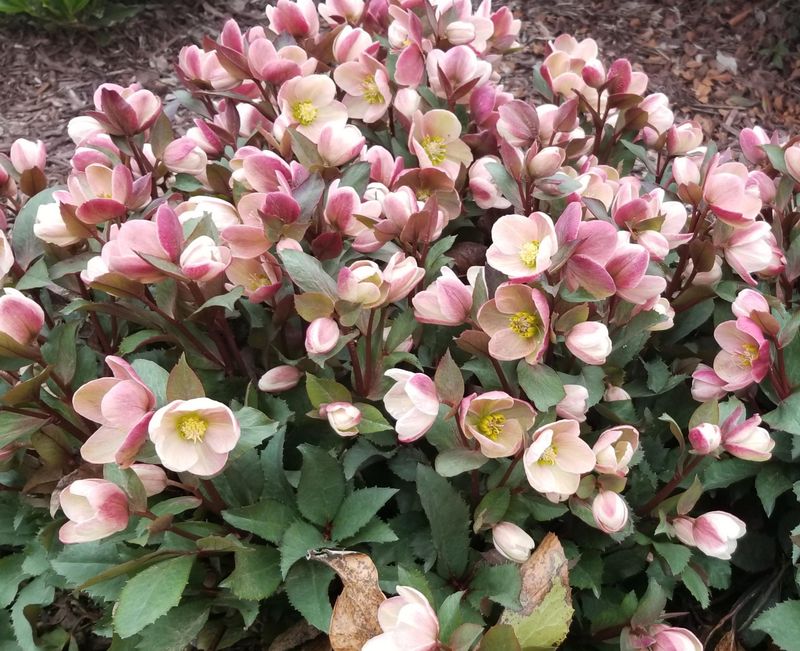
Marbled foliage marked with purple veins makes this species instantly recognizable, providing ornamental value long before flowers emerge in Oregon gardens each year.
Native to Majorca, this somewhat tender hellebore appreciates protection from harsh winds and extreme cold that occasionally sweep through Oregon during winter storms.
The pink-tinged green flowers complement the uniquely patterned leaves, creating a cohesive color scheme that looks intentionally coordinated and professionally designed.
Plants remain more compact than many hellebores, typically reaching only twelve inches tall, making them perfect for container plantings on sheltered patios.
Oregon gardeners often grow this variety in pots that can be moved to protected locations during the coldest nights of winter.
Flowers appear in late winter, continuing into early spring, and emit a subtle fragrance that’s rare among hellebores and quite pleasant outdoors.
The blooms face slightly upward more than other species, making them easier to appreciate without bending down to view the intricate details.
This variety prefers slightly warmer microclimates found in urban Oregon gardens where buildings and pavement moderate temperature extremes that occur in rural locations.
Given the right protection, it can overwinter successfully and reward gardeners with healthier foliage and stronger blooms each successive season.
Its distinctive leaves ensure the plant remains visually interesting even during periods when flowers are not actively on display.
7. Helleborus ericsmithii
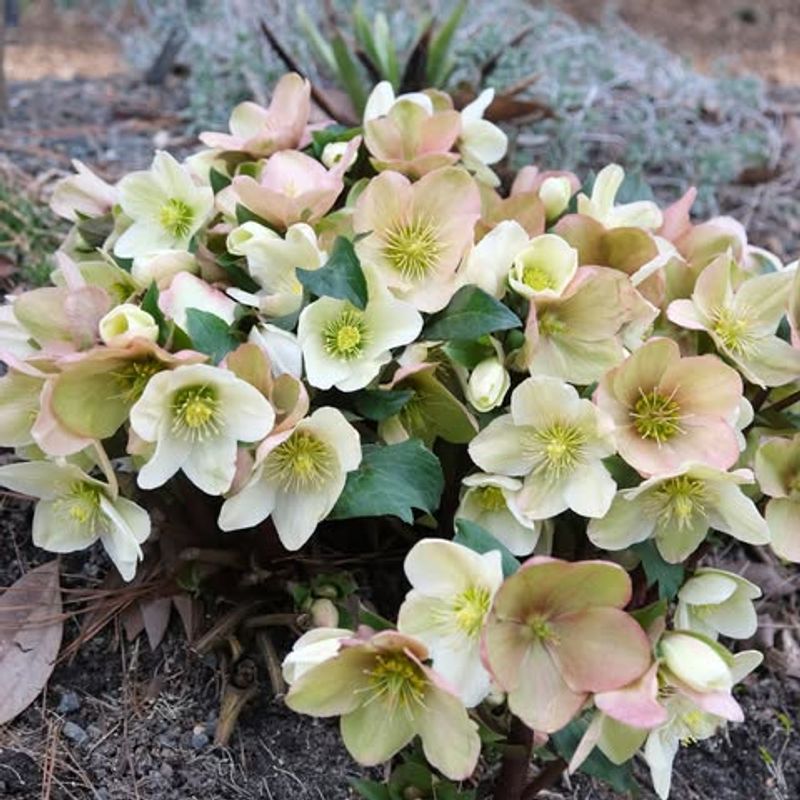
Named after plantsman Eric Smith, this hybrid combines the best qualities of its parent species into one outstanding plant for Oregon garden conditions.
Creamy white flowers often develop pink tones as they age, creating a two-toned effect that adds depth and interest to the display.
The foliage shows subtle marbling inherited from one parent, providing year-round visual appeal that justifies the plant’s place in Oregon landscapes everywhere.
This variety blooms reliably from January through March, producing flowers that withstand freezing temperatures and heavy rain without damage or deterioration at all.
The compact growth habit makes it suitable for small gardens and tight spaces where larger hellebores would overwhelm the available planting area.
Oregon gardeners appreciate this hybrid’s vigor and disease resistance, which reduces maintenance requirements and ensures consistent performance year after year without intervention.
The flowers produce viable seeds that often inherit the parent plant’s desirable characteristics, allowing gardeners to expand their collections over time naturally.
Plants thrive in partial shade with consistent moisture, conditions commonly found in Oregon gardens beneath mature trees and along north-facing house walls.
Once established, this hellebore settles in quickly and shows steady improvement in bloom count and overall plant strength each season.
Its dependable nature makes it a favorite choice for gardeners who want winter interest without adding complexity to their care routine.
8. Helleborus sternii
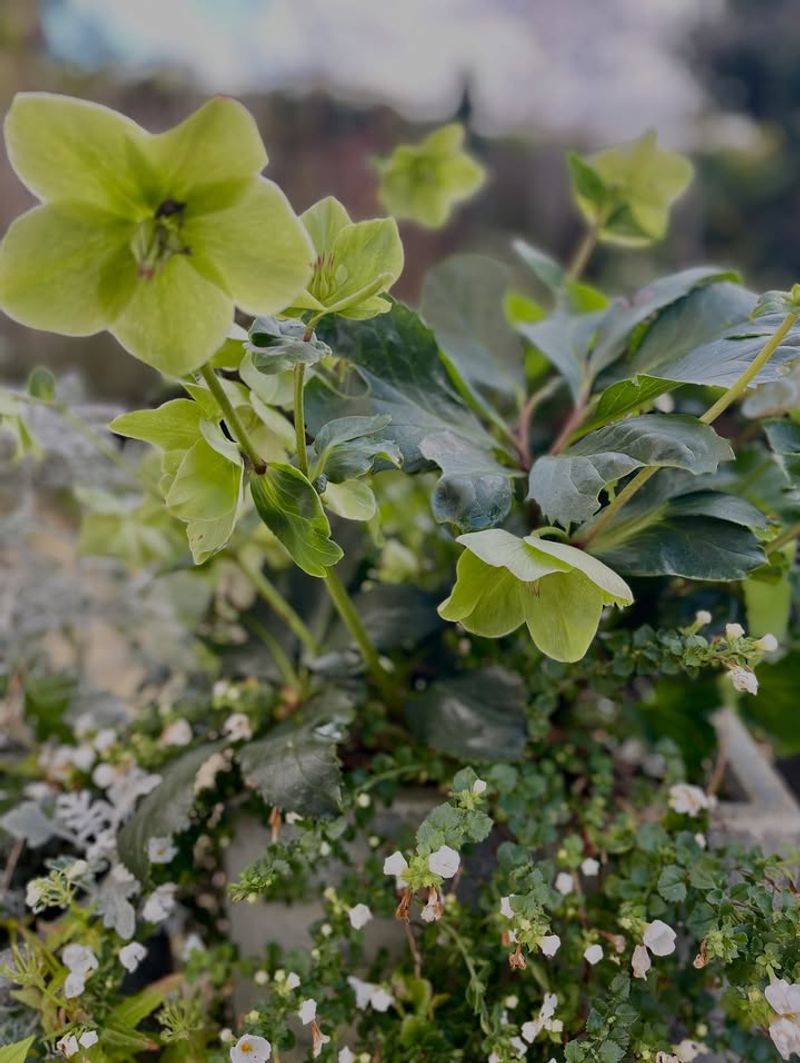
Silver-veined foliage creates a shimmering effect in shaded Oregon gardens, catching available light and brightening dark corners throughout the entire growing season.
This hybrid between H. lividus and H. argutifolius inherits attractive traits from both parents, including colorful foliage and substantial flower clusters together.
The green flowers show pink or purple tones on the undersides, which become visible as the blooms age and the petals reflex backward.
Plants grow larger than many hellebores, reaching two feet tall and wide, creating substantial presence in mixed borders and foundation plantings here.
The sturdy stems hold flowers upright, making them more visible than downward-facing varieties that require viewers to crouch for proper appreciation.
Blooming begins in late winter and continues well into spring, providing extended color during Oregon’s transition from cold to warm weather patterns.
The evergreen leaves maintain their attractive silver markings year-round, ensuring the plant contributes to garden beauty even during summer and fall months.
This variety tolerates more sun than shade-loving species, adapting well to Oregon gardens with bright exposure that would stress other hellebore types significantly.
Gardeners often place it where foliage can be admired up close, knowing the leaves remain just as striking long after flowering ends.
Its combination of size, durability, and distinctive coloring makes it a strong anchor plant in year-round garden designs.