Read This Before You Water Tomorrow Morning If You Live In North Carolina
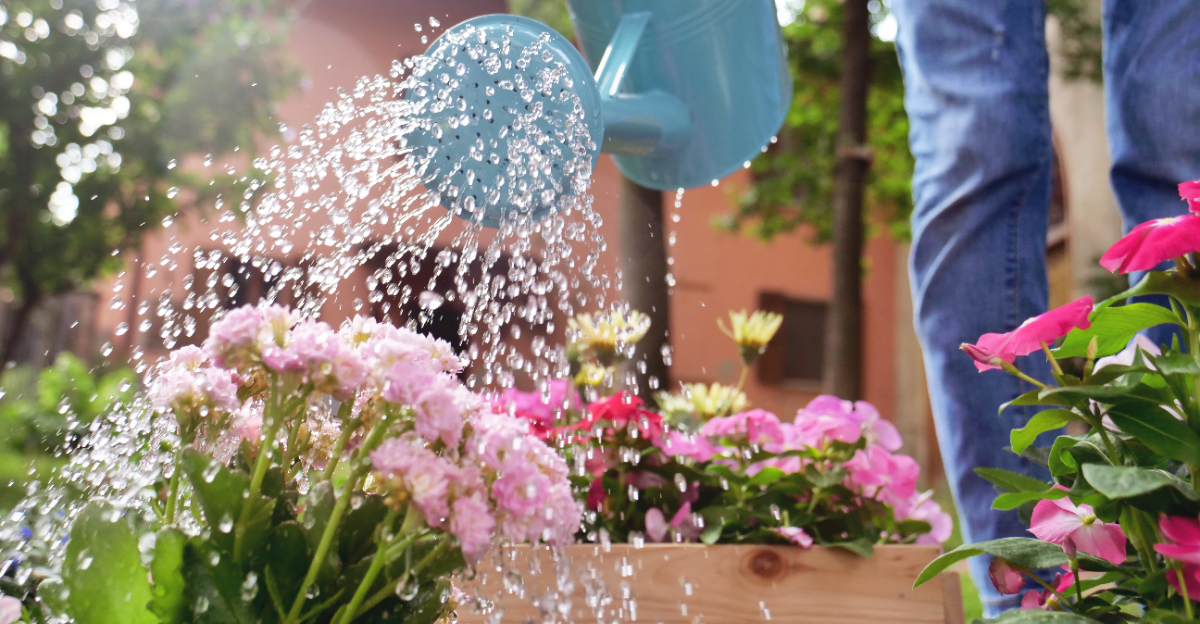
Watering seems simple, yet it is one of the biggest reasons gardens thrive or struggle in North Carolina.
Hot summers, sudden downpours, and long dry stretches can leave even experienced gardeners guessing when plants truly need moisture. Too little water slows growth and stresses roots.
Too much invites rot, disease, and wasted effort. Finding the right balance makes all the difference. When watering is done wisely, plants grow stronger, bloom longer, and handle heat with far less stress.
It also saves time, reduces water bills, and keeps soil healthier through the seasons. The key is not watering more, but watering smarter.
With a few practical techniques and a better understanding of how North Carolina’s climate affects soil and roots, you can keep your garden vibrant, productive, and resilient from early spring through the peak of summer and beyond.
Water Early In The Morning
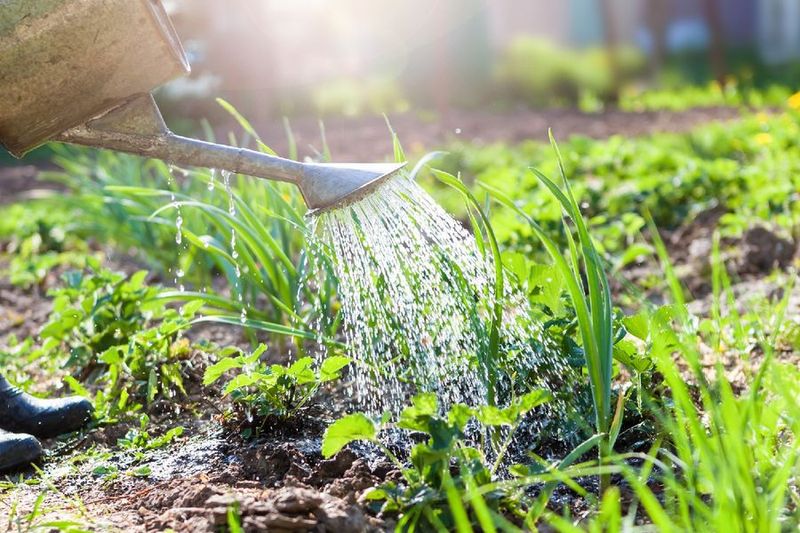
Starting your watering routine at dawn gives your plants the best chance to absorb moisture efficiently.
Cool morning temperatures mean less water evaporates before reaching plant roots. Your garden soil stays moist longer when you water before the sun climbs high.
Wet foliage dries quickly as the day warms up. This natural drying process prevents fungal diseases from taking hold on leaves and stems. North Carolina summers bring humidity that encourages plant diseases, so timing matters greatly for garden health.
Early watering also prepares plants for hot afternoon temperatures. Roots absorb moisture during cooler hours and store it for later use. Your vegetables, flowers, and shrubs face less stress when they start each day well-hydrated.
Most gardeners find watering between 5 and 9 a.m. works perfectly. This schedule fits busy lifestyles while protecting plant health. You can set timers on irrigation systems to automate morning watering.
Plants respond positively to consistent morning moisture. Growth improves, blooms multiply, and vegetables produce better yields. Simple timing changes create noticeable differences in overall garden performance throughout growing seasons.
Check Soil Moisture Before Watering

Your finger becomes the most reliable tool for determining watering needs. Push it into the soil about two inches deep near plant roots. Dry soil at this depth signals it’s time to water again.
Different plants require different moisture levels to flourish. Vegetables like tomatoes prefer evenly moist soil, while herbs such as rosemary tolerate drier conditions.
Understanding individual plant needs prevents both overwatering and underwatering problems.
Overwatering causes more plant problems than underwatering in most North Carolina gardens. Constantly soggy soil suffocates roots and promotes rot. Yellow leaves, wilting despite wet soil, and stunted growth indicate too much moisture.
Soil texture affects how quickly moisture drains away. Sandy soils common in coastal areas dry faster than clay-rich soils found in piedmont regions. Testing helps you adjust watering frequency based on your specific garden conditions.
Morning checks work best because soil temperature remains cooler. You get accurate readings before sun exposure changes surface conditions. Regular testing becomes second nature after a few weeks of practice.
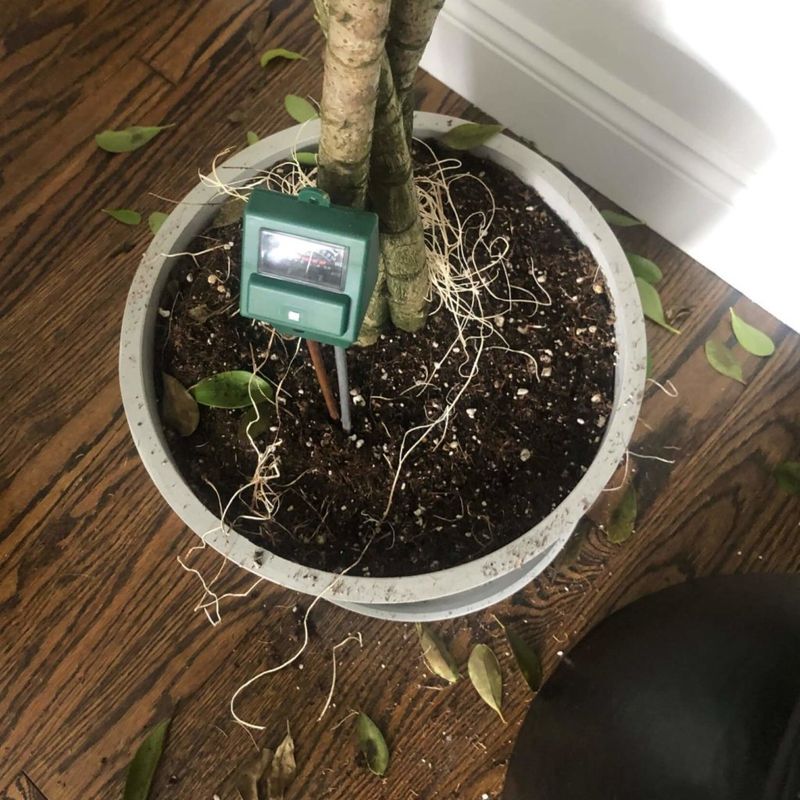
Moisture meters offer another checking method for those who prefer tools. These devices provide numerical readings showing exact soil moisture levels. However, the finger test costs nothing and works reliably for most gardening situations.
Use Deep, Infrequent Watering
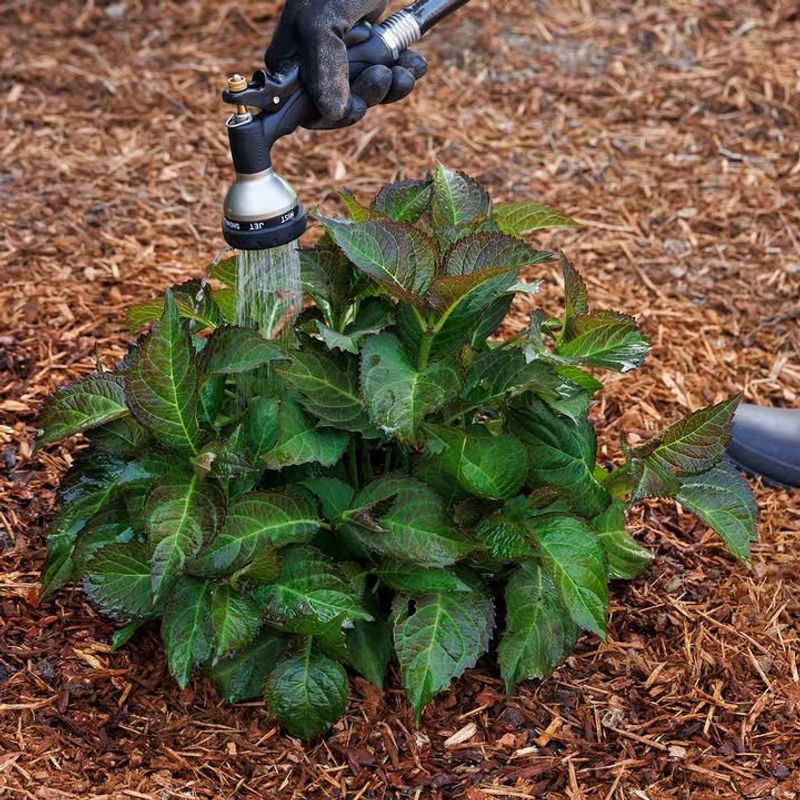
Shallow, frequent watering creates weak root systems that struggle during dry spells. Plants develop roots only where moisture exists. Surface watering encourages roots to stay near the top instead of growing downward.
Deep watering means applying enough moisture to penetrate six to eight inches into the soil. This technique forces roots to grow deeper searching for water. Strong, deep roots anchor plants firmly and access moisture reserves lower in the ground.
Most established plants need thorough watering once or twice weekly rather than daily sprinkles. New transplants require more frequent attention until roots establish. Adjust your schedule based on plant maturity and weather conditions.
Deep roots provide natural drought insurance for your garden. Plants with extensive root systems tolerate hot, dry periods better than shallow-rooted specimens. North Carolina summers test plant resilience, making strong roots essential for survival.
Apply water slowly so soil absorbs it completely. Fast application causes runoff that wastes water and erodes soil. Soaker hoses and drip irrigation work excellently for deep watering without runoff problems.
Check watering depth by digging a small hole several hours after irrigating. Moist soil should extend down several inches. Adjust watering duration until you achieve proper depth consistently throughout your garden beds.
Adjust Watering For Seasonal Temperatures
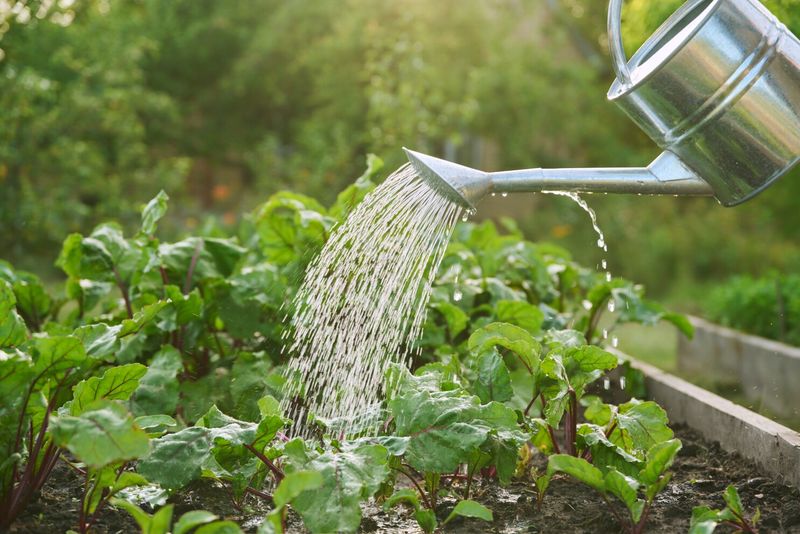
North Carolina experiences four distinct seasons that dramatically affect plant water needs. Summer heat and sunshine increase evaporation rates significantly. Plants lose moisture through leaves faster when temperatures soar above 85 degrees.
June through August typically brings the highest watering demands. Container plants may need daily attention, while garden beds require two or three sessions weekly. Monitor weather forecasts and adjust schedules when heat waves arrive.
Fall temperatures drop gradually, reducing evaporation and plant transpiration. September and October rains often supplement irrigation needs. You might water only once weekly as autumn progresses toward winter.
Winter dormancy means most established plants need minimal supplemental watering. Evergreens and newly planted specimens still require occasional moisture during dry winter stretches. Water on warmer days when soil isn’t frozen.
Spring brings unpredictable weather patterns across North Carolina. Cool, rainy weeks alternate with warm, dry spells. Stay flexible with watering schedules, checking soil moisture frequently as temperatures fluctuate.
Rainfall amounts vary greatly across the state’s regions. Coastal areas receive different precipitation than mountain zones. Track local rainfall using rain gauges to calculate how much supplemental watering your garden truly needs each week.
Water At The Base Of Plants
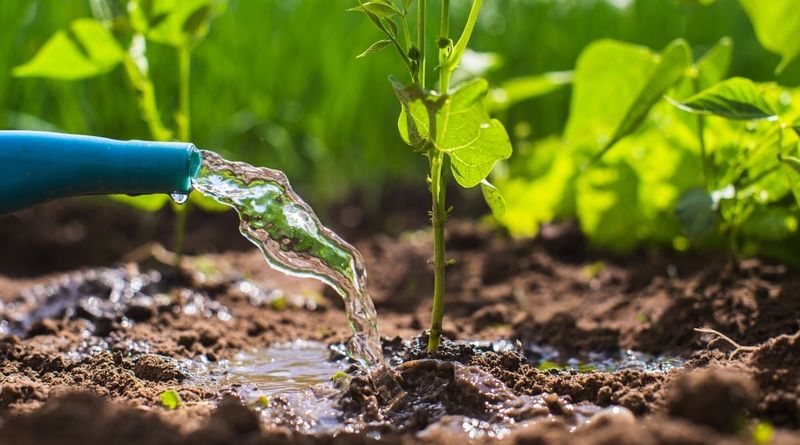
Directing water straight to the root zone delivers moisture where plants actually use it. Roots absorb water and nutrients, not leaves or flowers. Targeting the base ensures maximum efficiency from every drop you apply.
Wet foliage creates perfect conditions for fungal diseases to develop. Powdery mildew, leaf spots, and blight thrive on moist leaf surfaces. North Carolina’s humid climate already challenges plant health, so avoiding wet leaves helps prevent additional problems.
Overhead sprinkling wastes significant amounts of water through evaporation. Droplets landing on leaves evaporate quickly, especially during warm weather. Base watering conserves resources while improving plant health simultaneously.
Soaker hoses laid along garden rows deliver water directly to root zones. Drip irrigation systems with emitters positioned near plant bases work even better. These methods automate efficient watering while keeping foliage dry.
Hand watering gives you control over water placement. Remove spray nozzles and let water flow gently at the base of each plant. This technique works well for containers, flower beds, and vegetable gardens.
Mulch helps direct water downward into soil rather than allowing runoff. Create slight depressions around plant bases to catch and hold water. These simple techniques ensure moisture reaches roots instead of running away across hard soil surfaces.
Mulch Around Plants To Retain Moisture
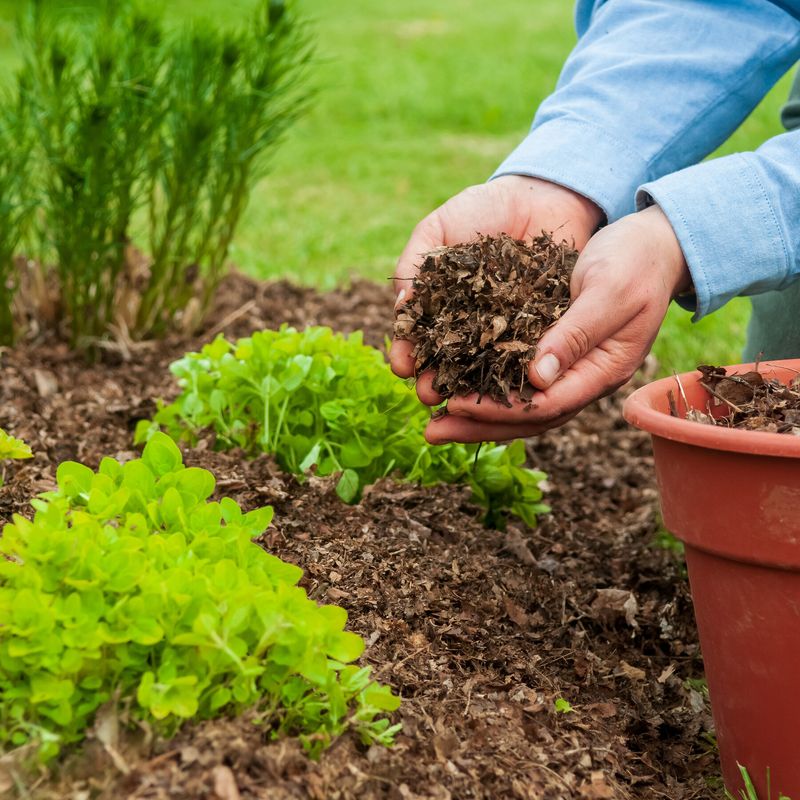
Spreading organic mulch around plants creates a protective blanket that conserves soil moisture remarkably well. Pine straw, shredded leaves, and wood chips all work effectively. A two to three inch layer reduces evaporation by up to 50 percent.
Mulch moderates soil temperature fluctuations throughout the day. Cooler soil retains moisture longer than hot, exposed ground. Plant roots function better in stable temperature conditions that mulch naturally provides.
Weeds compete with garden plants for available moisture. Thick mulch layers suppress weed growth, leaving more water for your desirable plants. Less weeding saves time while improving overall garden health.
Organic mulches decompose gradually, adding nutrients and improving soil structure. Earthworms thrive under mulch, creating channels that help water penetrate deeper. Your soil quality improves year after year with consistent mulching practices.
Apply mulch after soil warms in spring but before summer heat arrives. Keep mulch pulled back slightly from plant stems to prevent rot. Refresh mulch layers annually as materials decompose and settle.
Different mulch types suit different garden areas. Pine straw works beautifully around acid-loving plants like azaleas. Shredded hardwood mulch complements vegetable gardens.
Choose materials that match your landscape style and plant needs for best results.
Group Plants By Water Needs
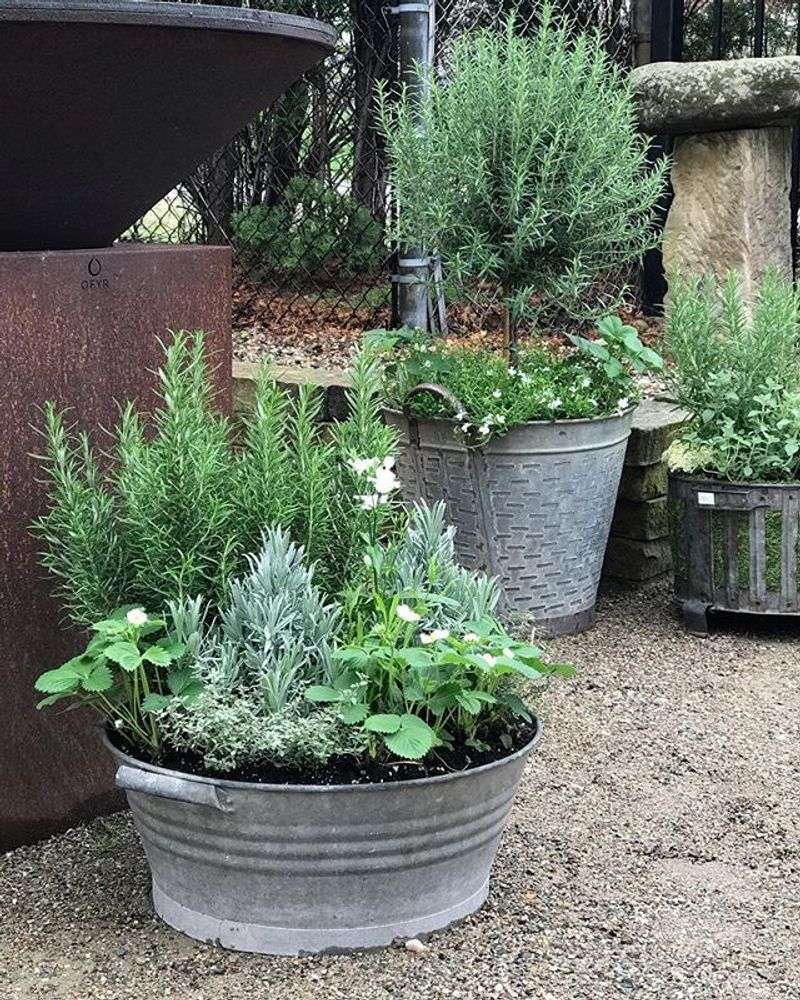
Planning your garden layout around water requirements saves time and prevents plant stress. Grouping thirsty plants together lets you water that zone more frequently. Drought-tolerant plants clustered separately need less attention.
Vegetables generally require consistent moisture for best production. Create a dedicated vegetable zone where regular watering becomes routine. Herbs like lavender and thyme prefer drier conditions and belong in separate areas.
Native North Carolina plants typically need less supplemental watering than exotic species. They evolved to handle local rainfall patterns naturally. Grouping natives together creates low-maintenance garden zones that practically care for themselves.
Container gardens benefit from grouping plants with similar moisture needs. Mixing drought-tolerant succulents with moisture-loving ferns in one pot creates care challenges. Separate containers for different water needs simplify maintenance routines.
Hydrozoning describes this practice of grouping plants by irrigation requirements. Professional landscapers use this technique to design efficient, sustainable gardens. Home gardeners achieve similar benefits by applying these same principles.
Observe how different garden areas dry out at different rates. Sunny slopes drain faster than shaded valleys. Use these natural variations to your advantage when placing plants.
Match plants to existing site conditions rather than fighting against them with constant watering.
Avoid Overhead Sprinkling In Afternoon Heat
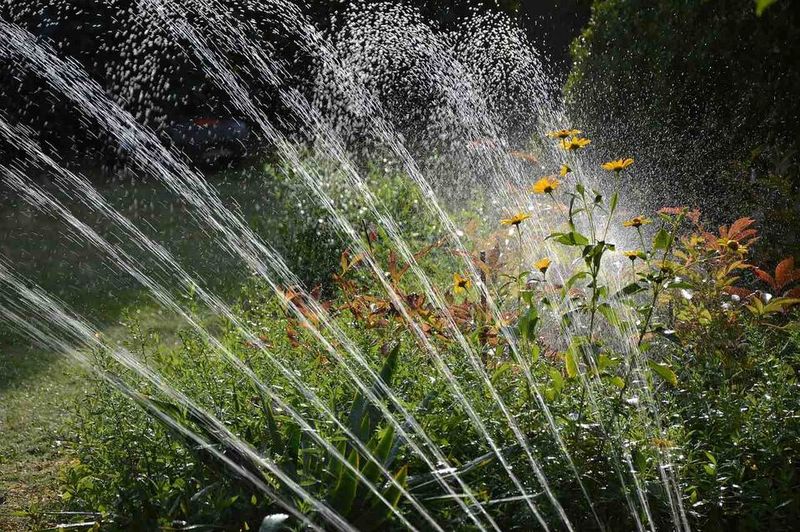
Watering during the hottest part of the day wastes tremendous amounts of water through evaporation.
Afternoon temperatures in North Carolina often exceed 90 degrees during summer. Much of the water you apply simply disappears into the air before reaching plant roots.
Water droplets sitting on leaves under intense sunlight can magnify sun rays. This magnification effect potentially burns leaf tissue, creating brown spots.
While controversial among scientists, many gardeners observe this damage and avoid midday watering.
Plants absorb water most efficiently during cooler hours. Afternoon heat stresses plants, reducing their ability to take up moisture effectively. Watering during high-stress periods provides minimal benefit compared to morning or evening sessions.
Wind often picks up during afternoon hours, blowing spray away from target areas. You lose water to drift while failing to adequately hydrate your intended plants. Calm morning conditions allow precise water placement.
Afternoon watering extends leaf wetness into evening hours. Foliage that stays wet overnight becomes susceptible to fungal diseases. This combination of afternoon watering and evening dew creates particularly problematic conditions.
Emergency situations sometimes require afternoon watering for wilting plants. In these cases, water soil directly rather than using overhead sprinklers.
Quick soil drenching helps stressed plants recover without the problems associated with wet foliage during hot weather.
Use Rainwater When Possible
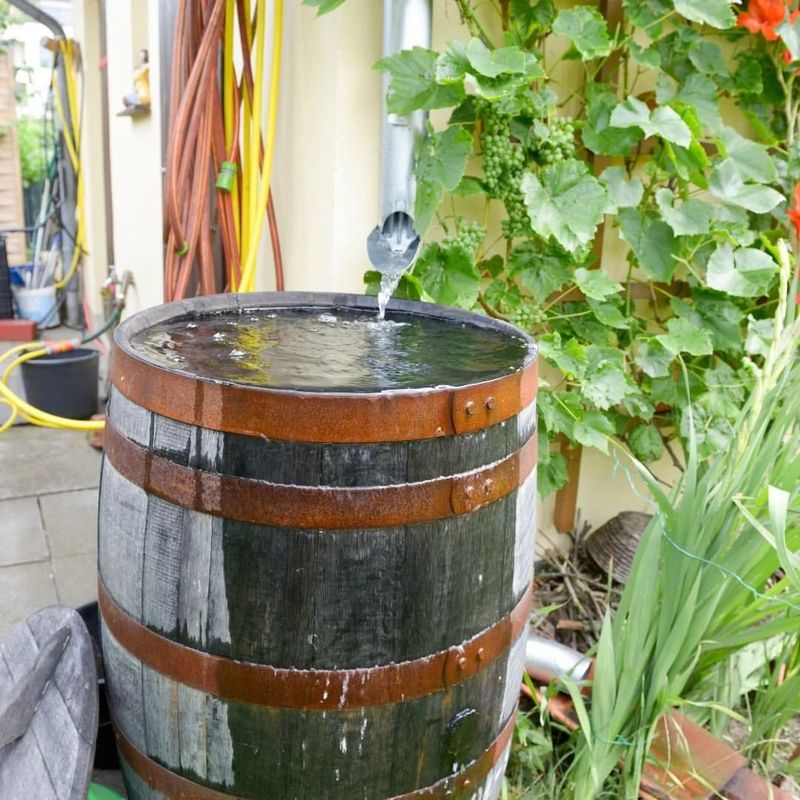
Collecting rainwater from roof runoff provides free irrigation water for your garden. Rain barrels attached to downspouts capture hundreds of gallons during typical storms. This harvested water reduces municipal water bills while benefiting plants.
Rainwater contains no chlorine, fluoride, or other chemicals found in treated tap water. Plants respond positively to natural rainwater, often showing improved growth. The slightly acidic nature of rainwater benefits most garden plants.
Tap water in some North Carolina areas contains high mineral levels that accumulate in soil over time. Salt buildup damages plant roots and reduces soil quality. Rainwater flushes these minerals away, improving long-term soil health.
Rain barrels come in various sizes and styles to match any landscape. Basic models start around 50 dollars, while decorative options cost more. Most systems pay for themselves within a few seasons through water bill savings.
Position barrels on stable platforms near garden areas for convenient access. Attach hoses to barrel spigots for easy watering. Elevating barrels slightly increases water pressure for better flow.
North Carolina receives adequate rainfall to make rainwater harvesting worthwhile. Even during dry summers, occasional storms refill barrels.
Combining rainwater collection with efficient watering practices creates a sustainable approach to garden irrigation that benefits both your plants and the environment.
Monitor For Signs Of Over- Or Underwatering
Plants communicate their moisture needs through visible symptoms. Learning to read these signs prevents long-term damage. Yellow leaves often indicate overwatering, while brown, crispy edges suggest underwatering.
Wilting confuses many gardeners because it occurs with both too much and too little water. Check soil moisture to determine the cause. Wet soil with wilting plants indicates overwatering and possible root rot.
Overwatered plants develop soft, mushy stems and roots. Fungal growth may appear on soil surfaces. Leaves drop prematurely despite appearing green. Reducing watering frequency allows soil to dry and roots to recover.
Underwatered plants show dry, brittle leaves that curl or fold. Growth slows significantly, and flowers drop before opening fully. Soil pulls away from container edges when severely dry.
Deep watering helps plants rebound quickly. Different plant species tolerate moisture stress differently. Succulents handle drought well but rot easily with overwatering. Ferns require consistent moisture and suffer quickly when dry.
Know your specific plants’ preferences and watch for their individual stress signals.
Regular observation becomes easier with practice. Walk through your garden daily, looking closely at plant appearance. Early detection of moisture problems allows simple corrections before permanent damage occurs.
Keeping a garden journal helps track patterns and improve your watering decisions over time.