8 Reasons California Gardeners Add Cardboard To Garden Beds Before Spring
California gardeners often begin spring preparations with an unexpected material: cardboard.
Spread across garden beds, this simple brown layer quietly reshapes the soil beneath it.
As it softens and breaks down, it suppresses weeds, enriches the ground, and creates a healthier foundation for new plants.
A low-cost, eco-friendly approach like this has become a favorite among growers looking to boost soil life and conserve moisture in a challenging climate.
The benefits stack up quickly, making cardboard an unlikely star of early-season garden prep.
1. Suppresses Weeds Without Chemicals
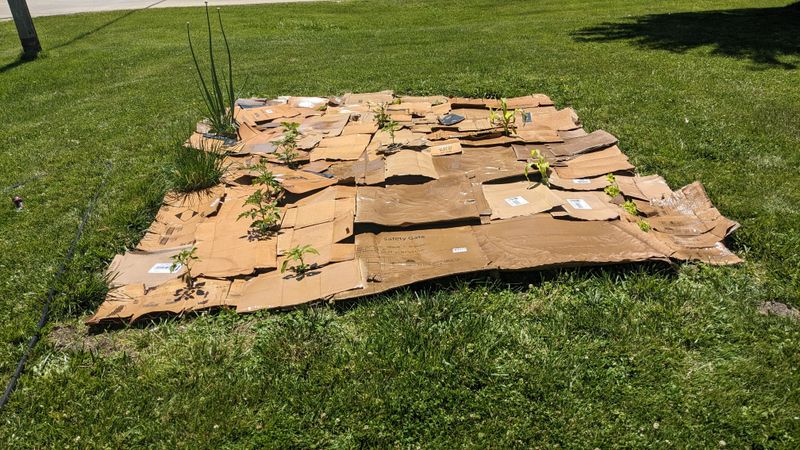
Cardboard creates a physical barrier that blocks sunlight, preventing weed seeds from germinating and stopping existing weeds from growing through.
Many California gardeners prefer this method because it avoids harsh chemicals that can harm beneficial insects and soil organisms.
The cardboard layer stays in place for several months, giving your garden plants a head start without competition.
As the material breaks down naturally, it adds organic matter to your soil rather than leaving behind synthetic residues.
You’ll spend less time pulling weeds and more time enjoying your garden throughout the growing season.
This approach works especially well in California’s Mediterranean climate, where spring weeds can be particularly aggressive.
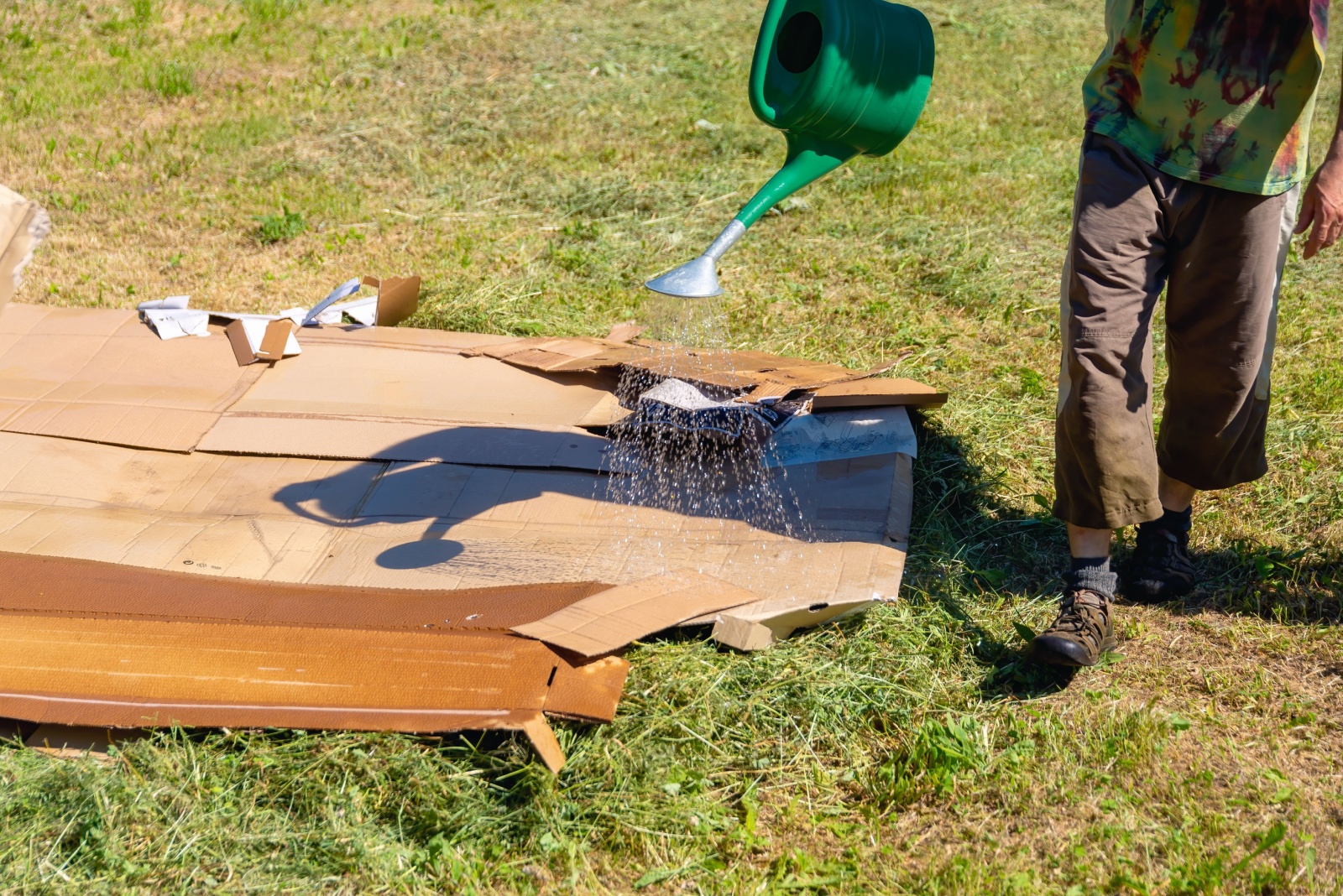
Simply lay down overlapping sheets of cardboard, wet them thoroughly, and cover with mulch or compost.
Within weeks, you’ll notice far fewer weeds popping up compared to bare soil beds.
Your back will thank you for choosing this low-maintenance weed control strategy.
2. Improves Soil Structure Over Time
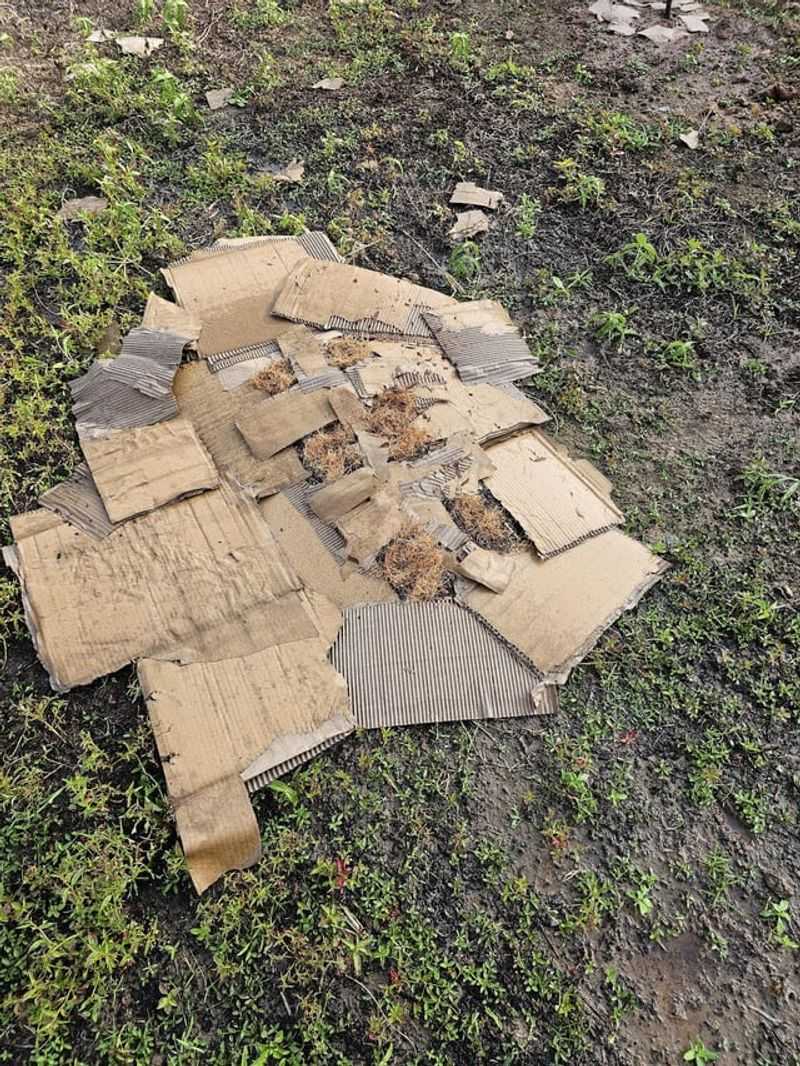
Healthy soil structure makes all the difference when it comes to growing vigorous plants that produce abundant harvests.
Cardboard gradually decomposes into organic matter that feeds soil microorganisms and earthworms, creating a thriving underground ecosystem.
These beneficial creatures tunnel through the soil, creating air pockets that improve drainage and allow roots to penetrate more easily.
California’s clay-heavy soils in many regions particularly benefit from this added organic material, which helps break up compacted areas.
The decomposition process also releases nutrients slowly over time, enriching your garden beds without requiring constant fertilizer applications.
Sandy soils common in coastal California areas gain better water retention as the cardboard breaks down and increases organic content.
You’re essentially building better soil from the ground up using a free or low-cost material.
The carbon-rich cardboard balances nitrogen-heavy amendments like grass clippings or kitchen scraps.
Within one growing season, you’ll notice your soil feels softer and more crumbly in your hands.
Plants develop stronger root systems in this improved soil, leading to healthier growth and better resistance to stress.
3. Retains Moisture During Dry Spells
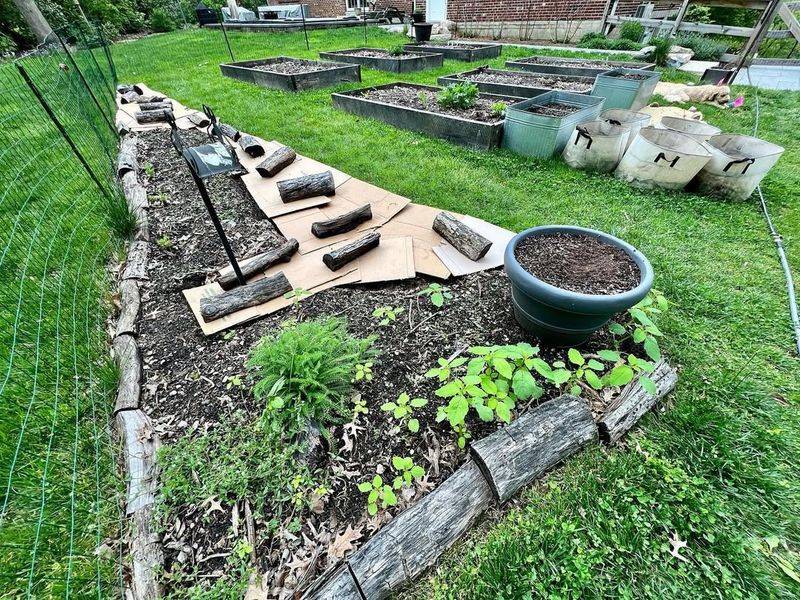
California’s frequent droughts and water restrictions make moisture conservation a top priority for responsible gardeners.
Cardboard acts as an insulating layer that reduces evaporation from the soil surface, keeping moisture available to plant roots longer.
This protective covering can reduce your watering needs by up to thirty percent during hot summer months.
The material absorbs water when you irrigate, then slowly releases it back into the soil as conditions dry out.
Many California gardeners report their plants show less stress during heat waves when cardboard mulch is used properly.
You’ll save money on your water bill while also being a better steward of this precious resource.
The moisture-retaining properties become especially valuable as spring transitions into summer and temperatures climb.
By applying cardboard before spring, you give it time to settle and integrate with your soil before the driest months arrive.
Your plants will maintain more consistent moisture levels, which promotes steady growth rather than stress-induced stunting.
Even during California’s occasional spring dry spells, your garden beds will stay more evenly hydrated with this simple addition.
4. Provides Free Mulch Alternative
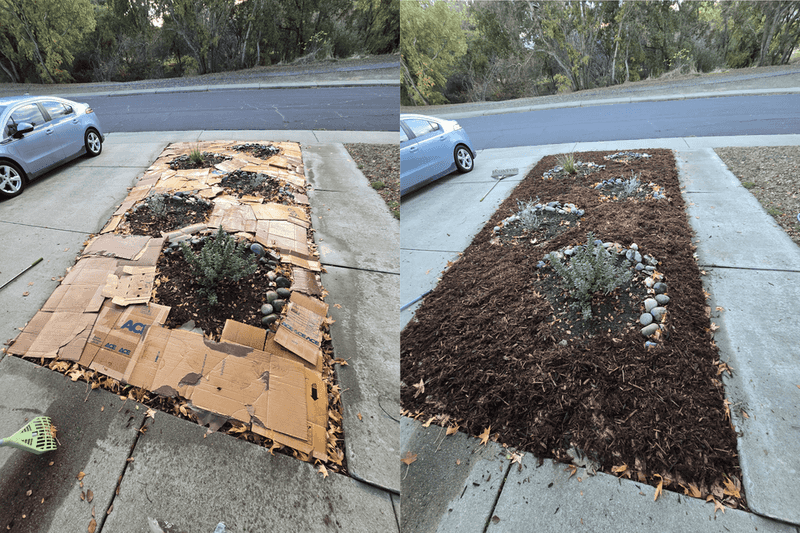
Buying bags of commercial mulch can quickly drain your gardening budget, especially if you have multiple beds to cover.
Cardboard offers a cost-effective solution since most households generate a steady supply from deliveries and packaging.
Instead of paying for wood chips or straw, you can use materials you’d otherwise recycle or throw away.
California gardeners appreciate this thrifty approach, especially when establishing new garden areas or expanding existing ones.
The money you save on mulch can be redirected toward quality seeds, plants, or other garden improvements.
Cardboard performs many of the same functions as expensive mulches, including temperature regulation and weed suppression.
You can collect boxes from local stores, neighbors, or your own online shopping habits throughout the year.
Just make sure to remove any tape, labels, or glossy coatings before adding cardboard to your garden beds.
Plain brown corrugated cardboard works best and breaks down most readily in California’s climate conditions.
This sustainable practice reduces waste while giving your garden exactly what it needs without spending a fortune.
5. Attracts Beneficial Earthworms
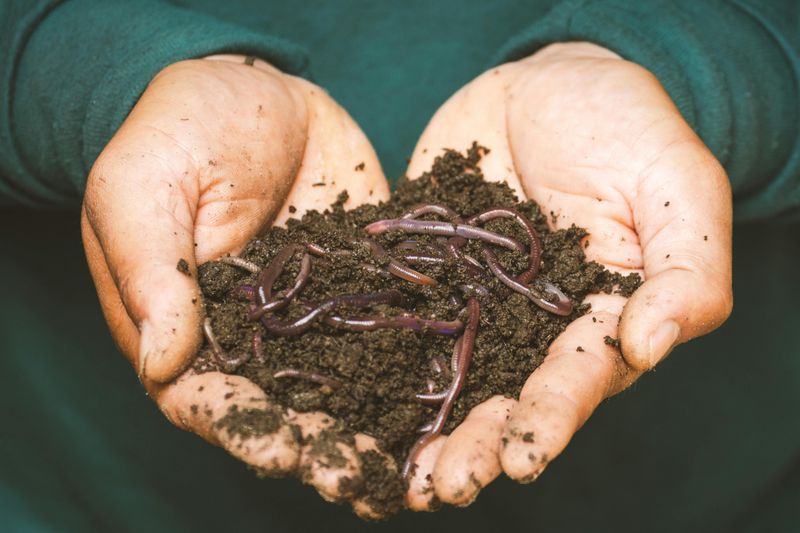
Earthworms are often called nature’s tillers because they constantly work to improve soil quality through their natural behaviors.
These remarkable creatures are attracted to the moist, dark environment created beneath cardboard layers in your garden beds.
As they consume decomposing cardboard along with other organic matter, they produce nutrient-rich castings that fertilize your plants naturally.
California gardens with healthy earthworm populations show dramatically improved soil fertility compared to those without these helpful allies.
The tunnels earthworms create allow water and air to penetrate deeper into the soil profile, benefiting plant roots.
You’ll notice your soil becomes easier to work as earthworm activity increases throughout the growing season.
Cardboard provides both food and habitat for these beneficial organisms, encouraging them to take up residence in your beds.
Many California gardeners check under their cardboard layers periodically and feel delighted to find thriving earthworm communities.
This natural soil improvement happens without any effort on your part beyond laying down the cardboard initially.
Your garden essentially becomes a self-improving system as earthworms multiply and continue their valuable work season after season.
6. Regulates Soil Temperature Effectively
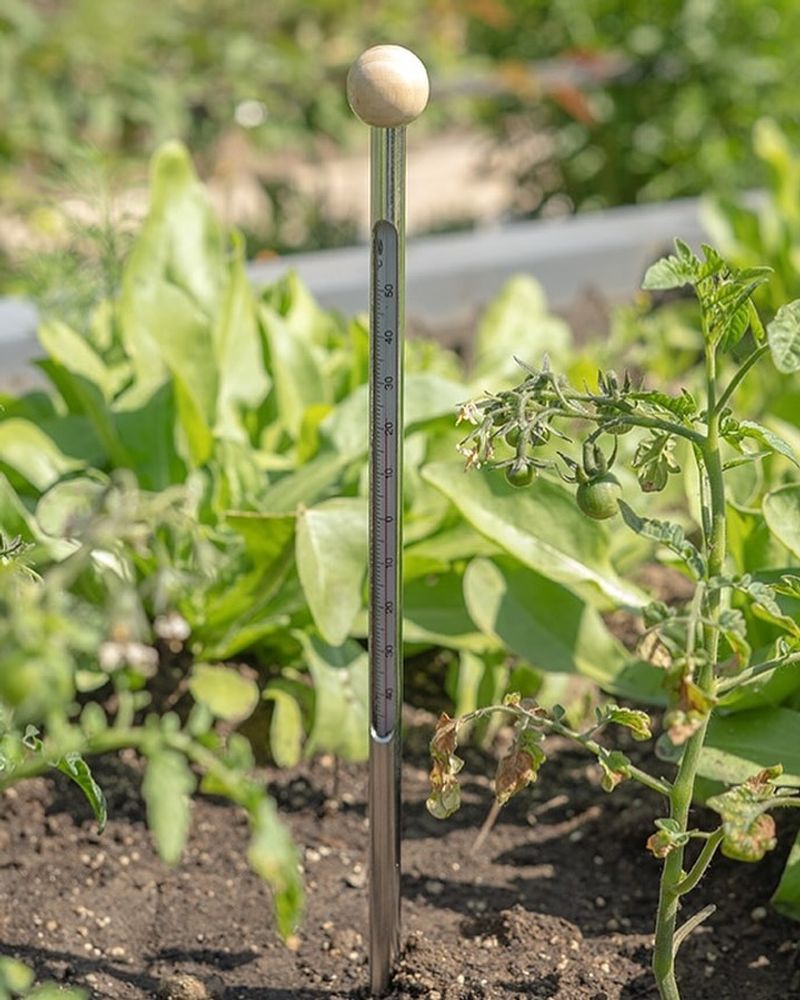
Temperature fluctuations can stress plants and slow their growth, especially during California’s unpredictable spring weather patterns.
Cardboard acts as insulation that moderates soil temperature, keeping it cooler during hot days and warmer during chilly nights.
This buffering effect helps seeds germinate more reliably and protects tender seedlings from temperature shock.
Plant roots prefer stable conditions, and the cardboard layer helps provide exactly that throughout changing weather.
California’s coastal regions experience cool foggy mornings followed by warm afternoons, which can challenge young plants.
Inland areas deal with even greater temperature swings between day and night, making insulation especially valuable.
The cardboard barrier prevents rapid heat loss from the soil surface when temperatures drop after sunset.
During sunny spring days, it reflects some heat and prevents the soil from becoming uncomfortably hot for roots.
Your plants will establish faster and grow more vigorously when their roots aren’t constantly adjusting to temperature changes.
This simple addition creates a more stable growing environment that benefits everything you plant in your California garden beds.
7. Breaks Down Into Valuable Compost
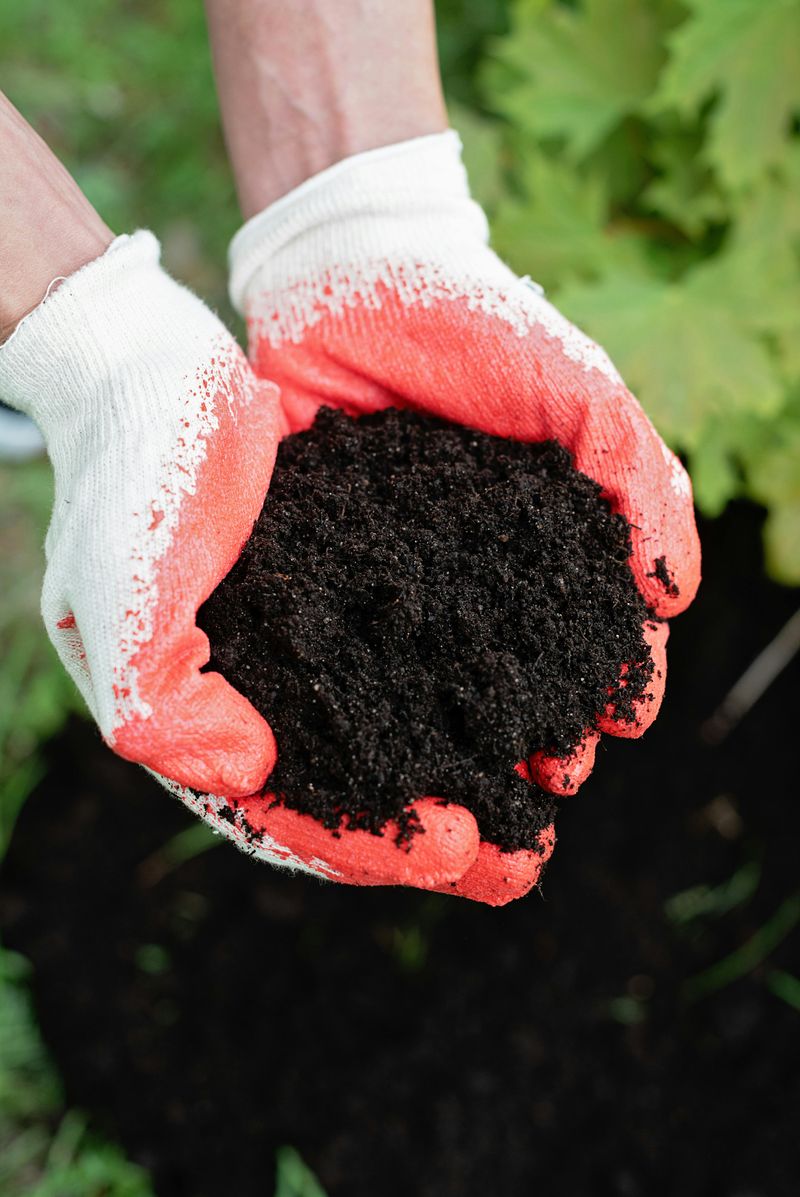
Composting doesn’t have to happen in a separate bin when you use the sheet composting method with cardboard.
The material breaks down directly in your garden beds, eliminating the need to move compost from one location to another.
California’s mild winters and warm springs accelerate the decomposition process, often breaking down cardboard within six to twelve months.
Microorganisms feast on the carbon-rich cardboard, multiplying rapidly and creating a vibrant soil food web.
As decomposition progresses, the cardboard transforms into dark, crumbly humus that enriches your soil beautifully.
This humus improves nutrient retention, helping your garden hold onto fertilizers and natural minerals more effectively.
You’re essentially creating compost exactly where your plants need it most, right at their root zones.
The process requires no turning, watering beyond normal irrigation, or special attention once you’ve laid the cardboard down.
By spring planting time, winter-applied cardboard will have partially decomposed and integrated with your soil.
Your garden beds become richer and more fertile each year as you continue this sustainable practice throughout multiple seasons.
8. Prevents Soil Erosion From Rain
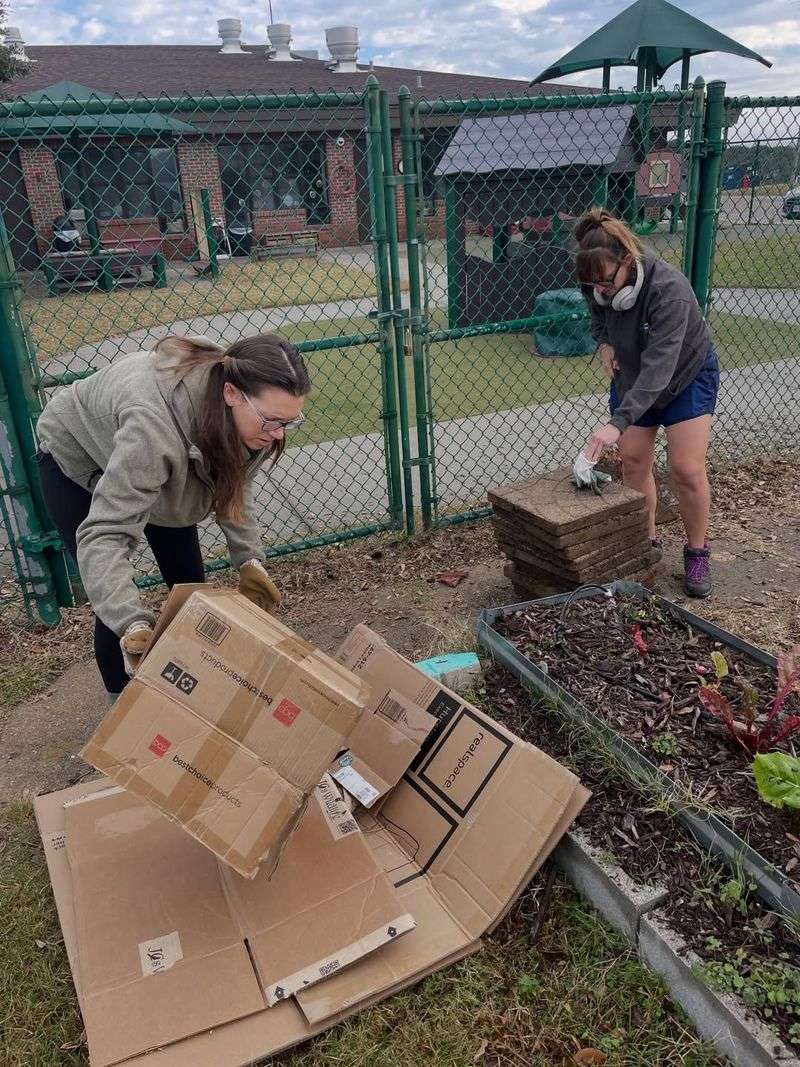
California’s winter rains can be intense, washing away valuable topsoil and nutrients if garden beds are left bare.
Cardboard creates a protective shield that absorbs the impact of falling raindrops, preventing them from dislodging soil particles.
This covering keeps your carefully prepared garden beds intact, maintaining the structure you’ve worked hard to create.
Sloped garden areas particularly benefit from this erosion protection, as water tends to run downhill carrying soil with it.
The cardboard slows water movement across the soil surface, allowing more moisture to soak in rather than running off.
California gardeners in hilly regions or areas with heavy clay soils find this benefit especially valuable during rainy periods.
Your soil stays where it belongs instead of ending up in pathways or washing into storm drains.
The organic matter and nutrients you’ve added to your beds remain available for your plants rather than disappearing with runoff.
When spring arrives, your garden beds will have the same depth and quality they had before winter rains began.
This simple protective layer saves you from having to rebuild or repair eroded areas before planting season starts.