8 Reasons Colorado Gardeners Wrap Young Trees Before Winter
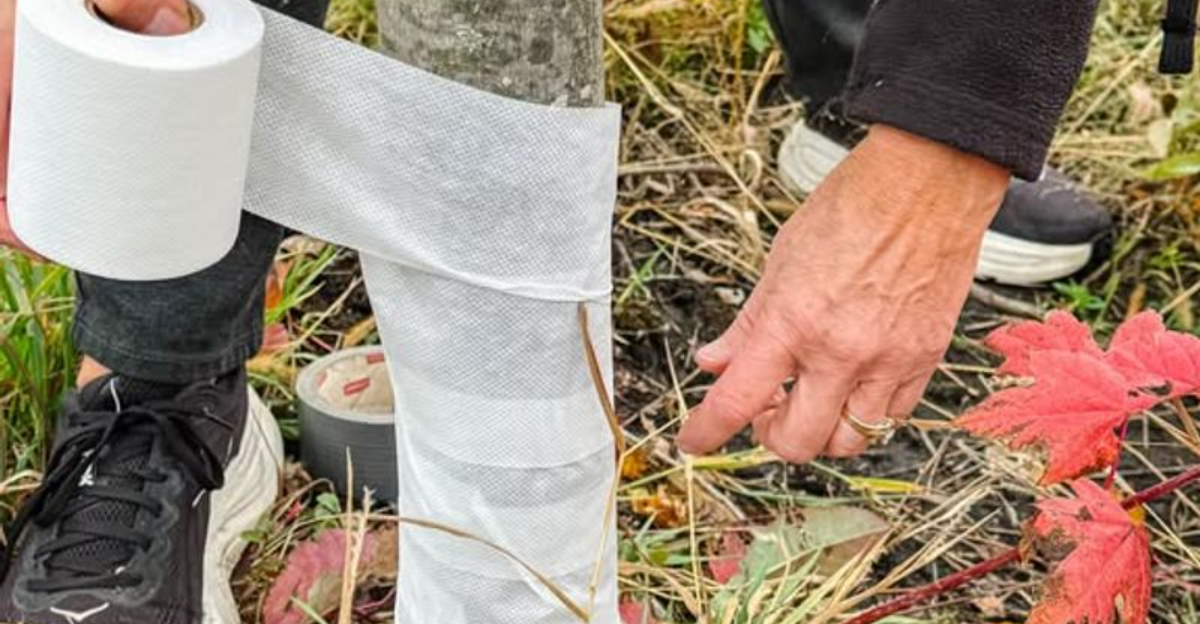
Colorado winters can be tough on young trees.
Sudden temperature swings, bright sun, and harsh winds all take a toll on tender bark.
Wrapping trees is a simple step many gardeners take to protect new growth before deep winter sets in.
The practice helps prevent sunscald, cracking, and pest damage that often show up in early spring.
For young trees especially, a rough winter can cause lasting harm.
Wrapping creates a layer of protection during the most vulnerable months.
Colorado gardeners know that recovery is easier when damage is prevented in the first place.
With proper timing and materials, tree wrapping can extend the life of trees and support healthier growth long term.
It is a small investment that often pays off when spring arrives and trees break dormancy strong and intact.
1. To Prevent Sunscald On Thin Bark
Bright winter sunshine reflecting off snow creates surprisingly intense heat on dark tree bark during Colorado days.
When the sun sets, temperatures plummet rapidly, causing the warmed bark to freeze quickly.
This dramatic shift causes the bark tissue to expand and contract, leading to vertical cracks that weaken the tree.
Young trees have especially thin bark that cannot defend itself against this cycle of heating and cooling.
South-facing sides of trunks receive the most direct sunlight and suffer the worst damage.
Sunscald appears as discolored, cracked areas that peel away from the trunk.
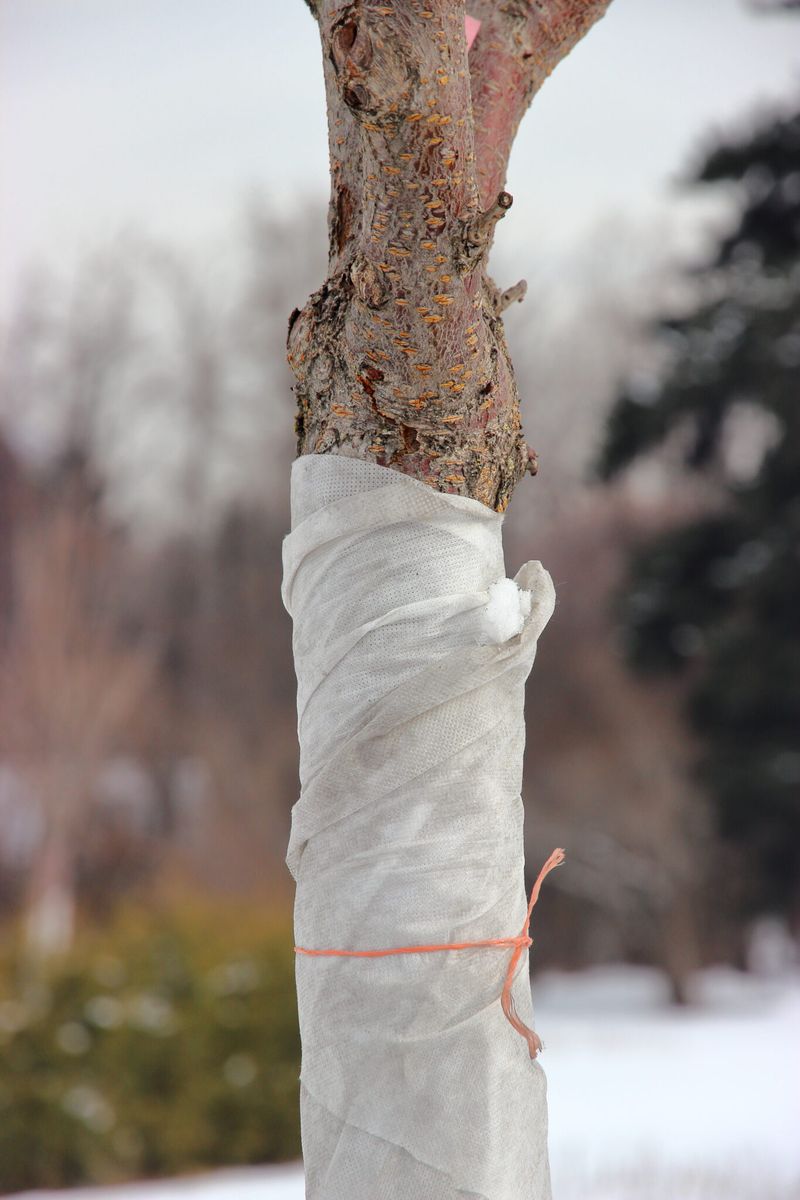
Tree wrap acts as a barrier that reflects sunlight and keeps bark temperatures more stable throughout the day.
Light-colored wraps work best because they bounce away solar radiation instead of absorbing it.
Applying wrap from the base up to the lowest branches provides complete protection.
Many gardeners start wrapping in late fall before the first hard freeze arrives.
The wrap stays on through winter and early spring when sunscald risk remains high.
Removing it once temperatures stabilize in late spring prevents moisture buildup underneath.
This simple step saves young trees from injuries that take years to heal.
2. To Protect Against Sudden Temperature Swings
Colorado weather changes faster than almost anywhere else, with temperatures sometimes dropping forty degrees in just a few hours.
These rapid swings shock young trees that have not yet developed thick protective bark.
The stress from constant temperature changes weakens the entire tree and makes it vulnerable to other problems.
Temperature fluctuations cause water inside bark cells to freeze and thaw repeatedly.
Each freeze-thaw cycle damages cell walls and disrupts the flow of nutrients.
Over time, this stress accumulates and can set back a young tree’s growth for an entire season.
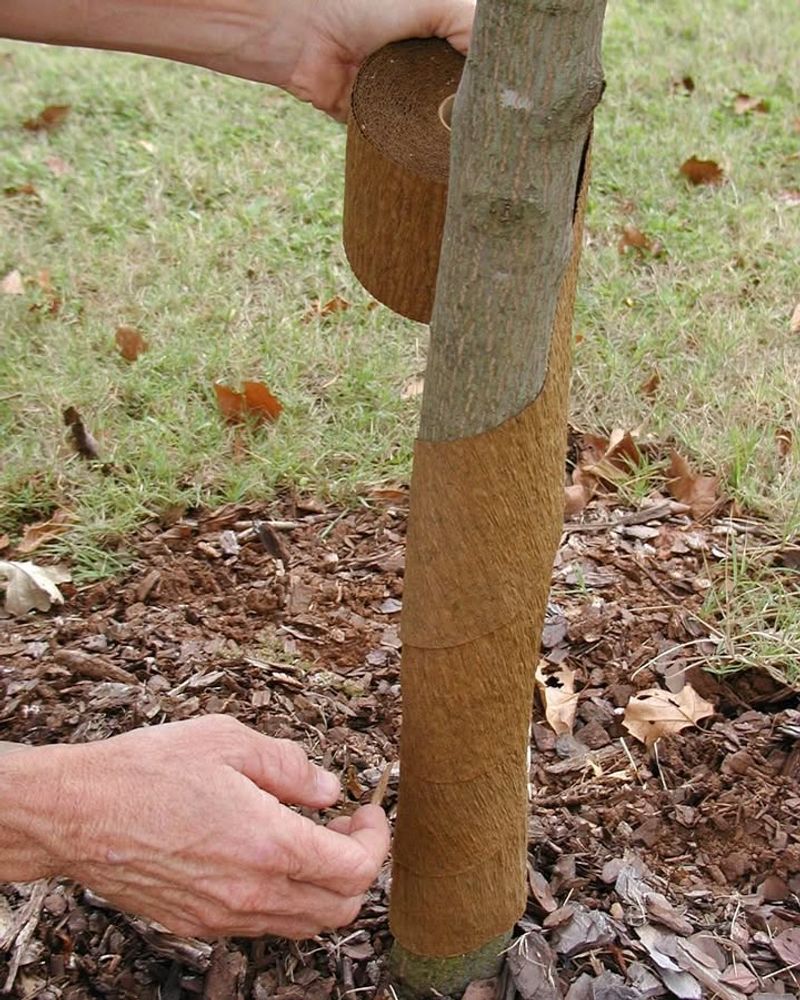
Wrapping provides insulation that buffers these extreme temperature changes.
The material creates an air pocket between the wrap and bark that moderates temperature shifts.
This protection helps maintain more consistent conditions around the trunk.
Trees wrapped for winter show less stress and maintain better health through the cold months.
They enter spring with stronger reserves and can focus energy on new growth instead of repairing damage.
The investment in wrapping pays off with faster establishment and better long-term vigor.
Protection from temperature swings is especially important during a tree’s first three winters in the ground.
3. To Reduce Frost Cracks In Early Growth
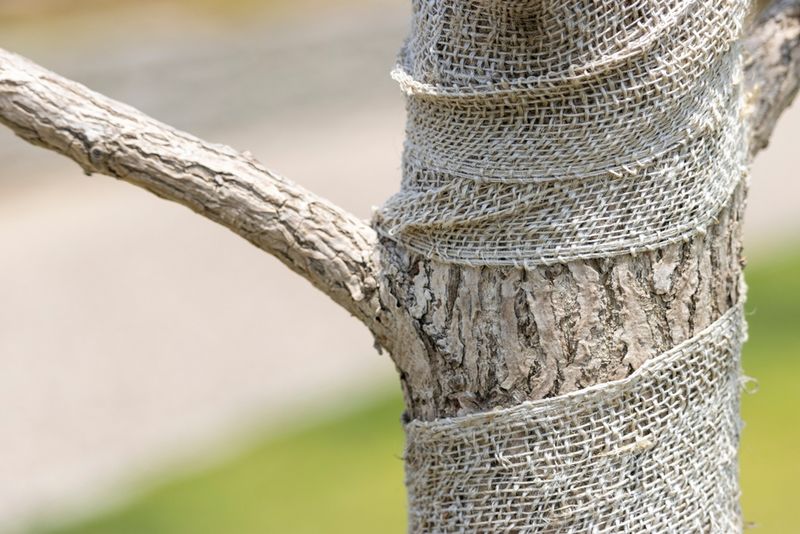
Frost cracks form when water inside wood tissue freezes and expands with explosive force.
Young trees with developing bark are particularly susceptible because their cell walls have not yet thickened and strengthened.
These vertical splits often appear on the south or southwest side of trunks where temperature variations are greatest.
Once a frost crack forms, it becomes a permanent weak point that may reopen year after year.
The crack provides entry points for moisture and insects that cause further problems.
Preventing the initial crack saves the tree from a lifetime of vulnerability.
Tree wrap moderates the temperature around the bark and reduces the freeze-thaw cycles that cause cracking.
By keeping bark temperatures more stable, wrap prevents the internal pressure that leads to splits.
The protection is most critical during the tree’s first few years when bark is thinnest.
Gardeners should inspect wrapped trees periodically to ensure the material remains secure.
Wind can loosen wrap and reduce its effectiveness at preventing frost cracks.
Properly applied wrap should be snug but not tight enough to restrict growth.
Starting at the base and spiraling upward with slight overlap creates the best protection against frost damage throughout winter.
4. To Deter Rodents From Chewing Bark
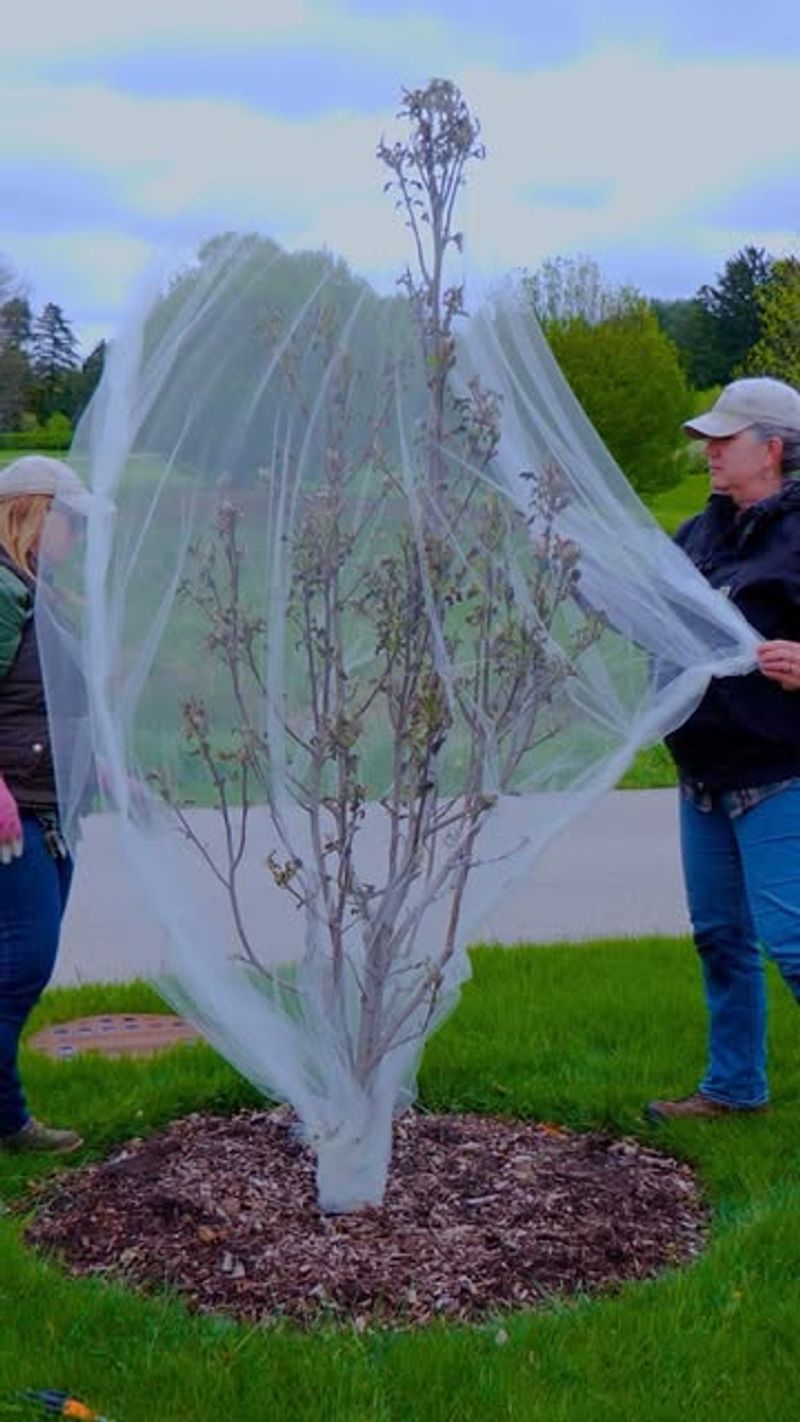
Rabbits, voles, and mice become desperate for food during harsh Colorado winters when their normal diet disappears under snow.
Tender young tree bark becomes an appealing food source that these animals will gnaw completely around the trunk.
This girdling behavior cuts off the flow of nutrients and water, causing severe harm to the tree.
Rodents typically feed at ground level where snow provides cover and conceals their activity.
They prefer smooth bark on young trees because it is easier to chew than rough mature bark.
A single night of feeding can remove enough bark to compromise a tree’s survival.
Physical barriers like tree wrap create a protective shield that rodents cannot penetrate.
The material must extend high enough to remain above the snow line throughout winter.
Plastic guards work well, but fabric wrap also deters chewing when applied in multiple layers.
Combining wrap with other deterrents like hardware cloth provides extra security in areas with heavy rodent pressure.
The wrap should fit closely around the trunk without gaps where small animals might squeeze through.
Checking wrap periodically ensures it has not shifted or developed openings.
Protection from rodent damage is especially vital because bark injuries heal slowly and leave lasting scars that weaken the tree’s structure.
5. To Shield Against Wind Damage
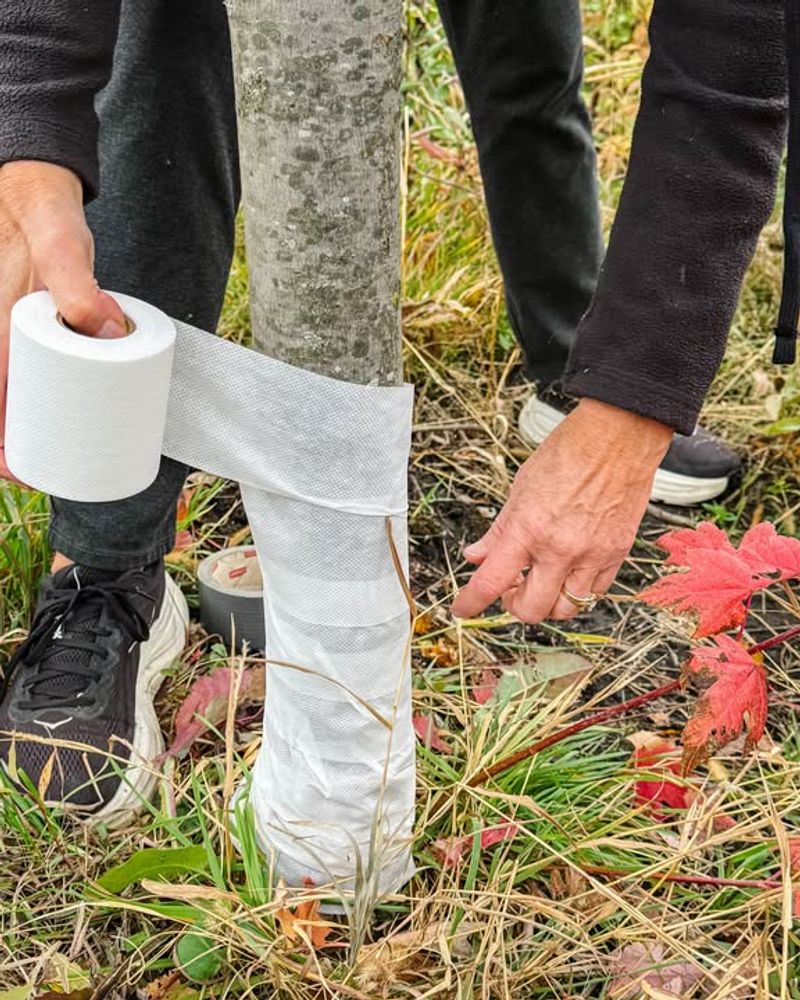
Colorado’s famous winds blow relentlessly across the Front Range and plains, creating harsh conditions for young trees.
These winds do not just bend branches—they also dry out exposed bark and strip away moisture faster than roots can replace it.
Wind desiccation stresses young trees and leaves them weakened heading into spring.
Constant wind exposure causes bark to become brittle and crack more easily.
The drying effect is worst during winter when trees cannot draw water from frozen soil.
Young bark lacks the thick protective layers that mature trees develop over time.
Wrapping trunks creates a windbreak that reduces air movement directly against the bark surface.
This barrier helps maintain moisture levels in the bark tissue and prevents excessive drying.
Trees with protected trunks retain better hydration through winter’s harshest conditions.
The wrap also prevents wind-blown debris from scratching and damaging tender bark.
Sand, ice crystals, and small particles carried by wind can abrade bark like sandpaper.
Gardeners in particularly windy locations should use thicker wrap or double layers for extra protection.
Securing the wrap firmly prevents it from flapping loose and becoming ineffective.
Wind protection through wrapping helps young trees conserve moisture and energy needed for spring growth and establishment in challenging Colorado conditions.
6. To Protect Trees Planted That Year
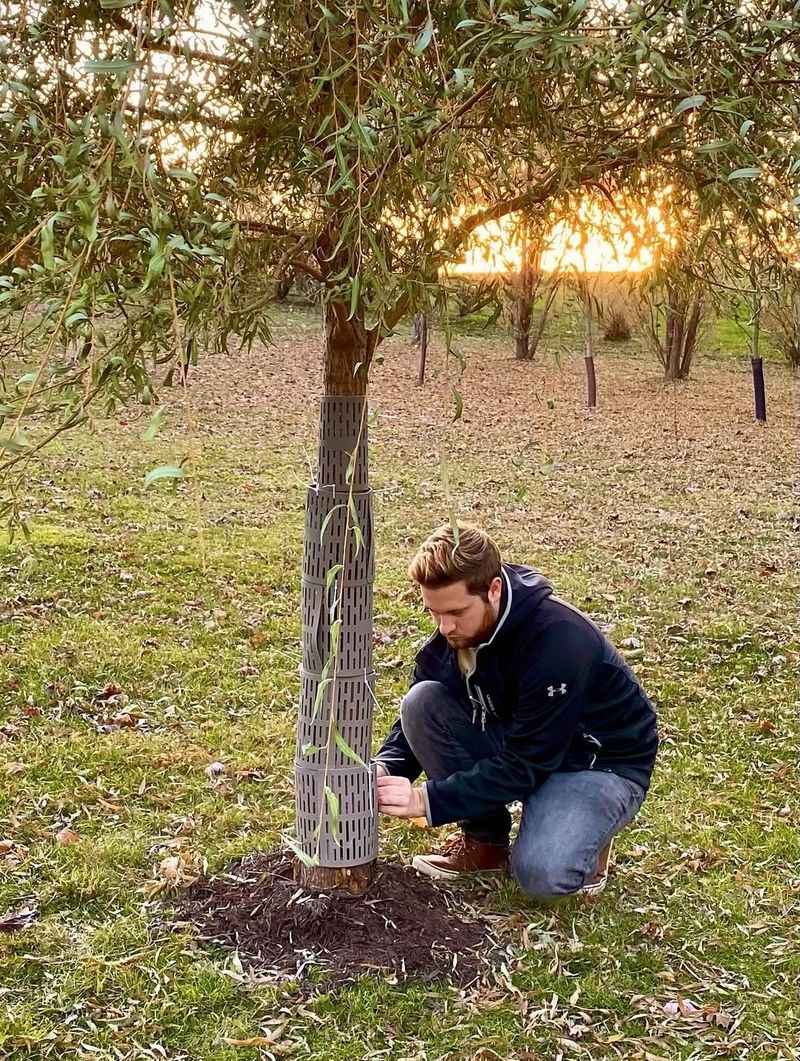
Trees planted during the current growing season face their first winter with limited root systems and minimal defenses.
Transplant shock already stresses these trees, and winter conditions add another layer of challenge they must overcome.
First-year trees need every advantage to survive until spring when they can resume establishing themselves.
Recently planted trees have not had time to develop the bark thickness that provides natural insulation.
Their root systems are still small and confined mostly to the planting hole.
This limited root network cannot support the tree as effectively as an established root system.
Wrapping provides crucial protection that helps first-year trees conserve energy and resources through winter dormancy.
The wrap reduces stress from temperature swings, wind, and sun exposure that would otherwise drain the tree’s limited reserves.
Protected trees enter spring with better health and vigor to continue growing.
Gardeners should prioritize wrapping any trees planted within the past year as their first line of winter defense.
The protection is especially important for species that are marginally hardy in Colorado’s climate zones.
Combining wrap with proper mulching and watering before the ground freezes maximizes survival chances.
First-winter protection often determines whether a newly planted tree thrives or struggles for years trying to recover from preventable damage.
7. To Prevent Snow And Ice Damage Near Ground Level

Snow accumulation around tree trunks creates pockets of moisture that freeze and thaw repeatedly throughout winter.
This constant cycle at ground level damages bark more severely than exposure higher up the trunk.
Ice formation against bark can tear tissue and create wounds that become entry points for problems later.
Heavy snow pushed by plows or shovels often piles against young trees and stays frozen for weeks.
The weight and pressure can crush tender bark or create abrasions as ice crystals shift.
Ground-level damage is often overlooked until spring reveals the extent of injury.
Tree wrap at the base creates a protective barrier between bark and accumulated snow or ice.
The material prevents direct contact that causes the most severe damage.
Wrapping from soil level up at least two feet provides protection for the most vulnerable zone.
Gardeners should avoid piling snow directly against wrapped trees when clearing walkways and driveways.
Even with wrap in place, excessive snow weight can cause problems.
The wrap should extend below the typical snow depth for your area to ensure complete coverage.
Checking after heavy snowfalls allows you to gently remove excess snow buildup before it causes pressure damage.
Protection at ground level is often the difference between a tree that bounces back quickly and one that struggles with basal injuries.
8. To Encourage Healthier Spring Recovery
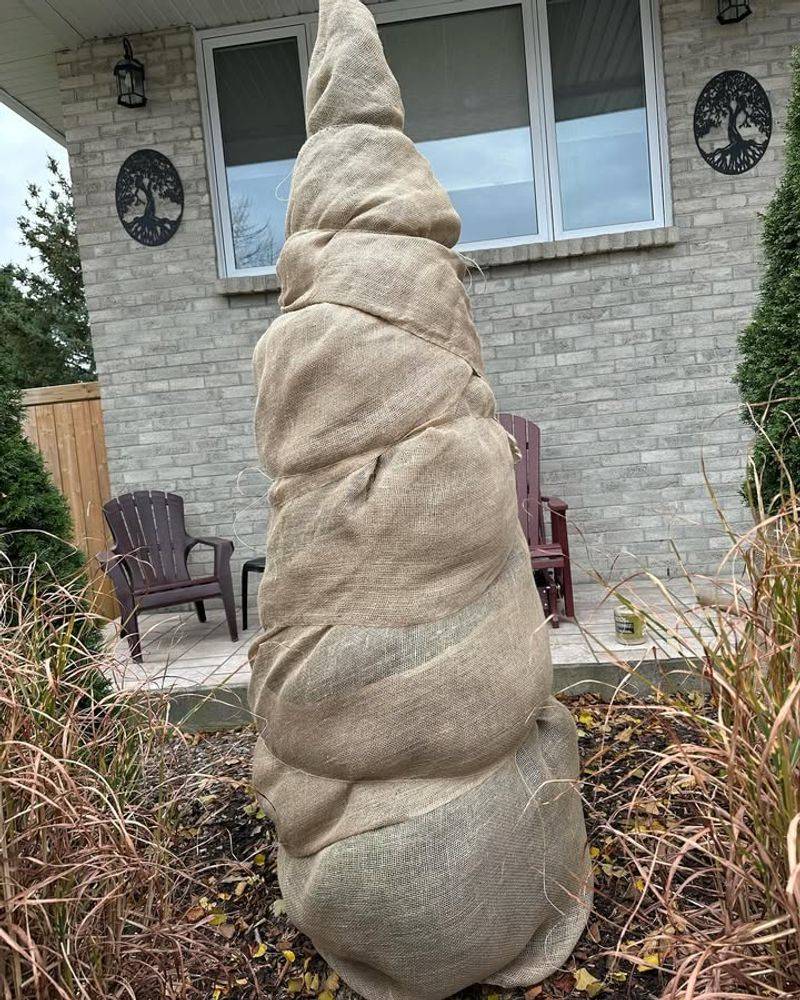
Trees that survive winter without major damage wake up in spring ready to channel all their energy into new growth.
Protected trees do not need to spend precious resources repairing bark injuries or recovering from stress.
This head start translates into better leaf development, stronger shoots, and faster overall growth throughout the season.
Winter damage often remains hidden until spring when trees should be growing vigorously.
Injured trees leaf out late, produce smaller leaves, or show dieback in damaged areas.
Prevention through wrapping eliminates these setbacks before they occur.
Healthy spring recovery sets the foundation for long-term tree success and faster maturity.
Trees that avoid winter damage establish more quickly and reach productive size sooner.
The cumulative benefit of several protected winters adds up to years of accelerated development.
Removing wrap in early spring once temperatures stabilize allows bark to breathe and prevents moisture problems.
Inspecting the trunk as you unwrap reveals how well the protection worked and shows any issues that need attention.
Trees emerging from winter in good condition reward gardeners with vigorous growth and beautiful form.
The time invested in fall wrapping pays dividends every spring when protected trees burst into healthy growth while unprotected neighbors struggle to recover from preventable winter injuries.