11 Reasons Crepe Myrtles Are So Popular In North Carolina Yards
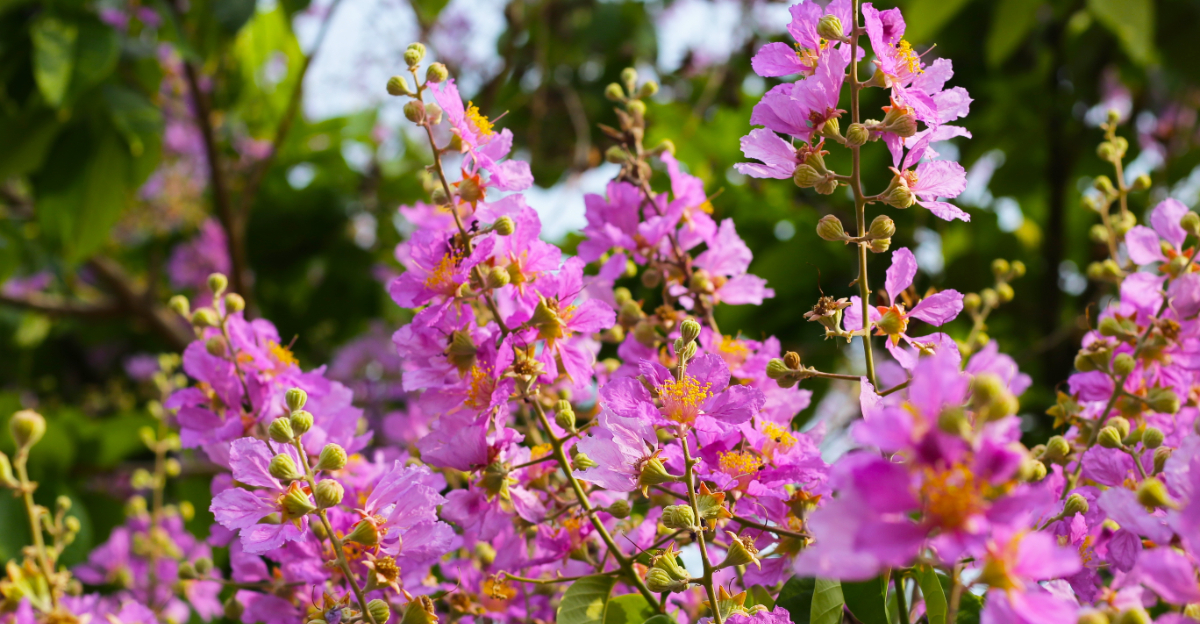
Crepe myrtles are a familiar sight across North Carolina, and it’s not hard to understand why so many homeowners choose them.
These trees bring long lasting color, eye catching blooms, and a strong presence that fits both small yards and larger landscapes.
They handle heat and humidity with ease, which makes them especially reliable in North Carolina’s climate.
Beyond their flowers, crepe myrtles offer attractive bark, interesting branching, and vibrant fall color that keeps them appealing through multiple seasons.
They also come in a wide range of sizes, making it easy to find one that fits your space. For many gardeners, they strike the perfect balance between beauty and low maintenance care.
Whether planted as a focal point or along a driveway, these trees continue to stand out. It’s no surprise they remain one of the most popular choices for North Carolina yards year after year.
1. Long Summer Blooming Season
Picture your yard bursting with color in the middle of July when everything else has gone quiet.
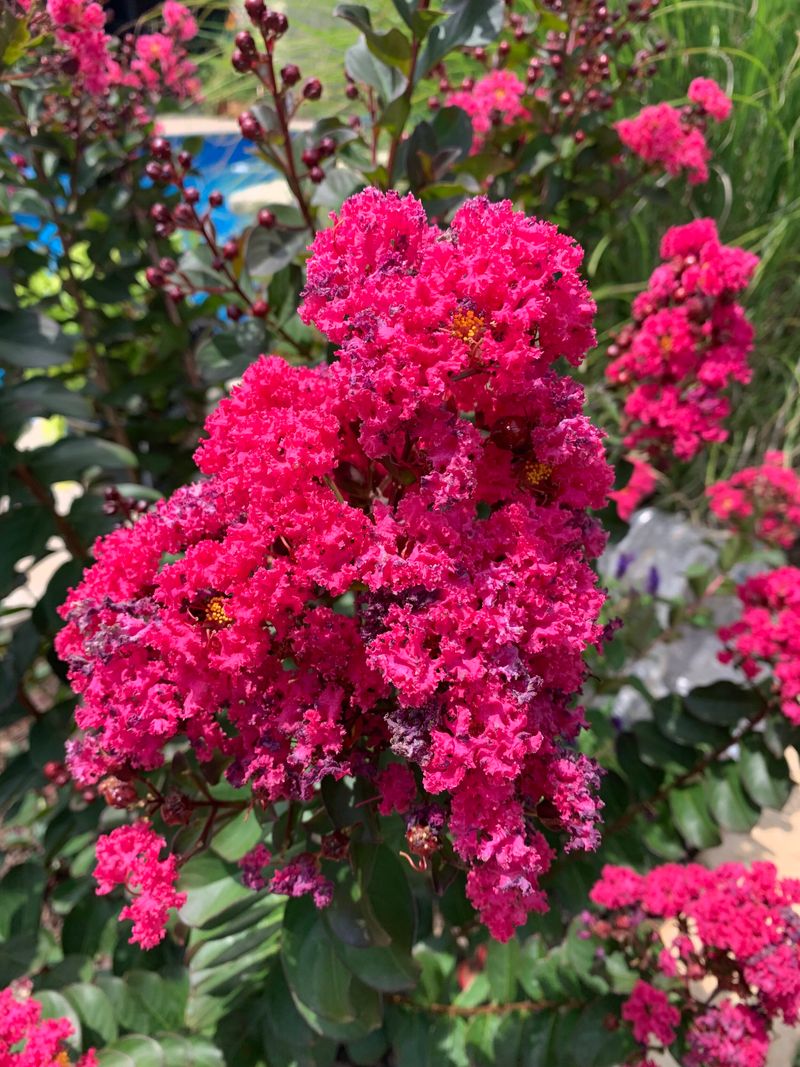
That is exactly what crepe myrtles deliver, and it is one of the biggest reasons North Carolina homeowners keep planting them.
Most spring shrubs and flowering trees wrap up their show by June, leaving yards looking plain during the hottest months of the year. Crepe myrtles step in right when that color gap appears.
Blooming from roughly July all the way into September, these plants fill the landscape with rich, eye-catching flowers throughout the entire summer season.
NC Extension even calls the crepe myrtle the flower of the South, specifically because it blooms when so few other plants do.
That timing is not a small detail for someone trying to keep a yard looking lively all season long. For North Carolina gardeners who want continuous color without a lot of extra effort, crepe myrtles are a natural answer.
You get weeks and weeks of blooms right through the heat of summer, which is something very few other flowering plants can honestly promise.
Plant one near your front porch or along a fence line, and you will enjoy that colorful payoff from midsummer straight through early fall without missing a beat.
2. They Handle North Carolina Heat Very Well
Some plants just wilt and struggle the moment a North Carolina summer hits full stride. Crepe myrtles, on the other hand, seem to wake up when the temperatures climb.
They are built for heat, and that makes them one of the most reliable choices a homeowner in this state can make for a flowering landscape plant.
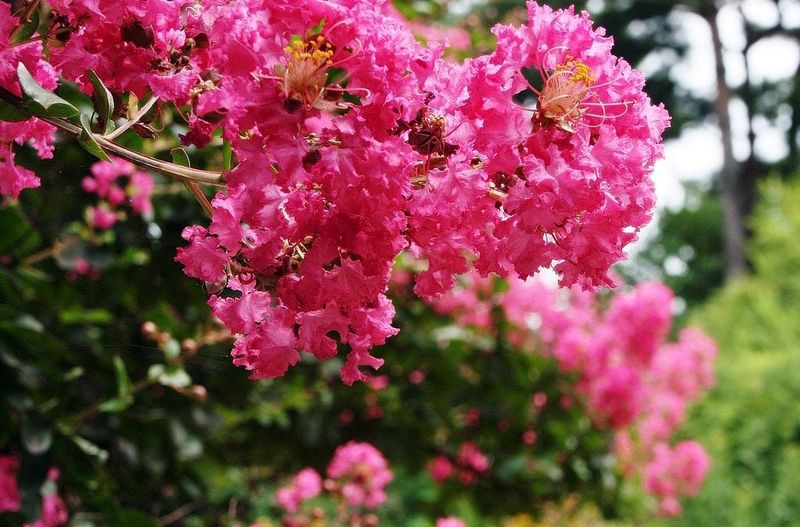
NC State confirms that crepe myrtles perform best in open, sunny spots and handle heat better than most ornamental trees and shrubs.
While other plants in the yard may look tired and stressed by August, a well-placed crepe myrtle is often at peak bloom.
That kind of reliability is worth a lot when you want your yard to look good without constant attention. North Carolina summers are no joke.
Temperatures regularly climb into the upper 90s, and the combination of heat and humidity can be tough on even sturdy plants.
Crepe myrtles thrive right through those conditions, putting on a colorful show without requiring special care or extra watering beyond what normal summer rainfall provides.
If you want a plant that genuinely loves the same hot weather that sends you running for the air conditioning, crepe myrtles are one of the smartest additions you can make to any North Carolina yard. They simply do not quit when the heat turns up.
3. Many Modern Types Also Tolerate Drought Once Established
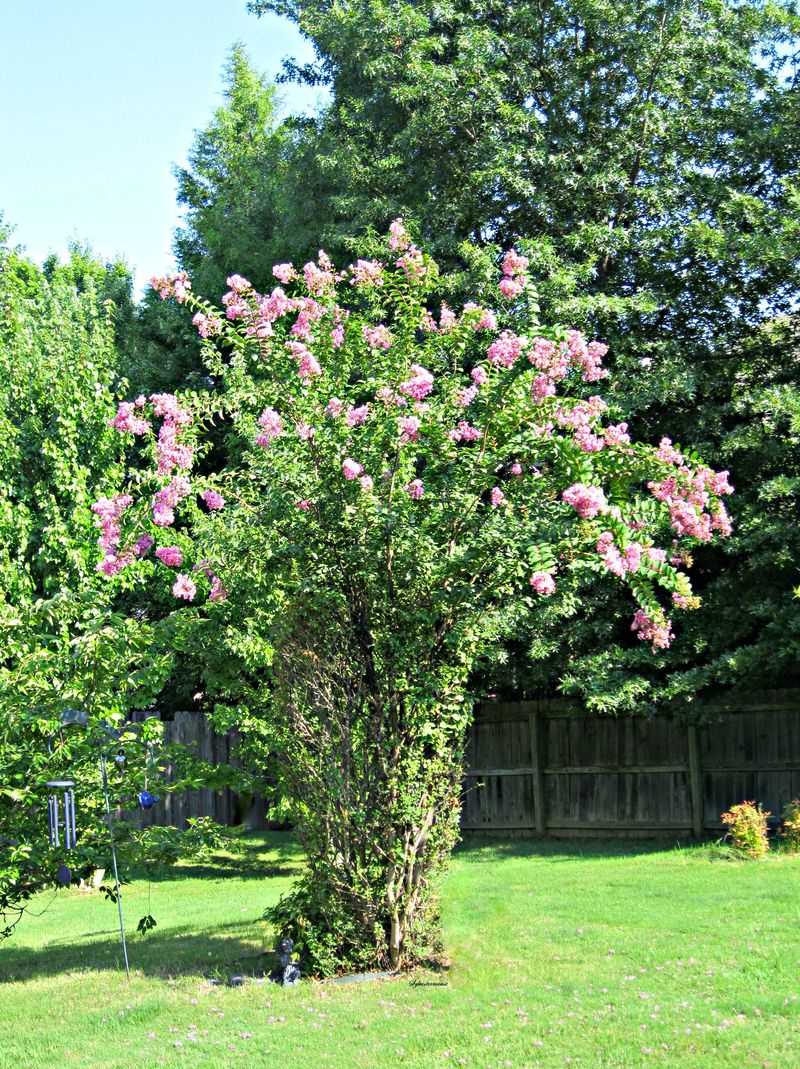
Watering a yard through a long dry spell can get exhausting fast. One of the quieter reasons crepe myrtles stay so popular in North Carolina is that established plants handle dry stretches surprisingly well.
Once their root systems settle in, usually after the first full growing season, they can manage through periods when rainfall is scarce without losing their healthy appearance.
NC State specifically points to cultivars like Natchez as being quite drought-tolerant once established. That is meaningful in a state where summer rainfall can be unpredictable.
Some parts of North Carolina see weeks go by with very little rain during July and August, and plants that cannot handle that kind of stress become a constant headache.
Crepe myrtles remove a lot of that worry. The key is getting them through the first year with consistent watering while roots spread out and anchor deeply.
After that, they become much more self-sufficient. For busy homeowners who do not want to babysit a garden through every dry stretch, that low-maintenance quality is genuinely valuable.
Pairing drought tolerance with summer blooms and heat resistance makes crepe myrtles one of the most practical flowering plants available in North Carolina nurseries today.
You get beauty and resilience bundled into a single plant that earns its spot in the landscape every single summer.
4. They Come In Many Sizes For Different Yards
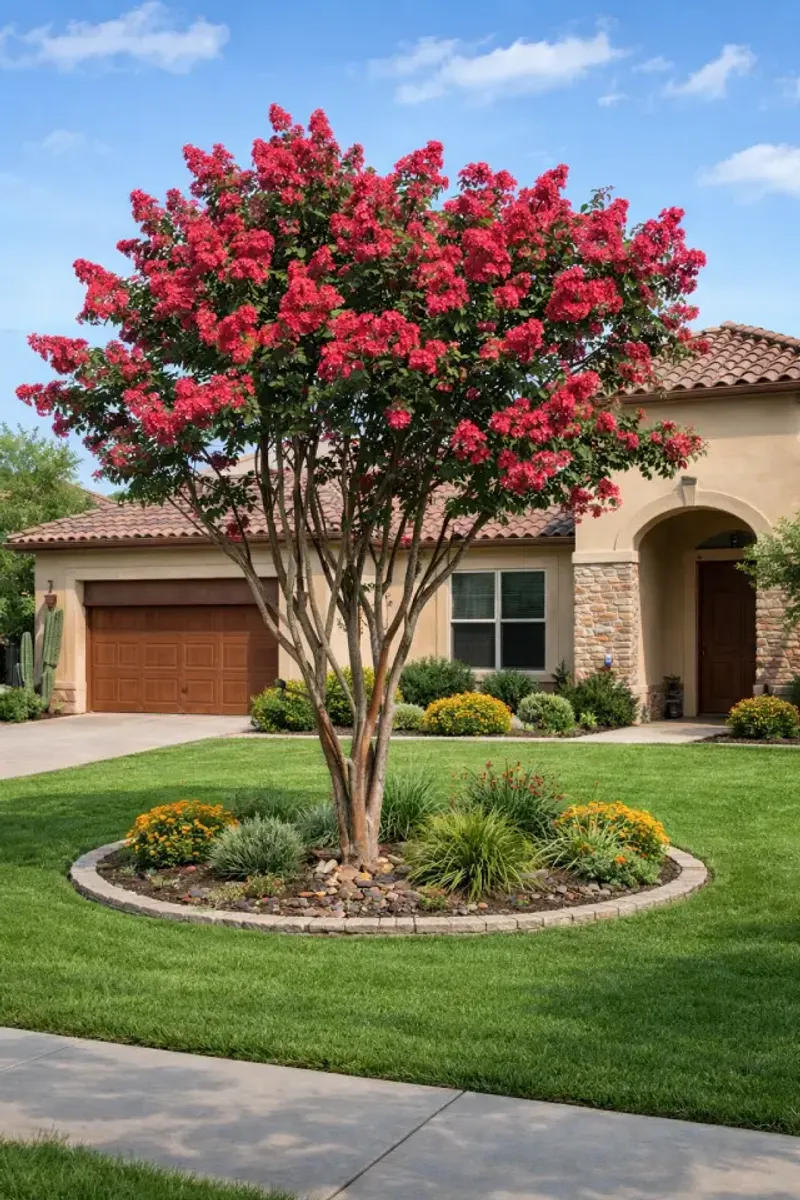
Not every yard has room for a big tree, and not every homeowner wants a tiny shrub. The beauty of crepe myrtles is that they come in an enormous range of sizes, making them useful in almost any outdoor space across North Carolina.
Whether you have a small townhome garden or a sprawling suburban backyard, there is a crepe myrtle cultivar that fits what you need.
NC State notes that crepe myrtles vary widely in height and habit, ranging from compact dwarf shrubs that stay under three feet tall all the way to large tree forms that can exceed twenty feet or more.
That kind of variety is rare among flowering plants. Smaller types work well in foundation beds or containers on patios, while taller forms make stunning specimen trees or even natural privacy screens along property lines.
North Carolina homeowners have taken full advantage of this size flexibility. Drive through any established neighborhood in Raleigh, Charlotte, or Wilmington, and you will see crepe myrtles used in creative ways that reflect the size of each individual yard.
Choosing the right cultivar for your space from the beginning saves a lot of frustration later on.
A little research at the nursery about mature height goes a long way toward keeping your yard looking intentional, balanced, and beautiful for many years ahead.
5. Flower Color Choices Are Very Wide
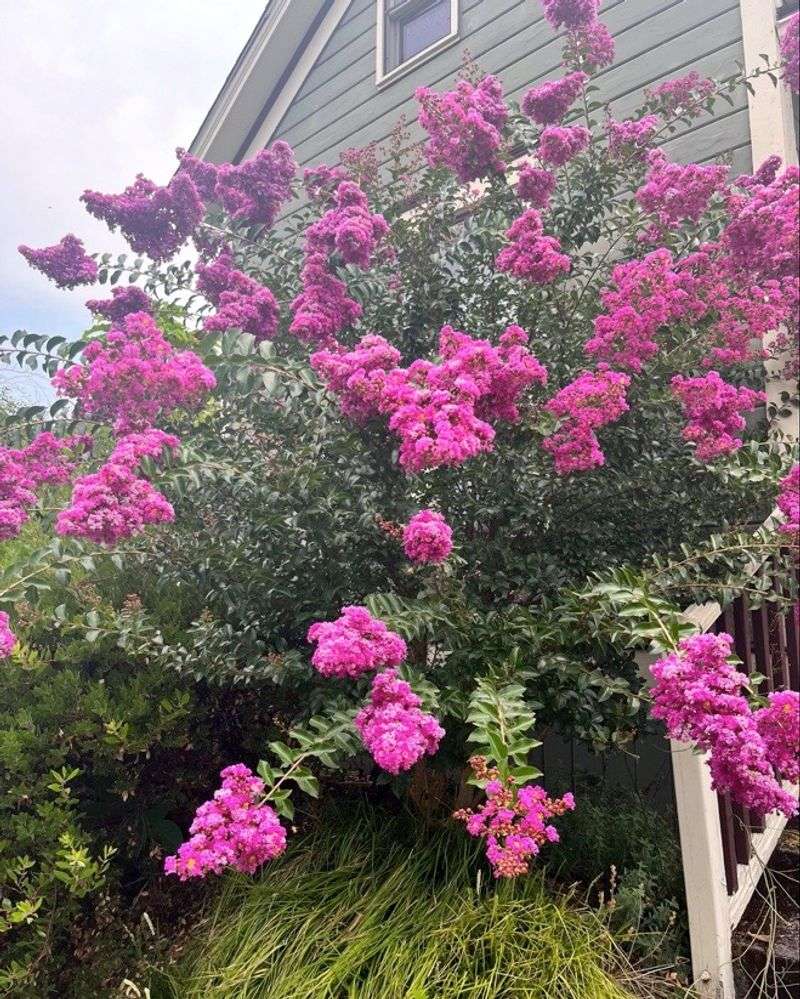
Choosing a flowering tree is a lot like picking out paint for your house. The color matters, and crepe myrtles give you more options than almost any other single plant category available at North Carolina garden centers.
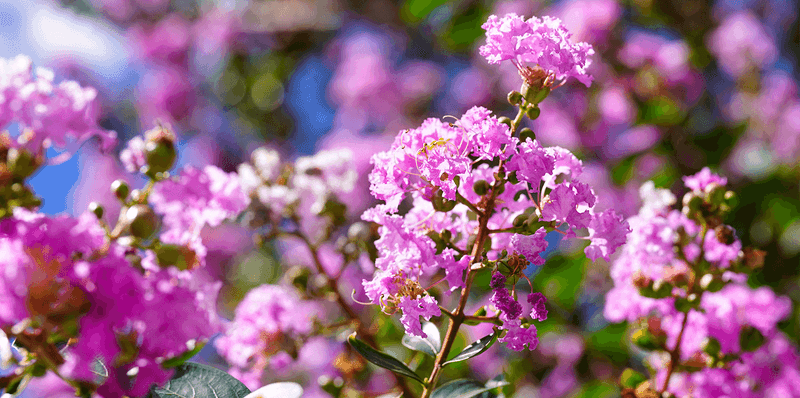
From pure white to deep red, soft lavender to vivid purple, there is a bloom color for every taste and every yard design.
NC State lists a long lineup of named cultivars, each with its own distinct bloom color and growth habit.
Homeowners who want a clean, classic look often reach for white-flowering types like Natchez.
Those who want bold, eye-catching curb appeal frequently go for the deep reds or bright pinks.
Lavender and purple tones bring a softer, more romantic feel that works beautifully in cottage-style North Carolina gardens.
Having that many color choices also makes it easy to match crepe myrtles to existing plantings or to coordinate colors across a front yard for a polished, intentional look.
Neighborhoods across North Carolina often end up with a lovely mix of colors lining the streets because each homeowner picks a favorite shade.
The result is a season-long color display that makes entire communities look vibrant and well-cared-for.
When one plant offers that many options, it is no surprise it keeps showing up in yard after yard all across the state.
6. Good Cultivars Offer More Than Flowers
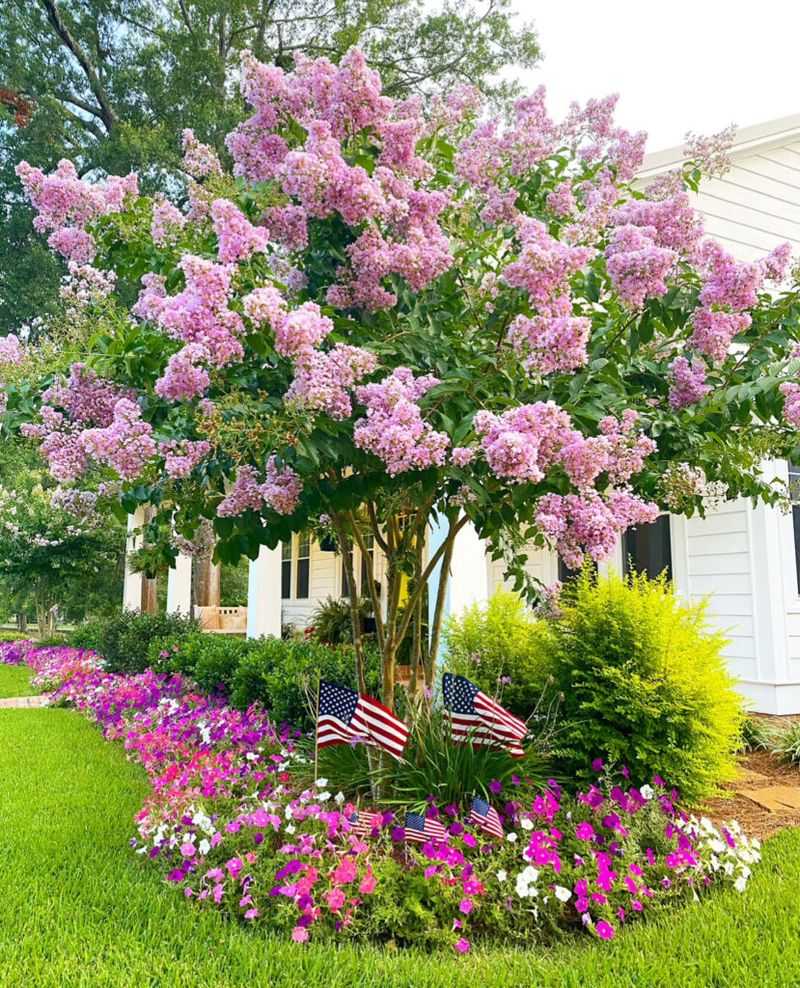
Most people notice crepe myrtles because of the flowers, and that is fair because the blooms are stunning.
But the plants actually bring something to a North Carolina yard during every single season, not just summer.
That year-round appeal is a big part of why landscape designers and homeowners keep reaching for crepe myrtles when they plan outdoor spaces.
NC Extension specifically highlights bark color, texture, form, fall foliage color, and persistent seed heads as part of what makes crepe myrtles so appealing beyond their bloom season.
The smooth, peeling bark on mature plants often shows off beautiful shades of cinnamon, tan, and gray, adding real visual texture to a winter landscape when most other plants look bare and unremarkable.
The branching structure alone is attractive enough to stand out on a cold January morning. Come fall, many cultivars put on a secondary show with leaves turning shades of orange, red, and yellow before dropping.
That means a crepe myrtle earns its place in the yard across spring, summer, fall, and winter without ever looking completely dull or forgettable.
For North Carolina homeowners who want to get the most value out of every plant they put in the ground, that kind of four-season interest is exactly the right reason to choose a crepe myrtle over plants that only shine for a few weeks each year.
7. They Bloom On New Wood Each Year
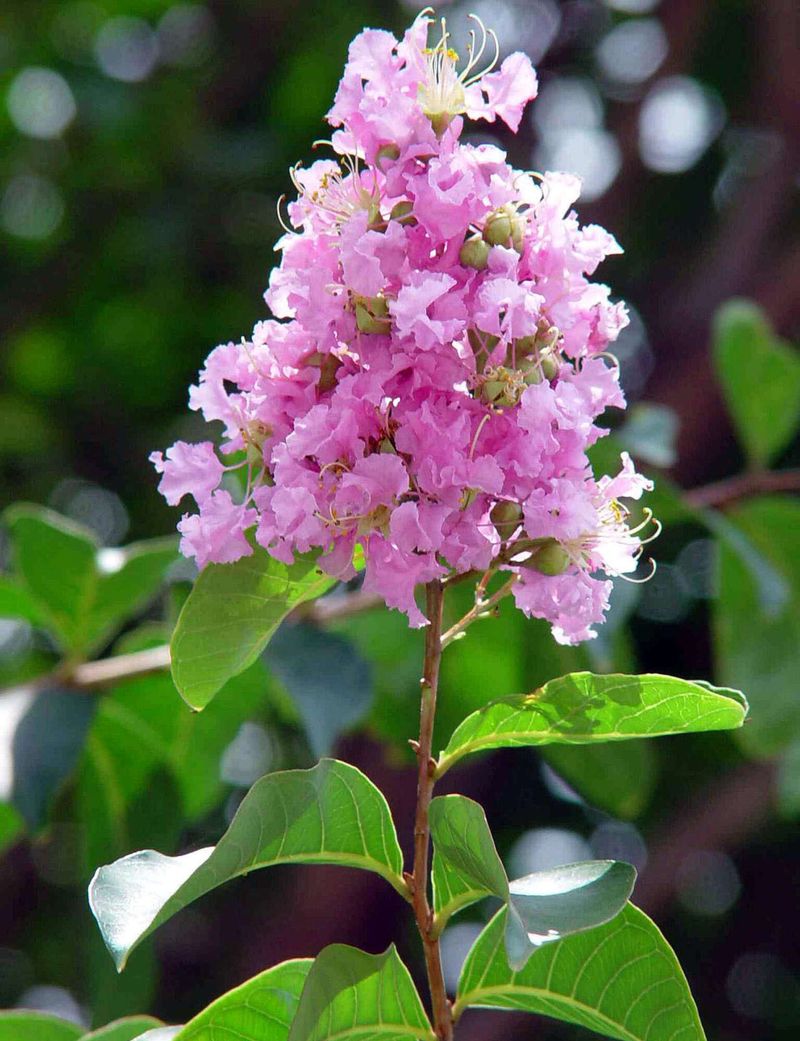
Here is something that surprises a lot of first-time crepe myrtle owners: you can prune these plants in winter or early spring and they will still bloom beautifully that same summer.
That is because crepe myrtles flower on new growth produced during the current growing season, not on old wood left over from the previous year.
It is a trait that gives homeowners a lot of flexibility. NC State consistently points out that pruning should happen in winter or early spring precisely because crepe myrtles bloom on new wood.
Compare that to spring-blooming shrubs like azaleas, where pruning at the wrong time removes the flower buds before they ever get a chance to open.
With crepe myrtles, timing the pruning is much more forgiving, which reduces the chance of accidentally ruining a whole season of color.
This characteristic also means that even after a rough winter in North Carolina, where cold temperatures may damage some stems, the plant can push out fresh growth and still deliver a full bloom season.
Homeowners do not need to stress about losing flowers because of winter pruning or cold snaps.
Just trim back to healthy wood in early spring, give the plant some time to push new shoots, and watch the blooms follow right on schedule through the summer months ahead.
8. Improved Hybrids Resist Powdery Mildew Better
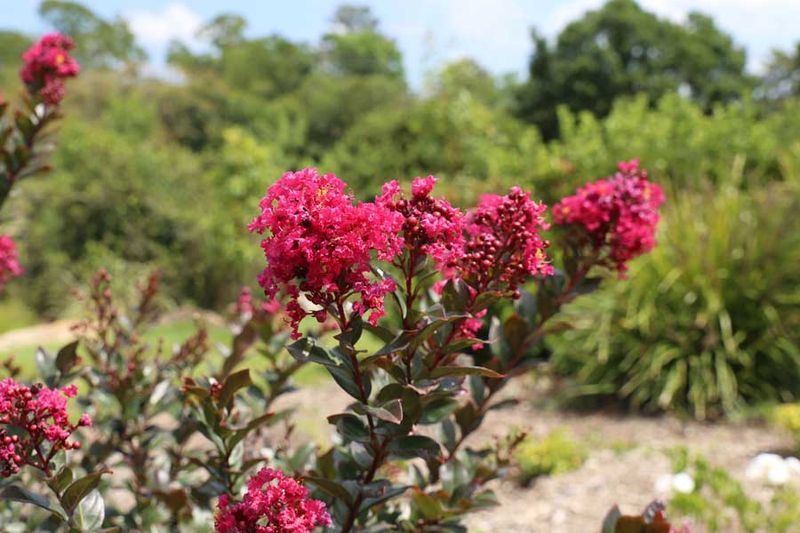
Humidity is just part of life in North Carolina, and gardeners here know it creates real challenges for certain plants.
Powdery mildew, that white dusty coating that can spread across leaves and ruin the look of a plant, used to be a genuine problem with older crepe myrtle varieties.
Thankfully, plant breeders paid attention and developed improved hybrids that handle humid conditions much better.
NC State points to cultivars like Natchez and Catawba as examples of varieties bred with mildew resistance in mind.
Much of that resistance came from incorporating traits from Japanese crepe myrtle into hybrid breeding programs.
The result is a newer generation of plants that hold up cleanly through North Carolina summers without the powdery coating that made older types look rough by midsummer. For homeowners, this improvement is a genuine game changer.
Nobody wants to spend a summer watching a plant that was supposed to be a showpiece slowly turn white and patchy from disease.
Choosing a mildew-resistant cultivar means less worry, fewer treatments, and a cleaner-looking plant from the first bloom of July all the way through September.
When you visit a North Carolina nursery, asking specifically for modern hybrid varieties with mildew resistance is one of the smartest moves you can make before spending money on a new plant for your yard.
9. They Tolerate Urban Conditions Better Than Many Ornamentals
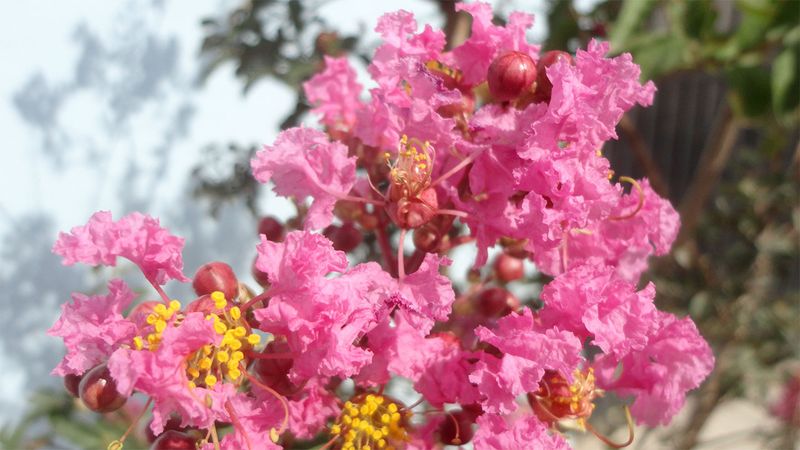
Urban yards and streetscapes come with challenges that most ornamental plants simply cannot handle well.
Reflected heat from pavement, compacted soil, air pollution, and limited root space all add up to a tough environment.
Crepe myrtles, however, have earned a reputation for managing those conditions far better than most flowering trees and shrubs available to North Carolina homeowners and city planners.
NC State notes that certain crepe myrtle cultivars tolerate air pollution and have been used successfully in urban settings.
That makes them a popular choice not just for private yards but also for parking lot islands, sidewalk strips, and streetside plantings throughout cities like Charlotte, Durham, and Greensboro.
Their ability to handle heat reflected off concrete and asphalt is especially valuable in dense neighborhoods where temperatures can run noticeably higher than surrounding rural areas.
For homeowners with small yards near busy roads or tight urban lots, crepe myrtles offer a flowering option that does not give up under pressure.
They keep blooming through the summer even when conditions are far from ideal, which is more than most ornamental choices can promise.
Picking a cultivar suited to your specific space, whether a compact type for a narrow planting strip or a larger form for a corner lot, helps ensure the plant looks its best in whatever setting your North Carolina property offers.
10. They Fit Southern Landscape Style Perfectly
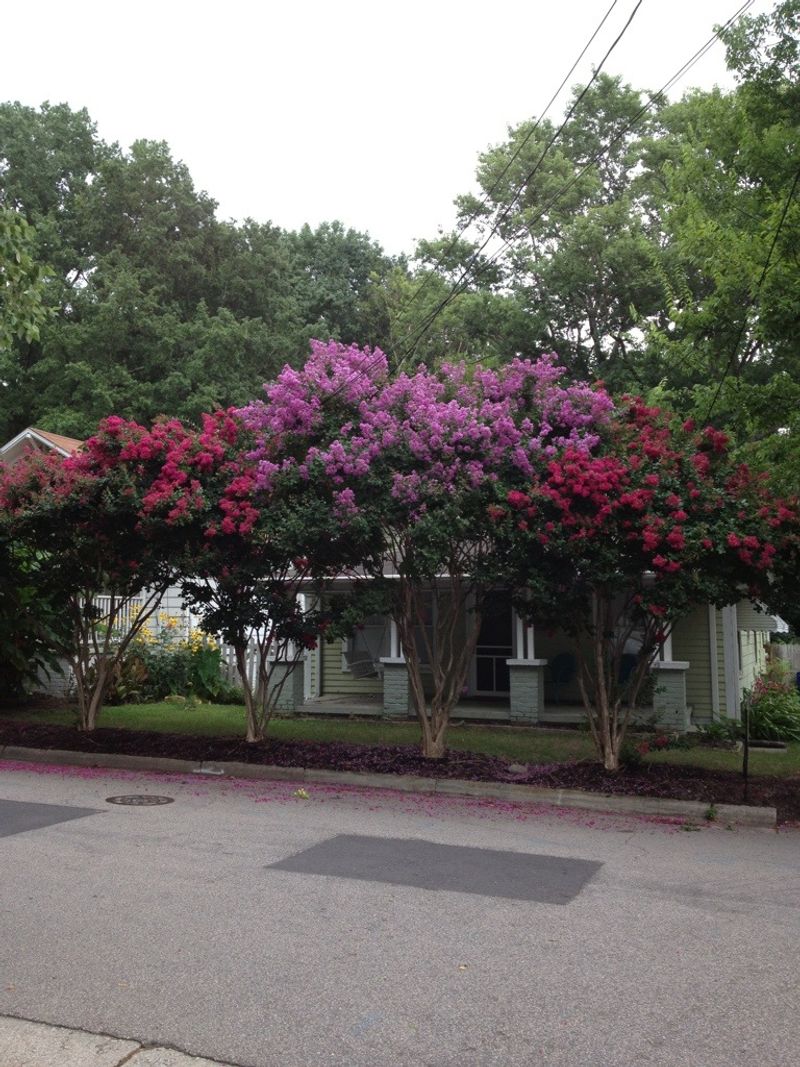
Some plants just belong in certain places, and crepe myrtles belong in the South. There is something deeply familiar about seeing a crepe myrtle in full bloom outside a North Carolina home in July.
They have become so woven into the character of Southern landscaping that a yard without one can almost feel like it is missing something. That cultural familiarity is a genuine reason people keep planting them.
NC Extension describes the crepe myrtle as a favorite small tree or large shrub for Southern gardeners, and that status has been earned over many decades of widespread planting across the region.
In towns like Angier, North Carolina, crepe myrtles hold such a special place that the town is known as the Town of the Crepe Myrtles, celebrating them with annual festivals that draw visitors from across the state.
Beyond tradition, crepe myrtles genuinely suit the Southern landscape aesthetic. Their relaxed, graceful branching structure, long bloom season, and bold summer color fit naturally alongside classic Southern home styles and garden designs.
Whether planted as a single specimen in the front yard or used in a row along a driveway, they bring a sense of place that feels right in North Carolina.
Choosing a crepe myrtle is not just a practical gardening decision. It is a connection to a long and colorful regional tradition.
11. They Are Easy To Find In Garden Centers
Even the best plant in the world is not very useful if you cannot find it at a local nursery. One very practical reason crepe myrtles stay so popular in North Carolina is that they are everywhere.
Walk into almost any garden center in the state from spring through early summer, and you will find a wide selection of cultivars in various sizes, colors, and price points ready to go home with you that same day.
NC State’s plant database shows a large number of crepe myrtle species and cultivars in common landscape use, which reflects just how broadly these plants are grown and distributed through the nursery trade in North Carolina.
When a plant is that widely available, homeowners are far more likely to choose it simply because it is accessible and easy to buy without special ordering or searching around.
Wide availability also means garden center staff are familiar with them, making it easier to get solid advice about which cultivar fits your specific yard conditions and size requirements.
You can compare options side by side, ask questions, and leave with a plant that genuinely matches your space.
That convenience factor matters more than people often realize when it comes to what actually gets planted in North Carolina yards.
Easy access plus great performance equals a plant that earns its popularity honestly and keeps showing up in neighborhoods across the entire state year after year.