9 Reasons Georgia Gardeners Add Epsom Salt To Certain Plants (And When To Avoid It)
Epsom salt shows up in a lot of Georgia gardens, and I’ve noticed it’s often used with good intentions but mixed results.
Some plants respond well when it’s used the right way, while others quietly suffer when it’s added out of habit instead of need.
Knowing when this garden staple helps and when it causes trouble can save plants from stress and gardeners from unnecessary disappointment.
1. Boosts Tomato Plant Growth and Fruit Production
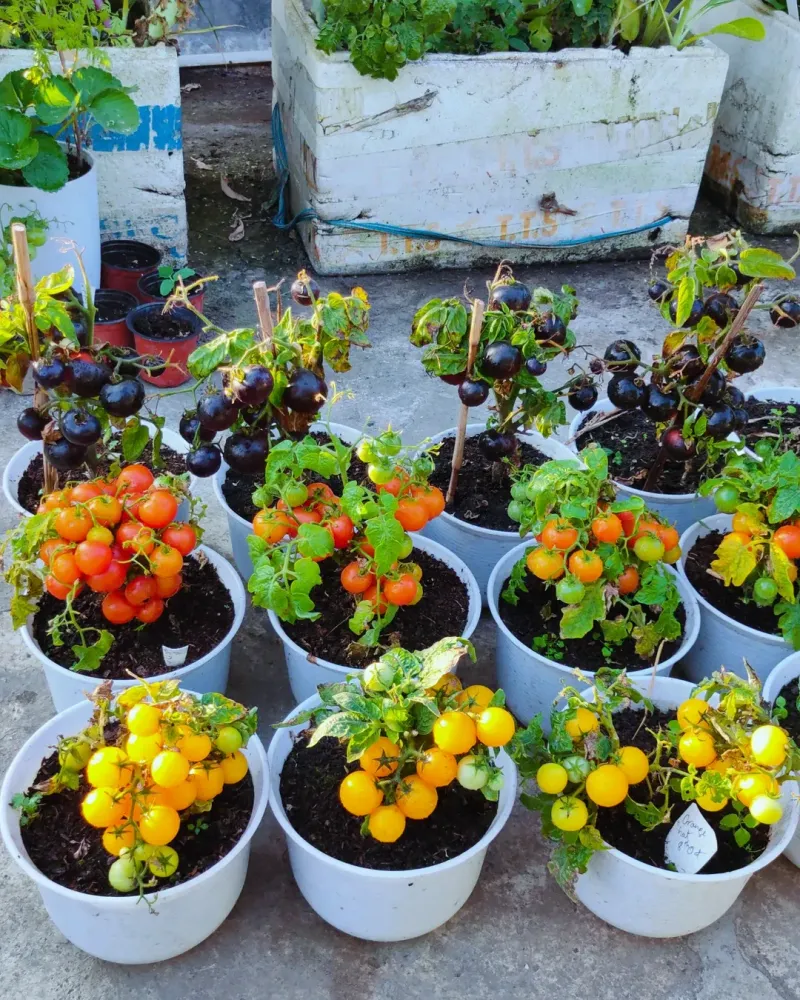
Tomatoes are heavy feeders that constantly pull nutrients from Georgia soil throughout their long growing season which can deplete magnesium levels quickly over time.
Magnesium plays a crucial role in photosynthesis by helping leaves produce chlorophyll which gives plants their rich green color and energy for growth.
When tomato plants lack this vital nutrient their leaves turn yellow between the veins creating a condition that weakens the entire plant structure significantly.
Applying Epsom salt around tomato plants helps restore magnesium levels which encourages stronger stems thicker foliage and significantly improved fruit production throughout the season.
Many Georgia gardeners dissolve one tablespoon of Epsom salt per gallon of water and apply it directly to the soil every two weeks.
This simple practice often results in larger tomatoes with better flavor and fewer blossom end rot problems that plague many Southern gardens during peak summer.
Plants respond quickly to this treatment showing visible improvements in leaf color and overall vigor within just a few days after the application.
2. Improves Pepper Plant Health and Yield
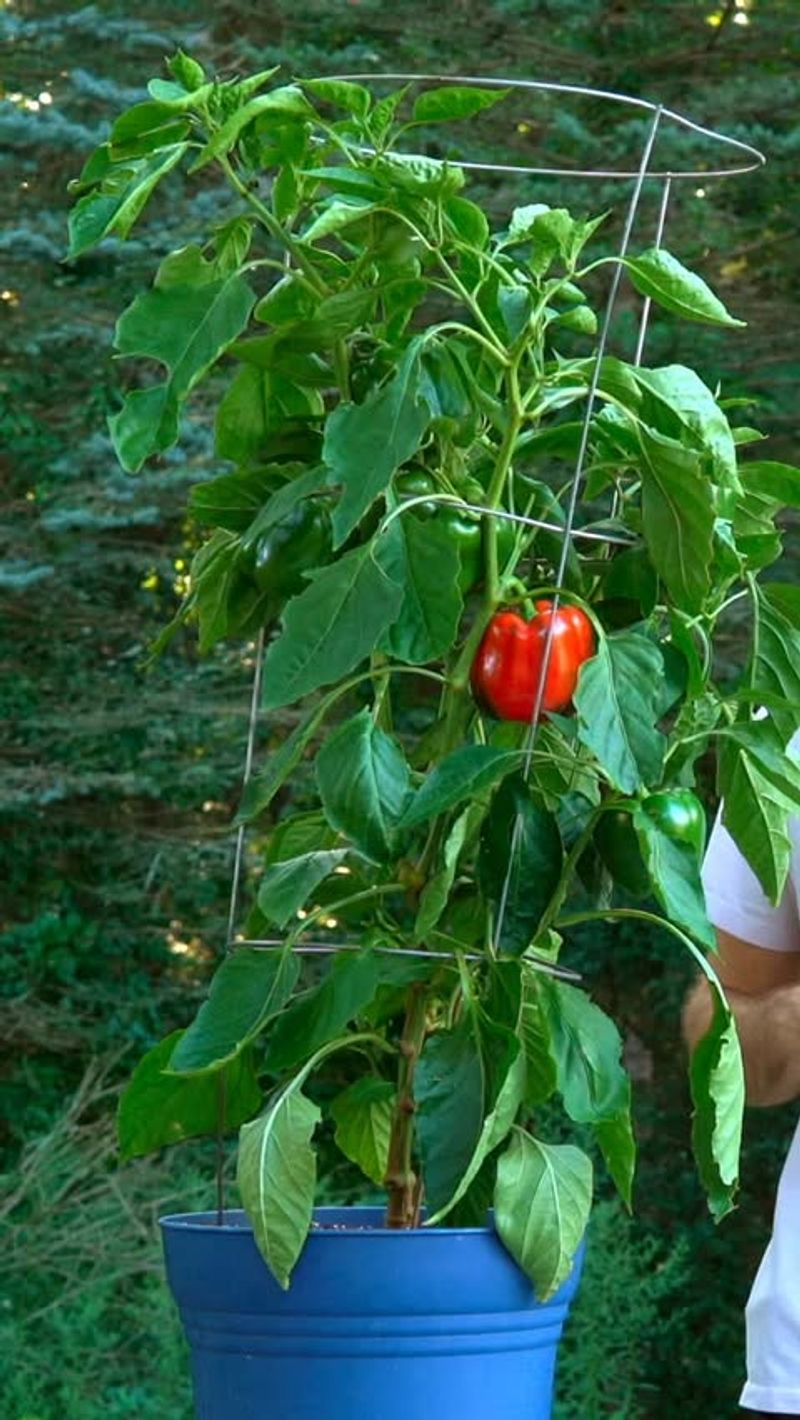
Pepper plants share similar nutrient needs with tomatoes making them excellent candidates for Epsom salt treatments in gardens across the entire Georgia region consistently.
Magnesium deficiency in peppers shows up as pale leaves stunted growth and disappointing fruit production which frustrates gardeners who expect abundant colorful harvests.
Georgia summers can be particularly harsh on pepper plants causing stress that increases their need for readily available magnesium to maintain healthy functioning systems.
Adding Epsom salt to pepper beds before planting or as a side dressing during the growing season provides a steady magnesium supply effectively.
This treatment supports strong root development which helps plants access water and nutrients more efficiently even during those scorching July and August heat waves.
Peppers treated with Epsom salt typically produce more fruits with thicker walls and brighter colors that make your harvest look absolutely stunning and taste better.
Gardeners often notice that treated pepper plants resist common stresses better and continue producing well into the fall months when temperatures finally cool down.
3. Enhances Rose Bloom Size and Color Vibrancy
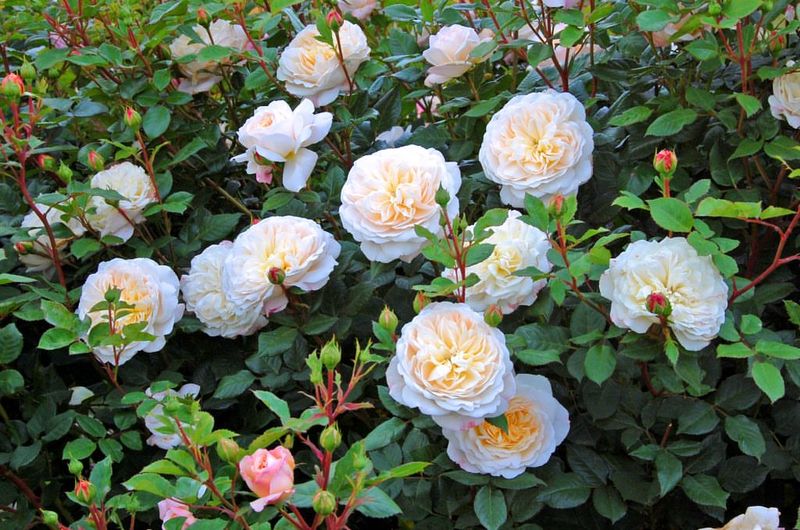
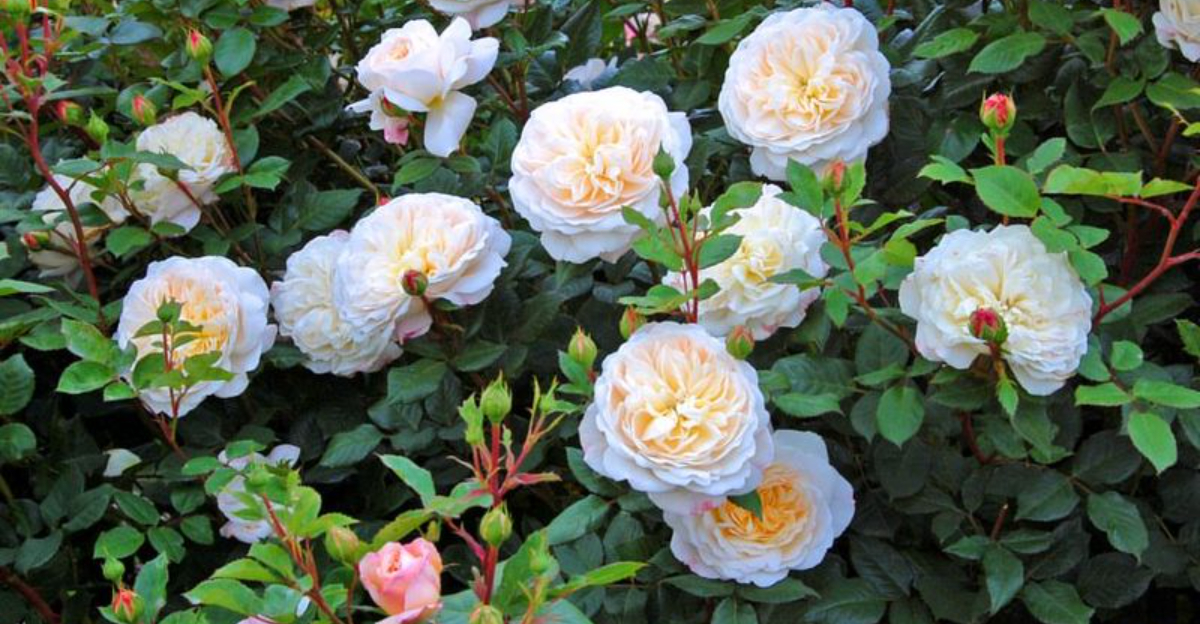
Rose enthusiasts throughout Georgia have discovered that Epsom salt applications can transform average blooms into spectacular showpieces worthy of any garden tour or competition.
Roses are notorious for their high magnesium requirements especially when producing those large fragrant flowers that make them such beloved garden favorites across the South.
Magnesium helps roses absorb other essential nutrients more effectively creating a synergistic effect that improves overall plant health and blooming capacity significantly over time.
Georgia rose growers typically apply Epsom salt in early spring when new growth emerges and again after the first major bloom flush finishes completely.
Mixing one tablespoon of Epsom salt into the soil around each rose bush monthly during the growing season provides consistent magnesium availability for plants.
This practice results in deeper colored petals stronger stems and blooms that last longer on the bush and in vases after cutting them fresh.
Many Georgia gardeners report that their roses show improved resistance to common diseases and environmental stresses when they maintain regular Epsom salt applications consistently.
4. Prevents Magnesium Deficiency in Sandy Georgia Soils
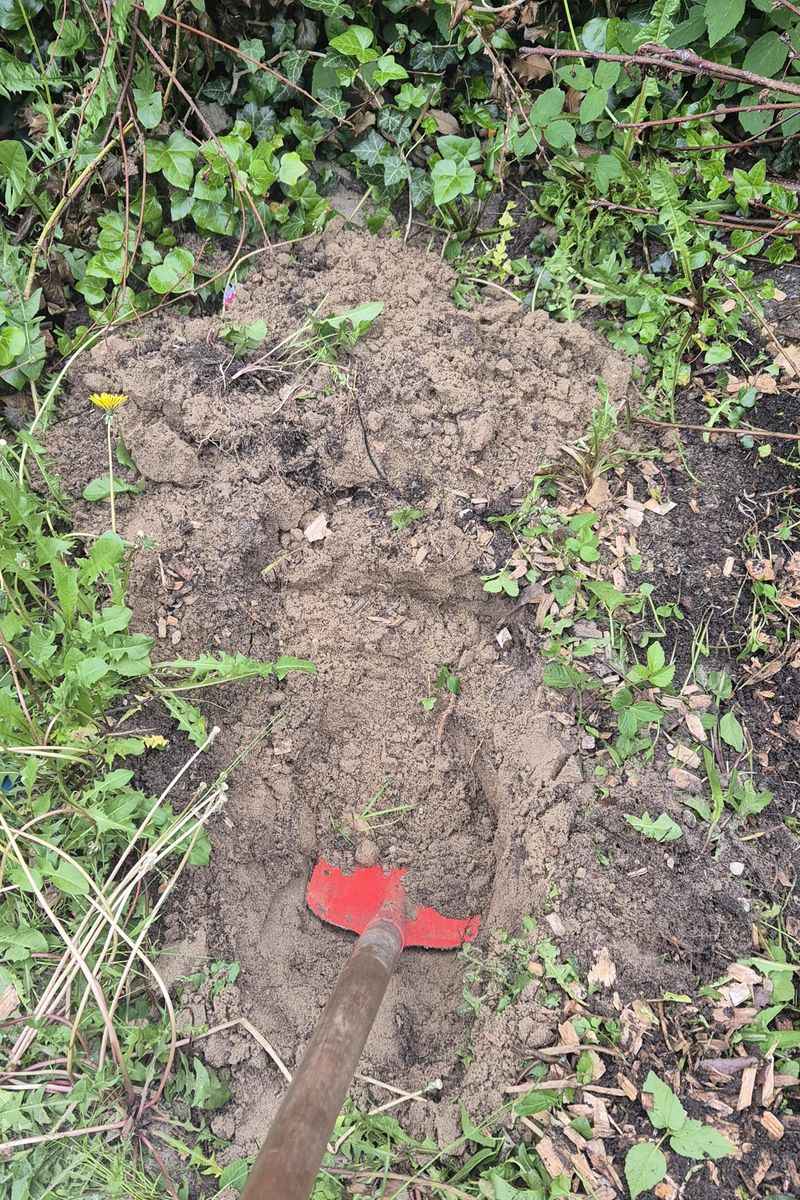
Much of Georgia features naturally sandy soils that drain quickly which sounds beneficial but actually causes nutrients to wash away rapidly during heavy rainstorms frequently.
Sandy soils are particularly prone to magnesium deficiency because this essential nutrient leaches out easily leaving plants without adequate supplies for healthy growth patterns.
Gardeners in coastal Georgia and other sandy regions notice their plants often display yellowing leaves and poor growth despite regular fertilization with standard products.
Epsom salt provides a quick and affordable solution to this persistent problem by replenishing magnesium levels directly where plants need it most effectively.
Incorporating Epsom salt into sandy garden beds before planting helps establish a magnesium reserve that plants can access throughout their entire growing season successfully.
This preventive approach works better than waiting for deficiency symptoms to appear which can set plants back weeks in their development and productivity potential.
Georgia gardeners working with sandy soils often consider Epsom salt an essential tool rather than an optional supplement for achieving consistent garden success annually.
5. Supports Healthy Green Foliage in Ornamental Plants
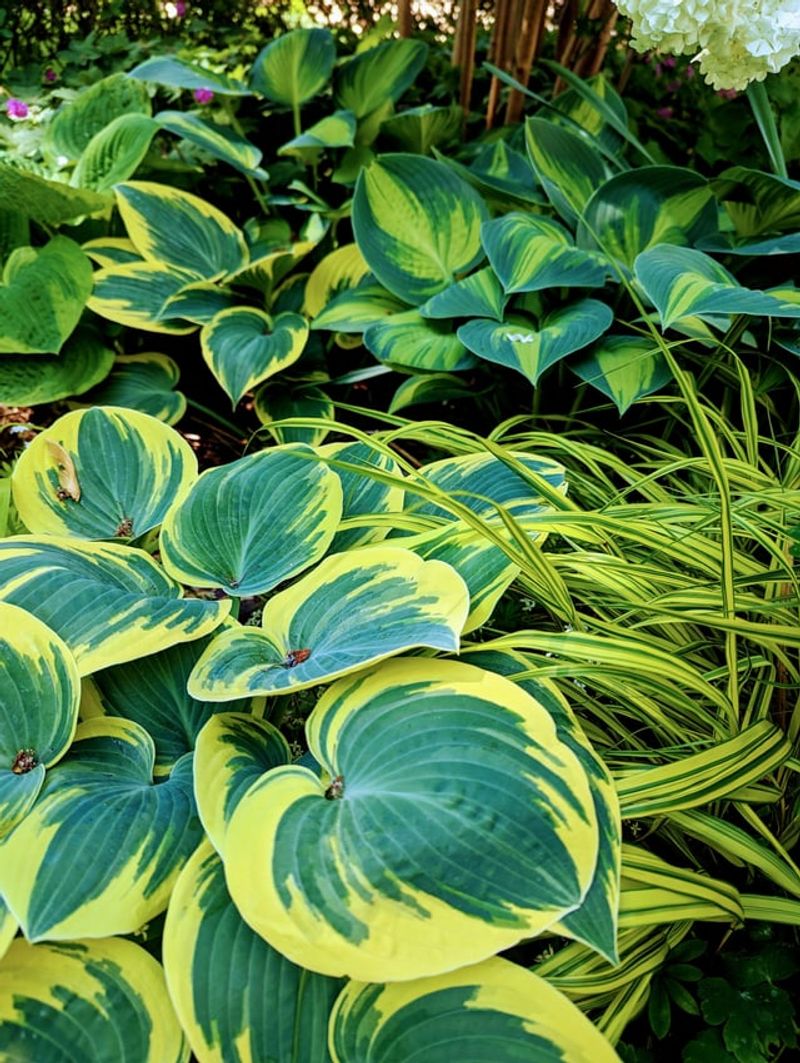
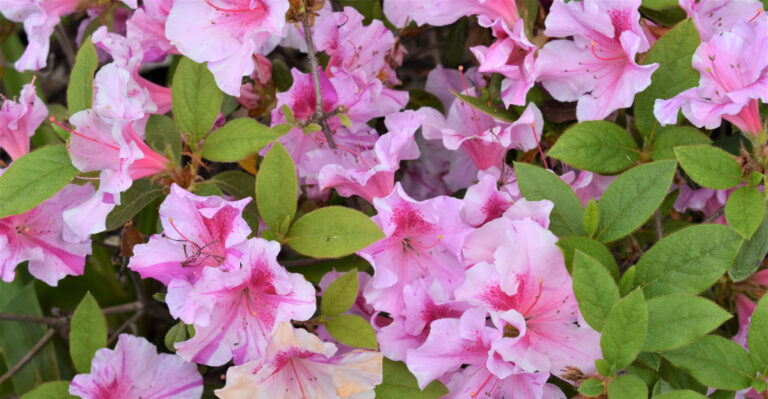
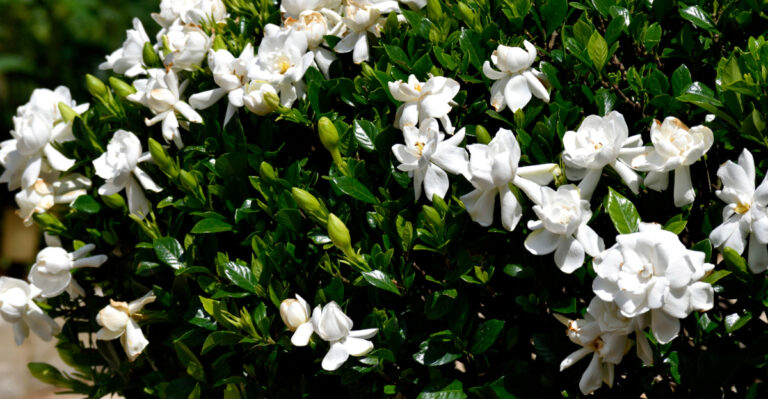
Ornamental plants like azaleas camellias and gardenias are Georgia staples that depend on rich green foliage to showcase their beauty throughout the entire year.
These popular landscape plants often develop yellow leaves with green veins which signals magnesium deficiency that diminishes their aesthetic appeal and overall garden impact.
Georgia soils can become depleted of magnesium over time especially in established landscapes where plants have been extracting nutrients for many years without replacement.
Applying Epsom salt around ornamental shrubs helps restore that deep green color that makes Southern gardens look lush and professionally maintained even during stressful seasons.
Magnesium activates enzymes necessary for chlorophyll production which directly impacts how green and healthy leaves appear to observers and homeowners who take pride in appearances.
Many Georgia landscapers include Epsom salt in their regular maintenance routines for high-value ornamental plantings that require consistent visual appeal for property values.
This treatment proves especially valuable for acid-loving plants that thrive in Georgia conditions and benefit from the sulfur component in Epsom salt formulations.
6. Aids Seed Germination and Seedling Development
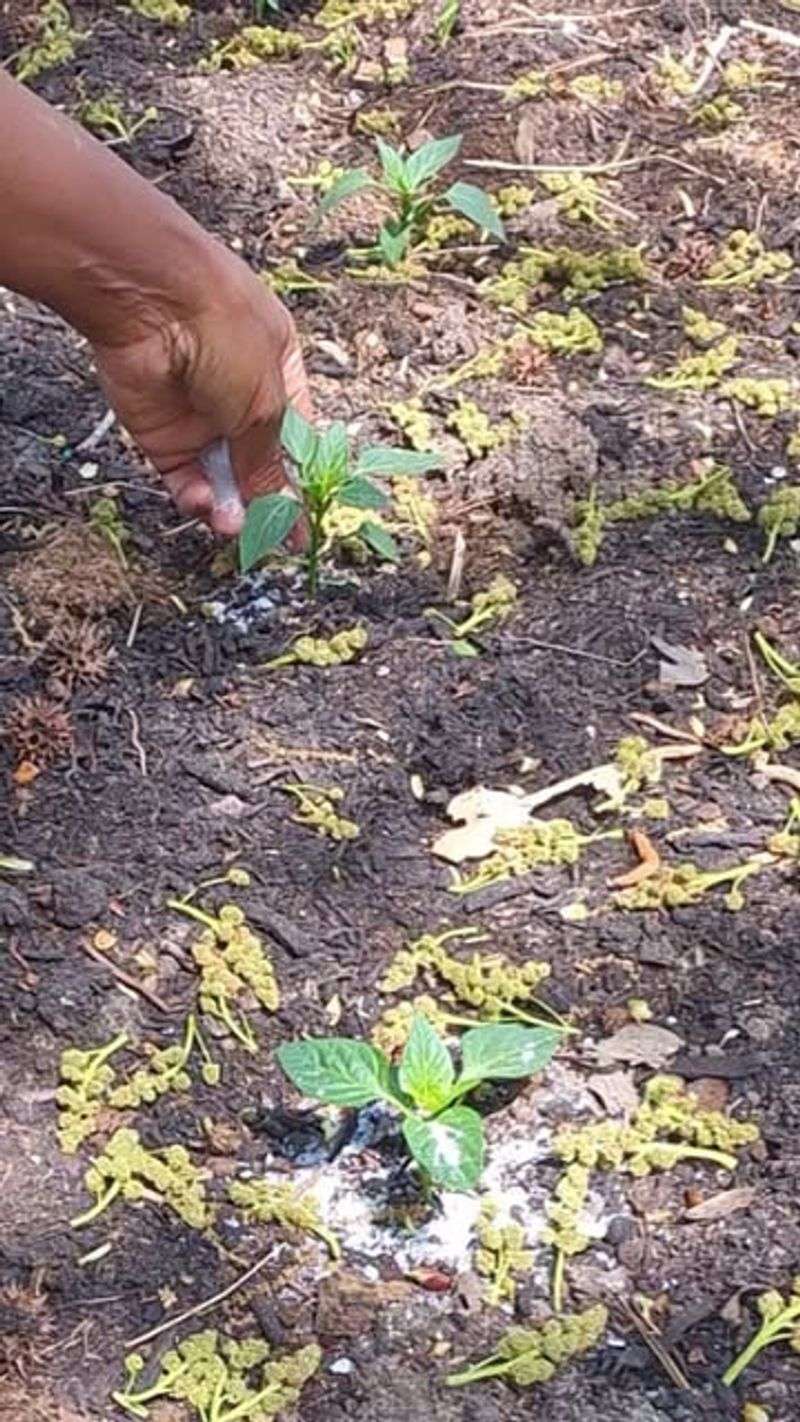
Starting seeds successfully requires providing young plants with all necessary nutrients from the moment they emerge from their protective seed coats into the world.
Magnesium plays a critical role in early plant development by supporting cell division and the formation of strong root systems that anchor seedlings securely.
Georgia gardeners who soak seeds in a weak Epsom salt solution before planting often report improved germination rates and stronger seedlings that transplant successfully.
Adding a small amount of Epsom salt to seed starting mix provides developing seedlings with readily available magnesium during their most vulnerable growth stage.
This early nutritional boost helps seedlings establish faster and develop the robust root systems necessary to thrive once transplanted into Georgia garden beds outside.
Young plants treated with Epsom salt show better stress tolerance when moved from protected indoor environments to the variable conditions found in outdoor gardens.
Many experienced Georgia gardeners consider this seed treatment a secret weapon for getting vegetable and flower gardens off to the strongest possible start each season.
7. Increases Nutrient Uptake Efficiency in Vegetables
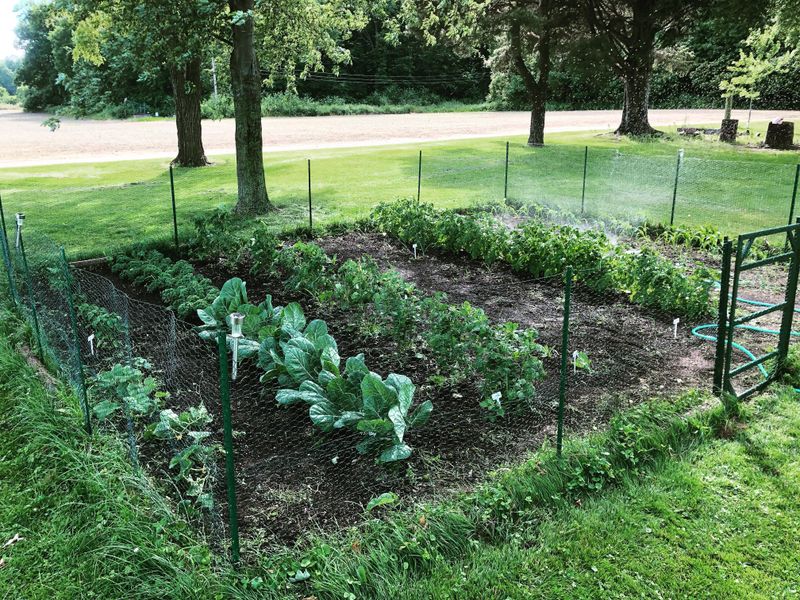
Vegetables grown in Georgia gardens need to absorb nutrients efficiently to produce the abundant harvests that make all your hard work feel worthwhile and rewarding.
Magnesium acts as a catalyst that helps plants absorb nitrogen phosphorus and other essential nutrients from soil more effectively than they could without it.
Without adequate magnesium vegetable plants may sit in nutrient-rich soil yet still show signs of deficiency because they cannot access what is already available.
Epsom salt applications improve this nutrient uptake process allowing vegetables to make better use of fertilizers and organic amendments you have already added to beds.
This improved efficiency means you can often reduce the amount of fertilizer needed which saves money and reduces environmental impact from excess nutrients leaching away.
Georgia gardeners notice that vegetables treated with Epsom salt develop faster produce heavier yields and maintain productivity longer into the season than untreated plants nearby.
Leafy greens like lettuce and spinach particularly benefit from this improved nutrient uptake showing remarkable growth rates and tender flavorful leaves throughout their harvest period.
8. Plants That Struggle With Extra Magnesium
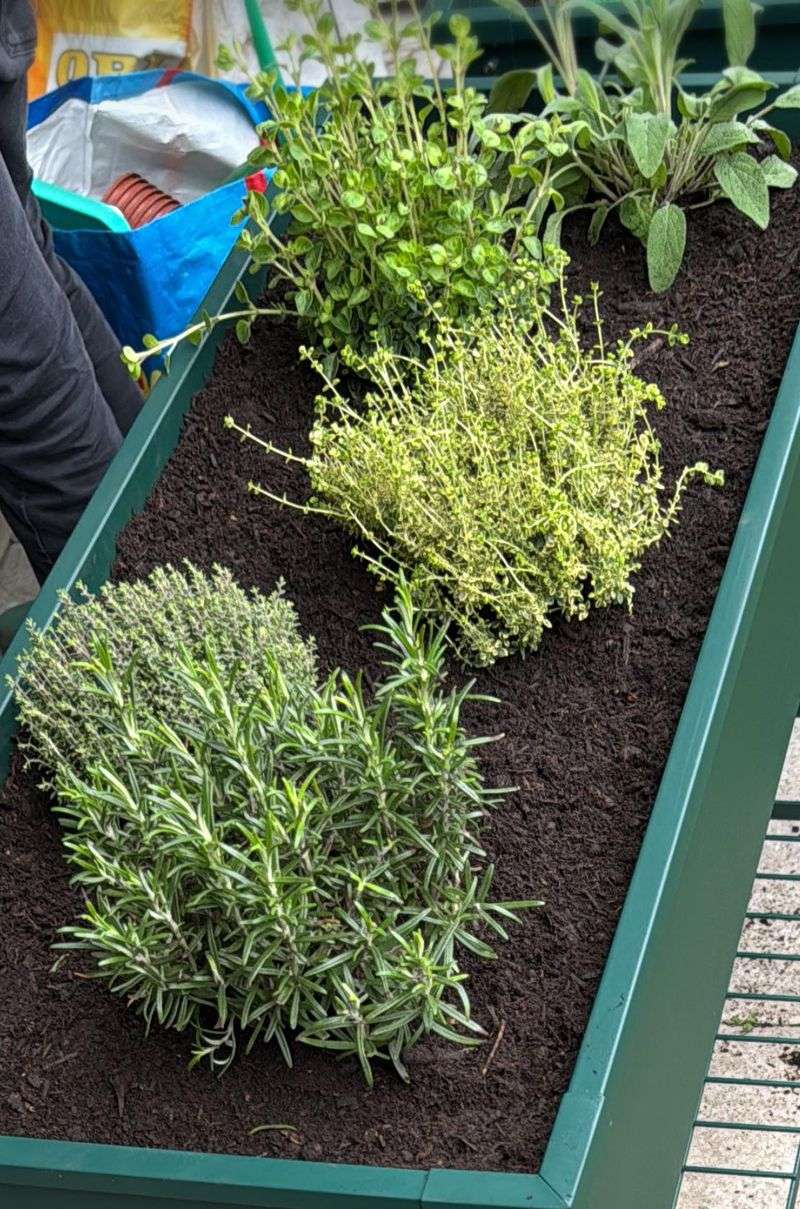
Not every plant in your Georgia garden benefits from Epsom salt applications and some can actually suffer from too much magnesium in their soil.
Mediterranean herbs like lavender sage and rosemary evolved in poor rocky soils and prefer lean growing conditions with minimal nutrient supplementation for best performance.
Adding Epsom salt to these plants can cause excessive foliage growth at the expense of the essential oils that give herbs their characteristic flavors.
Beans and other legumes fix their own nitrogen and generally require fewer soil amendments making Epsom salt applications unnecessary and potentially counterproductive for them.
Georgia gardeners should also avoid using Epsom salt on plants already growing in magnesium-rich soils which can be determined through simple soil testing procedures.
Excessive magnesium can interfere with calcium uptake creating new imbalances that cause more problems than the original deficiency you were trying to correct initially.
Understanding which plants in your Georgia landscape actually need magnesium supplementation prevents waste and ensures you provide appropriate care for every species you grow.
9. How To Tell When Magnesium Levels Are Too High
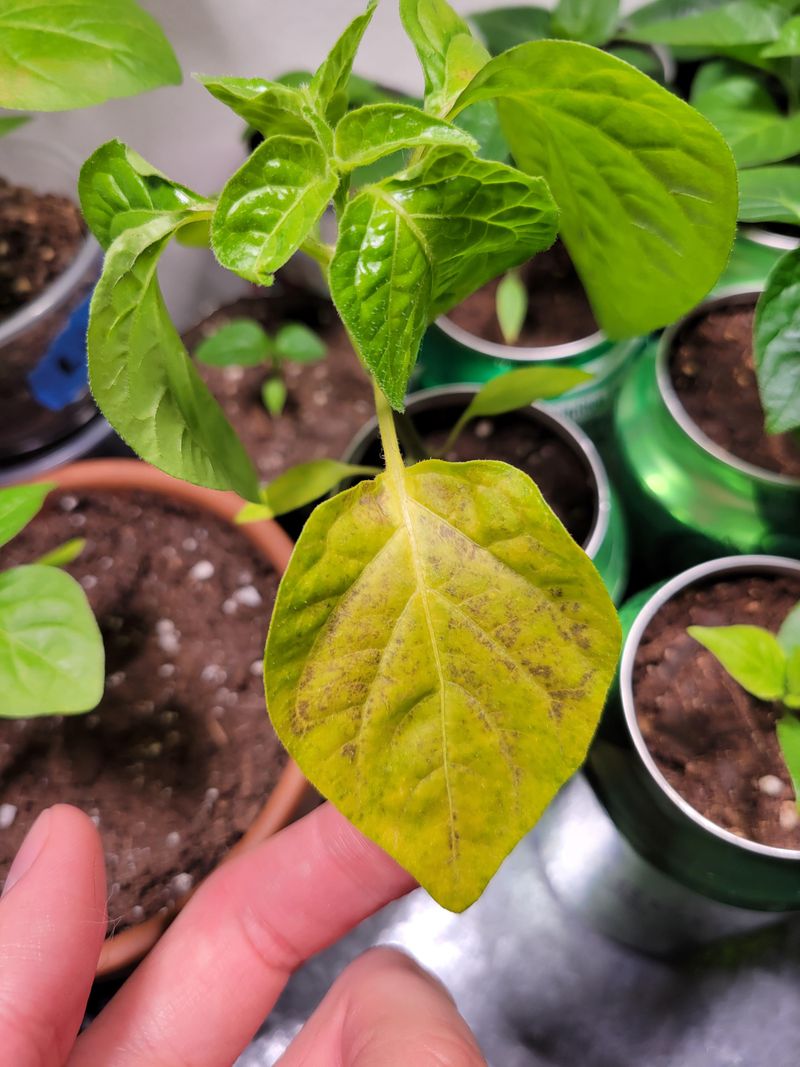
Recognizing when plants have too much magnesium helps Georgia gardeners avoid causing harm while trying to help their gardens thrive throughout the growing season.
Excessive magnesium interferes with calcium and potassium uptake creating deficiencies of these nutrients even when they exist in adequate amounts in the surrounding soil.
Plants experiencing magnesium excess may show leaf tip burn brown spots or stunted growth that resembles other nutrient problems making diagnosis challenging for beginners.
Georgia soils that have received repeated Epsom salt applications over many years without soil testing may accumulate excessive magnesium levels that harm plant health.
Conducting a soil test through your local extension office before beginning any Epsom salt regimen provides valuable baseline information about actual nutrient needs.
If tests show adequate or high magnesium levels skip the Epsom salt and focus on other nutrients your specific garden soil actually lacks currently.
Balance remains the key to successful gardening in Georgia and more supplements do not always translate to better results for your plants and overall yields.