7 Reasons Hummingbirds And Butterflies Keep Visiting This Georgia Flower
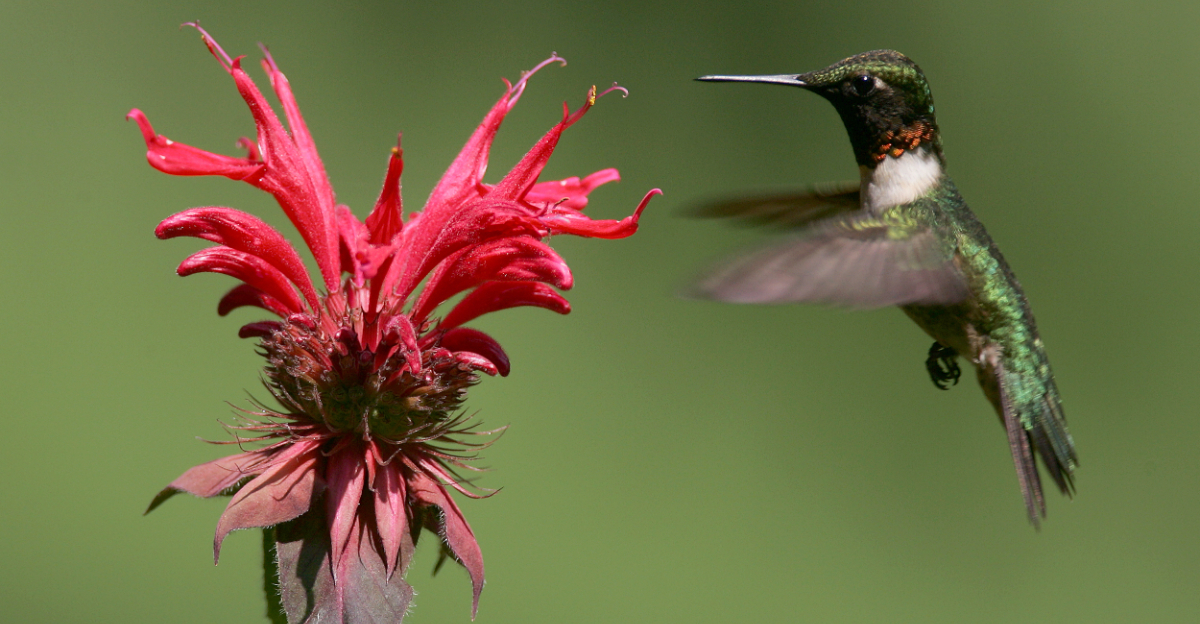
Hummingbirds and butterflies do not waste much time around flowers that fail to hold their attention.
They move quickly through the yard, stop where they want, then disappear just as fast once something more appealing catches their eye nearby.
One flower keeps pulling them back again and again in many Georgia gardens though, even during stretches when other blooms start slowing down or fading in the heat.
Constant movement around the plant becomes hard to miss once butterflies start gathering and hummingbirds begin circling through regularly.
Bright color helps, but that is not the only reason this flower stands out so much once summer arrives. Something about it keeps turning ordinary garden spaces into nonstop pollinator activity.
1. Bee Balm Produces Nectar Through Much Of The Warm Season
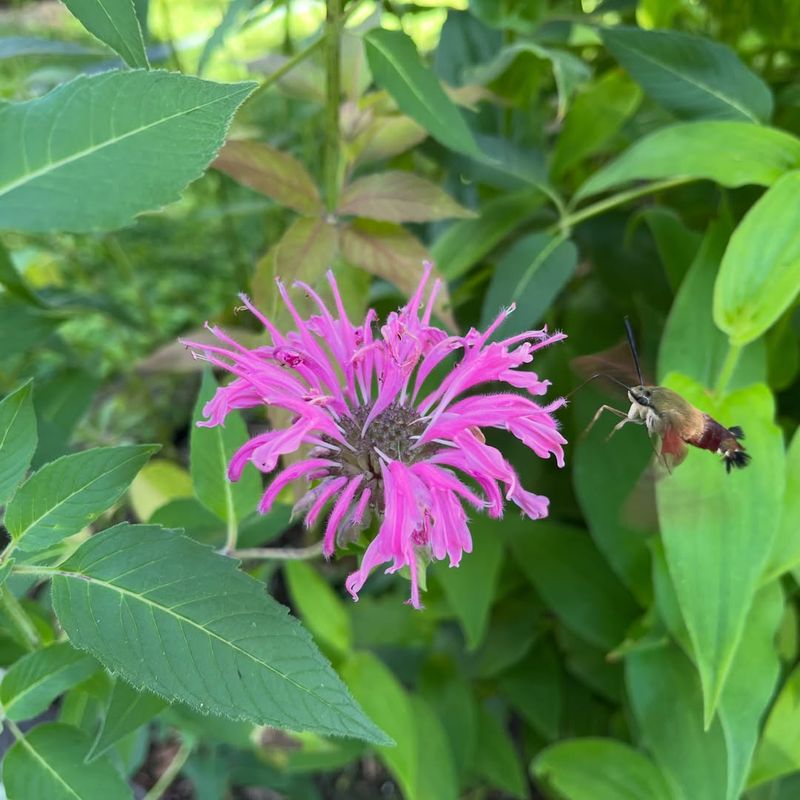
Nectar production is the real engine behind bee balm’s popularity, and it runs longer than most people expect. Unlike flowers that peak for a week or two, bee balm in Georgia can push out fresh nectar from late spring well into August when conditions are right.
That extended window keeps hummingbirds and butterflies circling back repeatedly instead of moving on after a short visit.
Bee balm belongs to the mint family, and plants in that group tend to produce nectar in higher volumes than many ornamental flowers. Each individual tubular floret on a single bloom head holds nectar, meaning one flower cluster can fuel multiple feeding sessions.
A hummingbird working its way around a full plant can find dozens of accessible nectar sources without ever leaving your yard.
Hot Georgia summers can reduce nectar output if plants dry out too quickly, so consistent soil moisture helps maintain production.
Gardeners who mulch around the base of their bee balm often notice more pollinator visits because moisture retention keeps the plant actively blooming.
Deadheading spent flowers also encourages new bud formation, which restarts the nectar cycle and extends your garden’s active feeding period well beyond what a single bloom flush would offer.
2. Bright Tubular Blooms Stand Out To Passing Hummingbirds
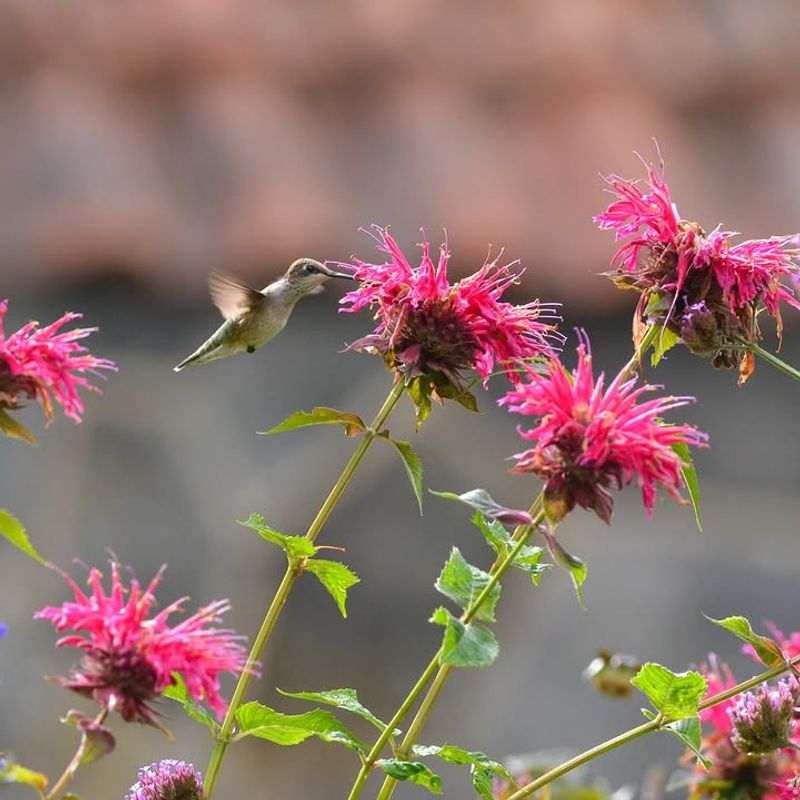
Hummingbirds do not wander randomly. Tubular flower shapes matter just as much as color.
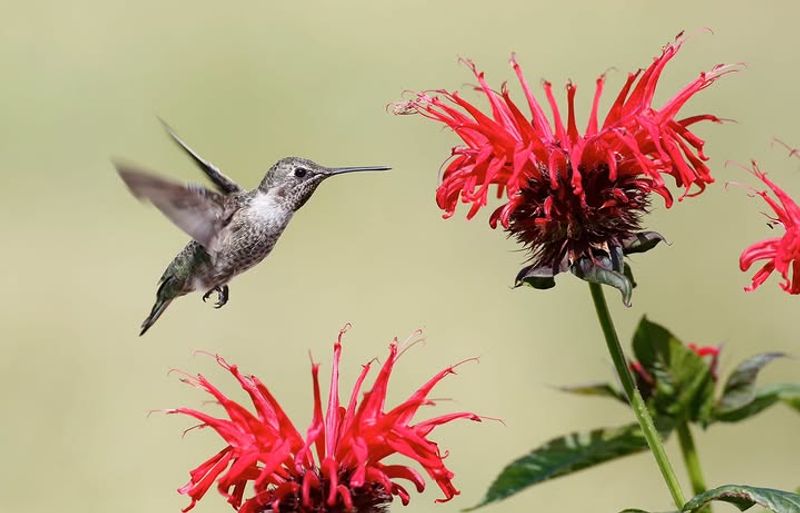
Hummingbirds have long, narrow bills designed to reach deep into tube-shaped blooms where other pollinators cannot easily compete for nectar. Bee balm’s florets are exactly that shape, making them an efficient and rewarding food source.
When a hummingbird spots a patch of red bee balm from above, it registers as a high-value feeding station worth investigating immediately.
Georgia is home to the ruby-throated hummingbird during warm months, and these birds actively scout gardens during their northern migration in spring and again when heading south in late summer.
A well-established bee balm planting can catch their attention during both migration windows, turning your yard into a regular stop rather than a one-time visit.
Planting bee balm in an open area where hummingbirds can approach from multiple directions increases visibility. Avoid crowding it against walls or dense shrubs where sight lines are limited.
3. Butterflies Often Gather Around Large Flower Clusters
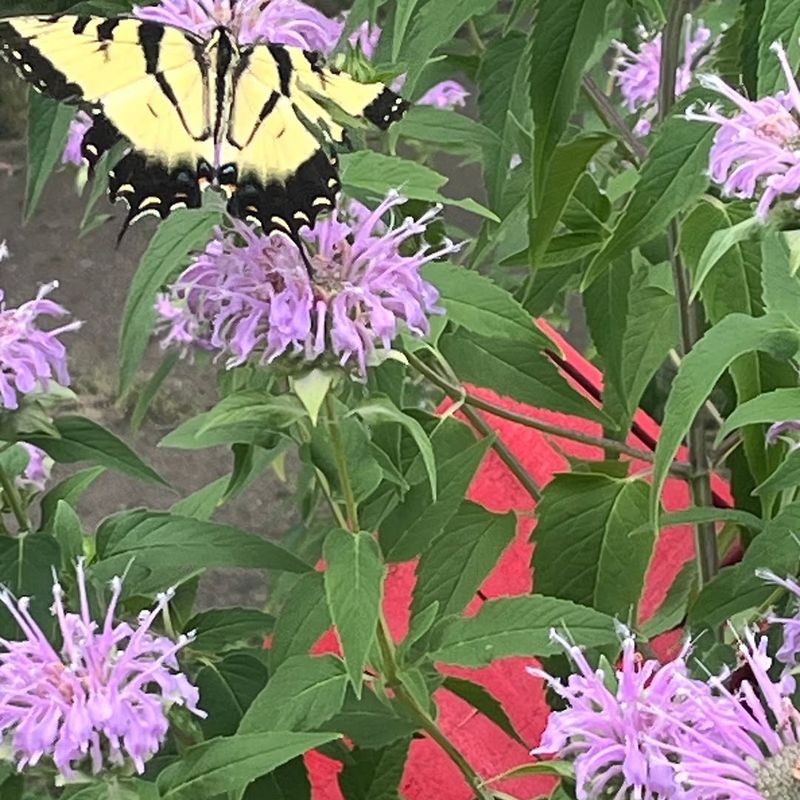
Walk up to a mature bee balm plant in full bloom and you might count three or four butterfly species feeding at the same time.
Your Georgia Garden Changes Every Week. Your Plan Should Too.
Gardening in Georgia changes quickly throughout the season. Every Friday you’ll receive a simple weekly plan showing exactly what to plant, prune, fertilize, harvest, and protect so you never miss the right timing.
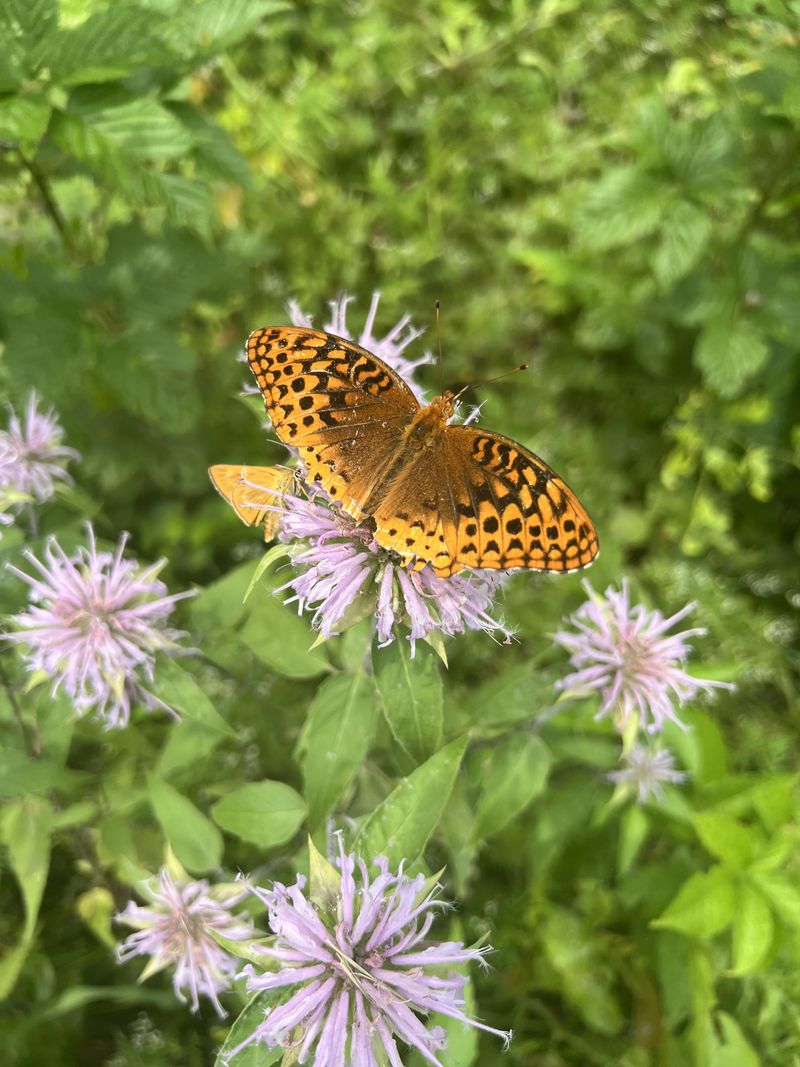
Eastern tiger swallowtails, fritillaries, skippers, and monarchs have all been observed on bee balm across Georgia, drawn in by the dense, accessible flower heads that offer a stable landing platform and plenty of nectar in one spot.
Butterflies feed differently than hummingbirds. They prefer to land and probe flowers at a relaxed pace rather than hovering, so flat or clustered flower heads work better for them than deeply recessed single blooms.
Bee balm offers exactly that combination, with rounded clusters of florets that give butterflies room to settle and feed without fighting for position.
Larger plants naturally produce bigger flower heads, which attract more butterflies at once. Allowing bee balm to spread into a natural clump over two or three seasons creates the kind of mass planting that butterflies find irresistible.
Georgia gardeners who let their bee balm naturalize along fence lines or garden borders often describe the midsummer display as genuinely spectacular.
Spacing matters when growing for butterfly activity. Plants set about eighteen to twenty-four inches apart develop fuller, airier growth that butterflies can navigate easily.
4. Long Bloom Periods Create More Consistent Backyard Activity
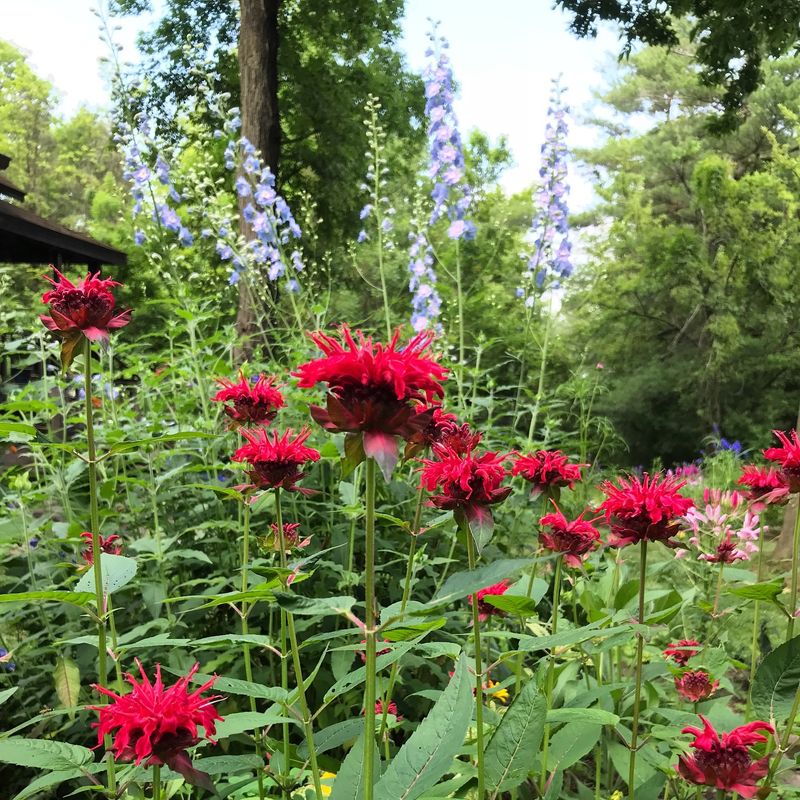
Most flowering plants give you a short window of peak activity before things quiet down. Bee balm operates on a different schedule.
Under good growing conditions in Georgia, a well-maintained planting can stay in active bloom for six to eight weeks, and that extended period translates directly into more consistent wildlife visits throughout the season.
Hummingbirds and butterflies are creatures of habit once they locate a reliable food source. When bee balm keeps producing fresh blooms week after week, these pollinators build it into their daily route rather than treating it as a temporary stop.
Backyard birders in Georgia often notice that once hummingbirds find a bee balm patch, they return multiple times per day on a predictable schedule.
Keeping that bloom period going takes a little effort. Regular deadheading removes spent flower heads and signals the plant to push out new buds.
Cutting back about one-third of the plant after the first major flush can sometimes trigger a second round of blooming before the season ends.
Watering during dry stretches also helps, since moisture-stressed plants in Georgia’s summer heat tend to shut down flower production earlier than healthy ones.
Pairing bee balm with other long-blooming native plants like coneflowers or black-eyed Susans creates a layered garden that stays active even between bee balm flushes.
5. Native Varieties Adapt Well To Hot Humid Summers
Georgia summers are no joke. Temperatures regularly climb past ninety degrees, humidity stays high for weeks at a time, and afternoon thunderstorms can swing soil moisture from soaked to parched within a few days.
Most ornamental plants struggle under those conditions, but native bee balm varieties bred or selected for southeastern climates handle the heat with noticeably less stress.
Monarda didyma and its native cultivars have adapted to the mid-Atlantic and southeastern United States over centuries, which gives them a built-in tolerance for the kind of summer conditions Georgia gardeners deal with every year.
Varieties like Raspberry Wine and Jacob Cline have shown reasonable heat tolerance in home gardens across the region, though individual results can vary based on soil quality and drainage.
Planting in well-amended, slightly moist soil gives these varieties the best chance of thriving through August.
Powdery mildew is the main challenge for bee balm in humid climates. Selecting mildew-resistant cultivars is probably the single most useful thing a Georgia gardener can do before planting.
Good air circulation around plants also reduces mildew pressure significantly, so avoid planting bee balm too close to walls, fences, or dense shrubs that block airflow.
Once established, native bee balm requires less supplemental watering than many non-native ornamentals, which is a real advantage during Georgia’s dry spells.
6. Fragrant Leaves Add More Interest Around Garden Beds
Bee balm smells like oregano and citrus had a collaboration, and that scent does more than just smell pleasant to passing gardeners.
Fragrant foliage can attract pollinators even before the flowers open, giving butterflies and other beneficial insects a reason to explore the plant earlier in the season.
Some butterfly species use plant scent as a navigation cue when searching for nectar sources across a garden.
Beyond attracting pollinators, the aromatic leaves of bee balm have a long history of use in herbal teas and traditional remedies among Indigenous communities in eastern North America.
Georgia gardeners who grow it near kitchen gardens or herb beds often appreciate having access to fresh leaves throughout summer.
The scent is strong enough that brushing against the foliage while weeding releases a noticeable fragrance that makes garden time genuinely enjoyable.
Fragrant plants also tend to discourage deer browsing to some degree. While no plant is completely deer-proof, the strong minty scent of bee balm makes it less appealing to deer compared to non-aromatic flowering plants.
Georgia gardens in suburban or semi-rural areas where deer pressure is common may benefit from mixing bee balm into borders as a natural deterrent.
Planting bee balm along pathways or near seating areas where the fragrance can be appreciated up close adds another layer of value beyond pollinator attraction.
7. Pollinators Return More Often When Flowers Stay Moist
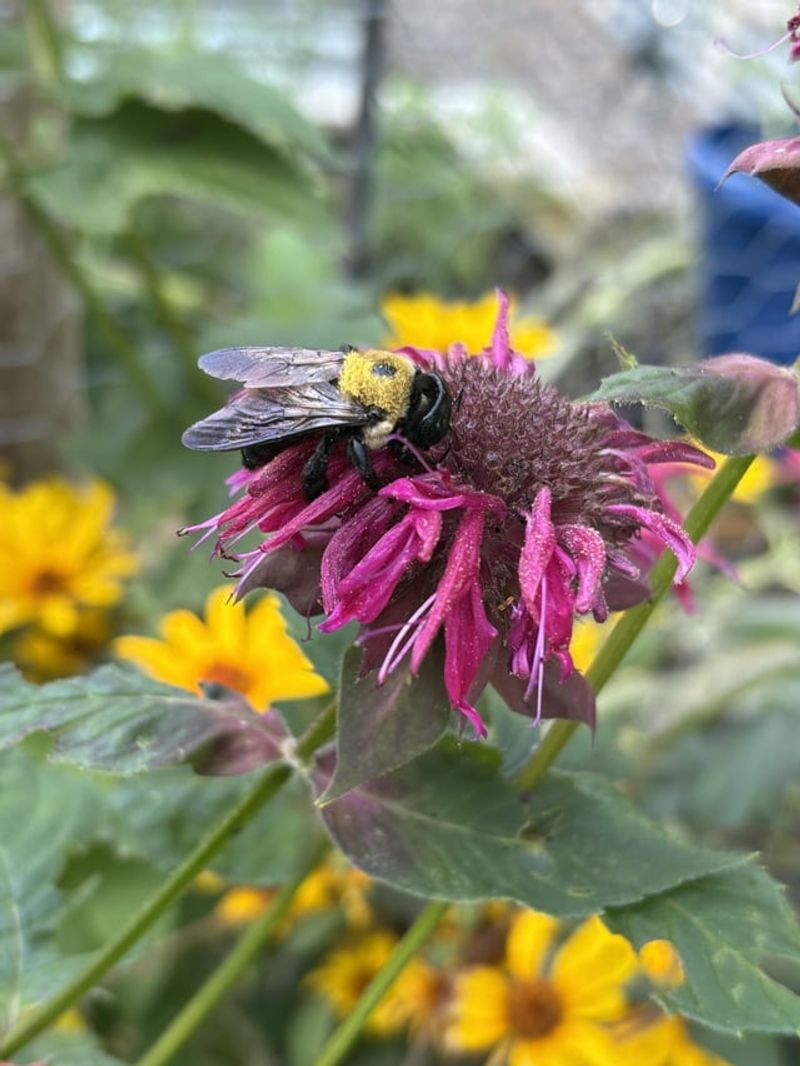
Nectar concentration drops when plants get too dry. During Georgia’s summer dry spells, flowers on stressed bee balm plants can produce thinner, less rewarding nectar, and pollinators notice that difference faster than most gardeners realize.
Hummingbirds especially are efficient foragers that quickly learn which plants are worth revisiting and which ones are not delivering enough energy reward.
Consistent soil moisture directly supports better nectar quality and quantity. Bee balm grown in evenly moist soil tends to hold its blooms longer and refill nectar reserves more reliably between pollinator visits.
Drip irrigation or soaker hoses work particularly well for bee balm because they deliver water at root level without wetting the foliage, which helps reduce mildew problems in Georgia’s humid climate.
Mulching is one of the easiest ways to maintain soil moisture without constant watering. A two-to-three-inch layer of shredded hardwood mulch around bee balm plants can dramatically slow evaporation during hot Georgia afternoons.
Gardeners who mulch consistently often notice that their bee balm stays in bloom longer and attracts more pollinator visits compared to unmulched plants in similar conditions.
Rainfall after a dry period often triggers a noticeable surge in pollinator activity around bee balm.
Fresh rain rehydrates plant tissues quickly, nectar production rebounds, and within a day or two hummingbirds and butterflies return in higher numbers.