7 Reasons Mississippi Lawns Benefit From Baking Soda In Winter
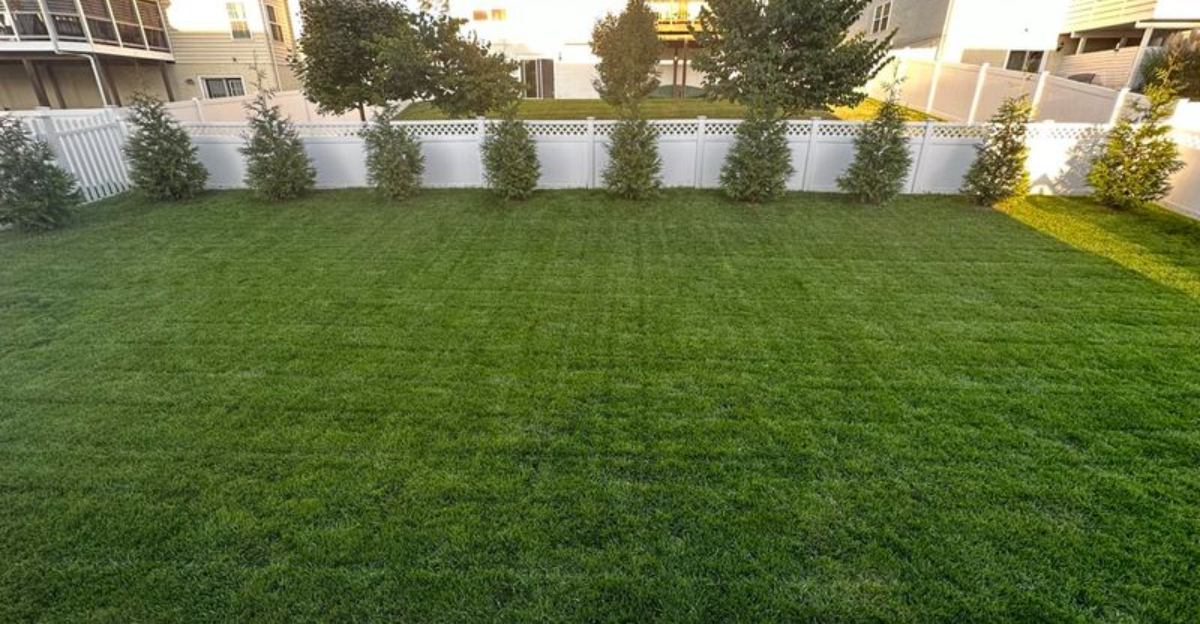
Winter lawn care in Mississippi often feels confusing, especially when grass looks dull, patchy, or slow to bounce back.
Baking soda sounds unusual, yet many homeowners quietly rely on it for simple seasonal lawn support.
Used carefully, it can help manage odors, discourage certain surface issues, and support healthier soil balance during cooler months.
This approach works best as a light winter assist, not a cure-all, making timing and moderation especially important for visible spring results across many Mississippi yards.
1. Balances Soil pH Levels Naturally

Soil acidity can become a real problem for lawns across Mississippi, especially when winter rains wash nutrients away from grass roots below.
Baking soda works as a gentle alkaline substance that slowly raises pH levels without causing sudden chemical shocks to delicate root systems.
Many southern soils tend to become more acidic over time, which prevents grass from absorbing essential nutrients needed for winter survival and health.
Applying a light dusting of baking soda helps neutralize overly acidic conditions, creating an environment where grass roots can thrive even in cold weather.
Mississippi homeowners often notice improved grass color and vigor after treating acidic patches with this affordable kitchen staple throughout winter months.
Testing your soil first helps determine if your lawn actually needs pH adjustment before you start spreading baking soda across your yard.
Most grass types prefer slightly acidic to neutral pH ranges, so knowing your starting point prevents over-application and potential problems down the road.
The beauty of using baking soda lies in its mild nature, which allows for gradual corrections rather than drastic changes to soil chemistry.
Homeowners appreciate how this method costs pennies compared to commercial pH adjusters while delivering similar results for their Mississippi lawns during winter.
2. Fights Fungal Growth Effectively
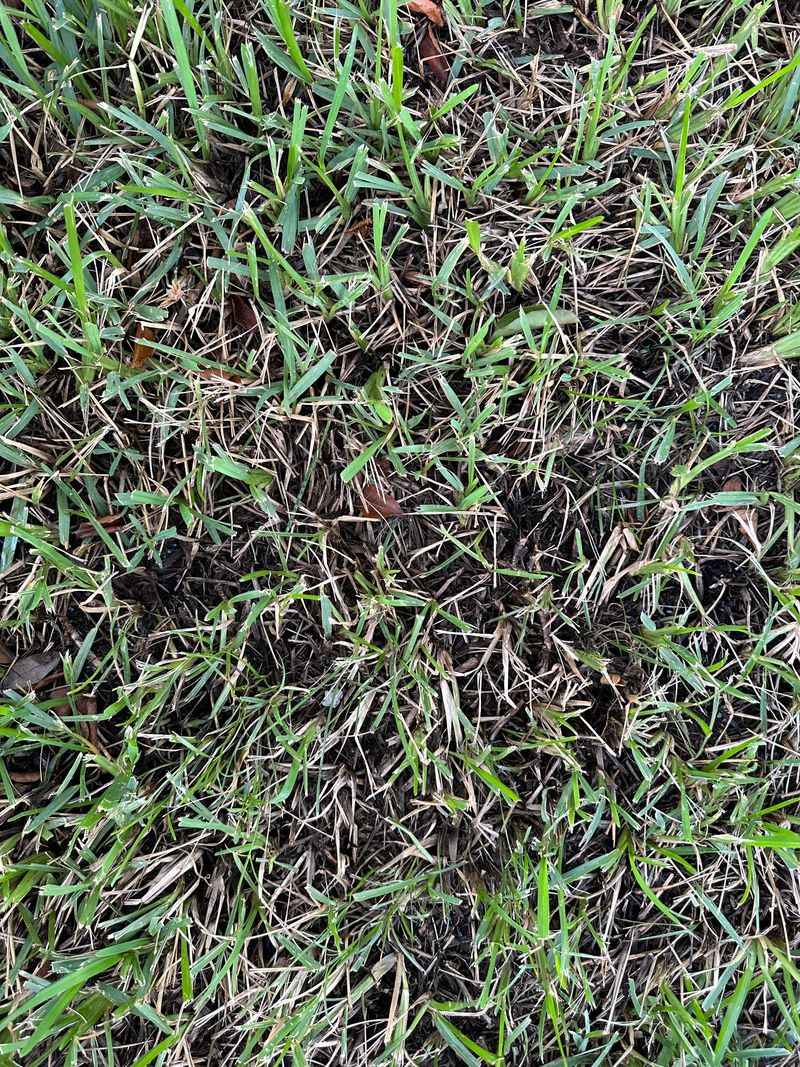
Winter moisture creates perfect conditions for fungal diseases that can spread rapidly across lawns throughout Mississippi, damaging grass blades and root structures.
Fungal infections like snow mold and brown patch thrive in cool, damp environments where grass stays wet for extended periods without proper sunlight.
Baking soda creates an inhospitable environment for these troublesome fungi by altering the surface pH where spores attempt to establish colonies on grass.
Mixing baking soda with water creates an effective spray that coats grass blades, providing a protective barrier against common fungal invaders during winter.
Homeowners in Mississippi have used this natural remedy for generations, passing down knowledge about its effectiveness against lawn diseases that plague southern yards.
Unlike harsh chemical fungicides, baking soda poses no risk to pets, children, or beneficial insects that might venture onto your lawn during winter.
Regular applications every few weeks help maintain protection throughout the season, especially after heavy rains that wash away previous treatments from grass surfaces.
Grass recovers faster from minor fungal infections when treated promptly with baking soda solutions, preventing small problems from becoming major lawn catastrophes.
Mississippi residents value this eco-friendly approach that protects their investment in lawn care without introducing harmful substances into their local environment or water.
3. Controls Moss and Algae Buildup
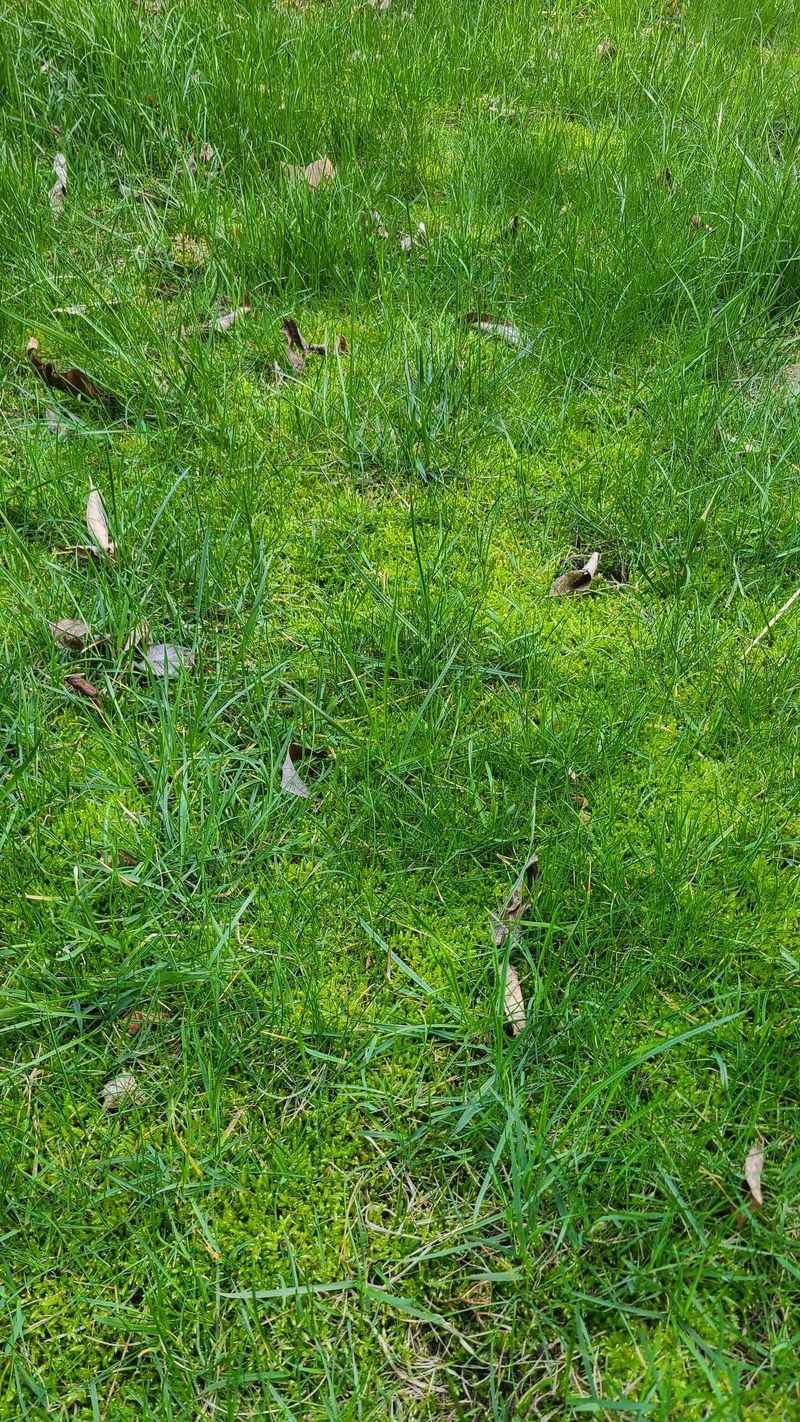
Shaded areas of Mississippi lawns often develop thick moss and algae growth during winter when reduced sunlight and increased moisture create ideal conditions.
These unwanted plants compete with grass for nutrients and space, slowly choking out desirable turf and creating unsightly patches across your yard.
Baking soda naturally discourages moss and algae by creating surface conditions that make it difficult for these primitive plants to anchor and spread.
Sprinkling baking soda directly onto affected areas causes moss to dry out and loosen its grip on soil, making removal much easier afterward.
Many Mississippi homeowners notice significant improvement within days of application, as moss begins turning brown and releasing from the ground beneath it.
Raking away dead moss after treatment allows grass seeds to reach soil and germinate, helping restore thick, healthy turf to previously troubled spots.
Preventing moss return requires addressing underlying issues like poor drainage or excessive shade, but baking soda provides immediate relief for existing problems this winter.
Algae growth on soil surfaces also responds well to baking soda treatment, which disrupts the slimy coating that prevents water and air penetration.
Regular maintenance with this simple powder keeps Mississippi lawns looking clean and well-groomed throughout winter months when moss typically takes over neglected areas.
4. Neutralizes Pet Urine Damage
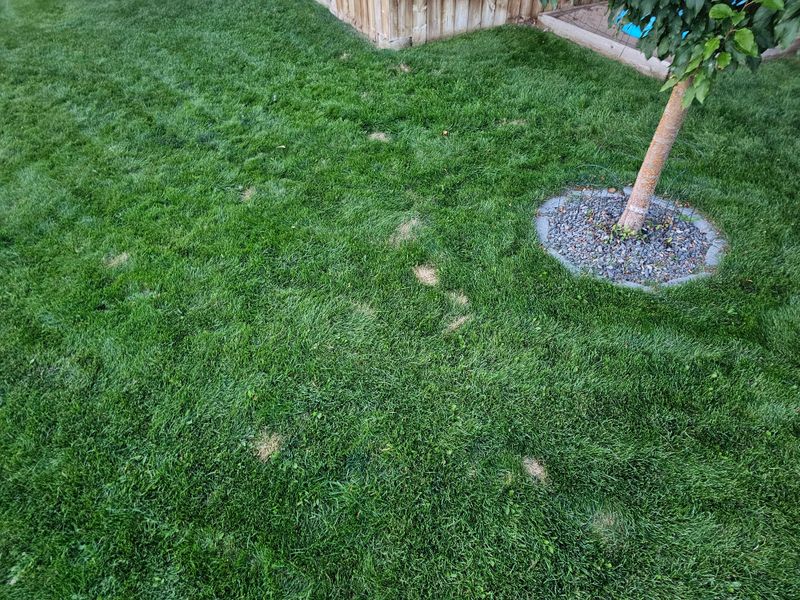
Dogs and other pets often concentrate their bathroom activities in specific lawn areas, creating nitrogen-rich urine spots that burn grass during winter dormancy.
These unsightly brown patches become more noticeable when surrounding grass goes dormant, leaving dead circles that mar the appearance of Mississippi lawns everywhere.
Baking soda helps neutralize the high nitrogen content and acidity in pet urine, reducing damage to grass roots and allowing recovery to begin.
Sprinkling a generous amount over fresh urine spots helps absorb excess moisture while simultaneously balancing the chemical composition affecting grass in that area.
Mississippi pet owners find this treatment especially useful during winter when grass grows more slowly and takes longer to recover from chemical burns naturally.
Watering the treated area after applying baking soda helps wash neutralized compounds deeper into soil, preventing surface salt buildup that could cause problems.
Consistent treatment of favorite pet spots throughout winter prevents cumulative damage that would otherwise require extensive lawn repair when spring growing season arrives.
Combining baking soda treatment with training pets to use different areas helps distribute wear patterns and prevents permanent damage to any single location.
Homeowners across Mississippi appreciate how this inexpensive solution protects their lawns from beloved pets without restricting animal access to outdoor spaces during winter.
5. Reduces Weed Germination Rates

Winter weeds like henbit and chickweed begin germinating in Mississippi lawns during mild winter days, establishing themselves before desirable grass breaks dormancy.
These opportunistic plants take advantage of reduced competition from dormant grass, spreading rapidly and stealing nutrients that grass will need come springtime.
Baking soda creates unfavorable surface conditions for weed seed germination by altering the micro-environment where seeds make contact with soil particles below.
Applying a light layer to areas prone to weed invasion helps suppress germination rates without harming established grass plants already present there.
Many Mississippi gardeners notice fewer weeds emerging in treated areas compared to untreated sections, making spring lawn care significantly easier and less time-consuming.
This preventive approach works best when applied before weed seeds germinate rather than after plants have already established deep root systems underground.
Timing applications to coincide with typical germination periods for common Mississippi winter weeds maximizes effectiveness and reduces the need for herbicide treatments later.
Baking soda offers a chemical-free option for families concerned about exposing children and pets to traditional weed control products during winter outdoor activities.
Combining this natural deterrent with proper mowing height and adequate fertilization creates a comprehensive weed management strategy for Mississippi lawns throughout the season.
6. Improves Soil Drainage Characteristics
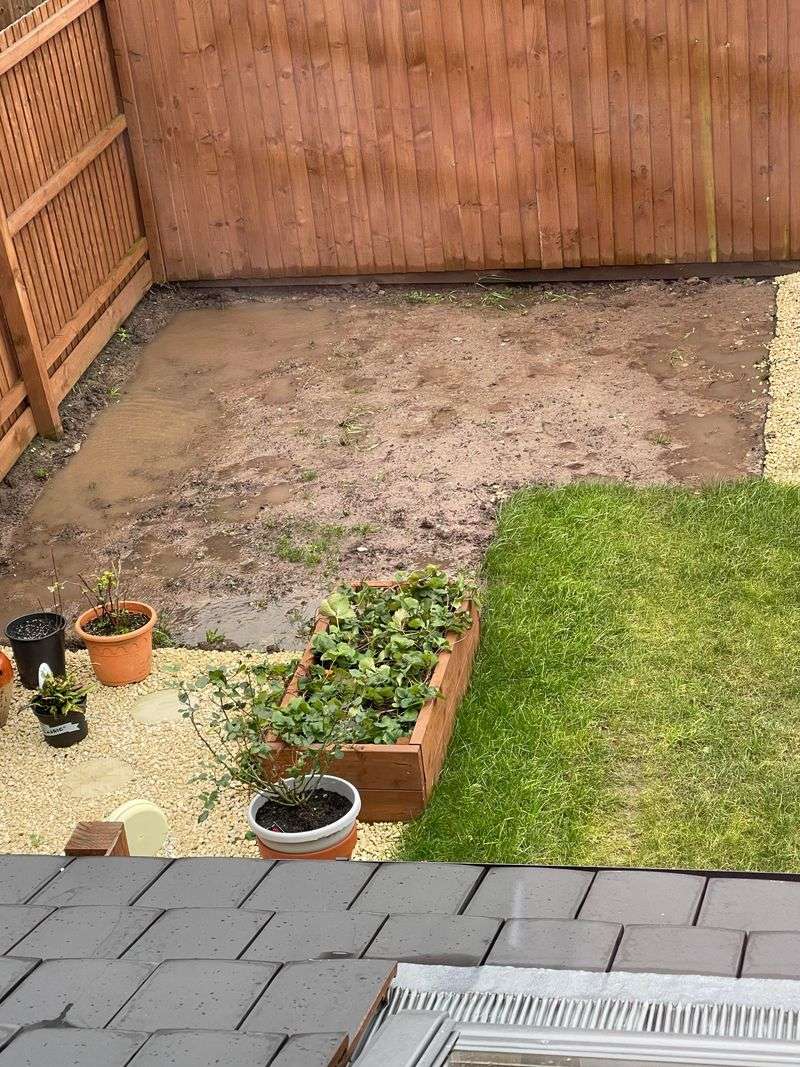
Heavy clay soils common throughout Mississippi tend to compact during winter, preventing proper water drainage and creating soggy conditions that harm grass roots.
Poor drainage leads to standing water that suffocates roots, encourages disease development, and creates muddy areas that become unusable during rainy winter periods.
Baking soda helps break down clay particles through a process called flocculation, which causes tiny soil particles to clump together into larger aggregates.
These larger soil aggregates create more pore space between particles, allowing water to drain through soil profiles rather than pooling on the surface.
Mississippi homeowners with persistent drainage problems find that regular baking soda applications gradually improve soil structure over multiple seasons of consistent treatment and care.
Combining baking soda with organic matter like compost accelerates soil improvement, creating ideal conditions for deep root growth throughout winter and beyond seasons.
Better drainage means grass roots receive adequate oxygen even during wet periods, keeping plants healthier and more resilient against winter stress and disease.
Improved soil structure also helps lawns absorb and retain appropriate moisture levels during dry spells, reducing irrigation needs when winter rains become scarce across Mississippi.
This dual benefit of preventing both waterlogging and drought stress makes baking soda a valuable tool for managing unpredictable winter weather patterns effectively.
7. Deters Harmful Insects Naturally
Certain lawn pests remain active in Mississippi during mild winter periods, continuing to feed on grass roots and causing damage that becomes apparent later.
Insects like chinch bugs and grubs can survive winter in southern climates, waiting for favorable conditions to resume feeding and reproduction in your lawn.
Baking soda creates an abrasive barrier on grass blades and soil surfaces that discourages soft-bodied insects from moving freely across treated lawn areas.
The alkaline nature of baking soda also disrupts the preferred pH environment for many common lawn pests, making treated areas less attractive for infestation.
Mississippi gardeners appreciate having a non-toxic pest deterrent option that protects lawns without harming beneficial insects like earthworms and ground beetles that help soil.
Applying baking soda before expected pest activity periods provides preventive protection rather than requiring reactive treatments after damage has already occurred to grass.
This proactive approach reduces overall pest populations over time, creating healthier lawn ecosystems that naturally resist insect problems through improved plant vigor and balance.
While not a complete replacement for serious pest infestations, baking soda offers supplemental protection that reduces reliance on chemical pesticides throughout winter months.
Families across Mississippi value peace of mind knowing their children and pets can play on lawns treated with food-grade baking soda without health concerns.