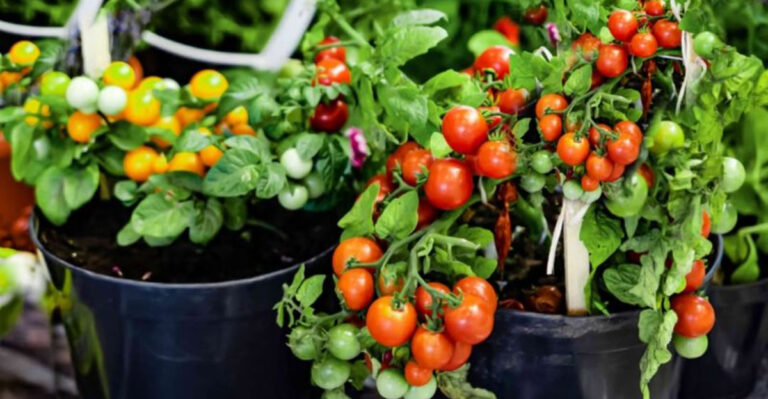
7 Reasons New Jersey Gardeners Plan Spring Gardens During Winter
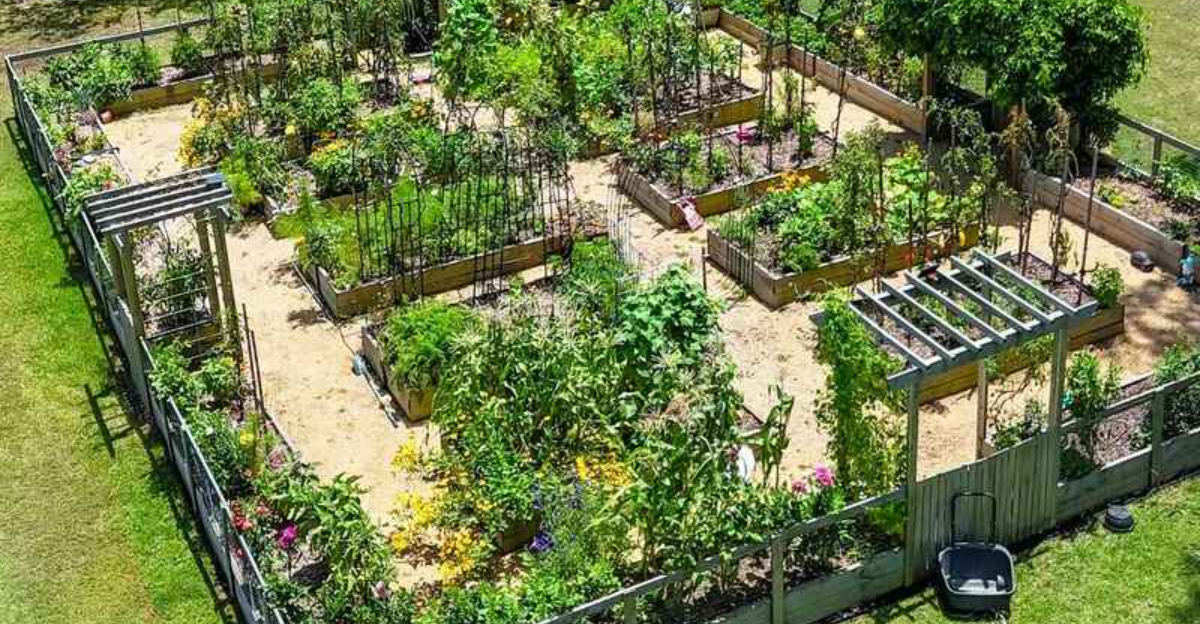
Winter may quiet the garden, but it gives New Jersey gardeners something just as valuable: time to plan.
Cold months offer a chance to reflect on what worked, what failed, and what to change next season.
Planning on paper helps avoid rushed decisions once spring arrives.
Gardeners sketch layouts, research plants, and order seeds early while supplies are still plentiful.
This thoughtful approach leads to better spacing, fewer mistakes, and stronger harvests.
Winter planning also builds excitement, turning the off season into something to look forward to.
Instead of starting from scratch in April, gardeners step into spring with a clear vision.
In many ways, the garden begins long before the soil is worked.
A successful growing season often starts with a pencil and a warm cup of coffee in the middle of winter.
1. Winter Offers Time To Review Last Season
Fresh memories of last summer’s garden provide valuable lessons that shouldn’t be forgotten.
Gardeners who take notes during winter can remember which tomato varieties produced the most fruit, which flowers attracted butterflies, and which spots stayed too shady.
This reflection time helps avoid repeating mistakes and builds on past successes.
Many New Jersey gardeners keep journals with photos, planting dates, and observations about weather patterns that affected their plants.
Reviewing these records during January and February reveals patterns that aren’t obvious during busy growing months.
For example, you might notice that certain vegetables consistently struggled in one bed but thrived in another, suggesting soil or drainage differences.
Winter’s slower pace creates mental space for thoughtful analysis without the pressure of immediate planting decisions.
You can spread seed catalogs across the kitchen table, compare notes with gardening friends, and really think about what worked.
This careful review process leads to smarter plant selections and better garden layouts.
By the time spring arrives, you’ll have a clear plan based on real experience rather than guesswork.
The quiet winter months transform past seasons into practical wisdom for future success.
2. Seed Supplies Are Best Early In The Year
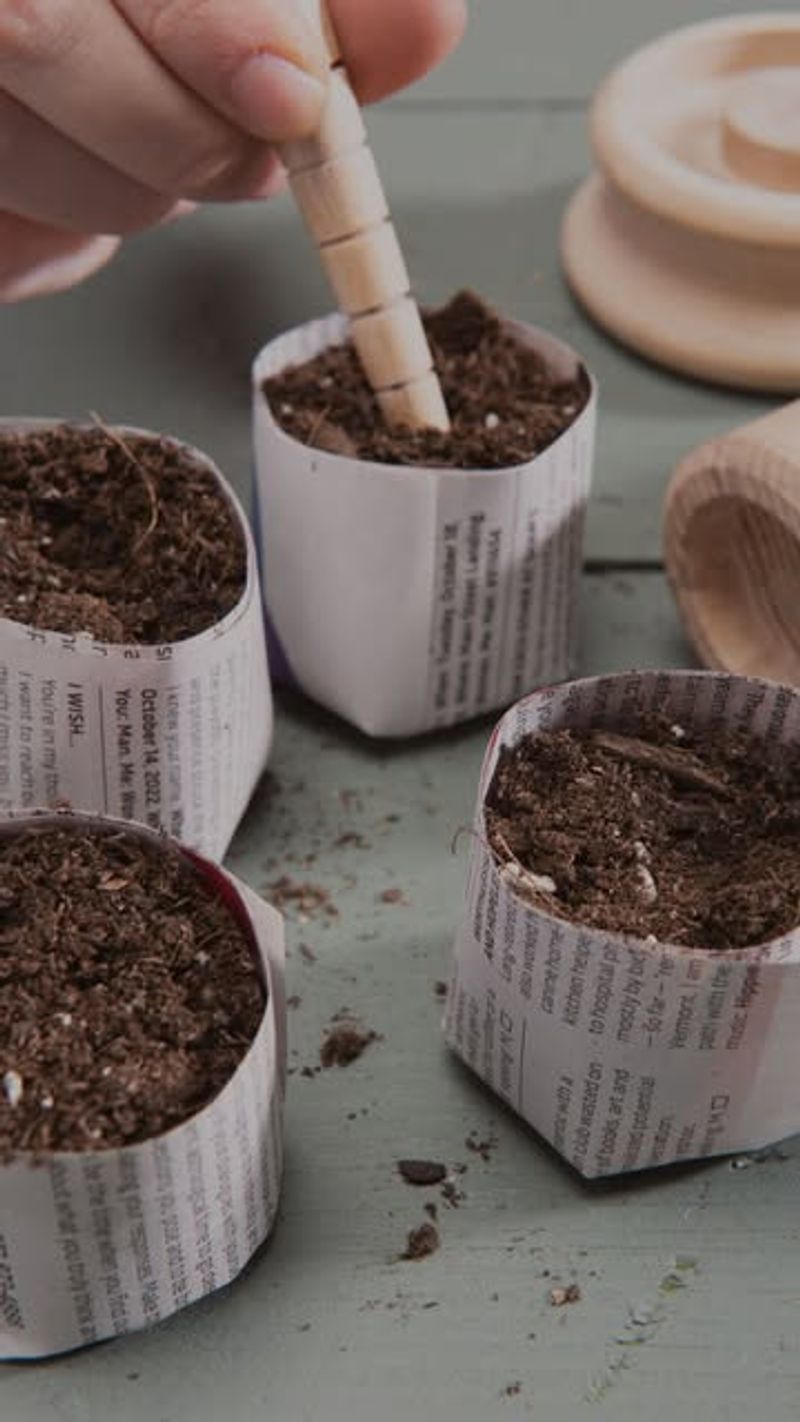
Heirloom tomatoes, specialty peppers, and unique flower varieties disappear from seed company inventories surprisingly fast.
By February, many popular seeds are already sold out, leaving late planners with limited choices.
New Jersey gardeners who order during January enjoy full selection and avoid the disappointment of settling for second choices.
Seed companies release their newest varieties and freshest stock at the beginning of the year.
Early birds get first pick of exciting introductions and hard-to-find heirloom seeds that serious gardeners treasure.
Waiting until March or April means facing “out of stock” messages on your favorite varieties.
Besides selection advantages, early ordering ensures seeds arrive with plenty of time for indoor starting if needed.
Rushed late orders sometimes arrive after optimal planting windows have passed.
Many seed companies also offer early-bird discounts and free shipping promotions during winter months to encourage advance planning.
Smart shoppers save money while securing exactly what they want.
Ordering early also allows time to swap seeds with gardening friends or join seed exchanges before spring planting begins.
When warm weather finally arrives, your seeds will be waiting, ready to go into the ground at the perfect moment.
3. Paper Planning Prevents Crowded Beds
Sketching your garden layout on paper reveals spacing problems before they happen in real soil.
Drawing beds to scale shows whether you’re trying to squeeze too many plants into available space.
This prevents the common mistake of overcrowding that leads to poor air circulation, disease problems, and stunted growth.
When you measure your actual garden area and map it out on graph paper, reality becomes clear.
That ambitious plan to grow fifteen tomato plants might need to shrink to eight once you account for proper spacing.
Paper planning lets you experiment with different arrangements, moving plants around with an eraser instead of a shovel.
You can try companion planting combinations, plan succession plantings, and visualize how tall plants might shade shorter ones.
New Jersey’s variable spring weather makes careful planning especially important since replanting wasted space costs time and money.
Drawing your garden also helps calculate exactly how many plants or seed packets you need, preventing overbuying.
You’ll avoid purchasing thirty seedlings when you only have room for twenty.
This organized approach creates gardens where every plant has adequate room to reach its full potential.
When planting day arrives, your detailed map guides placement decisions, making the work faster and more efficient.
4. Cold Months Allow Research Without Rush
January afternoons offer perfect opportunities to curl up with gardening books and explore plant requirements in depth.
Without urgent outdoor tasks demanding attention, winter provides uninterrupted time to research growing techniques and plant characteristics.
You can compare different varieties, learn about pest management, and study companion planting strategies at a comfortable pace.
New Jersey’s climate presents unique challenges that benefit from careful study during the off-season.
Researching which plants tolerate late spring frosts, summer humidity, and occasional drought helps gardeners make informed selections.
Winter reading sessions teach you about soil amendments, watering schedules, and harvest timing specific to your region.
Online gardening forums and local extension office resources offer valuable advice from experienced New Jersey growers.
Spending winter evenings exploring these resources builds knowledge that prevents costly mistakes later.
You might discover that certain vegetables need earlier starting dates than you realized, or learn about disease-resistant varieties perfect for your area.
This research phase eliminates guesswork and replaces it with confidence.
When spring planting begins, you’ll know exactly what each plant needs to thrive.
The investment of winter research time pays dividends throughout the entire growing season with healthier plants and bigger harvests.
5. Winter Planning Saves Time In Early Spring
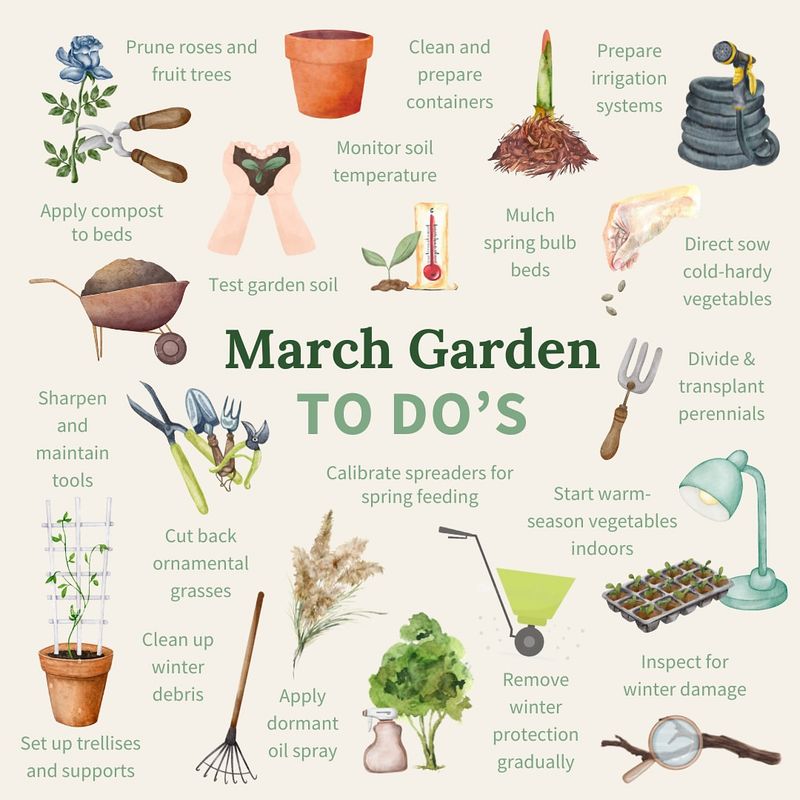
March and April bring a sudden explosion of garden tasks that can overwhelm unprepared gardeners.
Having detailed plans ready means you can start planting immediately when soil conditions become suitable.
Instead of spending precious warm days deciding what to plant where, you’ll already know exactly what goes in each bed.
Pre-ordering seeds and supplies during winter means everything arrives before you need it.
When the first warm weekend hits, you won’t waste it driving to garden centers or waiting for online orders to ship.
Your supplies will be organized and ready, letting you take full advantage of ideal planting conditions.
Early spring weather in New Jersey can be unpredictable, with brief windows of perfect planting conditions between cold snaps and rainstorms.
Gardeners with completed plans can act quickly when opportunities arise.
Pre-planning also allows you to prepare beds during late winter, adding compost and amendments before planting time.
This advance preparation improves soil quality and eliminates last-minute rushes.
When neighbors are still figuring out their garden layouts, you’ll already be transplanting seedlings and sowing seeds.
This head start leads to earlier harvests and longer productive seasons, maximizing your garden’s potential throughout summer and fall.
6. It Helps Gardeners Match Plants To Sun Patterns
Sun angles change dramatically between seasons, creating different light conditions throughout your yard.
A spot that receives full sun in July might stay mostly shaded in April when spring planting begins.
Winter observation time lets you track how sunlight moves across your property during different months.
Smart New Jersey gardeners use winter weeks to notice which areas get morning versus afternoon sun and how shadows shift.
This information proves crucial for placing sun-loving tomatoes in the brightest spots while positioning lettuce where it gets afternoon shade during summer heat.
Winter’s low sun angle reveals shade patterns that aren’t obvious during summer months.
Trees without leaves let you see exactly how their branches will filter light once foliage returns.
Taking notes or photos from your windows during January helps you remember these patterns when planning time arrives.
Many gardeners create simple diagrams showing sun exposure at different times of day in various garden areas.
This mapping process prevents the frustration of planting sun-loving flowers in spots that turn shady by June.
Matching plants to appropriate light conditions dramatically improves growth and productivity.
Winter observations transform vague guesses about sunlight into accurate knowledge that guides successful plant placement decisions throughout your entire garden space.
7. Planning Builds Excitement For The Growing Season
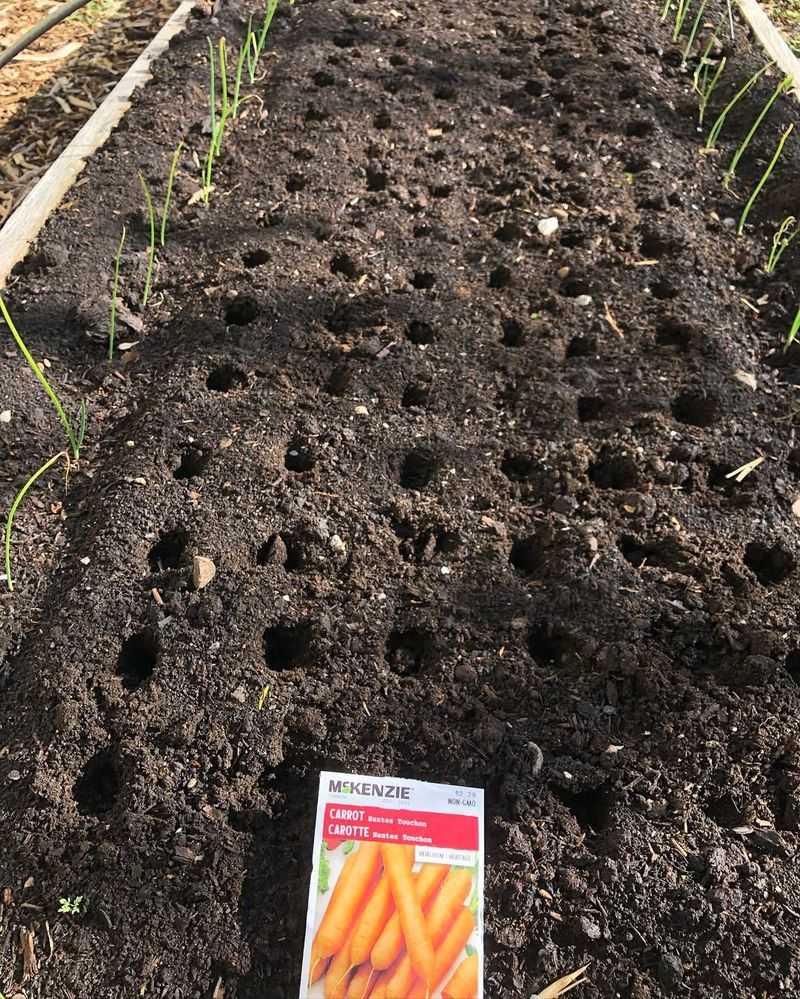
Flipping through seed catalogs on snowy evenings keeps gardening passion alive during dormant months.
Anticipation makes the wait for spring feel purposeful rather than frustrating.
Dreaming about future harvests and colorful flower beds provides a cheerful focus during New Jersey’s coldest, grayest days.
The planning process itself becomes an enjoyable hobby that extends gardening pleasure beyond the traditional growing season.
Sketching layouts, researching varieties, and imagining possibilities creates mental connections to your garden even when it’s buried under snow.
This year-round engagement deepens your relationship with gardening as a lifestyle rather than just a seasonal activity.
Sharing plans with fellow gardeners through online groups or local clubs builds community connections during winter isolation.
Comparing notes about variety selections and swapping ideas generates enthusiasm that carries through to spring.
Children especially enjoy helping plan family gardens, choosing vegetables they want to grow and flowers they find pretty.
This involvement teaches patience and creates excitement for spring planting activities.
When warm weather finally returns, that built-up anticipation translates into energetic action.
Gardeners who planned all winter approach spring with clear vision and genuine enthusiasm, making the work feel less like chores and more like bringing cherished dreams to life.