11 Reasons North Carolina Gardeners Save Coffee Grounds In Winter
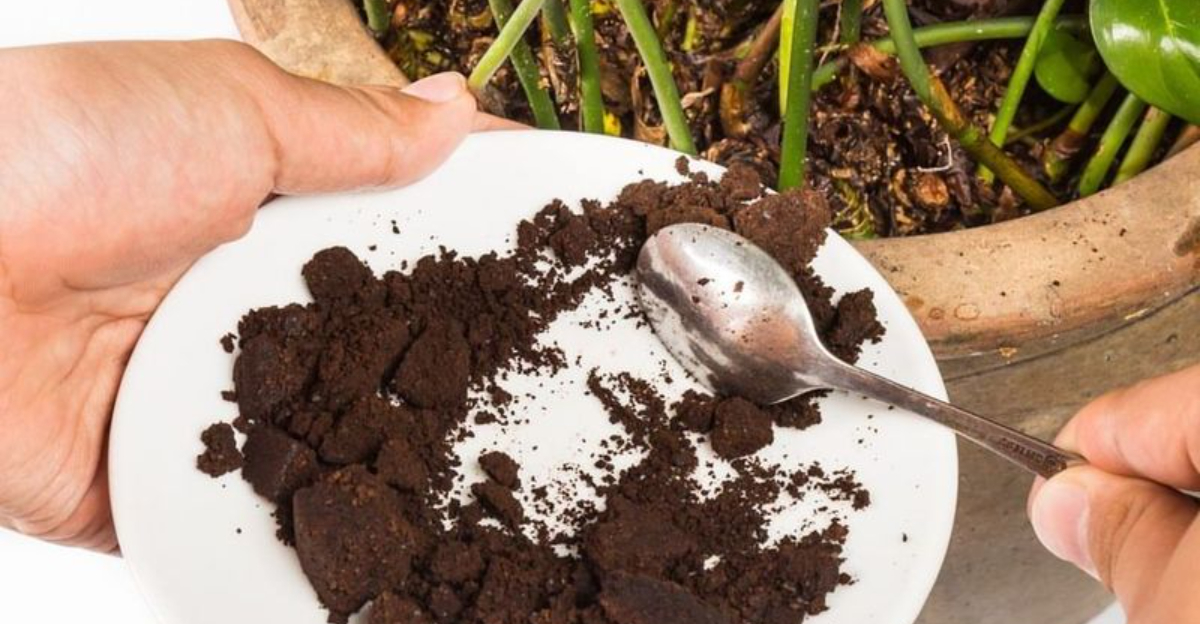
In North Carolina, many gardeners treat used coffee grounds like garden gold, especially during winter.
What looks like kitchen waste actually has plenty of value once the growing season slows down.
Rather than tossing them out, gardeners save grounds to improve soil, add organic matter, and prepare beds for spring.
Winter is the perfect time for this quiet prep work.
While plants rest, soil continues to change, and small additions can make a big difference come planting time.
Coffee grounds also help reduce waste, turning something ordinary into a useful resource.
Like many good habits, this one spreads by word of mouth.
Gardeners notice better soil texture, healthier beds, and fewer empty trips to the trash.
Saving coffee grounds may seem simple, but it fits right into a larger picture of working smarter, not harder, in the garden all year long.
1. They Add Organic Matter To Soil
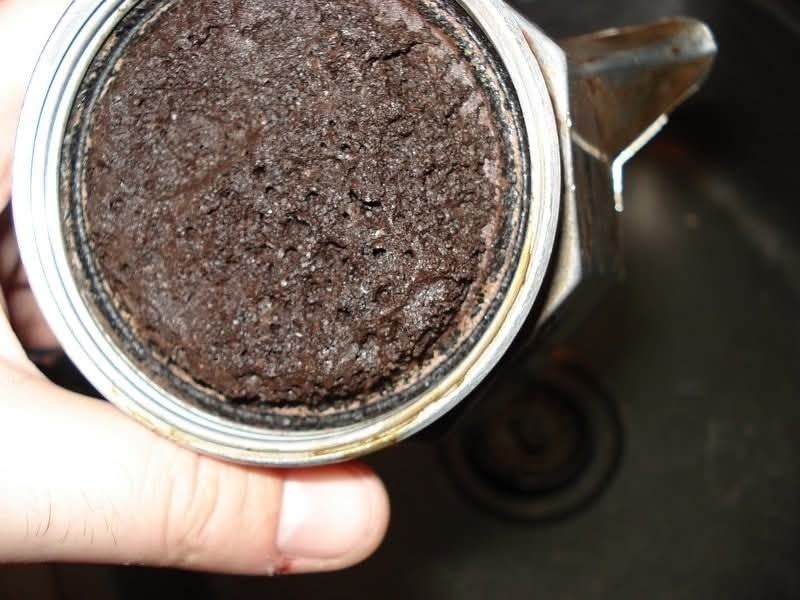
Coffee grounds contain valuable organic material that slowly enriches garden beds throughout the dormant season.
When you mix used grounds into your soil during winter months, they begin breaking down gradually and releasing nutrients that plants will need come springtime.
North Carolina’s mild winter climate allows for steady decomposition without the harsh freezing that might slow this process in northern states.
Organic matter is essential for healthy soil because it feeds beneficial organisms and improves the overall structure of your garden beds.
As coffee grounds decompose, they create tiny pockets in the soil that help roots spread more easily and access water and nutrients.
This natural amendment works quietly beneath the surface all winter long.
Adding just a thin layer of grounds to your beds each week can make a noticeable difference by spring.
The texture of used grounds is fine enough to blend smoothly with existing soil without creating clumps or barriers.
Over several months, this simple practice builds a foundation for thriving plants.
Winter application means the grounds have plenty of time to integrate fully before you start planting seeds or transplants.
By the time warm weather arrives, your soil will be richer, fluffier, and ready to support vigorous growth throughout the growing season.
2. Winter Is Best For Slow Soil Improvements
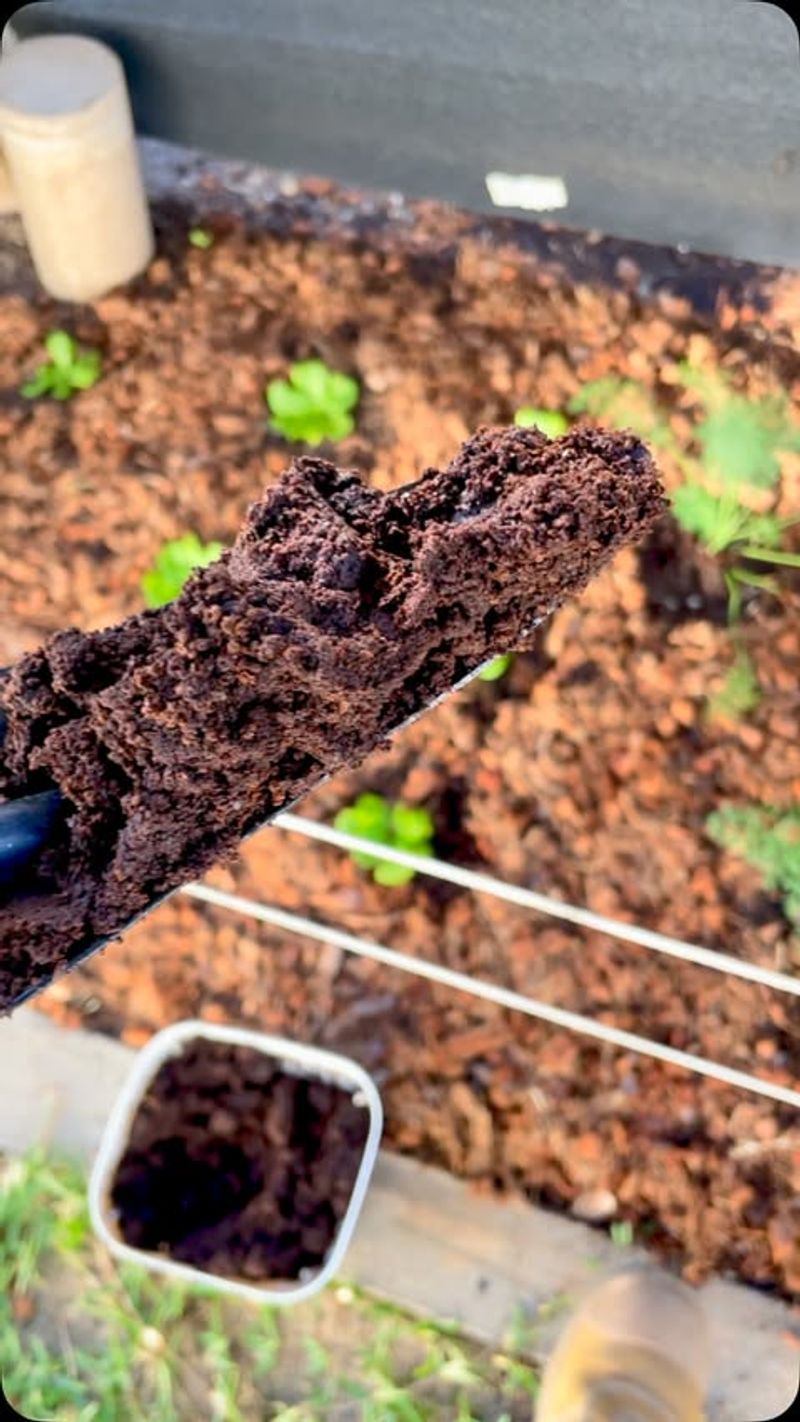
Cold weather provides an ideal window for soil amendments to work their magic without interfering with active plant growth.
During winter, your garden beds are mostly dormant, which means you can add materials like coffee grounds without worrying about disturbing roots or stressing growing plants.
This downtime is nature’s gift to gardeners who want to prepare for a productive spring.
The slower pace of decomposition in cooler temperatures actually benefits your soil by preventing nutrient loss through rapid breakdown.
Microorganisms remain active even in North Carolina’s relatively mild winters, steadily processing organic materials at a manageable rate.
This gradual transformation ensures that nutrients become available right when plants begin their spring growth spurt.
Starting your soil improvement routine in winter also spreads out the workload so you’re not overwhelmed when planting season arrives.
Instead of rushing to amend beds in March or April, you’ve already done the heavy lifting during quieter months.
Your garden will thank you with stronger plants and better yields.
Many experienced gardeners consider winter soil prep to be just as important as spring planting.
By taking advantage of these cold months, you’re investing in long-term garden health and setting yourself up for success year after year.
3. They Help Improve Heavy Clay Soil
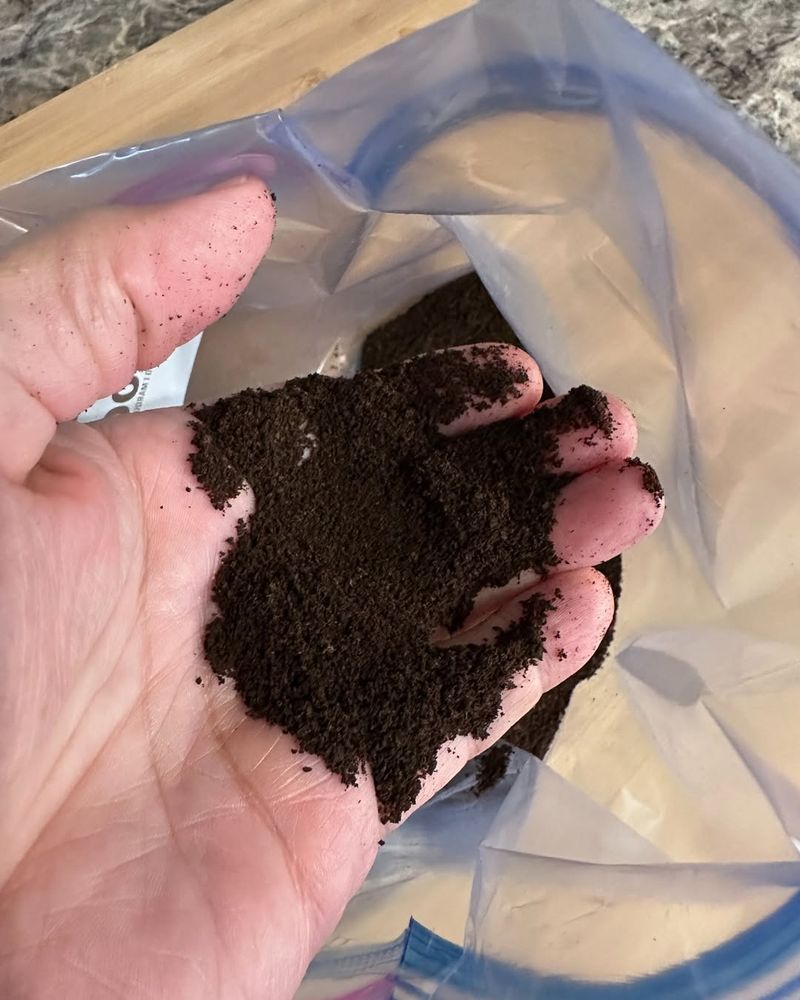
Anyone who gardens in North Carolina knows the challenge of working with dense, sticky clay soil that’s common throughout much of the state.
This type of soil drains poorly, compacts easily, and makes it difficult for plant roots to penetrate and establish themselves.
Coffee grounds offer a simple, free solution to gradually lighten and loosen these stubborn soils.
When incorporated regularly, used grounds help break up clay particles and create better drainage pathways.
The organic matter acts like tiny sponges, absorbing excess moisture while also preventing the soil from becoming rock-hard when it dries out.
This improved structure allows air to reach plant roots, which is essential for healthy growth.
Winter is the perfect time to address clay soil issues because repeated freezing and thawing naturally helps break up compacted areas.
Adding coffee grounds during this season gives them time to work alongside these natural processes.
By spring, you’ll notice your soil is easier to dig and plant roots can spread more freely.
The transformation won’t happen overnight, but consistent applications over multiple winters can dramatically change your garden’s soil quality.
Many North Carolina gardeners report that their once-impossible clay beds become productive growing spaces after a few seasons of adding coffee grounds and other organic amendments.
4. They Attract Beneficial Microorganisms
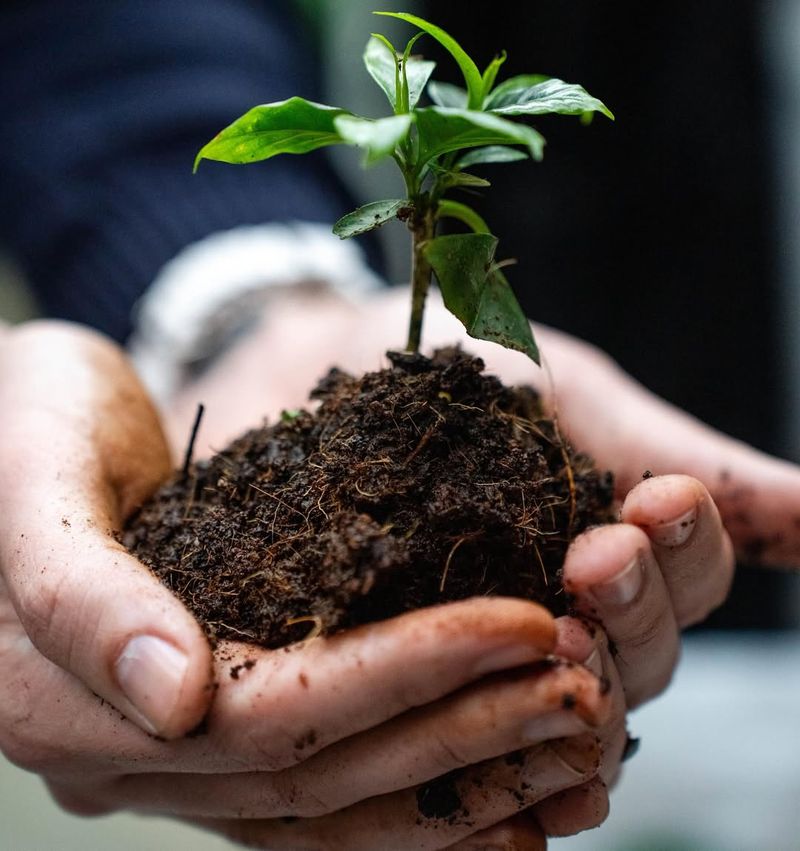
Your garden soil is home to billions of microscopic helpers that work tirelessly to create a healthy growing environment.
These beneficial bacteria, fungi, and other microorganisms need food to survive and multiply, and coffee grounds provide an excellent source of nutrition.
When you add grounds to your winter garden, you’re essentially setting out a buffet for these invisible allies.
Microorganisms break down organic matter and convert it into forms that plants can easily absorb and use for growth.
They also help suppress harmful organisms that might cause plant diseases.
A thriving microbial community means healthier soil and stronger, more resilient plants when growing season begins.
Coffee grounds contain nitrogen and other compounds that beneficial microbes find particularly attractive.
As these organisms feast on the grounds throughout winter, they multiply and spread throughout your garden beds.
This population boom ensures you’ll have plenty of helpful microbes ready to support your plants come spring.
The relationship between coffee grounds and soil microorganisms is a perfect example of how nature recycles nutrients efficiently.
By participating in this cycle, you’re working with natural processes rather than against them.
Your garden becomes a more balanced ecosystem where everything works together for better plant health and productivity.
5. They Reduce Kitchen Waste
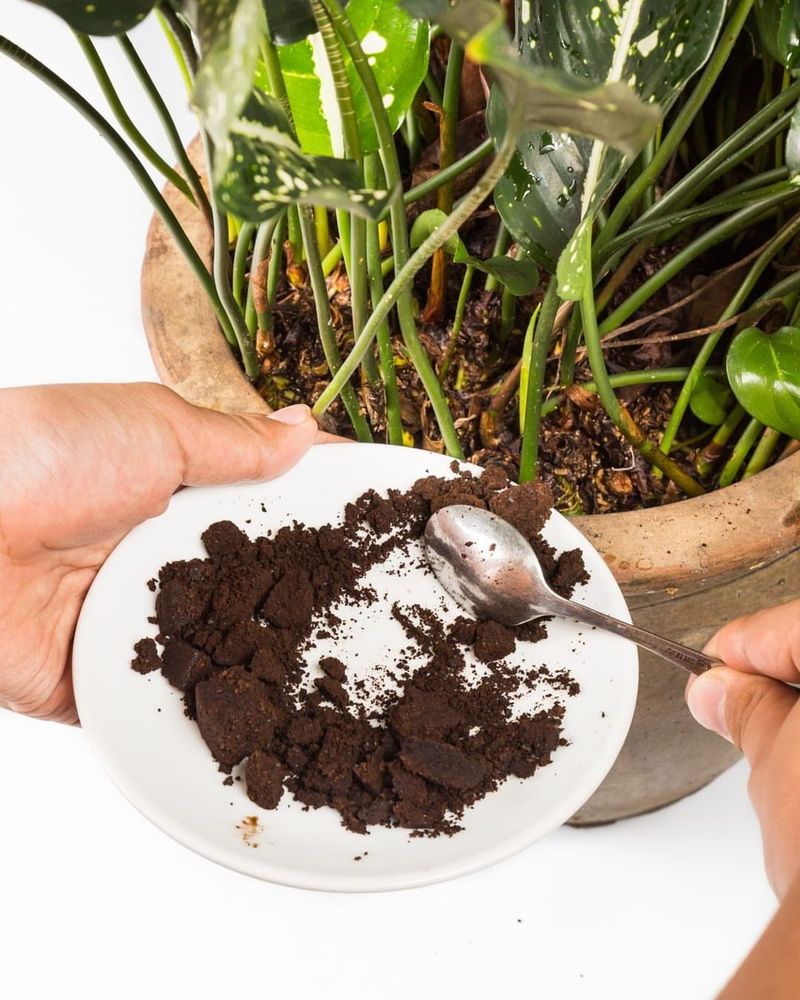
Every morning, millions of coffee drinkers toss their used grounds straight into the trash without realizing they’re throwing away a valuable garden resource.
North Carolina gardeners who save their grounds are making an environmentally smart choice that benefits both their gardens and the planet.
This simple habit keeps organic material out of landfills where it would take up space and produce methane as it decomposes.
Collecting coffee grounds requires minimal effort—just keep a container with a lid near your coffee maker and empty your filter into it each day.
Within a week or two, you’ll have enough grounds to spread across your garden beds.
If you don’t drink much coffee yourself, ask friends, family, or local coffee shops to save their grounds for you.
Many cafes are happy to give away used grounds because it saves them disposal costs and supports local gardening efforts.
Some even keep bags of grounds near their counters specifically for customers who want them.
Building this relationship with local businesses creates community connections while reducing waste.
The satisfaction of reusing something that would otherwise be discarded adds an extra layer of enjoyment to gardening.
You’re closing the loop between your kitchen and your garden, creating a small but meaningful cycle of sustainability right in your own backyard.
6. They Are Safe After Brewing
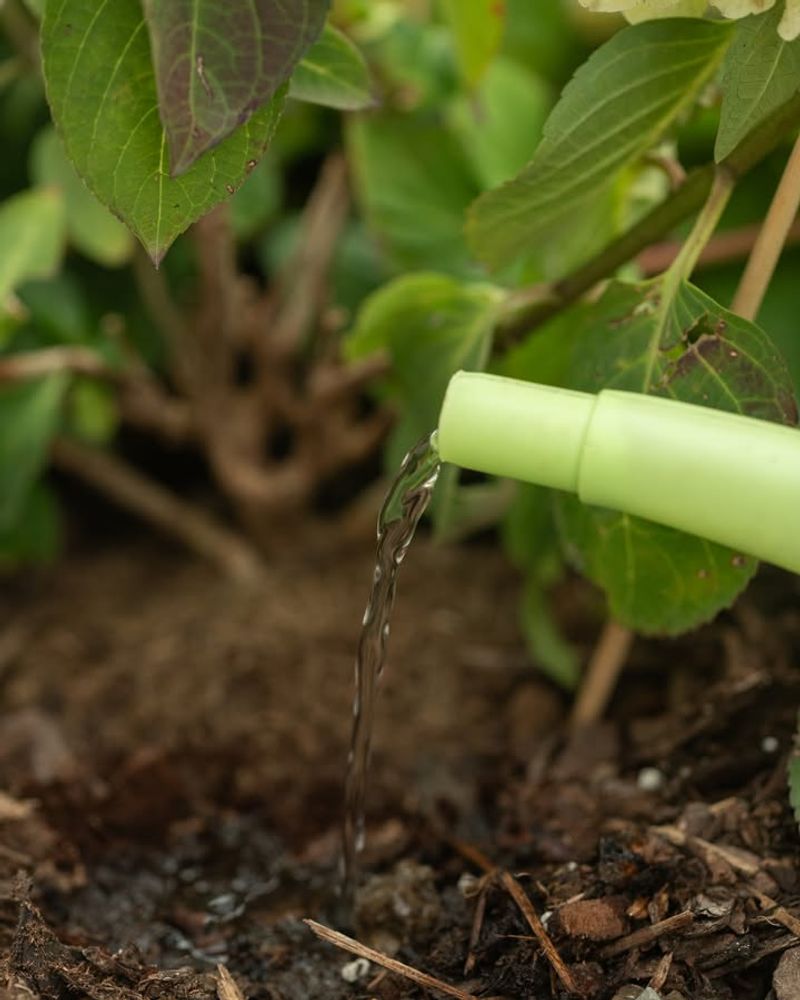
One common misconception about coffee grounds is that they’ll make your soil too acidic for most plants to tolerate.
While fresh, unbrewed coffee grounds are indeed quite acidic, the brewing process removes most of that acidity along with the caffeine and soluble compounds.
What remains is a nearly neutral material that’s safe for almost all garden plants.
Research has shown that used coffee grounds typically have a pH between 6.5 and 6.8, which is actually close to neutral and suitable for most vegetables, flowers, and herbs.
This means you don’t need to worry about harming your plants or drastically changing your soil chemistry when you add brewed grounds.
They won’t turn your garden into an acidic environment unsuitable for plant growth.
North Carolina’s naturally acidic soils mean that most gardeners are actually trying to raise their pH rather than lower it.
Used coffee grounds won’t interfere with these efforts because their near-neutral pH has minimal impact on overall soil acidity.
You can confidently add them to beds containing a wide variety of plants.
The safety of used grounds makes them one of the most versatile and worry-free amendments you can use in your winter garden preparation.
Unlike some materials that require careful measurement and monitoring, coffee grounds are forgiving and unlikely to cause problems even if you add more than planned.
7. They Can Be Added To Compost Piles
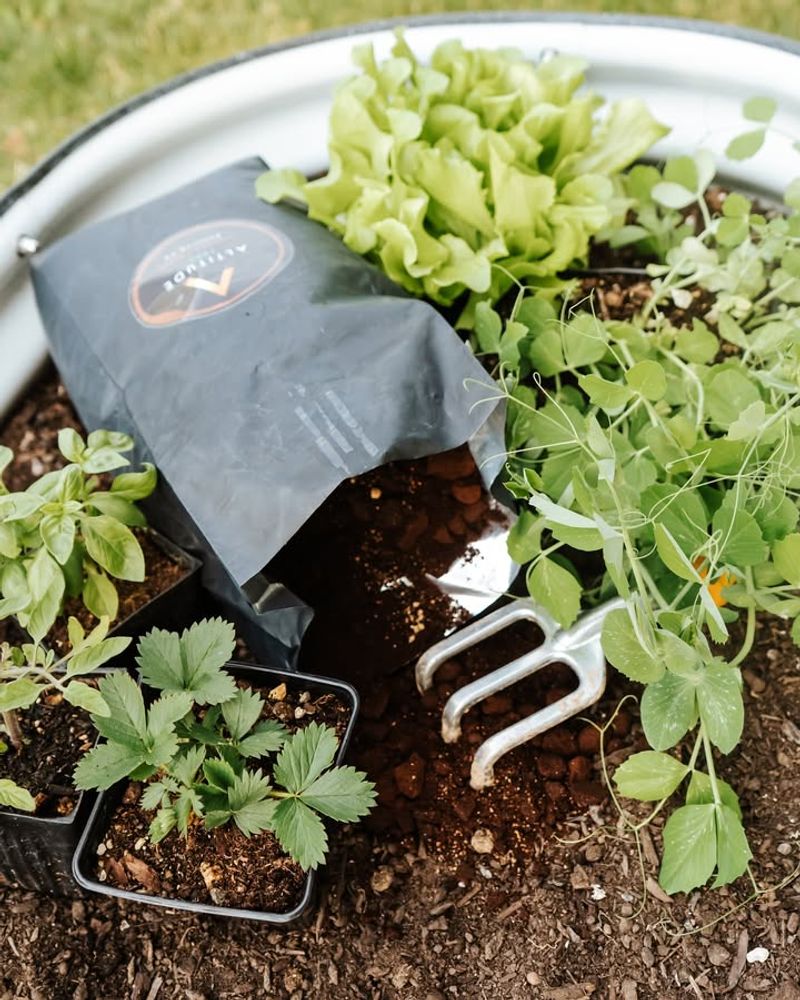
Successful composting requires a balance between carbon-rich “brown” materials like leaves and nitrogen-rich “green” materials like grass clippings.
Coffee grounds fall into the green category despite their dark color, making them a valuable addition to winter compost piles.
They help maintain the proper ratio needed for efficient decomposition and nutrient-rich finished compost.
Winter composting can be slower in colder climates, but North Carolina’s moderate temperatures keep compost piles active throughout most of the season.
Adding coffee grounds provides a steady source of nitrogen that feeds the composting process and keeps beneficial organisms working.
This results in finished compost that’s ready to use when you need it in spring.
The fine texture of coffee grounds helps them break down quickly compared to larger materials like vegetable scraps or woody stems.
They also help maintain moisture levels in compost piles, which is important for microbial activity.
Sprinkling grounds throughout your pile rather than dumping them in one spot ensures even distribution and faster decomposition.
Many gardeners find that adding coffee grounds to their compost eliminates any concerns about applying them directly to garden beds.
The composting process further neutralizes any remaining acidity and blends the grounds with other organic materials.
The result is a balanced, nutrient-rich amendment that will supercharge your spring planting efforts and give your garden a healthy foundation.
8. They Help Retain Soil Moisture
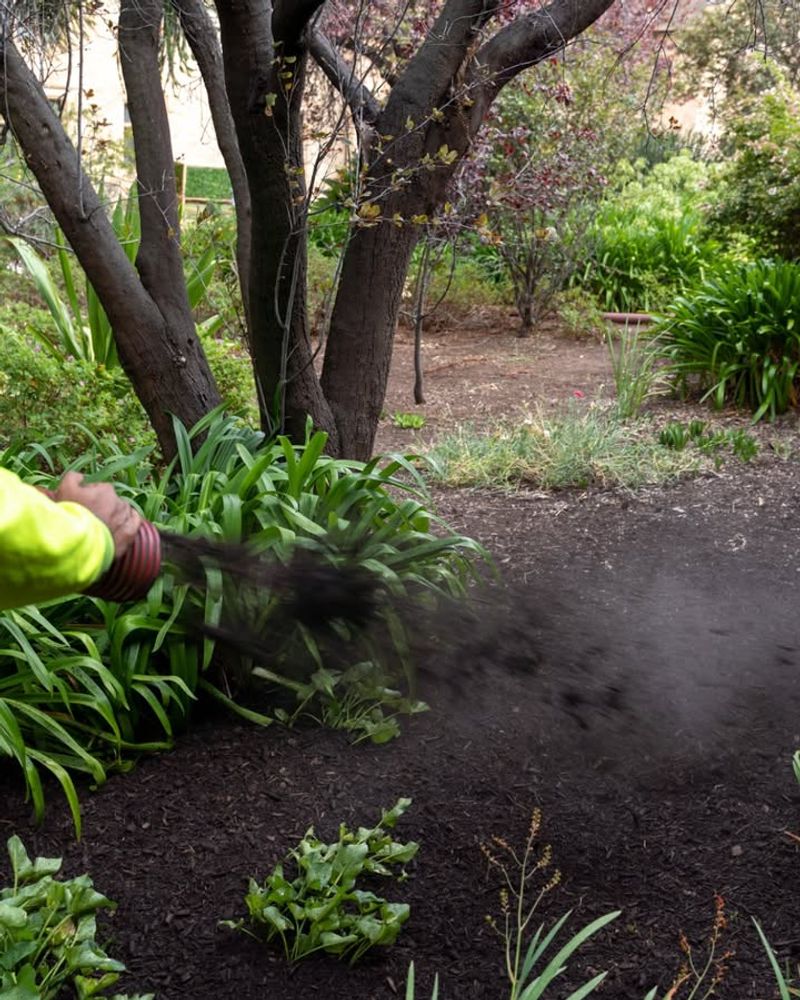
Water management is crucial for successful gardening, and organic matter plays a key role in helping soil hold onto moisture between waterings.
Coffee grounds improve your soil’s water-holding capacity by increasing its overall organic content and creating better structure.
This benefit becomes especially important during North Carolina’s sometimes unpredictable spring and summer weather patterns.
Soil amended with organic materials like coffee grounds acts like a sponge, absorbing water when it’s available and releasing it slowly to plant roots over time.
This reduces water stress on plants during dry spells and means you’ll need to water less frequently once the growing season begins.
The moisture retention improves gradually as you continue adding grounds over multiple seasons.
Winter applications give coffee grounds time to integrate fully with your existing soil before you need their moisture-holding benefits.
By the time summer heat arrives, your amended soil will be better equipped to handle periods without rain.
This natural water conservation method is both environmentally friendly and easier on your water bill.
Gardens with good moisture retention also show more consistent growth because plants aren’t experiencing the stress of alternating between too wet and too dry.
Roots develop more extensively in soil that maintains steady moisture levels, leading to stronger, more productive plants throughout the growing season and better harvests of vegetables and flowers.
9. They Support Earthworm Activity
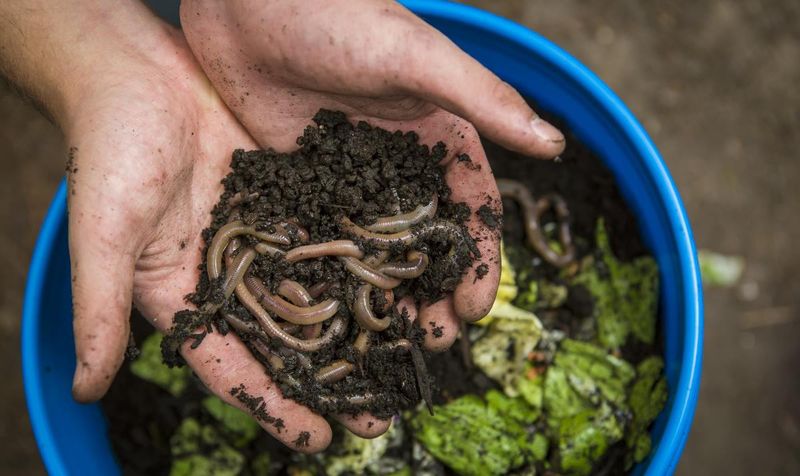
Earthworms are often called nature’s tillers because of their incredible ability to improve soil structure as they tunnel and feed.
These beneficial creatures are attracted to organic matter, and coffee grounds provide an appealing food source that encourages them to take up residence in your garden beds.
More earthworms mean better soil aeration, improved drainage, and increased nutrient availability for your plants.
As earthworms consume coffee grounds and other organic materials, they produce castings that are among the most valuable natural fertilizers available.
These castings contain concentrated nutrients in forms that plants can easily absorb and use for growth.
The tunnels worms create as they move through soil also allow air and water to penetrate more deeply, benefiting plant roots.
Winter is an active time for earthworms in North Carolina’s relatively mild climate, making it an ideal season to provide them with food.
Adding coffee grounds to your beds during cold months keeps worm populations healthy and active.
By spring, these hardworking creatures will have processed much of the organic matter you’ve added.
Gardeners who regularly add coffee grounds often notice a significant increase in earthworm populations within a single season.
This visible sign of soil health is encouraging and confirms that your amendment efforts are paying off.
Healthy worm populations indicate that your soil ecosystem is thriving and ready to support vigorous plant growth.
10. Winter Storage Makes Spring Easier

Spring is the busiest time of year for gardeners, with seeds to start, transplants to set out, and beds to prepare before the weather gets too warm.
By collecting and storing coffee grounds throughout winter, you’re stockpiling a valuable resource that will be ready when you need it most.
This advance preparation means one less task competing for your attention during the hectic planting season.
Dried coffee grounds store well for months when kept in a covered container in a garage, shed, or other protected location.
Spreading grounds out to dry before storage prevents mold growth and makes them easier to handle when you’re ready to use them.
Some gardeners keep multiple containers going so they always have a supply ready for different garden projects.
Having a stockpile of grounds available means you can amend new beds, top-dress established plants, or add to compost without having to wait or scramble for materials.
This convenience factor alone makes winter collection worthwhile for busy gardeners who want to maximize their spring productivity.
You’ll spend less time gathering amendments and more time actually planting and enjoying your garden.
The practice of winter stockpiling also helps you develop good gardening habits and a more organized approach to soil management.
You’ll start thinking ahead about your garden’s needs rather than reacting to problems as they arise during the growing season.
11. They Improve Long Term Soil Health
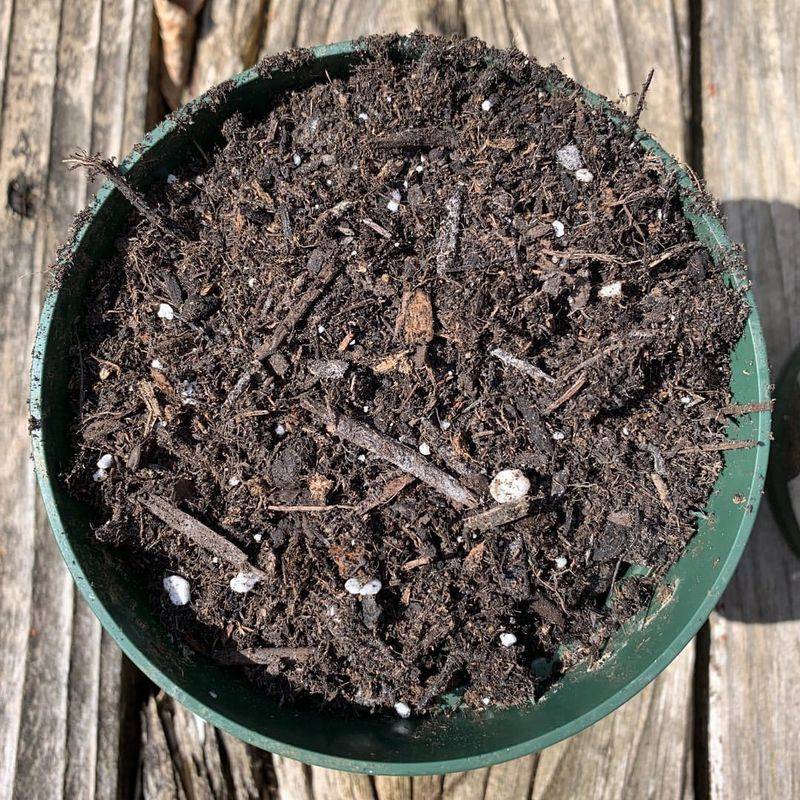
Building truly healthy garden soil isn’t something that happens in a single season—it’s an ongoing process that rewards patience and consistency.
Coffee grounds are part of a long-term soil improvement strategy that gets better with each passing year.
Small, regular additions accumulate over time, gradually transforming even poor soil into a rich, productive growing medium.
Each winter’s application of coffee grounds adds to the work done in previous years, creating a cumulative effect that becomes more noticeable as time passes.
Soil that receives regular organic amendments develops better structure, increased fertility, and greater resilience to weather extremes.
Your garden becomes easier to work with and more forgiving of occasional neglect or challenging conditions.
North Carolina gardeners who have been saving and using coffee grounds for several years often report dramatic improvements in their soil quality and plant performance.
What started as hard, uncooperative soil gradually becomes dark, crumbly, and easy to work with.
Plants grow more vigorously, produce better yields, and show fewer signs of stress or nutrient deficiencies.
The beauty of this approach is that it costs nothing except a bit of time and attention to collect grounds regularly.
You’re investing in your garden’s future while making use of a resource that would otherwise go to waste.
This sustainable practice connects you more deeply to natural cycles and helps create a garden that gets better year after year.