9 Reasons North Carolina Gardeners Use Coffee Grounds On Plants In December
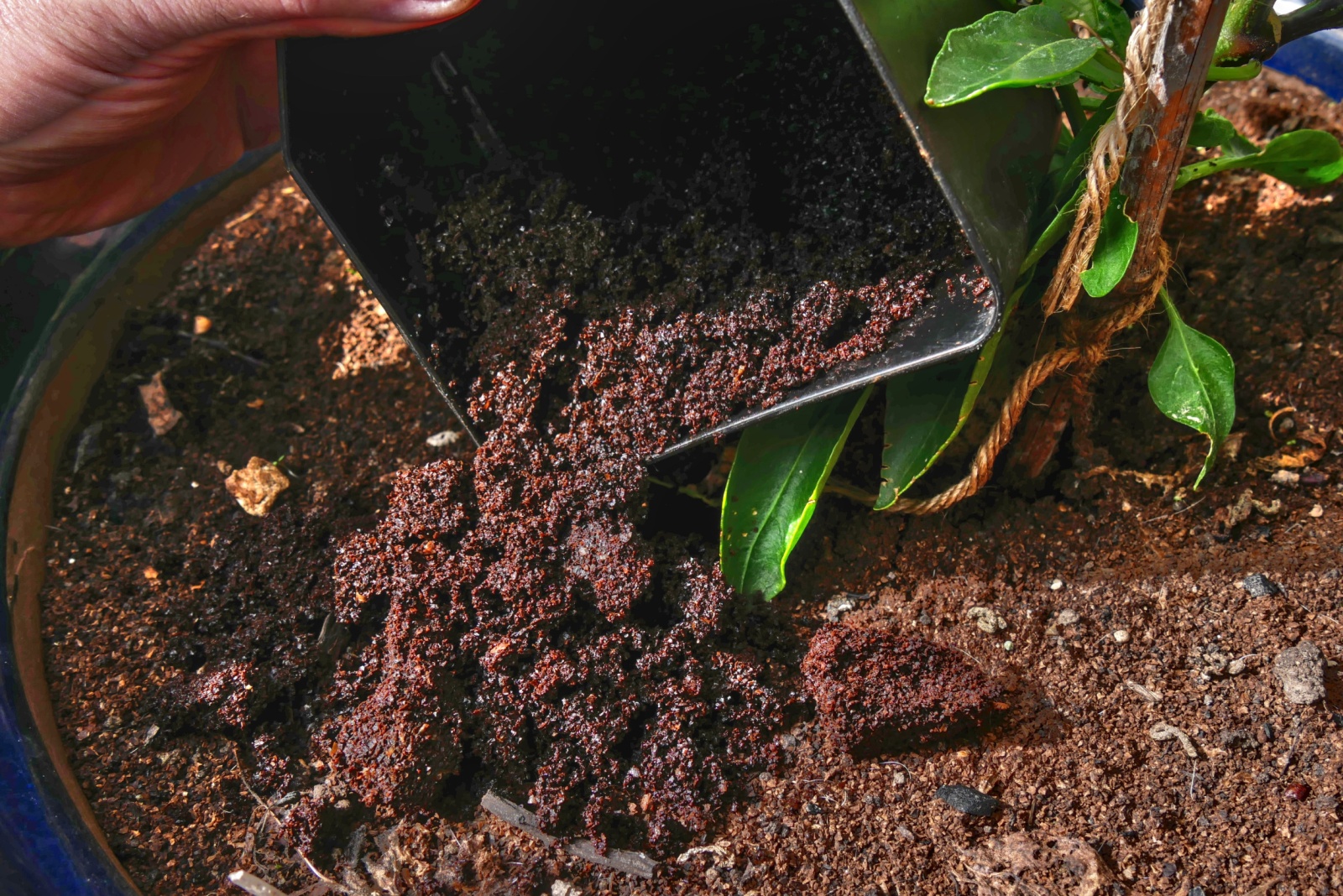
December rolls into North Carolina with a chill that nips at noses and tests every gardener’s grit.
Yet many folks across the state reach for a surprising secret weapon: humble coffee grounds.
A handful of this dark magic hits the soil, and suddenly plants perk up as if they just heard good gossip on a front-porch swing.
Cold winds may howl, but coffee grounds step into the spotlight like a seasoned pro, turning sleepy winter beds into quiet powerhouses.
With each scoop, gardeners tap into a trick that runs deeper than holiday tradition, proving that a simple kitchen staple holds more punch than a cup of joe on a frosty dawn.
1. Nitrogen Boost For Winter Soil

Winter soil in North Carolina can become tired and depleted after a long growing season.
Coffee grounds offer a simple solution by providing a slow-release source of nitrogen, one of the most important nutrients for plant health.
Nitrogen helps plants develop strong roots and lush foliage, setting them up for success when spring arrives.
As the grounds break down over the cold months, they gradually enrich the soil without overwhelming it.
This slow process is perfect for December, when most plants are resting and do not need heavy feeding.
Gardeners can simply sprinkle a thin layer of used grounds around the base of their plants or mix them into the top inch of soil.
The beauty of this method is that it costs nothing and reduces waste at the same time.
Instead of buying expensive fertilizers, you can recycle your morning coffee into a nutrient-rich soil amendment.
Many North Carolina gardeners swear by this trick, especially for acid-loving plants like azaleas and blueberries that thrive in the state.
By December, the soil is cool enough that the grounds will not cause any burning or damage.
This makes it an ideal time to apply them and let nature do the rest of the work.
2. Natural Pest Deterrent During Dormancy

Even in December, pests can still be a problem in North Carolina gardens.
Slugs, snails, and certain insects do not take a full winter break, especially during milder days.
Coffee grounds create a rough, abrasive barrier that these slimy creatures prefer to avoid, keeping them away from vulnerable plants.
The caffeine in coffee grounds is also naturally toxic to many soft-bodied pests.
When slugs or snails come into contact with the grounds, they are repelled by the texture and the chemical compounds.
This means fewer damaged leaves and healthier plants come springtime.
Gardeners appreciate this method because it is completely safe for children, pets, and beneficial insects like bees and ladybugs.
Unlike chemical pesticides, coffee grounds will not harm the environment or contaminate the soil.
You can feel good about protecting your garden in a natural, eco-friendly way.
Applying a ring of grounds around the base of plants creates a protective zone that lasts for weeks.
As rain and moisture break down the grounds, they continue to deter pests while also feeding the soil.
This dual-purpose benefit makes coffee grounds a favorite tool for North Carolina gardeners who want to work smarter, not harder, during the winter months.
3. Improved Soil Structure And Drainage
Many parts of North Carolina have heavy clay soil that can become compacted and waterlogged during the rainy winter months.
Poor drainage leads to root rot and other problems that weaken plants before spring even begins.
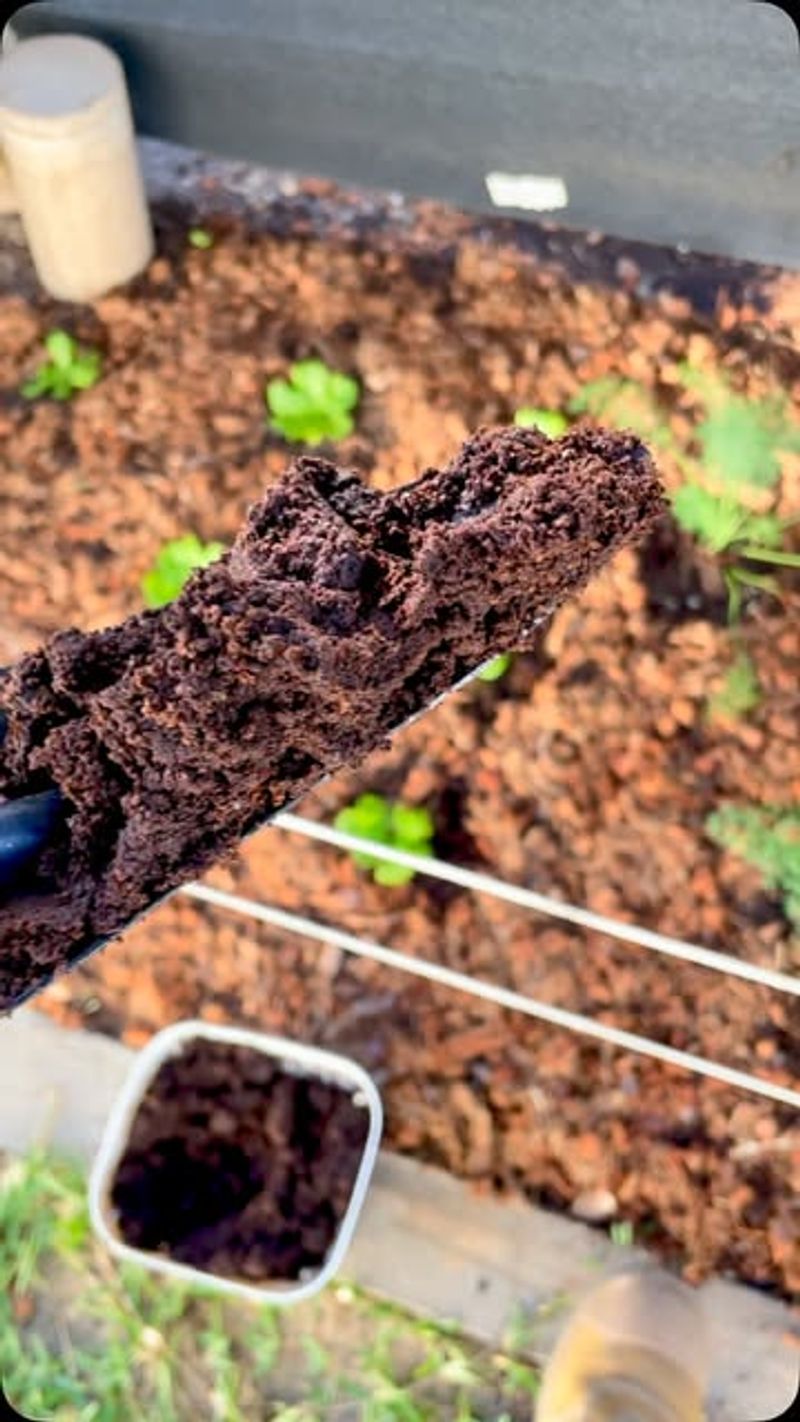
Coffee grounds help lighten and loosen heavy soil, allowing water and air to move more freely through the root zone.
When mixed into the soil, the grounds act as tiny organic particles that create space between clay particles.
This improves the overall structure, making it easier for roots to grow and access the nutrients they need.
Better drainage also means less standing water, which reduces the risk of fungal diseases and root damage.
Gardeners with sandy soil can benefit too, as coffee grounds help retain moisture that would otherwise drain away too quickly.
This balancing act makes them a versatile addition to almost any garden type.
Whether your soil is too heavy or too light, coffee grounds can help bring it closer to the ideal texture.
December is an excellent time to work grounds into the soil because most plants are dormant and will not be disturbed by the digging.
Simply spread a thin layer over your beds and gently work it in with a garden fork or rake.
By spring, the soil will be softer, healthier, and ready to support vigorous new growth.
4. Acidifying Soil For Specific Plants

Certain plants thrive in acidic soil, and North Carolina is home to many of them, including azaleas, rhododendrons, blueberries, and camellias.
Coffee grounds are slightly acidic, making them a perfect natural amendment for these acid-loving species.
Adding grounds around these plants in December helps maintain the low pH they prefer.
Acidic soil allows these plants to absorb essential nutrients like iron and magnesium more effectively.
Without the right pH level, even well-fed plants can show signs of nutrient deficiency, such as yellowing leaves.
By using coffee grounds, gardeners can prevent these issues without resorting to synthetic soil acidifiers.
The process is simple and requires no special tools or knowledge.
Just sprinkle used coffee grounds around the base of your acid-loving plants, then water lightly to help them settle in.
Over time, the grounds will break down and gently lower the soil pH, creating the perfect environment for these plants to flourish.
North Carolina gardeners love this trick because it turns a daily waste product into a valuable resource.
Instead of buying bags of sulfur or peat moss, you can simply save your coffee grounds and put them to good use.
This approach is budget-friendly, sustainable, and highly effective, especially when applied consistently throughout the winter months.
5. Attracting Earthworms And Beneficial Organisms

Healthy soil is alive with earthworms, microbes, and other beneficial organisms that break down organic matter and improve fertility.
Coffee grounds are a favorite food source for earthworms, which are often called nature’s tillers because of the way they tunnel through the soil.
Adding grounds in December invites these helpful creatures to set up camp in your garden beds.
Earthworms consume coffee grounds along with other organic material, then excrete nutrient-rich castings that plants love.
These castings are packed with nitrogen, phosphorus, and potassium, creating a natural, slow-release fertilizer.
The tunnels earthworms create also improve soil aeration and drainage, making it easier for roots to grow deep and strong.
Microbes and fungi benefit from coffee grounds as well, as they provide carbon and energy for these tiny decomposers.
A thriving microbial community breaks down organic matter faster, releasing nutrients that plants can absorb.
This creates a positive feedback loop where healthier soil supports more life, which in turn makes the soil even healthier.
December is an ideal time to encourage this underground ecosystem because the soil is cool and moist, conditions that earthworms and microbes prefer.
By adding coffee grounds now, you are setting the stage for a vibrant, living soil that will support your plants all year long.
6. Reducing Waste And Saving Money
Every day, millions of pounds of coffee grounds end up in landfills, where they contribute to methane emissions and waste valuable organic material.
North Carolina gardeners are finding a better way by recycling their used grounds directly into their gardens.
This simple act reduces household waste while providing plants with a free source of nutrients.
Buying commercial fertilizers and soil amendments can add up quickly, especially for gardeners with large beds or multiple containers.
Coffee grounds offer a no-cost alternative that works just as well, if not better, for many applications.
You do not need to spend money on fancy products when you have a steady supply of grounds from your daily coffee routine.
Collecting used grounds is easy and requires no special equipment.
Simply keep a small container near your coffee maker and add grounds to it each morning.
Once the container is full, take it out to the garden and spread the contents around your plants.
Many coffee shops also give away their used grounds for free, often bagged and ready to go.
This is a great option for gardeners who do not drink coffee at home but still want to take advantage of this resource.
By choosing to reuse coffee grounds, you are making a positive impact on both your garden and the environment, all while keeping more money in your pocket.
7. Mulching Benefits For Winter Protection
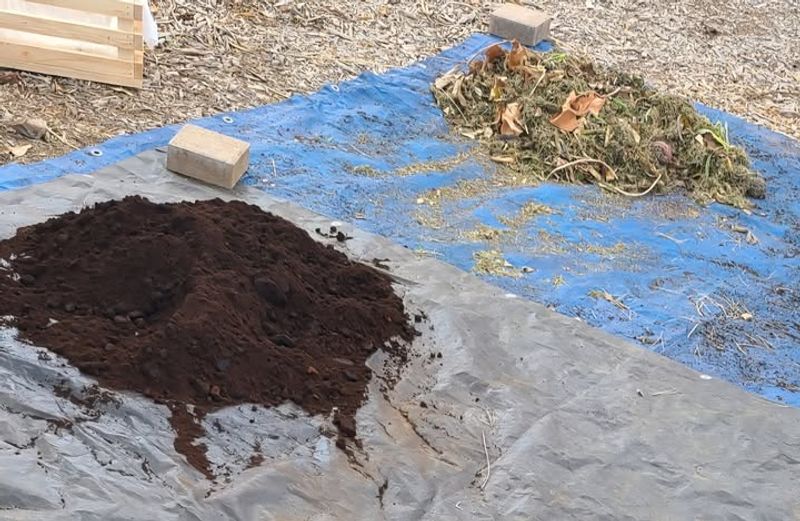
Mulch is essential for protecting plants during the cold North Carolina winter, and coffee grounds can serve as an effective mulching material.
A layer of grounds spread around the base of plants helps insulate roots from freezing temperatures and sudden temperature swings.
This protection is especially important for tender perennials and newly planted shrubs that have not yet established strong root systems.
Coffee grounds also help retain soil moisture during dry winter spells, which can be surprisingly common in parts of North Carolina.
When the ground freezes and thaws repeatedly, exposed soil can lose moisture quickly, stressing plants even when they are dormant.
A mulch layer of grounds keeps the soil more consistently moist and stable.
Unlike wood chips or straw, coffee grounds break down relatively quickly, adding organic matter to the soil as they decompose.
This means you get the benefits of mulch plus the bonus of soil enrichment, all from a single application.
The dark color of coffee grounds also absorbs sunlight, which can help warm the soil slightly on sunny winter days.
For best results, apply a layer about one to two inches thick around your plants, keeping the grounds a few inches away from stems and trunks to prevent rot.
This simple step can make a big difference in how well your plants survive the winter and how quickly they bounce back in spring.
8. Suppressing Weeds Before Spring
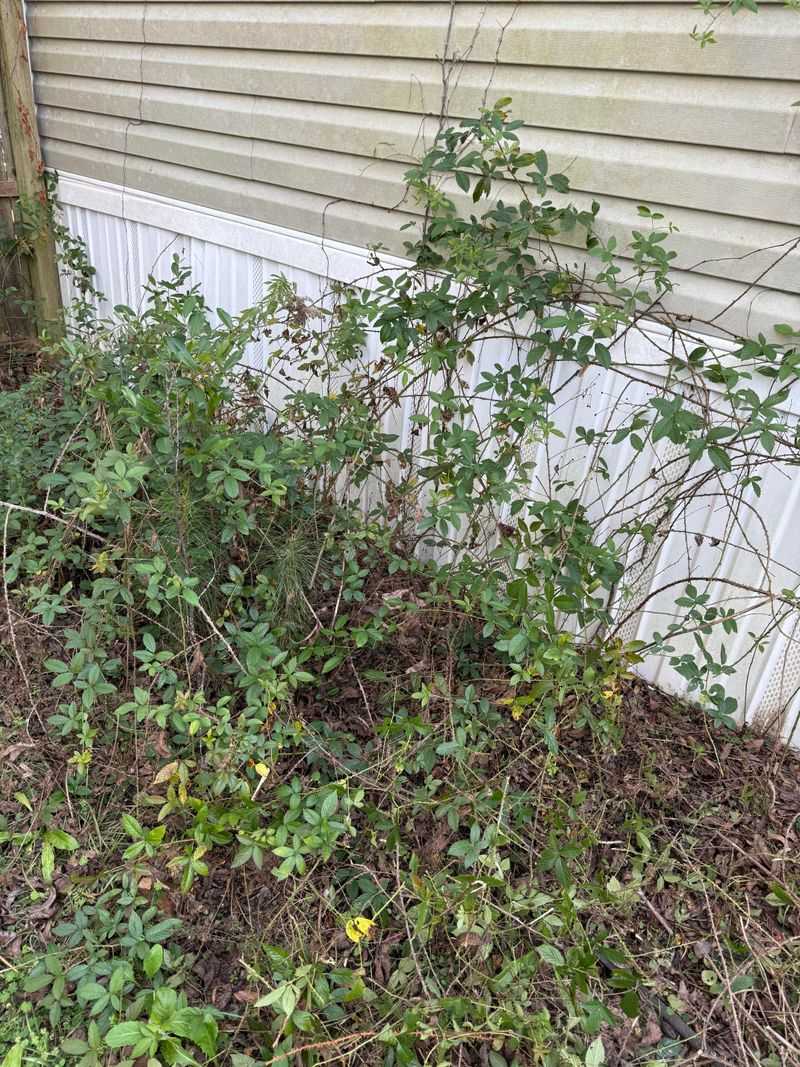
Weed seeds lie dormant in the soil all winter, just waiting for the right conditions to sprout in early spring.
Getting ahead of these weeds in December can save you hours of work later on.
Coffee grounds can help suppress weed growth by forming a physical barrier over the soil and releasing compounds that inhibit germination.
When spread in a thick layer, coffee grounds block sunlight from reaching weed seeds, preventing them from sprouting.
This is especially useful in garden beds that have been cleared for the season and are sitting empty until spring planting begins.
By covering the soil now, you reduce the number of weeds you will have to pull later.
Some studies suggest that coffee grounds may also contain allelopathic compounds, which are natural chemicals that inhibit the growth of certain plants.
While this effect is mild and not harmful to established plants, it can give you an edge against persistent weeds.
The result is a cleaner, more manageable garden bed when warmer weather arrives.
Applying coffee grounds for weed suppression is as easy as spreading them evenly over bare soil.
Aim for a layer about half an inch to one inch thick, and reapply as needed throughout the winter if heavy rains wash them away.
This proactive approach helps you stay ahead of weeds without relying on harsh chemicals or endless hours of hand weeding.
9. Enhancing Compost Piles With Green Material
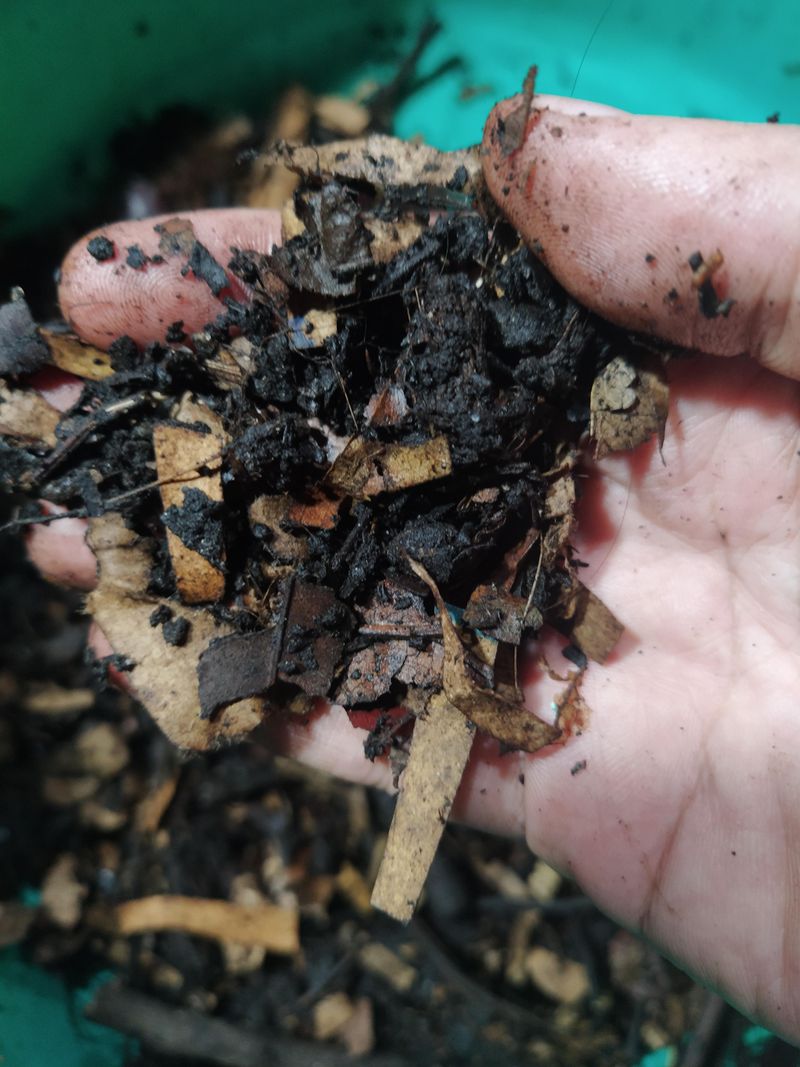
Composting is a cornerstone of sustainable gardening, and coffee grounds are considered a valuable green material that adds nitrogen to the mix.
December is a great time to add grounds to your compost pile because you likely have an abundance of brown materials like fallen leaves.
Balancing greens and browns is key to creating rich, finished compost that your plants will love.
Coffee grounds heat up the compost pile, speeding up the decomposition process even in cooler weather.
This is especially helpful in North Carolina, where winter temperatures can slow down microbial activity.
Adding grounds gives the microbes a boost of nitrogen, helping them break down organic matter more efficiently.
The texture of coffee grounds also improves the structure of your compost, preventing it from becoming too compacted or soggy.
When mixed with coarser materials like leaves and twigs, the grounds help create air pockets that promote healthy decomposition.
This results in compost that is crumbly, dark, and full of nutrients.
To use coffee grounds in your compost, simply add them in layers along with other kitchen scraps and yard waste.
Aim for a ratio of about one part greens to three parts browns for best results.
Turn the pile occasionally to mix everything together and encourage even decomposition.
By spring, you will have finished compost that is perfect for enriching your garden beds and giving your plants a strong start to the growing season.