8 Reasons To Plant A Crabapple Tree In Ohio
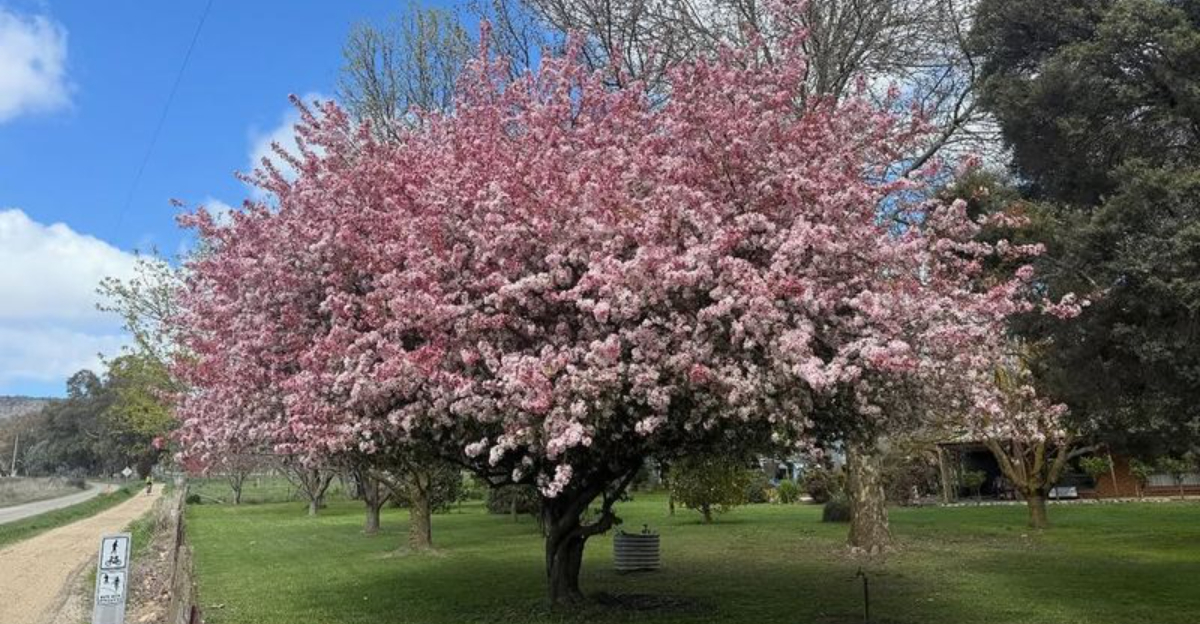
Ohio yards have a way of telling a story, and a crabapple tree knows how to steal a few chapters.
From the first burst of spring blooms to the bright fruit that hangs on well into colder months, this tree pulls its weight year round.
It adds color when gardens feel bare and brings life when the seasons shift.
A single crabapple can turn an ordinary lawn into a place that feels cared for and full of purpose.
Crabapple trees earn their keep in more ways than one.
They attract birds, offer shade without overpowering a space, and fit neatly into both large yards and modest gardens.
Their blossoms stop people in their tracks, and their fruit keeps wildlife close long after leaves begin to fall.
Tough by nature, they handle Ohio weather without making a fuss.
Planting a crabapple tree feels like a smart investment that keeps paying off.
It delivers beauty, balance, and reliability with very little demand.
In a landscape that changes with every season, a crabapple stands steady, proving that some of the best choices are both practical and pleasing.
1. Spectacular Spring Blooms Create Stunning Displays
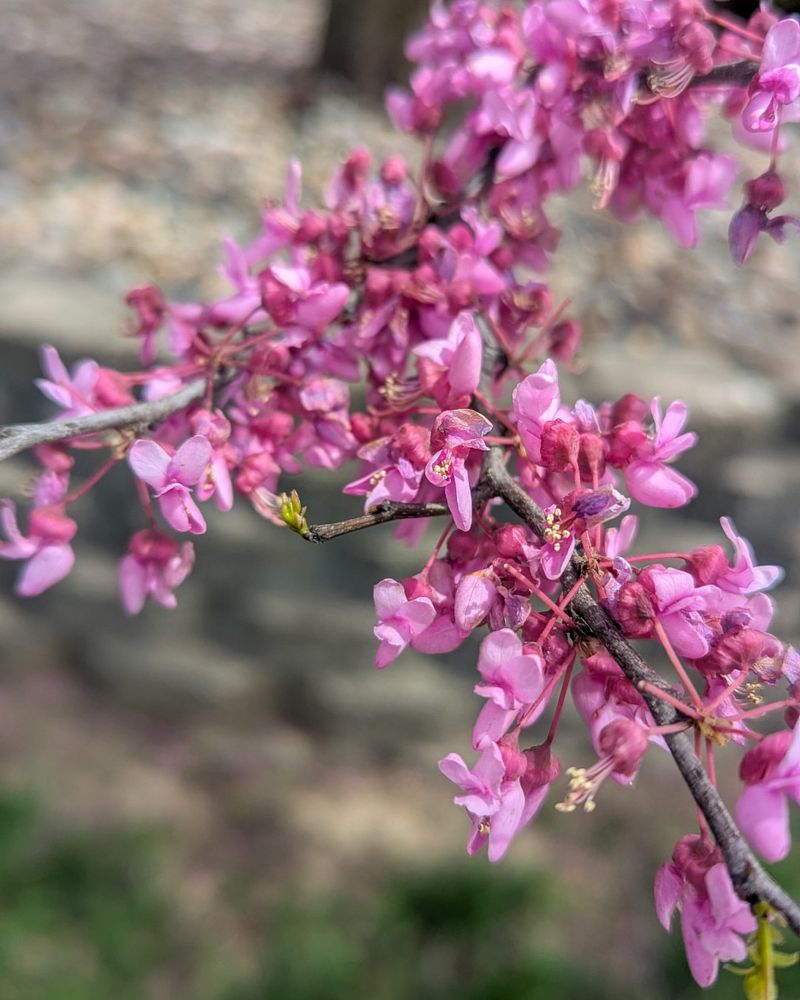
Spring arrives in Ohio with an explosion of color when crabapple trees burst into bloom across neighborhoods and parks.
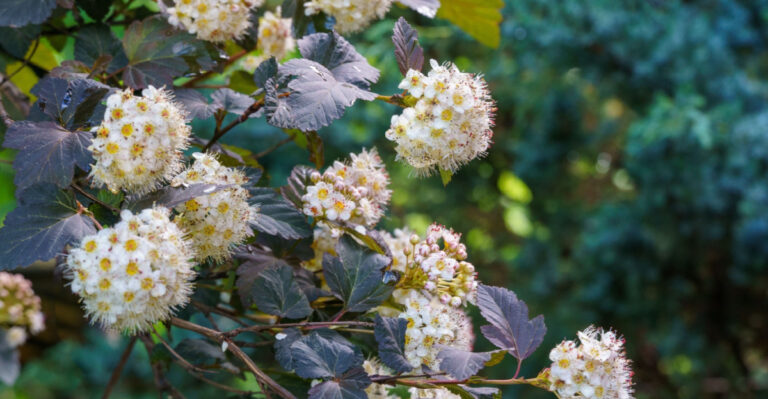
The flowers range from pure white to deep pink and magenta, creating a visual feast that lasts for several weeks in April and May.
Each tree becomes covered in thousands of blossoms that attract attention from everyone passing by your property.
Homeowners in Cleveland, Cincinnati, and smaller towns throughout Ohio plant crabapples specifically for this spectacular seasonal show.
The fragrance from the blooms fills the air with a sweet scent that signals warmer weather has finally arrived after long winter months.
Many varieties produce flowers with five petals, while others offer double blooms that look almost like tiny roses covering every branch.
Planting a crabapple near your front entrance or along a driveway maximizes the visual impact during peak blooming season.
The flowering period typically coincides with other spring beauties like tulips and daffodils, creating a coordinated garden display.
Neighbors and visitors will comment on the breathtaking beauty your crabapple provides each spring without fail.
Photography enthusiasts often seek out blooming crabapples as perfect subjects for capturing the essence of Ohio springtime.
The sheer abundance of flowers makes even a single tree look like a massive bouquet planted in your yard.
Few other trees can match the dramatic transformation that occurs when crabapples transition from bare branches to flower-covered masterpieces.
2. Wildlife Benefits Make Your Yard A Haven
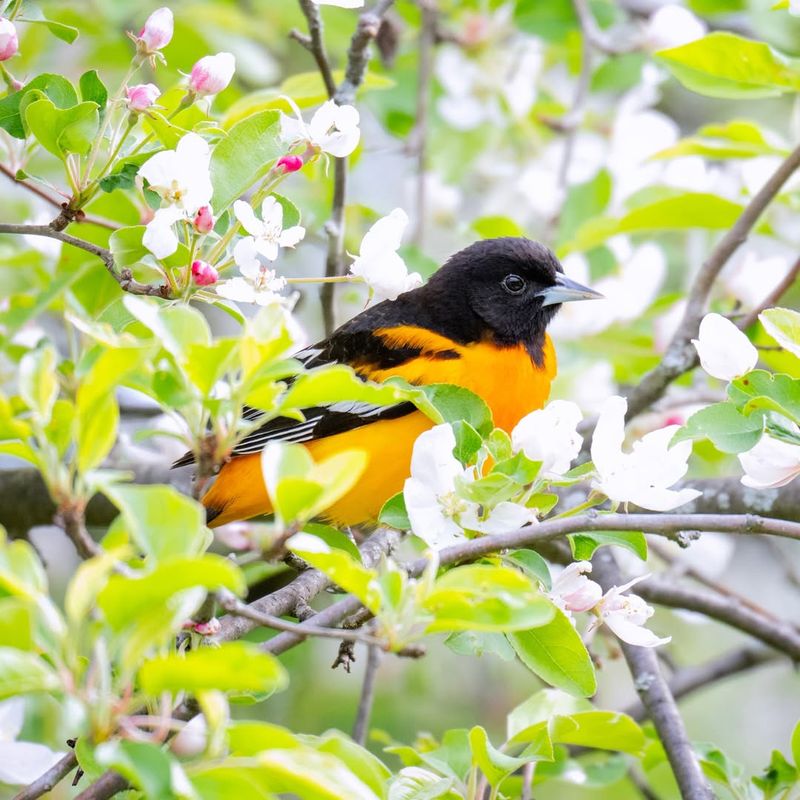
Birds flock to crabapple trees throughout the year, making your Ohio property a wildlife sanctuary without any extra effort on your part.
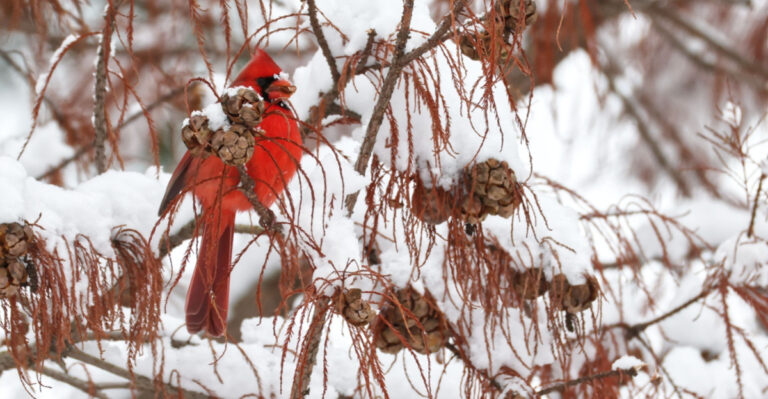
The small fruits that develop after flowering provide essential food for robins, cedar waxwings, cardinals, and dozens of other species during fall and winter.
Watching colorful birds feast on crabapples brings entertainment and connects you with nature right outside your window.
Pollinators like bees and butterflies visit the spring flowers in huge numbers, supporting healthy populations of these important insects across Ohio.
Creating habitat for wildlife becomes increasingly important as natural spaces shrink in urban and suburban areas.
Your single crabapple tree can feed birds for months as the fruits persist on branches well into cold weather when other food sources become scarce.
Some homeowners in Toledo, Akron, and Dayton specifically choose crabapples to support their backyard birding hobbies.
The dense branching structure also provides excellent nesting sites and shelter from predators and harsh weather conditions.
Squirrels occasionally sample the fruits too, adding to the variety of creatures your tree supports.
Children love observing the wildlife activity that crabapples attract, making these trees wonderful educational tools for families.
Conservation efforts start at home, and planting trees that benefit multiple species contributes to broader ecosystem health throughout Ohio.
The wildlife value alone justifies choosing a crabapple over ornamental trees that offer little to local fauna.
3. Perfect Size For Smaller Properties
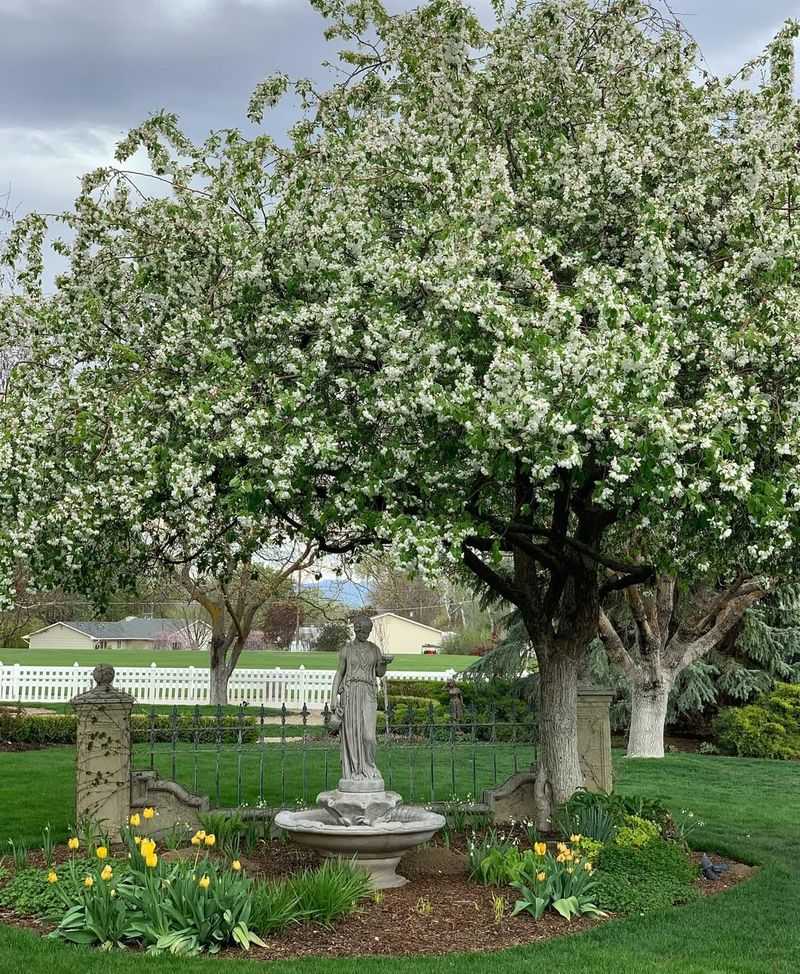
Most crabapple varieties grow to a manageable height of 15 to 25 feet, making them ideal for typical Ohio residential lots.
Homeowners worried about trees damaging foundations, blocking views, or interfering with power lines find crabapples to be perfectly proportioned.
The compact size means you can plant them closer to homes and driveways than you could with large shade trees like oaks or maples.
Urban gardeners in Columbus and Cincinnati appreciate trees that provide beauty without overwhelming small yards or creating excessive cleanup work.
The rounded or vase-shaped canopy spreads 12 to 20 feet wide, offering enough presence to anchor a landscape design without dominating the space.
Pruning requirements remain minimal compared to trees that need regular trimming to maintain safe clearances from structures.
You can fit a crabapple into corners, side yards, or other spaces where larger trees simply would not work.
The moderate size also makes maintenance tasks like inspecting for problems or removing damaged branches much easier and safer.
Landscape designers frequently recommend crabapples for properties where scale and proportion matter as much as aesthetics.
Planting multiple crabapples creates a cohesive look without the forest-like density that large trees would produce in a confined area.
The manageable dimensions mean roots typically stay contained and cause fewer issues with sidewalks, patios, and underground utilities.
Choosing a tree that fits your space properly from the start prevents future headaches and expensive removal costs.
4. Exceptional Cold Hardiness For Ohio Winters
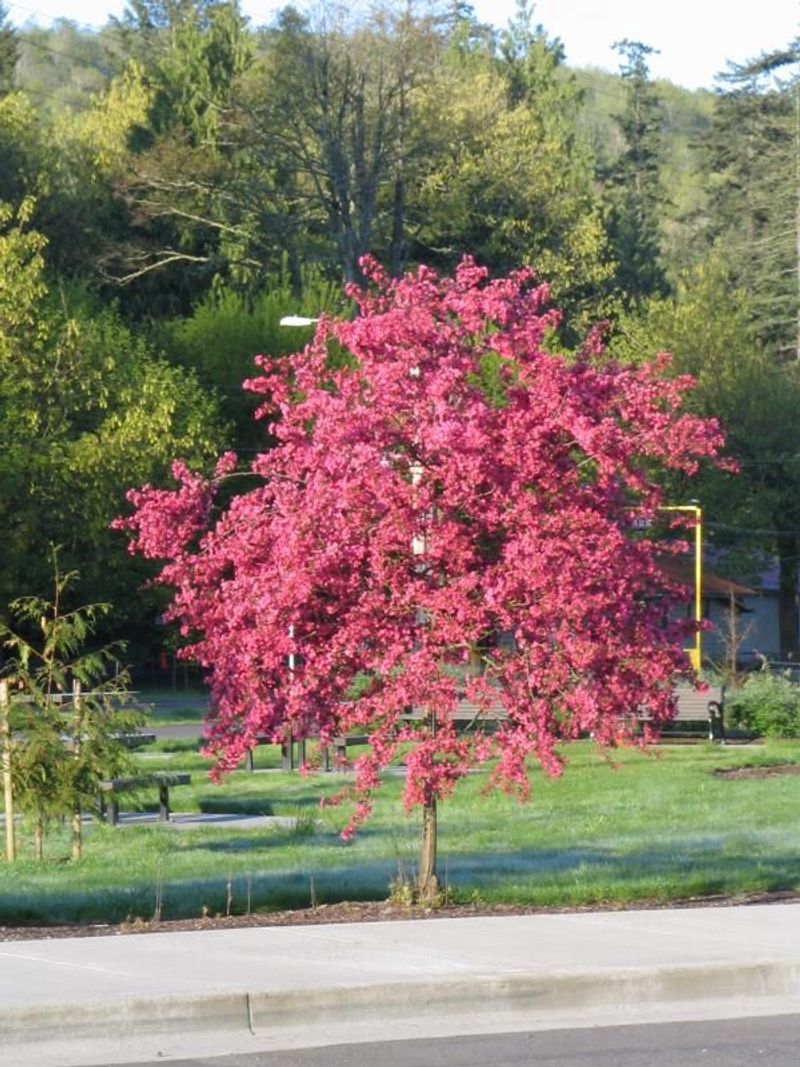
Ohio winters test plants with freezing temperatures, ice storms, and unpredictable weather swings that damage less hardy species.
Crabapples handle these challenges with ease, thriving in USDA hardiness zones 4 through 8, which covers all regions of Ohio perfectly.
The trees evolved to withstand harsh conditions, developing strong wood and dormancy patterns that protect them from cold damage.
Gardeners in northern Ohio near Lake Erie and in the snowier eastern regions rely on crabapples because they never suffer winter injury.
Spring freezes that occur after warm spells rarely harm the flower buds, ensuring you get blooms even after unpredictable temperature drops.
Other ornamental trees sometimes struggle with Ohio’s climate extremes, but crabapples have proven themselves reliable through decades of cultivation here.
The deep root systems anchor trees firmly, preventing wind damage during winter storms that topple weaker specimens.
Ice accumulation on branches bends but rarely breaks the flexible wood, unlike brittle trees that suffer significant storm damage.
Homeowners tired of replacing trees that cannot handle Ohio weather appreciate the dependability crabapples provide year after year.
The natural hardiness means you avoid the disappointment and expense of losing ornamental trees to harsh winters.
Nurseries throughout Ohio stock crabapples specifically because they perform consistently in local conditions without special protection or care.
Choosing plants adapted to your climate always produces better results than fighting nature with high-maintenance exotic species.
5. Low Maintenance Requirements Save Time
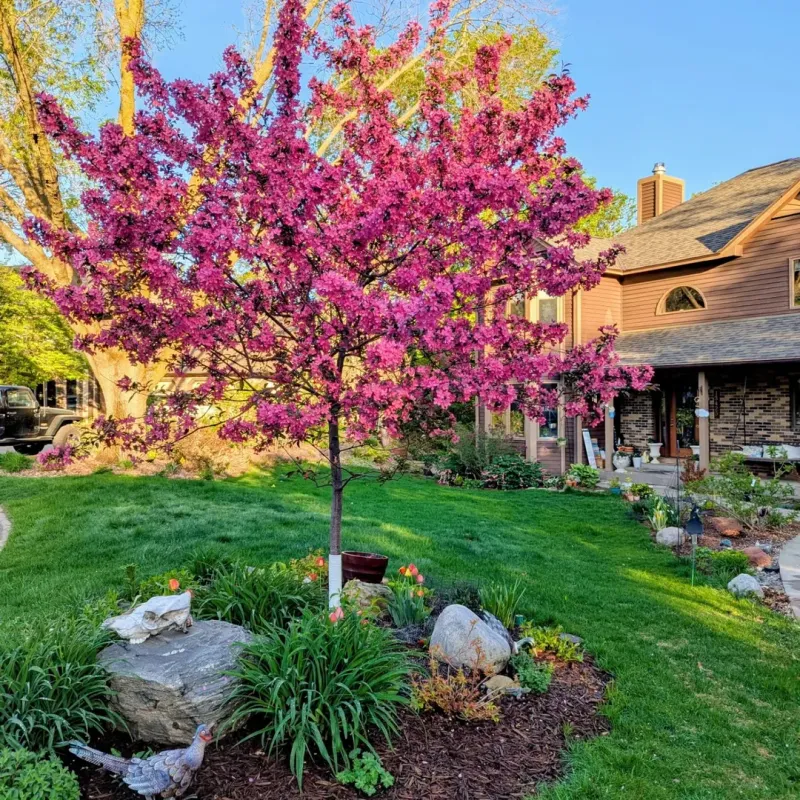
Busy homeowners throughout Ohio appreciate trees that look beautiful without demanding constant attention and specialized care.
Crabapples need only occasional watering during their first two years, then survive on rainfall alone once their roots establish deeply.
Fertilizing becomes optional rather than necessary, as these trees adapt to average Ohio soils without supplemental feeding.
Pruning requirements remain light, limited to removing dry wood or shaping the tree slightly every few years.
Disease-resistant varieties now available at Ohio nurseries stay healthy without regular spraying or chemical treatments that other fruit trees require.
The trees naturally drop their small fruits, which decompose quickly or get eaten by wildlife, creating minimal cleanup compared to messy species.
People who work full time or prefer spending weekends relaxing rather than doing yard work find crabapples to be perfect landscape additions.
Unlike high-maintenance ornamentals that need staking, wrapping, or protection, crabapples basically take care of themselves after planting.
The self-sufficient nature of these trees makes them excellent choices for rental properties, vacation homes, or yards managed by professional services.
Older adults in Ohio who want attractive landscapes without physical labor find crabapples deliver beauty without demanding effort.
The cost savings from reduced maintenance add up over the years, making crabapples economical as well as practical.
Investing in trees that thrive independently gives you more time to enjoy your yard rather than constantly working in it.
6. Four-Season Interest Enhances Your Landscape
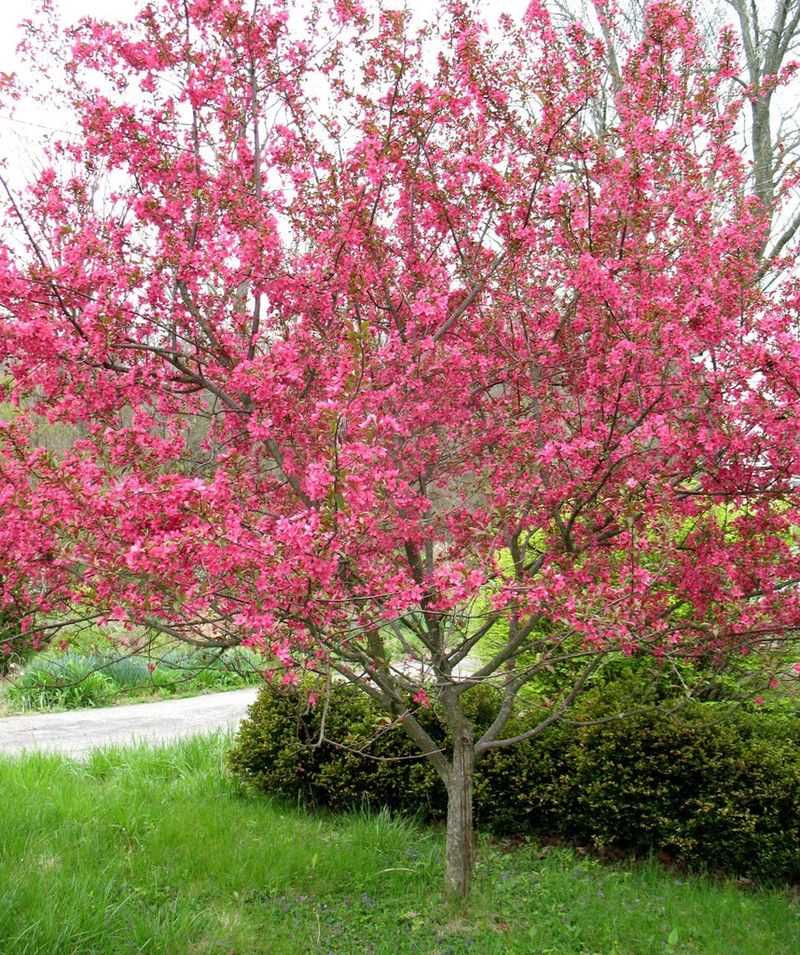
Crabapples earn their place in Ohio gardens by providing something beautiful to look at during every season of the year.
Spring brings the famous flower display that makes these trees garden superstars throughout neighborhoods in every corner of the state.
Summer offers lush green foliage that creates a full, attractive canopy providing shade and visual weight in your landscape design.
Fall transforms the leaves to shades of yellow, orange, and red while colorful fruits develop, creating a harvest-time appearance.
Winter reveals the elegant branching structure and keeps bright red, orange, or yellow fruits on display against snow and gray skies.
Many homeowners plant crabapples specifically because they refuse to settle for trees that look good for only a few weeks annually.
The persistent fruits add winter color when most other plants look dormant and dull across Ohio landscapes.
Landscape architects use crabapples as focal points because they draw attention throughout the year rather than fading into the background.
Having a tree that changes with the seasons creates visual interest and marks the passage of time in satisfying ways.
Properties featuring crabapples never look bare or boring, even during the coldest months when many yards appear lifeless.
The continuous beauty makes these trees valuable investments that enhance your property’s appearance every single day.
Choosing plants with year-round appeal creates landscapes that bring joy in January just as much as in June.
7. Excellent Pollution Tolerance For Urban Areas
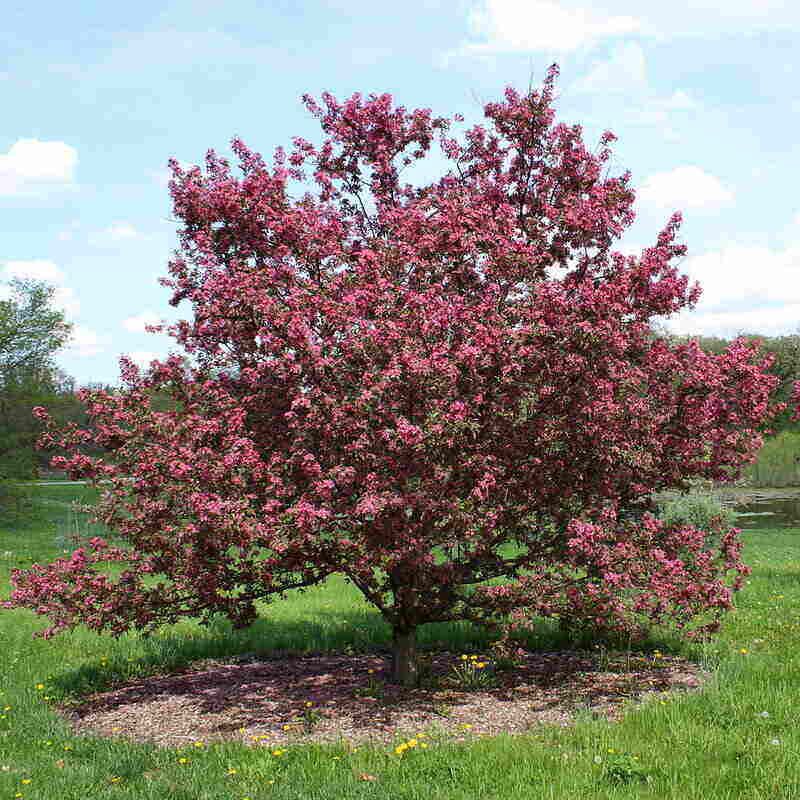
Cities and towns across Ohio present challenging growing conditions with air pollution, road salt, and compacted soils that stress many tree species.
Crabapples demonstrate remarkable toughness in urban environments, thriving along streets in Cleveland, Columbus, and Cincinnati where other trees struggle.
The leaves tolerate air pollutants from traffic and industry without showing the damage that sensitive species develop.
Salt spray from winter road treatments rarely harms crabapples, making them smart choices for planting near driveways and streets throughout Ohio.
Compact soil conditions found in developed areas do not prevent crabapples from establishing strong root systems and growing vigorously.
Municipal planners frequently select crabapples for public spaces because they handle urban stress while providing beauty and environmental benefits.
Homeowners on busy roads appreciate trees that withstand pollution and road conditions without declining in health or appearance.
The adaptability to tough growing situations makes crabapples reliable performers in neighborhoods where gardening success can be challenging.
Heat reflected from pavement and buildings does not overwhelm these hardy trees like it does with species requiring cooler, pristine conditions.
Urban wildlife benefits from crabapples too, as birds and pollinators need food sources in cities just as much as in rural areas.
Planting trees that actually survive and thrive in urban Ohio creates green spaces that improve quality of life for entire communities.
The proven tolerance to city conditions means your investment in a crabapple will pay off with decades of healthy growth.
8. Increases Property Value And Curb Appeal
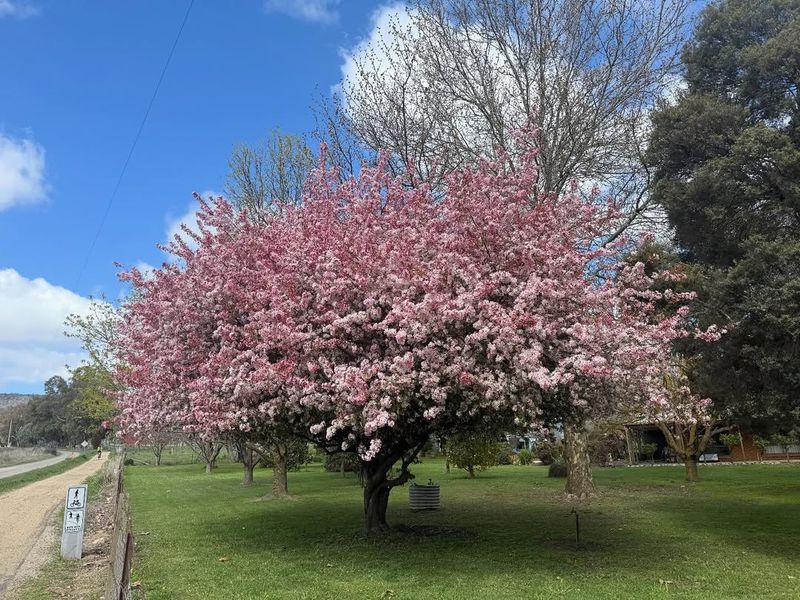
Real estate professionals throughout Ohio know that mature trees significantly boost property values and attract potential buyers.
Crabapples specifically enhance curb appeal with their showy flowers, attractive form, and year-round visual interest that makes homes more desirable.
Properties featuring established crabapples often sell faster and command higher prices than comparable homes with sparse landscaping.
The spring bloom period creates memorable first impressions that help buyers envision themselves enjoying the property.
Landscape improvements like planting crabapples offer excellent return on investment compared to other home upgrades.
Appraisers consider mature, healthy trees as valuable assets that contribute to overall property worth in neighborhoods across Ohio.
Homeowners planning to sell within a few years benefit from planting crabapples now, as even young trees improve appearance immediately.
The relatively fast growth rate means crabapples reach attractive size within five to seven years, adding value sooner than slow-growing species.
Well-placed crabapples frame homes beautifully, drawing attention to architectural features and creating balanced, professional-looking landscapes.
Neighborhoods with tree-lined streets and yards featuring crabapples maintain higher property values and attract buyers seeking established communities.
The investment in quality landscaping trees pays dividends whether you stay in your home for decades or sell in the near future.
Creating an attractive outdoor environment increases your own enjoyment while building equity that benefits you financially when selling.