7 Reasons To Try Baking Soda On Your Alabama Lawn This Winter
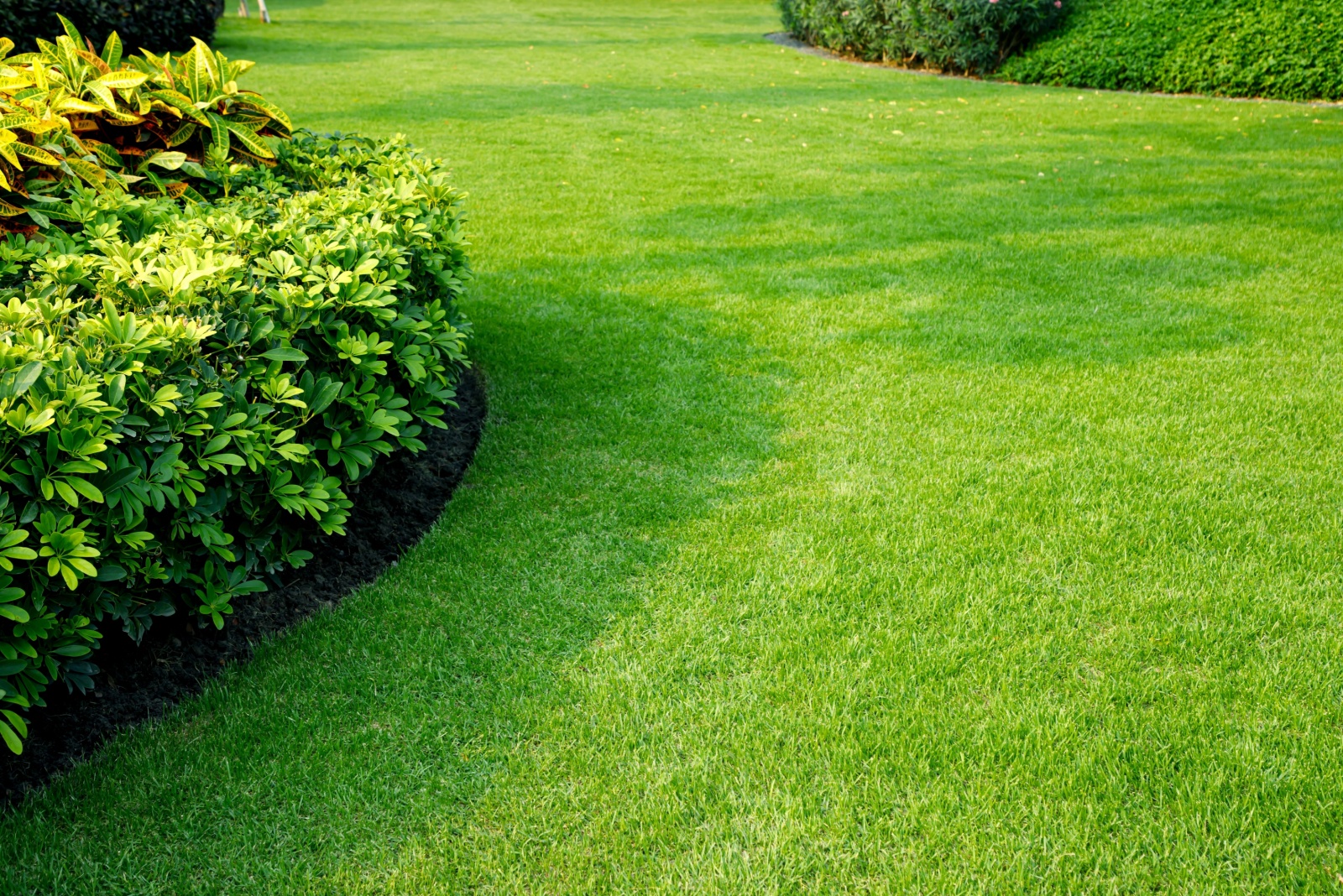
Alabama winters may feel mild, yet lawns still face hidden challenges once growth slows and moisture hangs in the air.
During this quieter season, a familiar household staple can offer surprising support.
Baking soda often earns a place in winter lawn care because it tackles small problems before they gain ground.
Cool temperatures and lingering dampness can invite surface issues that weaken turf before spring arrives.
Baking soda helps neutralize minor acidity on the lawn’s surface and discourages certain fungal problems from spreading.
Used with restraint, it supports turf health during a period when recovery matters more than rapid growth.
Alabama’s climate allows lawns to stay active longer than northern regions, which makes timely care especially valuable.
This simple approach appeals to homeowners who prefer practical, low-cost solutions.
Baking soda offers a way to address winter lawn concerns without heavy chemicals or complicated routines.
When applied carefully and sparingly, it can help lawns head into spring on stronger footing, reduce setbacks, and keep turf in better shape once warmer weather returns.
1. Fights Moss Growth Naturally

Moss loves to spread across Alabama lawns when winter moisture levels rise and sunlight becomes limited.
This green invader thrives in shady, damp spots and can quickly take over patches of your yard if left unchecked.
Baking soda creates an environment that moss finds difficult to tolerate.
A light sprinkle of baking soda over mossy areas raises the pH level slightly, which discourages moss from spreading further.
You can mix a few tablespoons with water and spray it directly on problem zones.
Within a few days, the moss starts to brown and dry out, making it easier to rake away.
This method works best when applied during dry weather, so the baking soda has time to settle onto the moss.
Repeat applications every few weeks can help keep moss from returning throughout the season.
Unlike harsh chemicals, baking soda breaks down naturally and poses no threat to pets or children who play in the yard.
Homeowners appreciate how affordable and accessible this solution is compared to store-bought moss treatments.
Keeping moss under control helps your grass grow thicker and healthier once spring arrives.
2. Balances Soil pH Levels
Soil in Alabama can sometimes become too acidic, especially after heavy rains or when organic matter breaks down over time.
Grass prefers a slightly neutral pH range to absorb nutrients effectively and grow strong roots.
When soil becomes too acidic, even the best fertilizers struggle to work properly.
Baking soda acts as a gentle alkaline agent that helps raise pH levels without causing sudden spikes.
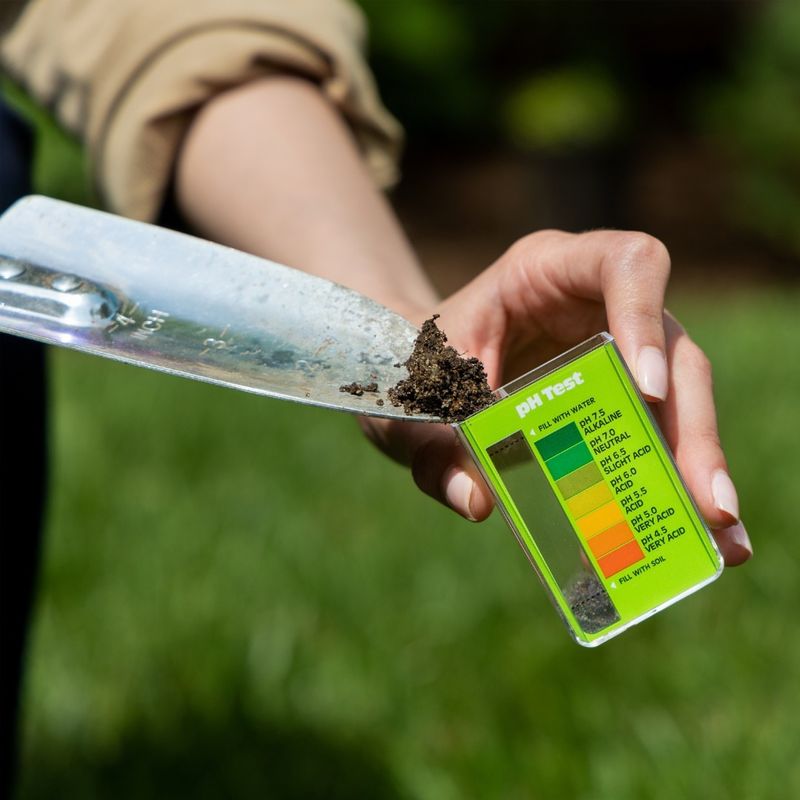
Testing your soil with an inexpensive kit from a garden center shows you exactly where your pH stands.
If results reveal high acidity, a light application of baking soda can help bring balance back.
Spread a thin layer over your lawn and water it in thoroughly to help it reach the soil.
This adjustment supports better nutrient uptake, which means your grass can use the food it receives more efficiently.
Healthier soil leads to a thicker, greener lawn that can withstand winter stress and bounce back quickly in spring.
Avoid overdoing it, as too much baking soda can swing pH too far in the opposite direction.
Moderation and regular testing ensure your lawn stays in the ideal range year-round.
3. Reduces Fungal Issues Safely
Fungal problems often pop up in Alabama lawns during winter when humidity stays high and air circulation drops.
Patches of discolored grass, powdery spots, or slimy textures signal that fungi have taken hold.
Baking soda offers a safe, non-toxic way to tackle these issues before they spread too far.
Its natural properties disrupt the environment fungi need to thrive, making it harder for spores to multiply.
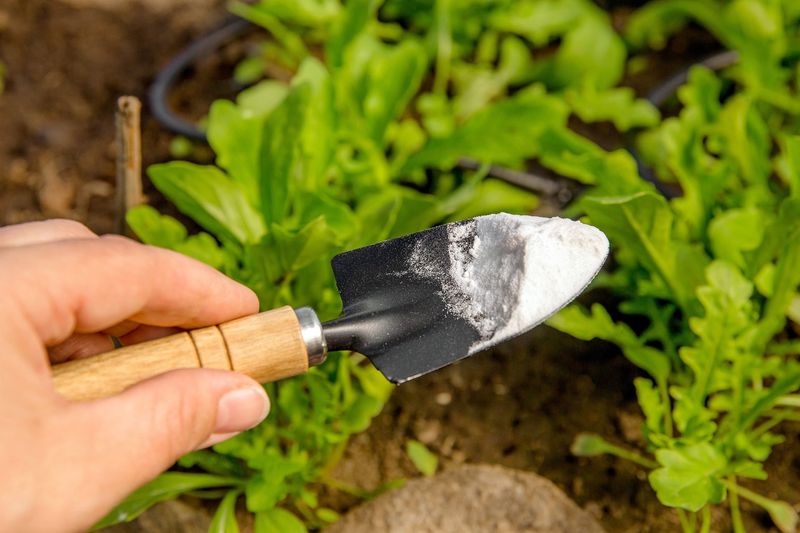
Mix a tablespoon of baking soda with a gallon of water and spray it over affected areas every few days.
This simple solution helps dry out fungal growth and prevents it from expanding to healthy grass nearby.
Regular applications during damp weather can serve as a preventive measure, keeping fungi at bay before they become a serious problem.
Unlike chemical fungicides, baking soda breaks down quickly and leaves no harmful residue in your yard.
Pets and kids can play on treated grass without worry, which makes it a family-friendly choice.
Combining baking soda treatments with proper mowing and drainage practices boosts your lawn’s overall resistance to fungal outbreaks.
A proactive approach saves time and money compared to dealing with large-scale infestations later.
4. Neutralizes Pet Urine Spots
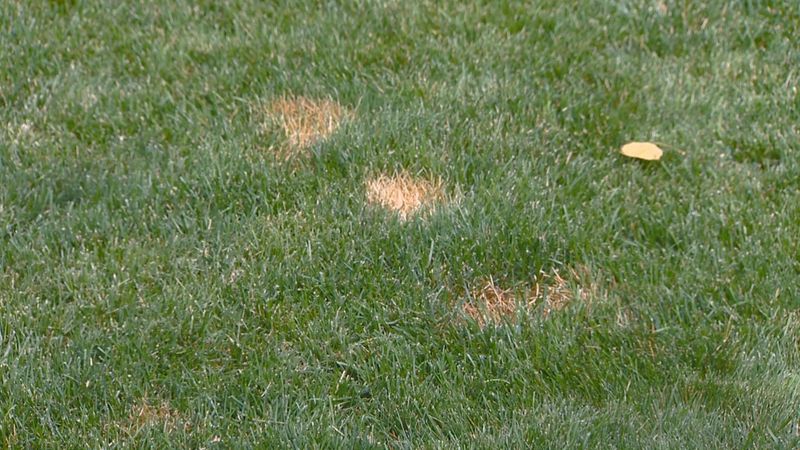
Dogs and other pets often create unsightly yellow or brown spots on lawns when they relieve themselves in the same areas repeatedly.
Urine contains high levels of nitrogen and salts that can burn grass blades and leave dead patches behind.
Winter makes these spots more noticeable because grass grows slower and has less time to recover naturally.
Baking soda helps neutralize the acidity in pet urine, reducing the harsh effects on your lawn.
Sprinkle a light layer over fresh urine spots and water the area gently to help the baking soda soak into the soil.
This process dilutes the concentrated salts and restores a more balanced pH level, giving grass a better chance to bounce back.
For older spots that have already turned brown, baking soda can still help prepare the soil for reseeding in early spring.
Consistent treatment throughout winter prevents damage from building up and keeps your yard looking more uniform.
Many pet owners find this method much easier and cheaper than buying specialty products designed for urine spot repair.
Encouraging pets to rotate their bathroom areas also helps minimize concentrated damage in one spot.
A combination of baking soda and good habits keeps your lawn green and healthy all season long.
5. Affordable And Easy To Use
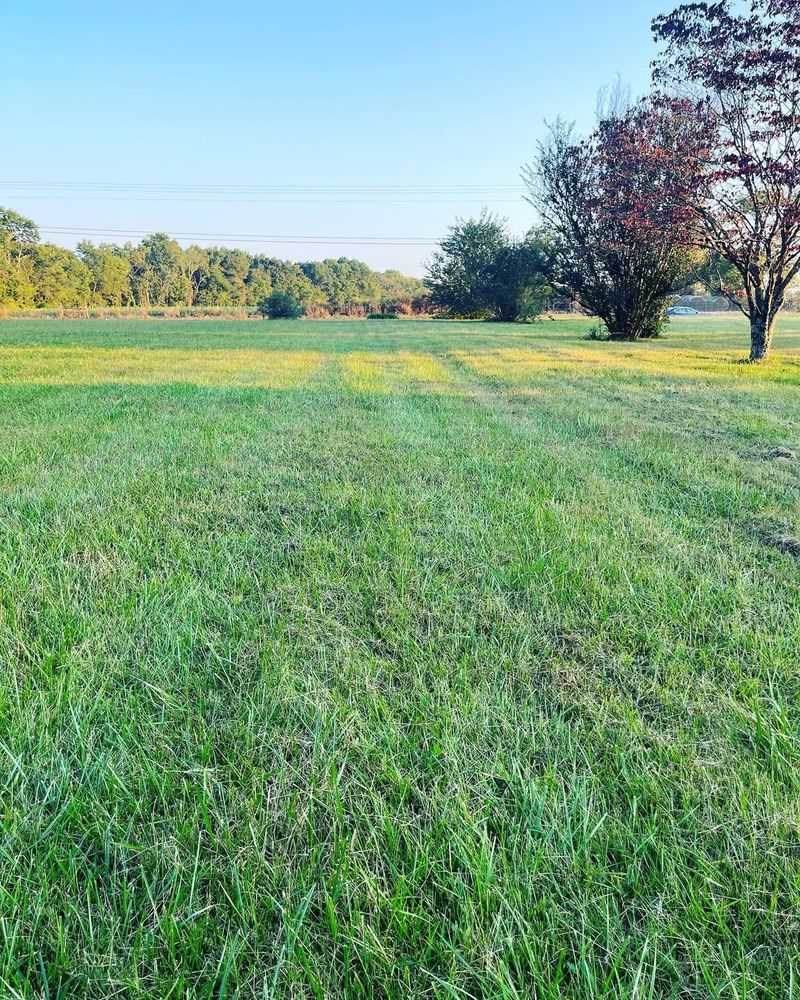
Lawn care products can drain your wallet quickly, especially when you need multiple treatments throughout the season.
Baking soda costs just a few dollars per box and can be found at any grocery store or pharmacy.
One box goes a long way, covering several applications across your entire yard without breaking the bank.
You do not need any special equipment or training to use baking soda on your lawn.
Simply sprinkle it by hand or use a basic garden spreader for even coverage.
Mixing it with water for spray applications requires only a bottle and a spoon, making the process quick and hassle-free.
This simplicity appeals to homeowners who want effective results without complicated instructions or expensive tools.
Baking soda also serves multiple purposes around the house, from cleaning to deodorizing, so buying in bulk makes sense.
Families on a budget appreciate how versatile and economical this product is compared to specialized lawn treatments.
You can stock up during sales and always have a supply ready when lawn issues arise.
The ease of use means you can tackle lawn problems as soon as you notice them, rather than waiting for a professional or ordering products online.
6. Safe For Kids And Pets
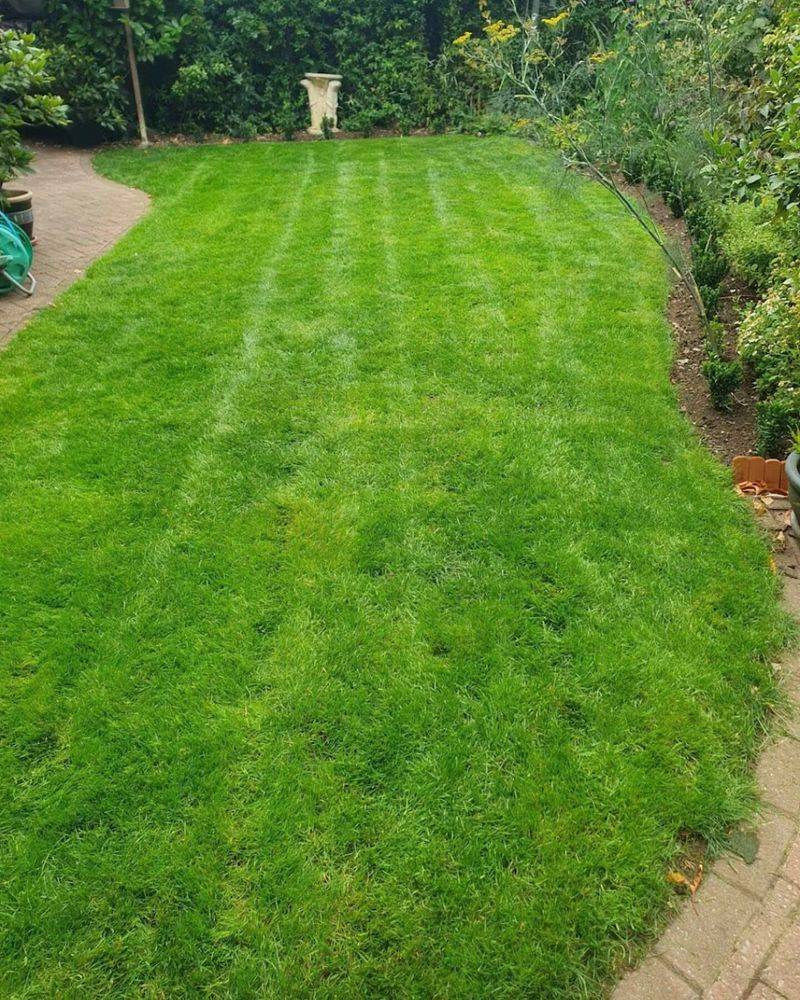
Many commercial lawn treatments contain harsh chemicals that require keeping children and animals off the grass for hours or even days.
Parents and pet owners worry about exposure to toxic substances, especially when little ones love to roll around in the yard.
Baking soda offers a worry-free alternative because it is a food-grade product already used in kitchens across the country.
You can apply it to your lawn and let kids and pets play outside almost immediately without any health concerns.
This peace of mind is priceless for families who want a beautiful lawn without compromising safety.
Baking soda breaks down naturally into harmless components, leaving no lingering residue that could irritate skin or paws.
Even if a curious dog or toddler happens to lick or ingest a small amount, it poses no serious risk.
This makes baking soda an ideal choice for households with young children who explore everything by touch and taste.
Pet owners also appreciate that baking soda does not cause allergic reactions or respiratory issues in animals.
Using safe, natural products sets a positive example for kids and teaches them about environmentally responsible choices.
A healthy lawn and a safe play space can coexist without compromise when you choose baking soda for winter lawn care.
7. Eco-Friendly Lawn Solution
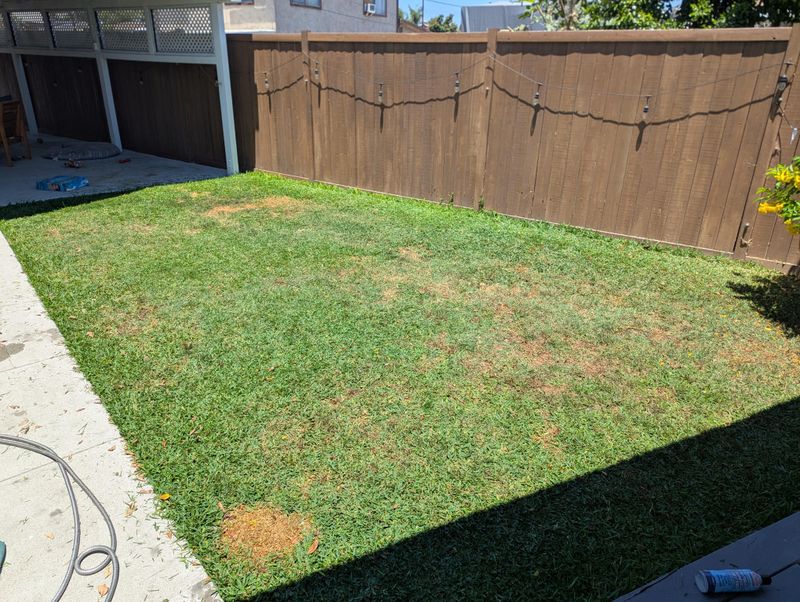
Environmental awareness continues to grow as more people seek ways to reduce their carbon footprint and protect local ecosystems.
Traditional lawn chemicals can run off into storm drains, contaminate water supplies, and harm beneficial insects and wildlife.
Baking soda stands out as a genuinely green alternative that supports a healthier environment.
It contains no synthetic ingredients or pollutants, so it breaks down naturally without leaving toxic traces behind.
Using baking soda on your Alabama lawn means you contribute to cleaner waterways and safer habitats for birds, bees, and other creatures.
This choice aligns with sustainable living practices and shows respect for the natural world around your home.
Gardeners who embrace organic methods find baking soda fits perfectly into their philosophy of working with nature rather than against it.
Reducing reliance on chemical treatments also decreases packaging waste and transportation emissions associated with commercial products.
Neighbors and community members often take notice when you maintain a lush lawn using simple, earth-friendly methods.
Sharing your success with baking soda can inspire others to make greener choices for their own yards.
Small changes add up over time, and choosing baking soda for winter lawn care is one easy step toward a more sustainable lifestyle.