11 Reasons To Use Baking Soda On Your North Carolina Lawn This Winter
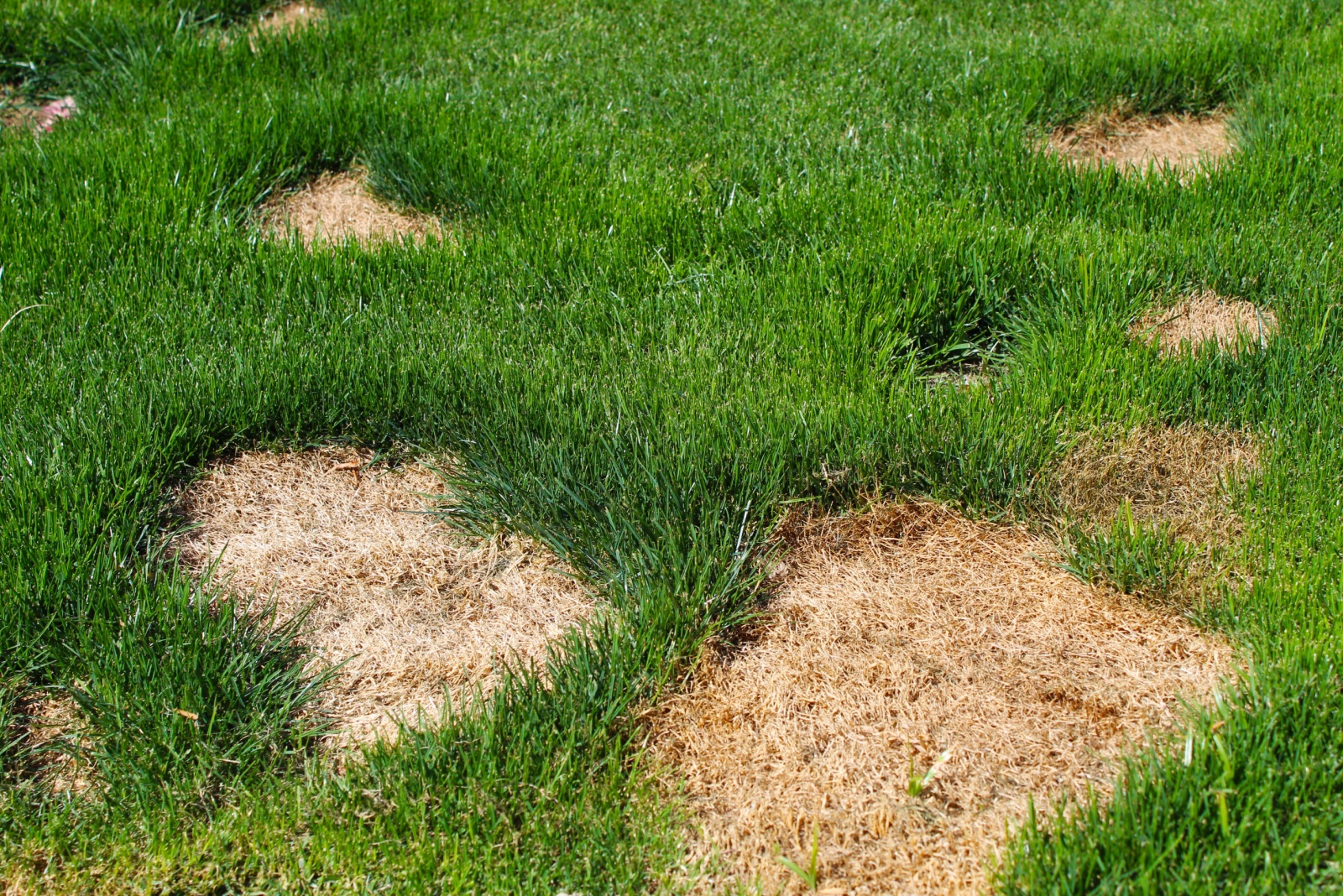
Winter lawn care in North Carolina doesn’t have to drain your wallet or rely on harsh chemicals you can’t even pronounce properly.
Baking soda sits in your pantry right now, waiting to transform your yard into something healthier, greener, and more beautiful than ever before.
This simple household product tackles moss, fungus, soil issues, and pests while keeping your family, pets, and environment completely safe from harmful toxins.
Let’s explore how this affordable powder can revolutionize your winter lawn care routine and give you the lush grass you’ve always wanted.
1. Controls Moss Growth Naturally

Moss loves the damp, shady spots in North Carolina yards during winter months when moisture levels stay consistently high throughout the season.
Baking soda raises the pH level in those problem areas, creating conditions where moss simply cannot thrive or spread across your beautiful lawn.
Sprinkle a light coating directly onto mossy patches early in the morning when dew makes the surface slightly wet for better adhesion.
Within days, you’ll notice the moss turning brown and drying out, making it easy to rake away without any strenuous physical effort required.
This method works especially well in North Carolina’s mild winter climate, where freezing temperatures don’t always occur every single night consistently.
Your grass will reclaim those bare spots quickly once the moss disappears, filling in naturally without needing expensive reseeding or professional lawn services.
Repeat applications every few weeks if moss keeps returning to those stubborn shady areas where sunlight rarely reaches during short winter days.
This approach costs pennies compared to commercial moss removers that contain chemicals you might not want near your children or beloved family pets.
2. Fights Fungal Infections Effectively
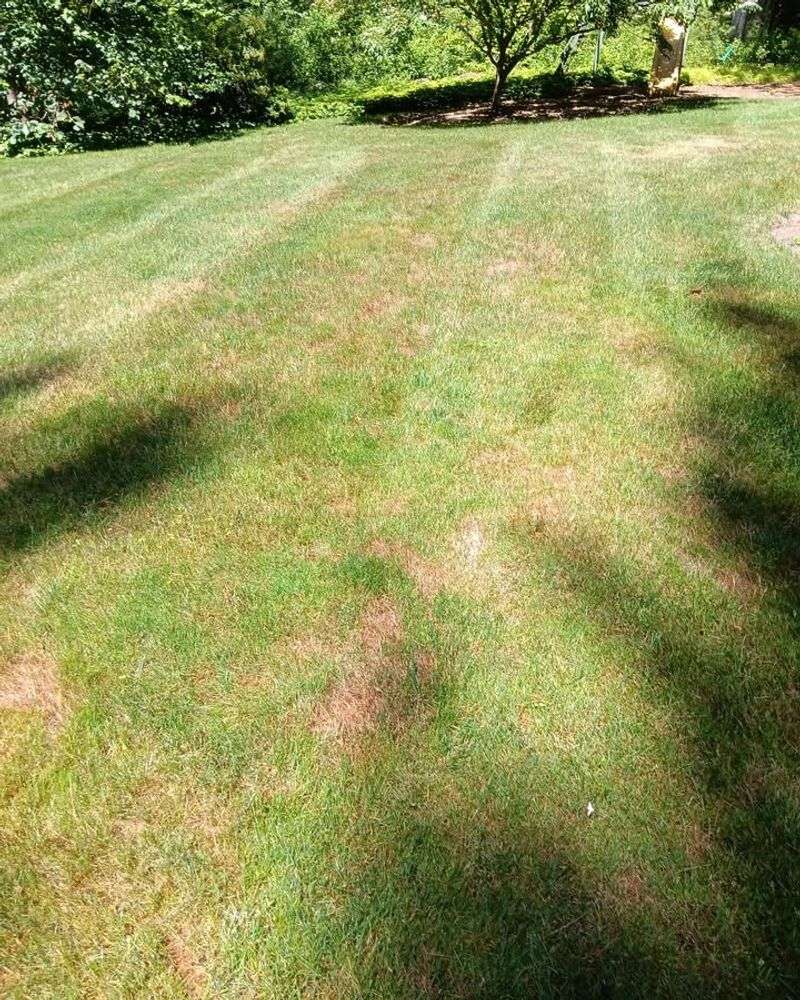
Fungal diseases attack lawns when winter humidity combines with cool temperatures, creating perfect conditions for spores to multiply and spread rapidly across yards.
Baking soda acts as a natural fungicide that disrupts the cell walls of fungi, preventing them from colonizing your grass and causing unsightly damage.
Mix three tablespoons with one gallon of water, then spray this solution directly onto affected areas where you notice discoloration or unusual growth.
Snow mold, dollar spot, and other common North Carolina lawn fungi respond remarkably well to regular baking soda treatments throughout the cold season.
The alkaline nature of sodium bicarbonate changes the surface pH temporarily, making it inhospitable for fungal spores trying to establish new colonies nearby.
Apply this treatment every two weeks during periods of high humidity or after heavy rainfall when fungal outbreaks tend to occur most frequently.
Your lawn will maintain its healthy green color instead of developing those embarrassing brown patches that make neighbors wonder about your yard care habits.
This preventive measure saves you from costly fungicide purchases and protects beneficial microorganisms that help your soil stay healthy and nutrient-rich naturally.
3. Neutralizes Acidic Soil Problems
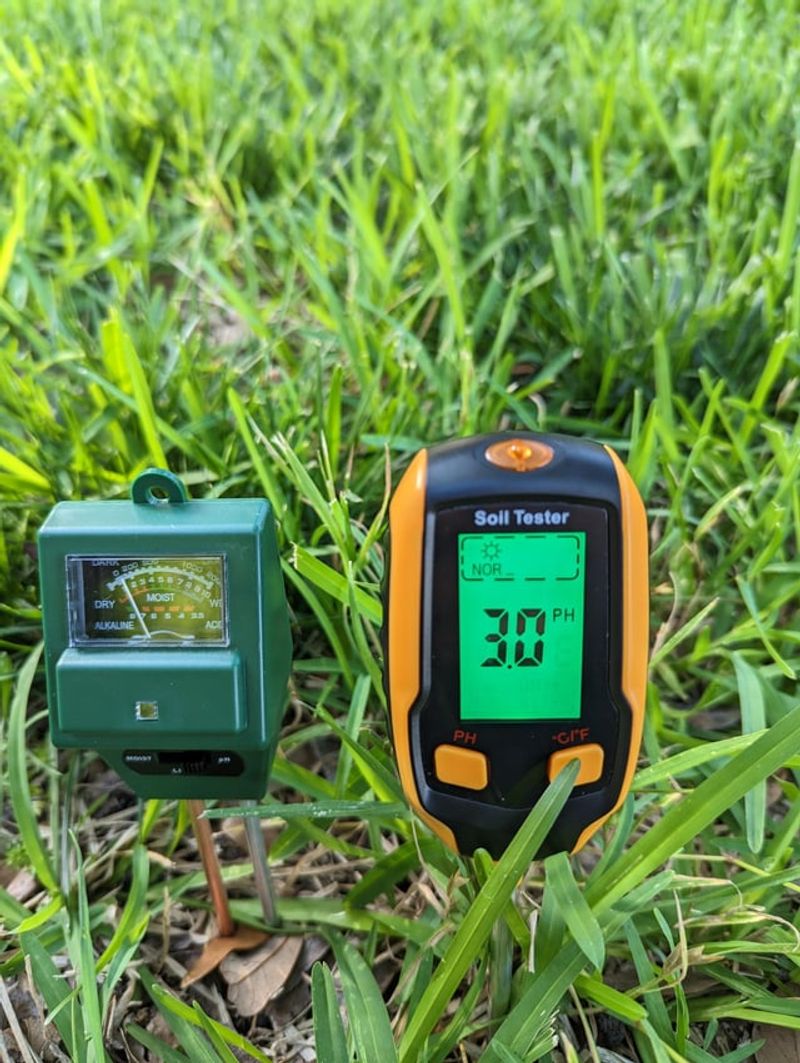
North Carolina soils often lean toward acidity due to heavy rainfall, decomposing pine needles, and natural geological factors affecting the entire southeastern region consistently.
Acidic conditions prevent grass roots from absorbing essential nutrients like nitrogen, phosphorus, and potassium, leading to weak growth and yellowing blade tips.
Baking soda gently raises soil pH when applied correctly, bringing those numbers closer to the neutral range where most grass varieties perform their absolute best.
Test your soil first using an inexpensive kit from any garden center to determine exactly how much pH adjustment your specific yard actually needs.
Spread a thin layer across problem areas, then water thoroughly to help the sodium bicarbonate penetrate down to where grass roots actually live.
Fescue, ryegrass, and other cool-season varieties popular in North Carolina appreciate slightly alkaline conditions that baking soda helps create during dormant winter months.
Avoid overdoing applications, since too much alkalinity can cause different problems, so always start with conservative amounts and monitor results carefully over time.
This gradual approach improves soil chemistry without shocking your lawn or creating imbalances that take months to correct with additional expensive soil amendments.
4. Deters Unwanted Pests Safely
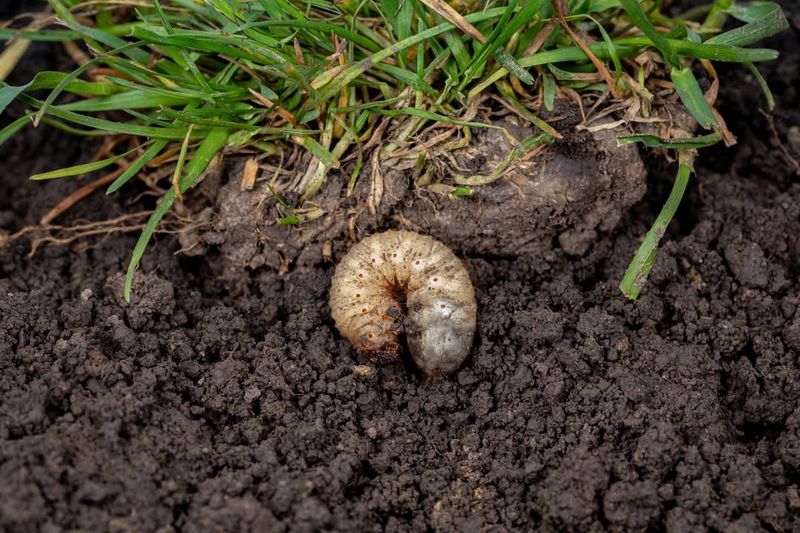
Winter doesn’t eliminate all lawn pests in North Carolina, as many insects and critters remain active during mild spells between cold weather fronts.
Baking soda creates an uncomfortable environment for soft-bodied pests like slugs, snails, and certain larvae that might munch on your dormant grass blades.
Sprinkle it around the perimeter of your lawn and in areas where you’ve noticed pest activity or damage to grass roots recently.
The abrasive texture and alkaline properties discourage pests from crossing treated zones, essentially creating natural barriers without toxic chemicals or dangerous synthetic pesticides.
Ants, which sometimes build unsightly mounds in lawns during warmer winter days, particularly dislike baking soda and will often relocate their colonies elsewhere quickly.
Reapply after heavy rains wash away the protective powder, especially following those intense winter storms that occasionally sweep through the Carolina region unpredictably.
Your pets can walk freely on treated areas without any risk of poisoning or skin irritation that chemical pest controls often cause unfortunately.
This peace of mind makes baking soda an ideal choice for families with young children who play outside whenever North Carolina’s mild winter weather permits.
5. Eliminates Dog Urine Spots
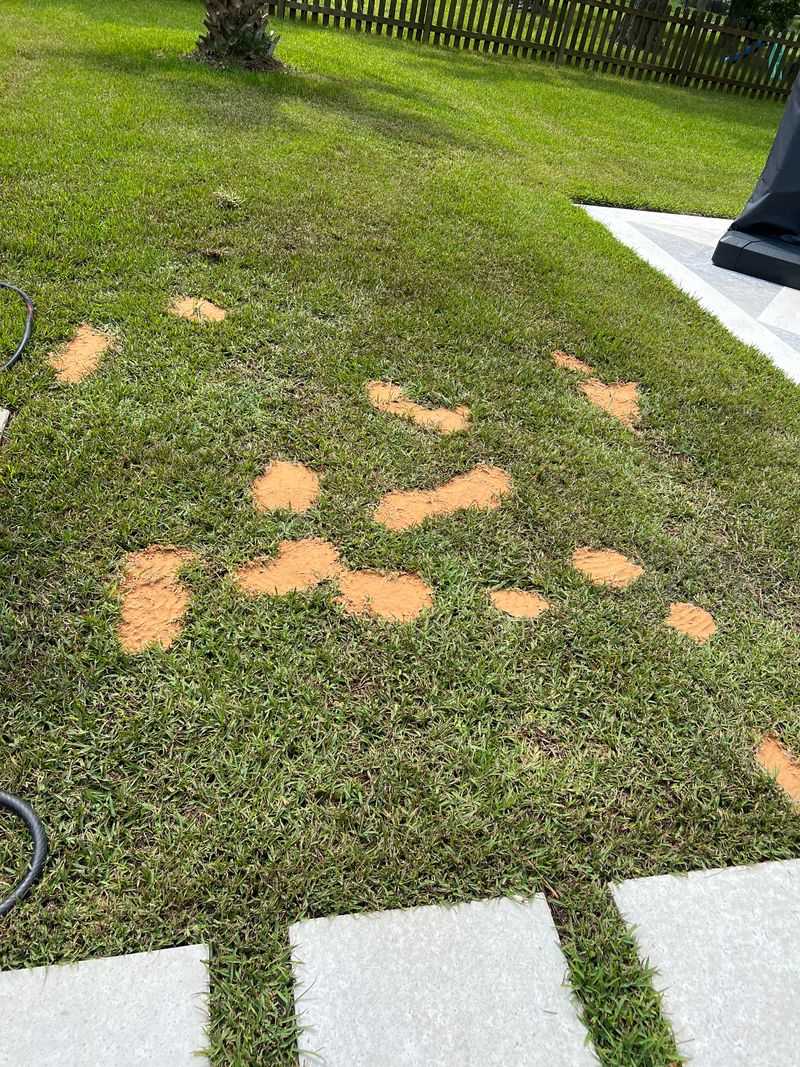
Dog urine creates concentrated nitrogen deposits that burn grass, leaving those telltale yellow or brown circles that every pet owner recognizes immediately with frustration.
Baking soda neutralizes the acidic compounds in urine while diluting the excess nitrogen that causes the burning effect on delicate grass blades below.
Sprinkle generous amounts directly onto fresh urine spots as soon as you notice them, then water the area thoroughly to help distribute everything evenly.
Winter applications work particularly well since grass grows slowly during cold months, giving treated areas time to recover before spring’s rapid growth period begins.
The sodium in baking soda helps displace some of the harmful salts from urine, reducing the osmotic stress that damages grass roots and crowns.
Your lawn will show fewer unsightly patches, maintaining a more uniform appearance even when your furry friend uses the yard as a bathroom regularly.
This treatment also helps reduce odors that might linger in your yard, making outdoor spaces more pleasant for family gatherings and neighborhood interactions alike.
Consistent use throughout winter prevents cumulative damage from building up, so your spring lawn emerges healthier and requires less repair work or reseeding effort.
6. Reduces Thatch Buildup Naturally
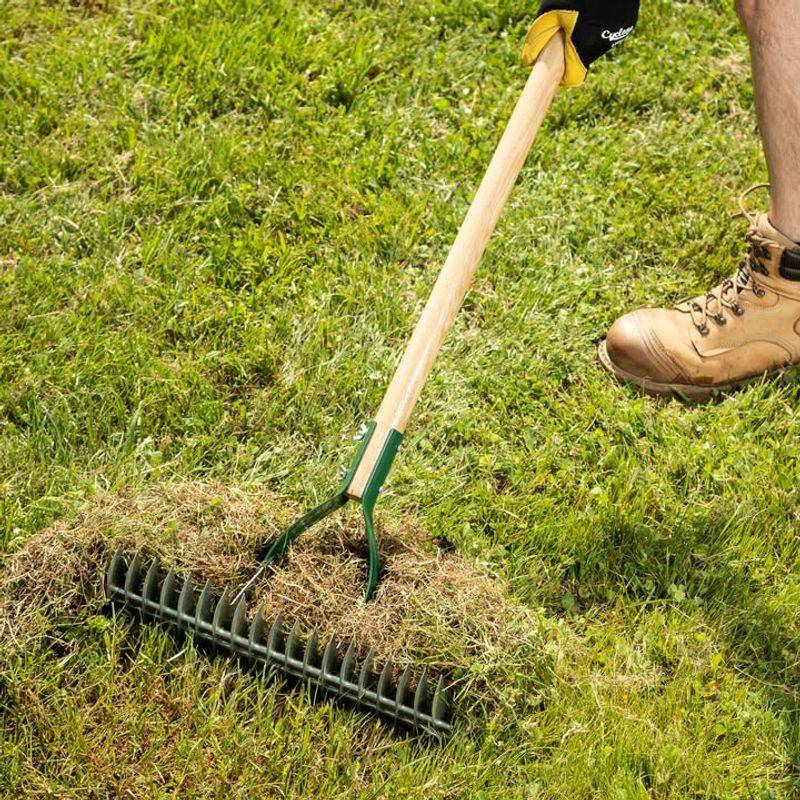
Thatch consists of deceased grass stems, roots, and organic debris that accumulate faster than microorganisms can break them down through natural decomposition processes.
Excessive thatch prevents water, air, and nutrients from reaching grass roots, essentially suffocating your lawn and creating conditions where diseases thrive uncontrollably.
Baking soda helps accelerate the breakdown of organic matter by creating a more favorable environment for beneficial bacteria and fungi that decompose thatch layers.
Apply a light dusting across your entire lawn, then rake vigorously to work the powder down into the thatch layer where it contacts decomposing material.
Winter applications give microorganisms several months to work on breaking down accumulated debris before spring growth demands maximum nutrient availability for greening up.
North Carolina’s relatively mild winters keep soil microbes somewhat active, unlike northern states where everything freezes solid and biological activity stops completely for months.
You’ll notice improved water penetration and healthier grass color as roots gain better access to moisture and nutrients trapped above the thatch barrier.
This preventive maintenance reduces the need for aggressive dethatching with power rakes, which can damage grass and create bare spots requiring extensive repair.
7. Cleans Up Winter Salt Damage
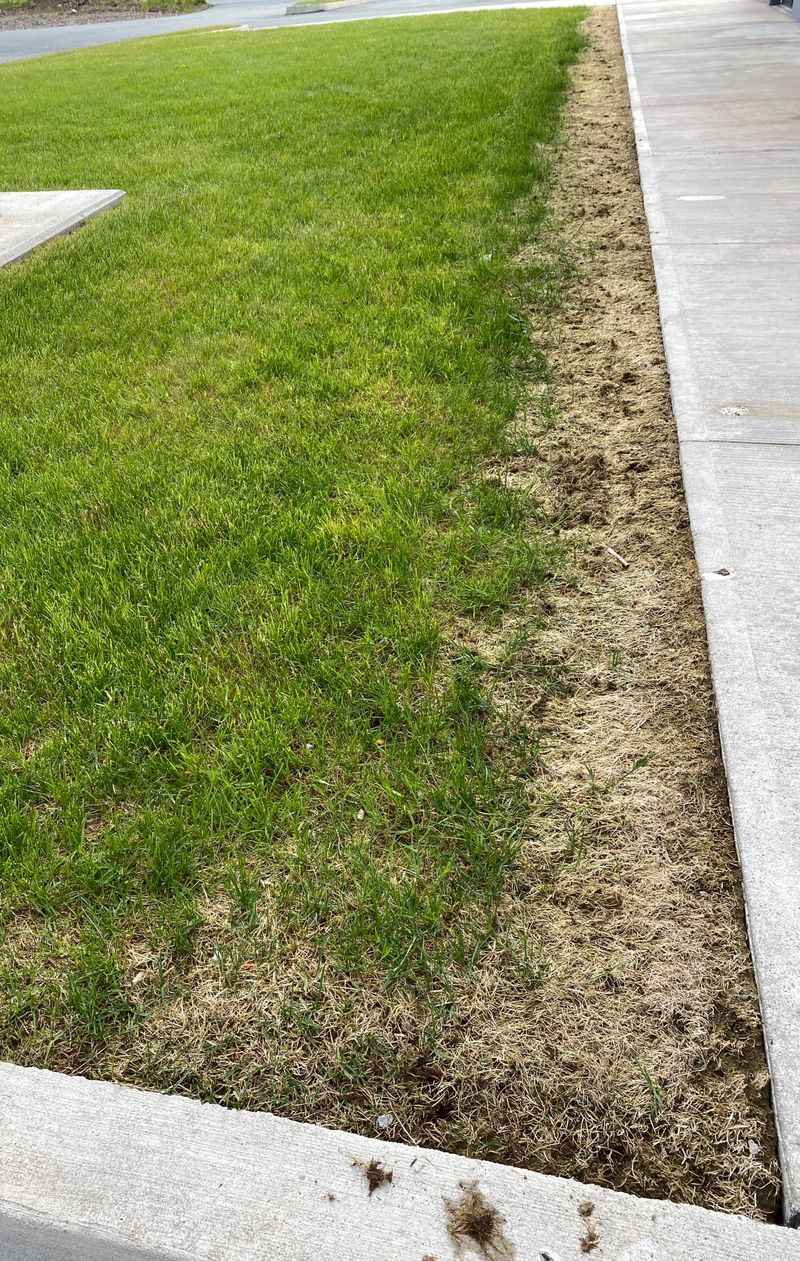
Road crews occasionally spread salt on North Carolina streets during ice events, and this salt inevitably gets tracked or splashed onto lawn edges nearby.
Salt accumulation raises soil salinity to toxic levels, drawing moisture out of grass roots through osmosis and causing brown, crispy patches along driveways.
Baking soda doesn’t remove salt directly, but it helps buffer the soil chemistry and reduces some of the osmotic stress that salt damage creates.
Flush affected areas with plenty of water first to leach away excess salt, then apply baking soda to help restore more balanced soil conditions.
The sodium bicarbonate helps displace some harmful sodium chloride ions, making them less available to damage grass roots trying to survive winter dormancy periods.
Edges near sidewalks and driveways show the most improvement since these areas receive the heaviest salt exposure during winter weather events that require treatment.
Your grass will green up faster in spring when soil chemistry stays more balanced throughout winter, rather than becoming increasingly toxic with each ice storm.
This recovery assistance prevents permanent damage that would otherwise require complete sod replacement or extensive reseeding of affected strips along hardscaped areas surrounding properties.
8. Improves Water Penetration
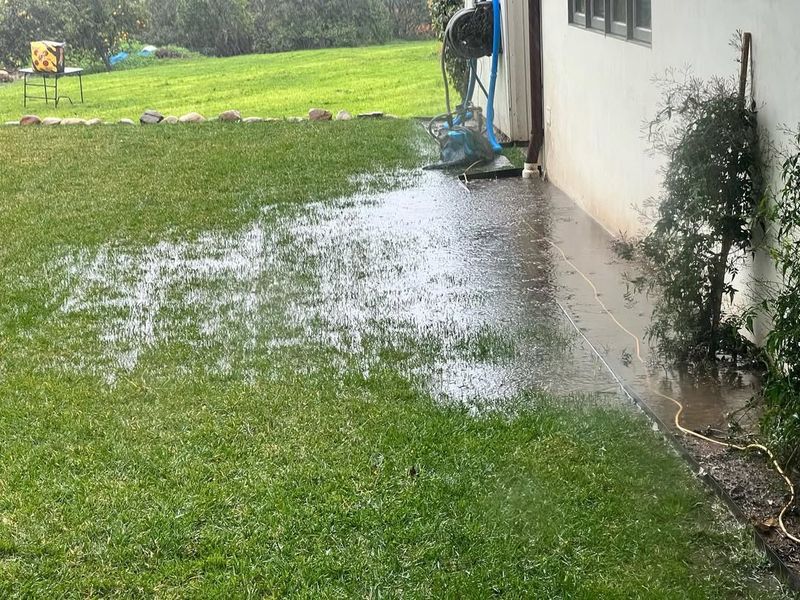
Compacted soil develops naturally over time from foot traffic, lawn equipment, and North Carolina’s clay-heavy soils that pack down tightly when wet repeatedly.
Poor water penetration leads to runoff, puddles, and uneven moisture distribution that leaves some grass roots drowning while others suffer from drought stress.
Baking soda helps break up surface tension and improves soil structure slightly by interacting with clay particles and organic matter in complex ways.
Sprinkle it across areas where water tends to pool or run off instead of soaking in, particularly on slopes or compacted pathways through yards.
The improved infiltration means your grass roots receive more consistent moisture from winter rains, rather than watching precious water wash away uselessly down gutters.
Better water distribution promotes stronger root systems that anchor grass more firmly and help it withstand summer heat stress when warm weather finally returns.
North Carolina lawns benefit especially from this treatment since winter rainfall provides most of the year’s moisture in many parts of the state’s diverse regions.
Maximizing absorption during rainy months means grass enters spring with deep, extensive root networks ready to support vigorous growth and lush green color naturally.
9. Freshens Up Lawn Odors
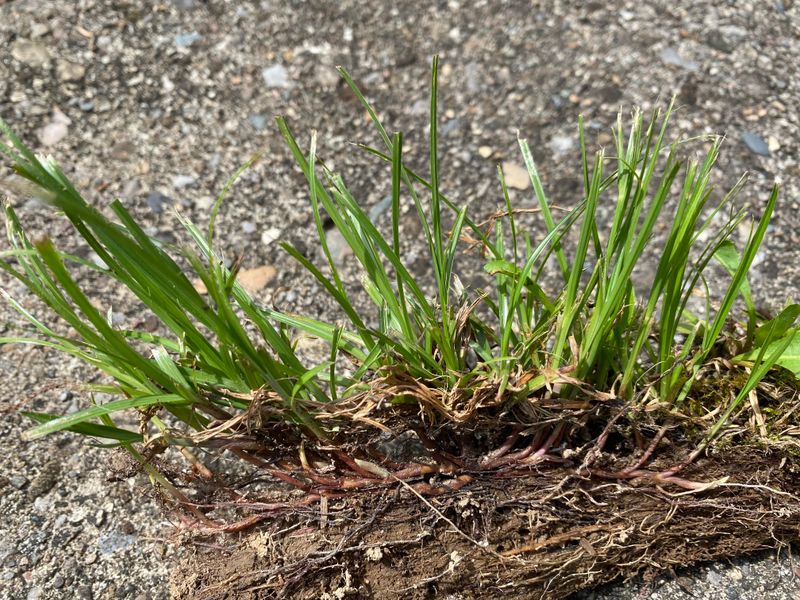
Decomposing leaves, pet waste, and organic debris can create unpleasant smells that linger in your yard during damp North Carolina winter weather conditions.
Baking soda naturally absorbs and neutralizes odors rather than just masking them with artificial fragrances that fade quickly after a few hours.
Broadcast it liberally across problem areas where smells seem strongest, especially after your dog uses the yard or when wet leaves have sat too long.
The powder works by chemically neutralizing acidic and basic odor molecules, rendering them odorless instead of simply covering them up temporarily with stronger scents.
Your outdoor living spaces become more inviting for winter activities like bonfires, outdoor dining, or simply enjoying mild days when temperatures allow comfortable time outside.
Neighbors appreciate the fresher environment too, especially in densely populated areas where yards sit close together and odors travel easily between adjacent properties.
Reapply after rainfall since water washes away the baking soda along with the odors it has already neutralized, requiring fresh applications for continued effectiveness.
This natural deodorizing approach avoids synthetic fragrances and chemicals that might irritate sensitive noses or cause allergic reactions in family members or visitors frequently.
10. Prepares Lawn For Spring Growth
Winter lawn care sets the foundation for spring performance, and baking soda treatments throughout cold months create optimal conditions for explosive spring growth.
By addressing pH imbalances, fungal issues, and soil compaction during dormancy, you give grass roots everything they need to thrive when temperatures rise.
Your lawn will green up faster and more uniformly compared to untreated yards that struggle with lingering winter damage and poor soil chemistry.
The improved soil conditions allow fertilizers applied in early spring to work more effectively since nutrients become more available in balanced pH environments.
North Carolina’s variable spring weather, with alternating warm and cool periods, demands strong grass that can handle temperature fluctuations without becoming stressed or diseased.
Baking soda treatments create resilient turf that shrugs off late frosts, sudden heat spells, and the disease pressure that often accompanies humid spring conditions.
You’ll spend less time and money on spring repairs, reseeding, and problem-solving when winter preparation includes regular baking soda applications throughout dormant months.
Neighbors will wonder how your lawn looks so much better than theirs, never suspecting that a simple pantry ingredient made all the difference consistently.
11. Saves Money On Lawn Care
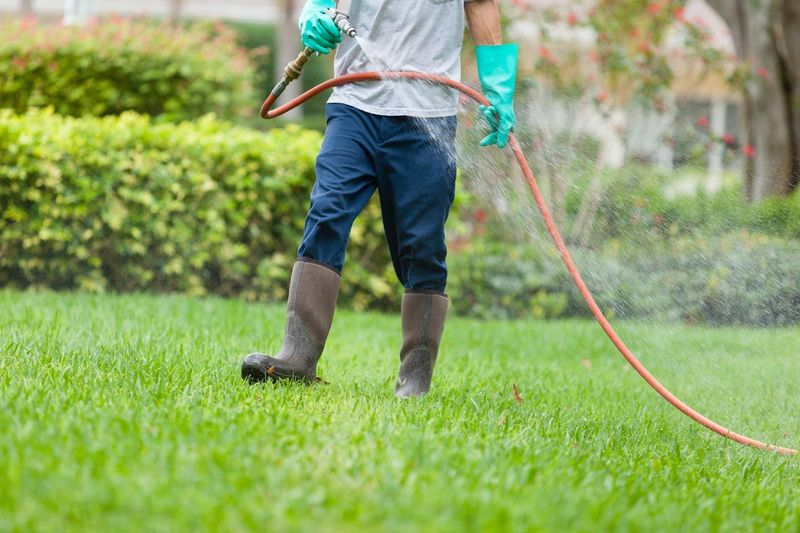
Professional lawn treatments and specialty products drain household budgets quickly, especially when multiple applications become necessary throughout the year to maintain decent results.
A single box of baking soda costs just a few dollars and treats your entire lawn multiple times, delivering impressive results without breaking the bank.
Compare this to commercial fungicides, pH adjusters, pest controls, and moss removers that each cost twenty dollars or more per bottle with limited coverage.
The versatility of baking soda means one product handles multiple lawn problems, eliminating the need to purchase separate solutions for each specific issue.
North Carolina homeowners can redirect savings toward other landscape improvements, family activities, or simply pad their savings accounts for future needs and unexpected expenses.
DIY lawn care with baking soda gives you control over what goes on your property without relying on expensive service contracts or chemical applications.
Your wallet stays fuller while your lawn looks better, proving that effective yard care doesn’t require premium prices or complicated chemical formulations whatsoever.
This affordable approach makes beautiful lawns accessible to everyone regardless of income level, democratizing lawn care in ways that benefit entire neighborhoods and communities broadly.