9 Reasons Too Much Sun Is Stressing Southern California Gardens
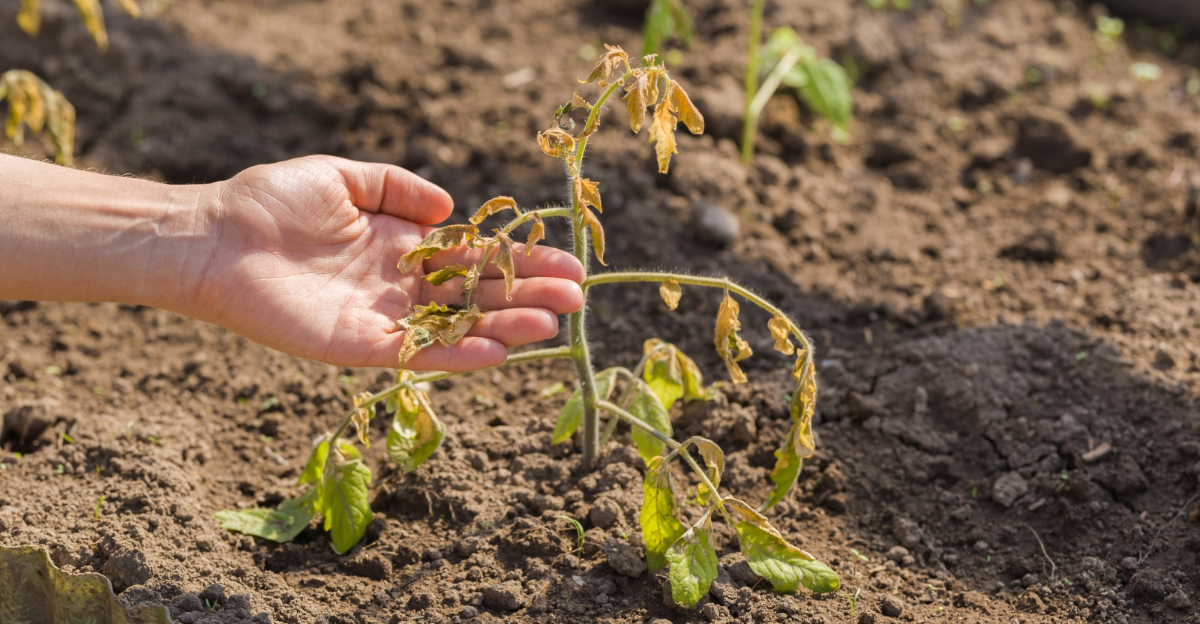
Southern California gardens often look like they should thrive in endless sunshine, yet many plants quietly struggle under the intensity.
What feels like perfect growing weather can actually overwhelm leaves, roots, and soil once exposure becomes constant. The damage builds slowly, which is why it’s so often overlooked.
Sun stress doesn’t always show up as dramatic wilting or burned foliage right away.
Instead, growth stalls, color fades, and plants stop responding the way gardeners expect them to.
In Southern California, light intensity, reflected heat, and dry air combine in ways that push plants beyond their limits.
Extra watering feels like the obvious fix, but moisture alone can’t counter nonstop solar pressure. Without some form of relief, plants continue losing energy faster than they can recover.
Many gardeners misread these signals and start adjusting fertilizer or soil instead of addressing sun exposure itself.
Once sunlight becomes the focus, the pattern suddenly makes sense.
These reasons explain why too much sun is quietly stressing Southern California gardens even when everything else seems right.
1. Extended Sun Exposure Is Drying Soil Faster Than Expected
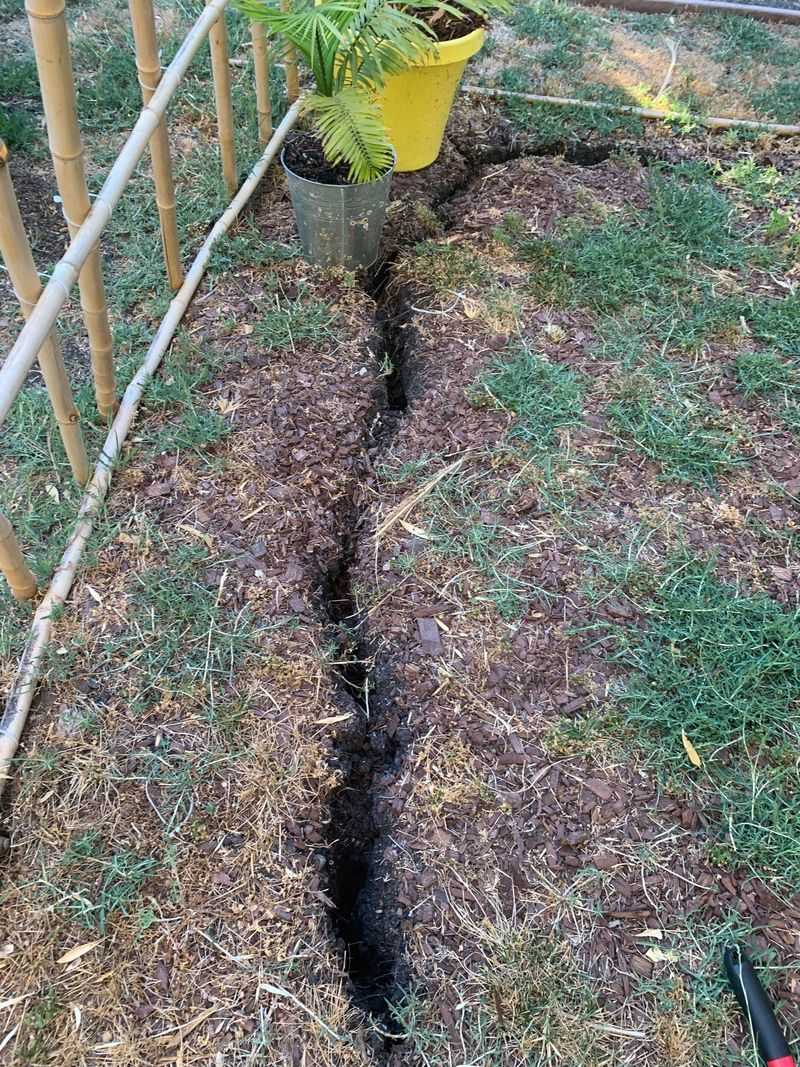
Many gardeners across Southern California notice their soil turning bone-dry much quicker than it used to just a few years back.
Long hours of direct sunshine pull moisture from the ground at surprising speeds, leaving roots thirsty before the next scheduled watering arrives.
Clay soils crack open while sandy types become dusty and loose, making it hard for plants to grab the water they desperately need.
Soil that dries out rapidly loses its ability to hold nutrients properly. Minerals wash away or become locked up in ways plant roots cannot access.
This creates a double problem where gardens face both water shortage and food scarcity at the same time.
Gardeners in places like Los Angeles and San Diego report checking their beds twice daily during peak summer just to keep up. Mulching helps slow down moisture loss by creating a protective barrier over the soil surface.
Organic materials like wood chips or shredded bark work best because they also break down over time and improve soil structure.
Adding compost regularly builds up the soil’s water-holding capacity. Richer soil with more organic matter acts like a sponge, storing moisture longer between waterings.
Testing your soil every season helps you understand what amendments might help it stay hydrated under California’s relentless sun.
Drip irrigation systems deliver water directly to root zones and reduce surface evaporation.
Smart timers adjust watering schedules based on weather conditions, preventing waste while keeping plants properly hydrated. Even small changes to watering methods make noticeable differences in how long soil stays moist throughout intense sunny days.
2. Heat Reflection From Hardscapes Is Intensifying Stress
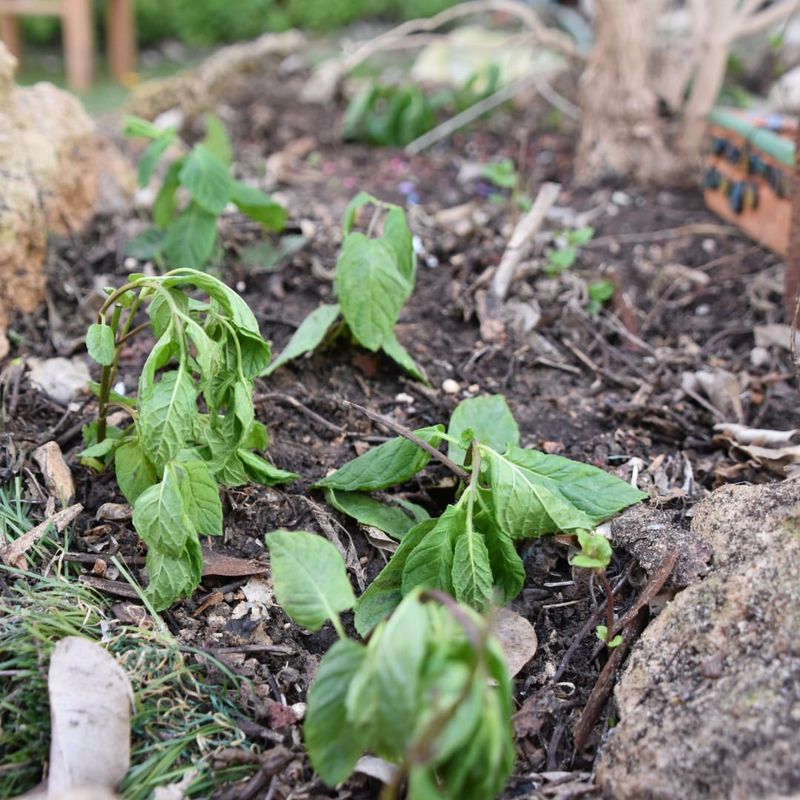
Concrete driveways, stone pathways, and stucco walls bounce sunlight back onto nearby plants with surprising force.
This reflected heat adds extra temperature pressure that many garden designs never anticipated. Plants positioned next to these hard surfaces experience conditions far hotter than those growing just a few feet away in open ground.
Surface temperatures on pavement can climb 40 degrees higher than the surrounding air temperature on sunny California afternoons.
That radiant heat bakes plant leaves from multiple directions at once, overwhelming their natural cooling systems. Foliage starts showing brown edges and wilted stems even when soil moisture seems adequate.
Homeowners throughout Orange County and the Inland Empire struggle with this reflected heat problem around patios and walkways.
Light-colored hardscapes reflect less heat than dark materials, but even pale concrete still bounces considerable warmth onto garden beds. Strategic placement of shade structures or taller plants can block some of this reflected energy.
Installing permeable pavers instead of solid concrete allows some heat to dissipate into the ground below. Gaps between pavers also permit water infiltration, which cools surrounding areas through evaporation.
Painting south-facing walls with heat-reflective coatings reduces the amount of warmth bouncing into garden spaces.
Creating buffer zones with heat-tolerant groundcovers between hardscapes and sensitive plants provides protection.
These tough plants absorb reflected heat that would otherwise stress more delicate specimens.
Rethinking landscape design with heat reflection in mind prevents many sun-related problems before they start.
3. Afternoon Sun Is Hitting Plants At Their Weakest Point
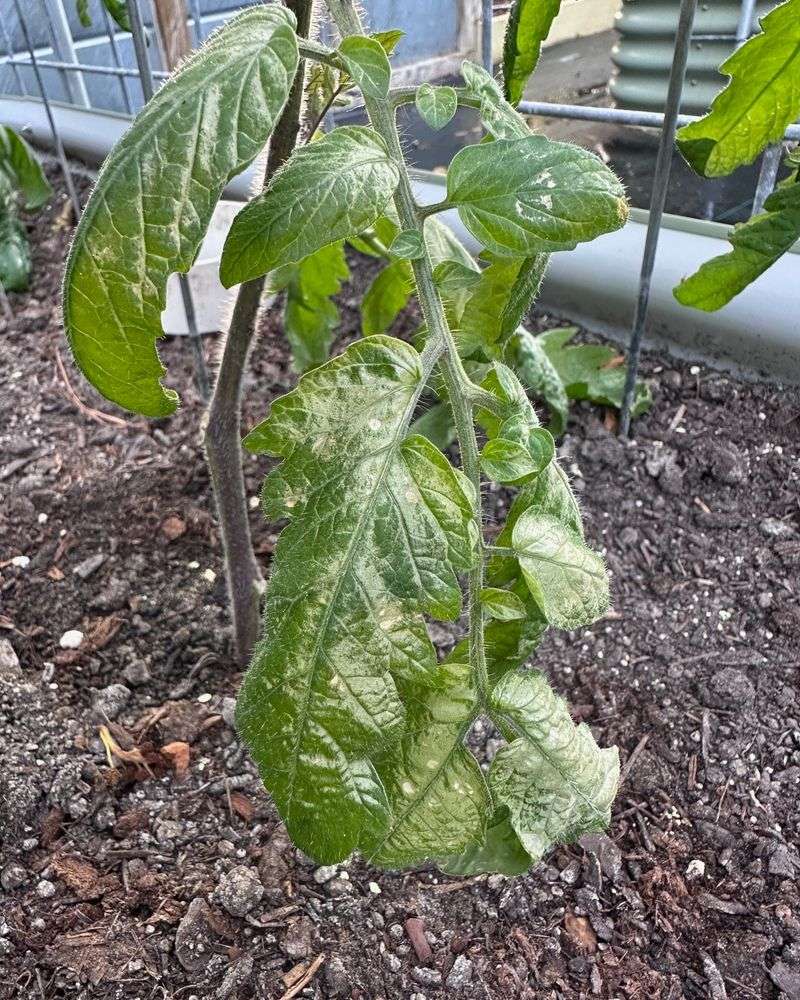
Plants spend their morning hours building energy through photosynthesis, but by midday they start running low on resources.
Afternoon sunshine arrives right when leaves have already worked hard for hours and water reserves begin dropping.
This timing creates maximum vulnerability because plants face their strongest sun exposure exactly when they have the least ability to cope with it.
Stomata, the tiny pores on leaf surfaces, start closing during hot afternoons to prevent excessive water loss.
Once these pores shut down, photosynthesis slows dramatically and plants essentially go into survival mode. Growth stops, and all energy goes toward simply enduring the heat until temperatures drop again.
Gardeners across Ventura County and Riverside notice their plants looking most stressed between 2 and 5 in the afternoon.
Western-facing garden beds take the hardest hit because they receive direct sun during these critical hours.
Even plants rated as full-sun varieties can struggle when afternoon rays combine with already-depleted moisture levels.
Providing temporary shade during peak afternoon hours gives plants a chance to recover.
Simple shade cloth supported on stakes blocks enough light to reduce stress without eliminating photosynthesis completely. Positioning taller plants on the west side of garden beds creates natural afternoon shade for smaller neighbors.
Timing your watering for early morning ensures plants enter the afternoon with full water reserves. Wet soil and hydrated leaves handle intense sun far better than dry, stressed tissue.
Avoiding afternoon watering prevents rapid evaporation and gives plants the moisture they need when they need it most.
4. Shallow Roots Are Overheating In Exposed Beds
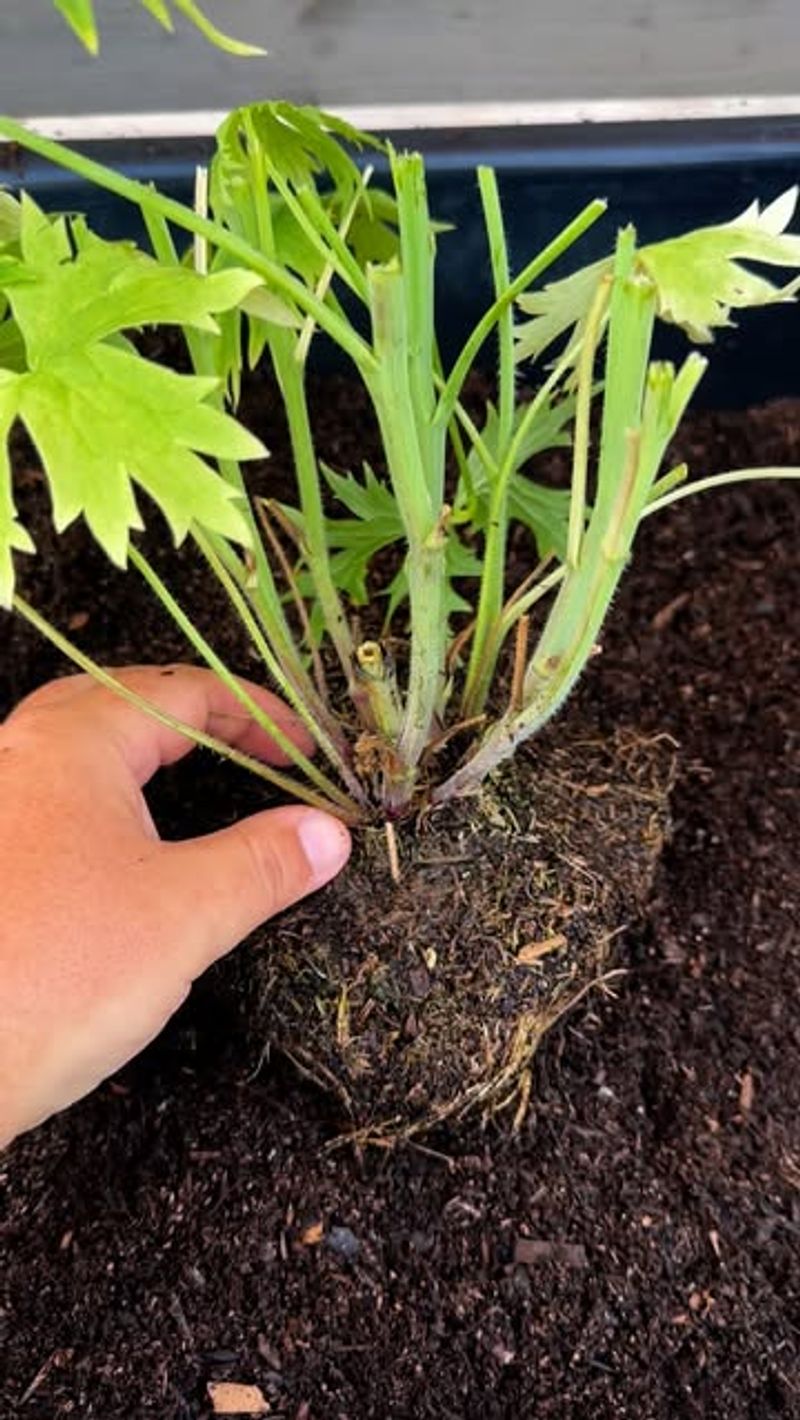
Root systems near the soil surface face temperature extremes that deeper roots never experience.
Surface soil in exposed California gardens can reach temperatures that damage delicate root hairs and slow nutrient absorption. Many popular garden plants develop shallow root systems that make them particularly vulnerable to this heat buildup.
Roots function best within a specific temperature range, usually between 60 and 80 degrees. When soil temperatures climb into the 90s or higher, root activity slows dramatically and can even stop completely.
Plants with compromised root systems cannot pull up enough water or nutrients, leading to visible stress above ground.
Landscape professionals throughout San Bernardino County report seeing more shallow-root damage during recent summers.
Annual flowers and vegetables suffer most because they lack the deep taproots that help trees and shrubs access cooler, deeper soil layers. Container plants face even worse conditions since their entire root systems sit in soil that heats up rapidly.
Mulch acts as insulation that keeps soil temperatures more stable throughout the day. A three-to-four-inch layer of organic mulch can reduce soil surface temperatures by 10 to 15 degrees.
This cooling effect protects shallow roots from temperature spikes that occur during peak sun exposure.
Choosing plants with naturally deeper root systems improves heat tolerance in sunny California gardens. Native plants evolved to handle local conditions and typically develop root structures suited to the climate.
Encouraging deeper rooting through proper watering techniques also helps plants access cooler soil zones during hot weather.
5. Watering Schedules Aren’t Matching Sun Intensity
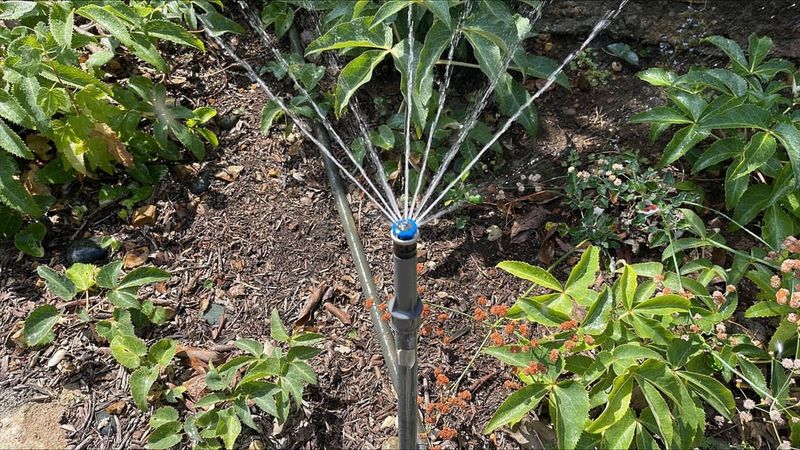
Traditional watering routines established years ago no longer match the increased sun intensity many California gardens now experience.
Fixed schedules that worked perfectly in the past leave plants thirsty as sunshine grows stronger and lasts longer. Gardens need flexible watering approaches that respond to actual conditions rather than following outdated calendars.
Plants use significantly more water during intense sun exposure compared to cloudy or mild days. A watering schedule that provides adequate moisture during normal weather falls short when sunshine intensifies.
Leaves wilt and growth slows because roots cannot pull up enough water to replace what the sun draws out.
Homeowners throughout Santa Barbara and Kern County discover their usual watering routines no longer keep gardens healthy. Some weeks require extra watering sessions while others need less, depending on sun intensity and temperature patterns.
Rigid schedules cannot adapt to these changing conditions without human intervention or smart technology.
Installing moisture sensors in garden beds provides real-time information about when plants actually need water.
These devices measure soil dampness at root level rather than guessing based on calendar dates. Watering only when sensors indicate dry conditions saves water while ensuring plants never go thirsty.
Adjusting irrigation duration rather than frequency often works better during high-sun periods.
Longer watering sessions allow moisture to penetrate deeper into the soil where roots can access it later. Shallow, frequent watering encourages roots to stay near the surface where they face more heat stress and dry out faster.
6. Leaf Scorch Appears Before Other Warning Signs
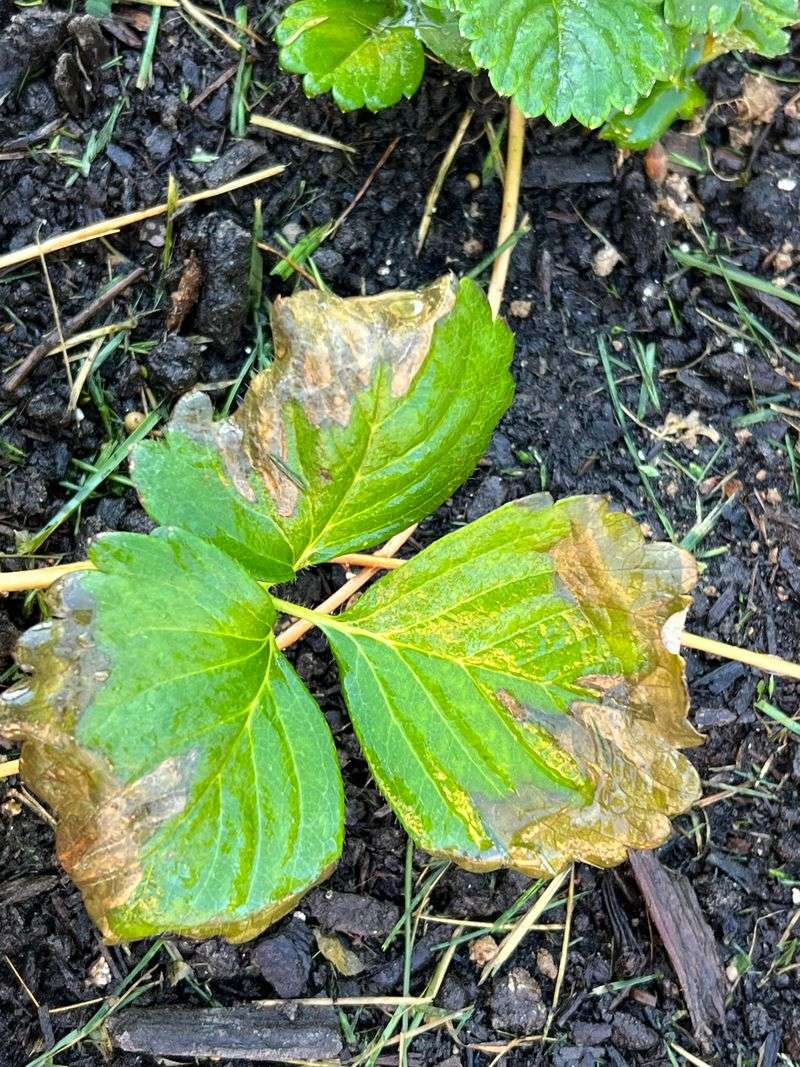
Brown, crispy leaf edges often show up before gardeners notice any other signs that their plants are struggling with too much sun. This scorching happens when leaves lose moisture faster than roots can replace it, causing tissue to dry out and turn brown.
By the time scorch becomes visible, plants have already been stressed for days or even weeks.
Leaf scorch typically starts at the tips and edges where tissue is thinnest and most exposed. These areas have the longest distance from the main veins that carry water, making them first to suffer when moisture runs short.
Scorch spreads inward as stress continues, eventually affecting entire leaves if conditions do not improve.
Gardeners across Los Angeles County often mistake early leaf scorch for nutrient deficiency or disease.
The browning looks similar to other problems, leading to incorrect treatments that do not address the real issue.
Understanding that scorch indicates sun and water stress helps gardeners respond with appropriate solutions.
Once leaf tissue turns brown and crispy, it cannot recover or turn green again. Removing badly scorched leaves helps plants redirect energy toward healthy growth instead of supporting damaged tissue.
However, cutting off too many leaves at once can stress plants further, so gradual removal works best.
Preventing scorch requires addressing both water availability and sun exposure. Increasing watering frequency during hot, sunny periods keeps leaves hydrated enough to resist scorching.
Adding afternoon shade or moving potted plants to less intense locations reduces the sun pressure that causes moisture loss in the first place.
7. Young And Newly Planted Gardens Struggle The Most
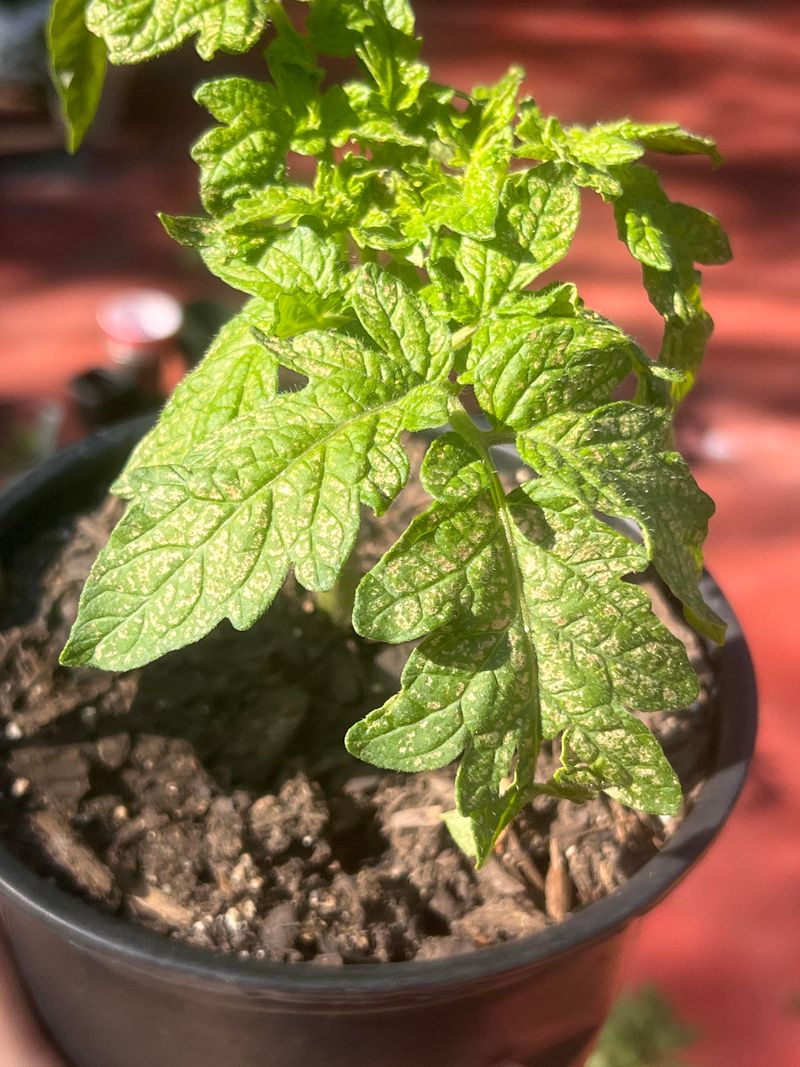
Freshly installed plants lack the established root systems that help mature gardens handle intense California sunshine.
New transplants spend their first weeks or months developing roots rather than building strong stems and leaves.
During this vulnerable establishment period, even brief exposure to excessive sun can set back growth or cause lasting damage.
Seedlings and young plants have smaller root systems that cannot reach deep soil moisture. They depend entirely on surface soil staying consistently damp, which is exactly where sun exposure causes the fastest drying.
This creates a difficult situation where the plants most sensitive to drought face the conditions most likely to cause it.
Nursery professionals throughout San Diego County recommend extra care for new plantings during their first summer.
Transplant shock already stresses plants, and adding intense sun exposure compounds the problem. Many young plants show wilting, yellowing, or stunted growth when they face more sun than their limited roots can support.
Providing temporary shade for new plantings helps them establish without fighting extreme sun stress. Shade cloth, umbrellas, or even cardboard boxes positioned carefully can reduce light intensity during the hottest parts of the day.
This protection should stay in place for at least the first few weeks after planting.
Watering new plants more frequently than established ones compensates for their limited root reach. Checking soil moisture daily ensures young roots never dry out completely during their critical establishment phase.
Gradual acclimation to full sun works better than exposing tender plants to maximum intensity right from the start.
8. Containers Heat Up Faster Than In-Ground Beds
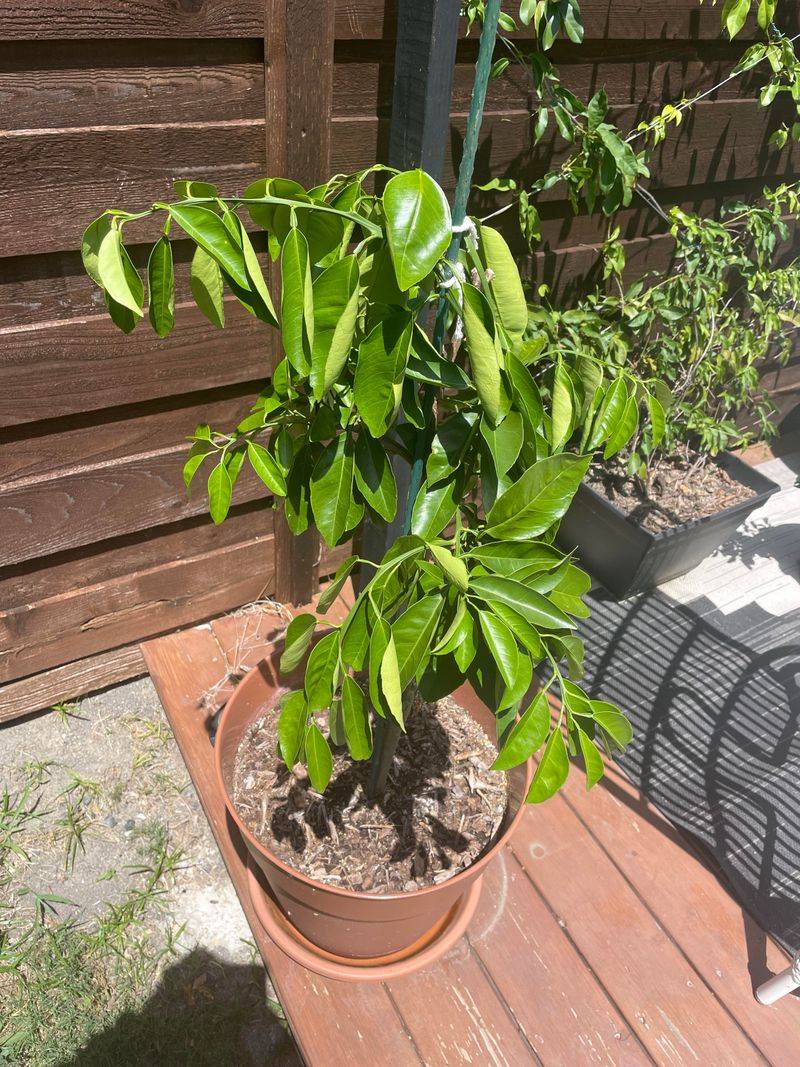
Potted plants face unique challenges because their roots sit in isolated soil masses completely surrounded by air and sun.
Container walls absorb heat throughout the day, transferring that warmth directly into the soil inside.
This creates an oven effect where root temperatures climb much higher than in-ground plants experience, even when both receive identical sun exposure.
Dark-colored pots intensify this heating problem by absorbing more solar radiation than light-colored containers. Black plastic pots sitting in full California sun can reach surface temperatures hot enough to cause burns.
The soil inside these containers often exceeds 100 degrees, well above the range where roots function properly.
Container gardeners throughout Fresno and Sacramento struggle to keep potted plants healthy during intense sun periods.
Roots growing along container edges suffer the most damage because they press directly against heated pot walls. Center roots stay slightly cooler but still experience higher temperatures than in-ground plants.
Choosing light-colored containers made from insulating materials reduces heat absorption. Clay pots breathe better than plastic and allow some cooling through evaporation, though they also dry out faster.
Double-potting, where you place a smaller pot inside a larger one with an air gap between, creates insulation that protects roots from extreme temperatures.
Moving containers to locations that receive afternoon shade prevents the hottest part of the day from baking pot walls.
Grouping containers together creates mutual shading that reduces individual pot heating. Elevating containers on pot feet improves air circulation underneath, allowing heat to dissipate instead of building up against the bottom surface.
9. Lack Of Shade Is Limiting Recovery After Hot Days
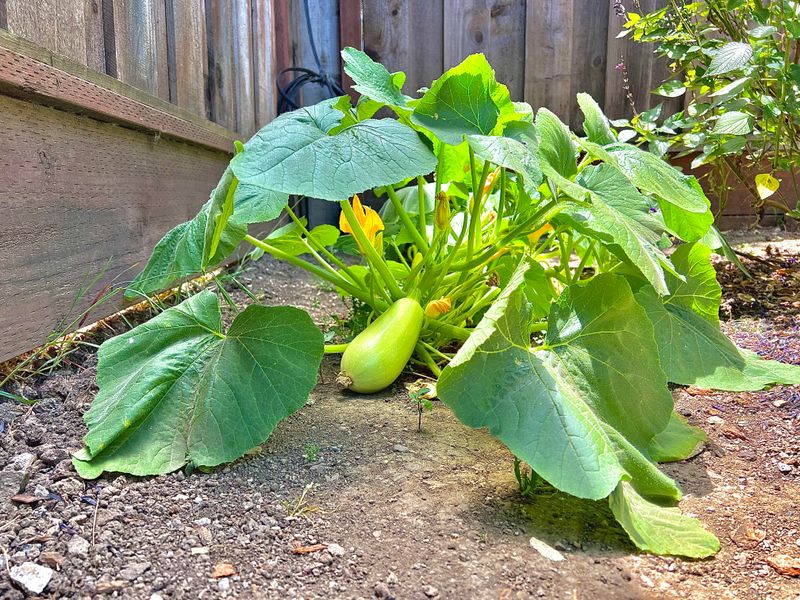
Plants need recovery time after enduring hours of intense sunshine, but gardens without any shade never get that crucial break.
Continuous sun exposure from dawn until dusk prevents plants from cooling down and repairing damage caused by heat and light stress. This relentless pressure wears down even tough plants over time, leaving them increasingly vulnerable to problems.
Evening and early morning hours offer milder conditions that allow plants to rehydrate and restore energy reserves.
Shade during part of the day extends these recovery periods, giving plants more time to bounce back. Gardens with no shade at all face maximum sun exposure throughout every daylight hour, never allowing plants a chance to rest.
Landscape designers working in Imperial County and other hot California regions emphasize the importance of incorporating shade elements. Strategic tree placement, pergolas, or shade structures create protected zones where plants can recover.
Even a few hours of shade during the hottest part of the day significantly improves plant resilience.
Shade also reduces overall garden temperatures, creating cooler microclimates that benefit all nearby plants. Soil under shade stays more consistently moist and cooler than fully exposed areas.
This temperature moderation helps roots function better and supports healthier overall plant growth.
Adding shade does not mean eliminating sun entirely, which many plants need for flowering and fruiting. Dappled shade from trees or partial shade structures provides protection while still allowing enough light for photosynthesis.
Balancing sun and shade creates garden conditions where plants can thrive rather than merely survive California’s intense sunshine.