8 Reasons Virginia Gardeners Should Check Whether Plants Need Full Sun Or Partial Shade
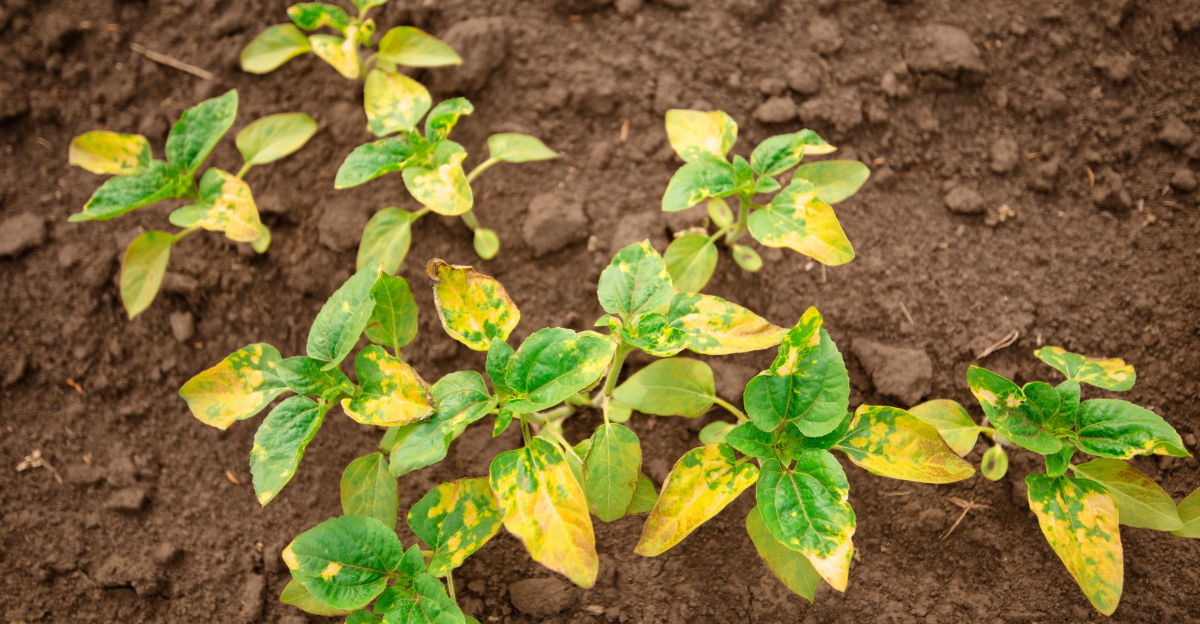
Virginia gardeners often think they’ve figured sunlight out, only to watch healthy plants stall, fade, or refuse to bloom for reasons that don’t make sense at first.
The confusion usually starts when “full sun” on a tag doesn’t behave like full sun in a real Virginia yard.
Light shifts constantly here as trees leaf out, humidity thickens the air, and summer angles change faster than expected.
Plants react to those changes in subtle ways that are easy to miss early on. A spot that worked in spring can quietly become too intense or too dim by midsummer.
That mismatch shows up slowly, not dramatically, which is why it’s so often misdiagnosed.
Gardeners end up adjusting water or fertilizer instead of questioning sunlight itself.
Once light exposure is checked more carefully, many long-running plant problems suddenly have a clear explanation.
1. Sun Exposure Directly Affects Flower And Fruit Production
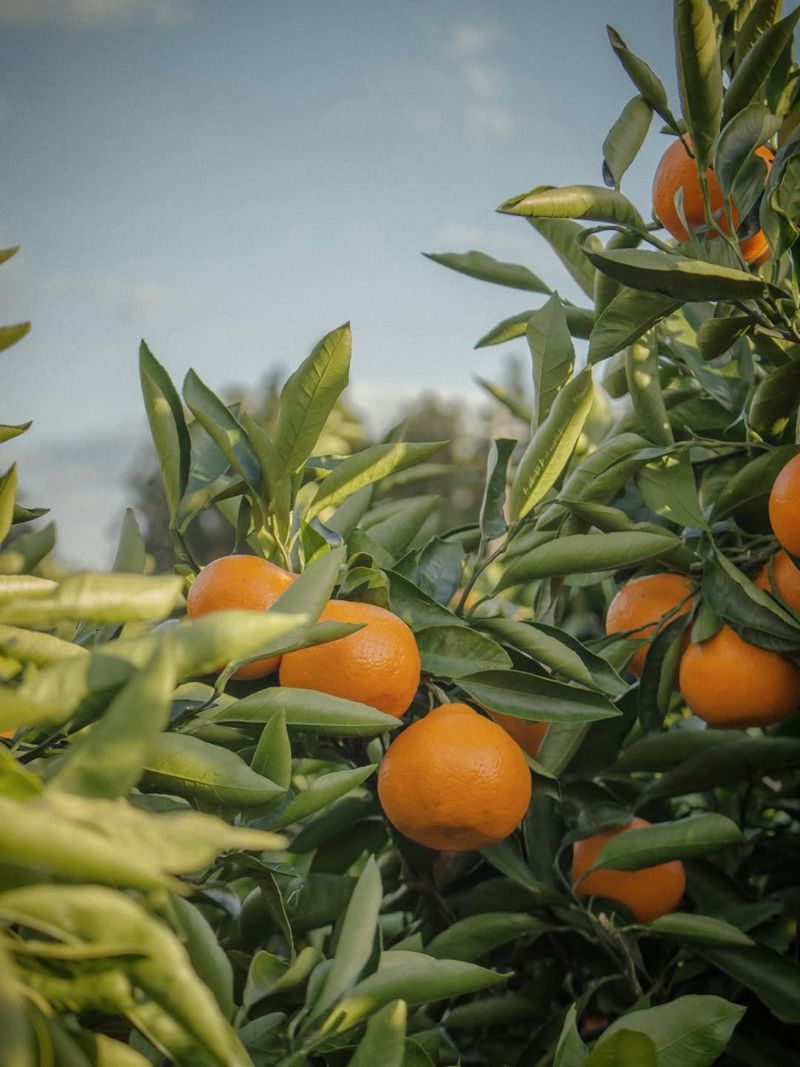
Plants rely on sunlight to create energy through photosynthesis, and this process fuels everything from root development to bloom production.
When your tomatoes or zinnias get the right amount of light, they can manufacture enough sugars and starches to support heavy flowering and fruiting.
Too little sun means weak energy production, which translates to fewer blooms and smaller harvests.
Virginia gardeners often notice that peppers planted in a shady corner produce only a handful of fruits compared to those basking in full sun.
Light intensity matters just as much as duration. Six hours of bright, direct sun delivers far more energy than six hours of dappled light filtered through tree branches.
Fruit-bearing plants like strawberries and blueberries need strong light to develop sugars that make their berries sweet and flavorful.
Insufficient sun can leave you with bland, undersized fruit that never reaches its full potential. Even ornamental flowers like roses and sunflowers depend on intense light to produce the vibrant colors and abundant blooms gardeners love.
Understanding your plant’s light requirements helps you position it where it can perform at its best. A sun-loving plant stuck in shade will stretch toward light, becoming leggy and weak.
Matching light needs to your garden’s conditions sets the stage for a productive, colorful growing season across Virginia’s diverse landscapes.
2. Virginia Summers Can Be Too Intense For Some Full-Sun Plants
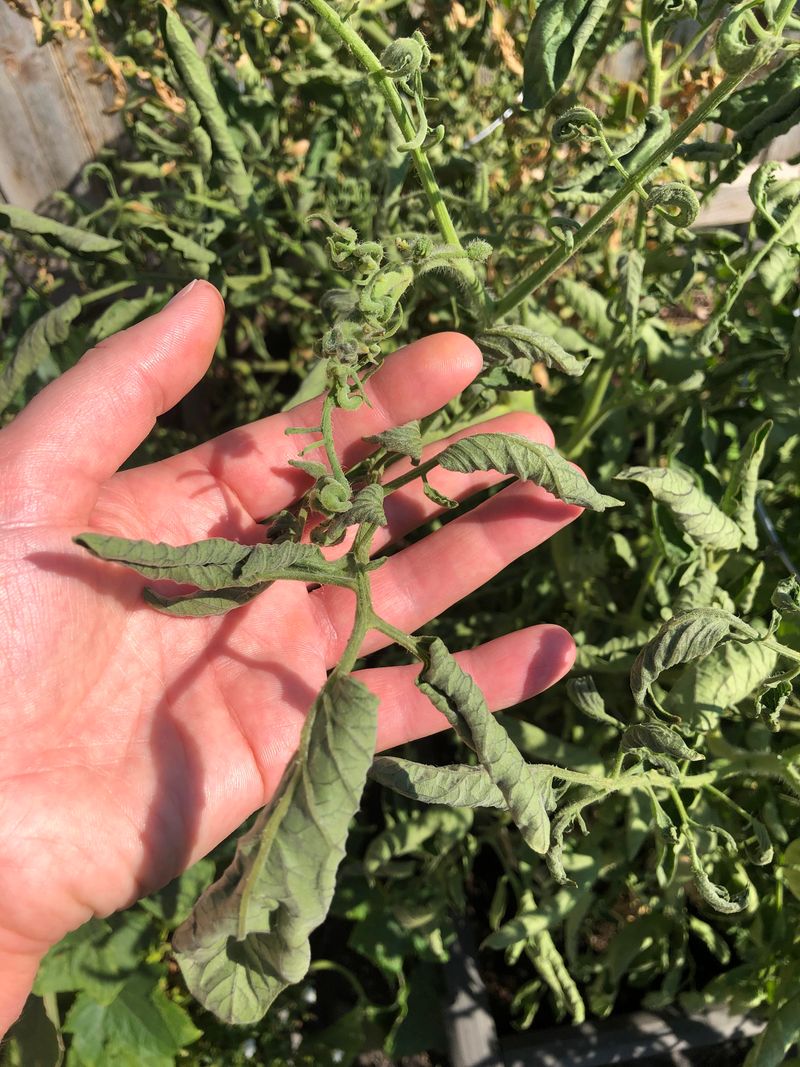
High temperatures combined with relentless sunshine can overwhelm plants that thrive in cooler climates or milder conditions.
Many gardeners assume full-sun labels mean a plant can handle any amount of light, but that’s not always true in Virginia’s sweltering July and August heat.
Lettuce, spinach, and other cool-season greens wilt quickly when exposed to the state’s intense midday rays.
Even some perennials labeled as full-sun plants struggle when temperatures soar above 90 degrees for days on end. Hostas, astilbes, and certain varieties of hydrangeas perform better with afternoon shade that shields them from the harshest part of the day.
Virginia’s humidity adds another layer of stress, making plants work harder to cool themselves through transpiration.
Gardeners in Richmond, Charlottesville, and other central Virginia areas often find that morning sun paired with afternoon shade offers the perfect compromise.
This arrangement gives plants the bright light they need for energy without subjecting them to punishing heat. Container gardens on patios and decks can be moved to shadier spots during heat waves, offering flexibility that in-ground beds don’t provide.
Recognizing that full sun in Virginia differs from full sun in Vermont or Oregon helps you make smarter planting decisions.
Adjusting expectations based on your local climate keeps plants comfortable and prevents the stress that leads to poor performance and increased vulnerability to pests and disease.
3. Morning Sun And Afternoon Shade Change Plant Performance
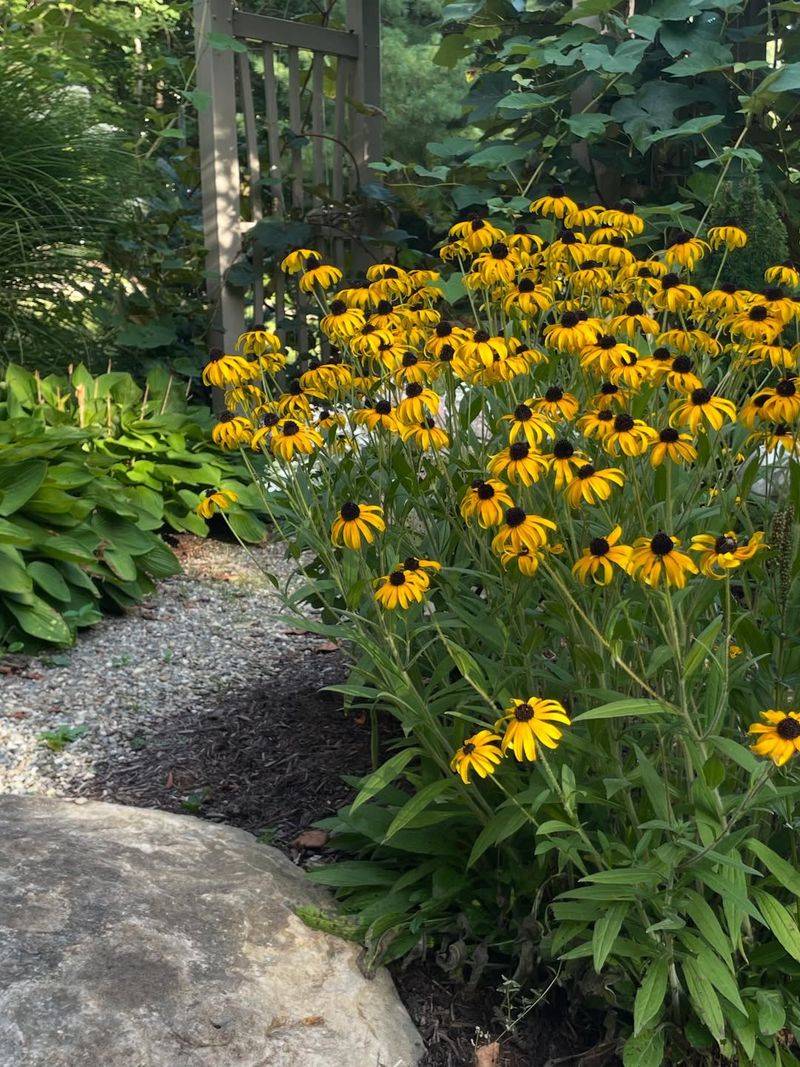
Light quality and intensity shift dramatically throughout the day, and plants respond differently to morning versus afternoon sun.
Morning light tends to be cooler and gentler, giving plants a chance to photosynthesize without the stress of peak heat.
Afternoon sun in Virginia can be brutal, especially from June through September when temperatures climb and humidity hangs heavy in the air.
Plants like impatiens, begonias, and coleus thrive when they receive bright morning light followed by shade during the hottest hours.
This pattern mimics the conditions of their native habitats, where forest canopies filter harsh afternoon rays. Vegetables such as lettuce and broccoli also benefit from this arrangement, extending their productive season before bolting in the heat.
Gardeners who plan their layouts with sun patterns in mind can create microclimates that suit a wider variety of plants.
Placing a shade-loving fern on the east side of a fence or building gives it morning sun and afternoon protection.
Meanwhile, sun-hungry crops like tomatoes and squash perform best on the south or west side where they soak up maximum light all day.
Observing how sunlight moves across your yard throughout the day helps you make strategic planting choices. Virginia’s landscapes offer plenty of opportunities to work with natural shade from trees, structures, and terrain, allowing you to match each plant’s preferences with precision and care.
4. Leaf Burn Often Comes From Too Much Direct Sun
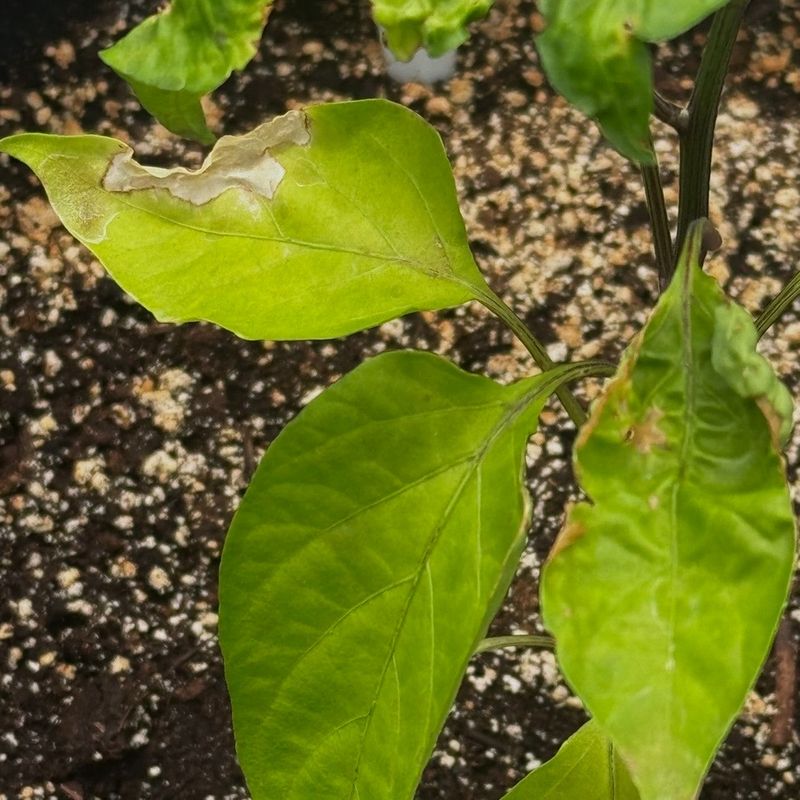
Scorched, brown-edged leaves are a common sight in Virginia gardens when plants get more sun than they can handle.
Leaf burn happens when intense light and heat overwhelm a plant’s ability to cool itself, causing tissue damage that shows up as crispy, discolored patches.
Once leaves are burned, they can’t recover, and the plant must divert energy to grow new foliage instead of focusing on flowers or fruit.
Shade-loving plants like ferns, hostas, and heucheras are especially prone to this problem when planted in spots that receive full afternoon sun. Their leaves are thinner and more delicate, lacking the protective waxy coatings that sun-loving species use to reflect light and retain moisture.
Even a few hours of intense exposure can leave them looking ragged and stressed.
Virginia’s summer sun can be relentless, and plants that might tolerate full sun in cooler regions often struggle here. Hydrangeas, for example, bloom beautifully with morning sun but develop scorched leaves when hit by afternoon rays day after day.
Adjusting their placement or providing temporary shade during heat waves can prevent this damage.
Monitoring your plants for early signs of stress helps you intervene before serious harm occurs. Yellowing leaf edges, faded colors, or wilting during the day even when soil is moist all signal that a plant might need less light.
Moving containers or adding shade cloth offers quick relief and keeps your garden looking lush and healthy.
5. Shade Impacts Soil Moisture And Root Health
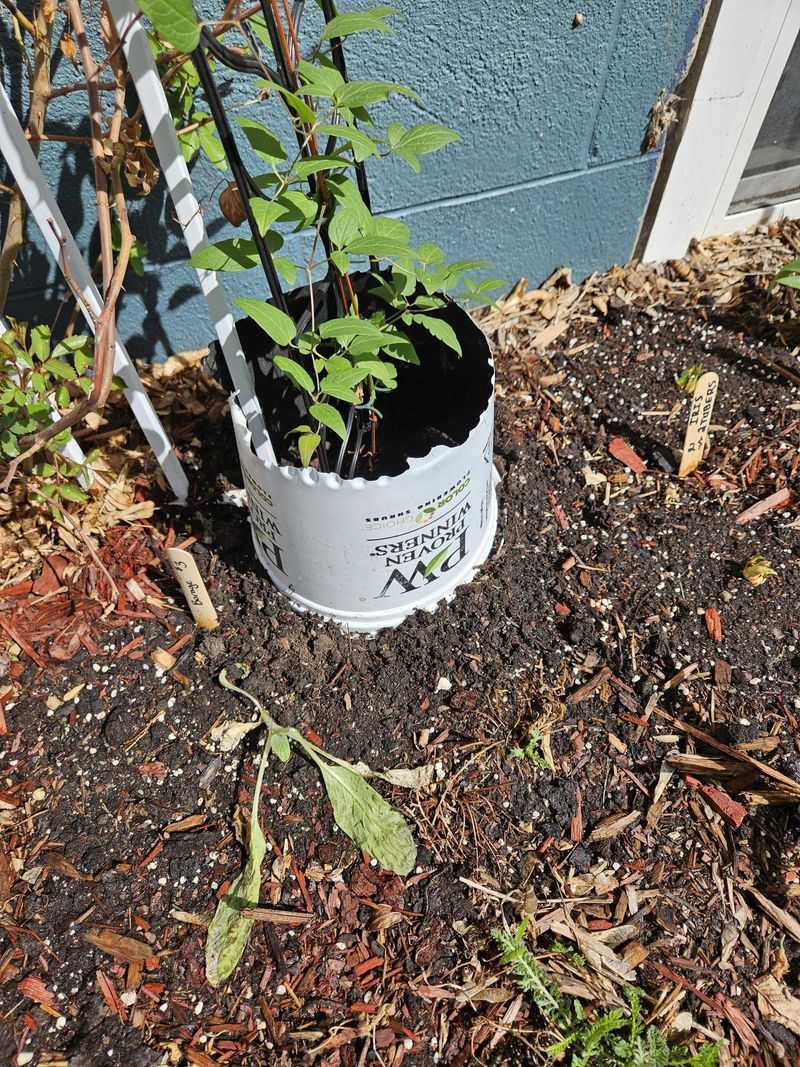
Sunlight doesn’t just affect leaves and flowers—it also influences what happens below ground.
Shaded soil stays cooler and retains moisture longer than soil baked by full sun, which can be a blessing or a challenge depending on your plants.
Virginia’s clay-heavy soils already hold water well, and too much shade can create soggy conditions that suffocate roots and encourage fungal diseases.
Plants that prefer full sun often have root systems adapted to drier, warmer soil. When placed in shade, their roots sit in moisture longer than they should, leading to rot and poor nutrient uptake.
Conversely, shade-loving plants have roots designed to thrive in cooler, more consistently moist environments, making them perfect for Virginia’s shadier garden spots.
Gardeners who understand this connection can avoid common pitfalls like planting sun-lovers in damp, shaded areas or placing moisture-sensitive species under dense tree canopies.
Observing how quickly soil dries after rain or watering gives you clues about light levels and drainage. Sunny spots dry out fast, requiring more frequent watering, while shaded areas may need less irrigation but better drainage amendments.
Root health determines a plant’s ability to absorb water and nutrients, anchor itself, and support vigorous growth above ground.
Matching light conditions to a plant’s moisture preferences creates a balanced environment where roots can thrive, leading to stronger, more resilient plants that better withstand Virginia’s variable weather and seasonal challenges.
6. Humidity Makes Sun Stress Worse In Virginia Gardens
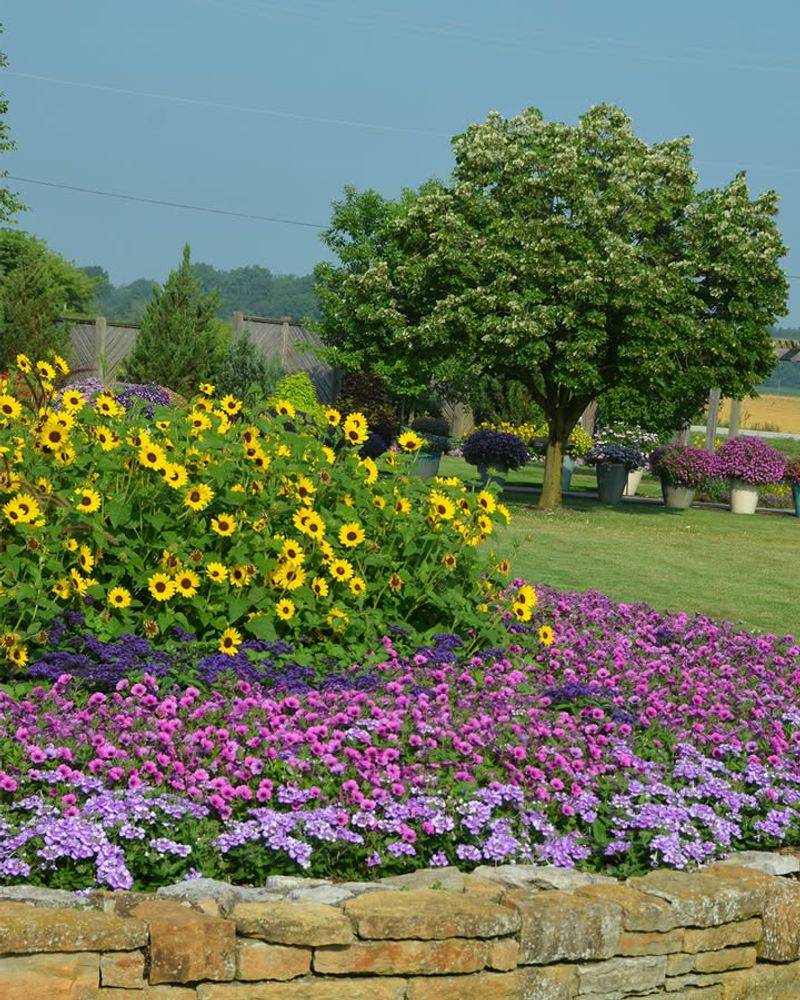
Virginia’s thick, humid air during summer months adds an extra layer of difficulty for plants trying to cope with intense sunlight. High humidity reduces a plant’s ability to cool itself through transpiration, the process where water evaporates from leaf surfaces and carries away excess heat.
When the air is already saturated with moisture, this cooling mechanism slows down, leaving plants vulnerable to heat stress even in conditions they’d normally tolerate.
Gardeners in Norfolk, Virginia Beach, and other coastal areas experience this challenge acutely, as sea breezes bring both moisture and warmth.
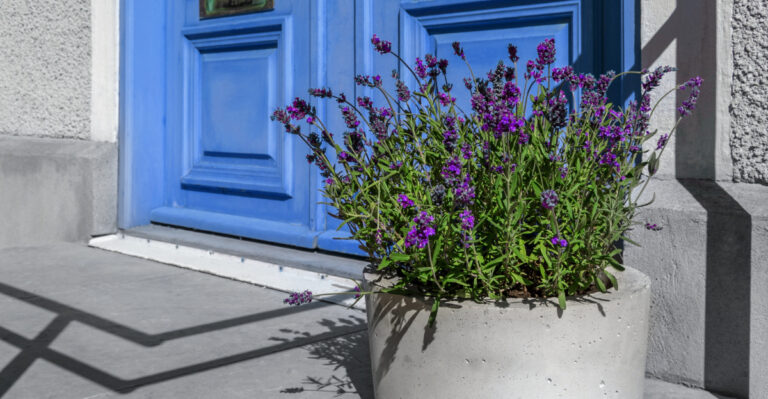
Plants that thrive in dry, sunny climates like lavender and rosemary often struggle here, developing fungal issues alongside heat stress.
Pairing full-sun plants with good air circulation and afternoon shade helps compensate for the humidity factor.
Shade provides relief not just from direct sun but also from the compounding effects of heat and moisture. Plants in partial shade can transpire more effectively, maintaining healthier temperatures and avoiding the wilting and leaf damage that come with prolonged stress.
This is especially important for vegetables and annuals that need consistent conditions to produce well throughout the growing season.
Recognizing how humidity interacts with light helps you create a more comfortable environment for your plants.
Strategic placement, mulching to keep roots cool, and choosing varieties adapted to humid climates all work together to reduce stress and improve overall garden performance across Virginia’s varied regions.
7. Seasonal Sun Angles Shift More Than Gardeners Expect
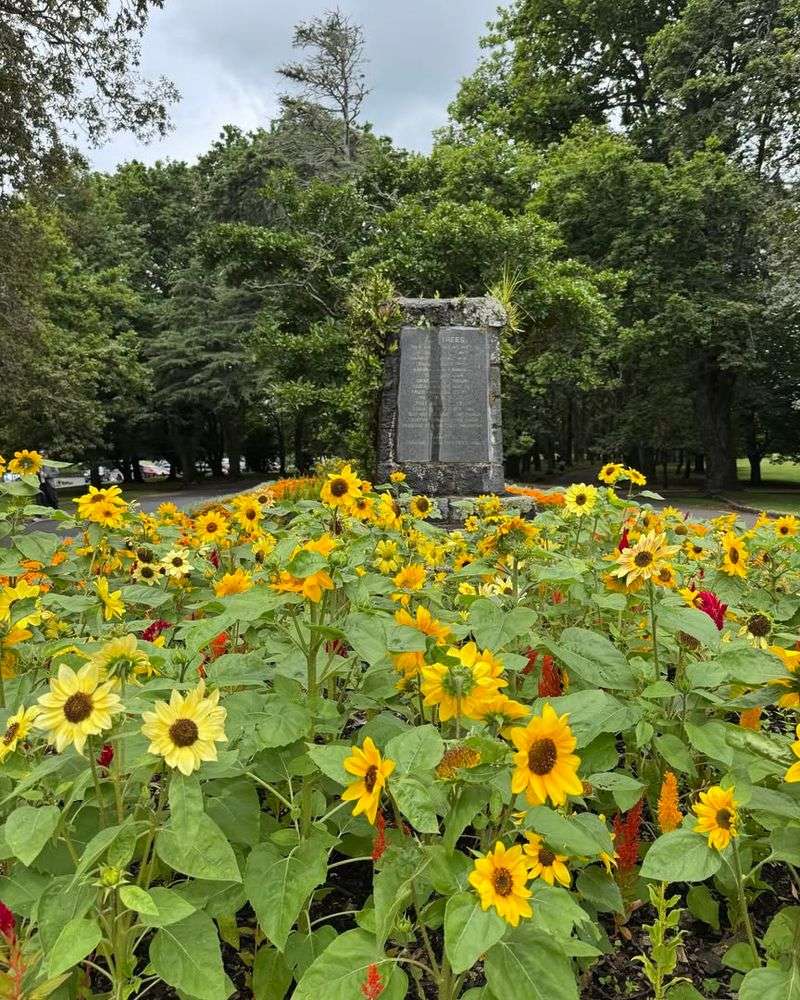
The sun’s path across the sky changes dramatically between winter and summer, and this affects how much light different parts of your garden receive throughout the year.
A spot that basks in full sun during June might be mostly shaded by November as the sun sits lower on the horizon. Virginia gardeners who plan only for summer conditions often find their spring and fall plantings struggling in unexpected shade.
Trees and buildings cast longer shadows in spring and autumn, altering light patterns in ways that aren’t obvious during the peak growing season.
A vegetable bed that gets eight hours of sun in July might receive only four or five in October, affecting late-season crops like kale and broccoli.
Understanding these shifts helps you choose planting locations that work year-round, not just during one season.
Deciduous trees add another variable, leafing out in spring and blocking light that shone freely during winter.
A garden bed under an oak or maple might start the season in full sun but transition to partial shade by late May.
This can be an advantage for cool-season crops that appreciate shade as temperatures rise, but it complicates planning for sun-loving perennials and shrubs.
Tracking sun patterns across different seasons gives you a more accurate picture of your garden’s true light conditions.
Taking notes or photos at various times of year helps you avoid mismatches between plant needs and available light, ensuring that your garden thrives no matter what month it is across Virginia’s changing landscape.
8. Matching Light Needs Prevents Long-Term Plant Decline
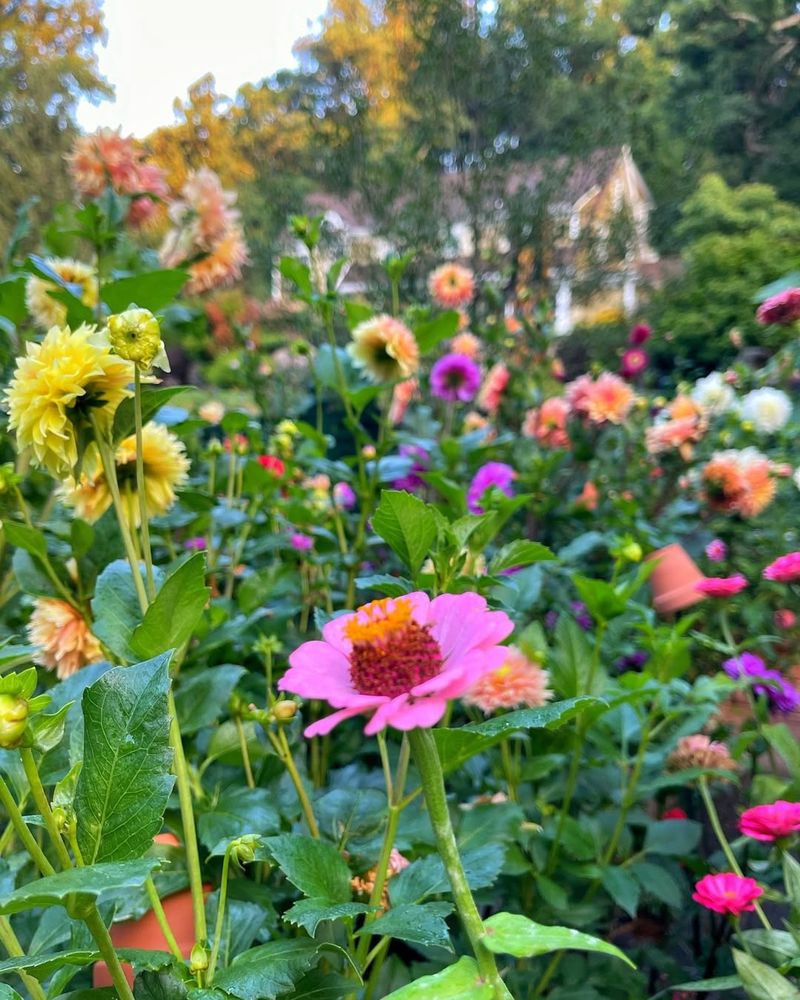
Plants forced to grow in the wrong light conditions rarely perform well, and over time, the stress takes a serious toll on their health and longevity.
A shade-loving azalea planted in full sun might survive for a year or two, but it will gradually weaken, becoming more susceptible to pests, diseases, and environmental extremes.
Chronic stress from mismatched light conditions shortens a plant’s lifespan and reduces its ornamental or productive value.
Virginia gardeners who invest in quality plants and careful landscaping want their efforts to last. Placing a sun-loving rose in deep shade or a shade-preferring caladium in blazing sun sets the stage for disappointment and wasted resources.
Plants that struggle in poor conditions require more water, fertilizer, and pest control, adding to your workload and expenses without delivering the results you want.
Long-term success comes from understanding each plant’s natural habitat and replicating those conditions as closely as possible.
Native Virginia plants like eastern redbud and Virginia bluebells have evolved to thrive in specific light conditions, making them excellent choices when matched to appropriate garden spots.
Non-native species also have clear preferences that shouldn’t be ignored if you want them to flourish.
Observing how plants respond over multiple seasons helps you fine-tune your garden layout and plant selection. Healthy, well-placed plants grow vigorously, resist problems, and reward you with years of beauty and productivity.
Taking the time to match light needs to available conditions creates a garden that thrives with less effort and delivers lasting satisfaction across Virginia’s diverse growing zones.