10 Reasons Why Black Bears Sometimes Wander Into Northern Michigan Gardens
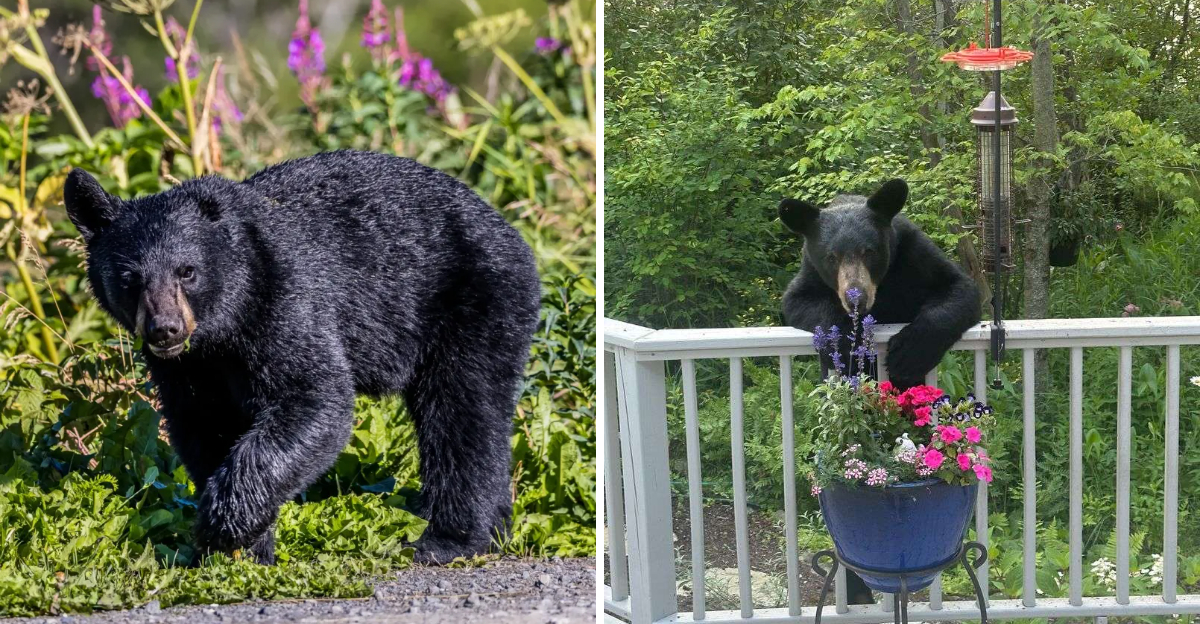
Black bears are showing up in Northern Michigan backyards more often, and many homeowners are starting to notice.
From Traverse City to communities across the Upper Peninsula, these powerful animals are wandering closer to homes, sometimes right into gardens.
It can be surprising to see such a large wild animal exploring a yard that once felt far from the wilderness. In many cases, something in the yard is drawing them in.
Gardens filled with vegetables, fruit, and other easy food sources can quickly grab a bear’s attention, especially during the warmer months when they are constantly searching for calories.
As bear sightings increase across Northern Michigan, understanding why they visit residential areas is more important than ever.
Knowing what attracts them can help you protect your garden, reduce unwanted encounters, and keep both your household and Michigan’s black bears safe.
1. Bird Feeders Are Like A Bear Buffet
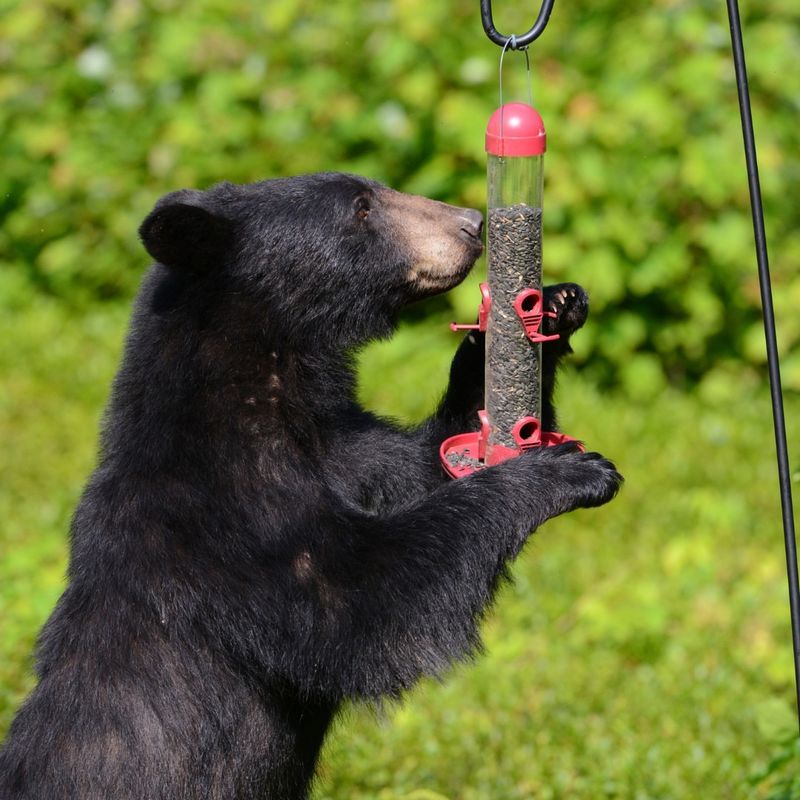
Picture this: you hang a bird feeder full of sunflower seeds, and within days, something much bigger than a chickadee shows up. Black bears have an incredible sense of smell, and they can sniff out bird seed from over a mile away.
In Northern Michigan, this is one of the most common reasons bears end up in residential gardens.
Bird feeders are packed with high-calorie seeds and suet that bears absolutely love. Once a bear finds an easy meal like this, it will return again and again, sometimes bringing others along.
The Michigan DNR strongly recommends taking down bird feeders between April and November to avoid attracting bears into your yard.
Switching to window feeders mounted directly on glass can help, since bears cannot easily access those. You can also bring feeders inside at night as a simple precaution.
If you live near wooded areas in Northern Michigan, this one small change can make a huge difference in keeping bears away from your garden and your home all season long.
2. Spring Hunger Sends Bears Searching For Food
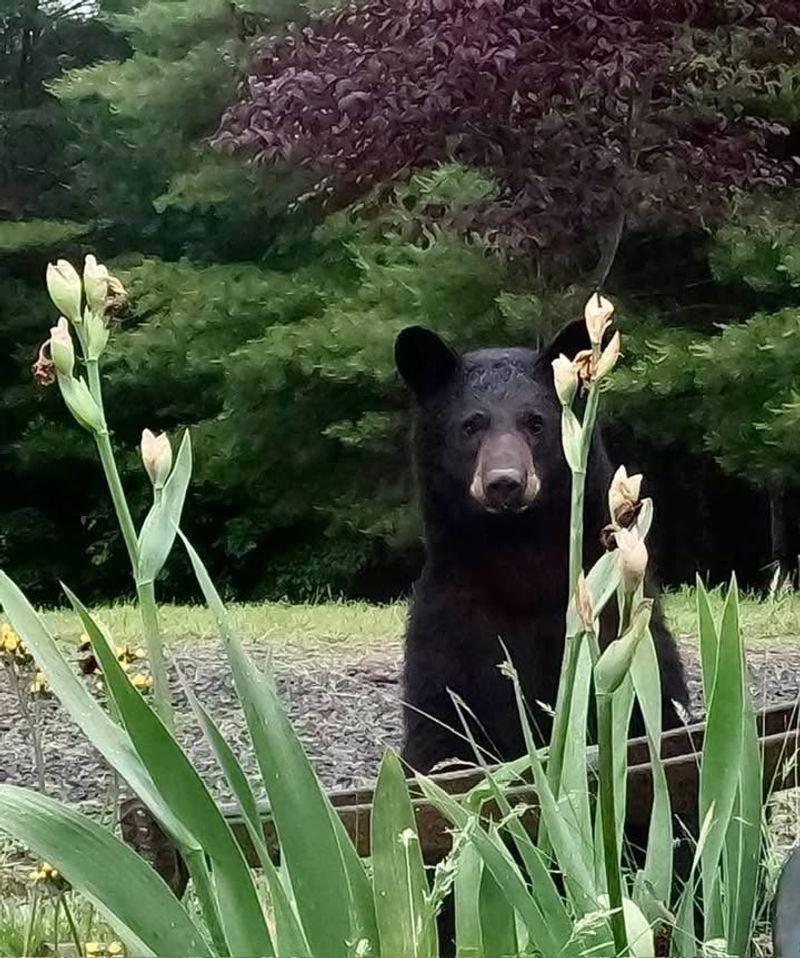
After spending months in hibernation, black bears wake up in spring absolutely starving. Their bodies have burned through fat reserves all winter long, and the first thing on their minds is finding food fast.
In Northern Michigan, spring is when bear sightings near homes and gardens spike the most dramatically.
Natural food sources like berries and insects are not yet widely available in early spring, so bears look anywhere they can for calories. Garden beds that still have leftover roots or compost piles with food scraps become irresistible targets.
Bears are not picky at this time of year, and even things humans would not consider food can seem appealing to a hungry bear fresh out of hibernation.
Gardeners in areas like Petoskey or Gaylord should be especially cautious in April and May, keeping compost bins tightly sealed and avoiding leaving any food waste outside. Planting early crops is fine, but knowing a hungry bear might be nearby helps you plan smarter.
Adding a simple electric fence around your garden during these peak months is one of the most effective ways to protect your plants and discourage repeat visits throughout the growing season.
3. Vegetable Gardens Are Basically Bear Magnets
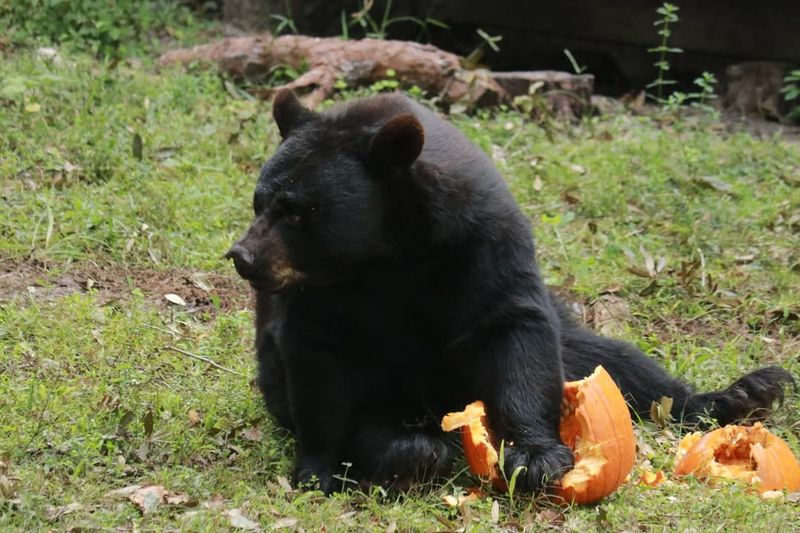
Root vegetables like carrots, beets, and potatoes are some of a black bear’s favorite foods, and your carefully tended garden might as well have a neon sign pointing to them.
Bears in Northern Michigan have been documented raiding vegetable gardens repeatedly once they discover what is growing there.
The rich, earthy smell of freshly turned soil and growing produce travels far on the wind.
Corn is another major attractant, especially sweet corn close to harvest time. A bear can flatten a section of corn stalks in minutes, and the damage can feel devastating after months of careful gardening.
Beyond just eating, bears often dig through garden beds looking for grubs and insects living in the soil, which causes additional mess and destruction.
Protecting your vegetable garden in Northern Michigan does not have to be complicated. Electric fencing with two strands, one at about ten inches and one at about thirty inches off the ground, is highly effective and relatively affordable.
Planting bear-unfriendly crops like squash with prickly leaves near the garden border can also help deter curious visitors.
Knowing what you are growing and how attractive it is to local wildlife helps you garden more strategically and enjoy a full harvest without unwanted surprises.
4. Bears Are Expanding Their Range Southward
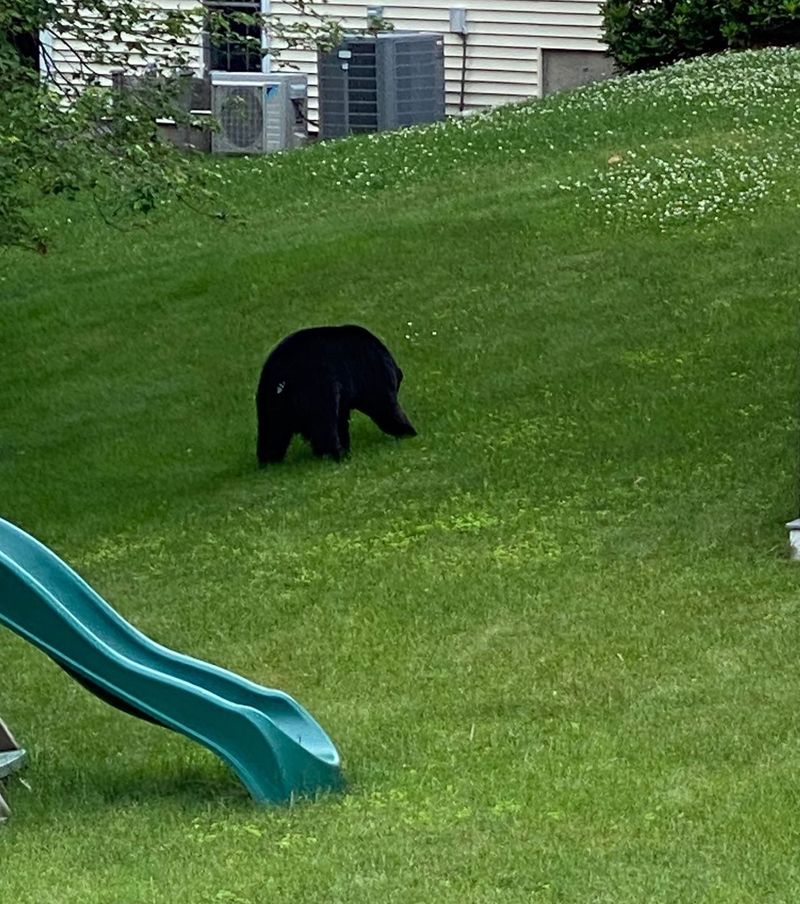
Something fascinating has been happening across Michigan over the past two decades. Black bears, once mostly concentrated in the Upper Peninsula and the northern tip of the Lower Peninsula, have been steadily moving south.
Sightings in areas like Grand Rapids and Lansing, which were almost unheard of years ago, are now being reported with growing regularity.
Wildlife biologists believe this range expansion is driven by a combination of growing bear populations, loss of deep forest habitat, and bears simply following food sources into new territories.
As more bears push into suburban zones of Northern Michigan, the chances of one wandering through your garden increase significantly.
It is not that bears are becoming more aggressive, they are simply exploring new ground.
The Michigan DNR actively tracks this movement and encourages residents to report bear sightings so population data stays current. Understanding that bears are natural explorers helps put these encounters in perspective.
A bear passing through your garden is usually just curious and looking for something to eat.
Being prepared with good fencing, secure food storage, and a general awareness of bear behavior makes living alongside these expanding populations much more manageable and honestly a little exciting for nature lovers in Northern Michigan.
5. Garbage Left Outside Is An Open Invitation
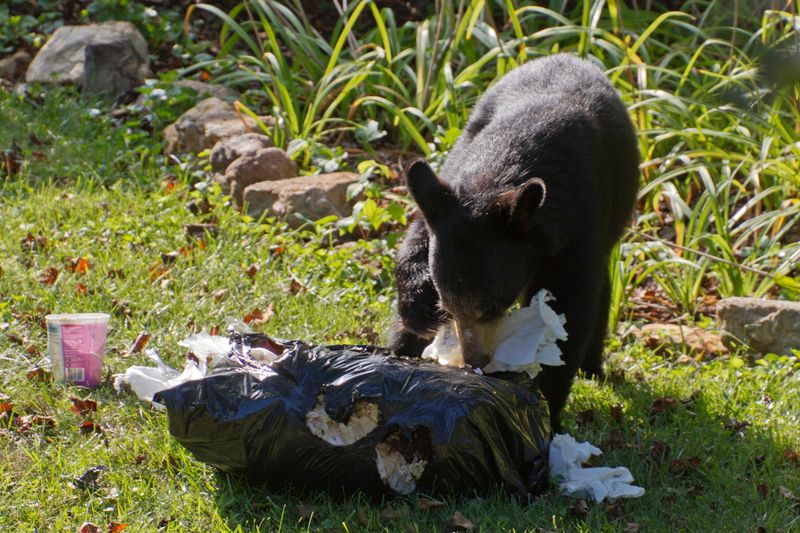
Few things attract a black bear faster than the smell of garbage. Unsecured trash cans sitting outside overnight are one of the biggest reasons bears wander into Northern Michigan gardens and neighborhoods.
Bears are incredibly opportunistic, and a garbage bin full of food scraps is an easy, rewarding meal that requires almost no effort on their part.
Once a bear connects a specific location with easy food, it becomes what wildlife experts call a habituated bear. These animals lose their natural caution around humans and start visiting regularly, sometimes during the day.
Communities around Traverse City and Petoskey have seen increases in these kinds of encounters as more people move into areas that border traditional bear habitat.
The fix is simple but requires consistency. Store garbage bins inside a garage or shed until the morning of pickup.
If that is not possible, invest in a bear-resistant trash container, which uses a locking mechanism that a bear cannot open. Avoid putting meat scraps, fruit peels, or greasy food waste in outdoor bins, as these smells are especially powerful attractants.
Small habits like rinsing containers before tossing them can genuinely reduce how often a bear decides your garden is worth visiting this season and every season after.
6. Natural Food Shortages Push Bears Toward Homes
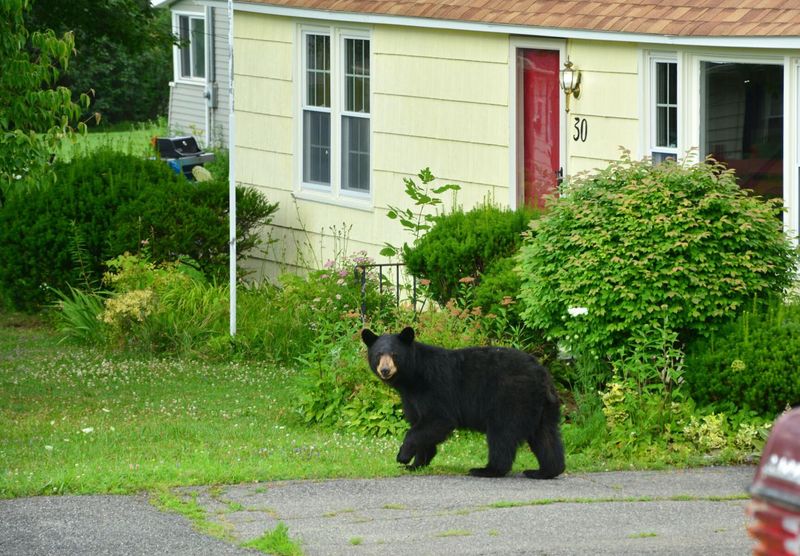
Not every year is a good year for wild berries, acorns, and other natural bear foods. When a mast failure happens, meaning trees produce very few nuts or berries, bears face a serious calorie shortage and start looking elsewhere.
In Northern Michigan, these lean years push bears closer to human settlements than almost anything else.
During poor food years, bears become noticeably bolder. They travel farther, spend more time in open areas, and show up in places they would normally avoid.
Gardens full of ripe fruit, vegetables, and compost become critical food sources for animals trying to build up enough fat reserves before winter arrives.
Interestingly, wildlife experts can sometimes predict high-conflict years by monitoring berry and nut crop conditions in late summer.
When local forests show low fruit production, Northern Michigan residents near wooded edges should expect more bear activity.
Keeping fruit trees harvested promptly, picking up fallen fruit daily, and securing compost are especially important during these lean years. Bears are simply doing what nature built them to do, finding enough food to survive.
A little extra vigilance on your part during those lean seasons can prevent most problems before they even begin, keeping your garden beautiful and your local bears safely wild.
7. Pet Food Left Outside Draws Bears Right In
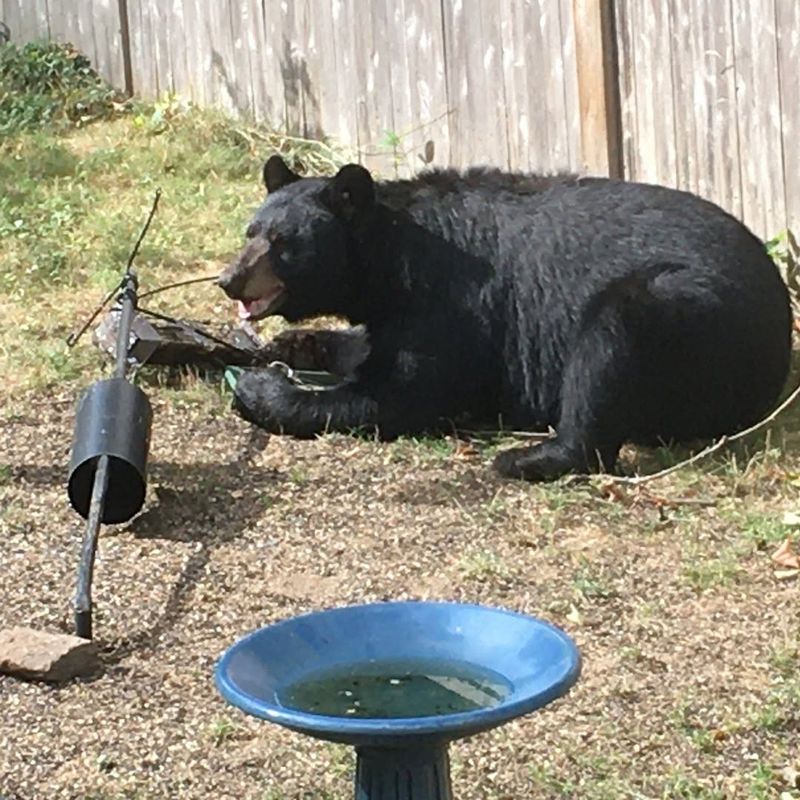
Dog and cat food left outside might seem harmless, but to a black bear, it smells like a restaurant.
Bears in Northern Michigan have learned that porches, decks, and garages often hold bowls of high-protein, calorie-rich pet food, and they are not shy about helping themselves.
This is one of the most overlooked attractants in residential areas near bear country.
Even empty bowls that still carry the scent of food can bring a bear sniffing around your garden and yard. Bears have been known to push through screen doors and enter garages in search of pet food, which shows just how motivated they can be.
Once they find a reliable food source near your home, stopping the visits becomes much harder.
The easiest solution is to feed pets indoors and never leave food bowls outside overnight. If you have outdoor animals that need feeding stations, use a timed automatic feeder that closes between meals and stores food in a sealed compartment.
Store bags of pet food in airtight metal containers inside your home or garage.
These small adjustments take almost no extra effort but can prevent a curious bear from ever discovering your garden in the first place, which is always the best outcome for everyone involved in Northern Michigan.
8. Water Features In Gardens Attract Thirsty Bears
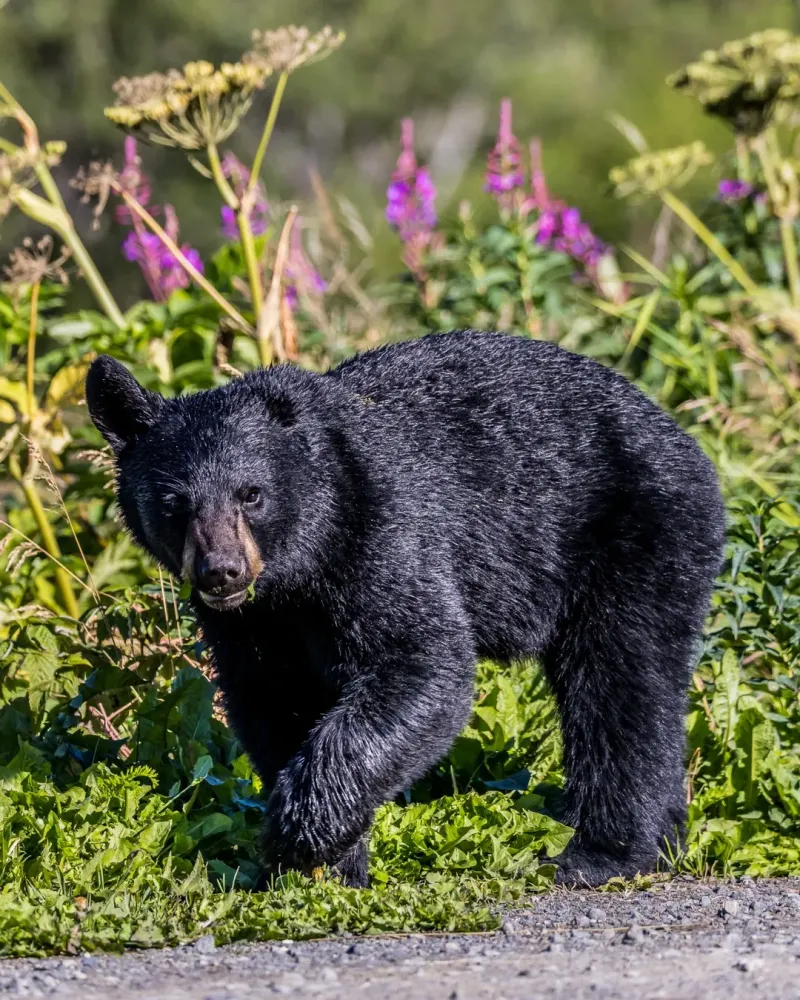
Gardens in Northern Michigan often feature beautiful birdbaths, small ponds, and water fountains, and while these are lovely for homeowners and birds alike, they also attract bears.
During hot, dry stretches of summer, natural water sources in the forest can become shallow or disappear entirely.
A clean, reliable garden pond looks extremely appealing to a thirsty bear on a warm August afternoon.
Bears need significant amounts of water daily, especially in summer when they are actively foraging and building fat reserves. A garden water feature provides both hydration and a cool place to rest, which makes your yard doubly attractive.
Once a bear figures out where your pond or birdbath is, it will likely return whenever conditions in the wild get dry.
You do not necessarily need to remove your water features, but placing them closer to the house and adding motion-activated lights or sprinklers nearby can deter bears from getting comfortable.
Keeping the area around water features clean and free of fallen fruit or other food scraps removes the combination of attractions that make your garden feel like a perfect bear hangout.
Being thoughtful about garden design in Northern Michigan means you can enjoy beautiful outdoor spaces while reducing the chances of sharing them with a four-hundred-pound neighbor on a hot summer night.
9. Bears Get Comfortable Near Human Activity
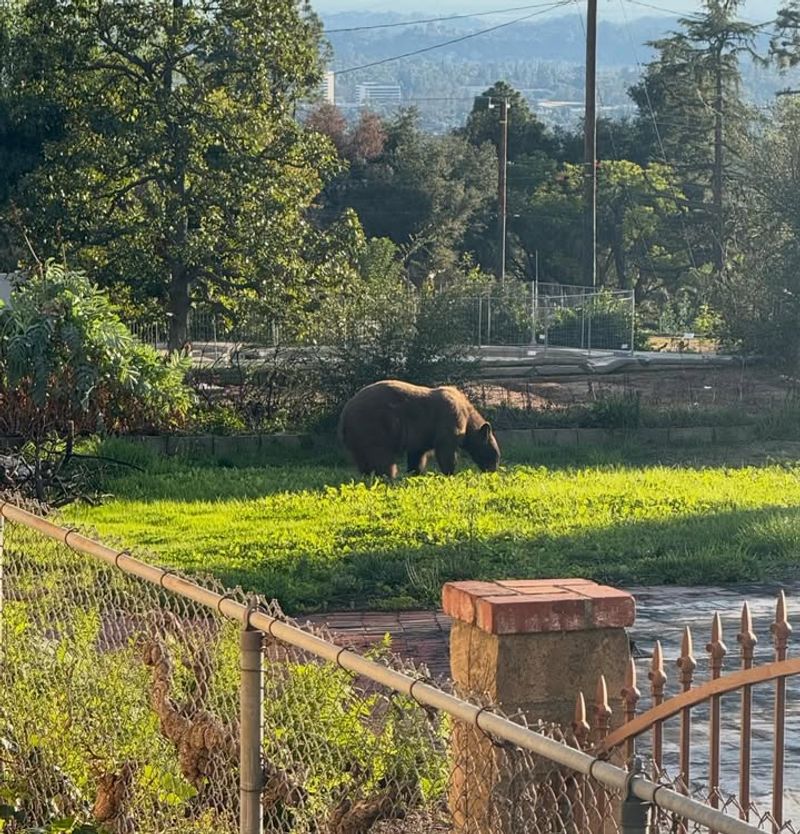
Wild animals naturally fear humans, but that fear fades when they repeatedly find food near homes without any negative consequences.
Black bears that visit Northern Michigan gardens and find easy meals start to see human spaces as safe and rewarding rather than threatening.
Wildlife experts call this process habituation, and it is one of the most serious long-term challenges in bear management.
A habituated bear acts very differently from a wild one. It might visit gardens during the day, ignore noise and lights, and come unusually close to people.
This is not aggression, it is simply a bear that has learned that humans near food usually means no danger. Unfortunately, habituated bears often end up being relocated by wildlife officials, which is stressful for the animal and not always a permanent solution.
The best way to prevent habituation is to make sure bears never get a food reward from your property in the first place. Every time a bear visits and finds nothing to eat, it becomes less interested in coming back.
Consistency matters enormously here. Neighbors working together to secure attractants across an entire street or community creates a much stronger deterrent than one household acting alone.
In Northern Michigan communities near bear habitat, a little teamwork goes a long way toward keeping bears wild and everyone safe.
10. Warmer Winters Mean Bears Are Out Longer Each Year
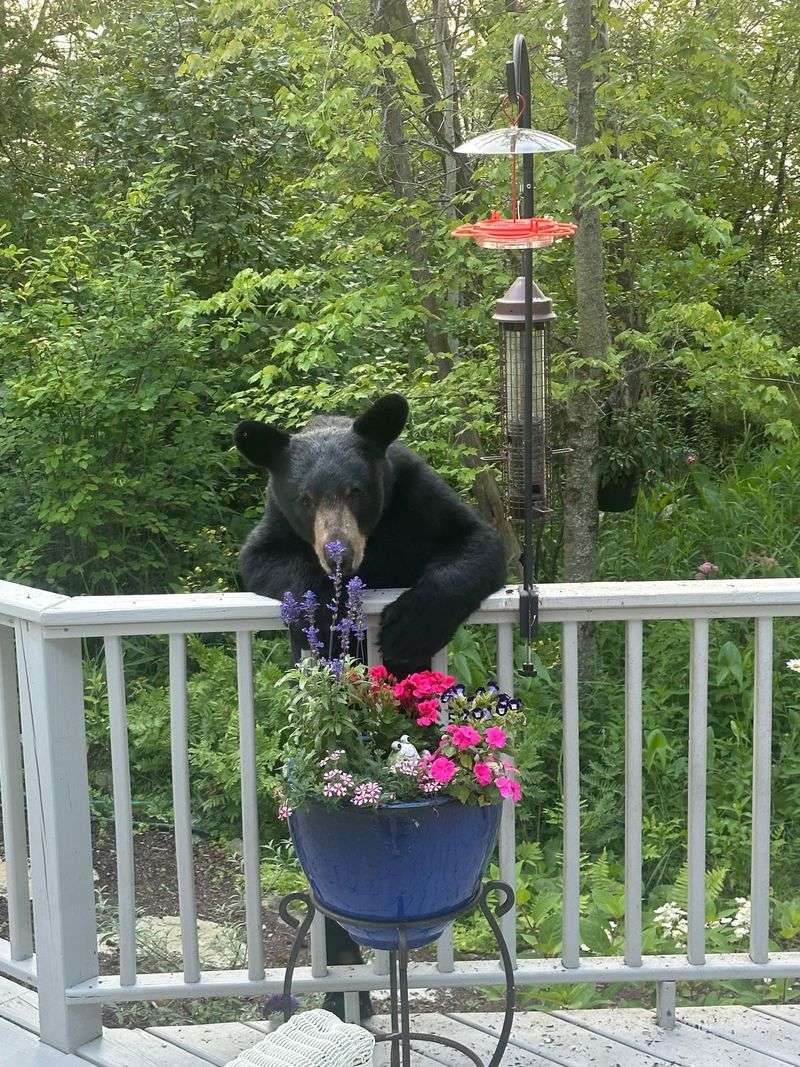
Climate patterns across Northern Michigan have shifted noticeably over recent decades, and black bears are responding to those changes in real ways. Warmer winters mean bears sometimes emerge from their dens weeks earlier than they used to.
More time awake means more time foraging, which increases the chances of bears wandering into gardens.
A bear that wakes up in February instead of April faces a landscape with almost no natural food available. Snow may still be on the ground, insects are not active yet, and berries are months away.
That desperate hunger drives bears toward any food source they can find, and Northern Michigan gardens and neighborhoods are often the closest option.
Researchers at Michigan State University and other institutions are studying how these climate shifts affect bear behavior and movement patterns across the state.
For homeowners, the takeaway is simple: the traditional spring-to-fall window for bear activity is getting longer.
Starting your bear-smart habits earlier in the year and maintaining them later into fall is now genuinely important.
Removing attractants, securing food sources, and staying alert through more months of the year helps you stay ahead of a changing situation and keeps your Northern Michigan garden a place of beauty rather than a bear destination.