10 Reasons Why More Michigan Gardeners Are Adding Rain Gardens To Their Yards
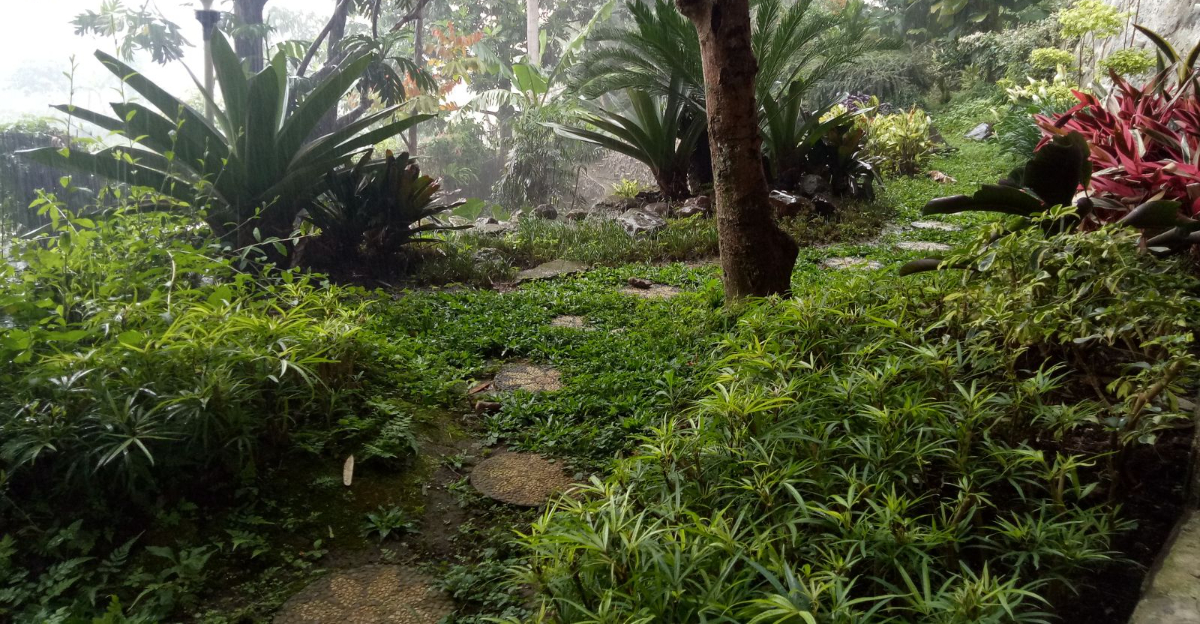
Michigan yards get a lot of rain, and all that water has to go somewhere, and rain gardens are an easy, effective way to handle it.
These shallow, planted areas soak up stormwater where it falls, protecting lawns from puddles and helping local streams stay cleaner.
Across the state, gardeners are adding rain gardens and seeing the benefits. They reduce flooding, prevent soil erosion, and even attract butterflies, bees, and other pollinators.
Whether you live in the Upper Peninsula or Lower Peninsula, a rain garden can turn soggy spots into a beautiful, useful feature in your yard.
For Michigan homeowners looking to manage heavy rainfall while boosting their garden’s appeal, a rain garden is a simple solution that works season after season.
1. Stop Yard Flooding Before It Starts
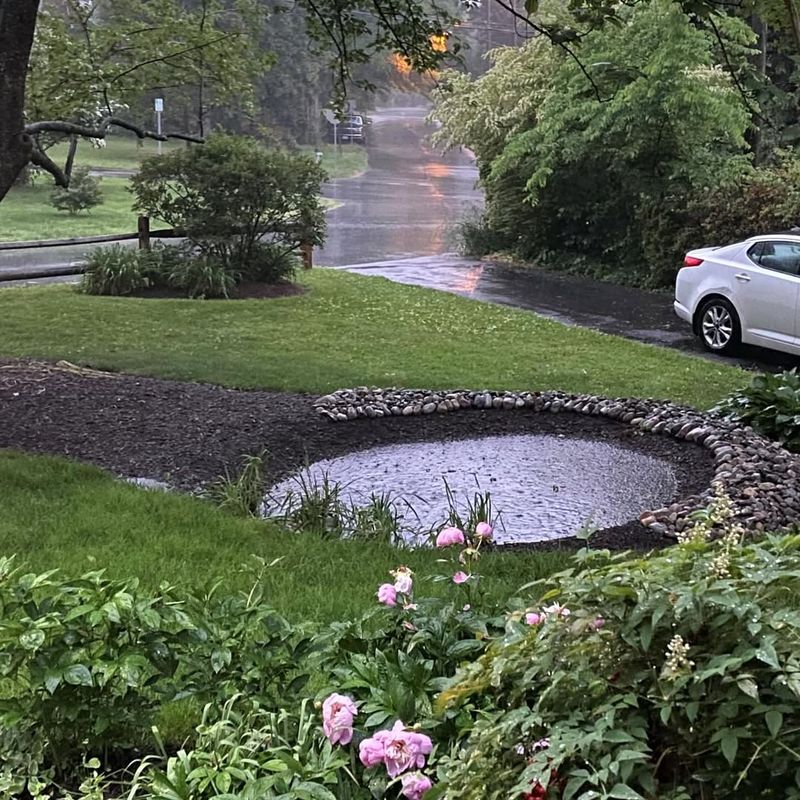
Picture this: a heavy summer storm rolls through your Michigan neighborhood, and instead of watching water pool across your lawn for days, your yard soaks it all up.
Rain gardens are designed to do exactly that. They sit in a shallow, bowl-shaped area that collects runoff from rooftops, driveways, and hard surfaces before it becomes a problem.
When rainwater has nowhere to go, it collects in low spots and can stay there long enough to damage grass roots and create muddy, unusable patches of lawn.
A properly placed rain garden acts like a sponge, pulling water down into the soil within 24 to 48 hours after a storm.
Michigan State University Extension confirms that a well-built rain garden can absorb about 30 percent more water than a regular lawn area of the same size.
Choosing the right location matters a lot. You want to place the garden where water naturally flows, but never directly over a septic system or in an area that stays wet all the time.
A gentle slope leading into the basin helps direct water where you want it. Once established, the deep roots of native Michigan plants keep the soil loose and ready to absorb whatever the next storm brings your way.
2. Keep Pollutants Out Of Rivers And Lakes
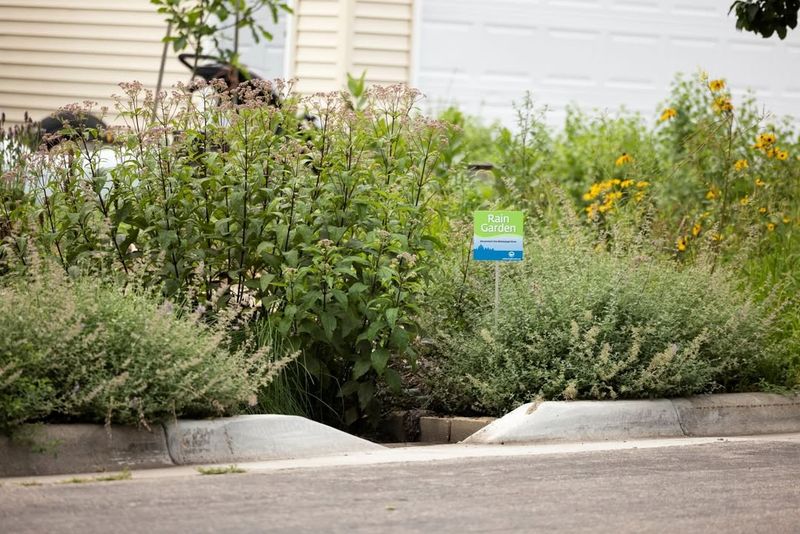
Every time it rains in Michigan, water picks up fertilizers, motor oil, pet waste, and road salt as it flows across driveways and lawns.
Without anything to stop it, that contaminated runoff travels straight into storm drains and eventually reaches rivers, lakes, and streams.
Rain gardens interrupt that journey in a really effective way. The plants and layered soil inside a rain garden work together like a natural filter.
As water slowly moves through the root zone and organic matter, many of those harmful substances get broken down or trapped before they ever reach a waterway.
Research from Michigan State University shows that rain gardens can remove almost up to 90 percent of nutrients and chemicals from stormwater runoff when properly designed and planted.
Michigan is home to over 11,000 inland lakes and thousands of miles of rivers and streams. Keeping those waterways clean is something every homeowner can contribute to, even with a small garden bed in the front yard.
Native plants like blue flag iris, swamp milkweed, and cardinal flower are especially good at pulling excess nutrients from the water.
Adding a rain garden is one of the most practical ways Michigan residents can protect the natural water resources that make this state so special and worth preserving for future generations.
3. Bring Bees, Butterflies, And Birds To Your Yard
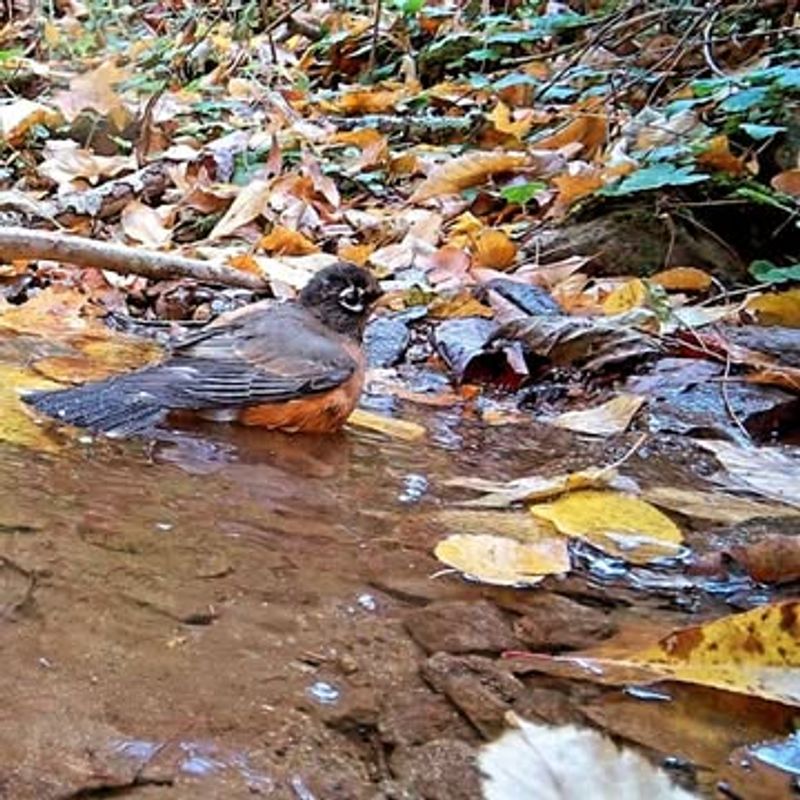
There is something magical about stepping outside and seeing your yard buzzing with life. Rain gardens planted with Michigan native species become instant magnets for pollinators and wildlife.
Bees, butterflies, hummingbirds, and songbirds all show up when the right plants are in the ground.
Native plants have evolved alongside local wildlife for thousands of years, which means they provide exactly the food and shelter that Michigan species need.
Monarch butterflies depend on swamp milkweed for laying eggs. Native bees seek out purple coneflower and wild bergamot for pollen.
Birds flock to plants like switchgrass and black-eyed Susan for seeds during fall and winter months when food becomes harder to find.
Michigan has seen significant declines in pollinator populations over recent decades, and habitat loss is one of the biggest reasons behind it.
A single rain garden planted with diverse native species can support dozens of bee and butterfly varieties throughout the growing season.
The Xerces Society, a respected invertebrate conservation organization, points out that even small patches of native plantings make a measurable difference for local pollinator health. You do not need a large property to make an impact.
Even a modest rain garden tucked along a fence line or driveway can turn your Michigan yard into a thriving mini-habitat that supports the ecosystem your whole community depends on.
4. Enjoy A Splash Of Color In Every Season
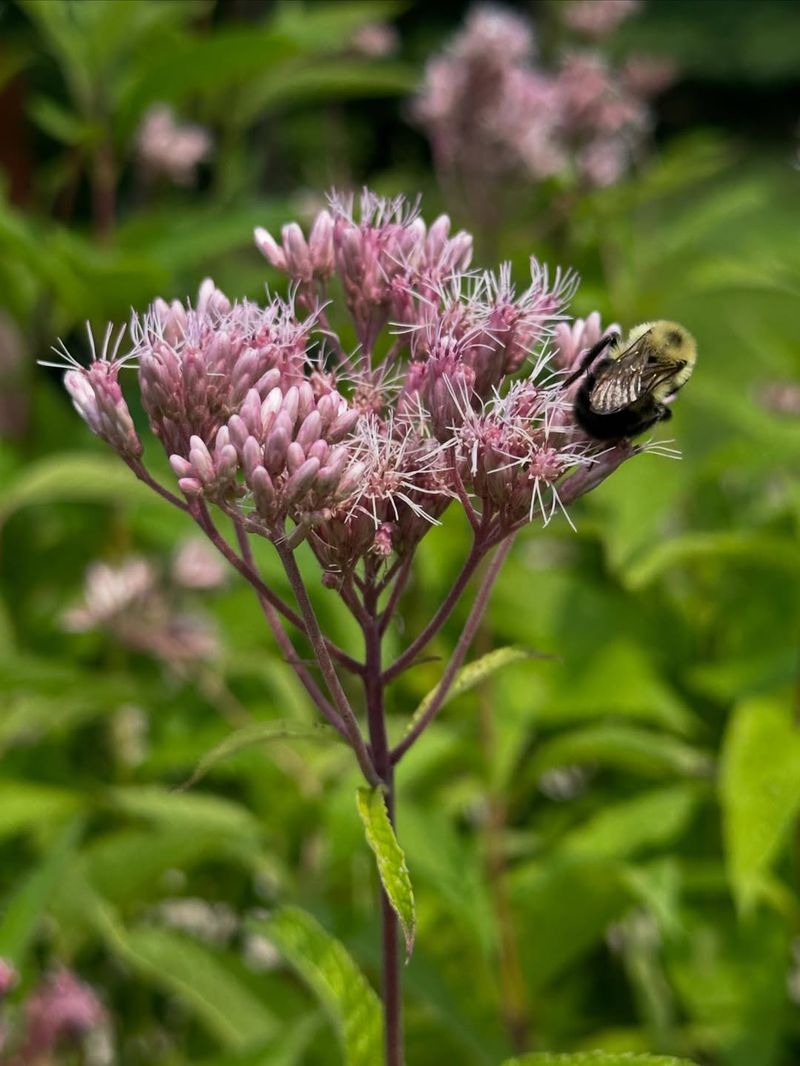
One of the most underrated benefits of a rain garden is how gorgeous it can look from early spring all the way through late autumn.
Unlike a traditional lawn that stays green and flat, a well-planned rain garden offers layers of color, texture, and movement that change with every passing month.
Spring gets things started with blue flag iris and marsh marigold, which both love the extra moisture a rain garden provides.
Summer brings bold color from swamp milkweed, Joe-Pye weed, and cardinal flower. By late summer and into fall, goldenrod, asters, and native grasses like switchgrass take center stage with warm amber and purple tones that glow in the afternoon light.
Michigan gardeners often struggle to find plants that handle both wet and dry conditions since the state experiences wide swings in rainfall throughout the year.
Native rain garden plants are built for exactly that kind of variability. They push through spring flooding and bounce back during summer dry spells without much help from you.
Pairing plants with different bloom times ensures there is always something interesting happening in the garden.
Thoughtful plant placement also adds height variation, which makes the space feel layered and intentional rather than messy.
Your neighbors will definitely stop and take notice when the colors shift beautifully with each new season rolling through your Michigan yard.
5. Grow Plants That Really Belong Here
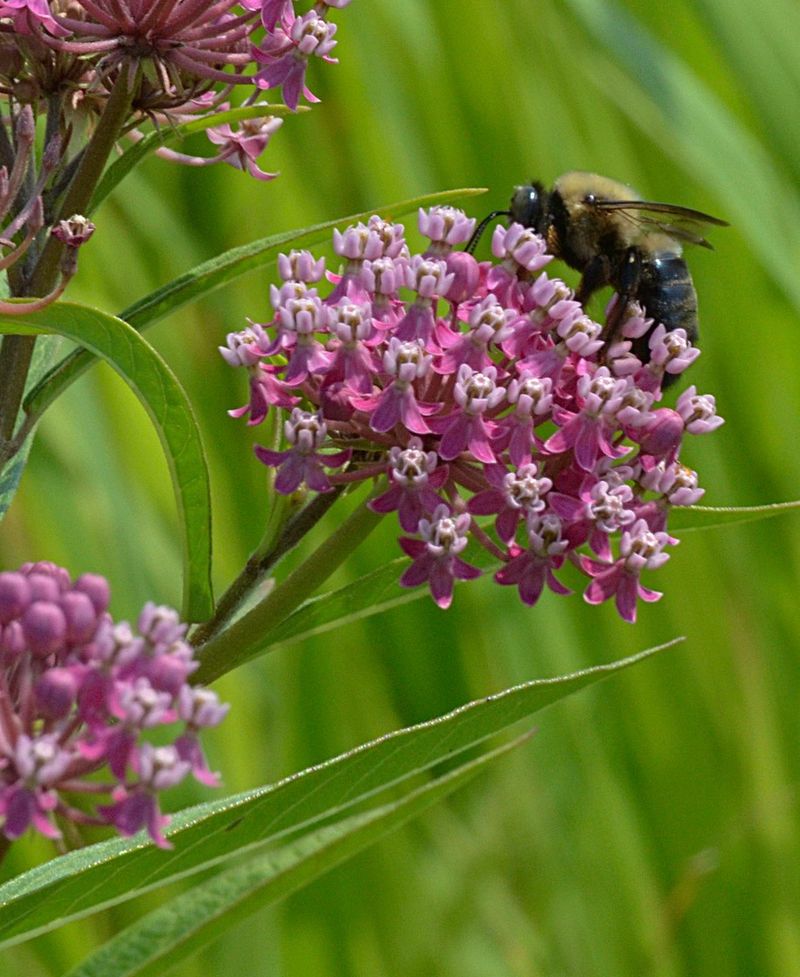
There is a quiet satisfaction in growing plants that actually belong in the place where you live.
Michigan native plants evolved right here, shaped by the same cold winters, heavy spring rains, and clay-heavy soils that challenge gardeners across the state every single year.
When you plant them in a rain garden, they feel right at home from the start. Non-native plants often need extra watering, fertilizing, and protection to survive Michigan conditions.
Native plants skip all of that drama. Their root systems can reach two to three feet deep or more, which helps them access groundwater during dry periods and anchor themselves firmly during heavy rains.
Species like swamp milkweed, blue flag iris, great blue lobelia, and Virginia wild rye are all excellent choices for Michigan rain gardens because they naturally thrive in wet to moist conditions.
Michigan State University Extension strongly recommends using locally sourced native plants whenever possible, since regional ecotypes are best adapted to the specific climate conditions of your county or region.
Buying from local native plant nurseries also supports small Michigan businesses and helps preserve regional genetic diversity. Growing plants that belong here does not mean sacrificing variety or beauty.
The range of textures, heights, bloom colors, and wildlife value among Michigan natives is genuinely impressive and gives any rain garden a rich, layered look that feels both wild and intentional at the same time.
6. Reduce Lawn Work Without Losing Beauty
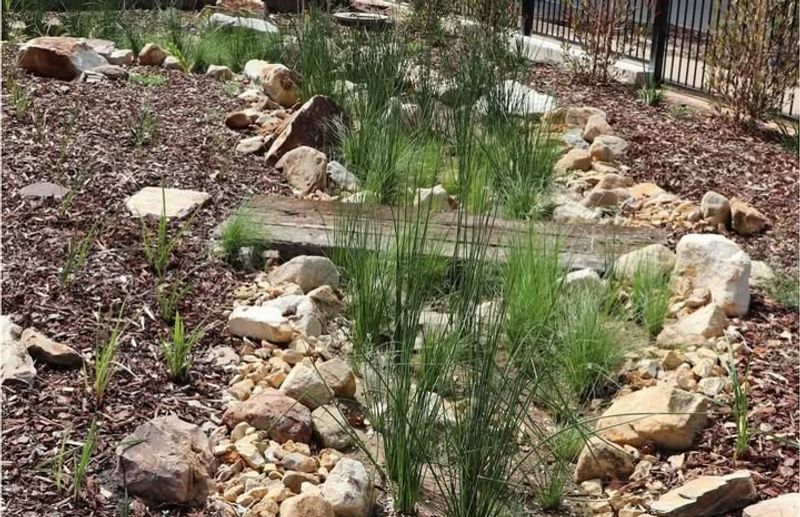
Nobody loves spending their weekend mowing soggy grass or fighting weeds in a patch of lawn that never quite dries out.
Waterlogged turf is one of the most frustrating problems Michigan homeowners deal with, especially in yards with heavy clay soil or low-lying areas.
Replacing that struggling grass with a rain garden is one of the smartest swaps you can make.
Once native plants are established, usually after the first full growing season, they need very little from you. No regular watering, no fertilizer applications, and no weekly mowing.
The plants handle Michigan weather on their own terms because they are built for it. You might pull a few weeds in the first year while plants are getting settled, but after that, the garden mostly takes care of itself.
Think about how much time and money goes into maintaining a traditional lawn every year. Mowing alone can cost hundreds of dollars in fuel, equipment wear, or lawn service fees.
Fertilizers and weed treatments add even more to that total. A native rain garden eliminates most of those costs while actually improving your yard.
The American Society of Landscape Architects notes that low-maintenance native plantings are one of the fastest-growing landscaping trends across the Midwest, and Michigan is right at the center of that shift.
Your yard can look stunning without requiring a full weekend of effort every single week.
7. Keep Soil In Place On Slopes
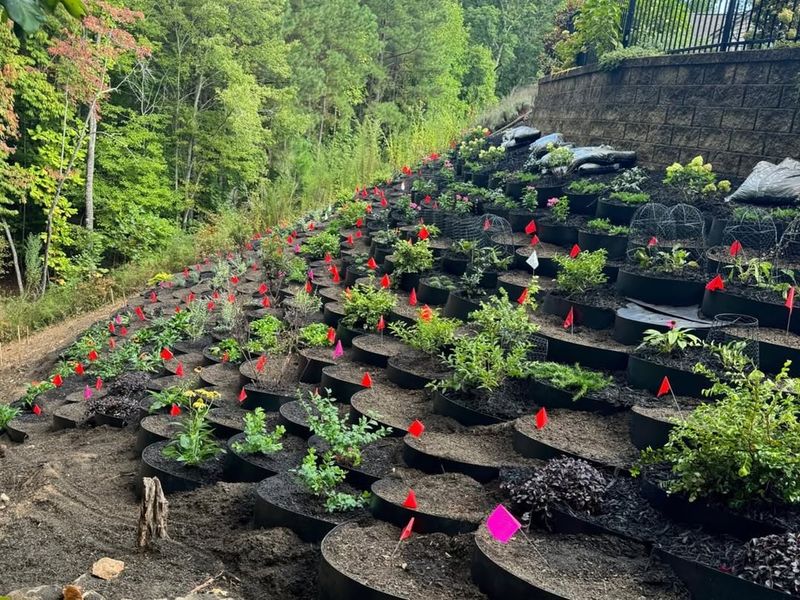
Sloped yards in Michigan take a beating every spring. When snowmelt and heavy April rains hit a bare or thin-grassed hillside, the water rushes downhill and takes topsoil right along with it.
That lost soil does not just disappear from your yard. It ends up in storm drains, ditches, and eventually local waterways where it clouds the water and smothers aquatic habitats.
Rain gardens placed on or at the base of slopes work in two important ways. First, they slow down the speed of water moving across the surface, which reduces its ability to carry soil particles.
Second, the deep roots of native plants physically hold the soil in place, even during intense rainstorms.
Plants like switchgrass, wild bergamot, and prairie dropseed develop root systems that can reach several feet into the ground, creating a stable underground network that keeps everything anchored.
The Natural Resources Conservation Service recommends vegetative solutions like rain gardens as one of the most effective and affordable ways to manage erosion on residential slopes.
Compared to installing retaining walls or regrading your yard, which can cost thousands of dollars, a planted rain garden is remarkably budget-friendly.
Michigan homeowners with sloped properties often notice a dramatic reduction in muddy runoff after just one full season of establishment.
Protecting your topsoil means protecting the long-term health and productivity of your entire yard, which is always worth the effort.
8. Learn How Water Moves Through Your Yard
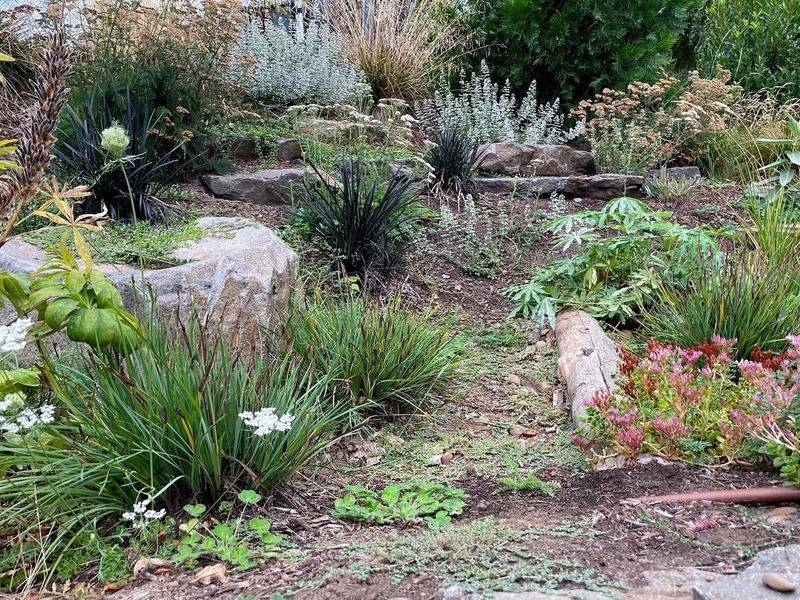
Most people have never really thought about where the rain goes after it hits their property.
Water follows the path of least resistance, moving across surfaces, pooling in low spots, and eventually finding its way off your yard and into the street or storm drain.
Installing a rain garden forces you to pay attention to all of that in a genuinely eye-opening way. The planning process for a rain garden starts with observation.
You watch your yard during and after a rainstorm, noting where water collects, where it flows fastest, and where the ground stays wet the longest. That information tells you exactly where a rain garden will do the most good.
Michigan State University Extension offers free guides and even on-site consultations in some counties to help homeowners map their stormwater patterns accurately. Understanding water flow changes how you think about your entire landscape.
Once you see how impervious surfaces like your driveway and roof redirect huge amounts of water during a storm, you start making smarter decisions about everything from downspout placement to where you plant trees.
Many Michigan homeowners who build one rain garden end up adding a second or third because the whole system starts to make so much sense.
Stormwater management stops feeling like something only engineers worry about and becomes something every gardener can actively participate in and feel genuinely proud of doing well.
9. Show Off Sustainable Gardening Practices
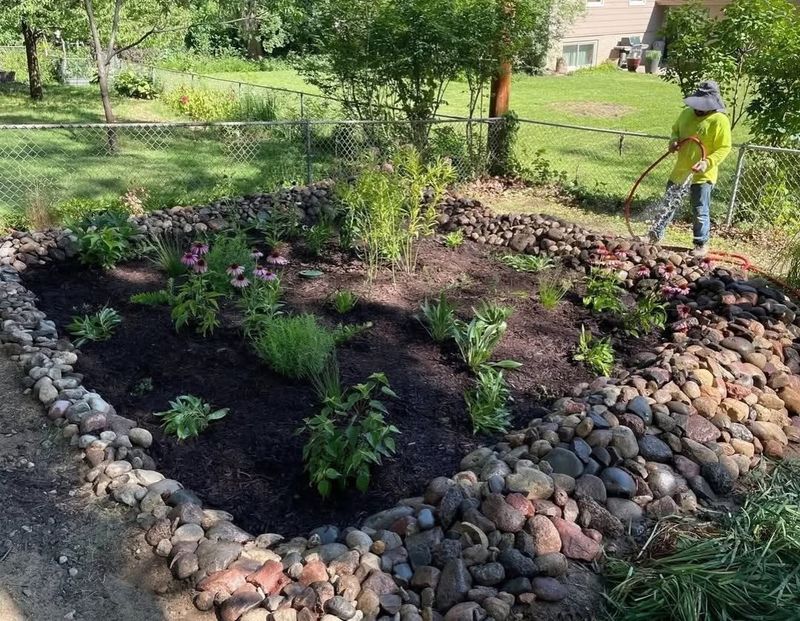
A rain garden does not just help your yard. It sends a message to everyone who walks by. When neighbors see a thriving, colorful garden where a soggy patch of lawn used to be, curiosity kicks in.
People want to know what it is, how it works, and how they can do the same thing. That kind of visible sustainability inspires real community change.
Oakland County and other Michigan municipalities have actually created rebate programs that reward homeowners for installing rain gardens and other green infrastructure features.
These programs recognize that individual yards collectively make a massive difference in regional stormwater quality.
Getting involved signals that you care about more than just your property line, and that kind of environmental leadership carries genuine social weight in a community. Curb appeal gets a serious upgrade too.
A well-designed rain garden with layered native plantings, clean edging, and a decorative stone inlet can look every bit as polished as a traditional landscape bed.
The American Society of Landscape Architects consistently ranks sustainable landscaping among the top features that increase perceived home value and neighborhood attractiveness.
Michigan buyers and renters increasingly look for properties with environmentally thoughtful features.
Showing off a rain garden is not about bragging. It is about demonstrating that beautiful design and environmental responsibility can absolutely work together in the same yard without any compromise at all.
10. Make Your Yard Work For You, Not Against You

Every yard has at least one problem spot. Maybe it is the corner that stays swampy after every rain, the slope that washes out each spring, or the area near the downspout where nothing seems to grow.
Instead of fighting those spots year after year, a rain garden turns them into features that actually work in your favor.
Problem areas in Michigan yards are usually problem areas because water is doing something you have not accounted for yet. A rain garden gives that water a job.
It channels runoff into a planted basin where the soil, roots, and organic matter can process it naturally. The result is a yard that handles Michigan weather with far less stress on you, your lawn, and your wallet.
Water goes where you want it, plants thrive in conditions suited to them, and the whole system hums along with minimal intervention.
Wayne County and several other Michigan municipalities have published case studies showing that residential rain gardens can reduce localized flooding complaints significantly when enough homeowners in a neighborhood adopt them.
The cumulative effect of many small gardens adds up to real infrastructure-level impact. Your yard becomes part of a larger solution rather than part of a larger problem.
Transforming a frustrating, waterlogged corner into a vibrant, wildlife-friendly garden that manages stormwater naturally is one of the most rewarding projects any Michigan gardener can take on this season.