7 Reasons Why Peonies Stop Blooming In Ohio (And What To Do)

You wait all year for that big peony moment, then spring shows up and nothing happens.
No blooms. No color. Just a leafy plant sitting there like it forgot the assignment.
In Ohio, that letdown hits hard because peonies usually feel dependable, almost untouchable, once they settle in. So when one suddenly stops putting on a show, it can leave even experienced gardeners staring at it in disbelief.
The tricky part is how the problem often hides in plain sight. Everything can look fine from a distance while one small issue quietly shuts the whole performance down.
The upside is that peonies usually give you clues long before they give up completely. Once you know what to look for, the fix often feels a lot more doable than you expected.
1. Peonies Planted Too Deep Rarely Put On A Good Show
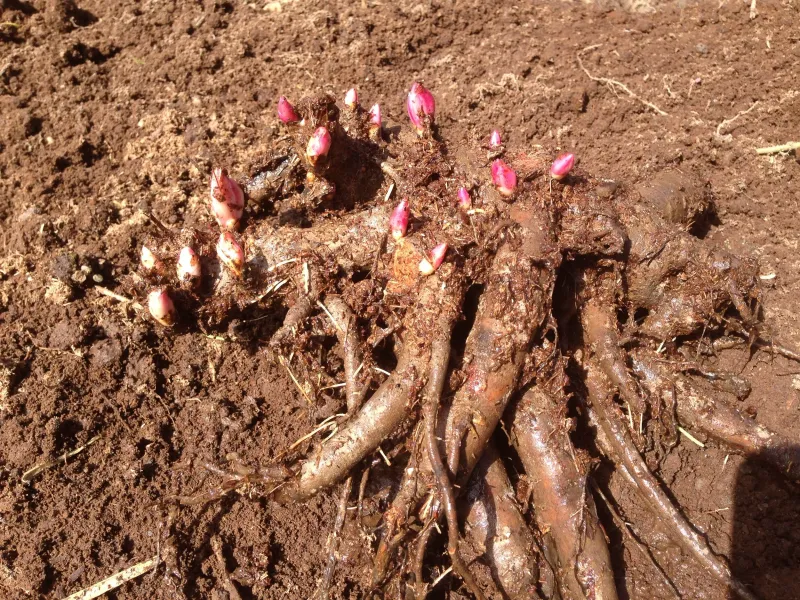
Planting depth is one of the most common and least suspected reasons peonies fail to bloom, and it is surprisingly easy to get wrong. Peony roots have small pinkish-red growth points called eyes, and those eyes are extremely sensitive to how deep they sit in the soil.
If they end up more than two inches below the surface, the plant may grow full and green every season but never push out a single flower.
Ohio soils vary quite a bit across the state, from the heavy clay common in central and northwest Ohio to the sandier mixes found elsewhere. Clay soils in particular can shift and settle over time, gradually burying roots deeper than originally intended.
Even gardeners who planted at the right depth may find their peonies sinking lower over the years without realizing it.
The fix is straightforward but requires some patience. In early fall, carefully dig up the root clump and check where the eyes are sitting.
Replant so the eyes rest no more than one to two inches below the soil surface. This is the depth recommended by Ohio State University Extension and most reputable horticultural sources for reliable bloom performance.
After replanting at the correct depth, give the plant at least one full growing season to adjust before expecting flowers. Resist the urge to disturb it again too soon.
A peony that has been struggling in the wrong position for years will need a little time to respond to the change, but results usually follow.
2. Too Much Shade Leaves Peonies All Leaves And No Flowers

Peonies are sun lovers, plain and simple. They need a minimum of six hours of direct sunlight each day to produce strong flower buds.
When they get less than that, the plant channels its energy into leafy growth instead, and blooms become scarce or disappear entirely.
Shade problems are common in Ohio gardens for a very understandable reason. A spot that looked sunny when a peony was first planted may have gradually become shadier as nearby trees and shrubs matured and spread.
What once received full afternoon sun may now only catch a couple of hours of filtered light, and the peony is responding accordingly.
A good way to check is to observe the planting area throughout the day on a clear sunny morning in late spring. Watch how long direct sun actually falls on the plant, not just the surrounding yard.
If large trees, fences, or neighboring structures are blocking light for most of the day, shade is very likely the issue.
The solution depends on how much flexibility you have. Trimming back overhanging tree branches can make a real difference if the shading source is manageable.
If the spot is simply too shaded to fix easily, consider moving the peony in early fall to a sunnier location in the garden. Ohio gardens often have spots that receive strong south or west-facing exposure, which tends to work very well for peonies.
Relocating to a better-lit area can transform a non-blooming plant into a reliable annual performer within just a season or two.
3. Overfeeding Can Backfire When Blooms Are The Goal
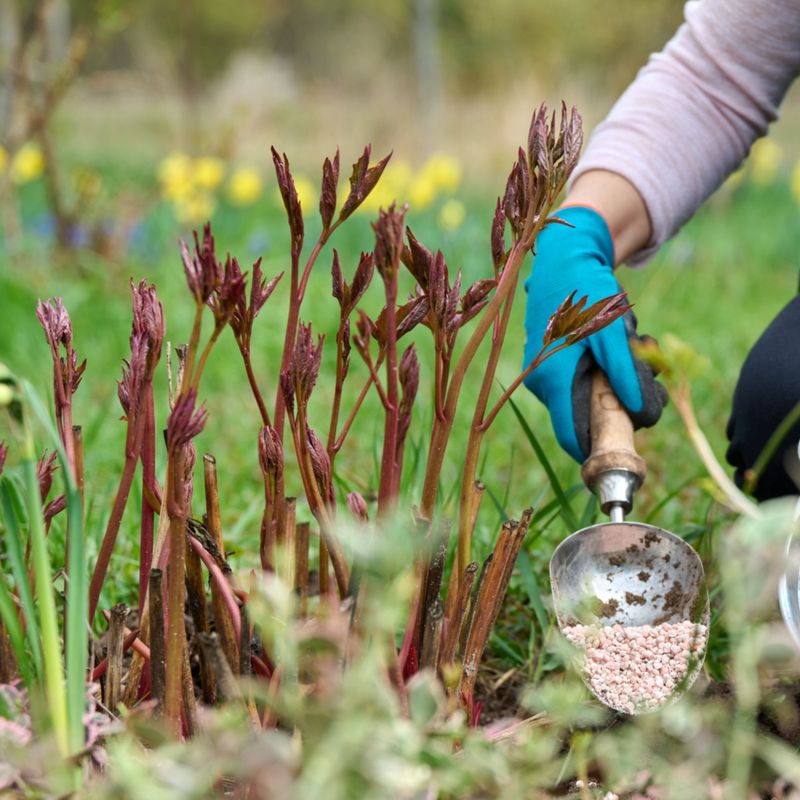
Fertilizing feels productive, and it is easy to assume that more nutrients means better plants. With peonies, though, too much of the wrong fertilizer can actually push the plant in the wrong direction entirely.
Nitrogen is the nutrient most responsible for lush, leafy growth, and when it is applied in excess, peonies will happily produce dense foliage while skipping flowers altogether.
Many general-purpose lawn fertilizers and some garden blends are high in nitrogen, and gardeners who apply these regularly near their peonies may be unintentionally working against their own bloom goals. Ohio lawns often get fertilized heavily in spring, and if peony beds sit close to treated turf areas, runoff can carry excess nitrogen right to the roots.
A smarter approach is to use a fertilizer with a lower nitrogen number and higher phosphorus content. A formula like 5-10-10 supports root strength and flower development without pushing excessive leaf growth.
Applying a low-nitrogen fertilizer once in early spring, just as new growth emerges, and once again right after blooming ends is generally enough to keep peonies well-nourished without overloading them.
Bone meal worked lightly into the soil around the plant is another option many experienced gardeners rely on for encouraging blooms. It provides phosphorus slowly and gently without the nitrogen spike.
If you have been feeding your peonies heavily with a balanced or high-nitrogen product, scaling back for a full season and switching to a bloom-focused formula may be all it takes to see flowers return the following spring.
4. Late Frost Can Ruin Buds Before They Ever Open

Ohio springs are famously unpredictable. Temperatures can feel genuinely warm one week and then drop below freezing the next, catching gardeners off guard and tender plant buds in a very vulnerable state.
Peonies push up their new growth and begin forming buds in mid to late spring, which is exactly the window when a surprise cold snap can do serious damage.
Frost-damaged peony buds are easy to recognize once you know what to look for. They typically turn black or dark brown and feel soft or mushy to the touch rather than firm and plump.
The damage happens fast, often overnight, and by morning the buds that were looking promising the day before may be completely ruined for the season.
If a late frost is in the forecast and your peonies have visible buds, covering the plants overnight with a light frost cloth, an old bedsheet, or even a large cardboard box can provide meaningful protection. Remove the covering during the day so the plant can breathe and receive sunlight.
Avoid using plastic sheeting directly on the plant, as it can trap cold air rather than buffer it.
Once frost damage has already occurred, there is not much that can be done to recover that season’s buds. The plant itself will survive and return the following year, so the focus should shift to protecting new growth as it emerges next spring.
Keeping an eye on Ohio weather forecasts from late April through mid-May and being ready to cover plants quickly can save an entire season’s bloom from being lost to a single cold night.
5. Crowded Clumps Start Running Out Of Blooming Power
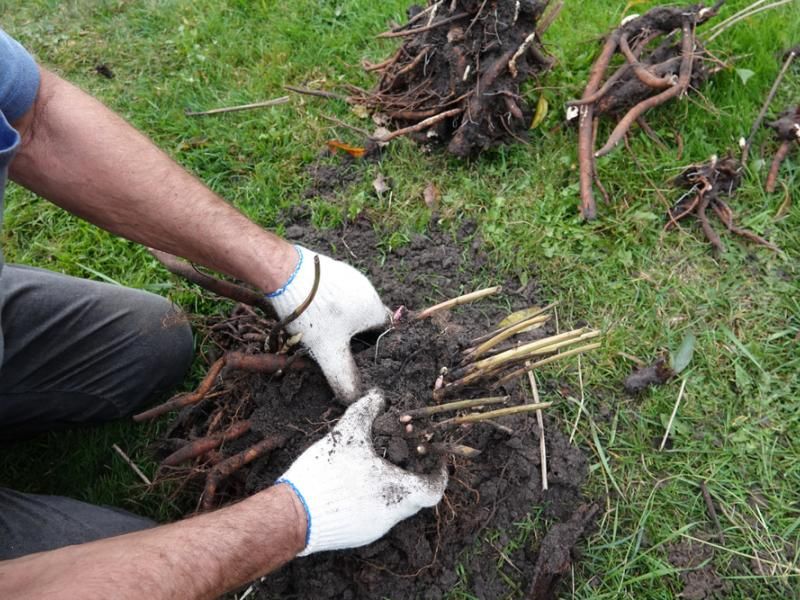
Peonies are remarkably long-lived perennials, and that longevity is one of their most celebrated qualities. However, a clump that has been growing in the same spot for many years without any intervention can gradually become overcrowded, and when that happens, bloom production often starts to slip.
The roots compete for nutrients and space, and the plant simply does not have the resources to flower as generously as it once did.
Overcrowding is not always obvious from above ground. The foliage may look full and healthy, which is part of what makes this problem easy to overlook.
But if a peony that once bloomed reliably has been producing fewer flowers each year over the course of several seasons, crowding may well be the explanation.
Division is the standard remedy, and early fall is the best time to tackle it in Ohio. Dig up the entire clump carefully, then use a clean, sharp knife or spade to divide the root mass into sections.
Each division should have at least three to five healthy eyes. Replant the divisions at the correct shallow depth in refreshed soil, ideally with some compost worked in to give the roots a good start.
Gardeners are sometimes reluctant to divide peonies because the plants seem to be doing fine overall. Think of it as a reset that rewards the plant and the gardener alike.
Divided clumps typically respond with renewed blooming energy within one to two seasons, and the extra divisions can fill other spots in the garden or be shared with fellow Ohio gardeners who want to grow their own.
6. Young Peonies Sometimes Need More Time Than Gardeners Expect

Patience is not always the first thing that comes to mind when troubleshooting a garden problem, but with peonies, it genuinely matters. Newly planted peonies, whether grown from bare root divisions or transplanted from containers, typically spend their first one to three years putting energy into establishing a strong root system rather than producing flowers.
That is completely normal behavior, not a sign that something is wrong.
Many Ohio gardeners plant peonies in fall or early spring, wait eagerly through the season, and feel let down when no blooms appear. The reality is that a peony planted for the first time in fall may only produce a few leaves the following spring and no flowers at all.
By year two, you might see a bud or two. Full, reliable bloom performance often does not arrive until the third year or beyond.
The best thing to do during this establishment period is focus on providing solid basic care. Make sure the plant is in a sunny spot, water it consistently during dry stretches, and avoid over-fertilizing with nitrogen.
Healthy root development during these early years is what sets the plant up for years of spectacular flowering down the road.
Resisting the urge to move or disturb the plant during establishment is also important. Every time a young peony is relocated or divided, the clock resets and the waiting period begins again.
If your peony is less than three years old and has not bloomed yet, the most productive thing you can do is give it time, good conditions, and space to grow into its potential.
7. Cutting Foliage Too Early Can Hurt Next Year’s Display

Once peony flowers fade and the blooming season wraps up, it is tempting to tidy up the garden by cutting the plants back right away. The flowers are gone, the foliage starts to look a little tired, and it seems like the logical next step.
But removing peony leaves too soon is one of the quieter mistakes that can noticeably reduce next year’s bloom performance.
After flowering ends, peony foliage is still doing important work. The leaves continue to photosynthesize and send energy back down into the root system, building up the reserves the plant will draw on to produce buds the following spring.
Cut those leaves off in June or July, and you are shortchanging the plant at a critical time.
The right time to remove peony foliage in Ohio is after the first hard frost in fall, typically sometime in October or November depending on the year and region of the state. By that point, the leaves have done their job for the season and the plant has gone dormant.
Cutting back to just above ground level at that stage is clean, safe, and beneficial.
Removing the old foliage in fall also helps with disease management. Botrytis, a fungal issue that can affect peonies, overwinters in declined plant material.
Clearing away the spent leaves and stems reduces the chance of it becoming a recurring problem. Bag or dispose of the cuttings rather than composting them if any disease was present during the season.
A little extra effort in fall goes a long way toward a healthier, more floriferous peony the following spring.