8 Reasons Why Wisconsin Homeowners Are Skipping The Mower This May
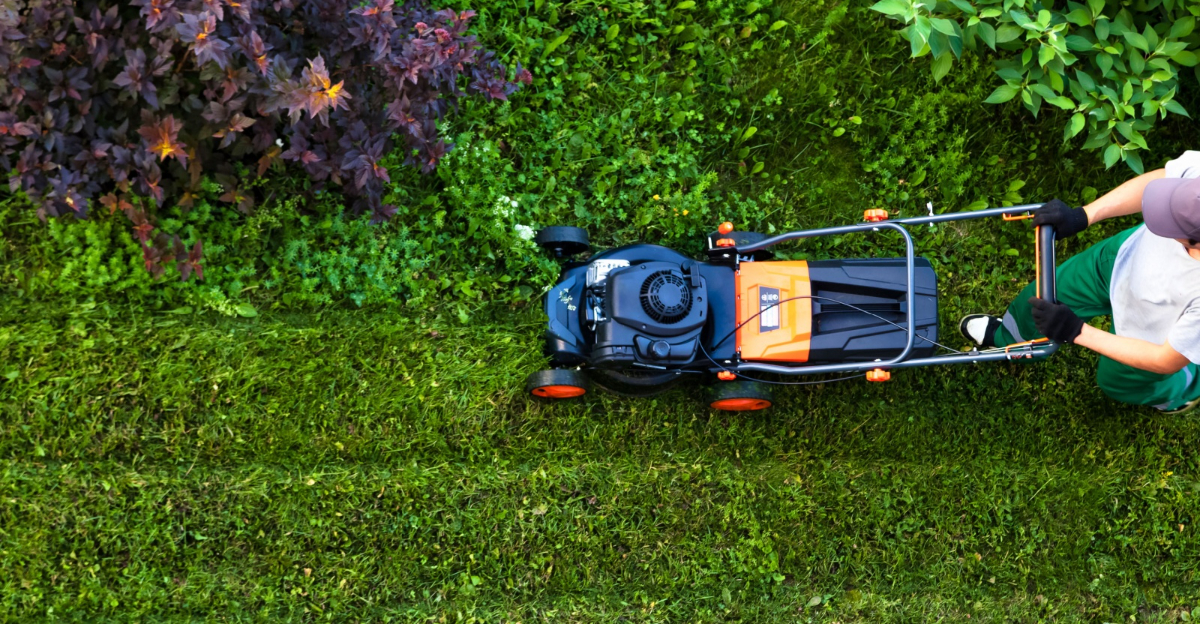
Your lawn is trying to tell you something this May. It wants you to put down the mower, step away from the garage, and just… let it be for a while.
I know. It feels wrong.
The neighbors are watching. Your HOA might be side-eyeing you already.
But here’s the thing, across Wisconsin, more and more homeowners are doing exactly that, and their yards are thriving because of it. No Mow May is not a trend for people who gave up on their lawns.
It’s a one-month experiment backed by real science, with payoffs that last all summer long. Think more bees, more fireflies, stronger grass come June.
The kind of wild little ecosystem that makes your backyard actually worth sitting in.And the best part? It requires absolutely zero effort on your part.
So before you fire up that mower this weekend, think of these things first.
1. You’re Feeding The Bees When They Need It Most
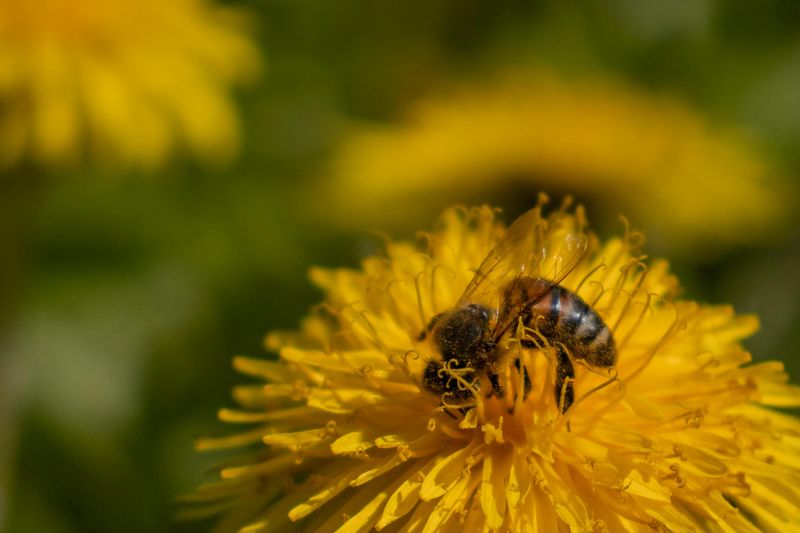
Bees wake up hungry.
After months of cold Wisconsin winters, pollinators emerge in early spring with almost no food available.
Dandelions and clover are among the first flowers to bloom, and your unmowed lawn is basically a buffet for them.
Most people do not realize that those cheerful yellow dandelions are a critical food source.
Before fruit trees bloom and garden flowers open up, bees depend almost entirely on weeds for survival.
Mowing in May cuts those flowers down right when bees need them most.
A single dandelion can produce up to 100 seeds, but more importantly, it produces pollen and nectar from the very first warm days of spring.
Clover, another lawn regular, is rich in nectar and beloved by bumblebees.
Wisconsin is actually home to dozens of native bee species, most of which are ground-nesting and emerge in early spring. Unlike honeybees, they have no stored honey to fall back on.
Every early bloom counts.
Skipping the mower for even two or three weeks can make a measurable difference in how many pollinators visit your yard.
Wisconsin homeowners who skip May mowing often notice more bees, butterflies, and hoverflies buzzing around by June.
Those pollinators then move into gardens and help fruit and vegetable plants produce better.
Feeding the bees in May is not just kind. It pays you back all summer long.
2. Skip May, Win June
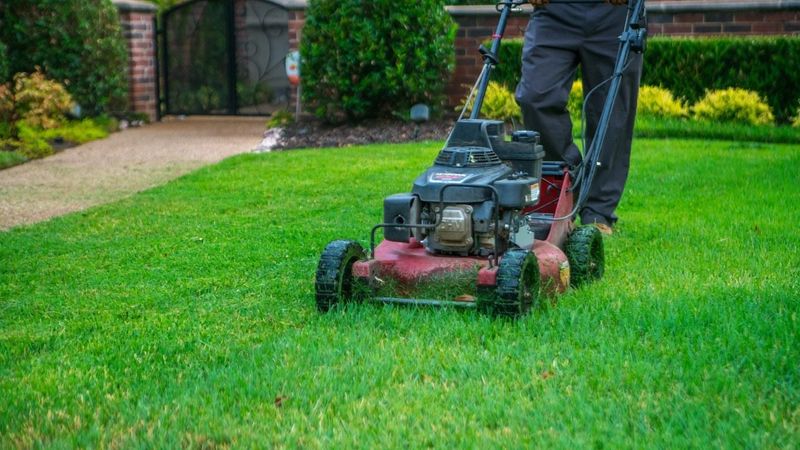
Longer turf in May means stronger growth by summer. When you let your yard grow a few extra inches, the blades can photosynthesize more efficiently, pushing energy deep into the soil.
That extra depth is what helps your lawn survive the dry heat of June and July. A lawn that gets mowed short in May often struggles when summer heat arrives.
Without that foundation, there’s no buffer against dry spells, and you end up with brown patches by mid-June. That is the lawn that needs constant watering and still looks rough.
There is also something called shock mowing to watch out for. If you skip all of May and then suddenly cut the grass down low at the start of June, you stress the entire yard at once.
Your Illinois Garden Changes Every Week. Your Plan Should Too.
Gardening in Illinois changes quickly throughout the season. Every Friday you’ll receive a simple weekly plan showing exactly what to plant, prune, fertilize, harvest, and protect so you never miss the right timing.
Instead, plan to mow gradually at the end of May, taking off no more than one-third of the blade height at a time.
It also helps to water once before that first mow if the ground has been dry. A little moisture softens the transition and gives the turf a better chance to recover quickly.
Wisconsin homeowners who follow this approach often brag about how green their yards stay through the hottest months. The payoff is real and measurable.
A little patience in May genuinely sets your lawn up to look its best when the neighbors are fighting with their sprinklers.
3. Your Yard Has Been Hiding Wildflowers This Whole Time
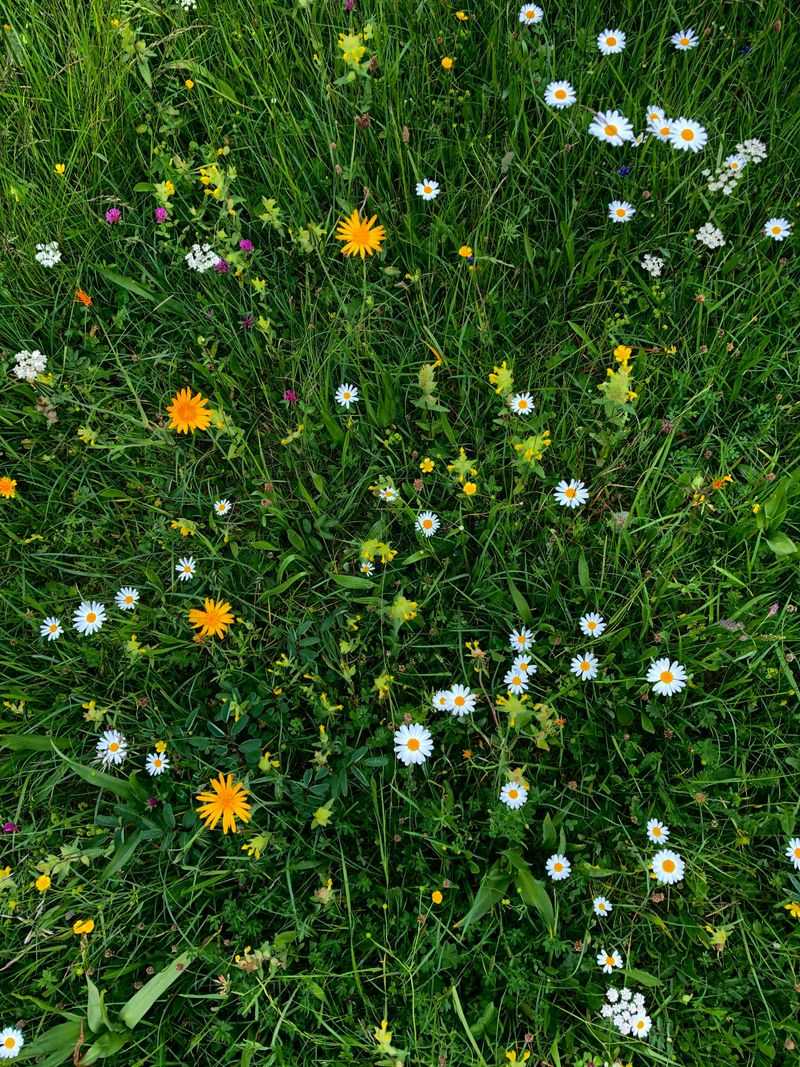
Buried in your lawn right now are seeds and roots that have been waiting years for a chance to bloom.
Older Wisconsin yards especially tend to hold native plants like wild violets, wild strawberry, and creeping thyme just beneath the surface.
They have been there all along, quietly surviving every mow.
Wild violets are one of the most charming surprises No Mow May has to offer.
They spread in low clusters with deep purple or white blooms and ask for almost nothing in return.
Creeping thyme releases a faint herbal scent when you brush past it, which makes walking through the yard a genuinely pleasant surprise.
Wild strawberry plants produce tiny white flowers in May that turn into small red berries by late spring.
Birds are reliably drawn to them throughout late spring.
If you have kids, they tend to get a kick out of finding actual strawberries growing in the grass.
The key is simply to stop mowing long enough to let these plants show themselves.
Most homeowners are genuinely surprised by what comes up.
You do not need to plant anything or spend a single dollar.
Just give your lawn the space and time to reveal what it has already been growing. The results can feel like a gift from the ground up.
4. The Fireflies. Seriously, The Fireflies.
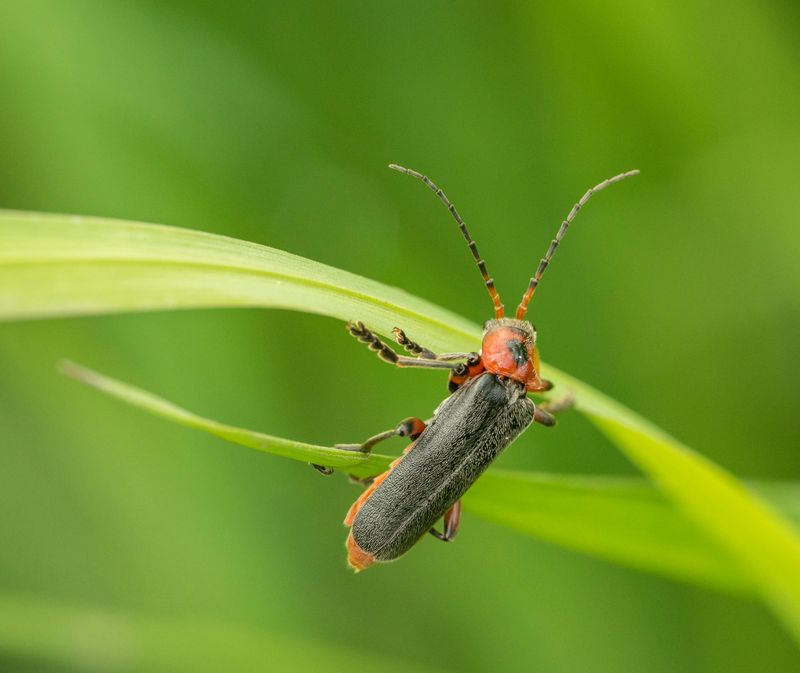
Nothing says summer in the Midwest like a garden full of fireflies blinking in the dark.
But fewer people know that firefly populations have been shrinking, and one major reason is habitat loss. Unmowed turf in May gives firefly larvae exactly the shelter and moisture they need to survive underground.
These small creatures live in the soil and leaf litter beneath tall blades for up to two years before they ever light up.
Mowing short and often compacts the ground and removes the protective layer they depend on.
Letting your lawn breathe in May is one of the most direct things you can do to bring fireflies back.
For many Wisconsin families, fireflies are deeply tied to childhood memories.
There is something emotional about watching your kids chase those little lights across the yard on a July evening.
Knowing that skipping the mower in May helped make that happen gives the whole thing a different kind of meaning.
Beyond fireflies, taller grass supports ground beetles, spiders, and small amphibians that are part of a healthy backyard food chain.
Each of those creatures plays a role in keeping your garden balanced.
The fireflies are just the most beautiful reminder that doing less can bring more life right to your doorstep.
5. Messy Is Just A Matter Of Edges
The biggest worry most homeowners have about skipping the mower is what the neighbors will think.
And honestly, that concern makes sense.
Most of us grew up in neighborhoods where a trimmed lawn meant you cared. That association runs deep.
A shaggy lawn with no structure can look neglected, and no one wants to be that house on the block.
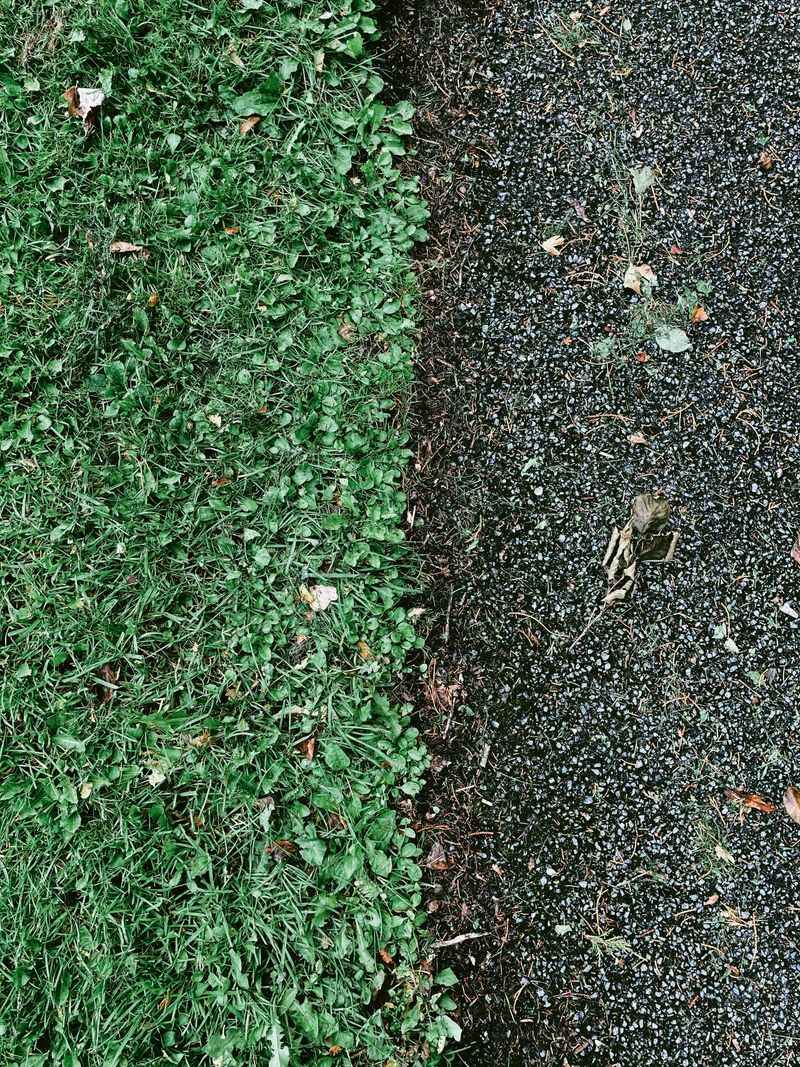
But here is the thing: perception is almost entirely about edges.
When the border along your sidewalk, driveway, and flower beds is clean and crisp, the rest of the plot reads as intentional rather than abandoned.
A simple edge trim takes about ten minutes and completely changes the whole picture. Some homeowners go one step further and put up a small sign that says something like “Pollinator Habitat” or “No Mow May Participant.”
Those signs do two things at once.
They signal to neighbors that the longer grass is a choice, not an oversight. And they often spark curious conversations that spread the idea further down the street.
The look of an unmowed yard is far more manageable than most people expect. A few wildflowers poking up among green grass actually looks charming when the borders are tidy.
You are not giving up curb appeal.
You are not letting your lawn go. You are letting it grow.
6. Your Kids (And Pets) Get A Better Backyard

There is a reason kids are drawn to longer grass. It feels like an adventure.
A patch of unmowed turf becomes a place to search for beetles, follow a bee, or stumble across a wildflower they have never seen before.
That kind of unscripted outdoor time is harder to come by than it used to be, and your backyard can quietly become the place where it happens.
Parents who try No Mow May often report that their kids spend more time outdoors during that month than any other. There is simply more to look at.
More to poke at. More to ask questions about.
A dandelion becomes a science lesson. A beetle under a leaf becomes twenty minutes of genuine curiosity.
Pets tend to feel the same way. Dogs in particular love moving through deeper growth, sniffing out the small creatures and scents that a closely mowed plot simply does not offer.
It turns a quick bathroom break into something that actually holds their attention.
There is also a practical upside. Skipping the mower in May means no fresh chemical exposure during the weeks your family is most likely to be outside.
No clouds of cut debris. No noise on a Saturday morning.
The backyard does not have to be a showpiece to be worth spending time in. Sometimes the best thing you can do for the people and animals who use it is simply leave it alone for a while.
7. One Lazy Month Does The Work All Summer
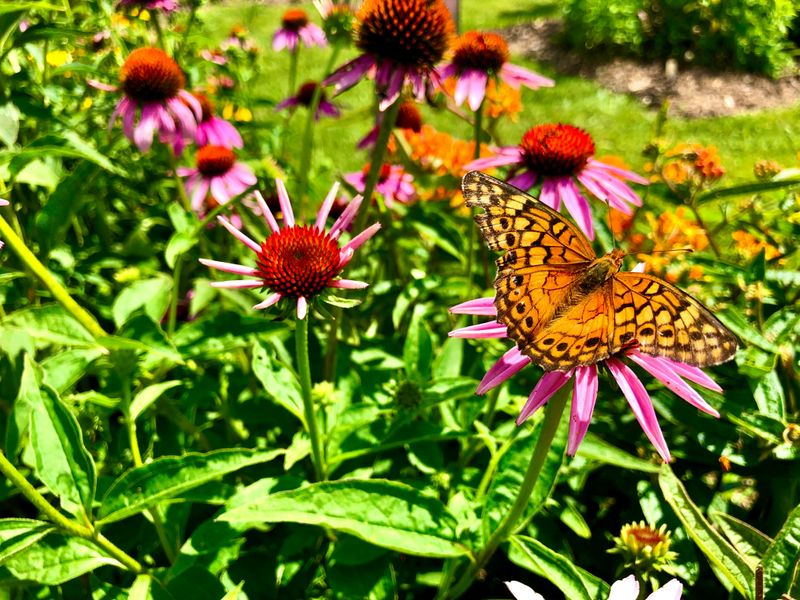
Pollinators are creatures of habit.
Once a bee or butterfly finds a reliable food source, it comes back again and again throughout the season.
Letting your lawn bloom in May essentially sends out a standing invitation that keeps paying off for months. Think of it like opening a restaurant in a neighborhood with no other options.
The first customers arrive, spread the word, and soon you have regulars.
Pollinators work the same way, scouting flowers and returning to spots that proved worthwhile before.
By June, the lawn gets mowed and the wildflowers fade.
But the pollinators that found your yard in May have already marked it as a destination.
They will keep visiting your garden beds, fruit trees, and vegetable plants all the way through fall.
Wisconsin homeowners who try No Mow May often report noticeably more pollinator activity in their gardens throughout the summer.
Tomatoes set fruit better.
Zucchini plants stop dropping flowers before they develop.
Blueberry bushes produce more heavily.
Wisconsin’s relatively short growing season makes this especially valuable. With only a few months between the last frost and the first signs of fall, every week of active pollination counts.
A garden that gets consistent pollinator visits from June through September simply produces more than one that does not.
All of that traces back to one low-effort decision made in May.
You did not plant anything extra or buy any special product.
You just waited, and the yard did the recruiting for you all season long.
8. Wisconsin Winters Already Do Half The Work
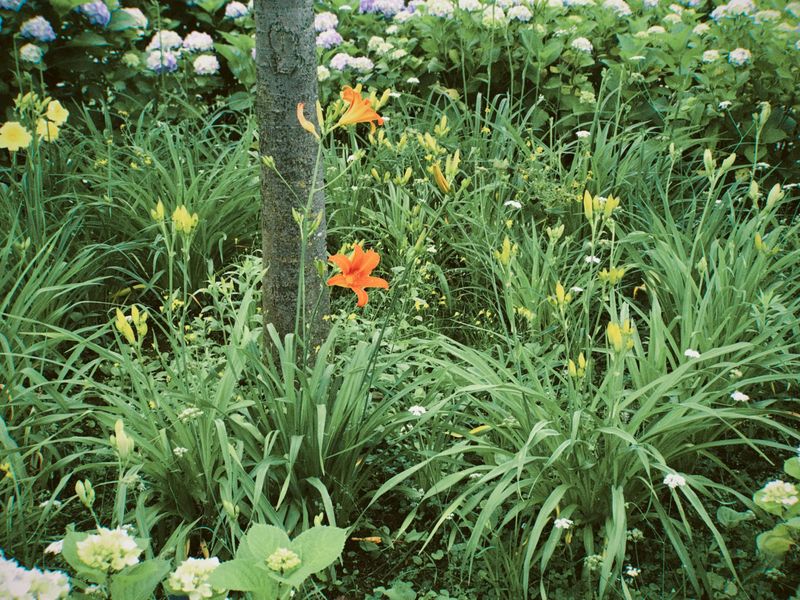
May in Wisconsin is not May in Georgia.
Cool temperatures slow grass growth dramatically, which means skipping the mower for a few weeks will not turn your yard into a jungle.
The lawn simply does not grow fast enough in early spring to get out of hand.
Cool-season grasses like Kentucky bluegrass and fescue, which are common across the state, grow most actively in fall and early spring.
But even during those active periods, growth slows significantly when temperatures stay below 60 degrees.
Many May days in Wisconsin barely crack that threshold.
Compare that to Florida or Texas, where skipping two weeks of mowing in spring can mean wading through knee-high grass.
That is a completely different situation.
Here, a month without mowing might add two or three inches at most, and that is the sweet spot for wildflowers and pollinators to do their thing.
Wisconsin homeowners skipping the mower in May are working with the climate, not against it.
The slow growth of cool spring days gives the turf time to strengthen without becoming unmanageable.
By the time June rolls in with warmer air and faster growth, you are ready to mow again. And your yard, your bees, and your fireflies will all be better for the break you gave them.