7 Reasons Why You Should Grow Blanketflower In Pennsylvania In 2026
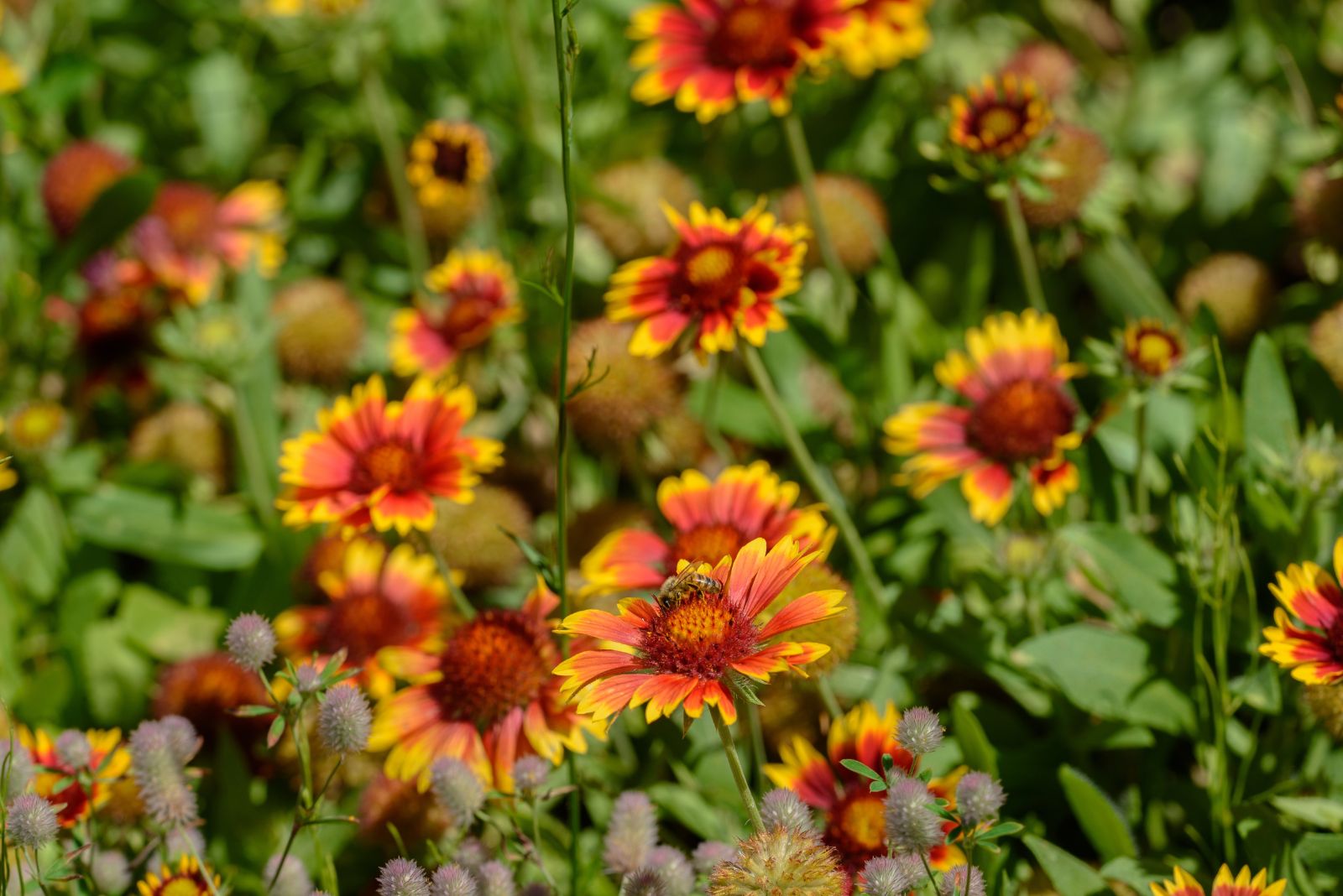
If you are planning your 2026 garden in Pennsylvania, it might be time to make room for a flower that truly pulls its weight. Blanketflower brings bold color, easygoing charm, and impressive staying power to flower beds and borders.
With its fiery red and golden petals, it adds a cheerful pop that lasts well into the warmer months. Even better, it handles Pennsylvania’s mix of cool springs and hot summers without constant fuss.
Once established, it is drought tolerant, pollinator friendly, and happy in average soil. Butterflies love it, bees flock to it, and gardeners appreciate how little maintenance it demands.
Whether you are refreshing a tired landscape or starting fresh with a new planting plan, blanketflower offers reliable beauty and strong performance. Here is why this vibrant bloomer deserves a spot in your Pennsylvania garden in 2026 and beyond.
1. It Thrives In Pennsylvania Summers
Most flowers start to struggle the moment a Pennsylvania summer turns hot and dry. Not blanketflower.
This tough perennial is built for exactly the kind of heat that rolls through the state from June through August, and it handles it with ease. Blanketflower loves full sun. The more sunlight it gets, the better it blooms.
Plant it in a spot that gets at least six to eight hours of direct sunlight each day, and it will reward you with nonstop color all season long. It performs best in well-drained soil, so avoid low spots where water tends to collect after rain.
One of the biggest advantages of growing blanketflower in Pennsylvania is its drought tolerance. Once it gets established in the ground, it does not need much extra watering.
This is a huge plus during dry stretches that are common in mid-summer across the state. While other plants in your garden may start to look wilted and worn, blanketflower keeps right on blooming.
Reliability is something every gardener wants, and blanketflower delivers it. Even during years with unusual heat spikes or uneven rainfall, it stays steady.
You do not have to baby it through the season or worry every time the forecast looks rough.
It is the kind of plant that makes gardening feel less stressful and more enjoyable, especially for anyone who wants beautiful results without constant effort in their Pennsylvania yard.
2. Long Bloom Season From Early Summer To Fall
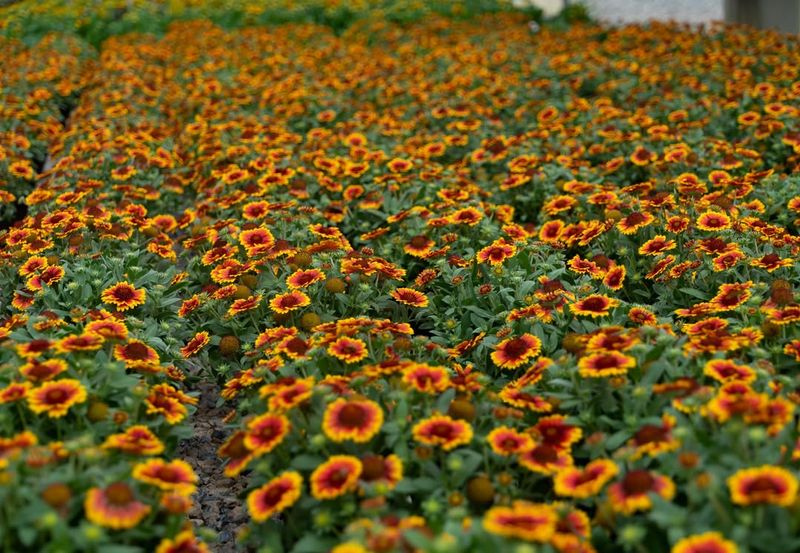
Few perennials can match the staying power of blanketflower when it comes to how long it blooms.
While many flowering plants put on a short show and then fade, blanketflower keeps producing fresh blooms from early summer all the way into fall. That kind of endurance is rare and incredibly valuable in any Pennsylvania garden.
The secret to keeping those blooms coming is deadheading. When you remove spent flowers by pinching or snipping them off at the stem, the plant puts its energy into making new buds.
It sounds like extra work, but it only takes a few minutes and makes a noticeable difference in how full and colorful the plant looks throughout the season. Even without deadheading, blanketflower still blooms generously, but a little extra effort really pays off.
Borders and mixed beds across Pennsylvania benefit greatly from having a plant with such a long bloom window. Many summer flowers peak in July and start looking tired by August.
Blanketflower fills that late-season gap beautifully, keeping your garden looking alive and colorful when other plants have already slowed down.
Gardeners who love a layered look will find blanketflower easy to pair with other perennials like coneflower, black-eyed Susan, and ornamental grasses. The combination creates a flowing, natural feel that looks great from June through October.
If steady, long-lasting garden color is what you are after in 2026, blanketflower belongs at the top of your planting list.
3. Easy To Grow, Even For Beginners
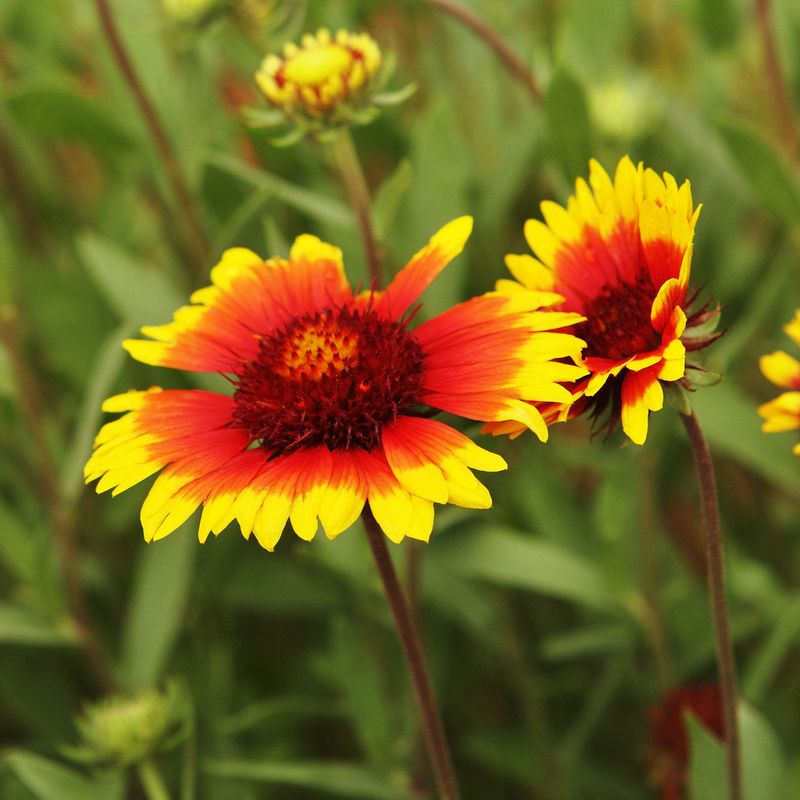
Not everyone who picks up a trowel has years of gardening experience, and that is perfectly fine. Blanketflower is one of those plants that meets beginners right where they are.
It is forgiving, flexible, and does not demand a lot of attention to look its best in a Pennsylvania garden.
Average garden soil is all it needs to get started. You do not have to amend the ground with expensive products or spend hours preparing the bed.
In fact, blanketflower actually prefers soil that is not too rich. Overly fertile soil can cause it to produce more leaves than flowers, which is the opposite of what most gardeners want. Just make sure the spot drains well, and you are already off to a great start.
Feeding is another area where blanketflower keeps things simple. Heavy fertilizing is not necessary and can sometimes do more harm than good.
A light application of balanced fertilizer in early spring is usually all it needs for the whole growing season. After that, it takes care of itself.
Pruning requirements are minimal too. Cutting the plant back slightly after its first big flush of blooms can encourage fresh growth and more flowers, but it is not a must.
Once established, blanketflower is drought tolerant and rarely needs extra watering. For anyone in Pennsylvania who wants a rewarding garden experience without a steep learning curve, blanketflower is the perfect starting point in 2026.
4. Excellent For Pollinators And Wildlife
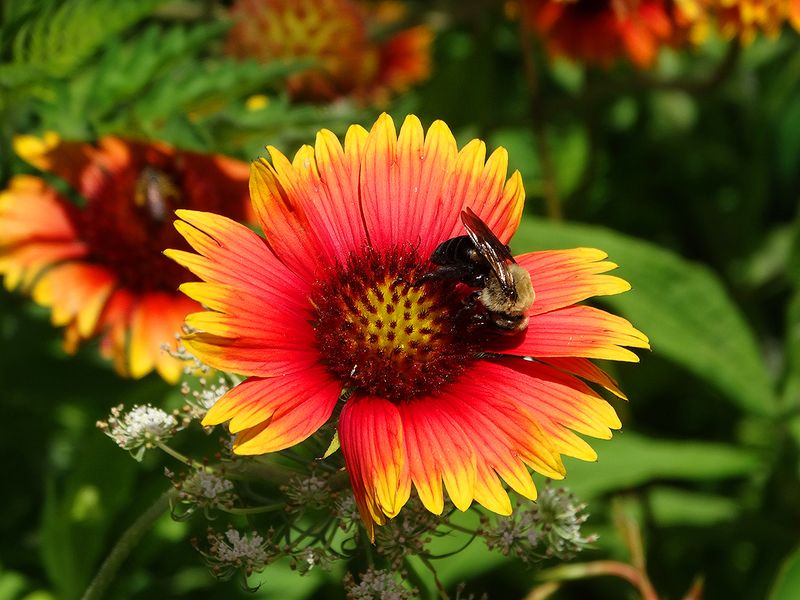
Walk past a patch of blanketflower on a warm Pennsylvania morning and you will almost always see something flying around it. Bees, butterflies, and other beneficial insects are drawn to its open, daisy-like blooms like a magnet.
The flower’s shape makes it easy for pollinators to land and feed, which is exactly what a healthy garden ecosystem needs.
Honeybees and bumblebees are especially fond of blanketflower. They visit frequently throughout the day, collecting nectar and pollen.
Butterflies like swallowtails and skippers also stop by regularly. Having these visitors in your garden is not just fun to watch.
It actually helps other nearby plants get pollinated too, which can improve fruit and vegetable yields if you grow those as well.
Pennsylvania gardeners who are interested in creating a more balanced, nature-friendly yard will find blanketflower to be a smart addition. It fits naturally into pollinator gardens, native-style beds, and wildflower plantings.
Pairing it with other pollinator-friendly plants like lavender, milkweed, and echinacea creates a buzzing, beautiful space that supports local wildlife all season long.
Beyond just attracting insects, blanketflower also supports the broader garden food web. When pollinators thrive, birds that feed on insects tend to visit more often too.
The whole yard becomes more alive and active. Growing blanketflower in 2026 is a simple way to do something genuinely good for the environment while still enjoying a gorgeous, colorful garden right here in Pennsylvania.
5. Handles Poor Soil Better Than Many Flowers
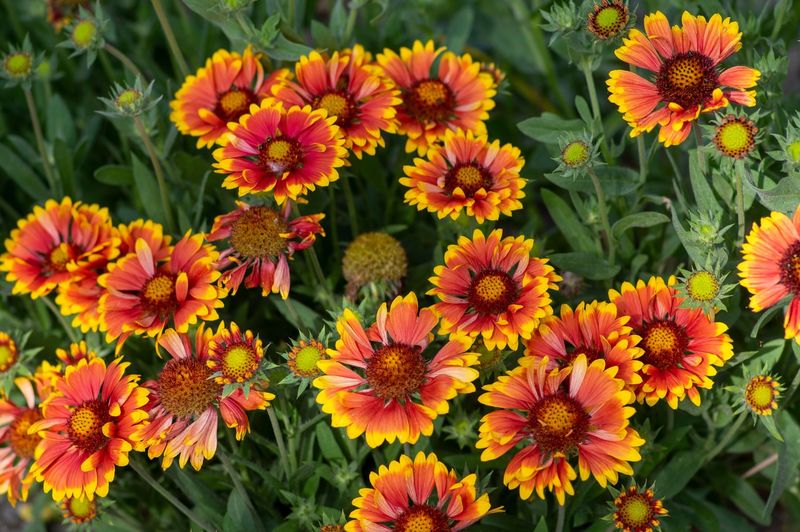
Here is something most gardeners do not expect: blanketflower actually does better in poorer soil than in rich, heavily amended garden beds. While that might sound backward, it makes perfect sense once you understand how this plant works.
It evolved in open meadows and prairies where the soil was lean and dry, not lush and fertile. That background gives it a real advantage in yards where the ground is not ideal.
Sandy or gravelly soil that drains quickly is where blanketflower truly shines. Many Pennsylvania properties, especially those in areas with rocky or sandy terrain, have spots where other perennials simply refuse to grow well.
Blanketflower steps in and fills those gaps without complaint. It does not need to be coddled or fed with rich compost to perform at its best.
What blanketflower cannot handle is heavy, wet soil that stays soggy after rain. Poor drainage is the one condition that causes it real trouble.
Roots sitting in standing water can lead to rot, which weakens the plant over time. If your yard has a drainage problem, it is worth raising the planting area slightly or choosing a different spot altogether.
For low-maintenance landscapes across Pennsylvania, blanketflower is a practical solution. It covers ground beautifully, requires little input, and thrives in conditions that would challenge most other flowering perennials.
If you have a tough spot in your yard that seems impossible to plant, blanketflower in 2026 might finally be the answer you have been looking for.
6. Adds Warm, Vibrant Color To The Garden
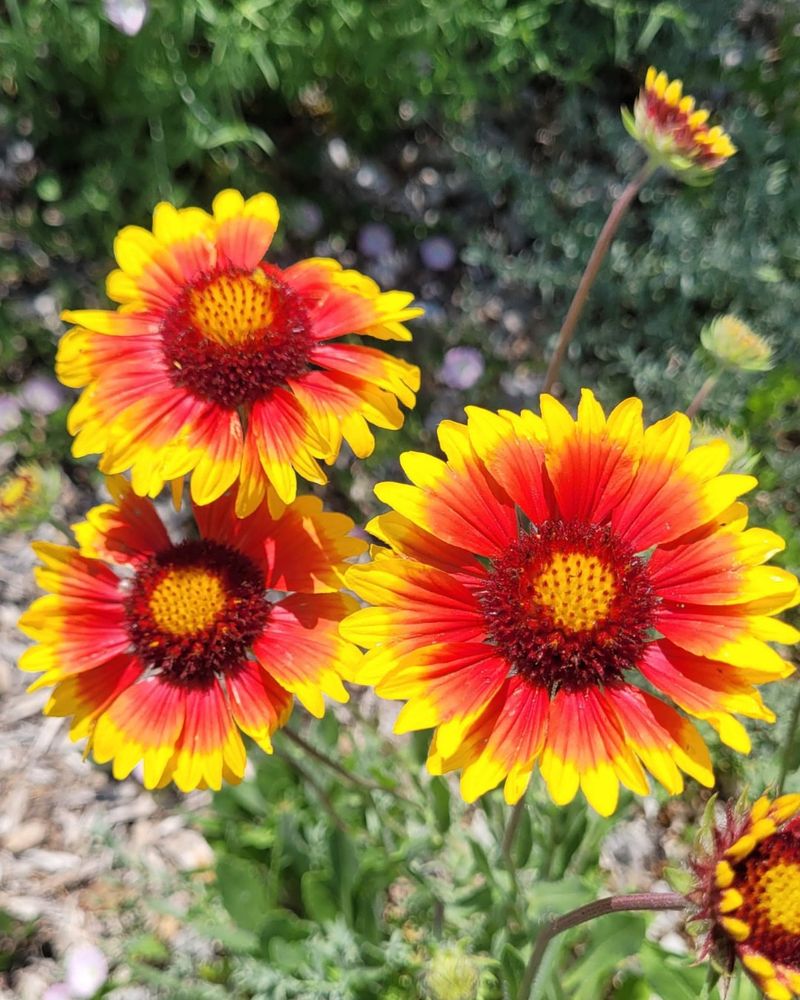
There is something instantly uplifting about a garden full of warm, sunny colors, and blanketflower delivers that feeling better than almost any other perennial.
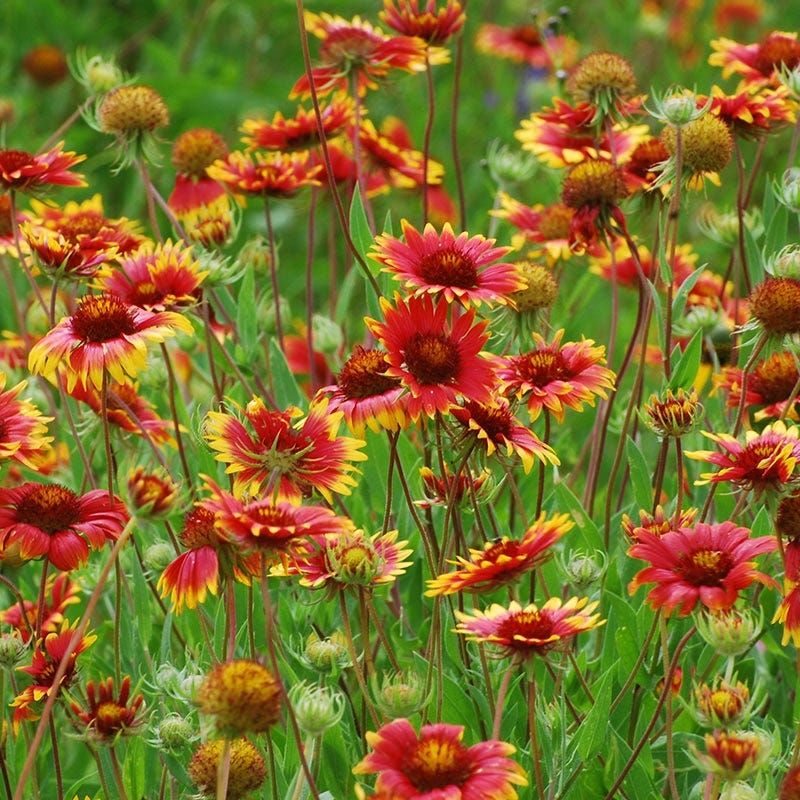
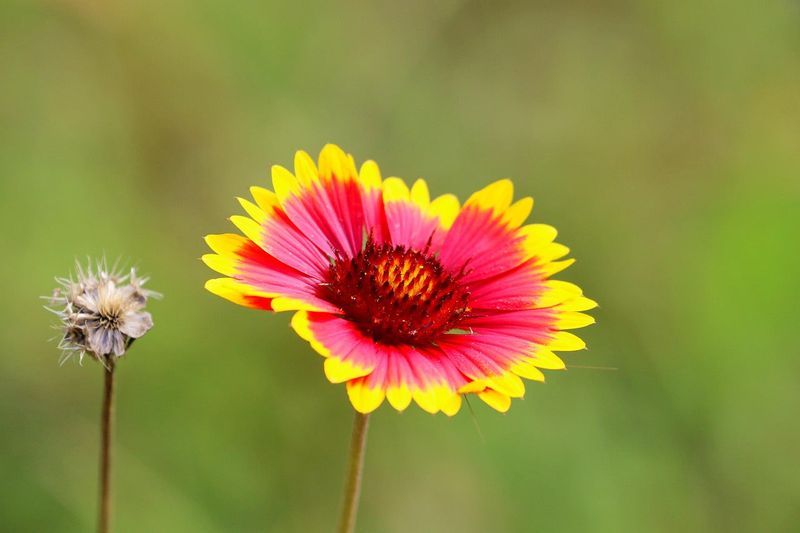
Its bold blooms come in shades of red, orange, and yellow, often with beautiful gradient patterns that blend one color into the next. The effect is eye-catching, energetic, and hard to ignore.
The flowers have a classic daisy-like shape with a raised central cone and petals that radiate outward. This familiar form gives the garden a relaxed, natural look that feels both cheerful and timeless.
Whether you are designing a formal border or a loose wildflower-style bed, blanketflower fits right in without looking out of place.
Pennsylvania gardeners who love cottage gardens will find blanketflower to be a natural fit. It pairs beautifully with other summer bloomers like coreopsis, salvia, and rudbeckia.
The warm color tones complement cooler purples and blues, creating contrast that makes every plant in the bed stand out more. Even a small patch of blanketflower can transform the overall mood of a garden space.
Color in the garden does more than just look nice. Research shows that spending time around plants and flowers can improve mood and reduce stress.
A yard filled with blanketflower’s warm tones becomes a place where you actually want to spend time. In 2026, when life stays busy and outdoor time feels valuable, having a garden that genuinely lifts your spirits in Pennsylvania is worth every bit of planting effort.
7. A Resilient Choice For Changing Weather In 2026
Weather patterns have been unpredictable in recent years, and Pennsylvania is no exception.
Summers that swing between intense heat waves and unexpected dry spells have made it harder for gardeners to rely on plants that need consistent conditions. Blanketflower was practically made for this kind of uncertainty.
Its natural toughness is one of its most impressive qualities. Once established, it handles heat without fading, shrugs off dry spells without wilting, and keeps blooming even when the forecast looks rough.
Other flowering perennials might need extra watering or protection during stressful stretches, but blanketflower tends to push through on its own. That kind of dependability matters more than ever in 2026.
Low-water gardening is becoming increasingly popular across Pennsylvania as more people look for sustainable ways to maintain beautiful yards without wasting resources. Blanketflower fits perfectly into that approach.
It does not need a sprinkler running every day to look its best. Once the roots are established, rainfall alone is often enough to keep it healthy through a normal growing season.
Some flowers are undeniably beautiful but fragile. They demand perfect conditions and fall apart the moment something goes wrong.
Blanketflower is the opposite. It is colorful, reliable, and built to last through whatever the season throws at it.
For Pennsylvania gardeners who want a plant that delivers year after year without constant intervention, blanketflower is one of the smartest investments you can make going into 2026 and beyond.