8 Reasons Why You Should Grow Borage In Your North Carolina Front Yard
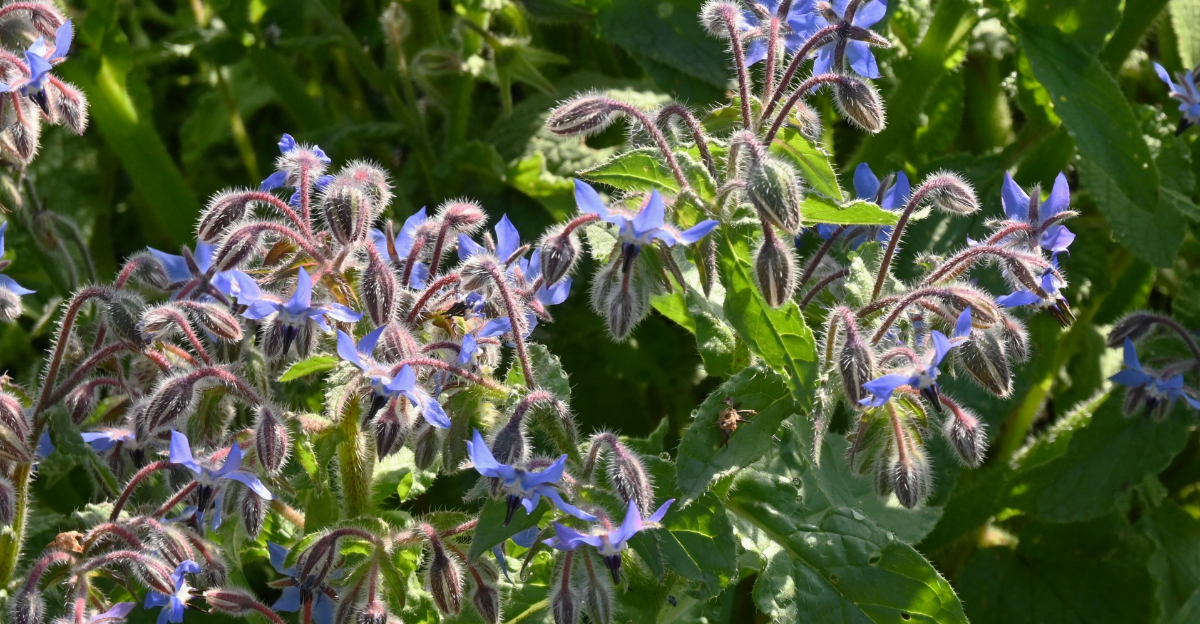
Transforming a vacant patch of North Carolina red clay into a thriving sanctuary often starts with a single, blue-petaled secret known as borage.
This resilient Mediterranean herb flourishes in our humid Southern climate, offering a visual feast of star-shaped flowers that shift from pink to a brilliant sky blue.
While most homeowners settle for predictable boxwoods, the strategic gardener chooses borage to act as a natural magnet for essential pollinators like honeybees and butterflies.
Beyond its aesthetic charm, this plant works beneath the surface to break up compacted soil with its deep taproot system, mining for minerals that benefit every surrounding plant.
It is a rare multitasking powerhouse that requires almost zero maintenance once the spring rains settle in.
If you are ready to elevate your curb appeal while supporting the local ecosystem, this forgotten garden classic is the ultimate shortcut to a vibrant and productive landscape.
1. Attracts Pollinators
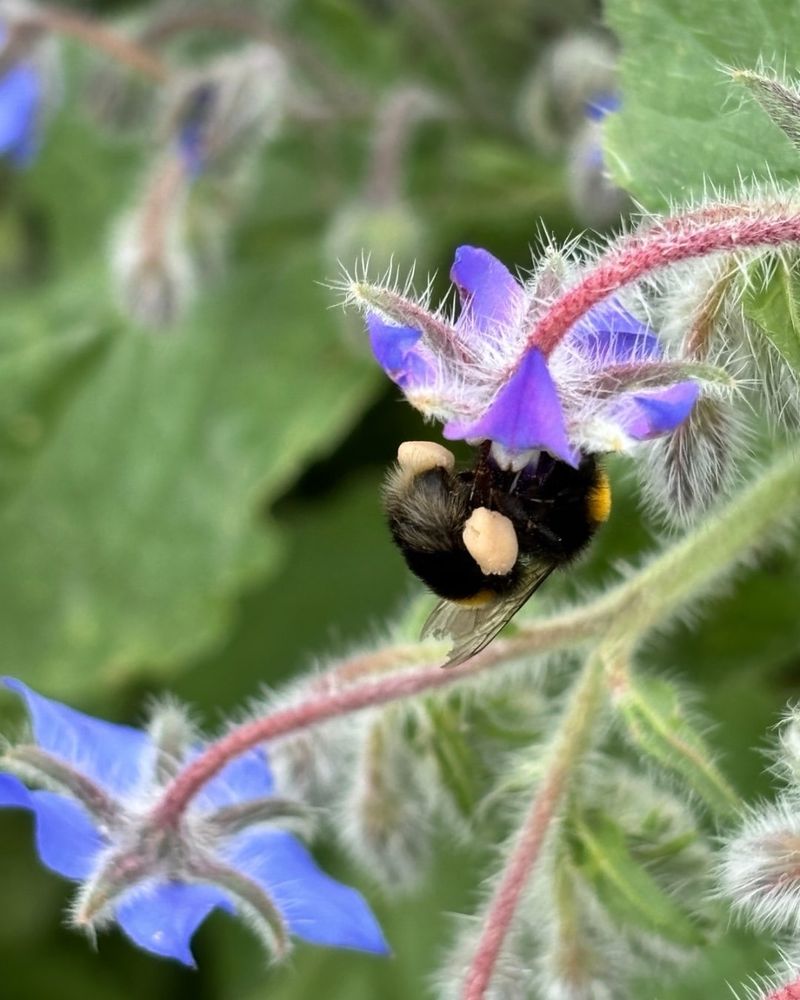
Bees absolutely go crazy for borage, and that is one of the best things about growing it in your North Carolina front yard.
The star-shaped blue flowers produce rich, sweet nectar that honeybees, bumblebees, and butterflies simply cannot resist.
During North Carolina’s long, warm growing season, pollinators are out in full force, and borage gives them a reliable food source right outside your door.
What makes borage even more special is that it blooms continuously from late spring through fall, giving pollinators a steady supply of nectar for months.
This kind of consistent blooming is rare among garden plants, and it makes your yard a genuine hotspot for beneficial insects.
Gardeners in the Piedmont and coastal regions of North Carolina have noticed a real difference in fruit and vegetable yields when borage grows nearby, thanks to all that extra pollination activity.
Supporting local pollinators is one of the most meaningful things a home gardener can do. When your yard becomes a welcoming stop for bees and butterflies, nearby plants get pollinated more efficiently, which benefits your whole garden.
Planting borage is a simple, beautiful way to play a positive role in your local North Carolina ecosystem, and your neighbors will probably notice those gorgeous blue blooms and want to know your secret.
2. Easy To Grow In North Carolina’s Soil And Climate
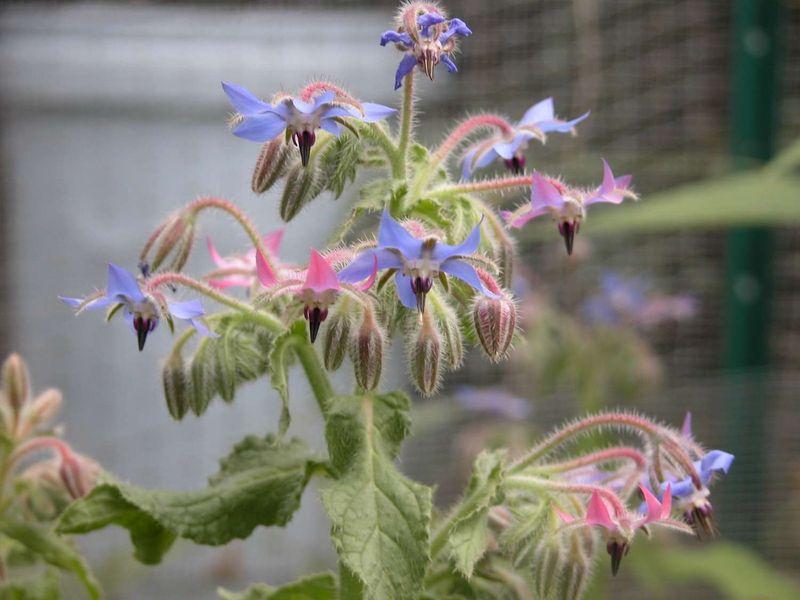
North Carolina is one of the best states in the country to grow borage, and the plant seems to know it.
Borage thrives in full sun, which North Carolina has plenty of from spring through fall, and it handles a wide range of soil types without much fuss.
Whether your yard has the sandy, coastal soil of the Outer Banks area or the rich, loamy earth of the Piedmont, borage will settle right in and start growing strong. One of the coolest things about borage is how adaptable it is.
In the mountain regions of western North Carolina, the slightly cooler temperatures do not slow it down much, and it still produces those beautiful blue blooms season after season. You do not need to amend your soil heavily or create any special growing conditions.
Simply plant the seeds in a sunny spot with decent drainage, and borage handles the rest almost entirely on its own.
Germination happens fast, usually within seven to fourteen days, so you will see results quickly after planting.
Borage grows upright and bushy, reaching about two to three feet tall, which gives your front yard a lush, full look without overcrowding other plants.
For North Carolina gardeners who want reliable results without spending hours fussing over their garden beds, borage is truly one of the easiest plants you can choose to grow.
3. Edible Leaves And Flowers
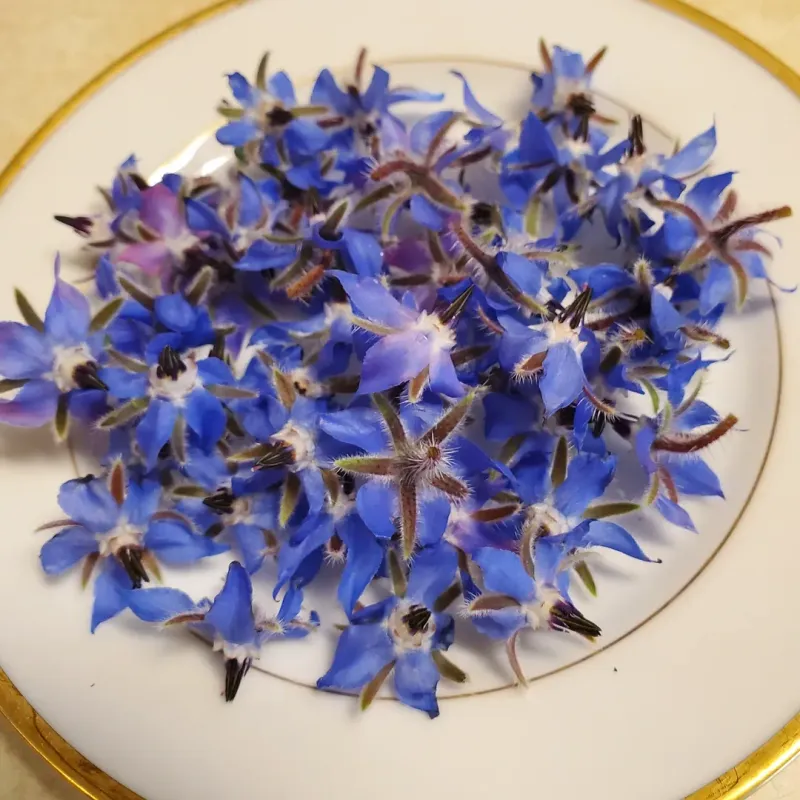
Imagine walking out to your North Carolina front yard, picking a handful of bright blue flowers, and tossing them straight into your morning salad.
That is exactly what you can do with borage, because both its leaves and flowers are completely edible and genuinely tasty.
The flavor is mild and refreshing, with a light cucumber-like taste that works surprisingly well in a wide range of dishes and drinks.
Borage leaves work beautifully in green salads, herbal teas, and even blended smoothies where their mild flavor adds a fresh twist.
The flowers are especially fun to use because they are so visually stunning. Float them in lemonade, freeze them into ice cubes for cocktails, or use them to garnish desserts and appetizers.
Chefs and home cooks across North Carolina and beyond have been using borage flowers as edible decorations for years, and once you try it, you will see why.
Beyond their good looks, borage flowers contain small amounts of beneficial nutrients and have a long history of use in traditional herbal cooking across Europe and the Mediterranean.
Growing an edible plant in your front yard is a smart, practical choice that blends beauty with real-world usefulness.
Every time you step outside to snip a few flowers or leaves, your North Carolina garden feels a little more like a living, productive kitchen garden.
4. Low-Maintenance Plant
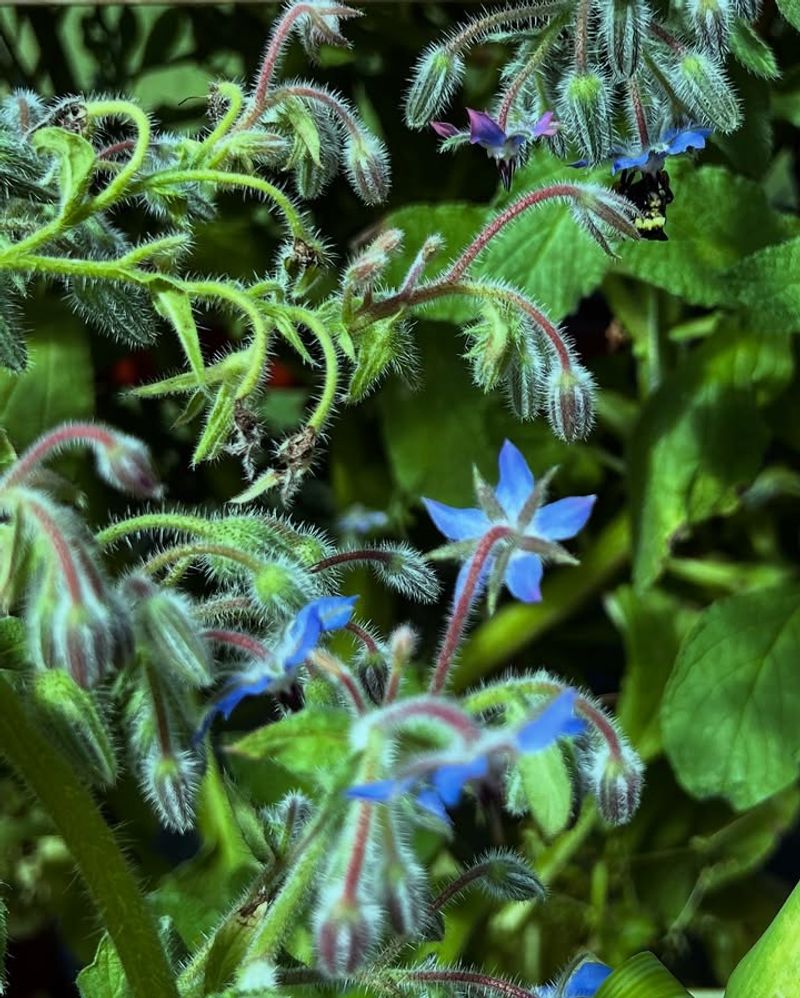
Not everyone has hours to spend watering, pruning, and fertilizing their garden every week, and that is totally okay because borage was practically built for busy people.
Once established in your North Carolina front yard, borage is remarkably self-sufficient and asks very little of you in return for a whole season of gorgeous blooms.
It is one of those rare plants that rewards low effort with high results. North Carolina summers can get seriously hot and dry, especially in the central Piedmont and coastal plain regions.
Borage handles drought conditions like a champ, needing only occasional watering once its roots have settled in.
You do not need to fertilize it regularly, and it rarely needs pruning beyond removing spent flowers to encourage new blooms.
Compared to many popular garden plants that need constant attention, borage is almost completely hands-off.
Another huge bonus is that borage self-seeds freely, meaning it will come back on its own year after year without you replanting it.
Once you grow it in your front yard, you essentially set it and forget it, and every spring you will find new seedlings popping up right where you want them.
For North Carolina gardeners juggling busy schedules, this self-renewing quality makes borage one of the most practical and rewarding plants you can add to your landscape this season.
5. Adds Beauty And Color To Your Yard
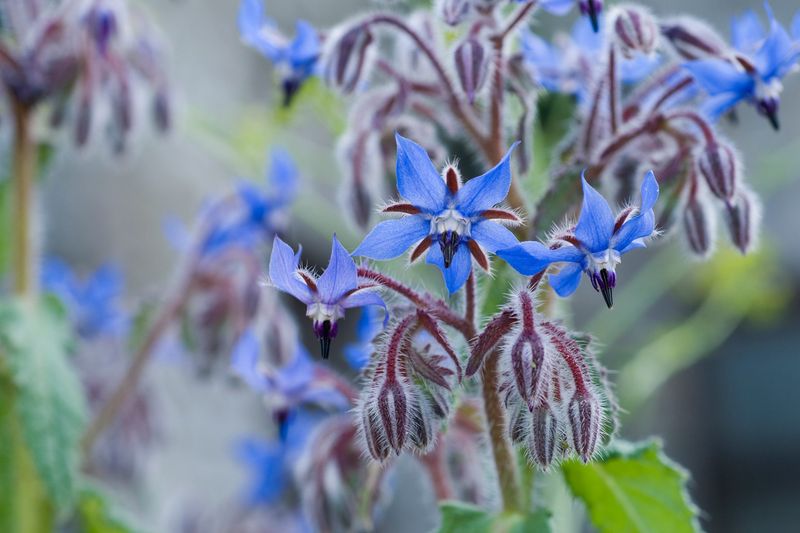
There is something almost magical about the color of borage flowers. That deep, vivid blue is rare in the plant world, and when borage is in full bloom in your North Carolina front yard, it instantly becomes the most eye-catching thing on the street.
The star-shaped blossoms have a delicate, almost jewel-like quality that photographs beautifully and draws compliments from everyone who walks by.
Borage pairs wonderfully with other common garden plants. Its blue blooms look stunning next to the warm oranges and yellows of marigolds, the soft pinks of zinnias, or the rich purples of lavender.
You can mix it into existing flower beds or plant it as a standalone border along your walkway, and either way it adds a layer of color and texture that elevates your whole yard.
North Carolina gardeners who want serious curb appeal without a complicated planting scheme absolutely love what borage can do.
The plant itself is also visually interesting even before the flowers open. Its broad, fuzzy green leaves have a lush, tropical look that adds fullness and depth to any garden bed.
As the season progresses and the flowers multiply, your front yard transforms into a true showstopper.
Neighbors and passersby often stop to ask what that beautiful blue plant is, and you will feel proud knowing you grew it from seed right here in North Carolina.
6. Improves Soil Health
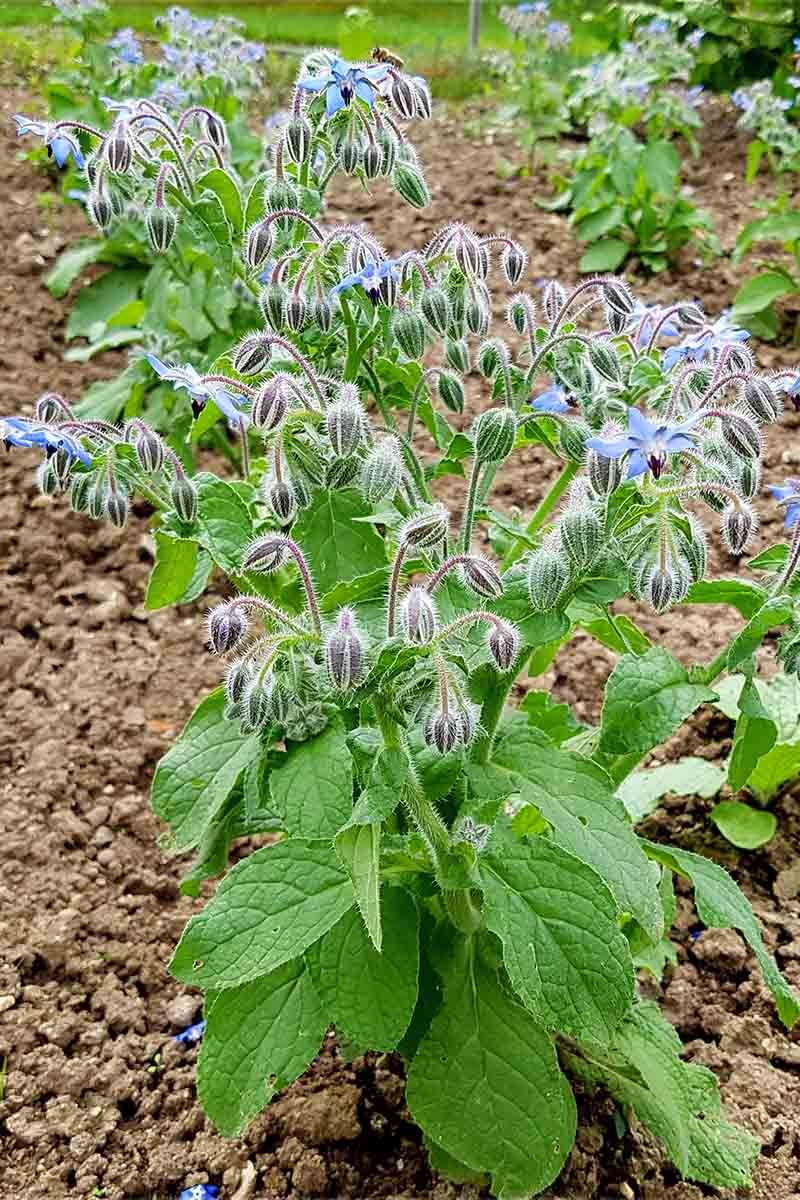
Healthy soil is the foundation of any great garden, and borage is one of the best plants you can grow to actively improve what is already in the ground beneath your feet.
Borage develops a long, strong taproot that pushes deep into the soil, breaking up compacted layers and improving both drainage and air circulation.
For North Carolina gardens that deal with heavy clay soils, this natural soil-loosening effect is a genuine game changer.
Borage is what gardeners call a dynamic accumulator, which means its deep roots draw up minerals like potassium, calcium, and silicon from lower soil layers that shallow-rooted plants simply cannot reach.
When borage plants finish their season and break down naturally into the soil, all those valuable minerals get released back into the upper layers where other plants can access them easily.
This natural nutrient cycling enriches your garden beds over time without requiring bags of store-bought fertilizer.
Planting borage alongside vegetables, herbs, or flowers in your North Carolina yard essentially gives your whole garden a nutritional boost season after season.
Over time, gardeners notice that the plants growing near borage tend to look healthier, produce more abundantly, and show stronger resistance to environmental stress.
It is one of those quiet, behind-the-scenes benefits that makes a surprisingly big difference, and it happens automatically just because you chose to grow this remarkable herb in your front yard.
7. Resistant To Pests
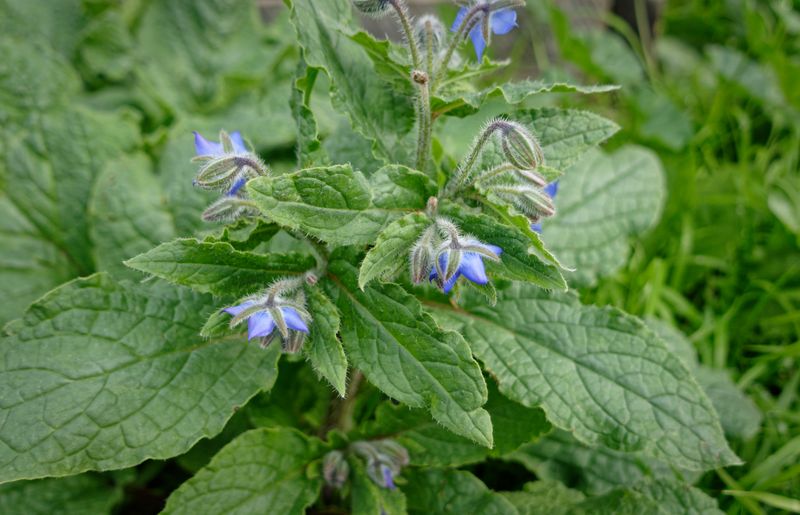
One of the most frustrating parts of gardening is watching pests munch through your carefully tended plants, but borage can actually help protect your whole garden from some of the most common troublemakers.
Borage has a natural resistance to many pests, and its presence in the garden is known to deter insects like tomato hornworms, cabbage worms, and even aphids from settling in nearby.
It is like having a built-in security guard for your North Carolina front yard. Companion planting with borage is a strategy that experienced gardeners swear by, particularly when growing vegetables like tomatoes, squash, and brassicas.
Planting borage nearby creates a kind of natural barrier that makes your garden less appealing to destructive insects without using any chemical sprays or pesticides.
This is especially valuable in North Carolina, where warm summers create ideal conditions for pest populations to grow quickly and cause serious damage in a short amount of time.
Beyond repelling bad insects, borage also attracts beneficial predatory insects like lacewings and parasitic wasps, which actively hunt down garden pests and keep their numbers in check.
This creates a natural balance in your yard that reduces the need for intervention altogether.
Growing borage means you spend less time worrying about pest problems and more time enjoying your garden, which is exactly the kind of low-stress gardening experience every North Carolina homeowner deserves.
8. Frost-Tolerant In Early Spring
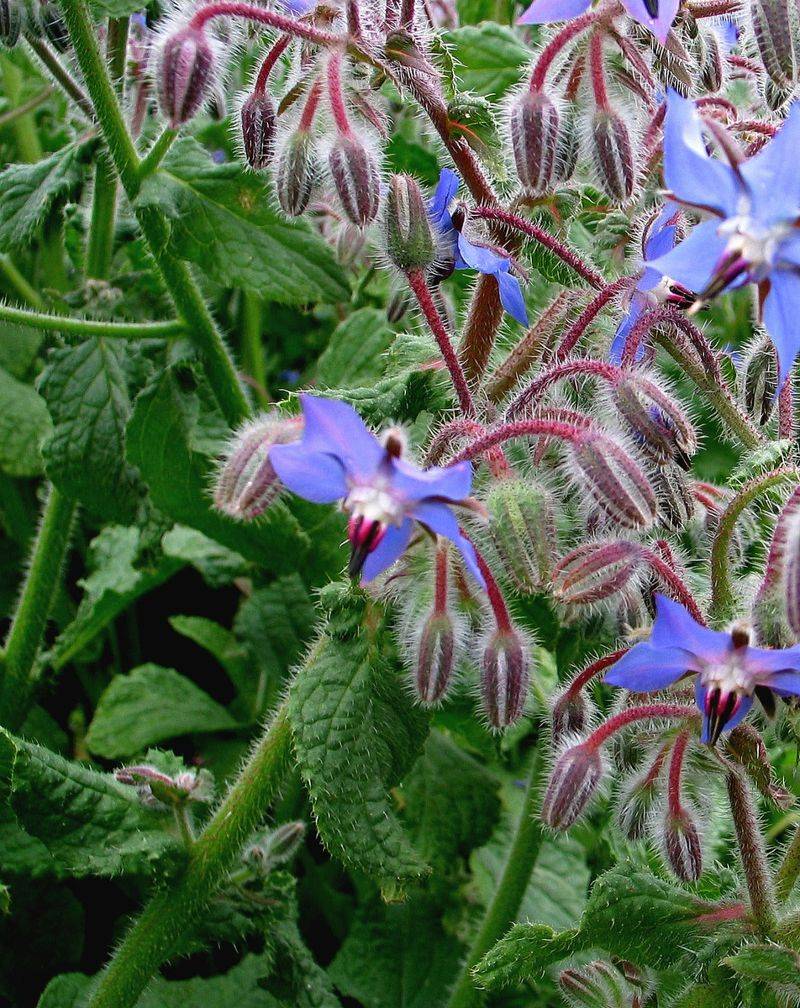
Getting a head start on the growing season is something every gardener dreams about, and borage makes it surprisingly easy thanks to its impressive tolerance for cool temperatures.
Unlike many tender herbs and flowers that need warm soil before they can even think about sprouting, borage can handle light frosts without skipping a beat.
This means North Carolina gardeners can plant borage seeds several weeks earlier than most other warm-season plants.
In the Piedmont and coastal areas of North Carolina, late winter and early spring often bring unpredictable weather with chilly nights and occasional frost warnings.
Borage shrugs off those cold snaps and keeps right on growing, giving it a real head start over plants that need to wait for consistently warm conditions.
By the time summer arrives and the garden is in full swing, your borage plants will already be well-established, bushy, and covered in those gorgeous blue blooms that make your front yard shine.
Starting borage early also means you get a longer overall blooming season, which is great news for pollinators and for anyone who wants to harvest edible flowers and leaves throughout the year.
In North Carolina’s mountain regions where spring can linger cool and crisp well into April, borage is one of the few plants that performs confidently and colorfully during that transitional period.
Planting it early is a smart move that pays off with months of beauty and benefits from your very first season.