7 Reasons Why You Should Grow Borage In Your Pennsylvania Front Yard
Borage is not usually the first plant people think about for a front yard, and that is exactly what makes it so interesting. While everyone else is focused on the usual flowers and predictable greenery, this plant brings something a little different to the space.
It has eye-catching blue blooms, a slightly wild charm, and a way of making a yard feel more alive without looking messy or out of place.
For Pennsylvania gardeners, borage can be an especially smart addition. It handles a range of conditions well, brings in pollinators, and adds color at a time when many front yards start to feel plain or repetitive.
It also has a useful side that goes beyond looks, which makes it more than just another pretty plant.
If you want your front yard to stand out in a way that feels fresh, easygoing, and practical at the same time, borage is worth a closer look. It may not be the most talked-about plant on the block, but it makes a strong case for itself.
1. Borage Brings In Pollinators Fast
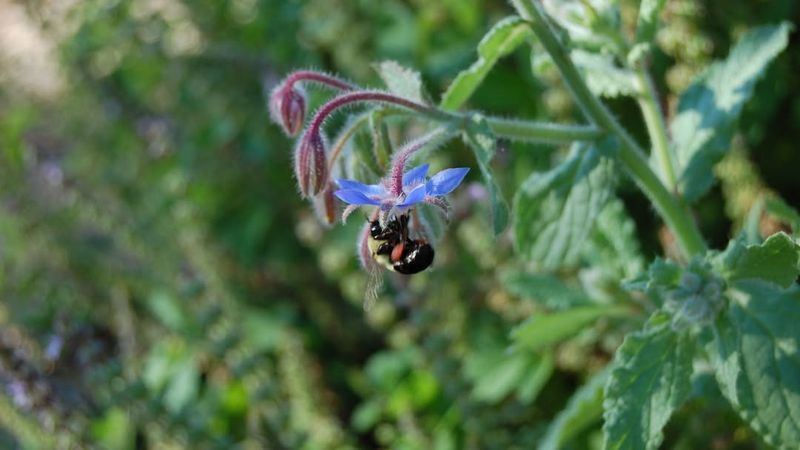
Walk past a borage plant on a warm Pennsylvania morning and you will almost always hear it before you see it. The buzzing of bees is a giveaway that something special is happening. Borage flowers are loaded with nectar, and pollinators cannot resist them.
Bees, butterflies, and even hummingbirds are drawn to those bright blue, star-shaped blooms. Having more pollinators in your front yard is not just good for the borage.
It is good for every plant nearby. Your tomatoes, strawberries, and fruit trees will produce better when pollinators are visiting regularly.
Pennsylvania summers can be busy for bees, and giving them a reliable nectar source in your front yard helps support the local pollinator population. Borage blooms for a long stretch of the growing season, so it keeps delivering that benefit week after week.
Gardeners who plant borage near their vegetable beds often notice a real difference in how well their crops perform.
More bees mean more pollination, and more pollination means more fruit and vegetables. It is a simple chain reaction that starts with one easy-to-grow plant.
If your Pennsylvania neighborhood feels a little quiet in terms of garden wildlife, borage can change that quickly. Once it blooms, the pollinators arrive fast.
For anyone who wants a front yard that feels alive and buzzing with energy, planting borage is one of the smartest moves you can make this season.
2. The Blue Star-Shaped Flowers Are Genuinely Eye-Catching
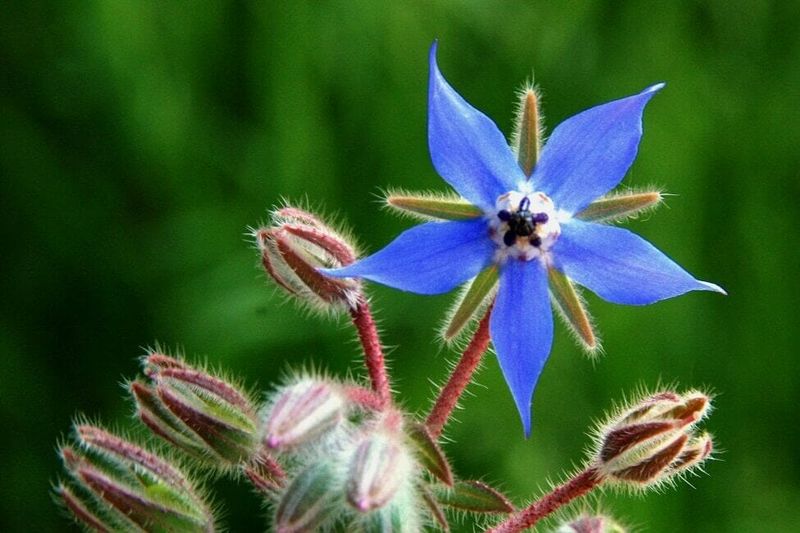
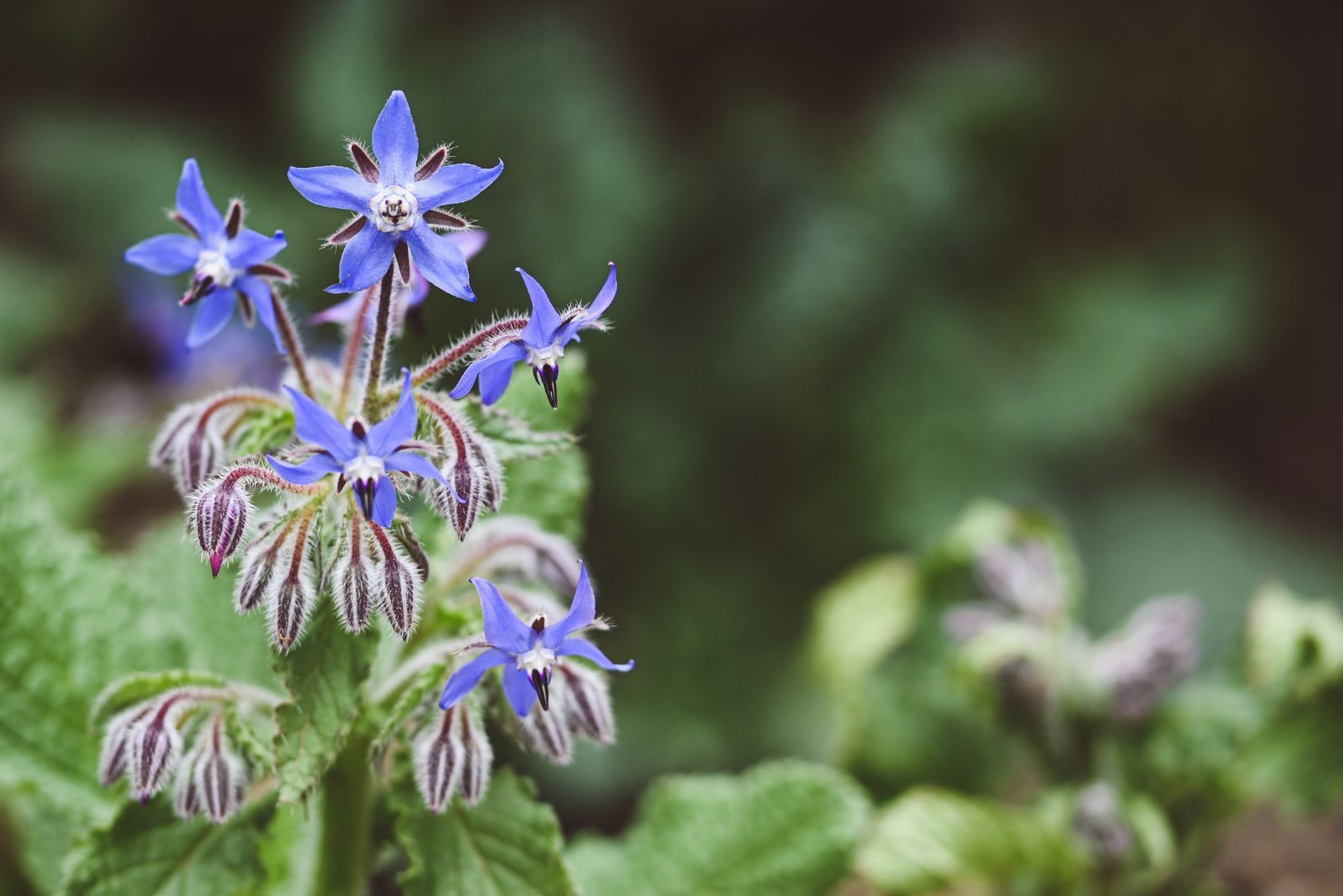
Not every front yard flower makes people slow down as they walk past, but borage has a way of doing exactly that. The flowers are a rare shade of sky blue that you just do not see in most Pennsylvania gardens.
That color alone makes it stand out from the usual lineup of marigolds and petunias. Each bloom is perfectly star-shaped with five pointed petals and a small white and black center. Up close, they almost look like something out of a fairy tale.
From a distance, a patch of borage in full bloom creates a soft, dreamy wash of blue that adds serious curb appeal to any front yard.
Borage grows to about two or three feet tall, so it has enough height to be noticed without blocking windows or pathways. The leaves are large and slightly fuzzy, which gives the plant a full, lush look even before the flowers open.
That combination of interesting foliage and brilliant blooms makes it a two-season showstopper.
Pennsylvania front yards often rely on the same plants everyone else uses. Borage gives you a chance to do something a little different and genuinely beautiful.
Neighbors and visitors will ask about it, and you will feel proud showing off something that is both unusual and easy to grow.
The blooming period stretches across much of summer, so you get weeks of that gorgeous blue color without having to replant or refresh the display. Few plants deliver this much visual impact for so little effort.
3. It Is Easy To Grow From Seed
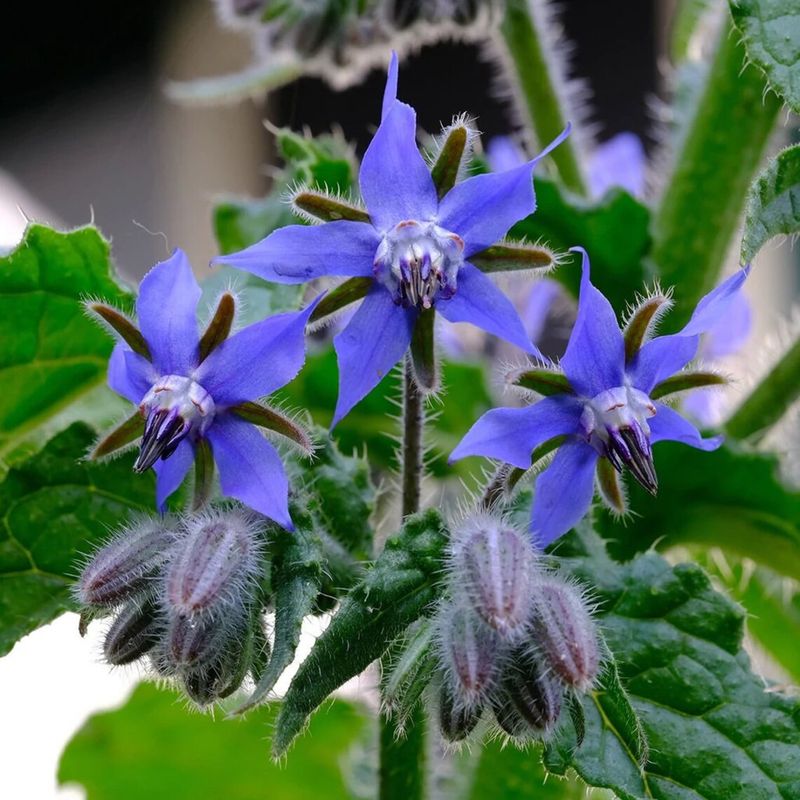
Some plants make you feel like you need a horticulture degree just to keep them alive. Borage is the opposite of that.
You press a seed into the ground, water it, and step back. Within a week or two, tiny seedlings are already pushing through the soil.
For Pennsylvania gardeners who want quick results without a lot of fuss, borage is a dream. It does not need to be started indoors weeks ahead of time.
You can direct sow it right into your front yard bed after the last frost, which in most parts of Pennsylvania falls somewhere between late April and mid-May.
The seeds germinate reliably and the plants grow fast. From seed to first bloom, you are usually looking at about eight weeks.
That is a pretty short wait for a plant that delivers so much visual and ecological value once it gets going.
Borage is also forgiving about soil quality. It does not need rich, heavily amended ground to thrive.
Average Pennsylvania garden soil works just fine, which means you do not have to spend a lot of time or money preparing the bed before planting.
Even kids can grow borage successfully, and that makes it a great project for families who want to get their children involved in gardening. The seeds are large enough to handle easily, and the fast germination keeps young gardeners excited and engaged.
Starting a front yard garden in Pennsylvania has never been this straightforward or rewarding.
4. It Can Come Back By Reseeding Itself
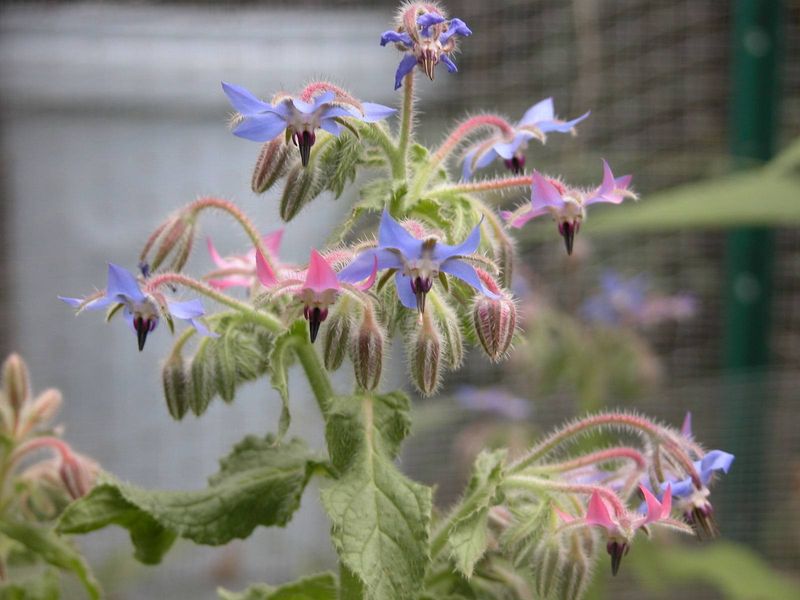
Imagine planting something once and having it show up again the following year without you doing a single thing. That is exactly what borage can do, and it is one of the main reasons gardeners in Pennsylvania keep coming back to it season after season.
Borage is an annual, which means it completes its life cycle in one growing season. But here is the part that makes it special.
Before the season ends, it drops seeds that settle into the soil and wait quietly through winter. When spring warmth returns to Pennsylvania, those seeds sprout on their own and the whole beautiful cycle starts again.
You do not have to collect seeds, store them, or remember to replant. The plant handles that part for you.
This self-seeding habit makes borage feel less like a one-time annual and more like a reliable garden friend that keeps returning without being invited.
Of course, you can manage where new plants come up if needed. Simply pull any seedlings that sprout in unwanted spots while they are still small. This gives you control without losing the benefit of natural reseeding.
For busy Pennsylvania homeowners who love a beautiful front yard but do not always have time for detailed garden maintenance, this trait is genuinely valuable. Borage gives you a low-effort way to keep color and pollinator activity coming back each year.
Once it gets established in your front yard, it tends to take care of itself in the most satisfying way possible.
5. It Handles Sunny Front-Yard Spots Well
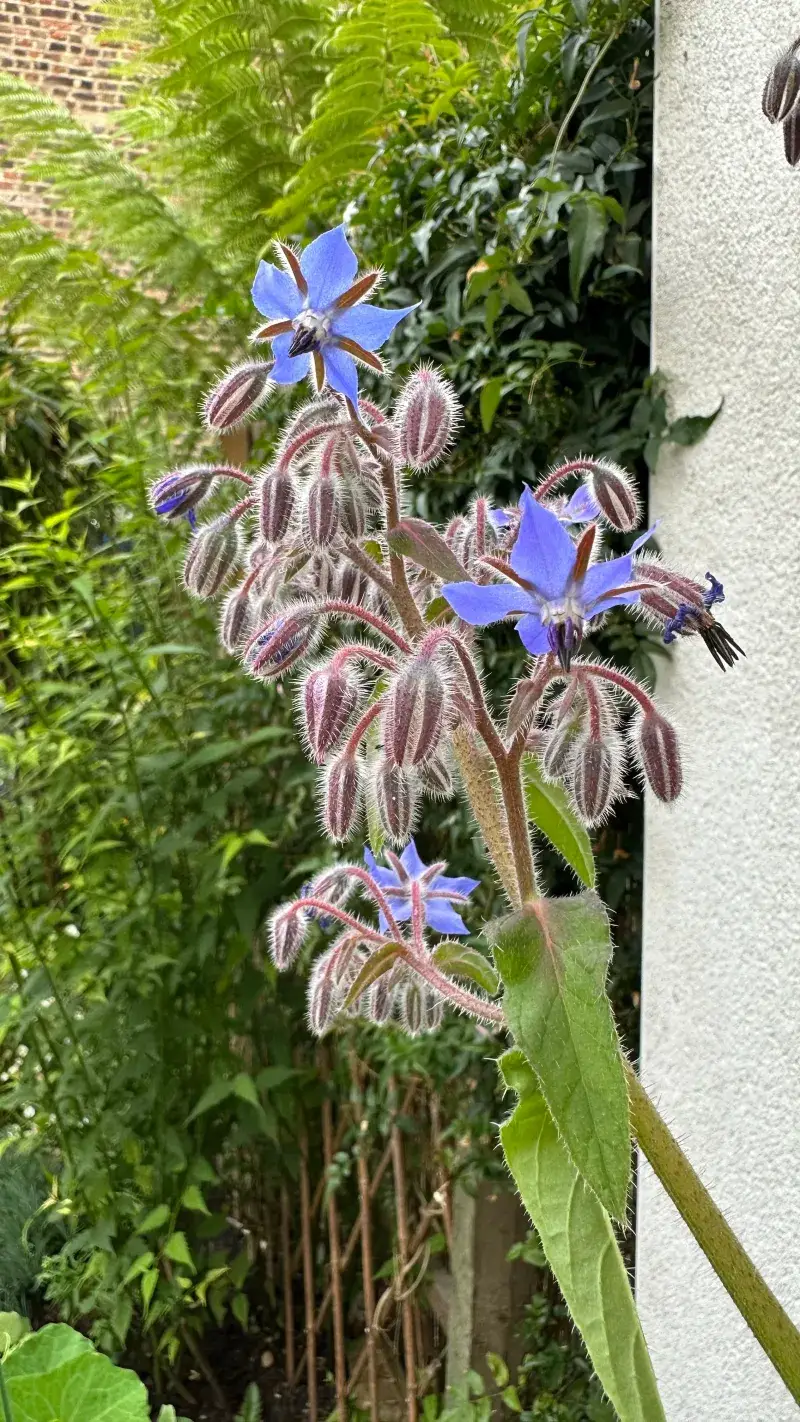
Front yards in Pennsylvania can be tough growing environments. Many of them get hours of direct sun with little shade to break it up, especially during July and August when the heat really settles in.
A lot of plants struggle in those conditions, but borage actually does well there. Borage loves full sun and performs best when it gets at least six hours of direct sunlight each day.
That makes it a natural fit for the kind of open, exposed front yard spaces that are common in Pennsylvania neighborhoods. Where other plants wilt or fade, borage tends to hold its own.
It also handles a range of soil types without complaining. Sandy soil, loamy soil, and even slightly dry ground are all fine for borage.
Pennsylvania soils vary quite a bit from region to region, and it helps to have a plant that is not picky about what it grows in.
Once borage gets established, it develops a deep taproot that helps it access moisture even during dry stretches.
This makes it more drought-tolerant than many flowering plants, which is a real advantage during the hot, dry weeks that sometimes hit Pennsylvania in midsummer.
Planting borage in that sunny strip along your front walkway or in an open garden bed that gets blasted by afternoon sun is a smart move. It will not just survive in those conditions.
It will actually thrive, bloom beautifully, and keep attracting pollinators all season long without needing extra watering or special care.
6. You Can Actually Use The Flowers And Leaves
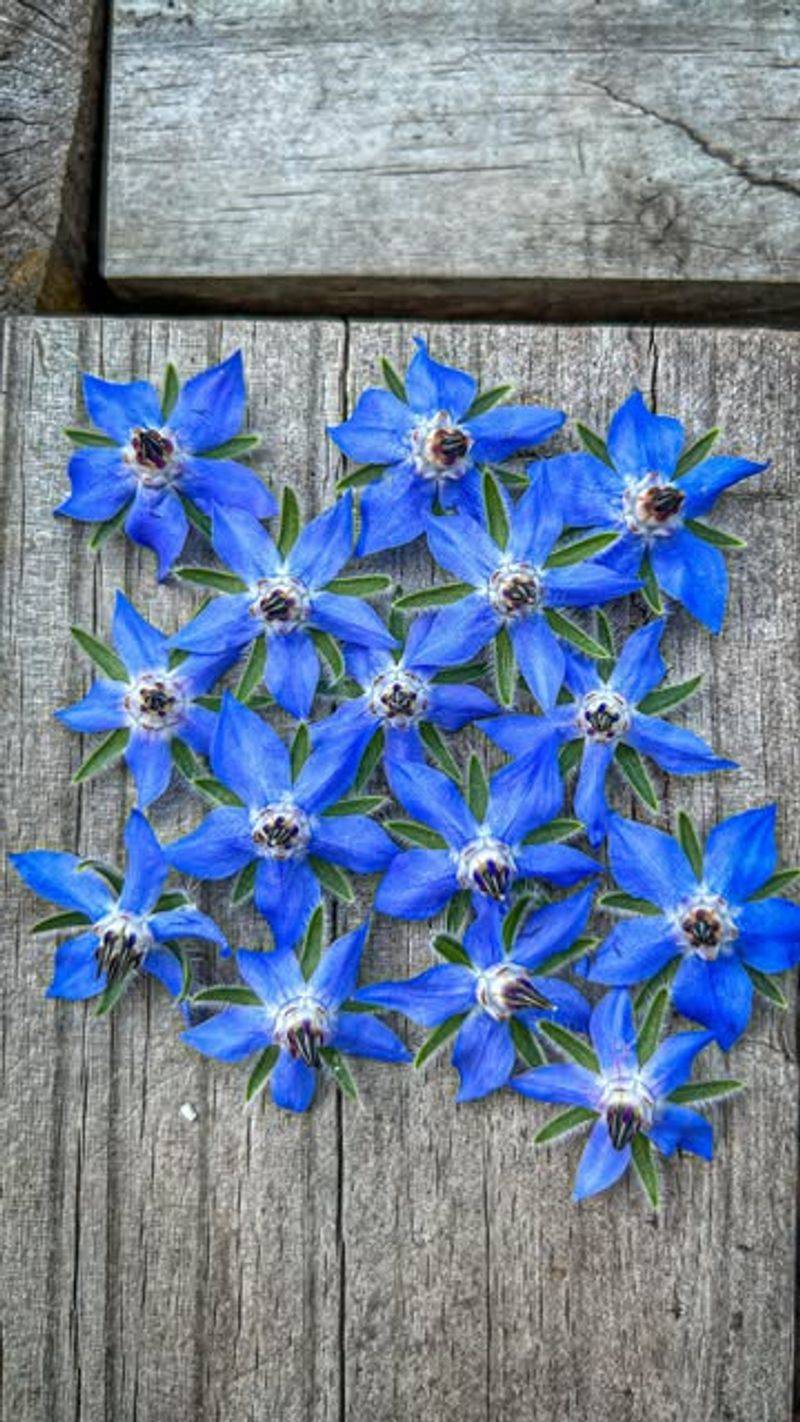
Most front yard plants are purely decorative, but borage gives you something extra. The flowers and leaves are edible, which means your front yard can actually contribute to your kitchen in a small but delightful way.
That is a pretty cool bonus for a plant that already looks amazing. The flavor of borage is mild and refreshing, often described as similar to cucumber.
Fresh borage flowers are beautiful frozen into ice cubes for summer drinks, and they add a pop of blue color to lemonade, cocktails, or sparkling water. In Pennsylvania summers, that kind of refreshing touch is always welcome.
The leaves can be added to salads or used to flavor cold drinks when steeped. They are a bit rougher in texture than the flowers, so younger, smaller leaves tend to work better for eating fresh.
Both the flowers and leaves should be used in moderation as part of a balanced approach to edible gardening.
Borage flowers also make stunning garnishes for desserts and cheese boards. Their vivid blue color does not fade quickly once picked, so they stay looking fresh and lovely for a few hours after being placed on a dish.
Guests always notice them and ask where they came from. Growing something in your Pennsylvania front yard that you can actually bring into your kitchen creates a really satisfying connection between your outdoor space and your everyday life.
Borage bridges that gap effortlessly and makes the garden feel useful as well as beautiful throughout the whole growing season.
7. It Is Low-Maintenance For A Showy Plant
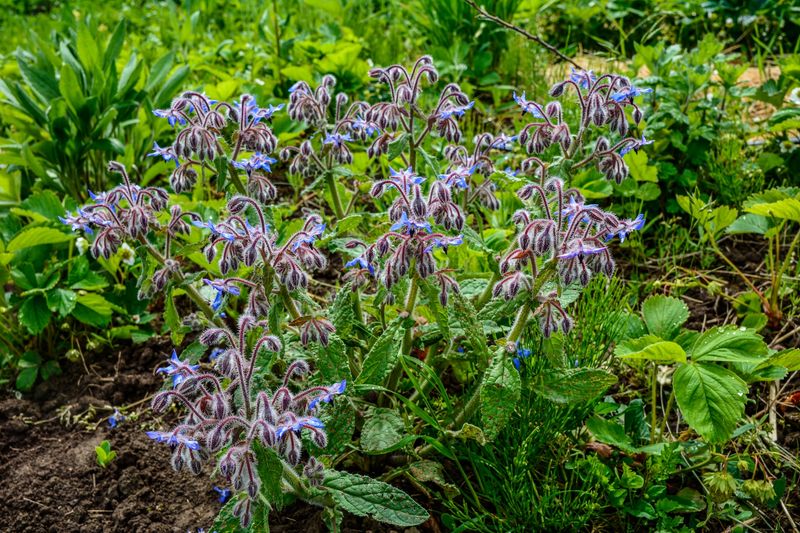
For a plant that draws this many compliments and attracts this much garden wildlife, borage is surprisingly undemanding.
It does not need regular fertilizing, it rarely attracts serious pests, and it does not require deadheading to keep blooming. You mostly just let it do its thing.
Once established in a Pennsylvania front yard, borage takes care of itself through the growing season.
Water it during the first couple of weeks after planting to help it get settled, and after that, rainfall usually handles things just fine. The deep taproot it develops helps it find moisture on its own.
The only issue that occasionally shows up with borage is powdery mildew, a fungal condition that can affect the leaves toward the end of the season.
It looks a little rough, but it does not seriously harm the plant or stop it from blooming. Good air circulation around the plant helps prevent it from becoming a problem.
No complicated pruning routines, no special soil amendments, no monthly feeding schedule. Borage fits right into the lifestyle of a Pennsylvania gardener who wants their front yard to look great without spending every weekend out there fussing over it.
That balance of low effort and high reward is rare in the gardening world. Most showy plants demand a lot of attention to stay looking their best.
Borage breaks that rule in the best possible way. Plant it once, step back, and enjoy a front yard that looks lively, colorful, and full of natural energy all season long.