Reasons You No Longer See As Many Fireflies Flickering Around Ohio Yards
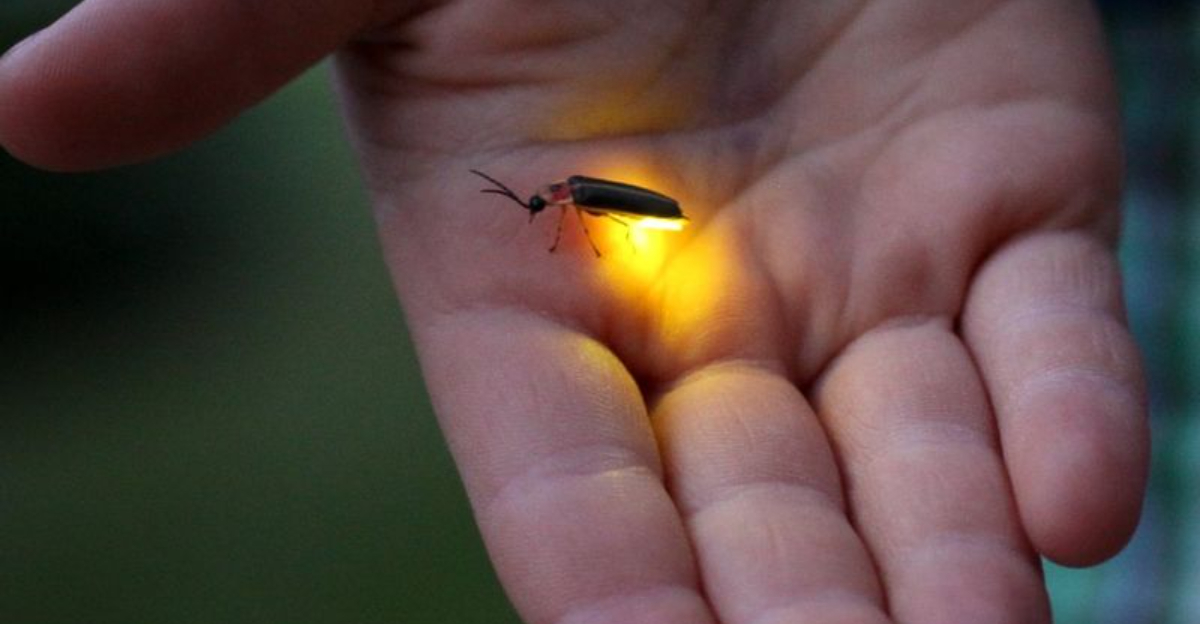
I still remember summer evenings in Ohio filled with tiny golden lights dancing across the yard. Fireflies were everywhere, creating a magical, almost fairytale-like atmosphere.
Lately, though, those flickering visitors have become rare, leaving many homeowners wondering what happened to these beloved insects.
The decline isn’t just nostalgia, it’s real. Habitat loss, pesticide use, and light pollution have all taken a toll, making it harder for fireflies to thrive in our neighborhoods.
Understanding the reasons behind their disappearance can help gardeners make small changes that protect what’s left of these magical creatures.
Learning why fireflies are fading could help you bring a little sparkle back to your summer nights before it disappears completely.
Light Pollution Confuses Their Glow
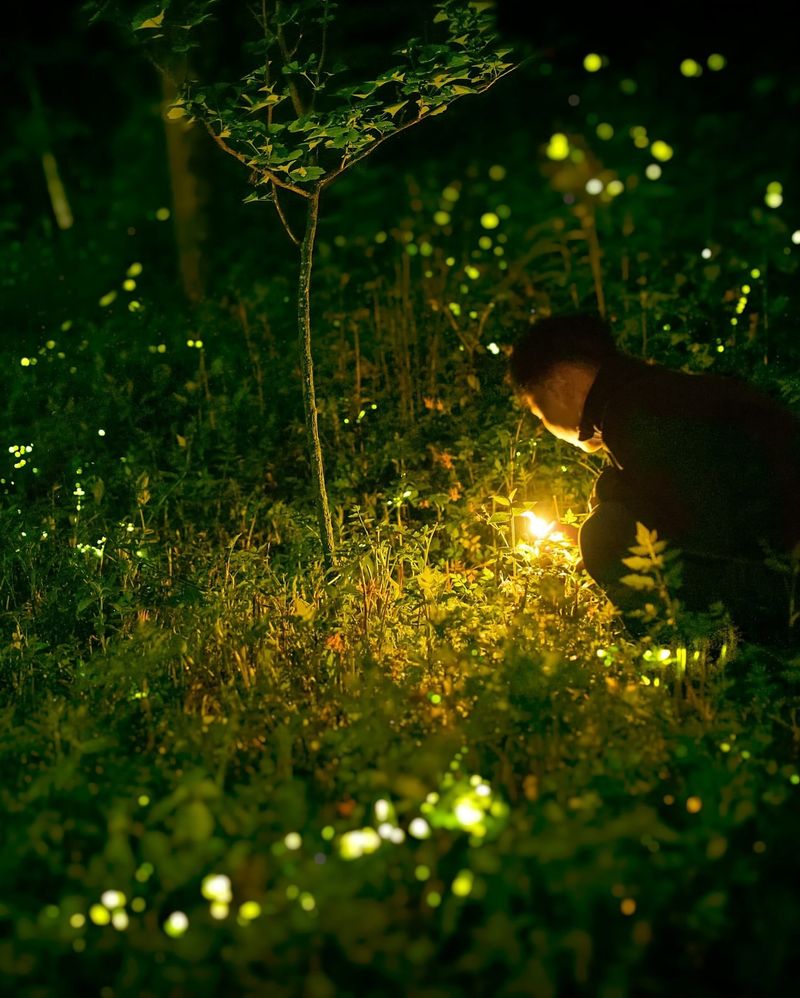
Artificial lighting is a silent but devastating threat to fireflies in Ohio. Streetlights, porch lights, and illuminated billboards create a constant glow that overwhelms these insects’ natural bioluminescent signals.
Fireflies rely on carefully timed flashes to find and attract mates during their short adult lives, and even small amounts of ambient light can interfere with their ability to communicate.
In neighborhoods where lights shine all night, fireflies often stop flashing entirely, which reduces mating success and leads to population decline.
Researchers have observed that firefly abundance is far lower in urbanized areas with high night-time illumination compared to dark rural fields.
Ohio homeowners can help by turning off unnecessary lights at dusk, using motion-activated or low-intensity lighting, and shielding outdoor bulbs to minimize skyglow. Communities are also exploring “dark sky” initiatives to protect nocturnal wildlife.
By understanding how fireflies communicate and the impact of human lighting, residents can create small refuges where these glowing insects continue their enchanting courtship rituals.
This ensures future generations can still enjoy the magical displays in Ohio’s fields and meadows.
Habitat Loss From Development
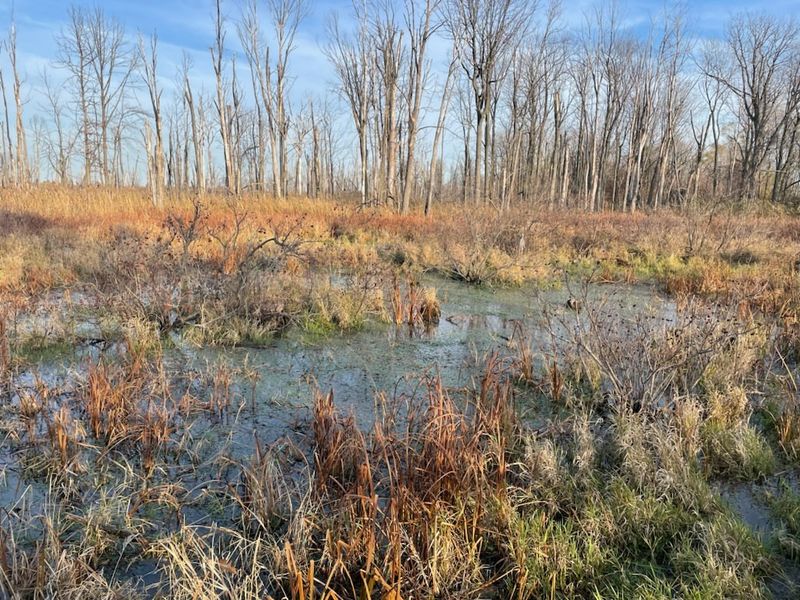
The rapid transformation of Ohio’s landscapes threatens the survival of native fireflies. Fields, forests, and wetlands are cleared each year for housing developments, shopping centers, and roads, destroying the specific habitats these glowing insects depend on.
Fireflies require moist soils rich in leaf litter and rotting logs, as their larvae feed on small invertebrates like snails and worms hidden within these environments.
Fragmentation caused by urban sprawl isolates populations, preventing mating and reducing genetic diversity.
Even small pockets of natural habitat can serve as critical refuges if preserved. Some Ohio towns are implementing conservation easements and green corridors to maintain firefly-friendly spaces within developing areas.
Backyard gardeners can also make a difference by leaving portions of their yards undisturbed, planting native wildflowers, and allowing natural debris to accumulate.
By considering the ecological needs of fireflies when developing land or planning landscaping projects, Ohioans can help maintain viable populations despite rapid urbanization, ensuring these bioluminescent marvels continue to illuminate warm summer nights.
Pesticide Use In Yards And Farms
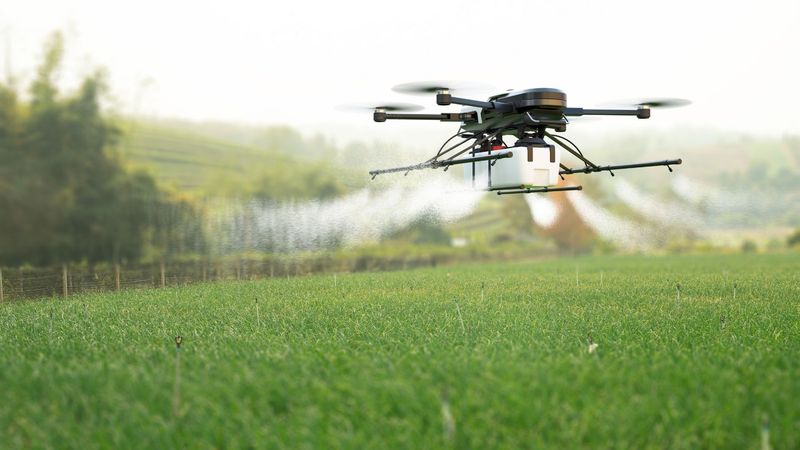
The very chemicals meant to protect crops and lawns are causing unintended harm to Ohio’s fireflies. Pesticides and insecticides sprayed in gardens, lawns, and agricultural fields don’t discriminate – they kill both pests and beneficial insects.
Firefly larvae, which live in the soil and leaf litter, are particularly vulnerable, as even small amounts of chemicals can reduce their survival rates.
In rural counties with widespread corn, soybean, or vegetable cultivation, insecticides create lethal barriers that prevent fireflies from moving between habitats.
Homeowners treating lawns for mosquitoes, grubs, or beetles may unknowingly eliminate local populations as well. Integrated pest management, selective spraying, and organic alternatives are critical strategies to protect fireflies while maintaining healthy gardens.
Even farm buffer zones or untreated areas can serve as safe corridors for fireflies. Public awareness campaigns and educational outreach are starting to highlight the importance of reducing pesticide usage during the insects’ active months.
By taking these steps, Ohio residents can help preserve these delicate luminescent insects that play both an aesthetic and ecological role in local ecosystems.
Climate Change Alters Their Lifecycle
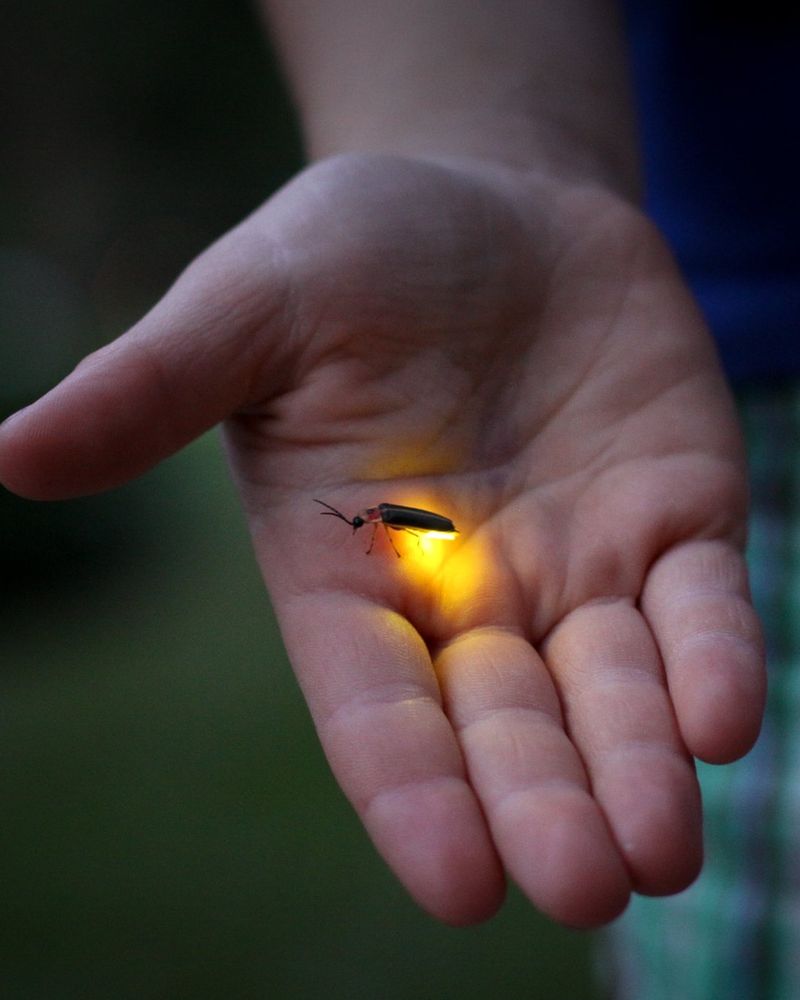
Ohio fireflies rely on precise seasonal cues to synchronize their short adult lives with optimal mating periods, but climate change is now disrupting this delicate timing.
Warmer winters can trigger early emergence, leaving fireflies vulnerable to unexpected frosts or insufficient food resources.
Conversely, late cold snaps may kill newly hatched larvae before they mature. Droughts and prolonged dry spells reduce the moist conditions that larvae need to survive, while intense rainfall events can flood their ground-based habitats.
Urban heat islands exacerbate these challenges by creating microclimates that alter the timing of emergence, further fragmenting populations and decreasing mating opportunities.
Conservationists recommend creating microhabitats in backyards with shaded, damp areas, piles of natural debris, and undisturbed soil to buffer fireflies against extreme weather.
Gardeners can also adjust maintenance schedules, delay mowing, and avoid chemical applications during emergence periods.
Combined, these strategies build climate resilience and habitat stability, giving Ohio’s fireflies the best chance to continue their dazzling summer displays.
Preserving natural microhabitats ensures future generations can enjoy these glowing insects while maintaining ecological balance in local gardens and fields.
Invasive Species Disrupt The Ecosystem
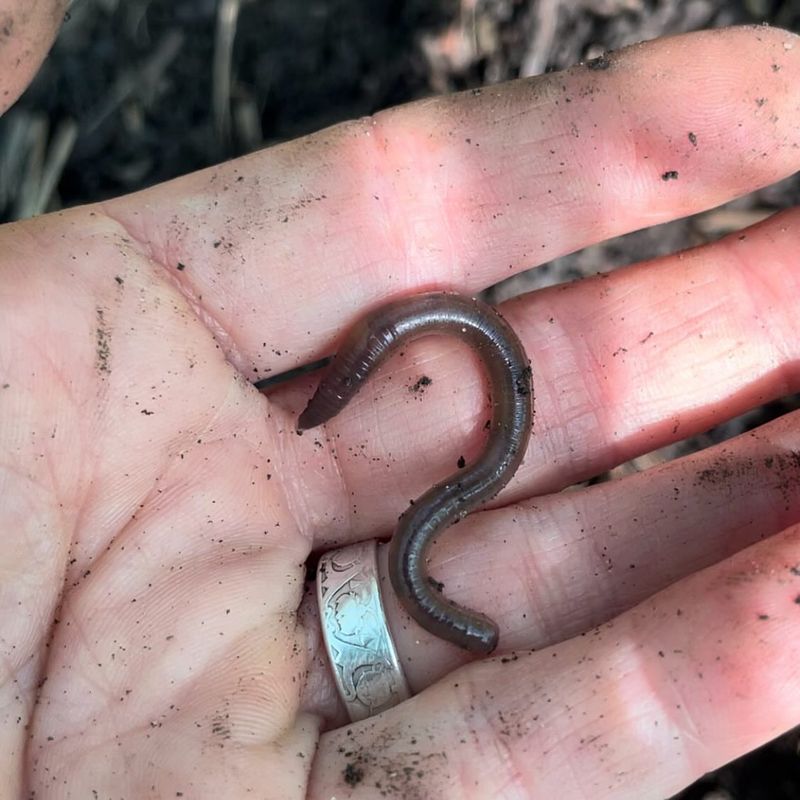
Invasive species represent one of the most significant threats to fireflies in Ohio, fundamentally altering the ecosystems these glowing insects depend on for survival.
Non-native plants such as garlic mustard, Japanese honeysuckle, multiflora rose, and even certain ornamental shrubs aggressively outcompete native grasses, wildflowers, and understory plants.
These natives provide the leaf litter, damp soil, and sheltered microhabitats that firefly larvae need to hunt for small invertebrates and develop into healthy adults.
Invasive earthworms, introduced across Ohio, further degrade habitat by accelerating leaf decomposition, changing soil structure, and reducing the organic layer larvae rely on.
Even seemingly harmless European ground covers can create overly dry or dense conditions that prevent larvae from thriving.
These ecosystem shifts fragment populations, reduce genetic diversity, and limit mating success, contributing to long-term population declines.
Gardeners and communities can help by removing invasive plants, reintroducing native species, and leaving natural debris intact to create protective microhabitats. Educating neighbors about the ecological importance of fireflies encourages coordinated preservation efforts.
Proactively addressing invasives ensures fireflies continue to perform their magical bioluminescent displays while supporting broader biodiversity, improving soil health, and maintaining functional ecosystems across Ohio landscapes.
Lawn Care Practices Destroy Larvae Habitat

Ohioans’ pursuit of pristine, manicured lawns is inadvertently decimating firefly populations.
Frequent mowing, aggressive leaf removal, and heavy chemical treatments strip away the leaf litter, tall grasses, and moist soil that firefly larvae need for shelter, feeding, and development.
Larvae, which hunt small invertebrates like snails and worms, require undisturbed soil layers to survive, and clearing these areas prevents successful growth into adulthood. Even yards with light maintenance often fail to provide sufficient habitat.
Homeowners can play a critical role by leaving select sections of grass unmown, allowing fallen leaves and plant debris to decompose naturally, and minimizing pesticide and herbicide use.
Small adjustments, like creating shallow depressions for moisture retention, planting native wildflowers, and leaving logs or brush piles in corners, provide critical larval refuges while offering adult fireflies safe mating sites.
Educating neighbors and communities about the ecological value of “wild patches” fosters coexistence with fireflies and other beneficial insects.
Maintaining these natural microhabitats not only supports firefly reproduction but also strengthens soil health, promotes biodiversity, and ensures that Ohio gardens retain their summer magic with the luminous displays that have enchanted generations of residents.
Water Pollution Affects Their Food Sources
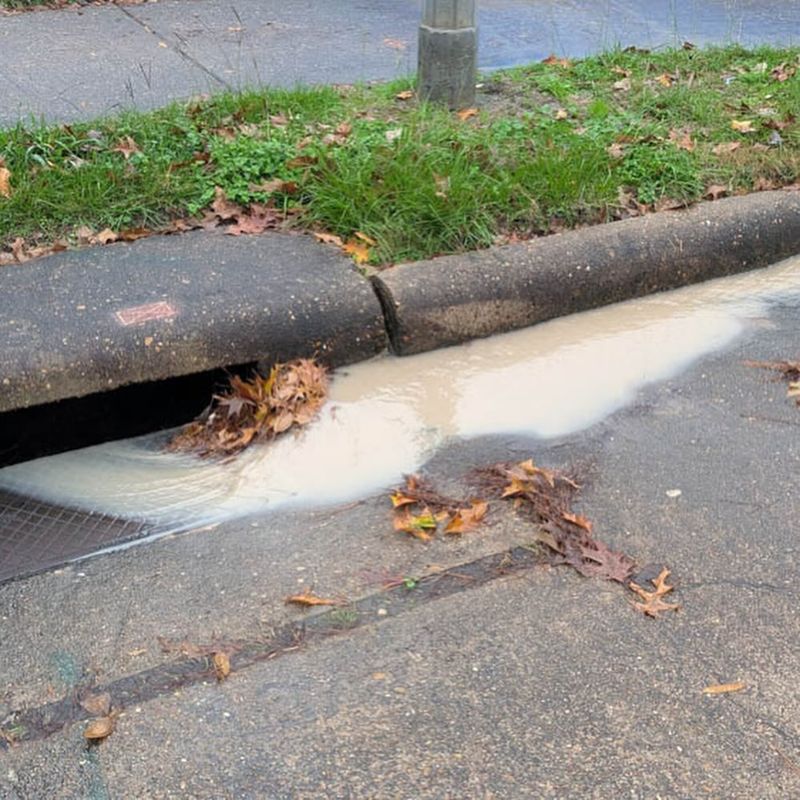
Water quality plays a vital role in firefly survival, as larvae depend on small aquatic and semi-aquatic invertebrates that thrive in clean streams, ponds, wetlands, and drainage ditches.
Runoff from farmland, suburban lawns, roadways, and industrial sites introduces pesticides, fertilizers, salts, and other pollutants into these habitats, directly reducing the number of prey organisms available and harming larvae.
Even small chemical exposures can stunt growth or cause death, making polluted waterways particularly inhospitable for Ohio fireflies.
Seasonal flooding, road salt accumulation, and repeated chemical runoff exacerbate the problem, especially in suburban and agricultural areas where runoff is common.
Homeowners can support firefly populations by planting buffer strips along waterways, reducing pesticide and fertilizer use, preventing chemical-laden water from leaving yards, and protecting wetlands.
Retaining leaf litter and debris near water sources provides additional shelter for larvae, creating microhabitats that buffer against chemical impacts.
Healthy aquatic environments also benefit other species, including amphibians, birds, and beneficial insects, while stabilizing soils and preventing erosion.
By maintaining clean, chemical-free waterways, Ohioans ensure fireflies have access to essential food sources, preserving their populations and the enchanting light shows that have illuminated summer nights for generations.
Overharvesting For Scientific Research
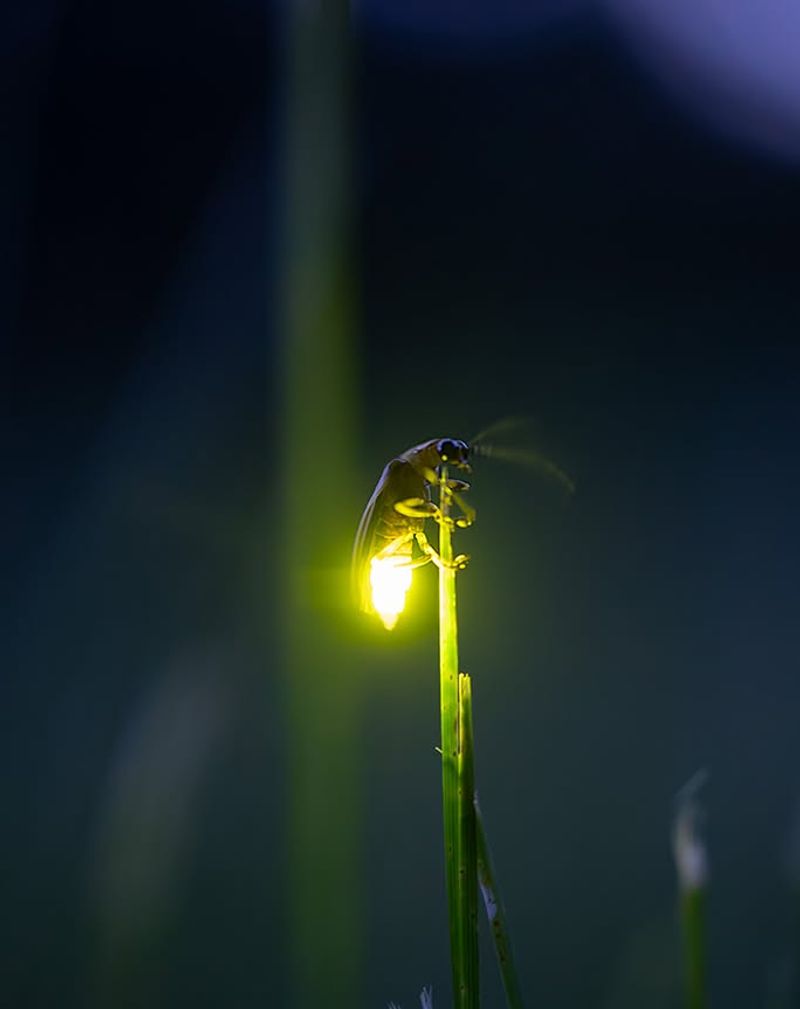
Fireflies produce luciferase, a remarkable chemical used in medical research, genetic studies, and diagnostic tests.
Unfortunately, demand for luciferase has led to the overcollection of fireflies, particularly in Ohio, where hobbyists and researchers sometimes remove adults from their natural habitats.
Each adult female can produce hundreds of offspring, so even small-scale collection can dramatically reduce reproduction rates and disrupt local population stability. Casual harvesting for backyard displays, education projects, or personal curiosity also contributes to decline.
While modern laboratories can synthesize luciferase, wild collection continues in some areas, putting pressure on local populations.
Communities and gardeners must educate themselves about the ecological importance of leaving fireflies in place and rely on laboratory-produced luciferase for scientific applications.
Public awareness campaigns, combined with legal protections, ensure that fireflies continue to thrive in Ohio habitats.
Protecting wild populations preserves not only their role as natural predators of soil-dwelling invertebrates but also the cultural and aesthetic pleasure they provide through their bioluminescent mating displays.
Responsible stewardship ensures future generations can experience summer evenings illuminated by these magical insects while maintaining ecological balance in local landscapes.