7 Reasons Your Geraniums Produce Leaves Instead Of Flowers
Geraniums have a reputation for showing up. Tuck one into a pot, water it occasionally, and it usually pays you back with color from late spring until the first frost.
So when yours turns into a tidy green mound and nothing more, the disappointment lands differently. The plant looks healthy. It simply refuses to perform.
That contradiction is the clue. A geranium pushing out lush foliage is not struggling at all, it is responding to a message from its surroundings, and that message is telling it to grow leaves instead of buds. The plant is doing exactly what it was asked to do.
Your geranium is waiting for a reason to bloom, and giving it one is easier than you would expect.
1. Too Much Nitrogen Fuels Leaf Growth Over Blooms
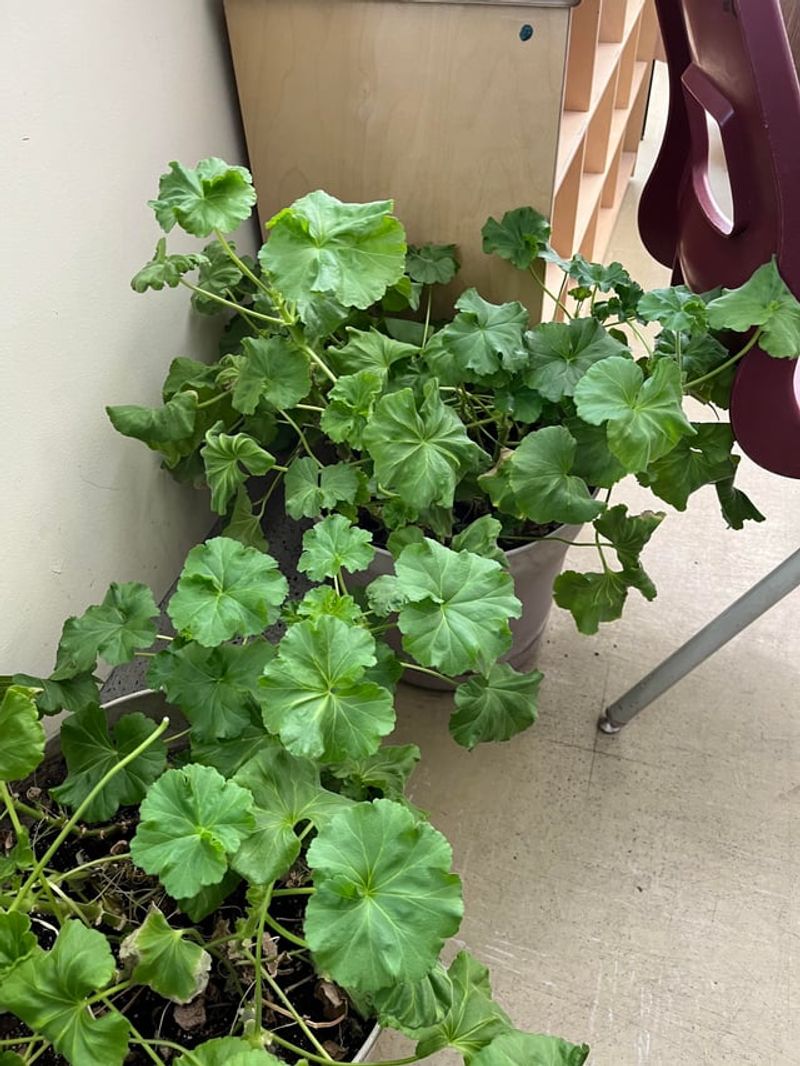
Your fertilizer might be the culprit. Nitrogen is a key nutrient, but too much of it tells your geraniums to grow leaves instead of blooms.
Think of nitrogen as the plant’s protein shake. It builds strong, green growth fast, but it has a downside most gardeners miss.
When nitrogen levels are too high, the plant shifts all its energy into foliage. Flowers become a low priority, and buds never get the signal to form.
This happens most often when gardeners use a general-purpose fertilizer without checking the label. Those blends often have a high first number, which represents nitrogen content.
For geraniums, you want a bloom-boosting fertilizer with a low first number and higher middle and last numbers. Something like 5-10-10 works well for encouraging flower production.
Switch your fertilizer and give the plant a few weeks to respond. You should start seeing buds forming once the nitrogen balance evens out.
Also, avoid over-fertilizing in general. Feeding your geraniums every two weeks during the growing season is plenty, and monthly is fine in slower periods.
Flushing the soil with plain water once or twice can help clear out excess nutrients already in the ground. This simple reset often jumpstarts blooming faster than you expect.
Geraniums that produce leaves instead of flowers are often just overfed. Give them the right nutrients, and those colorful blooms will reward your patience soon.
Soil already carrying leftover fertilizer from previous seasons can quietly keep nitrogen levels elevated even after you switch products. A partial soil refresh often makes a bigger difference than any feeding adjustment on its own.
2. Insufficient Sunlight Keeps Buds From Forming
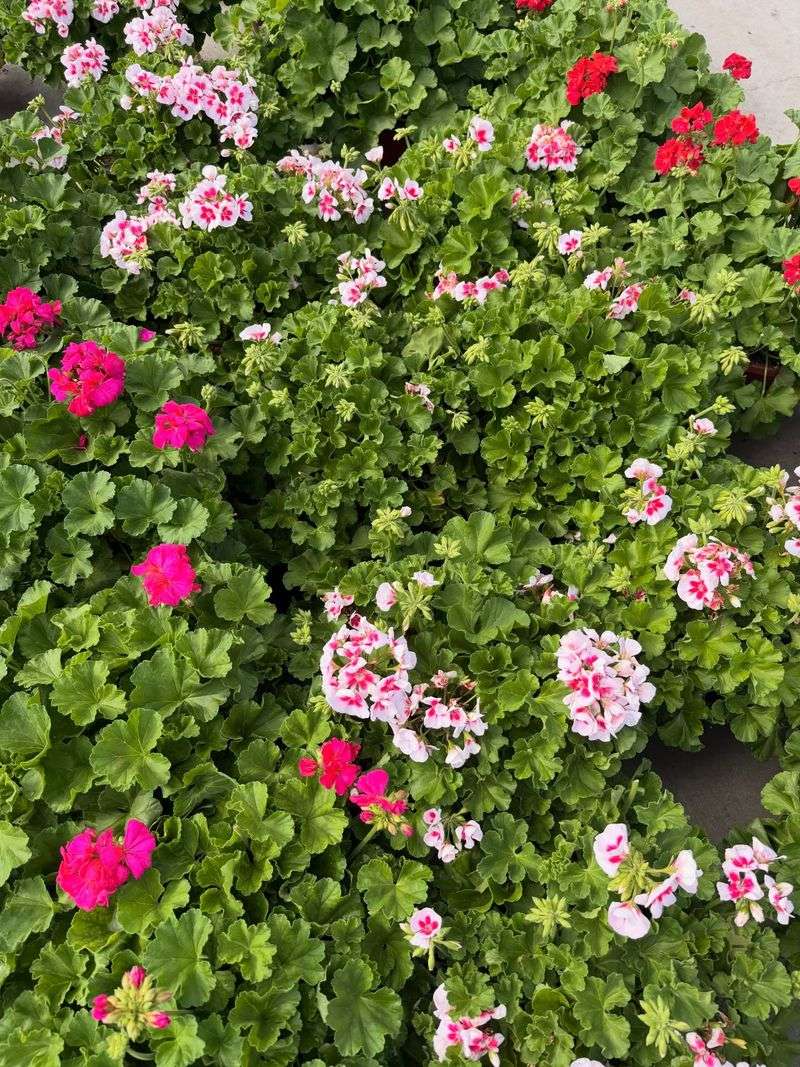
Sunlight is the engine behind every bloom. Without enough of it, your geraniums simply cannot build the energy needed to produce flowers.
Geraniums need at least six hours of direct sun each day. Anything less, and they slip into survival mode, focusing on leaves instead of blooms.
Many gardeners place pots in spots that look sunny in the morning but turn shady by noon. That shift matters more than most people realize.
Even indoors, a window that seems bright may not deliver enough intensity. Glass filters some light, and seasonal changes reduce available sunshine significantly.
If your plant sits near a north-facing window or under a covered porch, it is likely light-starved. Move it somewhere with stronger, longer sun exposure.
South-facing spots outdoors are usually the best choice for geraniums. They get consistent, direct light throughout most of the day without harsh late-afternoon scorching.
When moving a shaded plant into more sun, do it gradually. Sudden full exposure can stress the leaves, so ease the transition over a week or two.
You will notice a difference within a few weeks of better light. Stems will grow more compact, and small buds will begin appearing at the tips.
Geraniums that produce leaves instead of flowers are often just searching for the sun. Give them the light they crave, and they will bloom with surprising enthusiasm.
Reflected light from walls, fences, or light-colored pavers can supplement what the sky provides. A bright corner that feels warm and open usually outperforms a technically south-facing spot that is hemmed in by shade from nearby structures.
3. Overcrowded Roots Limit Flower Production
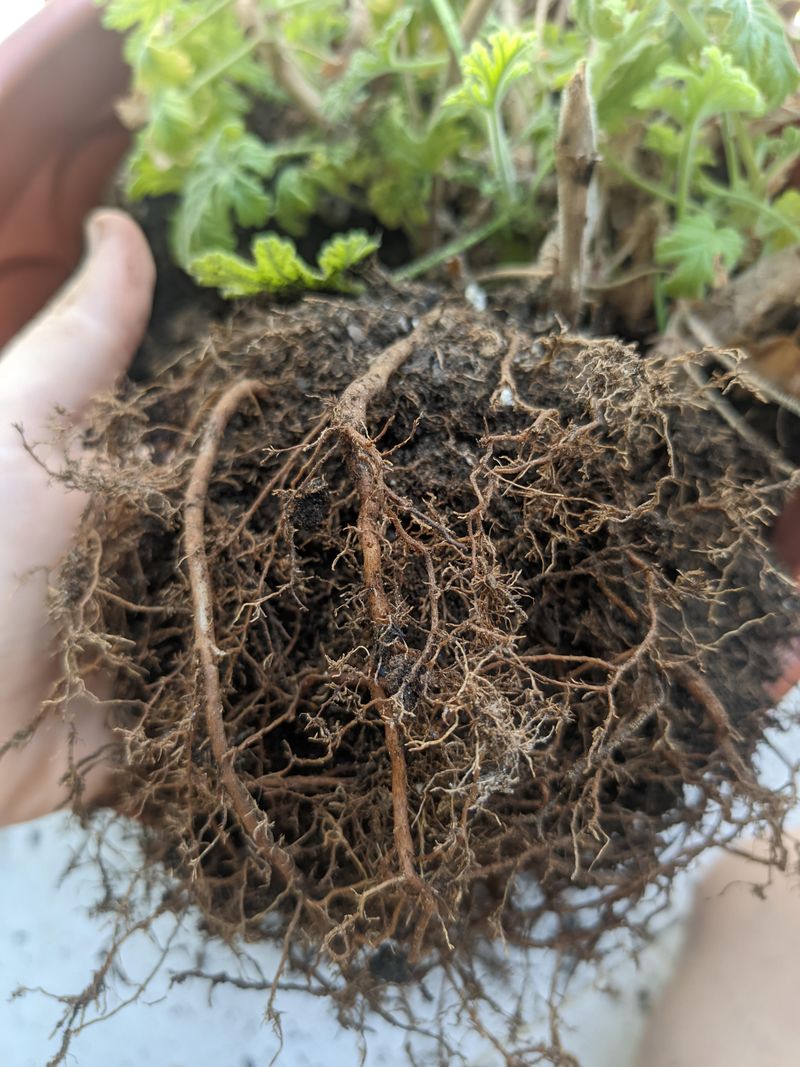
Roots tell the whole story. When they run out of room, the plant shifts focus away from flowers and toward pure survival.
Geraniums are surprisingly tough, but they have limits. A pot that is too small squeezes the roots until they have nowhere left to go.
When roots circle the inside of a container, the plant becomes root-bound. Nutrients and water cannot move freely, and flower production slows or stops completely.
You can check by gently sliding the plant out of its pot. If you see a thick mass of roots with almost no soil visible, it is time to repot.
Choose a new container that is two inches wider than the current one. Going too large too fast can actually cause other problems, so size up gradually.
Use fresh potting mix when you repot. Old, compacted soil loses its ability to hold nutrients and oxygen, which are both essential for blooming.
After repotting, water the plant thoroughly and place it in a sunny spot. Give it a week or two to settle in before expecting new growth to appear.
In-ground geraniums can also get overcrowded over time. If plants are touching and competing for space, thin them out and give each one room to breathe.
Geraniums that produce leaves instead of flowers sometimes just need a bigger home. Free up their roots, and you will be amazed how quickly the blooms follow.
Terra cotta pots are worth considering if you repot frequently. They dry out faster than plastic, which discourages the soggy conditions that slow root recovery and keep blooms from returning.
4. Skipping Spent Blooms Slows New Flower Cycles
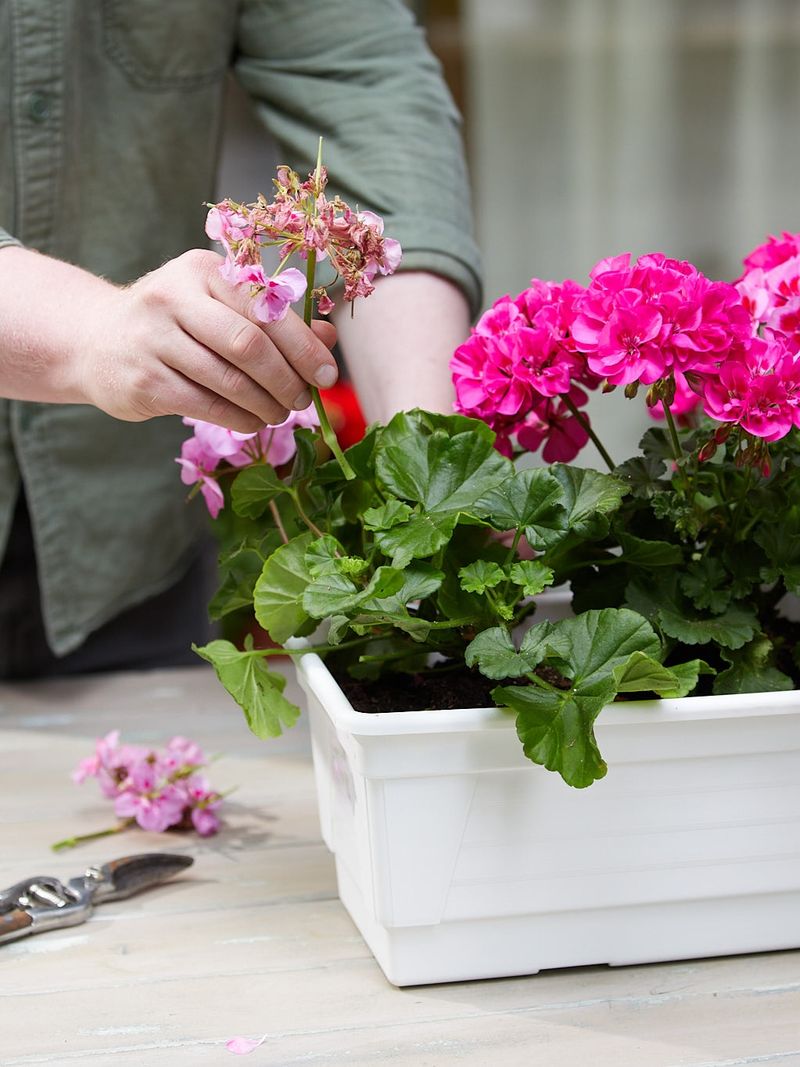
Old flowers are secretly working against you. When spent blooms stay on the plant, they send a signal that the job is done.
Plants are wired to reproduce. Once a flower sets seed, the plant believes its mission is accomplished and stops pushing out new buds.
Removing faded or dried blooms before seeds can form is the simplest reset you can give a geranium. It tricks the plant into thinking it still needs to produce flowers.
Many gardeners skip this step because it seems fussy or time-consuming. But just a few minutes a week can dramatically increase how long your geraniums bloom.
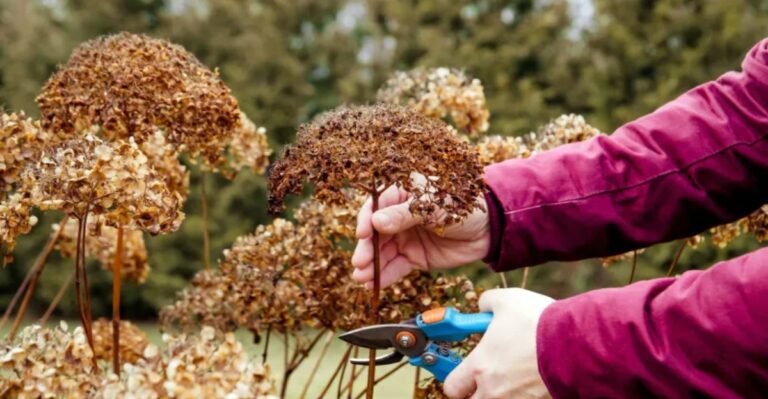
To do it correctly, trace the spent stem all the way down to where it meets the main stalk. Pinch or cut it off cleanly at that junction.
Leaving just the flower head and not the stem is a common mistake. The stem carries the seed signal, so it needs to go too.
Make bloom removal part of your regular watering routine. Every time you water, take a quick look and remove anything that has faded or turned brown.
After a good session, most geraniums respond within one to two weeks. New buds will appear at the tips, and the plant looks refreshed and tidy.
Geraniums that produce leaves instead of flowers may simply need this one habit added to your routine. Remove the old to make room for the new, and the blooms will keep coming.
Consistency matters more than perfection here. Even a quick once-over every few days keeps the plant from shifting into seed mode and nudges it back toward the one thing it does best.
5. Cool Nighttime Temperatures Delay Budding
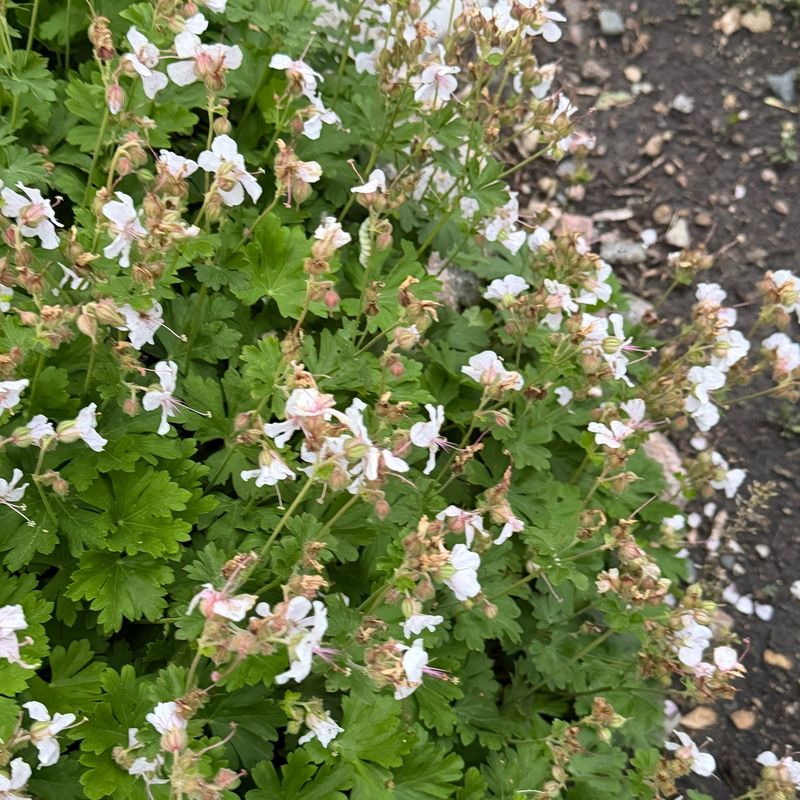
Geraniums love warmth, and cool nights can put their blooming cycle on hold. Temperature swings between day and night confuse the plant’s internal clock.
Most geraniums prefer nighttime temperatures above 50 degrees Fahrenheit. When nights dip below that, the plant slows down and redirects energy away from flower production.
Spring and fall are the trickiest seasons for this. Days can feel warm and sunny while nights drop into the low 40s without much warning.
If your geraniums sit outside during these shoulder seasons, bring them in at night. Even a garage or enclosed porch provides enough warmth to keep them on track.
For in-ground plants, a lightweight frost cloth draped over them at night can make a surprising difference. It traps just enough heat to keep roots and stems comfortable.
Cold soil is also a factor that often gets overlooked. Even if air temperatures seem fine, cold ground slows root activity and nutrient uptake significantly.
Raised beds and containers warm up faster than garden beds. If you grow geraniums in pots, moving them to a warmer microclimate can help extend the blooming season.
Watch the forecast during transitional months and act before the cold arrives. A few nights of protection can keep your plant in bloom weeks longer than usual.
Geraniums that produce leaves instead of flowers during cool stretches are just waiting for warmth. Give them consistent overnight comfort, and the buds will follow right behind the warmer weather.
Dark-colored containers absorb heat during the day and release it slowly overnight. That stored warmth can buffer root temperature enough to keep blooming on track when nights turn cool.
6. Excess Watering Encourages Foliage Over Flowers
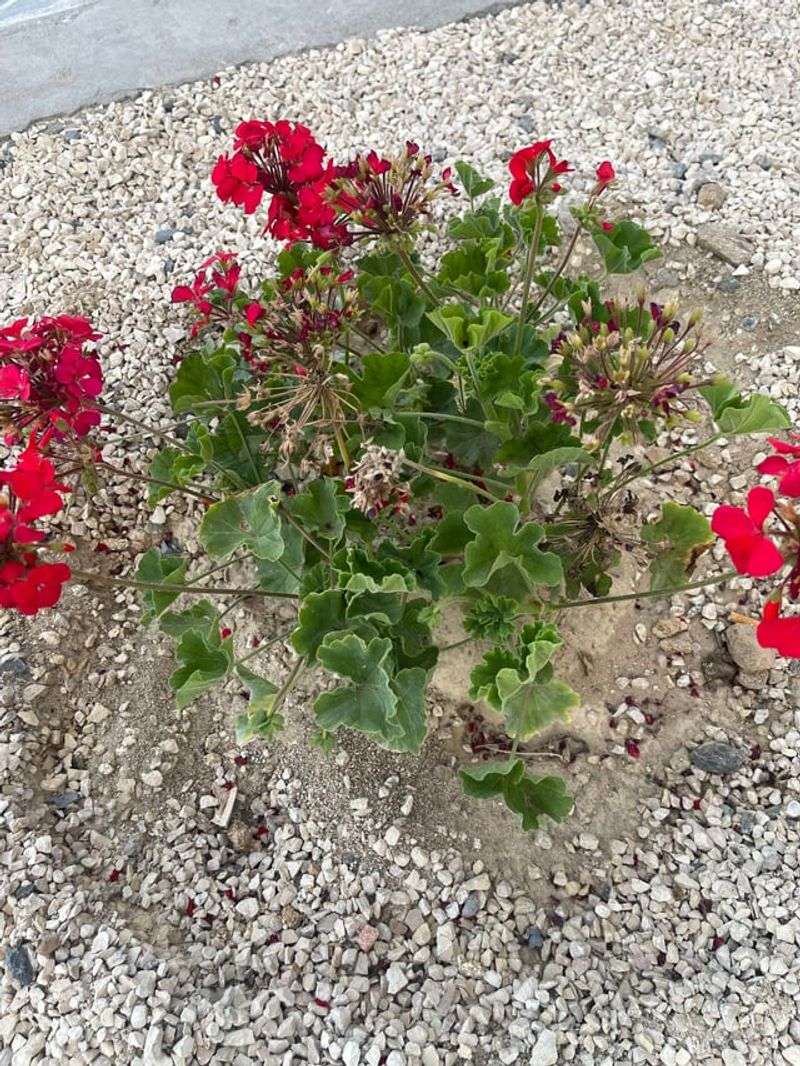
Watering your geraniums every single day sounds caring, but it can actually work against you. Too much moisture pushes the plant toward leafy growth and away from blooms.
Geraniums are drought-tolerant by nature. They evolved in the dry, sun-drenched landscapes of southern Africa where rainfall was seasonal and unpredictable, so they thrive with a bit of stress.
When soil stays consistently wet, roots do not need to work hard. That ease signals the plant to grow foliage rather than invest energy in flowers.
Overwatered geraniums often show yellowing lower leaves and mushy stems near the base. These are warning signs that the roots are struggling to breathe in saturated soil.
The best approach is to water deeply and then wait. Stick your finger about two inches into the soil, and only water again when that depth feels dry.
In summer heat, that might mean watering every three or four days. In cooler or cloudier conditions, once a week or less may be enough.
Make sure your pot has drainage holes and that water flows freely out the bottom. Standing water in a saucer is one of the fastest ways to harm your plant.
For in-ground geraniums, well-draining soil is non-negotiable. Amend heavy clay soil with compost or perlite to improve drainage before planting or replanting.
Geraniums that produce leaves instead of flowers often just need a drier routine. Pull back on the watering schedule, and those stubborn blooms will finally have a reason to show up.
7. Wrong Pot Size Throws Off The Whole Plant
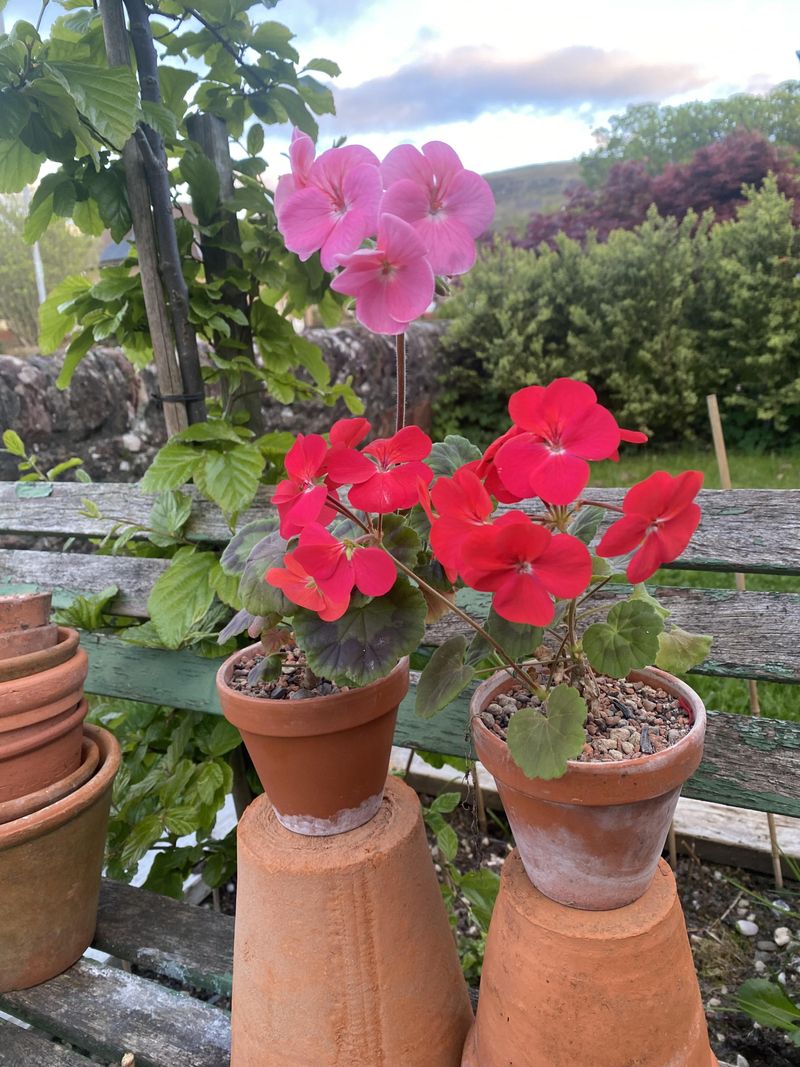
Pot size matters more than most people expect. Planting a geranium in a container that is too large can be just as problematic as one that is too small.
When a pot is oversized, the soil holds too much moisture around the roots. That excess dampness discourages blooming and keeps the plant focused on root expansion instead.
A geranium in a giant pot will spend months filling that space with roots. Until it feels settled and established, flowers take a back seat to underground growth.
On the flip side, a pot that is too small restricts root development and stresses the plant. Either extreme pushes your geranium away from its natural flowering cycle.
The sweet spot is a container that gives the roots just a couple of inches of space beyond the root ball. Snug, but not suffocating, is the goal.
Terracotta pots are a great choice for geraniums because they breathe. They allow excess moisture to evaporate through the walls, which helps prevent the soggy soil problem.
If you are unsure whether your pot is the right size, do a quick check when watering. Soil that stays wet for more than four days is a red flag.
Repotting into the correct size, with fresh soil and good drainage, often triggers a bloom response within a few weeks. The plant finally has what it needs to thrive.
Geraniums that produce leaves instead of flowers sometimes just need the right-sized home. Match the pot to the plant, and you set the stage for a spectacular bloom season.