8 Reasons Your Homegrown Oklahoma Tomatoes Have Tough Skins
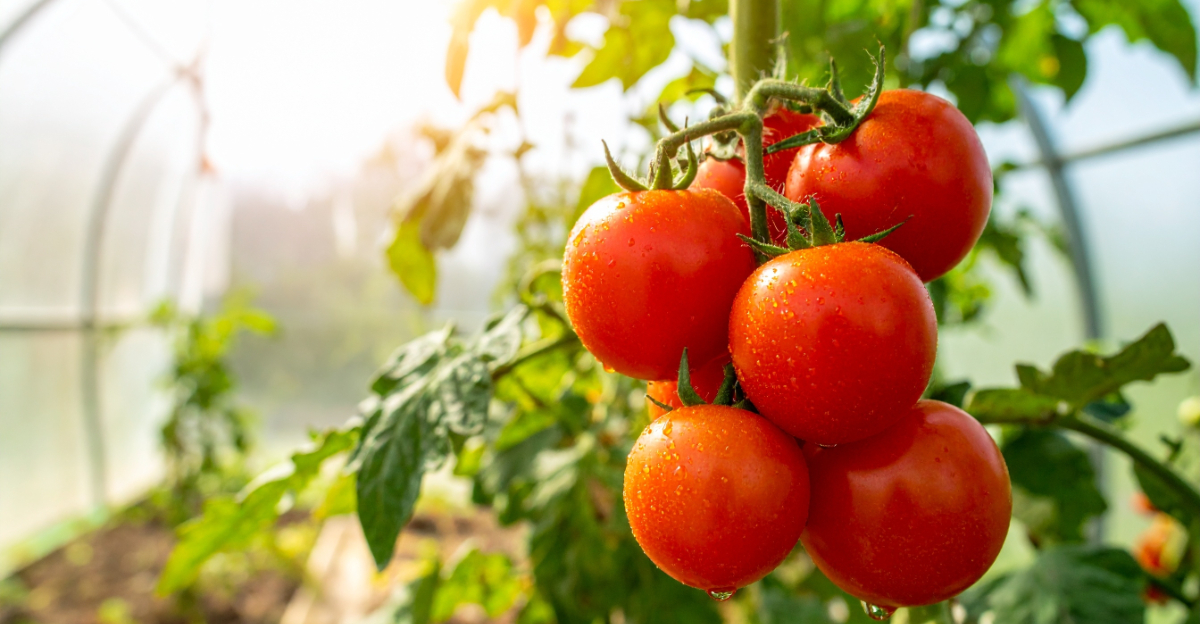
You slice into your first ripe tomato and hit surprising resistance. Oklahoma summers push your plants through intense adjustment. Thick skin becomes your tomato’s quiet response to stress.
Heat spikes cause your cells to strengthen for protection. Calcium shortages in your soil worsen the problem steadily. Watering unevenly stresses your plants more than most gardeners realize.
Certain heirloom varieties naturally carry thicker skins on your plants. Harvesting too late lets your tomatoes overcompensate with unwanted toughness. Picking too early denies your fruit its proper softening time.
Sunlight intensity across your Oklahoma garden shapes fruit texture directly. Nutrient gaps guide your plants toward tougher defensive growth. Every variable above connects straight to your dinner plate tonight.
Nothing about your tomatoes is random or truly permanent. Answers exist, and they sit closer than you think they do. Your next tomato harvest depends entirely on what you uncover now.
1. Extreme Heat Toughens Skin Naturally
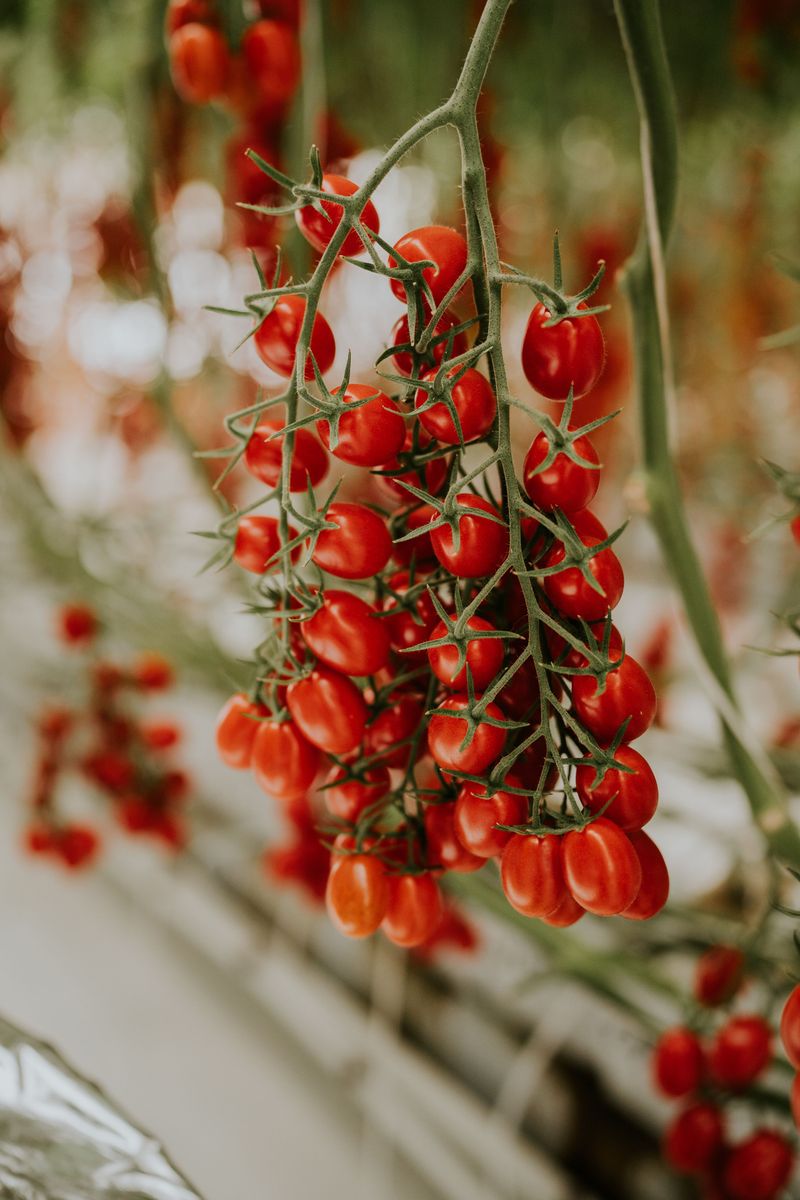
Oklahoma summers are not gentle. When temperatures soar past ninety-five degrees, your tomato plants feel every degree of it directly.
Heat causes the outer skin of the tomato to harden as a protective response. The plant is essentially building a shield against the scorching environment surrounding it.
This is a survival mechanism baked deep into tomato biology itself. The skin thickens to slow moisture loss and protect the inner fruit from serious heat damage.
Gardeners across Oklahoma deal with this regularly during peak summer months. The combination of high heat and low humidity creates a perfect storm for tough-skinned tomatoes.
Shading your plants during peak afternoon hours can make a real difference. A shade cloth rated between thirty and forty percent may help lower leaf temperature, depending on material and airflow
You can also try planting in spots that get morning sun and afternoon shade instead. East-facing garden beds are a smart choice for Oklahoma gardeners facing relentless summer heat.
Mulching heavily around the base of each plant also helps regulate soil temperature effectively. Cooler roots mean a less stressed plant overall throughout the season.
Watering deeply in early morning hours gives your plants moisture before intense heat arrives. This steady hydration helps offset stress your tomatoes would otherwise absorb.
When the plant is not fighting extreme heat, it channels energy into producing tender, flavorful fruit.
Managing heat consistently is your first and most powerful tool against tough skins. Master this one factor, and your Oklahoma tomatoes will reward you generously.
2. Underwatering Triggers A Thick-Skin Defense
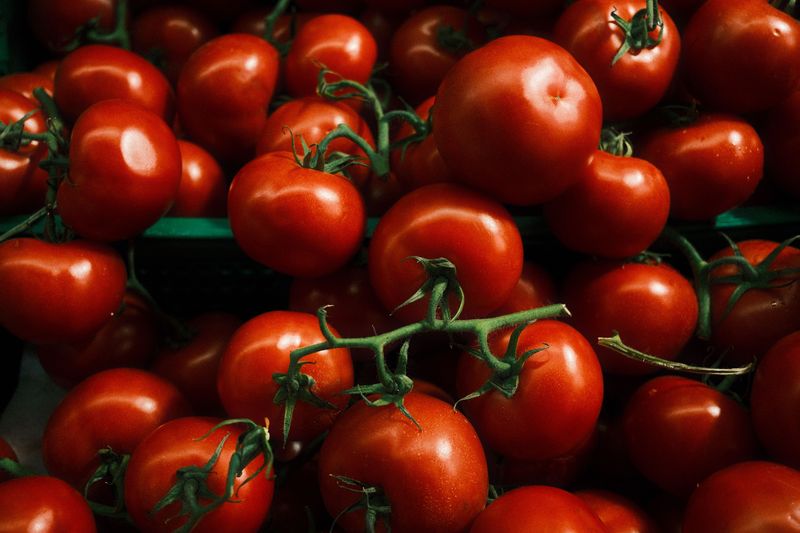
Forget to water for a few days in July, and your tomatoes will remember. They respond to dry spells by building up their outer walls.
When a plant senses water is scarce, it slows growth and toughens its skin. This is the plant protecting itself from drying out completely.
The skin acts like a seal, locking in whatever moisture remains inside the fruit. It is a smart survival trick, but it ruins the eating experience.
Oklahoma clay soils make this worse because they dry out unevenly across the garden. The surface may look moist while the root zone underneath stays completely parched.
Your Oklahoma Garden Changes Every Week. Your Plan Should Too.
Gardening in Oklahoma changes quickly throughout the season. Every Friday you’ll receive a simple weekly plan showing exactly what to plant, prune, fertilize, harvest, and protect so you never miss the right timing.
A consistent watering schedule is one of the easiest fixes available to any home gardener. Most tomato plants need about one to two inches of water per week to thrive.
Deep, slow watering is far better than quick, shallow sprinkles applied at random. Water that soaks six to eight inches down encourages roots to grow deeper and access more moisture reliably.
Drip irrigation is a genuine game-changer for Oklahoma home gardeners battling unpredictable summer conditions. It delivers water directly to the root zone and keeps the schedule steady without much daily effort.
Check your soil moisture regularly by pushing a finger two inches into the ground near the plant. If it feels dry at that depth, it is time to water again.
Consistency is the key word here for every Oklahoma tomato grower. Steady moisture throughout the growing season means thinner skins, juicier flesh, and tomatoes you will actually want to eat straight off the vine.
3. Sunscald Forms From Direct Sunlight
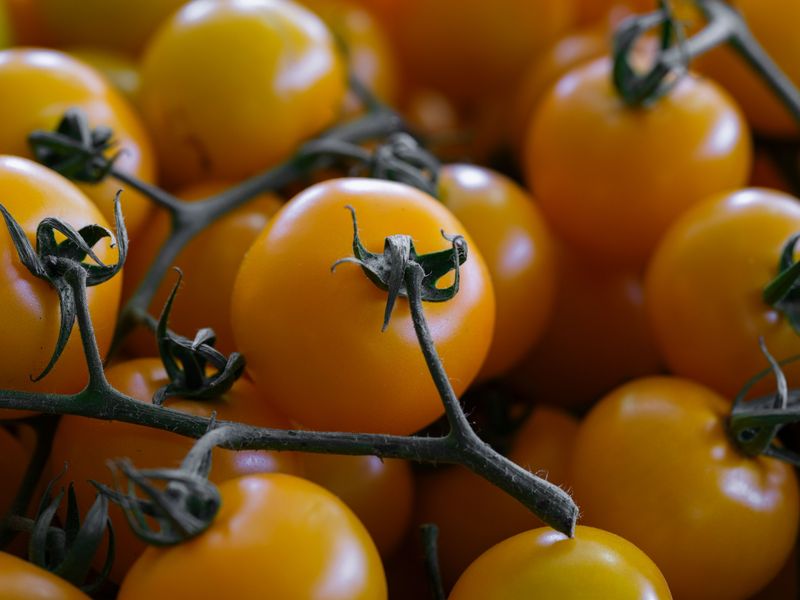
Picture a tomato sitting in full sun with no leaf cover above it. That exposed side starts to cook, and the skin responds fast.
Sunscald creates a leathery, pale patch on the fruit where direct sunlight has basically baked the skin. It is a common issue Oklahoma gardeners face mid-season.
The damaged area becomes tough and papery, making that part of the tomato nearly unpleasant to eat. Even if the rest of the fruit is fine, sunscald ruins the texture.
This usually happens when plants lose foliage from disease, pruning, or wind damage. Without leaf coverage, fruits are suddenly exposed to hours of intense radiation.
Prevention starts with keeping your plants healthy and leafy. Avoid aggressive pruning during peak summer, especially on the south and west-facing sides of the plant.
If your plants are already sparse, you can drape a light row cover over them during the hottest afternoon hours. This cuts down on direct sun exposure without blocking airflow.
Staking and caging plants properly also helps keep foliage spread out and fruits partially shaded. A well-supported plant naturally protects its own fruit better.
Sunscald cannot be reversed once it forms, but you can absolutely prevent it going forward. Protecting your fruit from intense direct sunlight keeps skins tender and your harvest tasting like summer should.
4. Certain Varieties Are Bred With Thicker Skins
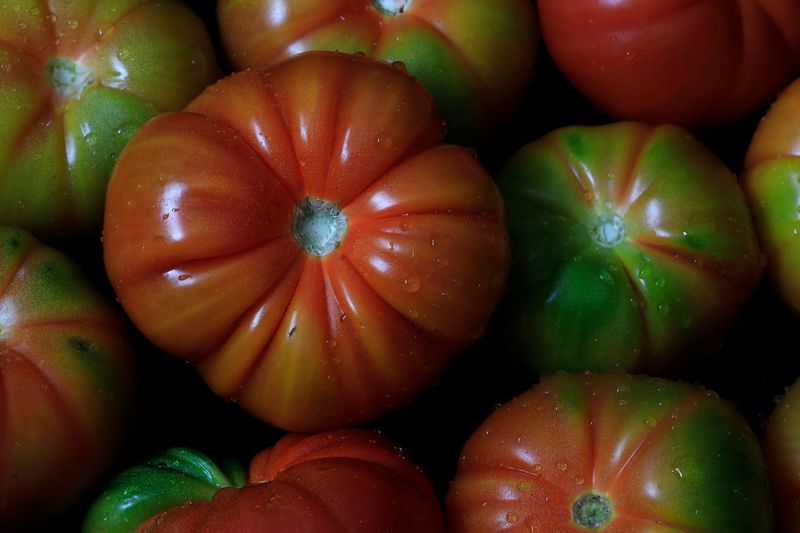
Not all tomatoes are created equal, and some are literally engineered to be tough. If you planted a paste or Roma variety, thick skin might just be the design.
Paste tomatoes like San Marzano or Amish Paste have thicker skins by nature. They were bred that way to hold up during cooking, canning, and long transport.
If you are slicing those straight onto a salad, you are going to notice that toughness right away. They taste great cooked, but raw eating is not their strong suit.
Cherry tomato varieties can also have surprisingly firm skins. Grape tomatoes, in particular, are known for skins that resist cracking, which also means they resist tenderness.
The fix here is simple: choose the right variety for the right purpose. If you want soft, sliceable tomatoes, look for varieties labeled as slicing tomatoes.
Brandywine, Cherokee Purple, and Mortgage Lifter are all known for their thin, tender skins. These heirloom varieties are popular with Oklahoma gardeners for exactly that reason.
Check seed packets and plant tags for descriptions mentioning skin texture. Words like thin-skinned or tender are good signs you are picking the right plant.
Matching your variety to your intended use is one of the smartest moves a home gardener can make. The right tomato for the right job changes everything about your harvest experience.
5. Excess Potash Can Affect Skin Texture
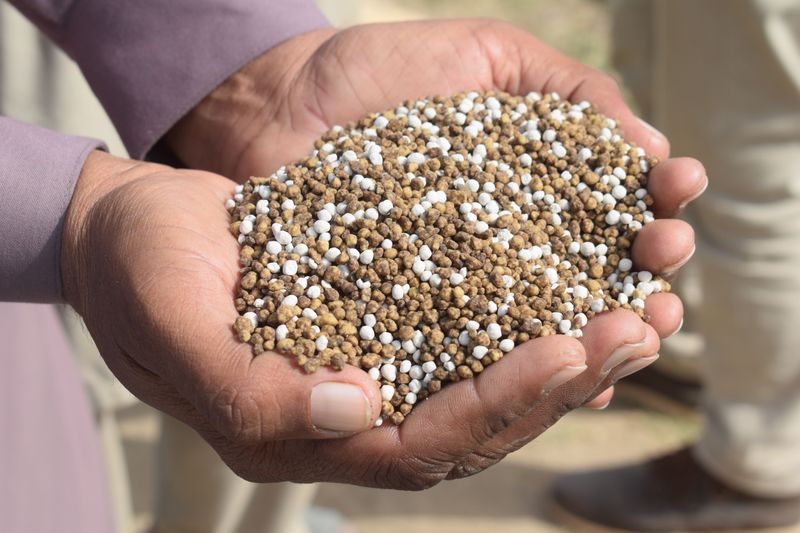
More fertilizer is not always better. Adding extra potassium to your tomato plants can have the opposite effect.
Potassium, or potash, plays a role in how tomatoes develop their outer layers. Too much of it may contribute to thicker cell development in the skin, though the exact mechanism varies by variety and conditions.
This is the opposite of what most gardeners are going for. You end up with tomatoes that look beautiful on the outside but are tough and chewy when you bite in.
High-potash fertilizers are often marketed for tomatoes specifically, which makes this mistake easy to fall into. The label says tomato food, so gardeners assume more equals better.
Always follow the recommended application rate on the package. More is not better when it comes to potassium-heavy blends.
Getting a soil test done before planting is one of the smartest things you can do. Oklahoma State University Extension typically offers soil testing services that can help identify what your garden needs.
If your soil already has adequate potassium levels, adding more through fertilizer pushes it into excess territory fast. Balanced fertilizers with equal nitrogen, phosphorus, and potassium are usually a safer bet.
Feeding your tomatoes well means feeding them correctly, not excessively. A balanced approach to nutrition gives you fruit that is flavorful, tender, and worth every bite you worked all season for.
6. Inconsistent Watering Can Cause Plant Stress
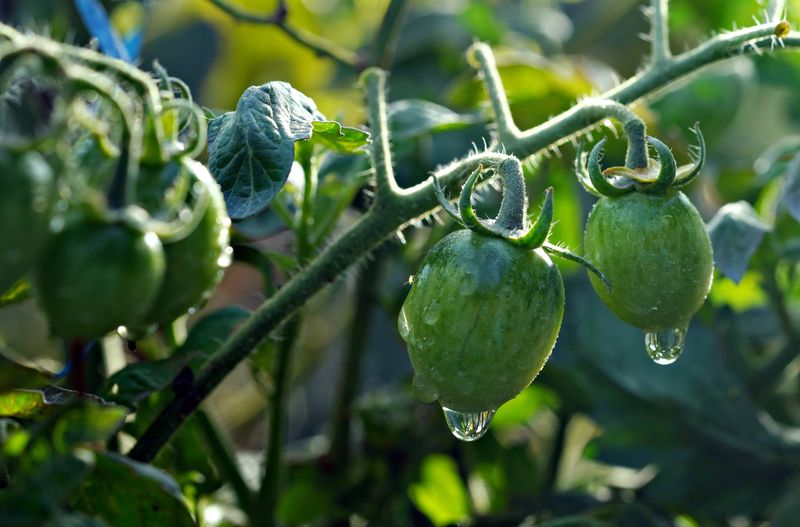
Watering three days in a row and then forgetting for a week can lead to plant stress. That back-and-forth pattern can affect fruit quality.
When moisture levels swing dramatically, the plant reacts with stress. It responds by rapidly thickening the skin to cope with the uncertainty.
You might also notice cracking or splitting, which is the opposite problem but comes from the same cause. The fruit swells fast after a dry spell, and the skin cannot keep up.
Either way, the skin ends up tougher than it should be. Inconsistent watering is a frequent reason Oklahoma tomatoes have tough skins season after season.
The solution is building a routine and sticking to it. Water at the same time each day or set up a timer-based drip system to take the guesswork out.
Mulching with straw or wood chips helps buffer the soil against moisture swings. A two to three inch layer around each plant makes a noticeable difference in soil stability.
Rain gauges are cheap and surprisingly useful. Knowing how much rainfall you got helps you decide whether to supplement or skip a watering day.
Your tomatoes are counting on you to be steady. Give them that consistency, and they will reward you with tender skins, fewer cracks, and fruit that tastes like a real Oklahoma summer garden victory.
7. Disease Affects Overall Skin Texture
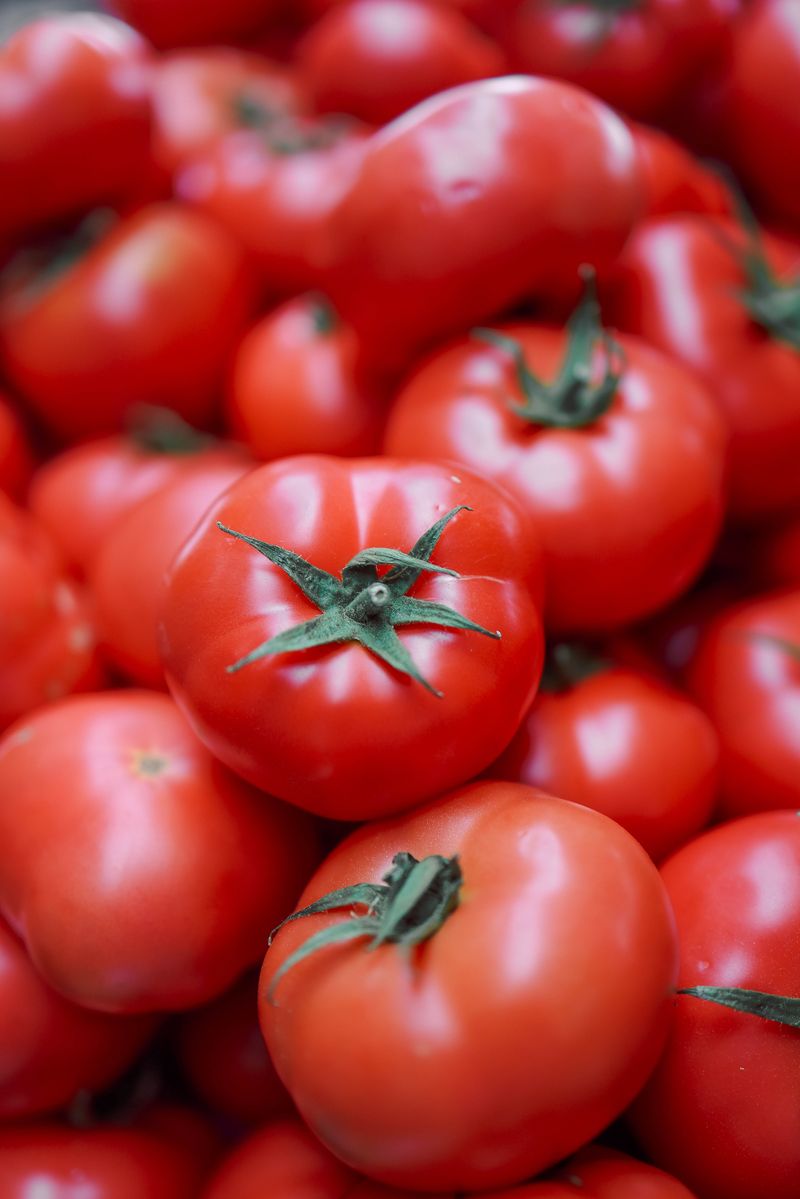
A sick plant struggles to grow high-quality fruit. When disease takes hold, the tomato is affected in ways you can see and taste.
Fungal diseases like early blight and Septoria leaf spot are extremely common in Oklahoma. They affect the foliage first, then stress the entire plant system.
When a plant loses leaves to disease, it loses the shade that protects developing fruit. Exposed tomatoes then develop tougher skins as a direct result of that sun exposure.
Bacterial diseases can also affect how fruit develops at the cellular level. Some infections interfere with normal skin cell growth, leading to leathery or uneven texture.
Prevention starts with choosing disease-resistant varieties. Look for letters like V, F, N, or T on tomato tags, which signal resistance to common pathogens.
Proper spacing between plants improves airflow and reduces humidity around the foliage. Crowded plants trap moisture, and moisture invites fungal growth fast.
Watering at the base rather than overhead keeps leaves dry and less vulnerable to infection. Wet foliage overnight is basically a welcome mat for fungal spores.
If you spot disease early, remove affected leaves immediately and dispose of them away from the garden. Catching it fast limits the spread and keeps your plants productive longer.
Healthy plants grow better fruit in every way. Keeping disease in check is one of the most overlooked paths to tender-skinned, delicious Oklahoma tomatoes.
8. Drought Stress Triggers A Water-Conservation Response
Oklahoma drought years place real stress on tomato plants. When water becomes scarce in the soil, the plant shifts into a conservation response.
In conservation mode, the plant reduces water loss through every surface it can control. The skin of the developing fruit gets thicker to prevent precious moisture from escaping.
This is not a flaw in the plant. It reflects a long-standing biological adaptation that has helped tomatoes withstand difficult growing conditions.
But impressive biology does not always mean tasty eating. A tomato that spent weeks in drought stress will have noticeably tougher skin than one grown with steady moisture.
Raised beds with quality amended soil hold moisture better than native Oklahoma clay. Adding compost improves water retention significantly and gives roots a better environment overall.
Ollas deliver moisture directly to the root zone and can significantly reduce evaporation loss compared to surface watering.
Soaker hoses laid along the base of your plants are another low-effort solution. Running them in the early morning gives roots a deep drink before heat sets in.
Drought stress is a significant challenge for Oklahoma home gardeners. But with smart watering tools and a little planning, you can grow tender homegrown Oklahoma tomatoes even through the driest summers.