8 Reasons Your Michigan Tomatoes Are Still Green In August
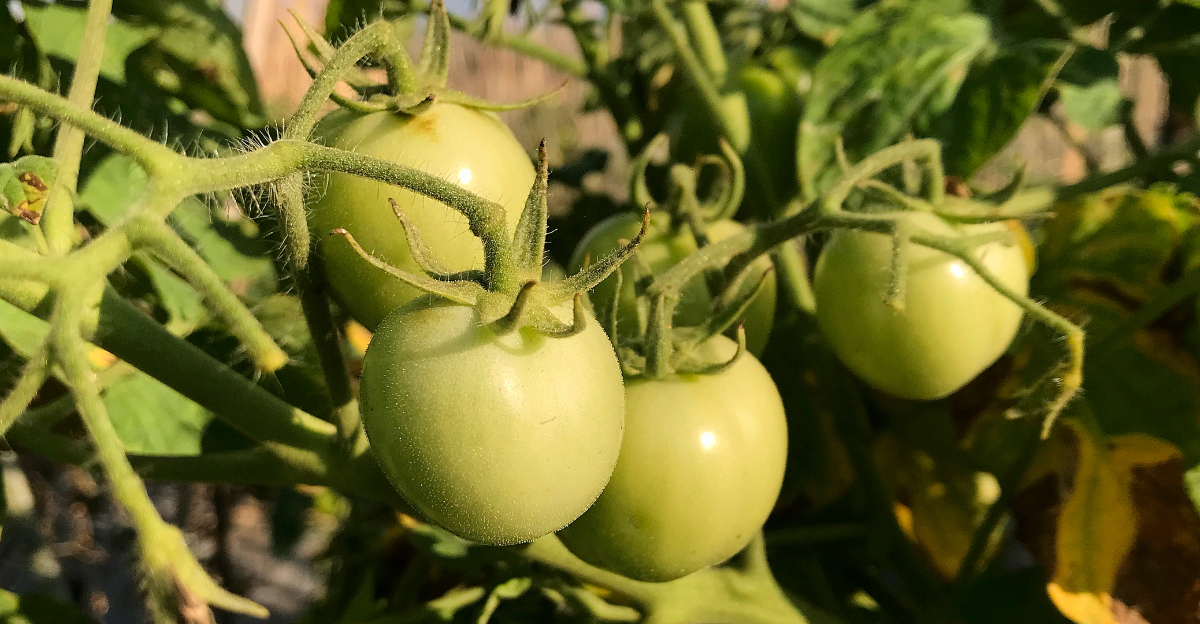
Tomato plants loaded with fruit that stubbornly refuses to ripen leave plenty of Michigan gardeners confused, especially well into August when harvest should already be picking up.
Most people assume something is simply wrong with the plant or the variety they chose to grow this year. But there are actually several different explanations behind this exact frustration, each one requiring its own specific response to fix.
Understanding the full range of possible causes changes how you should respond, rather than assuming your tomato crop is a lost cause.
Many gardeners spend weeks troubleshooting the wrong potential fix, missing the real explanation entirely.
Once you know all eight reasons behind those stubbornly green tomatoes, diagnosing your own situation becomes much more straightforward. This list could help you get your harvest back on track before the season runs out.
1. They Simply Need More Time
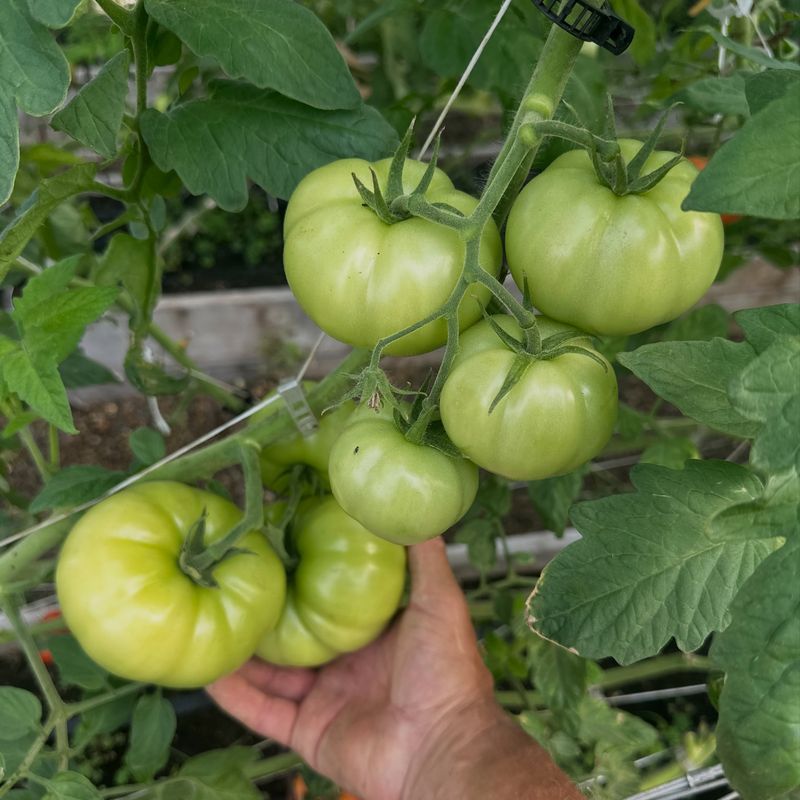
Patience is one of the hardest parts of growing tomatoes, and Michigan gardeners know this better than most. Many varieties naturally reach their peak in late August and September, so a plant covered in green fruit might be right on schedule.
Tomatoes follow their own clock. After a flower turns into a small green fruit, it needs several weeks to grow to full size before the color even starts to shift. That growing stretch can take anywhere from 20 to 30 days depending on the type you planted.
Once a tomato reaches its mature size, it enters what gardeners call the breaker stage. This is when the fruit finally begins to change from green to a pale pink and then deepens into red. You cannot rush this part, no matter how much you want to.
Michigan summers start slow and warm up gradually, which pushes a lot of ripening into the tail end of the season. A green tomato in early August is often just a red tomato that has not gotten to the finish line yet.
Try checking the size of your fruit first. If your tomatoes look full and heavy for their variety, color is usually the next step and it should arrive soon.
Keep watering steadily and avoid picking too early. Give your plants another week or two, and you will likely see those green globes start blushing right before your eyes.
2. August Heat Is Slowing The Color Change
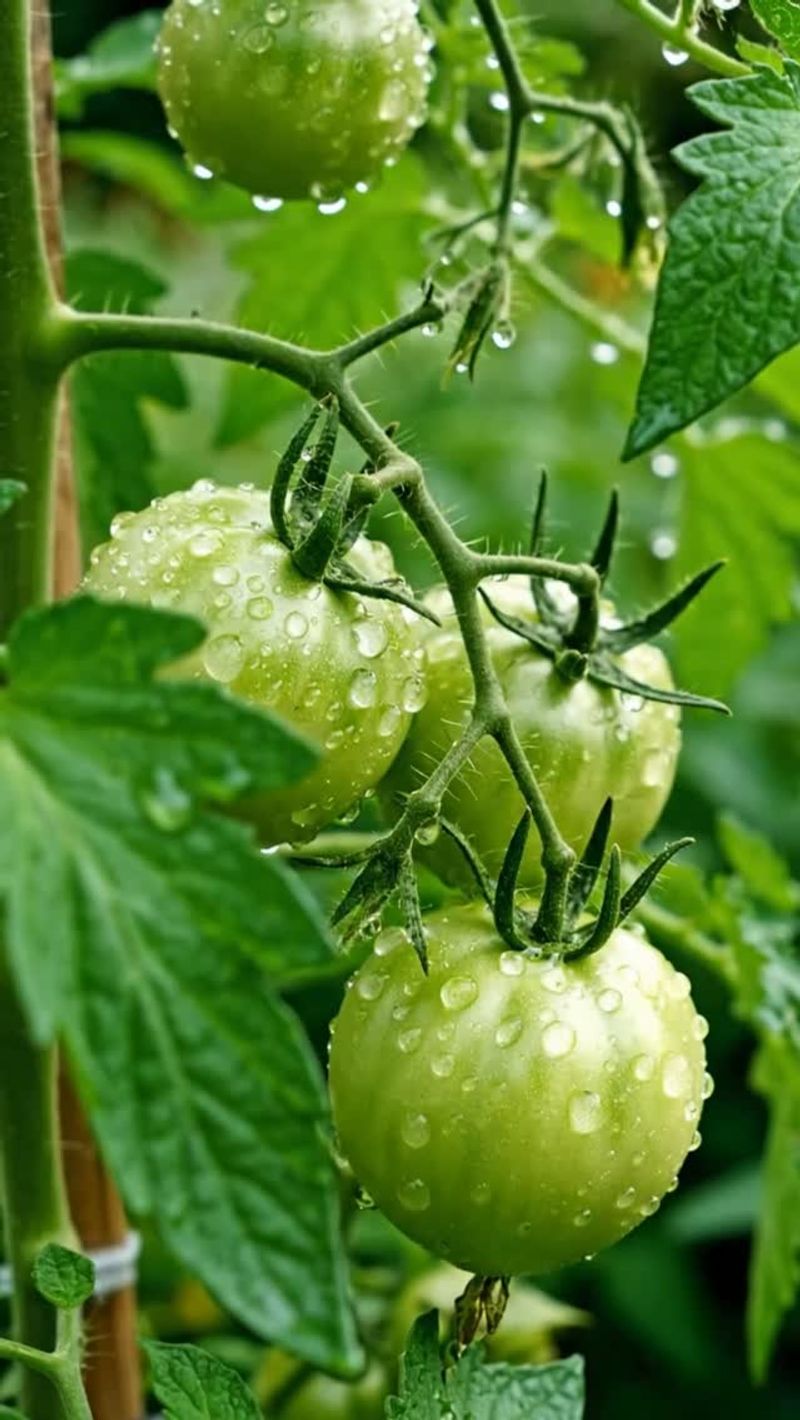
Heat is usually a friend to tomato plants, but too much of it can actually put ripening on pause. When temperatures climb above 85 degrees, the fruit struggles to make the pigments that turn it red.
The main color pigment in tomatoes is called lycopene, and it stops forming well in very hot weather. So during a stretch of scorching August afternoons, your tomatoes may sit at a stubborn shade of green or pale orange for days.
This surprises a lot of people. You would think more sun and more heat would speed things up, but the plant protects itself by slowing down instead.
The fix often shows up on its own. Once cooler days arrive, usually in the 70s, the pigment production kicks back into gear and fruit starts coloring again fairly quickly.
Your Michigan Garden Changes Every Week. Your Plan Should Too.
Gardening in Michigan changes quickly throughout the season. Every Friday you’ll receive a simple weekly plan showing exactly what to plant, prune, fertilize, harvest, and protect so you never miss the right timing.
If a heat wave is hanging around, you can help by giving your plants a little afternoon shade using a light cloth or shade netting. This keeps the fruit from baking and lets ripening continue.
Another smart move is to pick tomatoes that have started to show even a hint of color. Bring them indoors to a countertop, and they will finish ripening at room temperature without the stress of extreme heat.
Consistent watering also matters during hot spells, since stressed plants slow down even more. A steady routine keeps your tomatoes comfortable and moving toward that ripe red finish.
3. Your Tomatoes Were Planted Late
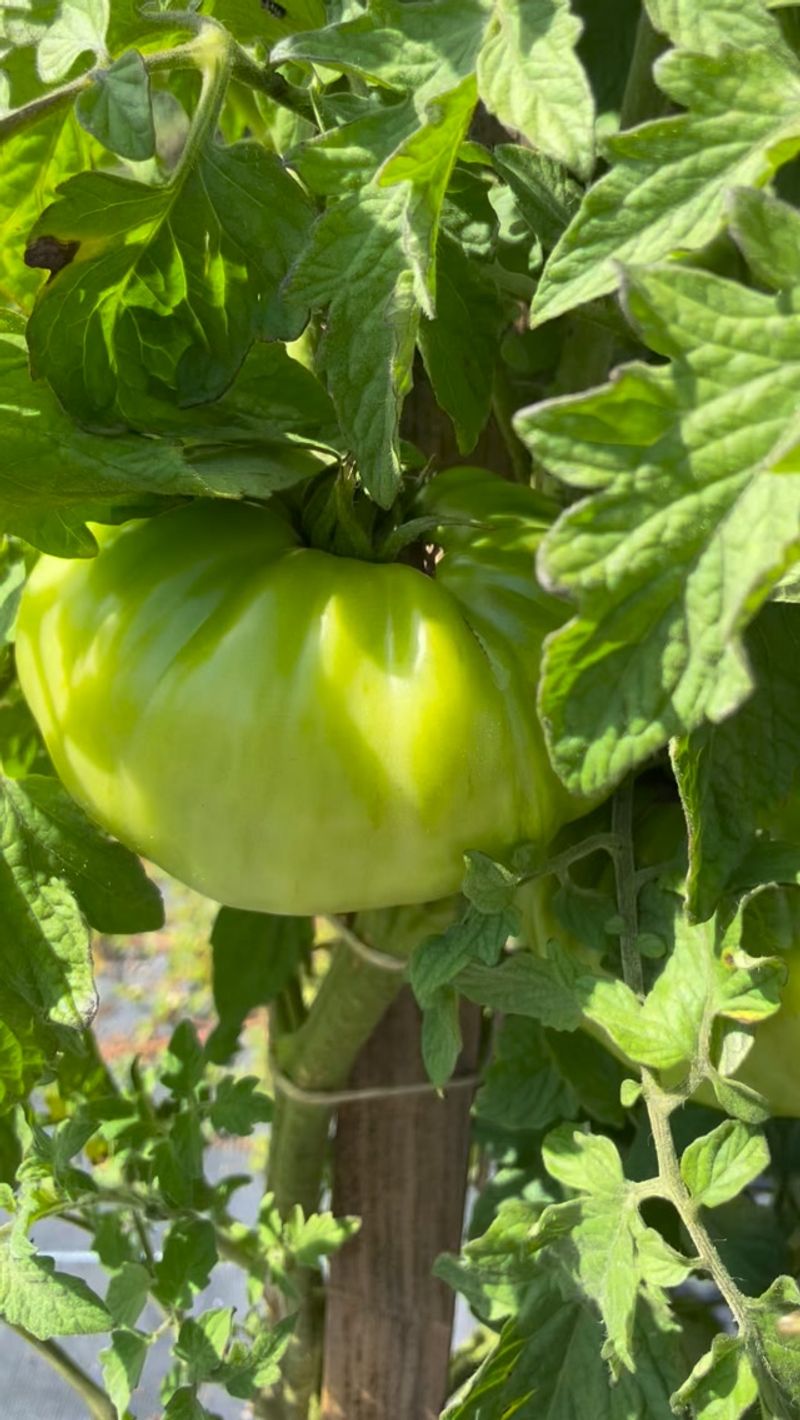
Timing sets the whole tone for your tomato season, and a late start can leave you waiting well into fall. If your seedlings went into the ground in June instead of May, your harvest simply shifts later too.
Every step in a tomato’s life takes time. The plant has to settle in, grow taller, produce flowers, set fruit, and then ripen. When you push the starting line back by a few weeks, every one of those stages slides later on the calendar.
Michigan makes this tricky because the growing season is not very long. Warm weather often does not settle in until late May or early June, and cool nights can return by September.
A plant that went in the ground late is racing the clock. It may still be forming and swelling fruit in August while earlier planted tomatoes are already red and ready.
There is not much you can do to speed up a late plant this year, but you can plan smarter next spring. Aim to transplant after the last frost passes, usually around mid to late May in most of Michigan.
Starting seeds indoors six to eight weeks before that date gives you a head start too. Strong, healthy transplants going in on time will reward you with an earlier and longer harvest.
For now, keep your late plants healthy and warm, and they should still deliver ripe tomatoes before the season wraps up.
4. You Chose A Late Maturing Variety
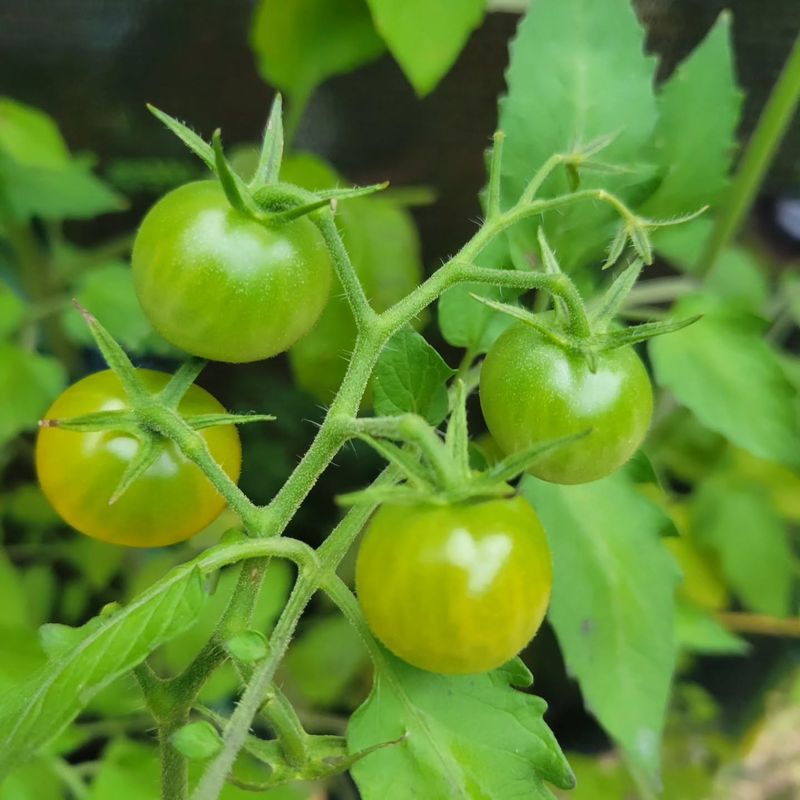
Not every tomato ripens at the same speed, and the variety you picked plays a huge role. Big beefsteak types take much longer to reach red than small cherry tomatoes do.
Seed packets and plant tags usually list a number called days to maturity. A cherry tomato might mature in 55 to 65 days, while a large beefsteak can need 80 days or more from transplant.
That difference adds up fast in a short Michigan season. If you planted a long season variety, green fruit in August is completely normal and nothing to worry about.
Big tomatoes also carry more weight, which means the plant pours more energy into growing each fruit to full size before color even begins. Slow and steady is just how they work.
Cherry and grape tomatoes, on the other hand, seem to ripen almost overnight. Their small size lets them finish quickly, which is why they often produce first.
If you love the giant slicing tomatoes, plan for the wait and enjoy them later in the season. You can also mix in a few early varieties so something ripens sooner.
Look for names labeled early or fast on plant tags next spring. Varieties like Early Girl or Fourth of July are bred to color up quickly, which is handy in cooler northern gardens.
For this year, be patient with your big beauties. Those heavy green fruits will turn into some of the best tasting tomatoes you grow.
5. Too Much Nitrogen Fueled Leaves Instead Of Fruit
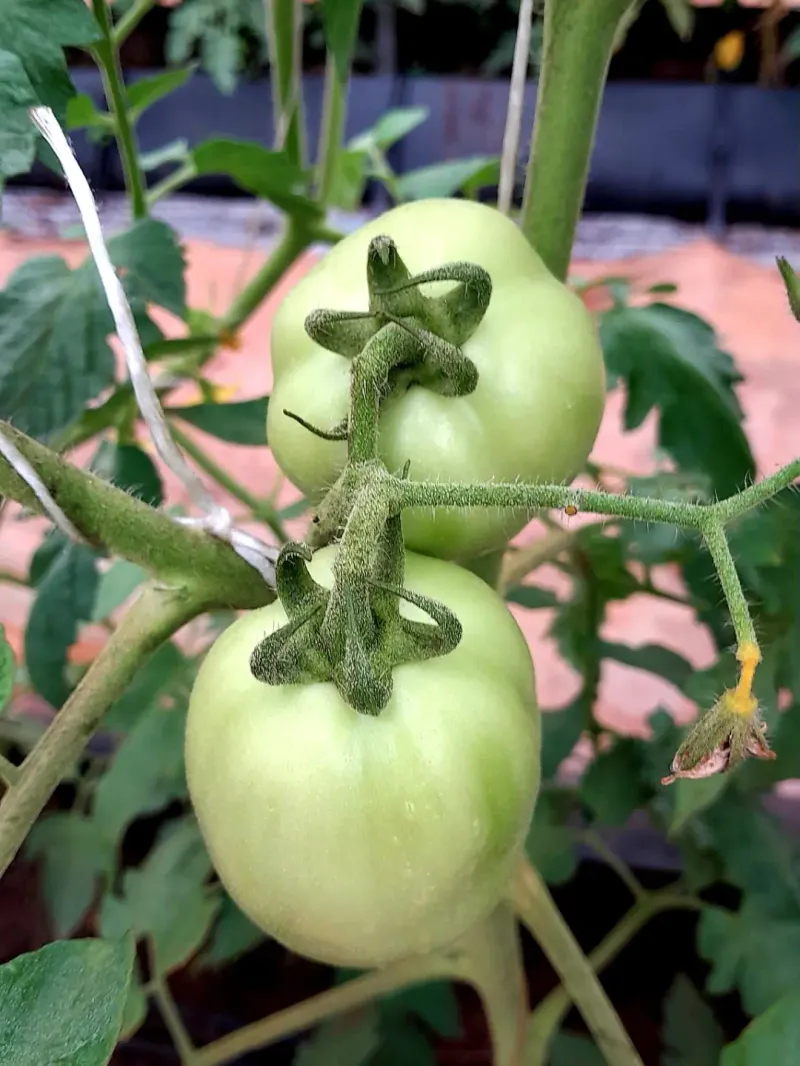
A giant, leafy tomato plant looks impressive, but all those leaves can hide a real problem. When plants get too much nitrogen, they grow lots of foliage and hold back on making fruit.
Nitrogen is the nutrient that fuels green, leafy growth. A little is great early on, but too much tells the plant to keep growing stems and leaves instead of switching to flowers and tomatoes.
This often happens when gardeners use a fertilizer that is heavy in nitrogen or add too much rich compost. The plant simply follows the signal it is given and builds a jungle.
You can spot this issue pretty easily. If your plant is huge and bushy with deep green leaves but only a few tomatoes, extra nitrogen is likely the reason.
The fix starts with changing what you feed it. Switch to a fertilizer higher in phosphorus and potassium, the nutrients that support flowers and fruit rather than leaves.
Look for numbers on the label like 5-10-10, where the middle and last numbers are higher than the first. These blends nudge the plant toward producing tomatoes.
Cutting back on feeding for a while also helps balance things out. Once the plant senses less nitrogen, it usually shifts its energy toward ripening the fruit it already has.
Going forward, test your soil before adding amendments. Feeding your tomatoes what they actually need keeps them productive and helps green fruit turn red on time.
6. The Plants Are Not Getting Enough Sun
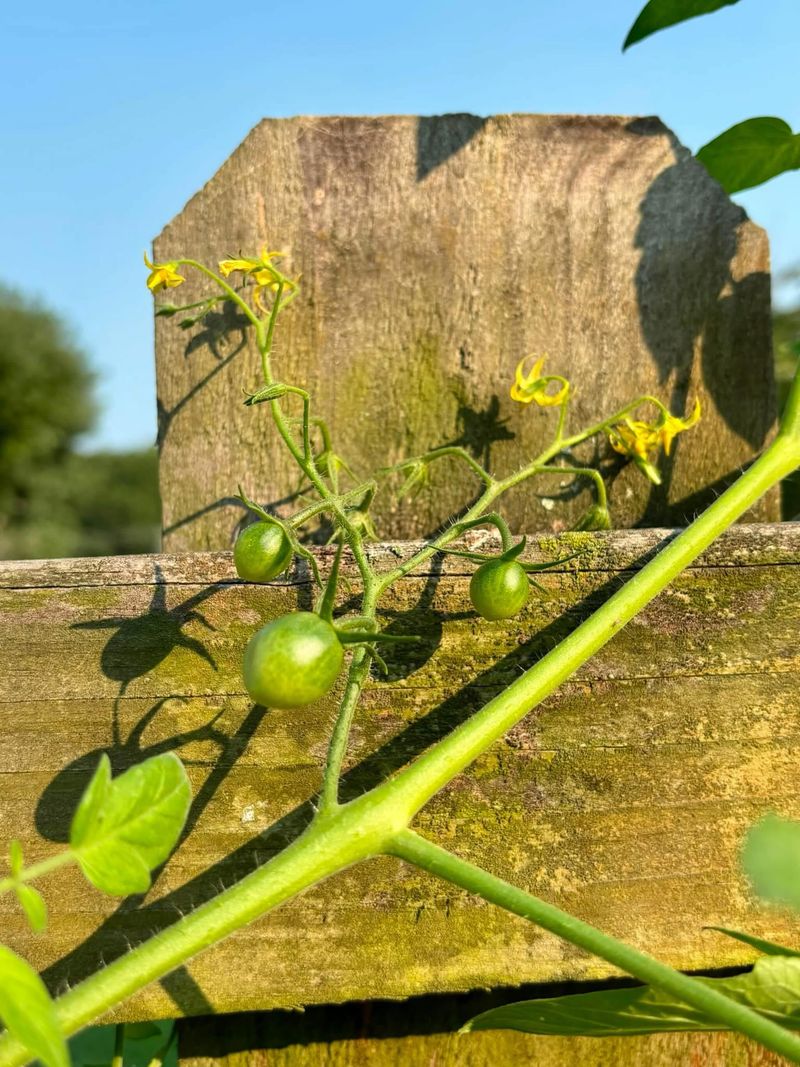
Sunlight is the engine behind every ripe tomato, and shade can quietly slow your whole harvest. Tomatoes want a lot of light, and a shady spot leaves them struggling to keep up.
For strong production, tomato plants need at least eight hours of direct sun each day. Anything less, and the plant has less energy to grow fruit and turn it red.
Michigan gardens can be tricky here. Tall trees, fences, and nearby buildings often cast shadows that move across the yard during the day without you even noticing.
A plant sitting in partial shade will still grow, but it works in slow motion. Fewer flowers form, fruit sets later, and ripening drags on longer than it should.
Take a little time to watch your garden over the course of a day. Notice when and where shadows fall, and see if your tomatoes are getting shaded during prime afternoon hours.
If they are, you have a few options for next season. Move plants to a sunnier spot, or grow them in large containers you can place where the light is best.
Trimming back nearby branches can also open up more sunlight without much effort. Even a couple of extra hours a day makes a real difference in fruit production.
For plants already in the ground this year, gently remove some crowded lower leaves so light reaches the fruit. A little more sun now can help those green tomatoes finally start blushing.
7. Cool Weather Slowed Their Progress Earlier
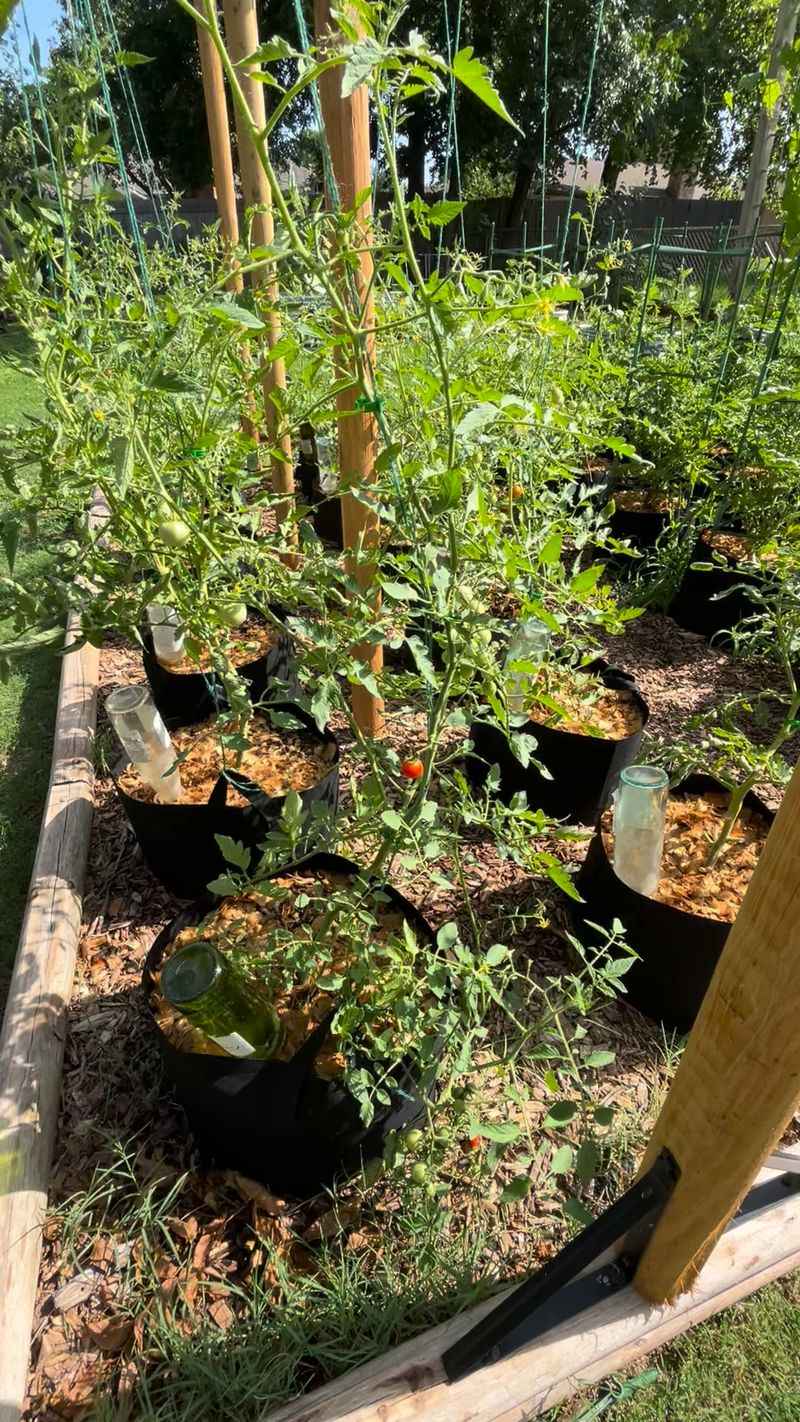
Sometimes the reason for green tomatoes in August started weeks earlier during a chilly stretch. Cool weather slows tomato growth, and that delay can follow the plant all season long.
Tomatoes love warmth. When temperatures dip into the 50s at night, the plant slows way down, and flowers may struggle to turn into fruit at all.
Northern Michigan feels this the most. The warm growing window there is shorter, and cool spells can pop up even in the middle of summer.
If your area had a cold June or a run of chilly nights, your plants likely paused their progress during that time. That lost momentum pushes fruit set and ripening later into the year.
The plant does eventually recover once warmth returns, but it cannot make up the lost days instantly. So by August you may see fruit that is still catching up.
To protect against future cool snaps, you can cover plants with row cloth on cold nights. This traps a little warmth and keeps growth moving along.
Planting near a south facing wall or using dark mulch also helps. These tricks capture heat during the day and keep the soil warmer around the roots.
Black plastic mulch is especially popular in cooler regions because it warms the ground early in the season. Warmer soil means faster, steadier growth from the start.
For now, enjoy the warm days you have left. As long as nights stay mild, your tomatoes should keep working toward ripe and ready.
8. Uneven Ripening Is Keeping Parts Green
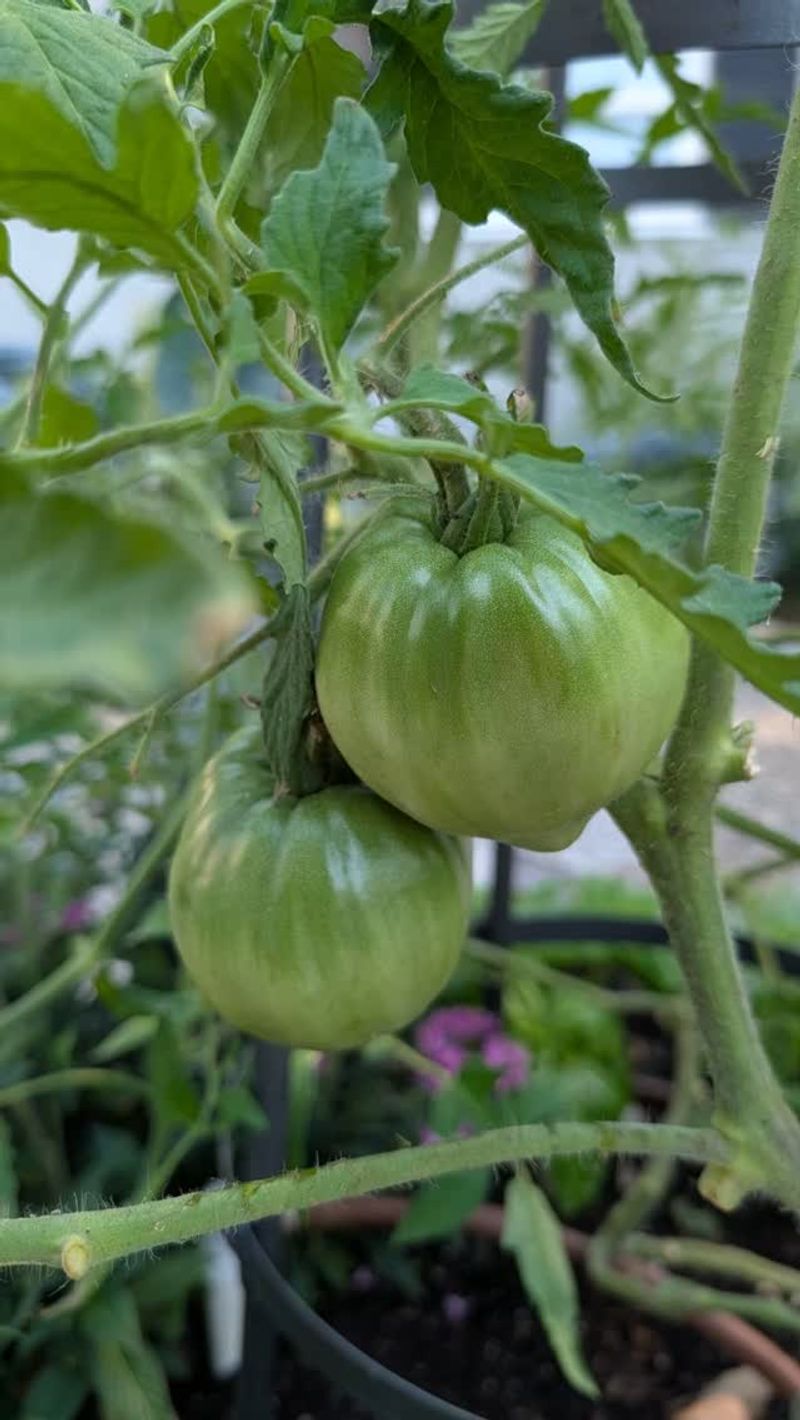
Ever picked a tomato that is red on the bottom but stubbornly green or yellow near the top? That patchy look is called uneven ripening, and several things can cause it.
Heat is a common culprit. When the sun beats down hard, the shoulders of the fruit near the stem can stay firm and green while the rest colors up normally.
Nutrient balance plays a part too. A shortage of potassium often leads to those pale yellow or green patches known as yellow shoulder disorder.
Soil conditions matter more than many gardeners realize. Compacted or waterlogged soil makes it hard for roots to take up nutrients, and that stress shows up right in the fruit.
You can improve things with a few simple steps. Feeding with a potassium rich fertilizer helps the plant color its tomatoes evenly from top to bottom.
Watering steadily also keeps stress low. Deep, consistent moisture beats quick splashes that leave the soil dry one day and soggy the next.
Adding mulch around the base holds moisture in and keeps soil temperatures steadier. This creates a calmer environment for roots to do their job.
Some afternoon shade during heat waves can prevent those green shoulders too. Protecting the fruit from the harshest sun keeps ripening even.
The tomatoes are still perfectly good to eat, so do not toss them. Just slice away any firm green spots and enjoy the rest of your homegrown harvest.