9 Reasons Your Zucchini Keeps Blooming But Won’t Set Fruit
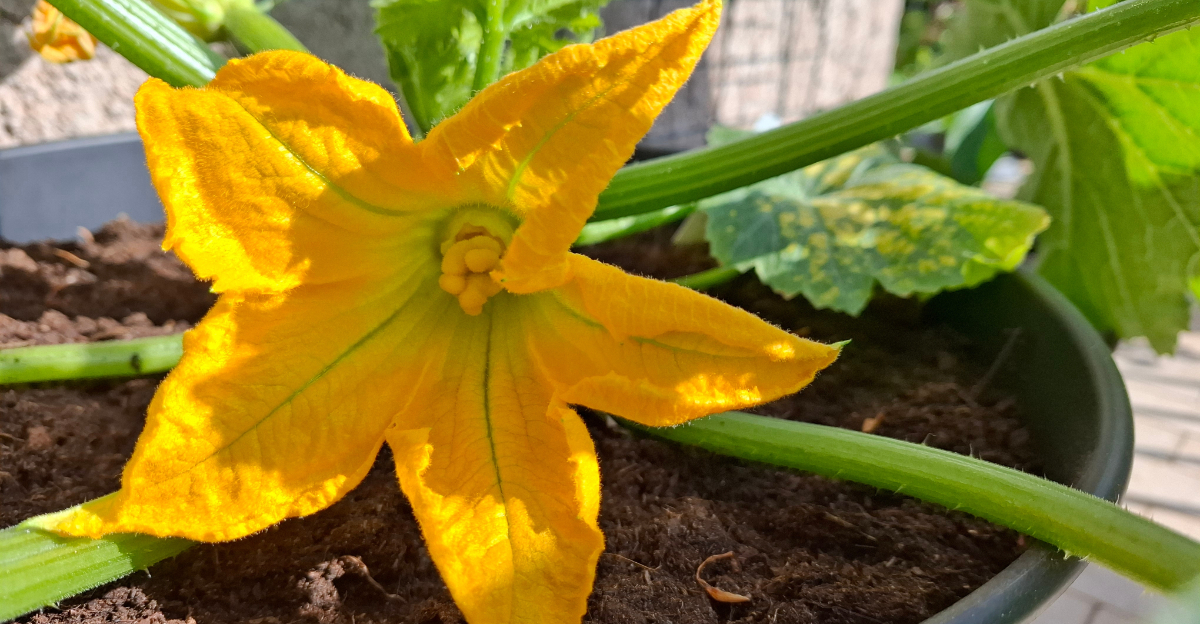
You circle your zucchini patch every morning, counting blooms, and the counter stays empty. Yellow flowers keep opening, one after another, confident and relentless.
Then days pass, the flower shrivels, and nothing follows. No shadow of a squash on the stem, no hint that anything is forming beneath those leaves.
It’s maddening, but you’re not the only gardener stuck in this loop this summer. Something small is happening between bloom and fruit, something quietly rewriting the whole story.
Maybe it’s the soil, maybe pollination, maybe a watering routine that looks perfect on paper but isn’t. By the end of this, you’ll know exactly where to look and how to fix it before the season slips away.
1. The Difference Between Male And Female Flowers
Your zucchini plant is not broken. It is just following a system most gardeners never learned about in school.
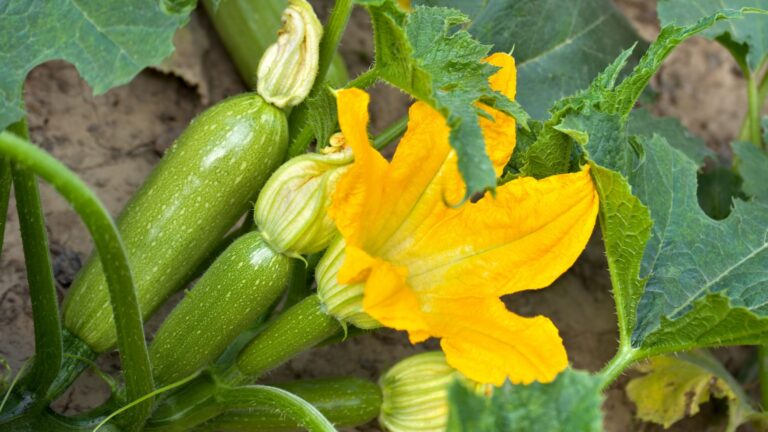
Zucchini plants grow two distinct types of flowers. Male flowers show up first, and they sit on thin, straight stems.
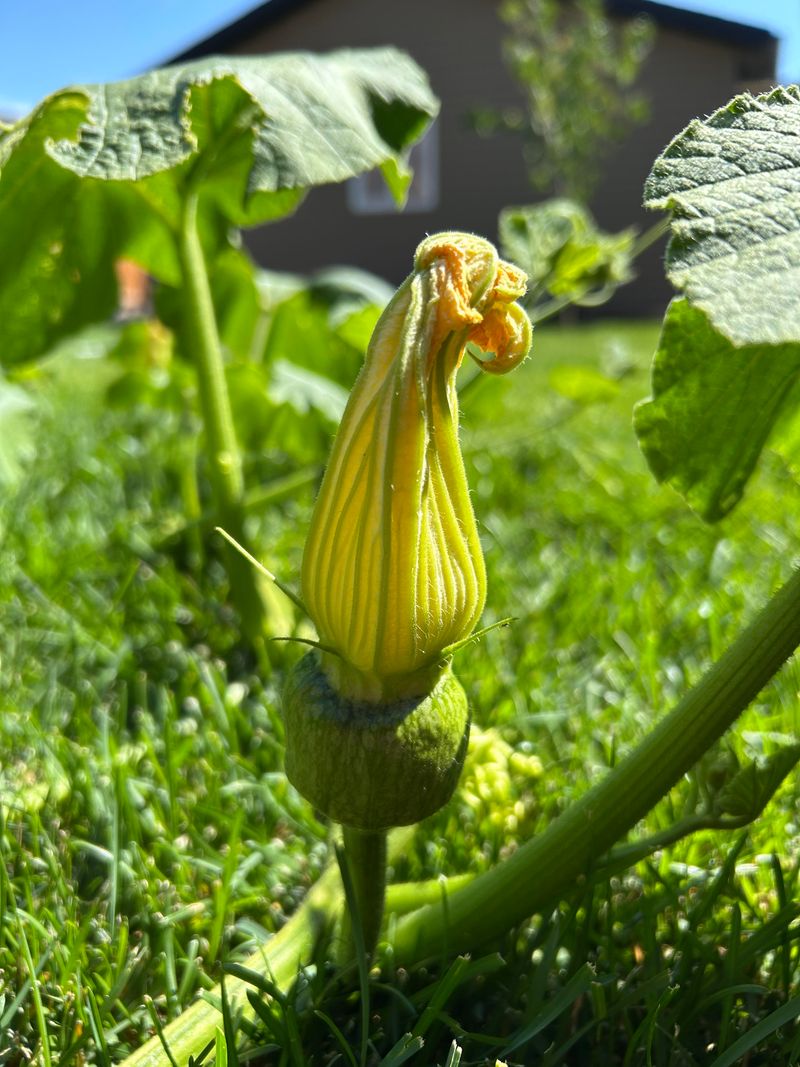
Female flowers come a little later. They have a tiny, miniature zucchini at the base of the bloom, right where the stem meets the flower.
That little bump is the ovary. Without pollen reaching it, it shrivels up and falls off, leaving you frustrated and confused.
Many gardeners panic when they see flowers dropping before any fruit appears. Often, those are just male flowers doing their job and moving on.
The plant needs both types open at the same time for pollination to happen. Early in the season, you might only have males for a week or two.
Check your plant carefully before assuming something is wrong. Look for that small swelling at the base of each bloom.
A quick morning walk through the patch tells you more than any guessing game. Note how many male and female blooms are open on the same day, since timing is often the missing piece.
Once you can tell the difference, you will feel so much more in control of what is happening in your garden. Recognizing your plant’s signals makes everything easier from here on out.
2. Poor Pollinator Activity In Your Garden
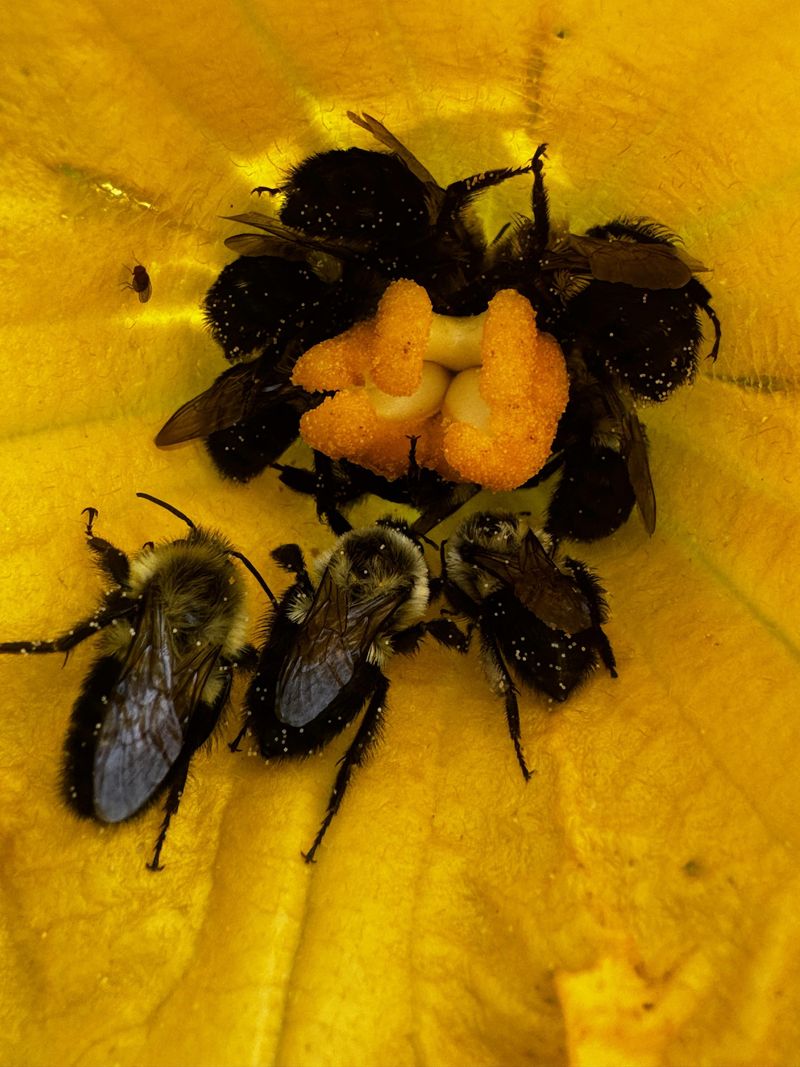
Without bees, your zucchini has a much harder time turning blooms into fruit. It’s a simple connection that catches a lot of gardeners off guard.
Pollinators like bees carry pollen from male flowers to female flowers. Without that transfer, your zucchini blooms beautifully but produces nothing.
Bee populations have been declining across the country. Pesticide use, habitat loss, and fewer flowering plants all play a role in keeping them away from your yard.
If you rarely see bees visiting your garden, that is a major clue. Your zucchini blooms need those visits to set fruit.
Planting pollinator-friendly flowers nearby makes a big difference. Lavender, borage, and marigolds attract bees and keep them coming back to your garden.
Avoid spraying insecticides during morning hours when blooms are open. That is peak pollinator time, and spraying then can drive bees away for good.
A shallow dish of water near your garden also helps. Bees need hydration, and giving them a water source encourages them to stick around longer.
Watch which hours your garden gets the most bee traffic, then plan any garden chores around that window instead of against it. Small timing shifts like this add up fast.
Creating a welcoming space for pollinators is one of the best investments you can make. Your zucchini, and your whole garden, will reward you for it generously.
3. Temperature Swings That Disrupt Fruit Set
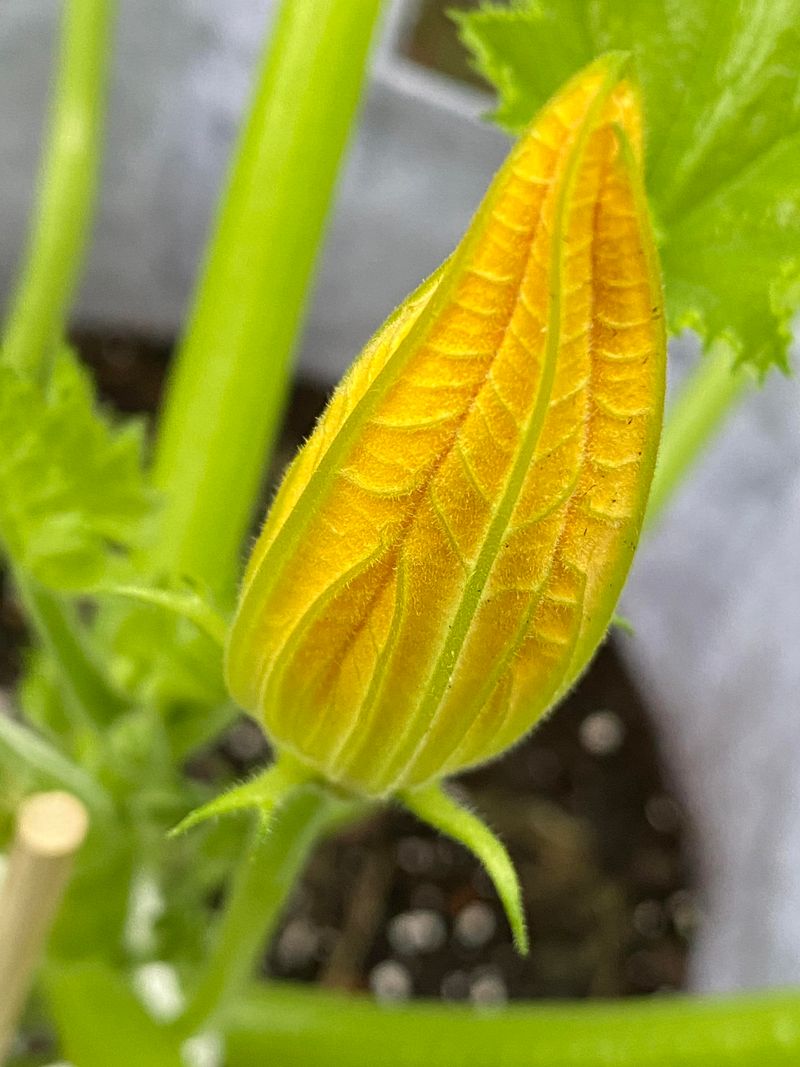
Zucchini has a comfort zone, and when temperatures go outside of it, fruit set shuts down fast.
Daytime heat above 90 degrees Fahrenheit causes pollen to become sterile. The flower opens, but the pollen inside cannot do its job.
Cold nights below 55 degrees create a different problem. The plant slows down, and female flowers may drop before they get a chance to be pollinated.
This is why zucchini planted during a heat wave or a cool snap often produces tons of blooms with zero fruit attached.
The plant is not struggling, it is just waiting for conditions to improve. Give it time when extreme weather hits.
Shade cloth can help during brutal afternoon heat. Draping it over your plants from noon to 4 p.m. keeps temperatures manageable for the blooms.
Row covers work well on cold nights. They trap warmth without smothering the plant, giving it just enough protection to keep growing.
Keep an eye on the forecast for a few days before you panic about a bloom drop. Often the fruit set picks right back up once temperatures settle into a steadier range.
Weather is the one thing you cannot fully control in a garden. But knowing how temperature affects your zucchini helps you respond quickly and smartly.
4. Excess Nitrogen In The Soil
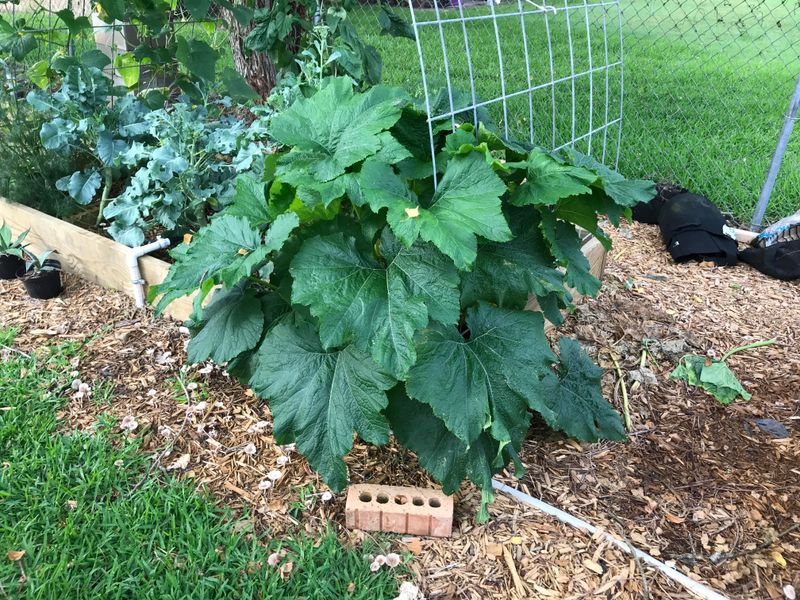
Sometimes you love your plants a little too much, and your zucchini pays the price in leaves instead of squash.
Nitrogen is the nutrient that drives leafy, green growth. When there is too much of it, your plant puts all its energy into foliage.
The result is a gorgeous, bushy zucchini plant with huge leaves and zero fruit. It looks healthy, but it is basically just decorating your garden.
Over-fertilizing with high-nitrogen products is one of the most common mistakes home gardeners make. Fresh manure and certain compost blends can also cause this issue.
A soil test from your local garden center tells you exactly what your soil needs. Testing takes the guesswork out of fertilizing completely.
Switch to a fertilizer with higher phosphorus and potassium once plants start flowering. These nutrients support blooming and fruit development instead of leafy growth.
Pull back on feeding frequency as well. Zucchini does not need heavy fertilization once it is established and actively growing.
Giving your plant the right balance of nutrients is like giving it directions. Point it toward fruit production, and that is exactly where it will go.
5. Watering Habits That Affect Fruit Development
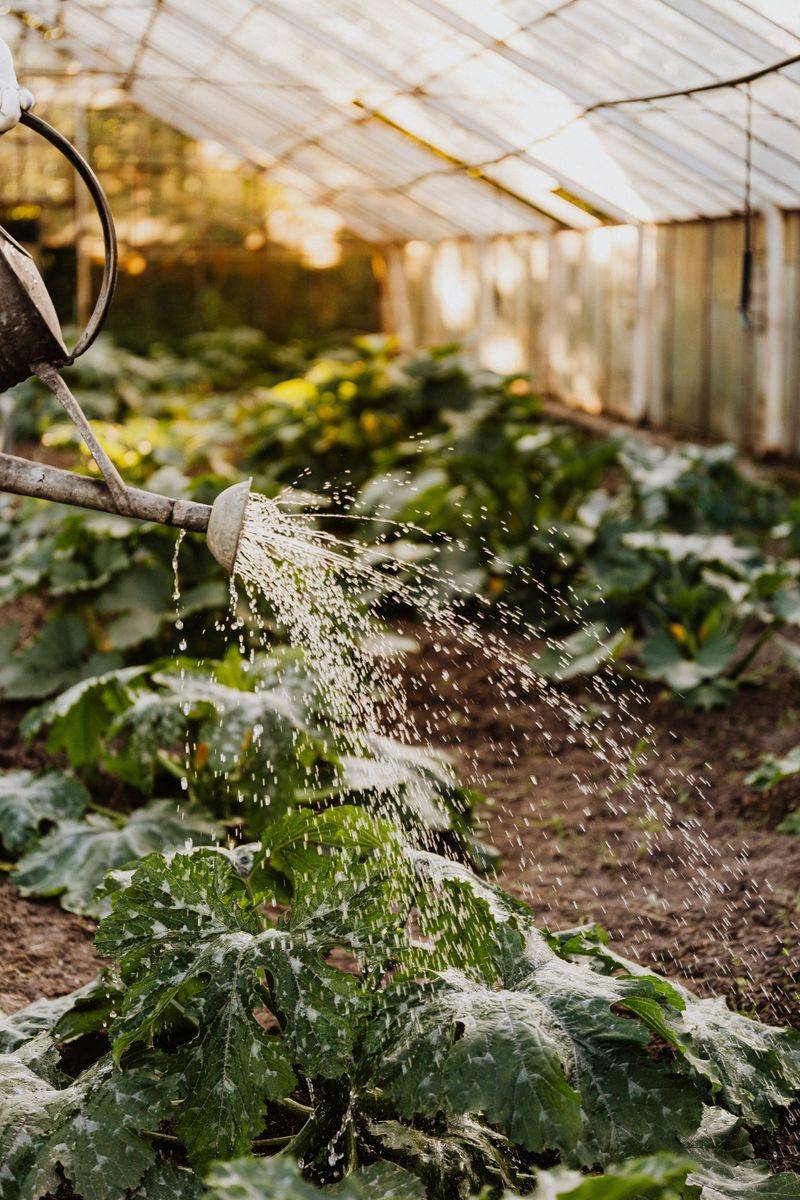
Water is life for your zucchini, but the way you deliver it matters just as much as how much you give.
Inconsistent watering causes stress that leads directly to blossom drop. One dry week followed by a flood confuses the plant and halts fruit set.
Overhead watering is another sneaky problem. Splashing water on open flowers washes away pollen before bees even get a chance to move it.
Water at the base of your zucchini plant whenever possible. A soaker hose or drip irrigation system keeps moisture right where roots need it most.
Zucchini needs about one to two inches of water each week. During hot spells, you may need to water more frequently to keep up with demand.
Stick your finger two inches into the soil to check moisture levels. If it feels dry that deep, it is time to water again.
Mulching around your plants helps lock in moisture between watering sessions. Straw or shredded leaves work great and also keep weeds from competing with your zucchini.
Getting your watering routine dialed in gives your zucchini the stable environment it needs. Consistent moisture is one of the simplest ways to encourage steady fruit production.
6. Blossom Drop Caused By Stress
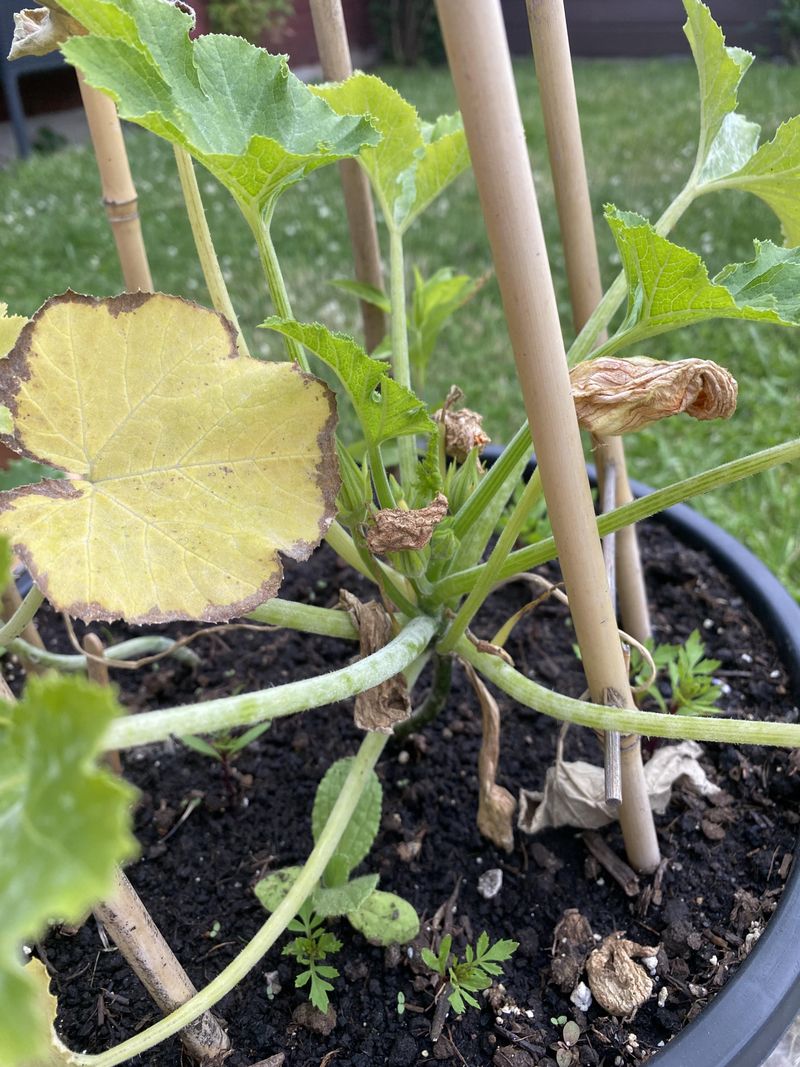
Flowers falling off before they set fruit is one of the most disheartening sights in a summer garden. Blossom drop is real, and stress is almost always the trigger.
Zucchini drops its blooms when something in its environment feels off. Heat, drought, poor soil, or even root disturbance can flip that switch.
Transplant shock is a big one. If you moved your seedling recently, the plant may drop flowers while it focuses on re-establishing its roots.
Pest pressure also causes blossom drop. Squash bugs, aphids, and cucumber beetles all stress the plant and interrupt its normal reproductive cycle.
Check the undersides of leaves regularly for pests. Catching an infestation early keeps it from derailing your entire growing season.
Crowded planting conditions create competition for nutrients and airflow. Stressed plants in tight spaces drop blooms more often than plants with room to breathe.
Give your zucchini space, consistent care, and protection from pests. A calm, well-supported plant almost never drops its blooms without good reason.
Once you remove the source of stress, your plant usually bounces back quickly. Zucchini is resilient when you give it what it needs to recover.
7. Hand Pollination As A Backup Method
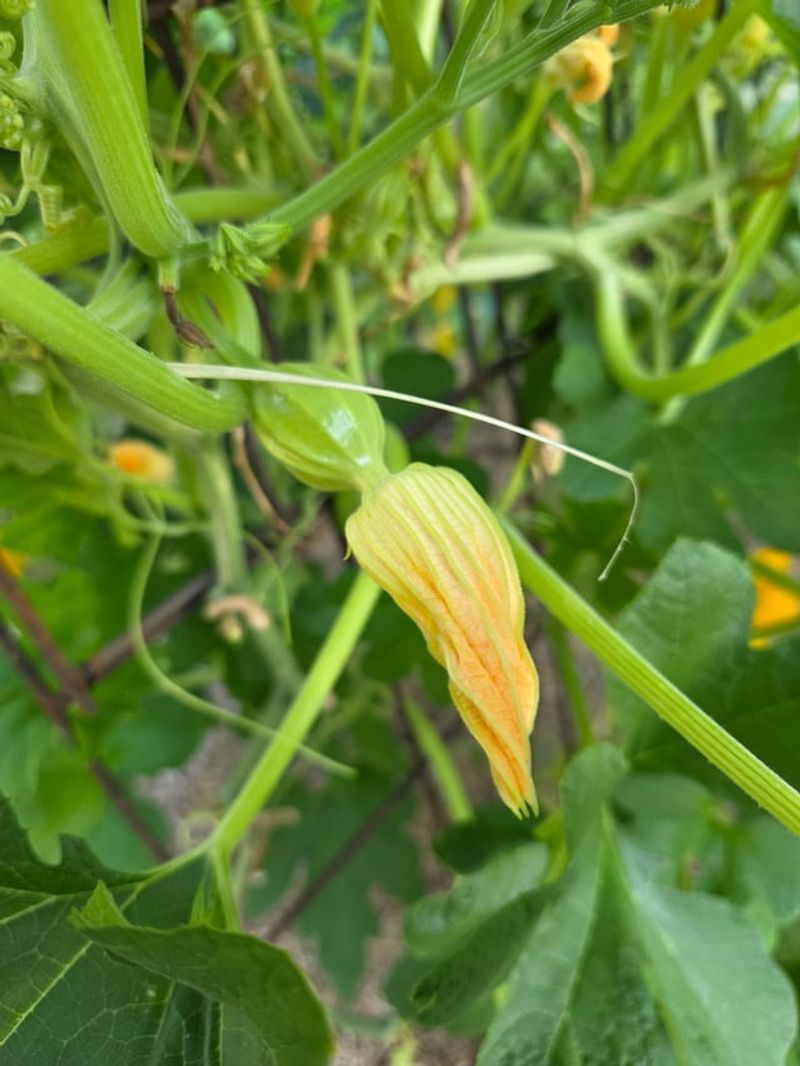
When bees are nowhere to be found, you can step in and do their job yourself. Hand pollination sounds fancy, but it takes about thirty seconds.
Grab a small paintbrush or a cotton swab first thing in the morning. That is when zucchini blooms are fully open and pollen is fresh.
Find a male flower and gently swipe the brush across the center to pick up pollen. The center part is called the stamen, and it looks dusty yellow when ripe.
Then take that brush straight to an open female flower. Dab the pollen onto the sticky center part, called the stigma, inside the female bloom.
You can also snap off a male flower entirely and rub it directly into the female. Gardeners have used this trick for generations with great results.
One male flower can pollinate two or three female blooms in a single morning session. Work quickly before the heat of the day causes flowers to close.
Hand pollination is especially useful in early summer when pollinators are still scarce. It is also a lifesaver in enclosed spaces like greenhouses or covered patios.
Taking pollination into your own hands gives you direct control over your harvest. Your zucchini will not know the difference, and your dinner table will thank you.
8. Overcrowded Vines Competing For Resources
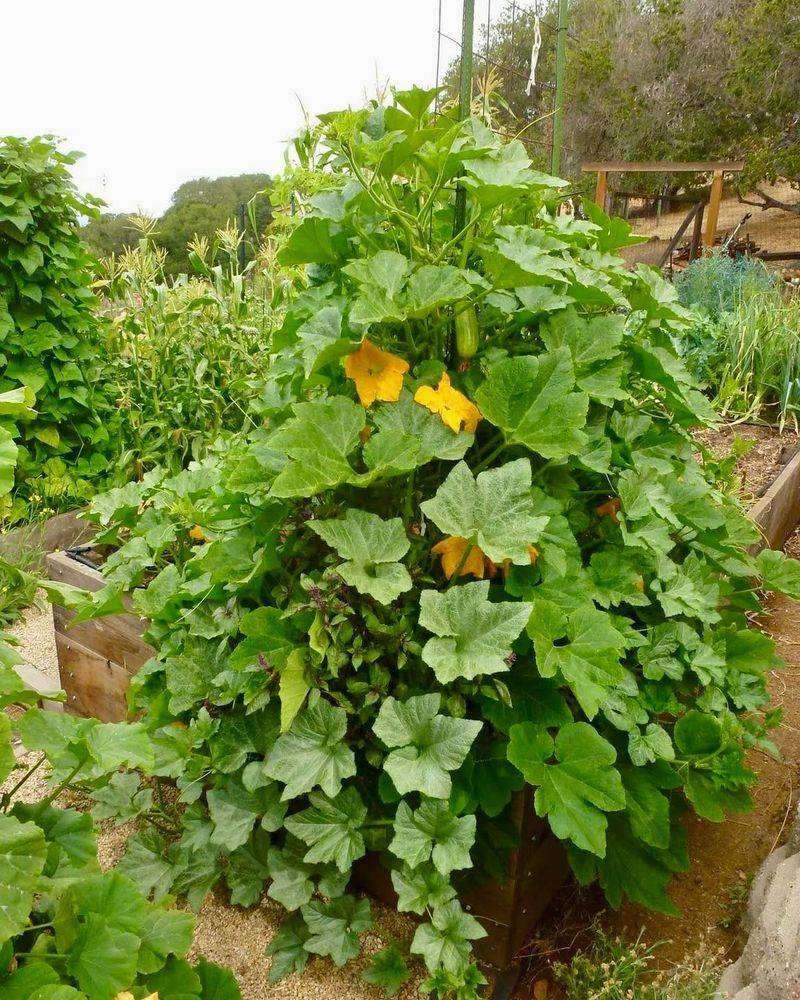
Zucchini plants are not shy about taking up space. Plant too many in a small area and they start competing with each other for everything.
When vines compete for sunlight, water, and nutrients, the plant has to make tough choices. Fruit production is often the first thing to go.
Each zucchini plant needs at least three feet of space in every direction. Some gardeners give them even more to allow proper airflow around the leaves.
Poor airflow is also a gateway to powdery mildew, a fungal issue that weakens plants and reduces their ability to set fruit.
Thinning your garden feels wasteful, but it is one of the smartest moves you can make. Removing weaker plants gives stronger ones the room to thrive.
Raised beds and container gardens are especially prone to overcrowding. It is tempting to squeeze in one more plant, but resist that urge every time.
Pruning large leaves that shade out the center of the plant also helps. Better light penetration encourages more flowering and stronger fruit development overall.
Giving your zucchini room to breathe is not optional, it is essential. Space is a resource, and your plants will use every inch you give them wisely.
9. Timing Issues Early In The Season
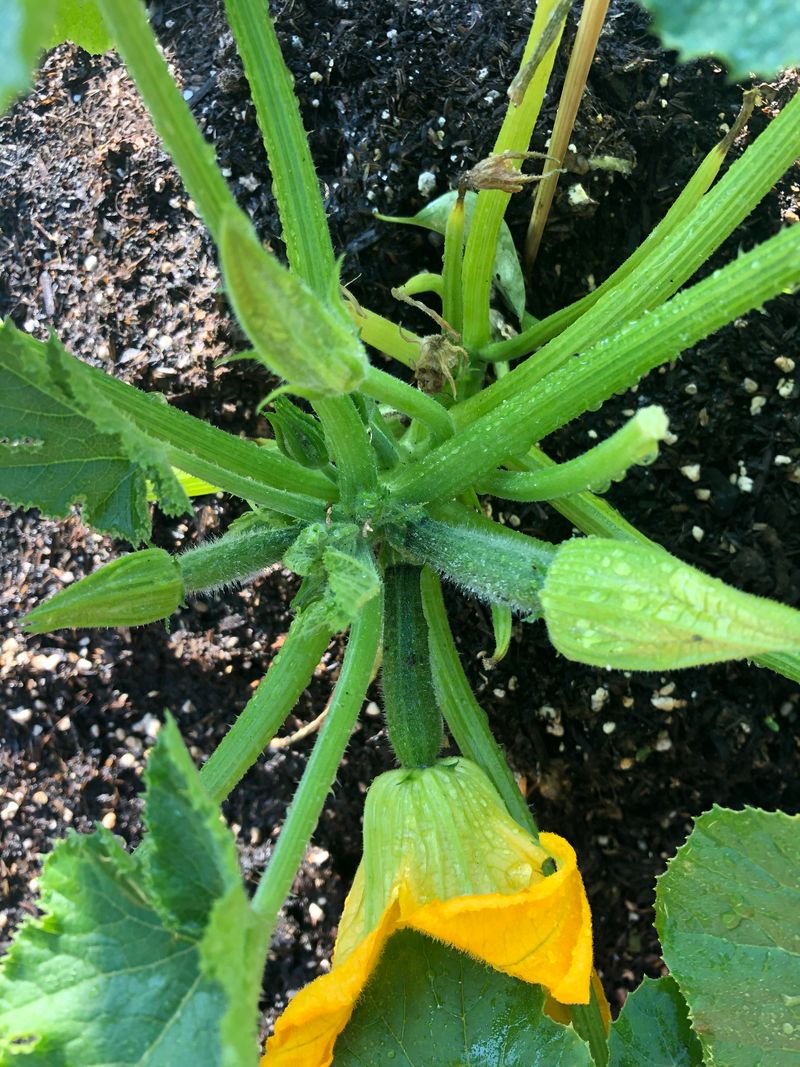
Patience is genuinely hard when your zucchini is blooming like crazy but producing nothing. Early season timing is often the explanation nobody talks about.
Zucchini plants almost always produce male flowers first. This can happen for two to three weeks before the first female flower even appears.
That is normal plant behavior, not a sign that something is wrong with your garden. The plant is warming up before it commits to fruit.
Female flowers need the plant to reach a certain level of maturity before they show up. Rushing this process is not possible, no matter how much you want to.
Cooler spring soil also slows everything down. Zucchini planted before soil temperatures reach 60 degrees Fahrenheit tends to stall in early development stages.
Keep a simple garden journal to track when male and female flowers first appear. Patterns repeat each year, and that data becomes incredibly useful over time.
If you are several weeks into the season and still see no female flowers, check your plant spacing and soil nutrients. Both factors influence how quickly females develop.
Your zucchini is not stalling on purpose, it is just following its own timeline. Trust the process, stay consistent, and the fruit will come right on schedule.