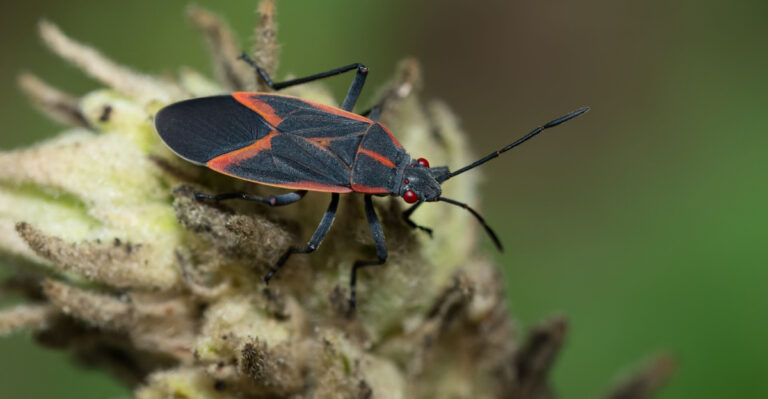
Red-Winged Blackbirds Are Back, Here’s What It Means For Michigan Gardeners This Season
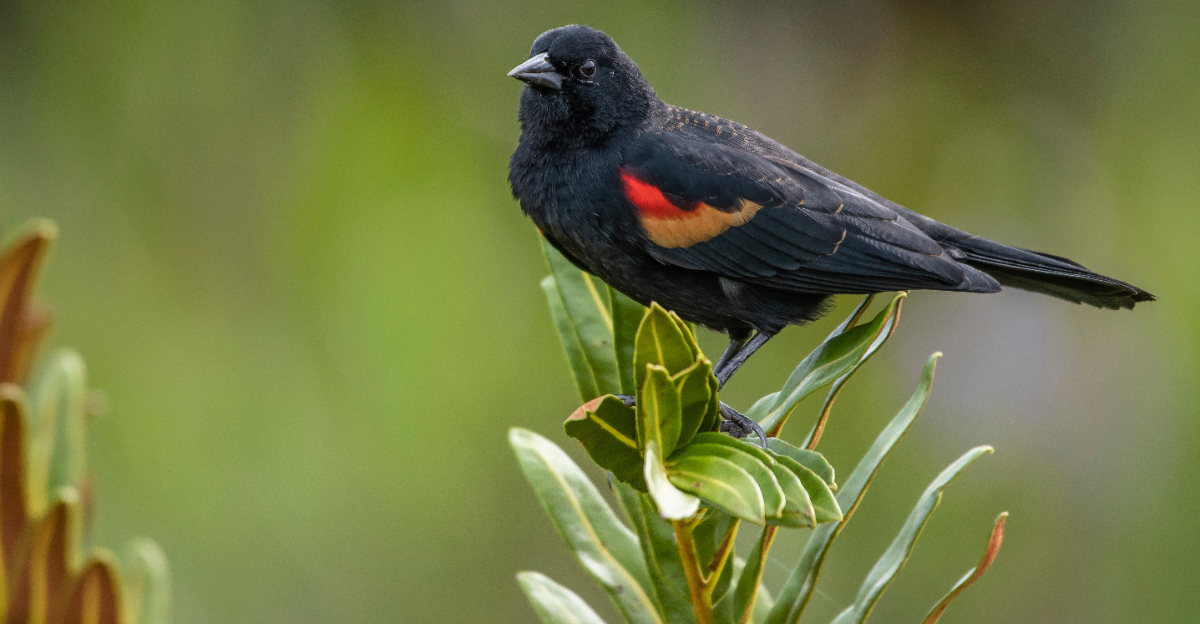
The sudden, metallic trill of the red-winged blackbird across a thawing Michigan marsh is the definitive starting gun for the 2026 gardening season.
As these bold pioneers return to the Great Lakes basin each March, they signal a critical thermal shift long before the first green shoots pierce the receding snow.
For the strategic gardener in Lansing or Ann Arbor, their arrival is more than just a scenic milestone; it is a biological cue to begin prepping the soil for the coming humidity.
These resilient birds act as an early-season tactical crew, scouring your dormant garden beds for overwintering larvae and hidden pests that managed to survive the January freeze.
By observing their nesting patterns and energetic foraging, you can better synchronize your own planting schedule with the natural rhythm of the Mitten State’s erratic spring.
Embracing these feathered visitors transforms your backyard into a balanced ecosystem where natural pest management meets the first true heartbeat of the new year.
1. Arrival Signals Spring In Michigan
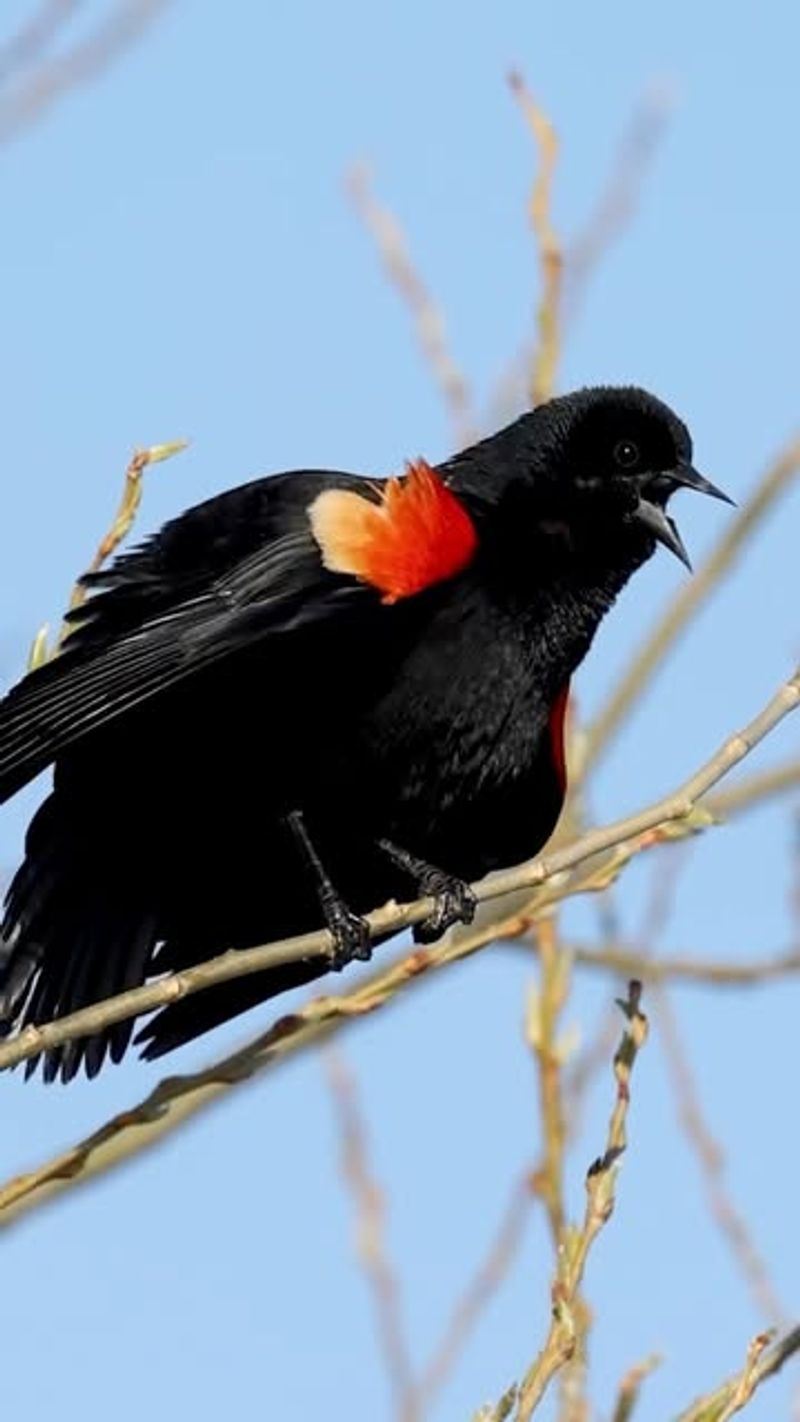
Few things get a Michigan gardener more excited than spotting that flash of red and yellow on a blackbird’s wing. Male red-winged blackbirds typically arrive in Michigan around late February to early March, well before most other migratory birds make their appearance.
Their bold, raspy calls echo across wetlands and open fields, announcing that the long winter is finally losing its grip on the state.
For gardeners, this arrival is a practical signal worth paying attention to. Soil temperatures begin to rise around the same time these birds return, making it a natural reminder to start pulling out your seed catalogs and garden plans.
Michigan’s growing season is short, so every week of preparation counts when the warm months roll around.
Watching for red-winged blackbirds is honestly one of the most enjoyable ways to track the season. You do not need a weather app or a complicated calendar to know spring is approaching.
Just listen for that distinctive call near marshes or even roadside ditches, and you will know it is time to start getting your Michigan garden ready for another productive year ahead.
2. Their Presence Signals The End Of Winter For Gardens
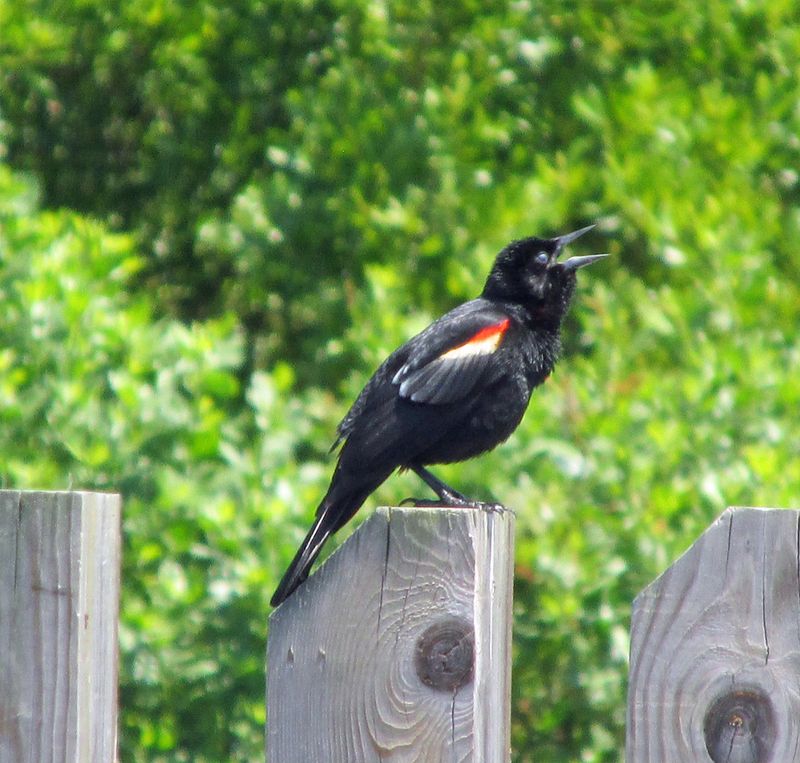
Winter in Michigan can feel like it stretches on forever, but the red-winged blackbird has a way of changing that feeling instantly.
When these birds start showing up in numbers, gardeners across the state know that the cold, frozen ground is about to become workable again. It is a shift that every Michigan gardener looks forward to after months of waiting.
The timing lines up beautifully with early garden preparation tasks. Once red-winged blackbirds are back, it is smart to start testing your soil, adding compost, and thinking about which beds need the most attention before planting begins.
Cool-season crops like peas and kale can even go into the ground shortly after these birds appear, as frost risk gradually begins to decrease through March and April.
Think of the red-winged blackbird as a living calendar that Michigan nature has provided for free. Gardeners who pay attention to natural cues like this one often find themselves ahead of the curve when it comes to timing their planting schedule.
There is something deeply satisfying about syncing your garden routine with the rhythms of wildlife that has called Michigan home for thousands of years. Nature always finds a way to keep gardeners on track.
3. They Help Control Pest Populations
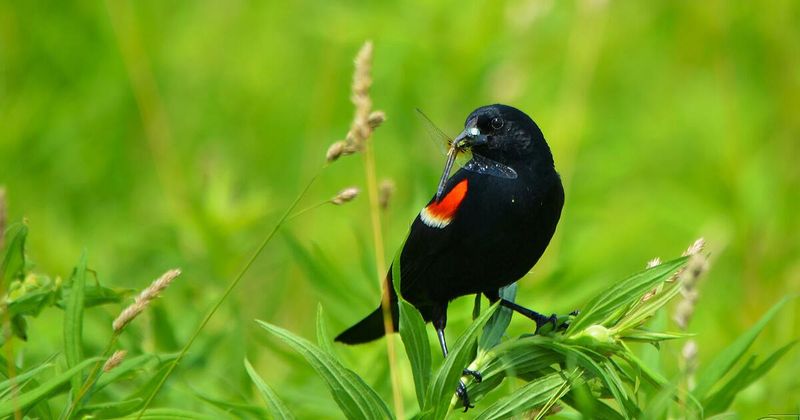
Here is something not every gardener realizes right away: red-winged blackbirds are genuinely helpful allies when it comes to keeping pest populations in check. These birds have a hearty appetite for insects, larvae, and grubs that live in and around garden soil.
Beetles, caterpillars, and other garden-damaging bugs are all fair game for a hungry red-winged blackbird working through a Michigan yard.
Their foraging behavior is actually quite thorough. They move systematically through grassy areas and garden beds, probing the soil and vegetation for anything edible.
This natural pest patrol can reduce the number of harmful insects that would otherwise munch on your seedlings, roots, and leaves throughout the growing season.
Fewer pests often means less need for chemical sprays, which is a win for both your plants and the environment.
Michigan gardeners who welcome these birds are essentially getting a free, natural pest management service delivered right to their backyard.
Encouraging red-winged blackbirds to stick around by keeping nearby wetland areas intact or planting tall grasses near your garden perimeter can make a noticeable difference.
Over a full growing season, the reduction in pest pressure adds up, and your plants tend to grow stronger and healthier as a result of having these birds nearby throughout spring and summer.
4. A Sign To Prepare Your Bird-Friendly Garden
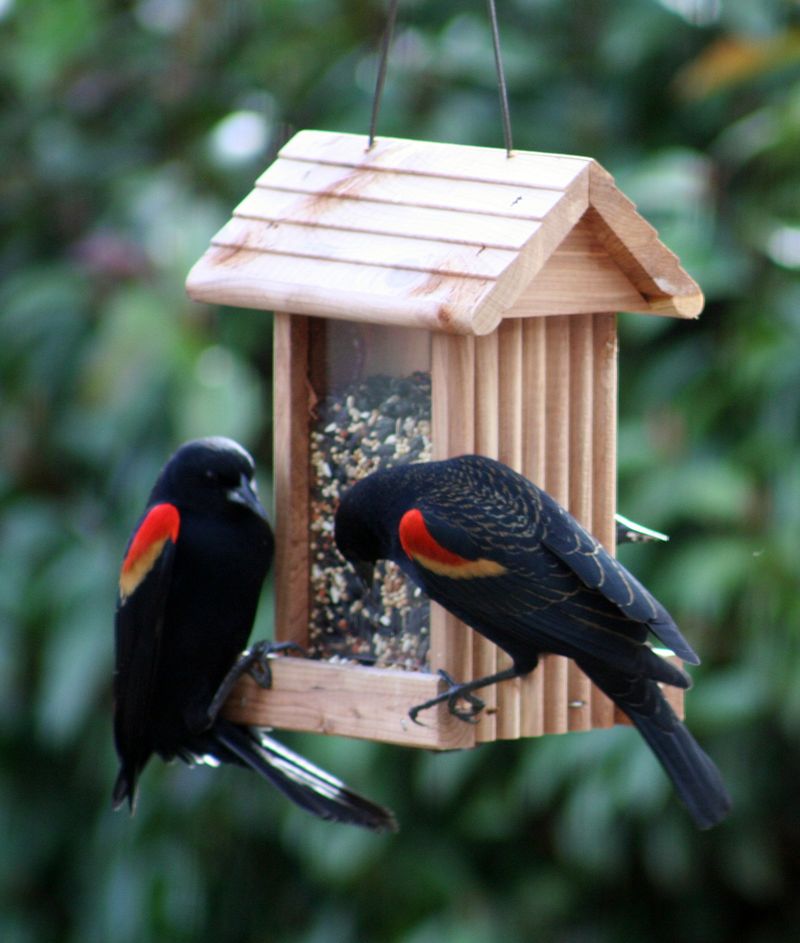
Spotting the first red-winged blackbird of the season is the perfect nudge to start making your Michigan garden more welcoming to wildlife.
These birds thrive in environments that offer food, water, and shelter, and creating those conditions does not require a major garden overhaul.
Small, thoughtful additions can make your outdoor space genuinely attractive to these birds and many other beneficial species.
Native plants are one of the best investments a Michigan gardener can make. Species like native grasses, willows, and flowering perennials provide both food sources and nesting materials that red-winged blackbirds naturally gravitate toward.
Adding a birdbath with fresh, clean water is another easy step that encourages birds to linger in your garden rather than just pass through on their way to somewhere else.
Bird feeders stocked with sunflower seeds or mixed grain can also draw red-winged blackbirds closer to your garden area, giving you a front-row seat to watch their fascinating behavior.
Beyond the visual enjoyment, a bird-friendly Michigan garden tends to support a richer ecosystem overall.
More birds mean more natural pest control, better pollination support, and a garden that feels genuinely alive and buzzing with activity from the very first warm days of spring all the way through the season.
5. Indicates Ideal Conditions For Planting Early Crops
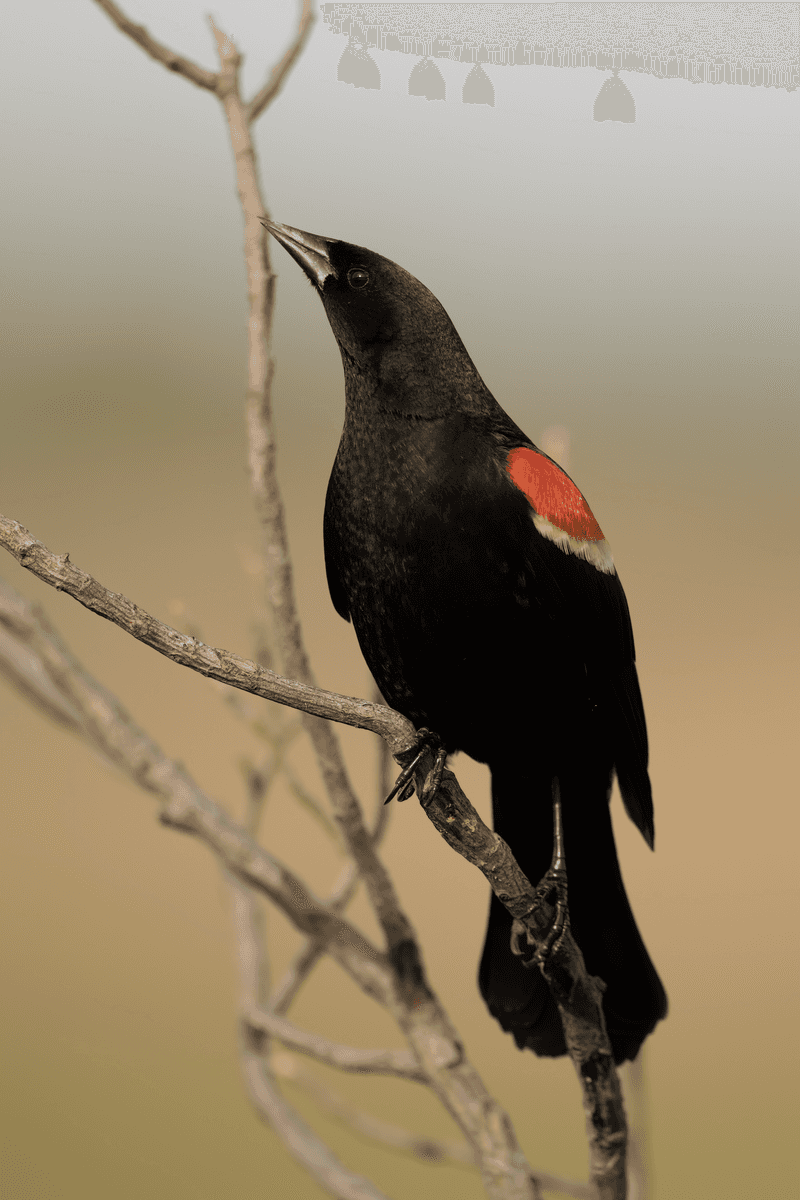
Timing is everything in a Michigan garden, and red-winged blackbirds offer one of the most reliable natural cues for when to start planting cool-season crops.
Their return in early March signals that soil temperatures are rising and frost events are becoming less frequent, even though late cold snaps are still possible.
Experienced Michigan gardeners use this bird’s arrival as a prompt to get cool-weather vegetables into the ground sooner rather than later.
Crops like lettuce, spinach, arugula, radishes, and peas all perform best when planted while temperatures are still on the cooler side.
These vegetables can tolerate a light frost, making them ideal candidates for early-season planting right around the time red-winged blackbirds are establishing their territories across Michigan fields and wetlands.
Getting these crops in early means you can harvest before summer heat arrives and potentially squeeze in a second planting later in the season.
Pairing natural wildlife cues with your garden calendar is a strategy that experienced growers have used for generations.
Red-winged blackbirds have been migrating back to Michigan on roughly the same schedule for centuries, making them a surprisingly dependable guide.
So next time you hear that distinctive call near your yard, take it as your personal reminder to grab your seeds and get your Michigan garden beds ready for the season ahead.
6. Their Nesting Habits Affect Garden Planning
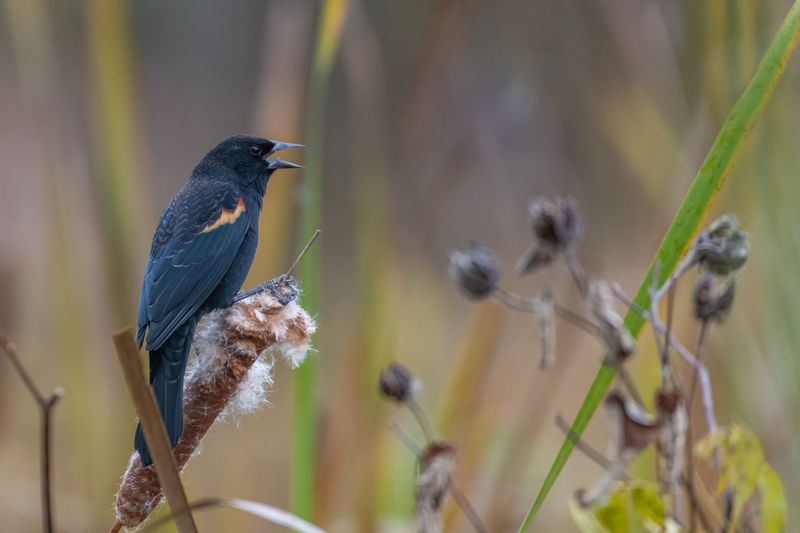
Red-winged blackbirds have very specific preferences when it comes to where they set up their nests, and Michigan gardeners near wetlands or marshy areas will notice this firsthand.
These birds strongly prefer nesting in tall cattails, dense grasses, and marsh vegetation close to water.
If your property or garden borders any of these habitats, you can expect a much higher level of bird activity throughout the spring and early summer nesting season.
This nesting behavior is worth factoring into your garden layout decisions. Areas near nesting zones may experience more bird foot traffic, which is mostly beneficial but can occasionally mean seeds or young seedlings get disturbed.
Placing more established transplants rather than direct-seeded rows in areas closest to known nesting spots can help you avoid any unexpected disruptions during the birds’ most active weeks.
On the positive side, having red-winged blackbirds nesting near your Michigan garden means you have a built-in pest patrol working overtime.
Parent birds feed their chicks enormous quantities of insects, which drives them to forage aggressively in surrounding areas including vegetable beds and flower gardens.
Understanding where these birds nest and how they behave during breeding season gives Michigan gardeners a genuine advantage in planning a garden layout that works with nature rather than against it throughout the busy growing months.
7. Their Arrival Might Affect Watering Schedules
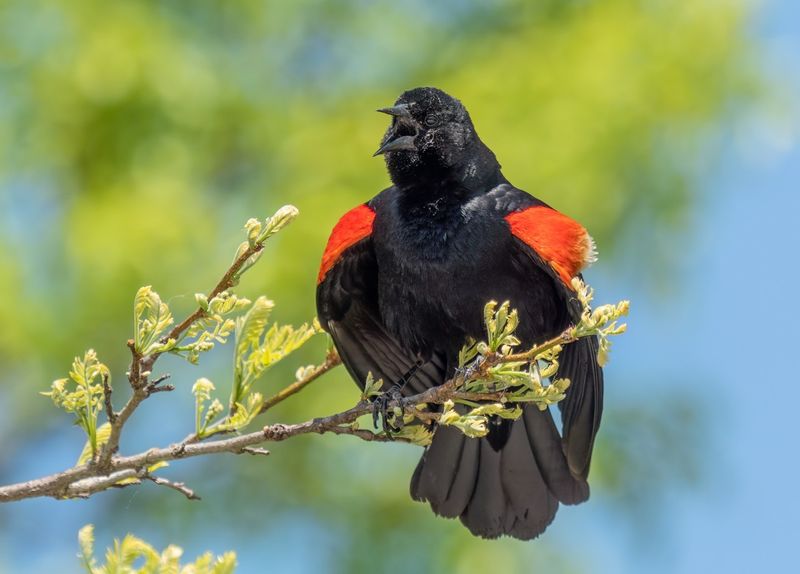
When red-winged blackbirds start calling across Michigan in early spring, it is also a cue to rethink your garden’s watering routine. As temperatures climb and days grow longer, the soil dries out more quickly than it did during the cold winter months.
Seeds that have just been planted and young transplants that are still getting established need consistent moisture to develop strong root systems during this critical early period.
Checking soil moisture regularly becomes especially important in the weeks right after you spot your first red-winged blackbirds of the season.
A simple finger test, pushing your finger about an inch into the soil, can tell you whether your beds need water or whether they are still holding enough moisture from spring rains.
Michigan springs can be unpredictable, with stretches of dry weather following heavy rain, so staying flexible with your watering schedule pays off.
There is an added bonus here too. Red-winged blackbirds that forage actively in your garden beds help reduce pest pressure on plant roots, which means roots can absorb water and nutrients more efficiently.
Healthier roots lead to plants that manage moisture better overall, even during dry spells.
Adjusting your irrigation habits to match the warming season, right around the time these birds return to Michigan, sets your entire garden up for a much stronger and more productive start from the very beginning of spring.
8. Their Return Marks Increased Pollinator Activity
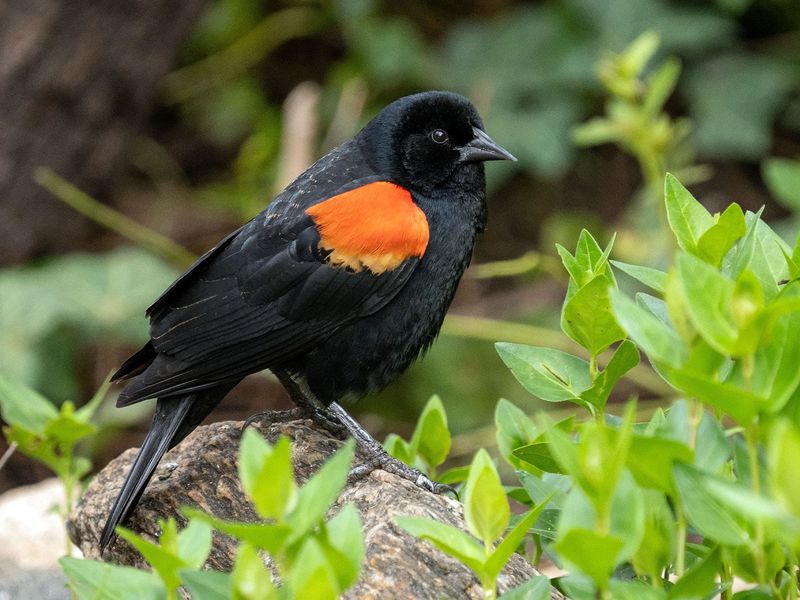
One of the most exciting things about seeing red-winged blackbirds return to Michigan is what their arrival tells you about the broader ecosystem waking up around your garden.
These birds come back when temperatures are consistently warm enough to support not just bird migration but also the emergence of bees, butterflies, and other important pollinating insects.
Their return is basically nature’s announcement that the whole garden ecosystem is coming back to life.
Pollinators are absolutely essential for fruit and vegetable gardens across Michigan. Without bees, butterflies, and other insects transferring pollen from flower to flower, many crops simply would not produce.
The warming conditions that bring red-winged blackbirds back to the state are the same conditions that coax early pollinators like mason bees and bumblebees out of their winter resting spots and into your garden beds.
Michigan gardeners can take advantage of this synchronized awakening by making sure their gardens are ready to support pollinators from the first warm days onward.
Planting early-blooming flowers like crocuses, dandelions, and native violets gives pollinators an immediate food source when they first emerge.
The red-winged blackbird’s return is your reminder that the entire web of garden life is stirring at once, and the more welcoming your Michigan garden is to all of these species together, the more productive and vibrant it will be throughout the entire growing season ahead.
9. Red-Winged Blackbirds Help Maintain A Healthy Ecosystem
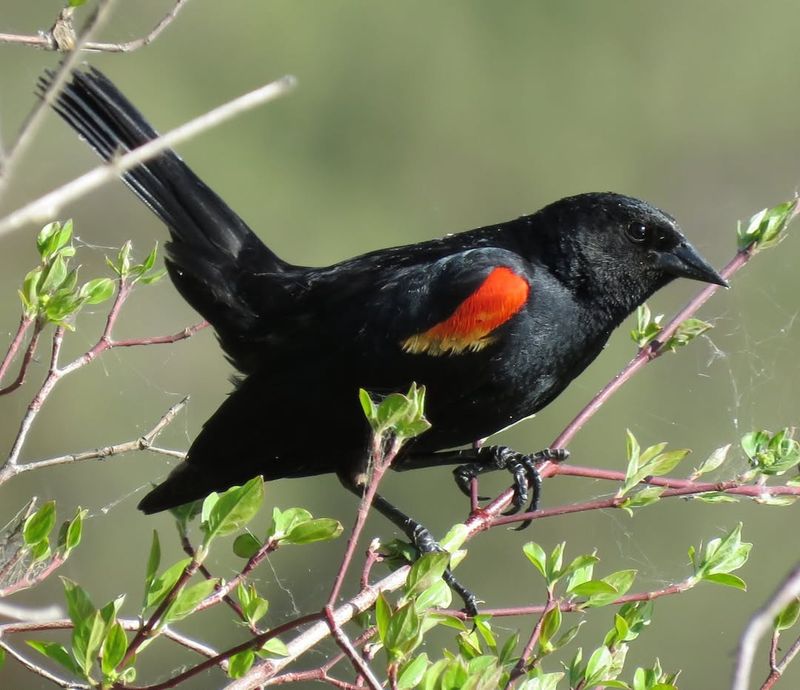
Beyond all the specific gardening benefits, red-winged blackbirds play a broader role in keeping Michigan’s outdoor ecosystems balanced and healthy.
Their feeding habits cover a wide range, including insects, weed seeds, and grain, which means they naturally keep multiple types of unwanted species from getting out of control.
A garden that supports red-winged blackbirds is a garden that benefits from this built-in ecological balancing act every single day. Weed seed consumption is one benefit that often goes unnoticed.
Red-winged blackbirds consume enormous quantities of seeds from common weedy plants, which can meaningfully reduce the number of weed seedlings that sprout in and around your Michigan garden beds each season.
Fewer weeds mean less competition for your vegetables and flowers, and less time spent pulling unwanted plants by hand during the busiest gardening weeks of the year.
Seeing these birds return each spring is also a reminder that healthy gardens are not isolated spaces. They are part of a much larger living system that includes wetlands, meadows, and all the wildlife that depends on them across Michigan.
Gardeners who protect natural areas near their property, avoid heavy pesticide use, and plant diverse species are actively supporting the conditions that keep red-winged blackbirds coming back season after season.
And when these birds return, your whole garden benefits in ways that go far beyond what any single product or technique could ever provide on its own.