9 Reliable Plants To Start In Arizona’s Low Desert This February
February in Arizona’s low desert is not just another month on the calendar, it is one of the most strategic times to plant if you want strong, steady growth before intense heat takes control.
While many regions are still locked in winter, your soil is workable and ready, which gives you a real advantage if you act now.
If you garden in the low desert, this is the window that quietly decides whether spring feels productive or frustrating. Planting in February allows roots to establish deeply before temperatures surge.
Wait too long, and plants are forced to adapt under stress instead of settling in comfortably. The difference shows up fast once the season shifts.
A few well-timed choices right now can lead to earlier harvests, sturdier plants, and a garden that feels ahead of schedule instead of behind.
These reliable plants are ready to go in the ground this February in Arizona’s low desert.
1. Crisp Carrots Pop Up Fast In Cool Soil
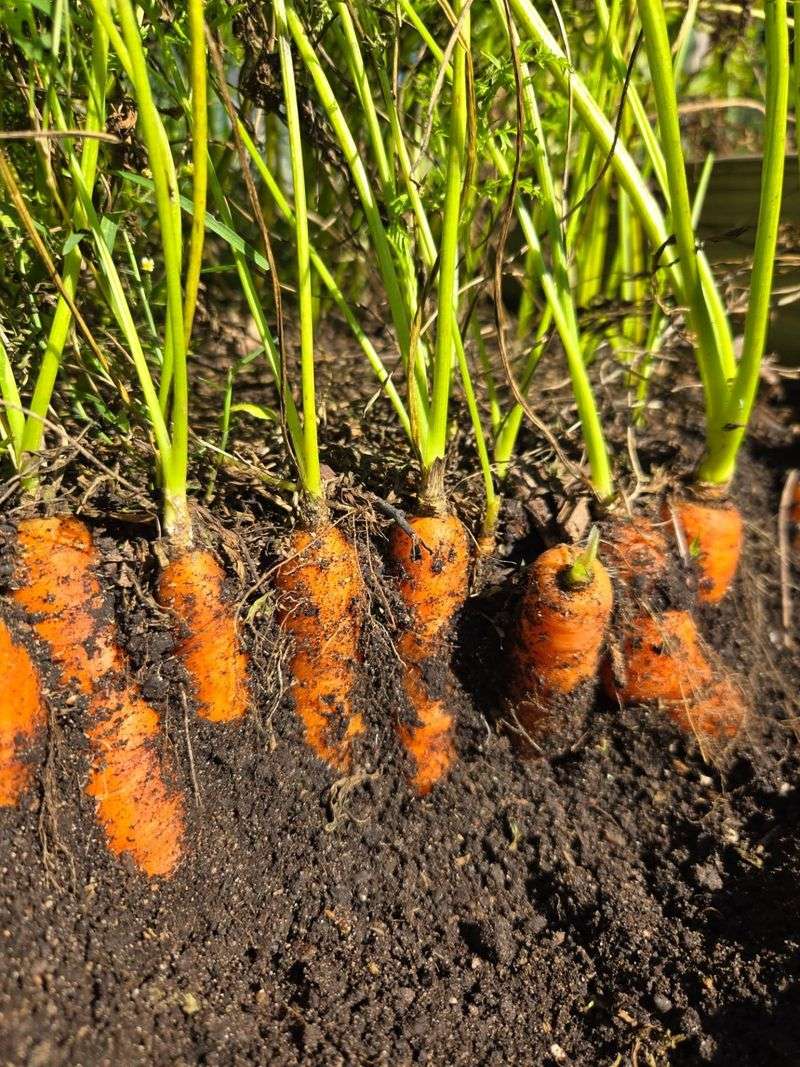
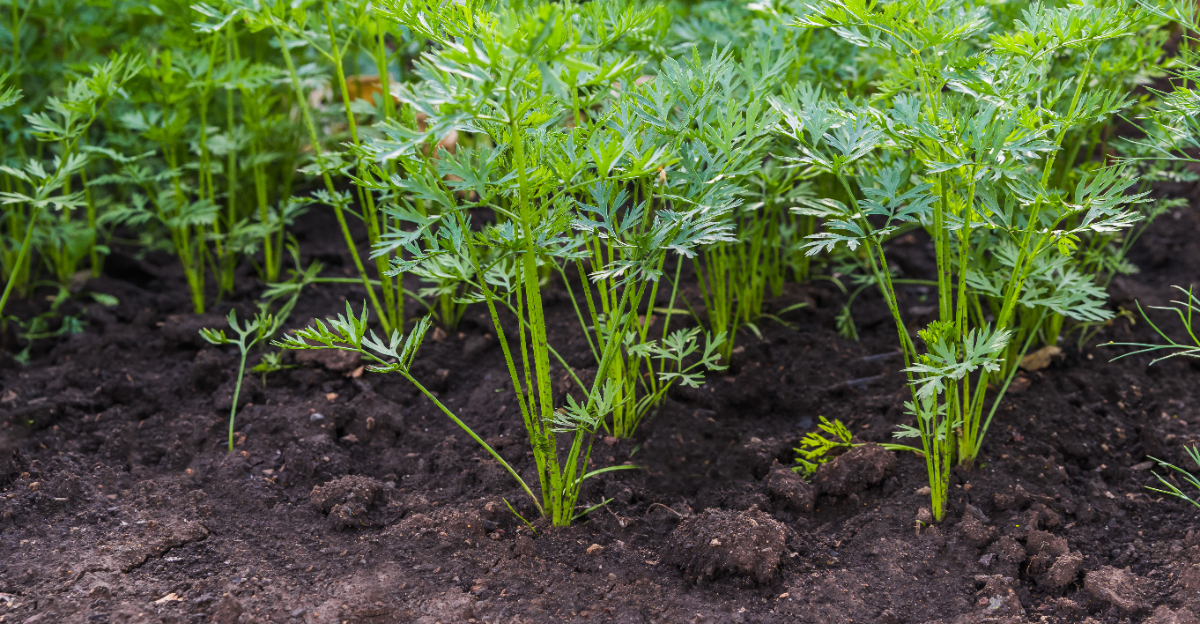
Carrots love the cooler temperatures that February offers across Arizona’s low desert regions. Direct sowing seeds now gives them time to develop sweet, crunchy roots before temperatures climb.
Choose varieties suited for shorter growing seasons, and you’ll harvest by late April or early May.
Prepare loose, sandy soil at least twelve inches deep to allow straight root development. Remove rocks and clumps that might cause forking or twisted shapes.
Mix in compost to improve moisture retention without creating heavy clay conditions that carrots dislike.
Sow seeds thinly in rows, covering them with just a quarter inch of fine soil. Keep the bed consistently moist until germination occurs, usually within two weeks.
Once seedlings emerge, thin them to two inches apart so each carrot has room to expand.
Arizona’s low desert sunshine provides excellent growing conditions, but watch for soil drying out quickly. Mulch around plants helps maintain even moisture and prevents the soil surface from crusting.
Carrots taste best when grown steadily without stress from inconsistent watering.
Harvest begins when shoulders peek above the soil line and reach your preferred size. Smaller carrots often taste sweeter and more tender than oversized ones.
2. Radishes Break Ground With Quick, Tender Roots
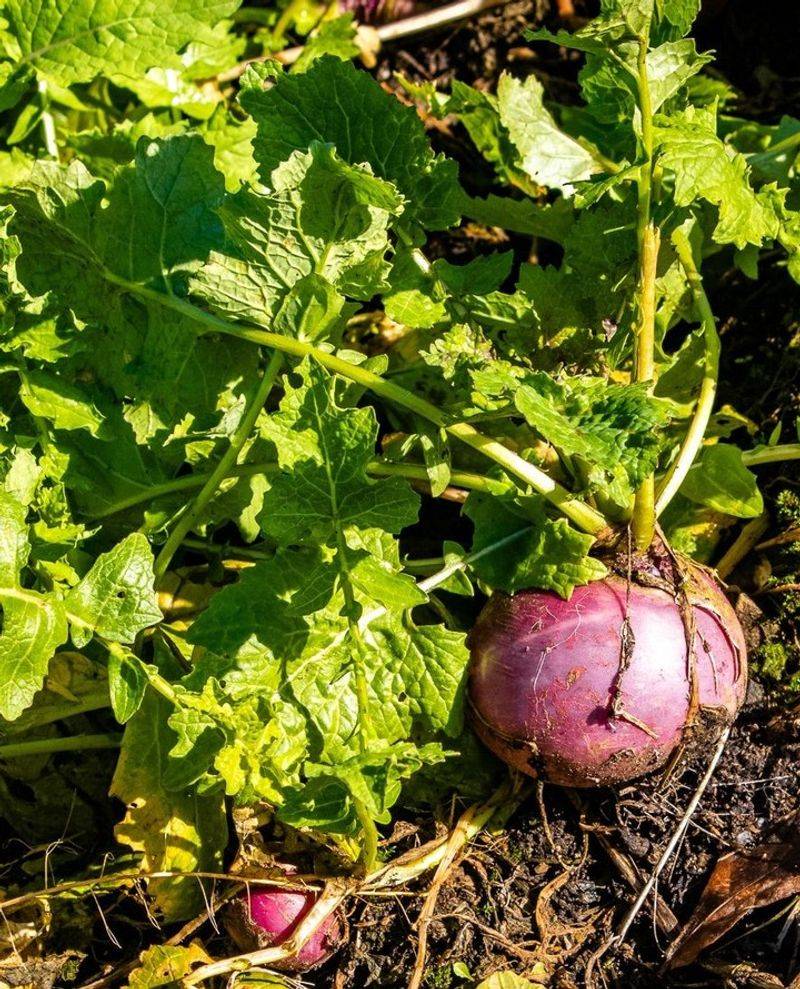
Fast growth makes radishes perfect for impatient gardeners or anyone wanting quick results. Seeds planted in February across Phoenix and Tucson will be ready to eat in just three to four weeks.
Their peppery crunch adds zip to salads and tacos throughout spring.
Radishes prefer full sun and loose soil that drains well. Work compost into your planting area to create a friable texture that allows roots to swell without resistance.
Avoid fresh manure, which can cause excessive leaf growth at the expense of root development.
Plant seeds half an inch deep and one inch apart in rows or broadcast them across a bed. Thin seedlings to two inches apart once they develop true leaves.
Crowded radishes produce all tops and no bottoms, so spacing matters more than you might think.
Consistent moisture keeps radishes mild and crisp rather than woody and overly spicy. Water regularly but avoid soggy conditions that can lead to rot.
Arizona’s low desert climate means checking soil moisture daily during warmer February afternoons.
Pull radishes as soon as they reach full size, typically when roots are three-quarters to one inch across. Leaving them in the ground too long results in pithy, bitter vegetables nobody enjoys eating.
3. Swiss Chard Adds Vibrant Color To Winter Beds
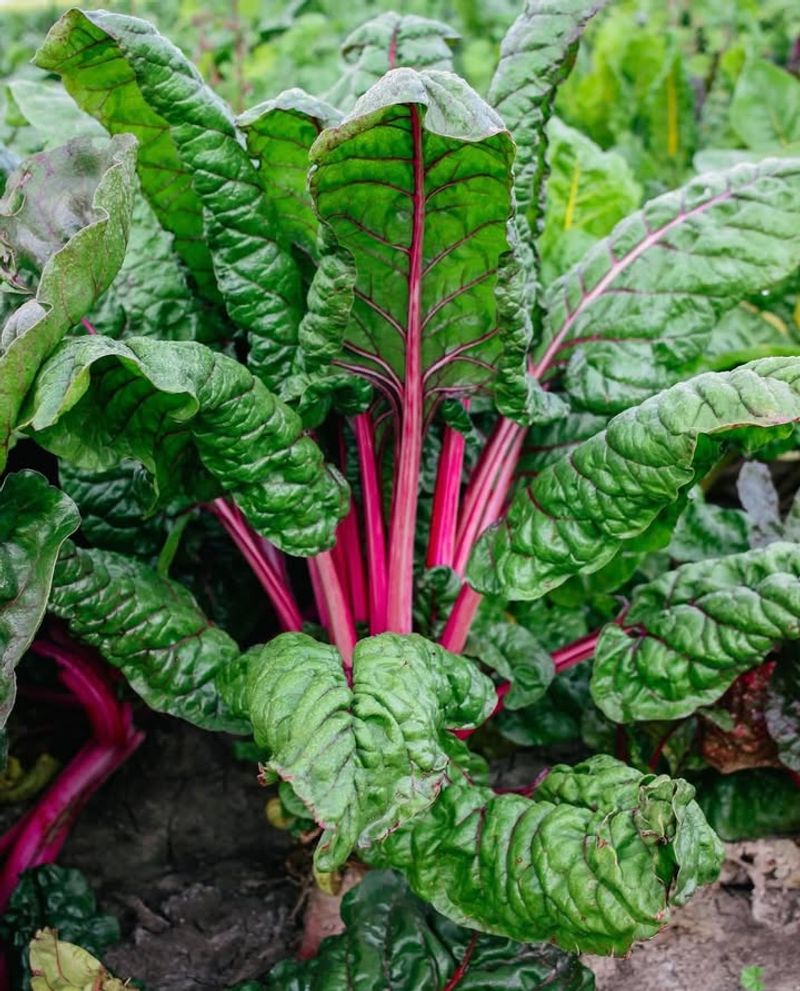
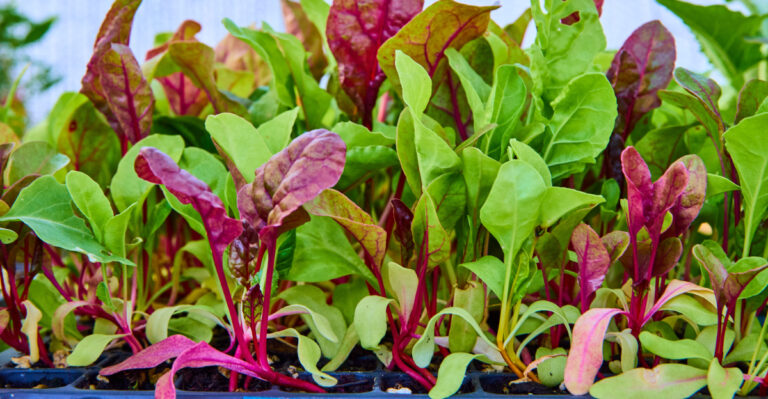
Bold stems in red, yellow, orange, and white make Swiss chard as beautiful as it is nutritious. February planting in Arizona’s low desert gives this leafy green plenty of time to establish before heat arrives.
Both leaves and stems are edible, offering versatility in the kitchen.
Choose a spot with full sun to partial shade, especially if you plan to harvest into May. Chard tolerates more shade than many vegetables, making it useful for areas under fruit trees or near walls.
Enrich soil with compost and ensure good drainage to prevent root problems.
Sow seeds directly or transplant seedlings, spacing plants ten to twelve inches apart. Each seed is actually a cluster, so multiple seedlings will emerge from one spot.
Thin to the strongest plant to avoid competition for nutrients and water.
Harvest outer leaves when they reach six to eight inches long, leaving the center to continue producing. This cut-and-come-again method extends your harvest for months across the low desert growing season.
Chard handles light frost, so don’t worry about occasional cold snaps.
Watch for leaf miners, small insects that create winding tunnels in foliage. Remove affected leaves promptly to prevent spread.
Regular harvesting and good air circulation help keep plants healthy and productive throughout spring.
4. Rosemary Thrives Now For Spring Harvests
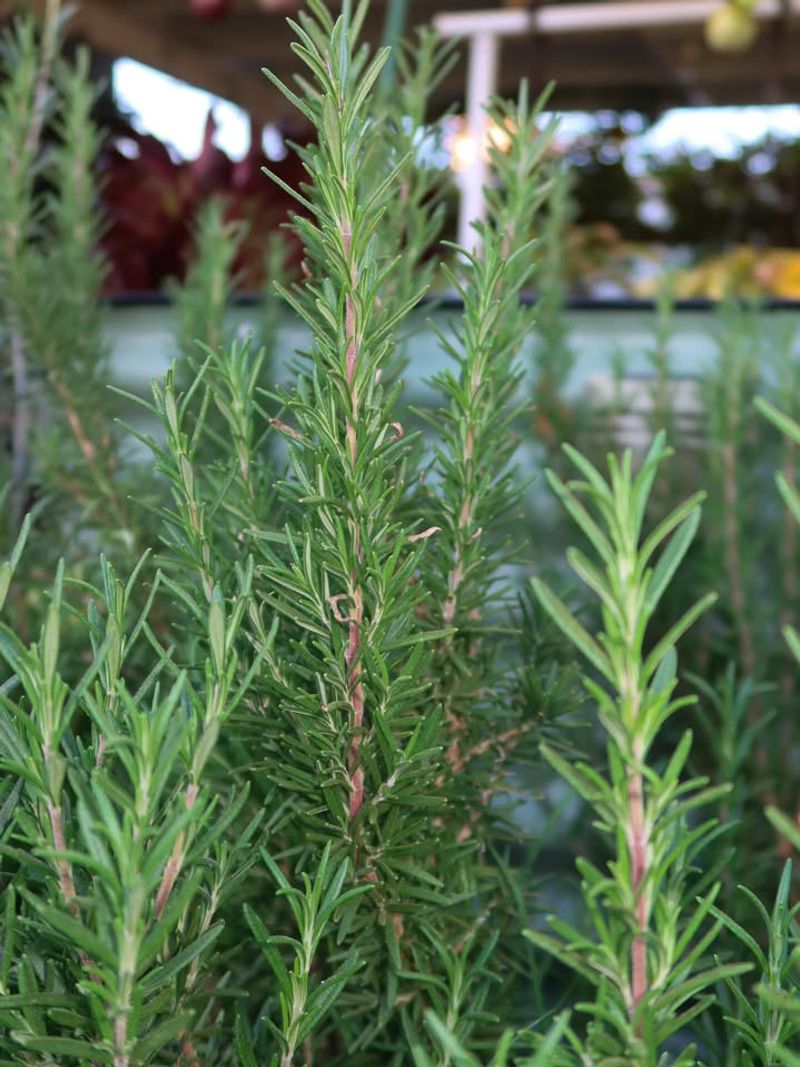
Woody herbs like rosemary establish best during Arizona’s cooler months. Planting in February allows roots to spread deeply before summer stress tests their resilience.
Once established, rosemary tolerates drought and heat remarkably well across the low desert.
Select a location with full sun and excellent drainage. Rosemary absolutely hates wet feet, so avoid low spots where water collects after irrigation or rain.
Rocky or sandy soil suits this Mediterranean native perfectly without any amendments needed.
Transplants establish faster than seeds, which can be slow and unpredictable. Space plants two to three feet apart, depending on the variety you choose.
Some grow upright while others spread horizontally, so check the label before planting.
Water deeply but infrequently once plants show new growth. Rosemary prefers to dry out between waterings, especially during cooler weather.
Overwatering causes more problems than underwatering for this tough herb in desert conditions.
Begin harvesting sprigs once plants reach twelve inches tall and show vigorous growth. Cut stems just above a leaf node to encourage bushier development.
Fresh rosemary enhances roasted vegetables, grilled meats, and homemade bread with its distinctive pine-like flavor. Flowers are edible too, adding a mild herbal note to salads.
5. Thyme Fills Pots With Fragrant, Hardy Foliage
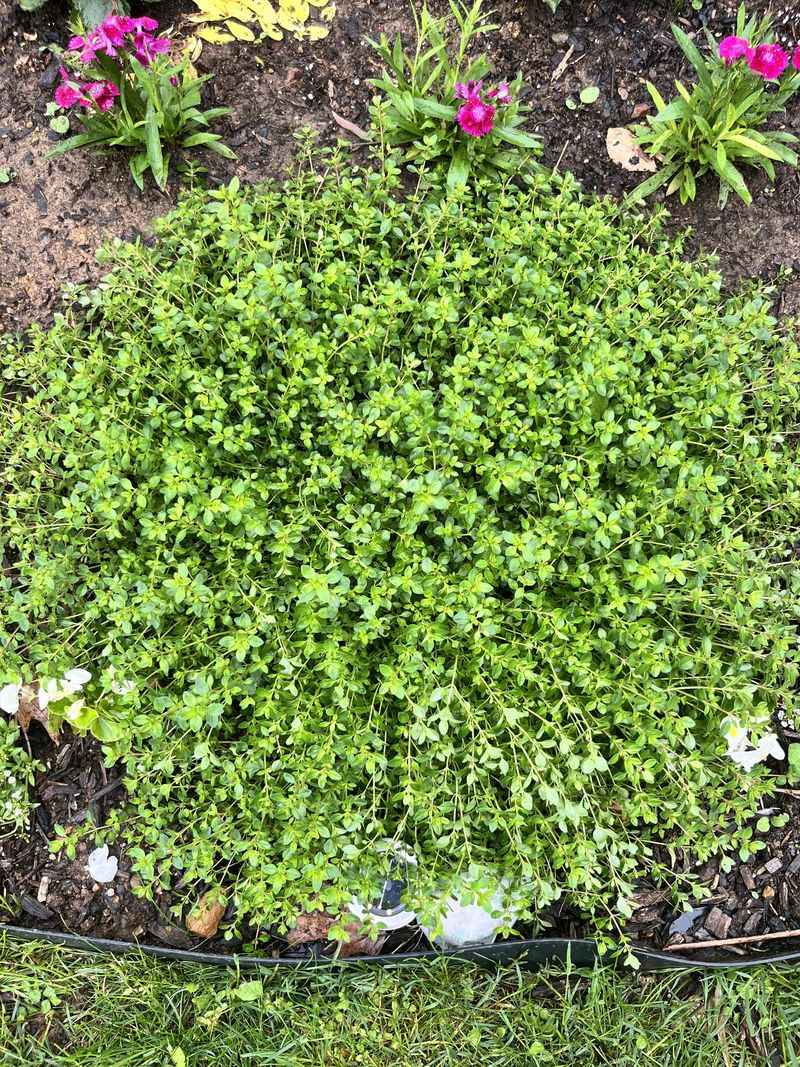
Low-growing and aromatic, thyme makes an excellent choice for containers or as a ground cover. February planting in Arizona’s low desert gives this herb time to spread before temperatures soar.
Its tiny leaves pack intense flavor that enhances countless dishes.
Thyme demands excellent drainage and full sun exposure. Use a gritty potting mix with added perlite or pumice if growing in containers.
In-ground plantings benefit from raised beds or berms that prevent water from pooling around roots.
Start with transplants rather than seeds for faster results and easier establishment. Space plants twelve inches apart to allow for spreading growth.
Creeping varieties will eventually form a dense mat that suppresses weeds and looks attractive year-round.
Water sparingly, allowing soil to dry between irrigations. Thyme evolved in rocky Mediterranean hillsides with minimal moisture, so it thrives on neglect rather than attention.
Too much water causes root rot and yellowing foliage across the low desert.
Harvest stems anytime once plants are established and growing actively. Cut back by one-third in early summer to maintain compact shape and encourage fresh growth.
Dried thyme retains flavor well, making it worth preserving for later use. Flowers attract beneficial insects that help control garden pests naturally.
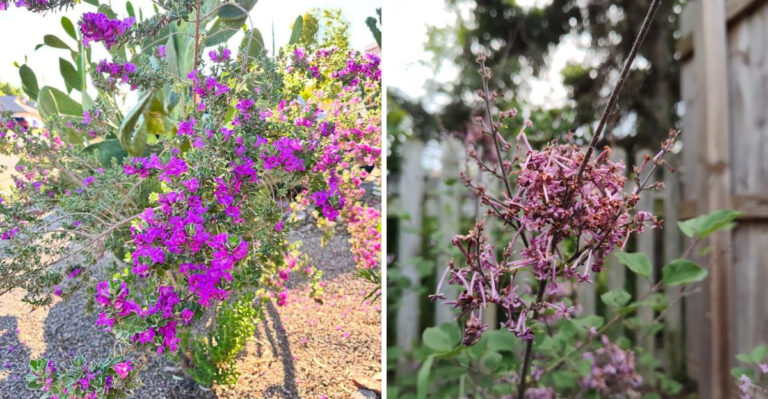
6. Lavender Establishes Early For Sun-Kissed Blooms
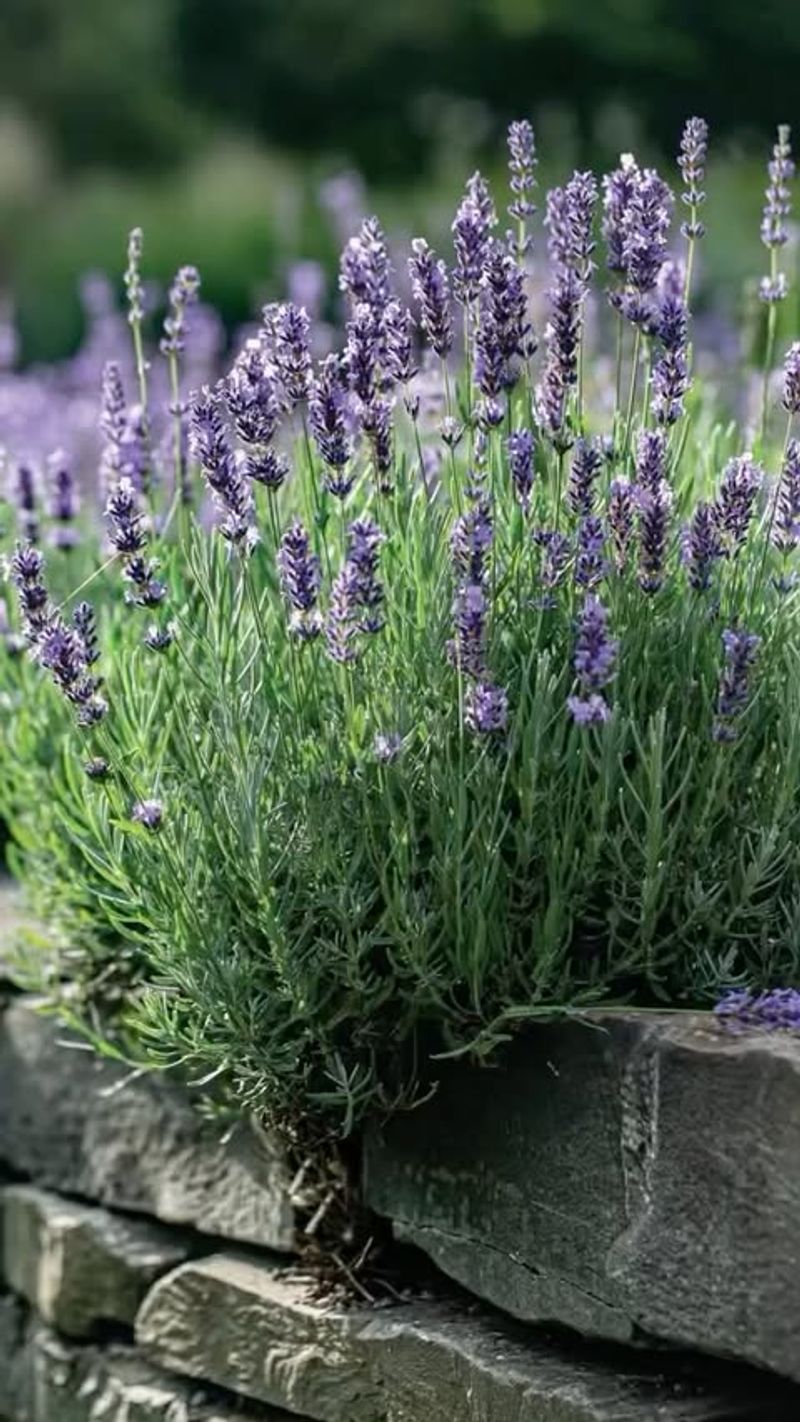
Fragrant and beautiful, lavender transforms Arizona low desert gardens into sensory experiences. February planting allows roots to develop strength before blooming begins in late spring.
Choose varieties bred for hot climates to ensure success in Phoenix, Tucson, and surrounding areas.
Full sun and fast-draining soil are absolutely essential for lavender survival. This plant will not tolerate shade or moisture retention.
Amend heavy soil with decomposed granite or plant in raised beds filled with sandy mix.
Space transplants three feet apart to allow for mature size and good air circulation. Lavender needs breathing room to prevent fungal issues during humid monsoon season.
Avoid planting too deep; the crown should sit slightly above soil level.
Irrigation should be minimal once plants establish. Water deeply every two weeks during cooler months, reducing frequency as temperatures rise.
Established lavender in the low desert can survive on rainfall alone, though occasional deep watering improves bloom production.
Prune after flowering ends to maintain compact shape and encourage next season’s blooms. Cut stems back by one-third, removing spent flowers and some green growth.
Harvest flower spikes just as buds begin opening for the strongest fragrance in sachets and crafts. Lavender attracts pollinators while deterring deer and rabbits.
7. Sweet Peas Climb And Color Your Garden Early
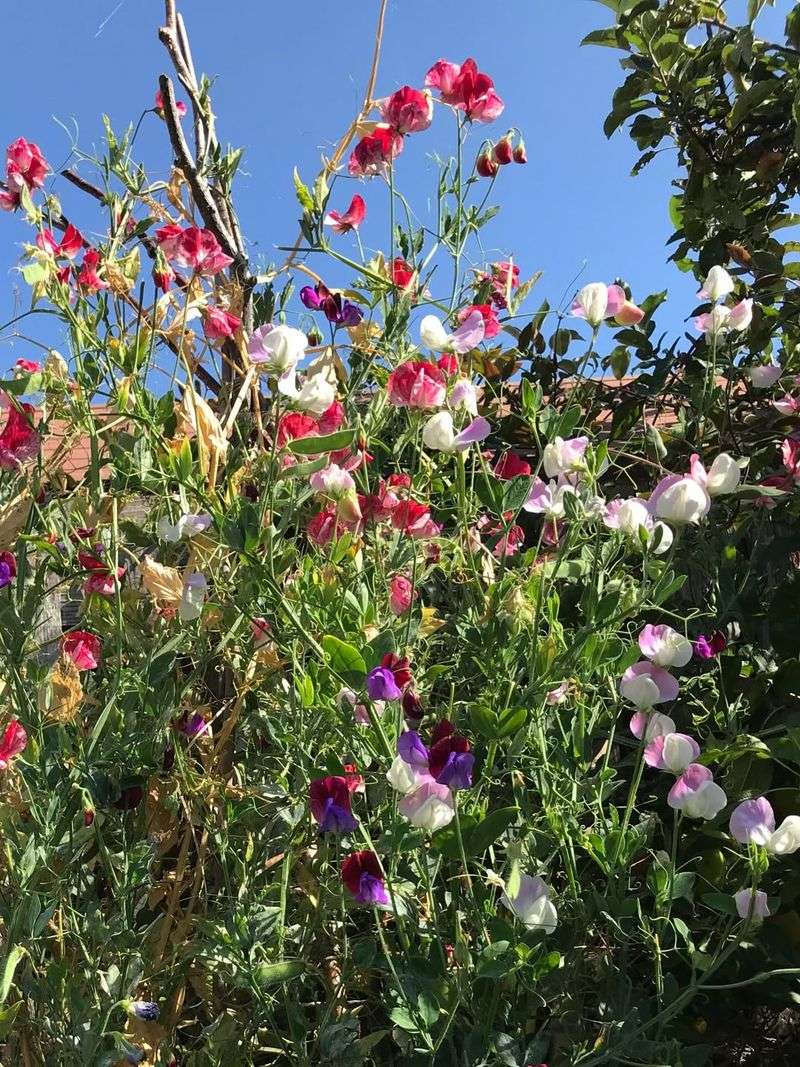
Climbing vines covered in ruffled, fragrant blooms make sweet peas a February favorite across Arizona’s low desert. These cool-season flowers must be planted now to bloom before heat shuts them down.
Their old-fashioned charm and incredible scent justify the effort.
Install trellises, fences, or other supports before planting since sweet peas climb using tendrils. Choose a spot with full sun and rich, well-amended soil.
Work compost deeply to encourage strong root systems that support vigorous vine growth.
Soak seeds overnight before planting to speed germination. Sow them two inches deep and four inches apart along your support structure.
Germination takes one to two weeks in cool soil, so be patient with these beauties.
Keep soil consistently moist but not waterlogged during establishment and growth. Sweet peas are thirsty plants that suffer quickly when allowed to dry out completely.
Mulch helps retain moisture and keeps roots cool as spring progresses.
Begin harvesting flowers as soon as they open fully. Regular cutting encourages more blooms and prevents seed formation, which signals the plant to stop flowering.
Bring stems indoors for arrangements that perfume entire rooms. Sweet peas typically finish blooming by late May in the low desert when heat becomes too intense.
8. Calendula Brightens Beds With Golden Flowers
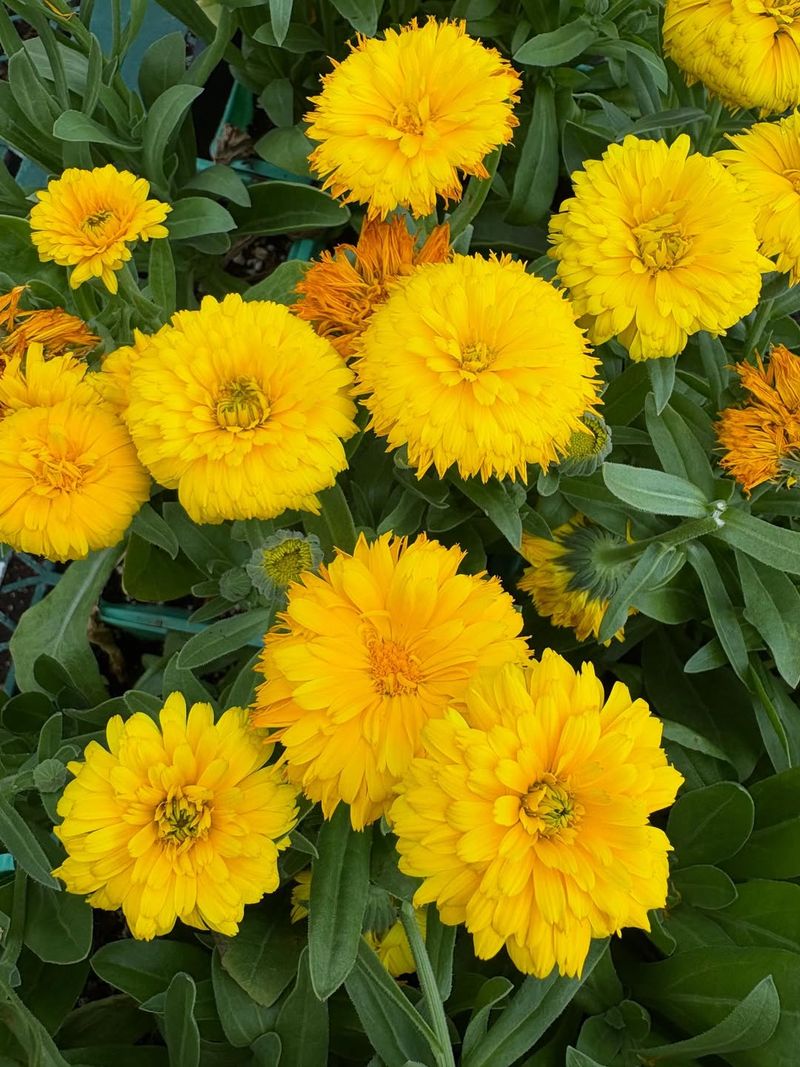
Cheerful orange and yellow blooms make calendula a must-have for February planting in Arizona’s low desert. These easy-care flowers thrive in cool weather and bloom prolifically through spring.
Edible petals add color to salads while attracting beneficial insects to your garden.
Calendula tolerates a wide range of soil conditions but prefers full sun and moderate fertility. Avoid over-fertilizing, which produces leafy plants with fewer flowers.
Average garden soil amended with compost provides everything these undemanding plants need.
Direct sow seeds or transplant seedlings, spacing them twelve inches apart. Seeds germinate quickly in cool soil, often within a week.
Thin seedlings if they emerge too thickly to prevent overcrowding and disease problems.
Water regularly to keep soil evenly moist but not soggy. Calendula handles some drought but blooms best with consistent moisture during the growing season.
Deadhead spent flowers to encourage continuous blooming and prevent self-seeding everywhere.
Harvest petals for culinary use or dry whole flowers for crafts and herbal preparations. Calendula has been valued for centuries for its skin-soothing properties.
Flowers continue blooming until late May across the low desert, when rising temperatures finally slow production. These reseeding annuals often return on their own the following year if allowed to drop seeds.
9. Alyssum Spreads Fragrant, Low-Growing Blooms
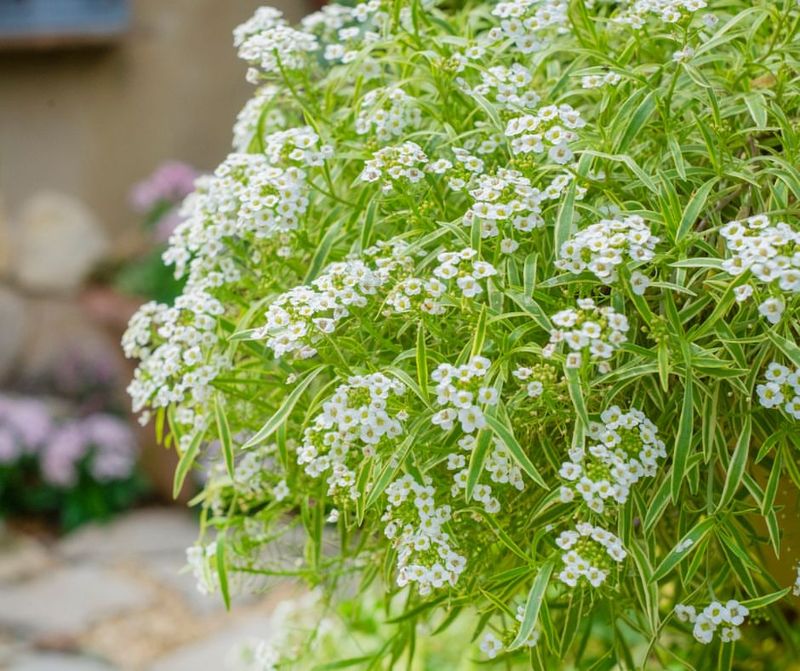
Honey-scented clouds of tiny flowers make alyssum perfect for edging beds or filling gaps between larger plants. February planting across Arizona’s low desert gives this annual time to spread and bloom heavily before heat arrives.
White, purple, and pink varieties offer options for any color scheme.
Alyssum grows well in full sun to partial shade, making it versatile for different garden locations. It tolerates poor soil but appreciates some compost worked in at planting time.
Good drainage prevents root problems during occasional winter rains.
Scatter seeds thinly across prepared soil or set out transplants six inches apart. Seeds are tiny, so mix them with sand for easier distribution.
Barely cover seeds with soil since they need light to germinate within one week.
Water gently to avoid washing away seeds or young seedlings. Once established, alyssum handles some drought but blooms better with regular moisture.
This low-maintenance plant rarely needs fertilizing or special care throughout the season.
Shear plants back by half if they become leggy or stop blooming heavily. This encourages fresh growth and renewed flowering that extends the show into late spring.
Alyssum self-seeds readily in the low desert, often returning without replanting. Its sweet fragrance attracts beneficial insects that prey on garden pests while adding delightful scent to outdoor spaces.