Remove These 8 Oregon Weeds Before They Spread In March
March is a turning point in Oregon gardens. The soil is warming, days are getting longer, and plants are starting to wake up after winter.
Unfortunately, weeds are waking up too. In fact, many of the most aggressive ones begin growing early in the season, quietly spreading before most gardeners even notice them. Catching weeds in March can make a huge difference later in the year.
When they are still young, their roots are easier to pull and they have not had time to scatter seeds across your garden beds. Waiting even a few weeks can turn a small problem into a much bigger headache.
A quick early-season cleanup helps protect your plants, keeps beds looking tidy, and saves you hours of work down the road.
If you spot these common Oregon weeds now, removing them early will stop them from taking over your yard.
1. Common Groundsel (Senecio vulgaris)
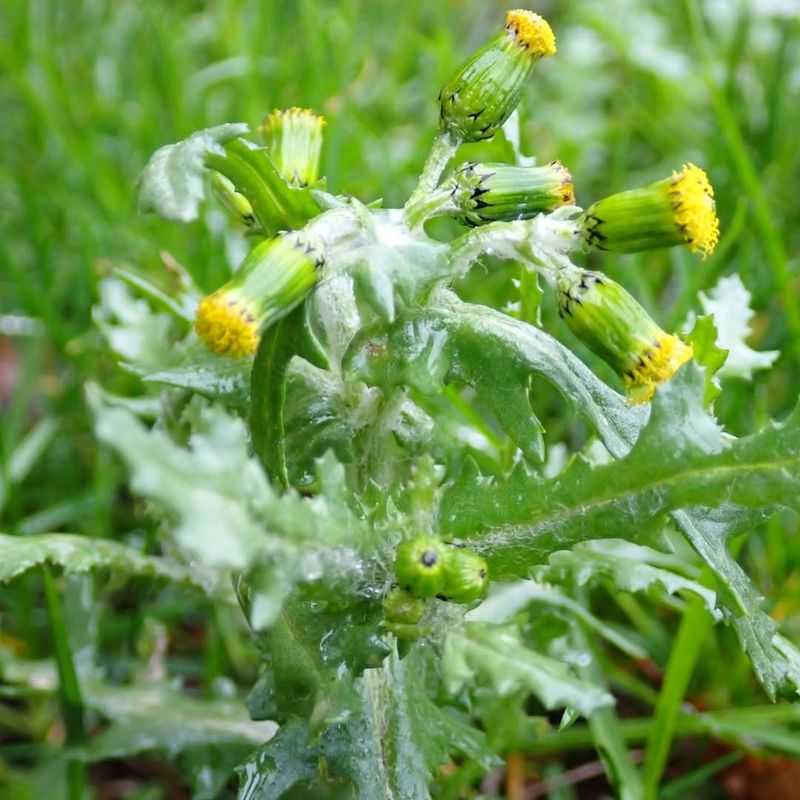
Common Groundsel does not look like much trouble at first. It has small yellow flowers that kind of resemble a tiny dandelion.
But do not let that fool you because this weed is incredibly fast at producing seeds, and each plant can release hundreds of them into the air.
In Oregon, this weed is active almost year-round thanks to the mild, wet climate. March is actually a critical month to catch it because new plants are germinating while older ones are already flowering.
That overlap means populations can build up fast if you are not paying attention.
Hand-pulling works well when the soil is damp, which is usually not a problem in Oregon during early spring. Make sure to remove the entire root so it does not regrow.
If plants have already flowered, bag them immediately so seeds do not scatter. Avoid composting this weed since seeds can survive in home compost piles.
Checking your garden beds every week in March can make a huge difference in keeping this fast-moving plant under control before summer arrives.
2. Hairy Bittercress (Cardamine hirsuta)
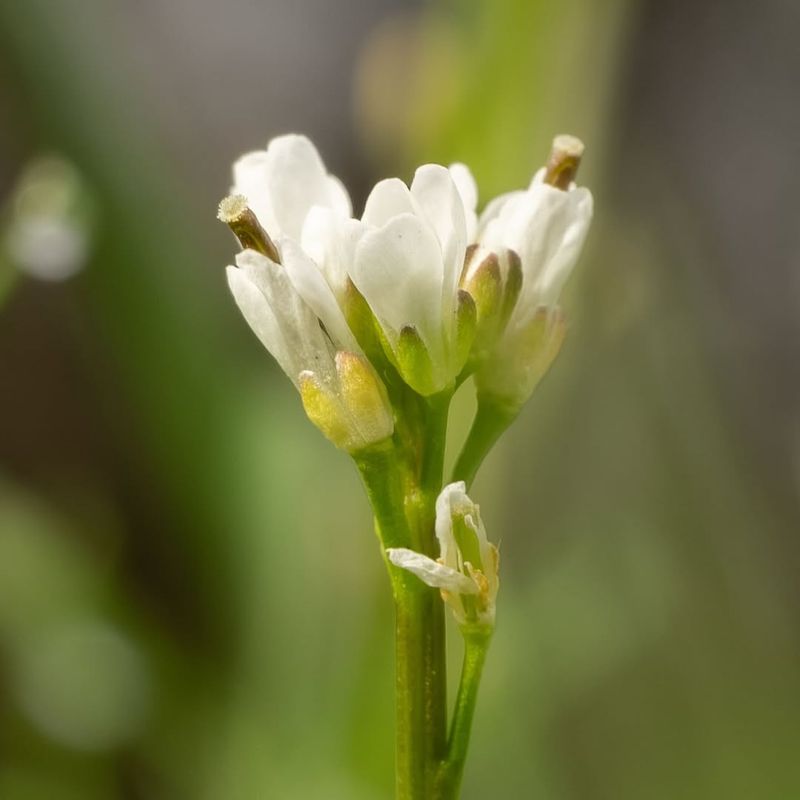
You might not think much of this tiny plant, but Hairy Bittercress is one of the sneakiest weeds in Oregon. It stays low to the ground and looks almost harmless at first glance.
But here is the catch: its seed pods explode when touched, sending seeds flying several feet in all directions.
This weed loves cool, moist conditions, which makes Oregon’s early spring the perfect time for it to thrive. It shows up in garden beds, pots, lawns, and even cracks in pavement.
By the time you notice the small white flowers, it may already be setting seeds.
The best time to pull Hairy Bittercress is before it flowers. Grab it by the base and pull the whole root out.
Wear gloves and work carefully so you do not trigger the seed pods. Toss it in a bag right away rather than leaving it on the soil.
Staying consistent with removal in early March gives you a real advantage before the population explodes across your yard.
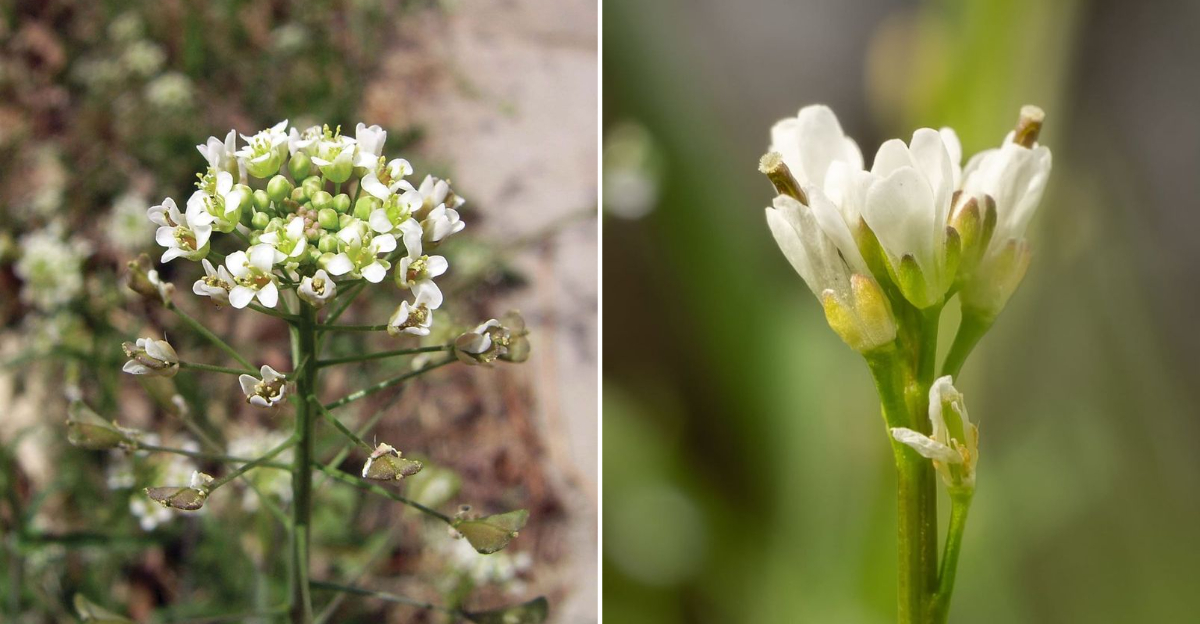
3. Shepherd’s Purse (Capsella bursa-pastoris)
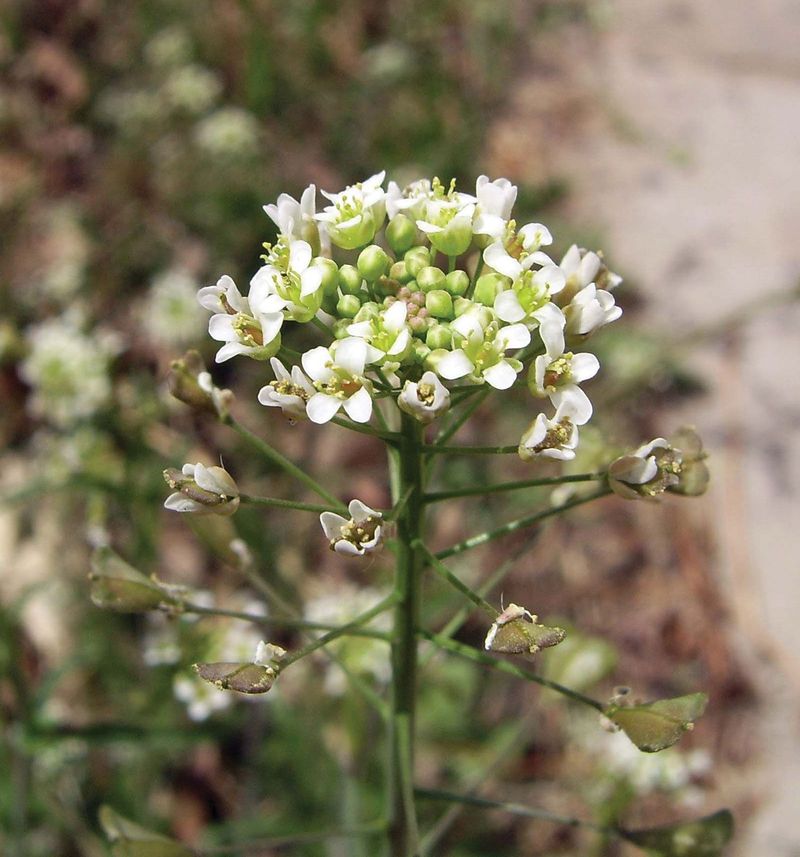
Named after its quirky heart-shaped seed pods, Shepherd’s Purse has a look that is almost charming. But gardeners across Oregon know better.
This cool-season weed germinates in late winter and is already well-established by the time March rolls around.
One plant can produce thousands of seeds over its lifetime. Those seeds can also stay viable in the soil for decades, which means once it moves in, it is not easy to fully clear out.
The good news is that young plants pull out easily from moist Oregon soil, especially after a rain.
Focus your removal efforts before the white flowers appear. Once flowering starts, seed pods form quickly and the window to act shrinks fast.
Use a hand weeder or hori-hori knife to loosen the taproot before pulling. Shallow cultivation also helps disrupt seedlings that have not yet established.
For larger patches, a light layer of mulch after removal can suppress new germination. Staying on top of Shepherd’s Purse in early March is key to keeping your garden beds and vegetable patches clean throughout the rest of the growing season.
4. Canada Thistle (Cirsium arvense)
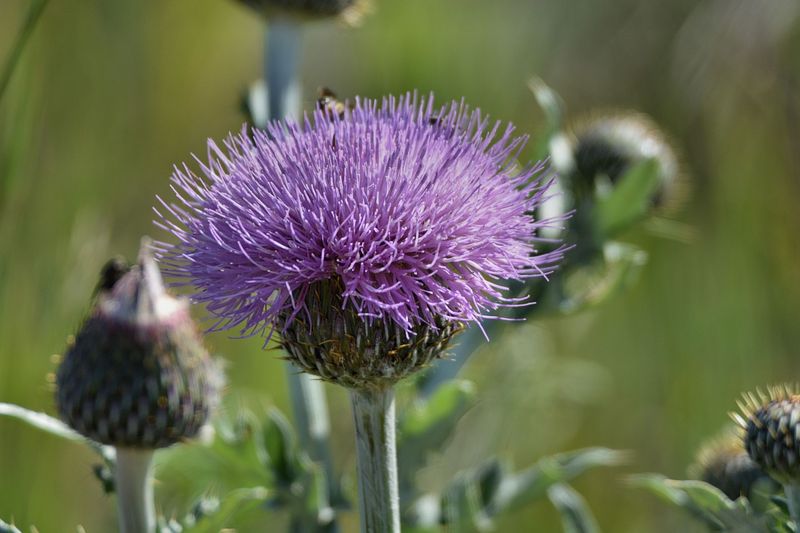
Do not be fooled by the name because Canada Thistle is a problem all across Oregon and much of the United States. It is considered one of the most difficult weeds to manage because of its deep, spreading root system.
New shoots can sprout from root fragments left in the soil, making complete removal a real challenge.
March is actually a great time to start tackling Canada Thistle because the young shoots are easier to deal with before they mature and harden. The prickly leaves make gloves an absolute must.
Consistent removal of new growth weakens the root system over time by cutting off the plant’s ability to store energy.
Digging out roots as deeply as possible gives you the best results. Expect to make several passes over the season since regrowth is common.
Mowing or cutting repeatedly throughout spring and summer also helps exhaust the root reserves. Avoid letting this weed flower because it produces fluffy seeds that travel long distances on the wind, spreading to neighboring properties across Oregon.
Combining physical removal with consistent monitoring is the most reliable long-term strategy for getting Canada Thistle under control in your yard or garden space.
5. Annual Bluegrass (Poa annua)
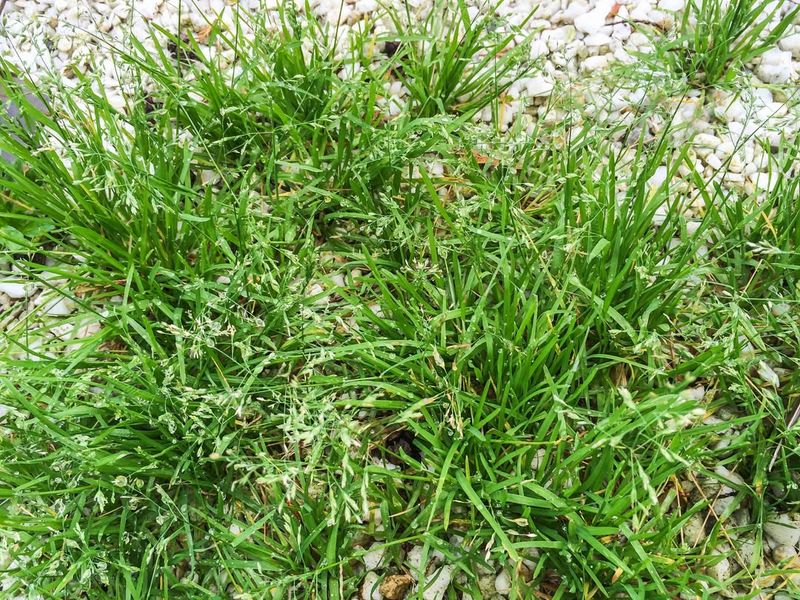
Walk across an Oregon lawn in early spring and you might notice patches of lighter green grass that look a little out of place. That is likely Annual Bluegrass, one of the most common and persistent turf weeds in the Pacific Northwest.
It thrives in the exact conditions Oregon delivers in March: cool temperatures and plenty of moisture.
What makes this grass tricky is that it produces seed heads even when mowed short. That means your lawn mower can actually spread seeds around the yard every time you cut.
Each plant can produce hundreds of seeds in a single season, so populations build up fast if left alone.
The most effective strategy is to improve your lawn’s overall health so it can crowd out Annual Bluegrass naturally. Overseed thin or bare areas in fall so desirable grasses fill in before this weed gets a foothold.
For existing patches, you can remove clumps by hand and reseed the area. Avoid overwatering since this weed loves wet soil.
Pre-emergent treatments applied in late fall can also help reduce germination the following spring across Oregon lawns.
6. Common Chickweed (Stellaria media)
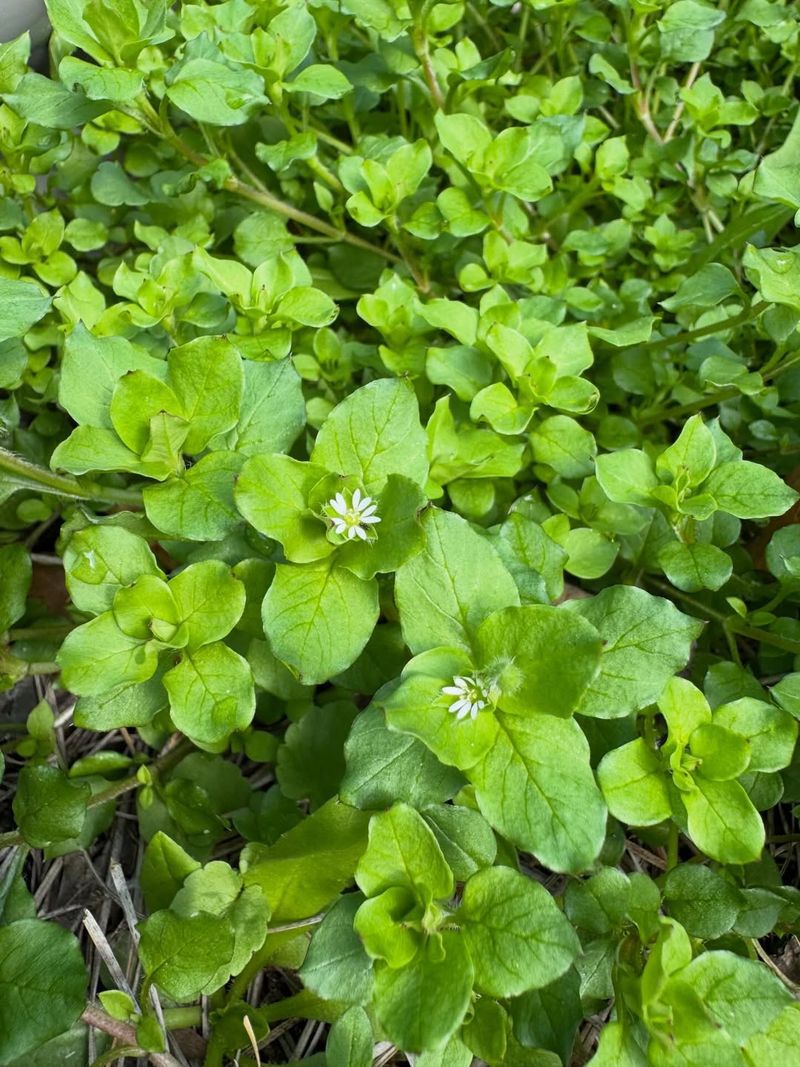
Few weeds spread as quickly as Common Chickweed. It forms a dense, low mat of bright green foliage that can smother small seedlings and compete aggressively with garden plants.
In Oregon, it starts growing in late fall and is often well-established by the time gardeners step outside in March.
Each plant can produce up to 800 seeds, and those seeds germinate in cool weather with ease. The plant also roots at its nodes, meaning broken stems left on the ground can take hold and keep growing.
That makes it especially important to remove the whole plant rather than just pulling off the top.
Chickweed is easiest to manage when the soil is loose and moist. Grab the base of the mat and pull steadily to get as much of the root system as possible.
For large patches, a flat hoe works well to slice through stems just below the soil surface. Follow up with a layer of mulch to block regrowth.
Staying consistent through March and April in Oregon will help keep this fast-spreading weed from taking over your beds before your garden plants even get started.
7. Italian Arum (Arum italicum)
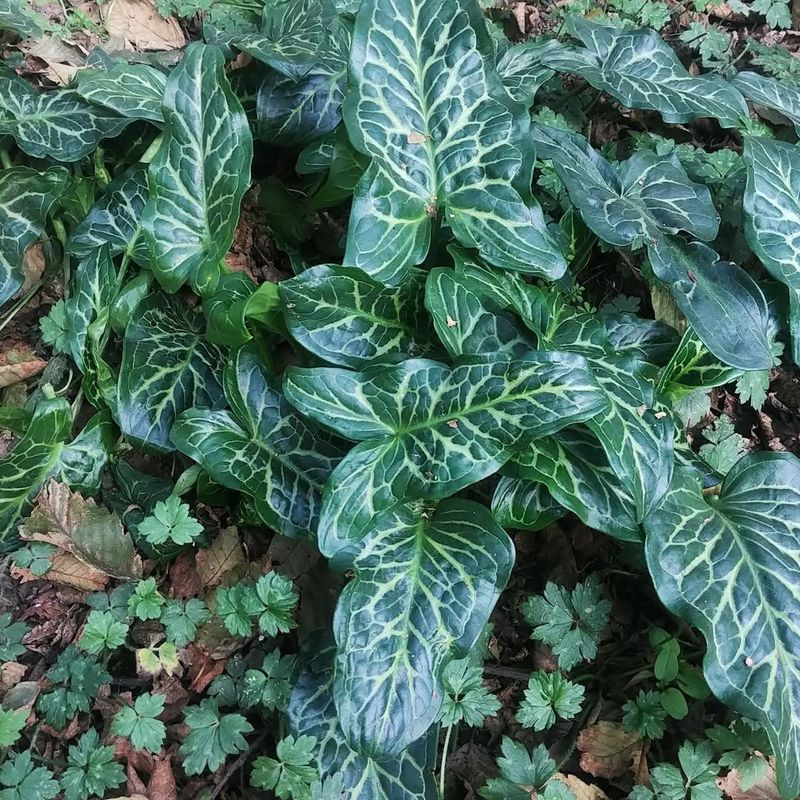
Italian Arum looks like something you might actually want in your garden. Its glossy, arrow-shaped leaves with silvery white veins are genuinely attractive.
That is exactly why it was brought into Oregon as an ornamental plant, and also why it has become such a widespread problem across the state.
By March, the leaves are fully up and the plant is actively growing. What most people do not realize is that Italian Arum spreads through underground tubers and through seeds dispersed by birds that eat its bright orange-red berries.
That combination makes it very hard to contain once it gets established.
Removing Italian Arum requires patience. You need to dig out the entire tuber, which can sit several inches deep in the soil.
Leaving even a small piece behind means the plant will likely return. Check shaded areas and woodland edges in your Oregon yard since those are its favorite spots.
Repeated removal over multiple seasons is usually necessary to fully clear an established patch. Wearing gloves is a must because the sap can irritate skin.
Getting started in March, while the plant is visible and easy to locate, gives you a real head start.
8. Lesser Celandine (Ficaria verna)
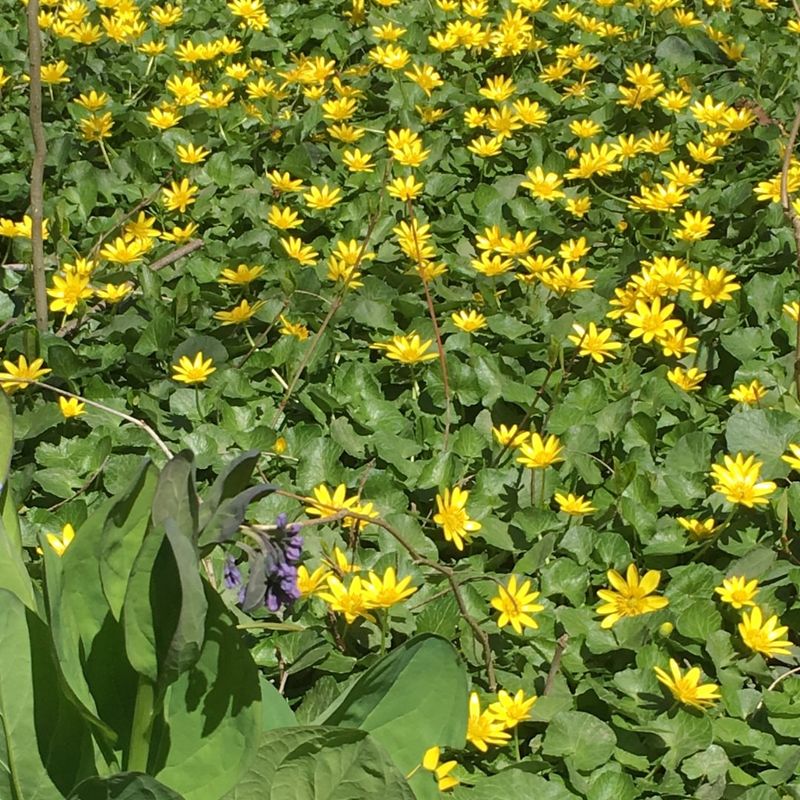
Lesser Celandine is one of the earliest bloomers you will see in Oregon, and its bright yellow flowers can look almost cheerful popping up in late February and March.
But underneath that pretty appearance is one of the most aggressive spreaders in the Pacific Northwest.
It carpets the ground so thickly that native plants simply cannot compete.
This plant spreads through tiny bulblets that cling to roots, tools, boots, and even water flow. A single plant can produce dozens of bulblets in one season.
It also goes dormant by early summer, which means it can be easy to forget about until it comes back even stronger the following year.
Act fast in March while the plant is actively growing and easy to spot. Dig carefully to remove the roots and all the tiny bulblets attached to them.
Even one bulblet left behind can start a new colony. Clean your tools and boots thoroughly after working in an infested area.
Avoid disturbing the soil more than necessary since that can spread bulblets further. Oregon gardeners who tackle Lesser Celandine early in the season consistently report much better results than those who wait until spring is fully underway.