Remove These 7 Things From Your California Yard Before Spring Arrives
Spring doesn’t just arrive on its own. It needs a little help from you.
Right now is the perfect time to clear out the clutter that’s holding your California yard back. Hidden debris, withered growth, and forgotten items can block sunlight, invite pests, and slow down healthy new growth.
What looks harmless today can turn into a problem once warmer weather hits. Removing the right things now makes space for fresh plants, stronger lawns, and better soil conditions.
It also gives your yard a clean slate before the busy growing season begins. A few simple changes can instantly improve how your outdoor space looks and functions.
If you want brighter blooms, healthier plants, and a smoother start to spring, don’t wait. These easy removals can transform your yard faster than you might expect.
1. Invasive plants
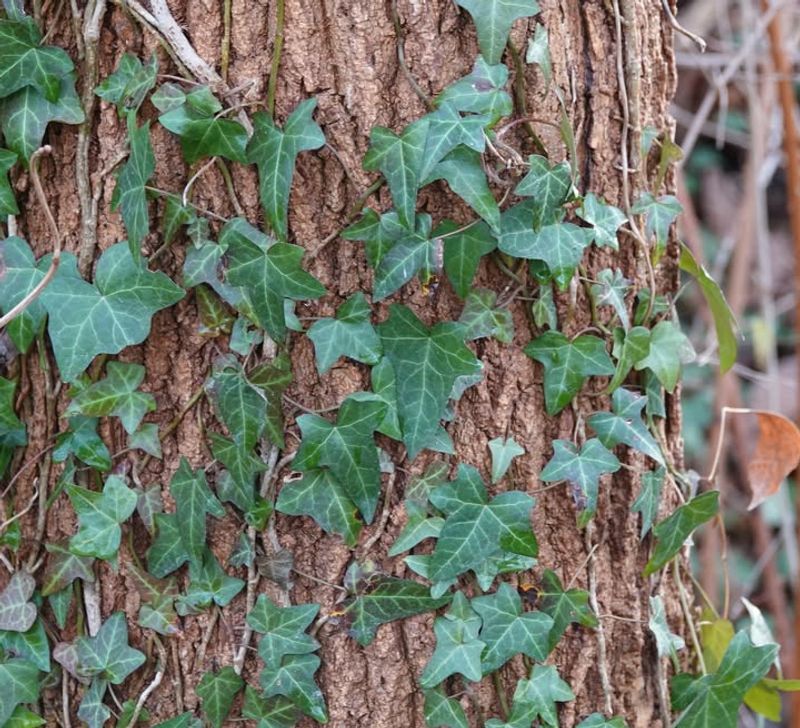
Right now, before warm weather sends growth into overdrive, you need to identify and remove invasive species that have established themselves in your yard. Plants like English ivy, periwinkle, pampas grass, and Bermuda grass spread aggressively once temperatures rise, choking out natives and taking over garden beds faster than you can control them.
Winter dormancy makes this the ideal removal window.
Invasive plants rob your desirable plants of water, nutrients, and sunlight. In drought-conscious California, you cannot afford to let aggressive species steal precious irrigation meant for your landscape plants.
They also create dense thickets that shelter rats, snakes, and other pests while increasing wildfire fuel loads in vulnerable areas.
Pull or dig out invasives by the roots rather than just cutting them back. Bermuda grass requires persistent removal of underground rhizomes.
English ivy must be stripped from trees and fences, then the root systems excavated. Dispose of all plant material in green waste bins rather than composting, since many invasives can resprout from fragments.
Consider replacing removed invasives with California natives that require less water and support local wildlife without spreading uncontrollably through your neighborhood.
2. Dry Leaves And Brush
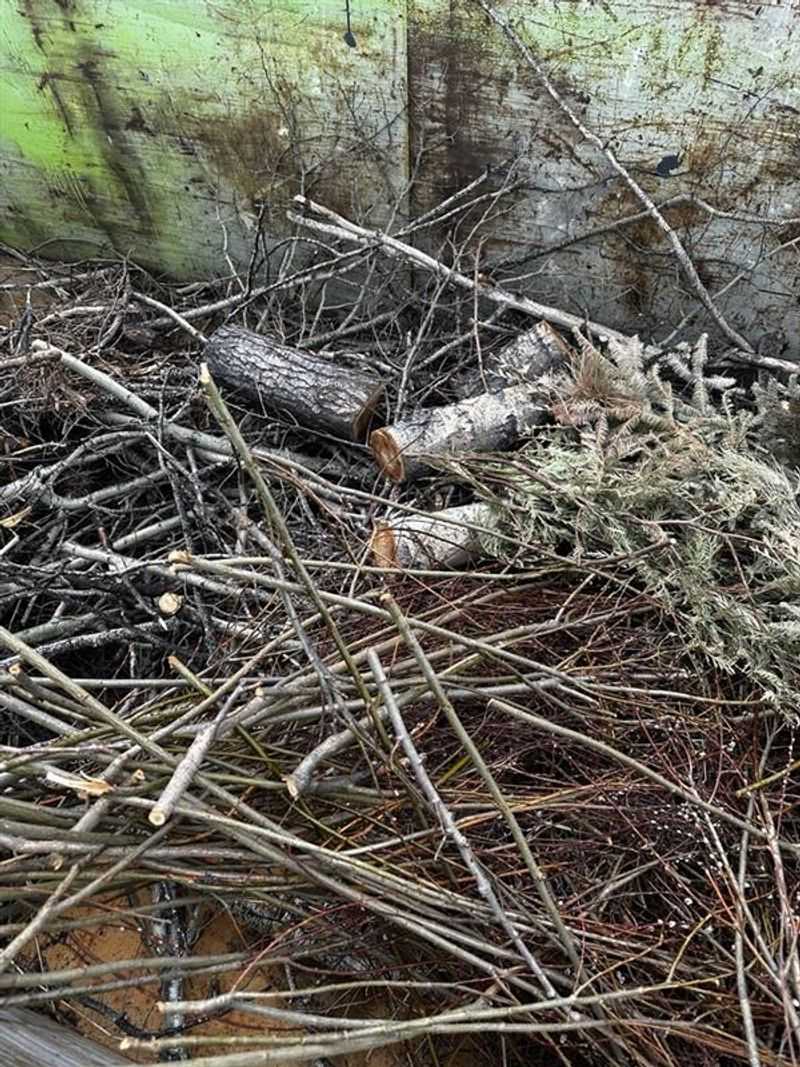
Accumulated leaf litter and old branches create multiple problems as you head into spring.
Those piles of dried oak leaves, eucalyptus bark, and broken twigs might seem harmless.
However, they trap moisture against structures, provide perfect hiding spots for termites and other wood-destroying insects, and represent serious wildfire fuel in many California communities.
Late winter cleanup eliminates these hazards before fire season begins.
Withered plant material also harbors fungal spores and disease pathogens that can infect new spring growth. Wet winter weather encourages mold and mildew development in thick leaf layers.
When temperatures warm up, these disease organisms spread rapidly to healthy plants, causing leaf spots, blights, and other infections that weaken your landscape.
Rake up leaves from planting beds, walkways, and against house foundations. Remove those branches from shrubs and trees.
Clear gutters and roof valleys where debris accumulates. You can compost disease-free leaves or use them as mulch in areas away from structures.
Dispose of diseased material and excessive amounts through your municipal green waste program. Keep cleared areas at least five feet from buildings to reduce pest entry points and fire risk around your home.
3. Standing Water
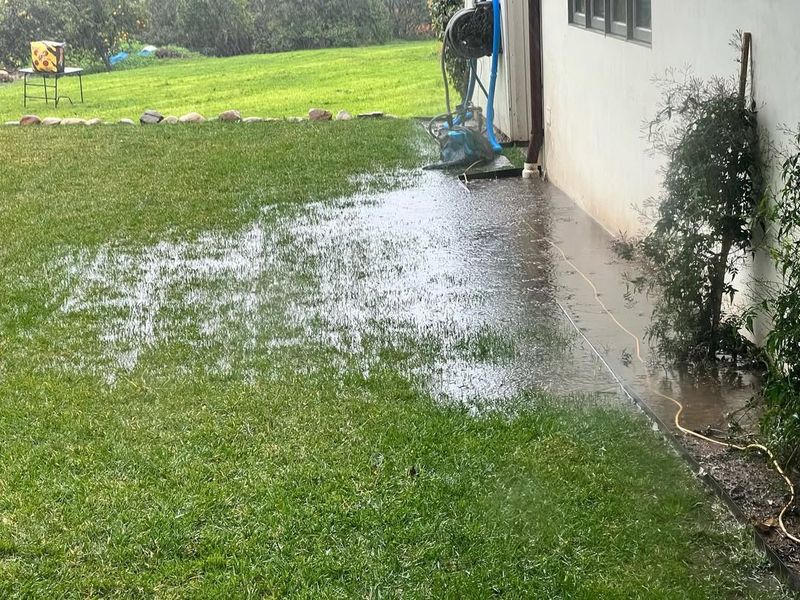
Any water that sits for more than a few days becomes a mosquito breeding site. Check your yard carefully for containers, low spots, clogged drains, and tarps that collect and hold water after winter rains.
Mosquitoes can complete their life cycle in as little as seven days, so even temporary puddles create problems. Removing these breeding sites now prevents explosive mosquito populations when warmer weather arrives.
California faces ongoing concerns about West Nile virus and other mosquito-borne diseases. Your standing water contributes to neighborhood-wide mosquito problems that affect everyone nearby.
Beyond disease risk, stagnant water kills grass and plants through root suffocation, creates muddy messes, and attracts unwanted wildlife looking for drinking sources.
Empty all containers including flower pots, buckets, bird baths, and toys. Drill drainage holes in items that must stay outside.
Fix low spots in lawns by adding soil and reseeding. Clean clogged gutters and downspout extensions that pool water near foundations.
Repair leaking irrigation lines and hose bibs. Store tarps and covers so they cannot collect rain.
Change pet water dishes and decorative fountain water at least weekly. For persistent drainage problems, consider installing French drains or redirecting downspouts to appropriate drainage areas away from your home and planted areas.
4. Fallen Fruit And Rotting Debris
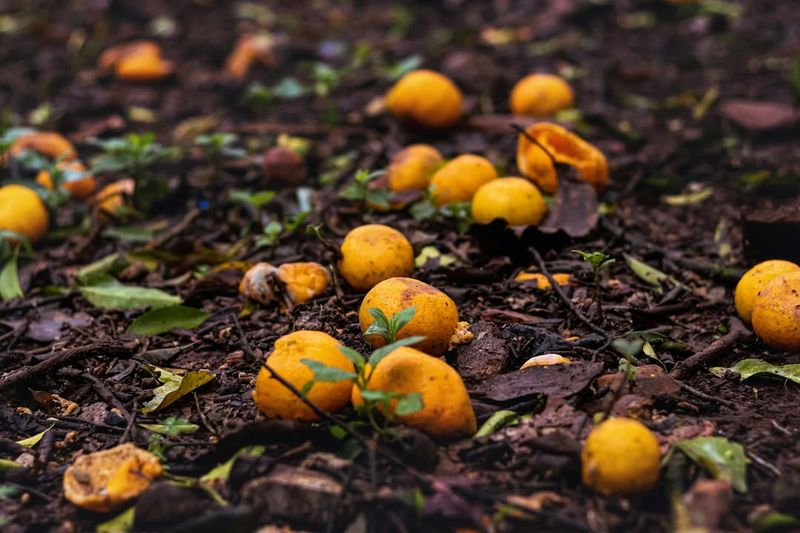
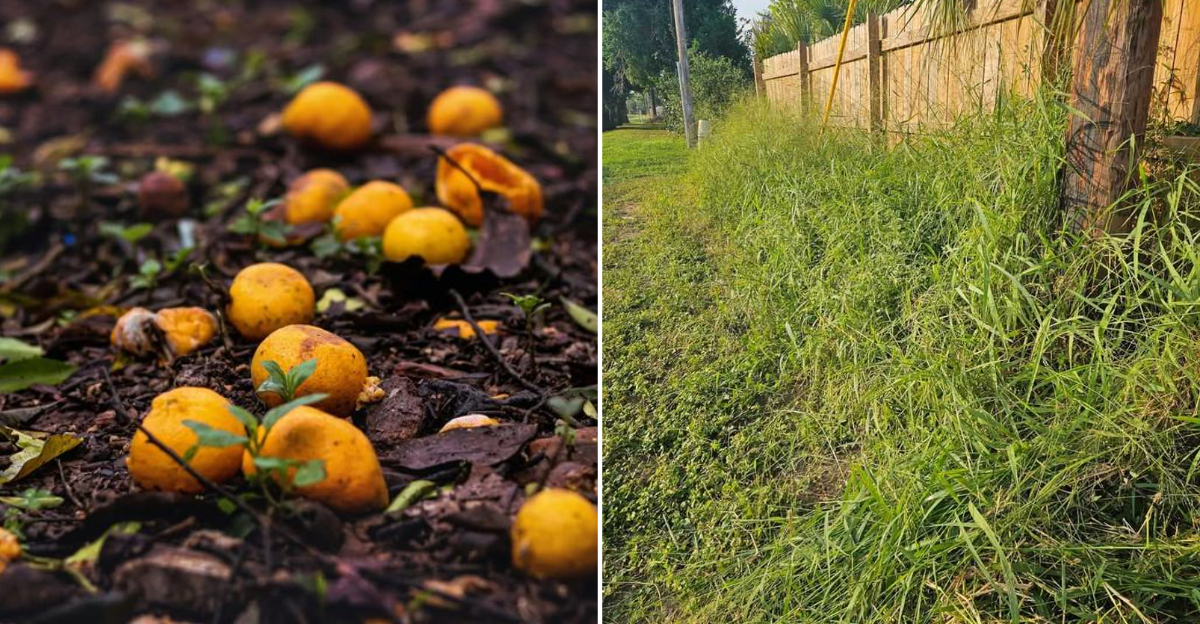
Winter citrus, persimmons, and leftover stone fruit create pest magnets when left rotting on the ground. Rats, opossums, raccoons, and insects feast on this free food source, establishing your yard as their preferred dining location.
Once wildlife learns your property offers easy meals, they return repeatedly and cause damage to other plants, irrigation lines, and even home structures. Clean up now before breeding season brings even more animals to your yard.
Rotting fruit also spreads fungal diseases that infect trees and surrounding plants. Brown rot, shot hole fungus, and other pathogens overwinter in mummified fruit and debris, then spread to new blossoms and fruit as spring growth begins.
This disease cycle reduces your harvest and weakens tree health year after year until you break the pattern.
Pick up all fallen fruit weekly during harvest season and immediately after. Remove any dried fruit still hanging on branches.
Rake up leaves and twigs under fruit trees. Dispose of diseased fruit in sealed bags with household trash rather than composting, which may not reach temperatures high enough to kill pathogens.
Consider applying dormant spray to fruit trees according to University of California guidelines. Keep the area under trees clear and mulched to make future cleanup easier and reduce disease pressure throughout the growing season.
5. Old Or Moldy Mulch
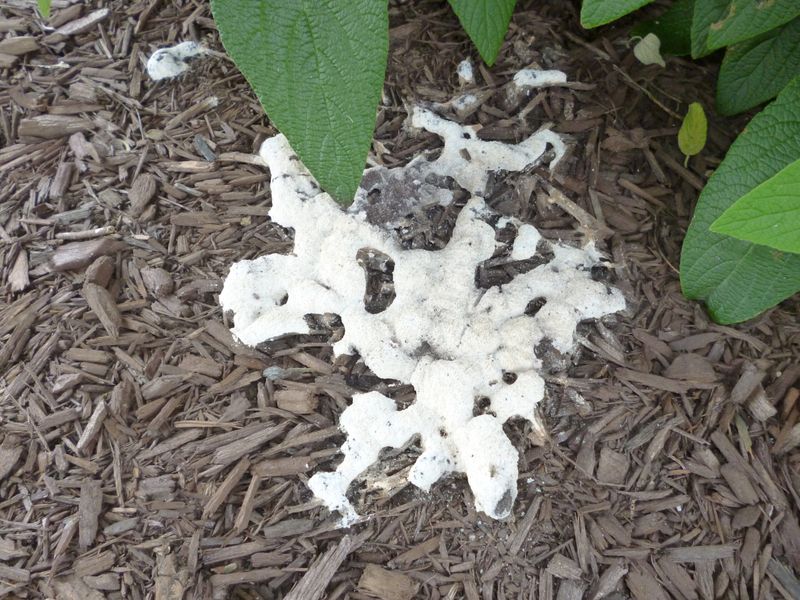
Mulch breaks down over time, and last year’s layer may now be compacted, moldy, or covered in fungal growth. That white, yellow, or orange fungus growing on old mulch indicates advanced decomposition.
While most mulch fungi are harmless to plants, they signal that your mulch has lost its effectiveness and may be creating problems rather than benefits. Thick, matted mulch also prevents water penetration and air circulation around plant roots.
Decomposed mulch can develop water-repellent properties that cause irrigation to run off rather than soak in. This wastes water and stresses plants during California’s dry months.
Old mulch also provides ideal shelter for sowbugs, earwigs, and other insects that damage tender seedlings and young plants as spring growth begins. Artillery fungus and slime molds can splash onto nearby surfaces, creating unsightly stains on siding and hardscapes.
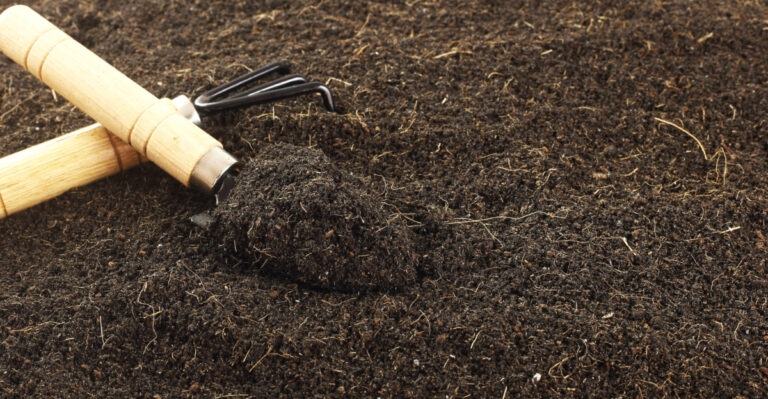
Rake back old mulch layers and inspect the soil underneath. If the original mulch has mostly decomposed into the soil, you can leave it and add fresh material on top.
Remove and dispose of excessively moldy or matted mulch that blocks water penetration. Apply fresh mulch in a two to three inch layer, keeping it several inches away from plant stems and tree trunks to prevent rot.
Choose mulch appropriate for California conditions such as gorilla hair redwood, cedar chips, or composted wood products that conserve moisture without promoting excessive fungal growth.
6. Broken Irrigation Parts
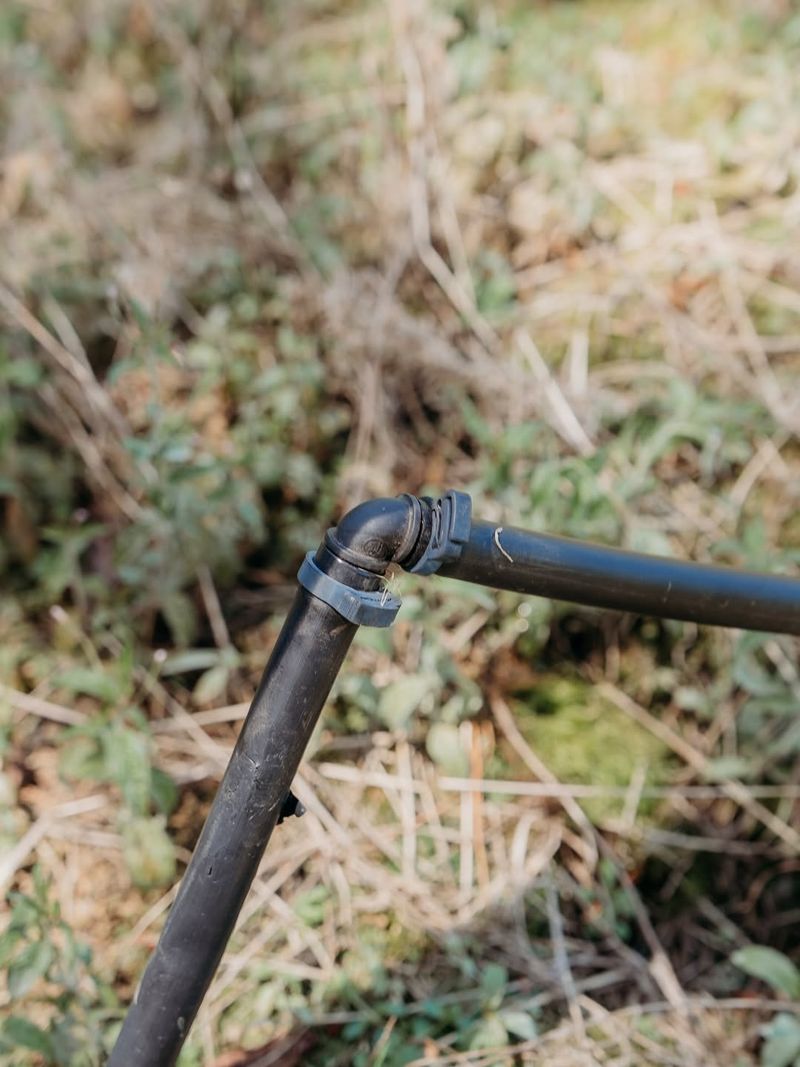
Winter weather and age take their toll on irrigation systems. Cracked sprinkler heads, broken risers, damaged drip emitters, and leaking valves waste significant water and create uneven watering patterns that stress your plants.
Before spring watering demands increase, you need to identify and repair all system damage. Running a broken system through hot weather causes brown spots, water waste, and potentially expensive water bills.
California’s water conservation requirements make irrigation efficiency essential. Broken components can waste hundreds of gallons monthly while failing to deliver adequate moisture to plant root zones.
Leaking valves and lines also create muddy areas that encourage weeds, damage hardscapes, and undermine foundations. Uneven watering stresses plants and makes them more vulnerable to pests and diseases during summer heat.
Walk your entire irrigation system while it runs through each zone. Look for geysers, misting, and dry spots that indicate problems.
Replace cracked sprinkler heads and damaged risers. Repair or replace leaking drip line sections and clogged emitters.
Check valve boxes for standing water indicating leaks. Adjust sprinkler heads to avoid overspray onto hardscapes and structures.
Consider upgrading to water-efficient nozzles and controllers that adjust for weather conditions. Test your system monthly once repairs are complete to catch new problems before they waste water and damage your landscape.
7. Overgrown Weeds And Tall grass
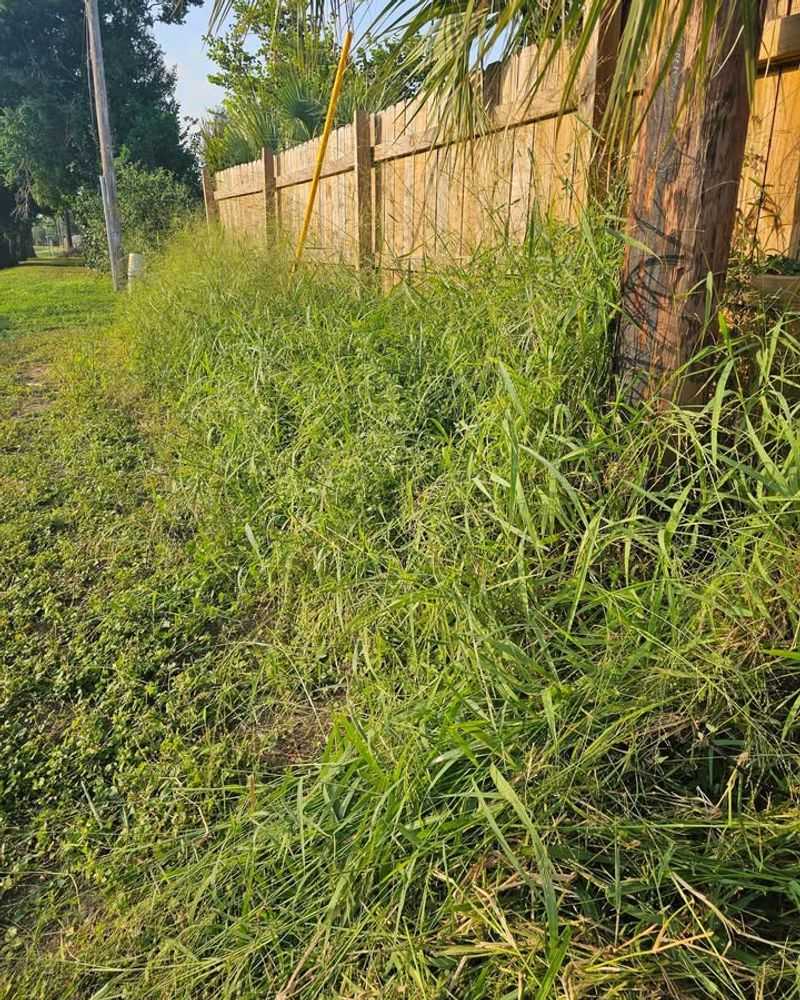
Late winter rains trigger explosive weed growth across California. Mustard, wild oats, thistles, and other annual weeds that sprouted during winter now stand tall and ready to set seed.
If you let these weeds mature and drop seed, you create years of future weed problems. Cut them down now, before they flower, to dramatically reduce weed pressure throughout the coming growing season.
Tall grass and weeds also represent significant fire hazards in many California communities. Defensible space requirements mandate keeping vegetation low and managed around structures.
Withered standing weeds from previous seasons combined with new spring growth create dangerous fuel loads that can carry fire directly to your home. Many fire districts issue citations for unmaintained properties during fire season.
Mow or cut down tall weeds and grass before they set seed. Use a string trimmer for areas too rough for mowers.
Pull or dig larger weeds including tap-rooted species like dandelions that mowing does not control. Apply pre-emergent herbicides according to label directions if you want to prevent new weed seeds from sprouting.
Maintain at least 30 feet of defensible space around structures in fire-prone areas, with vegetation kept low and well-watered.
Dispose of cut weeds through green waste collection rather than leaving them to dry in place, which creates fire fuel and allows some species to continue ripening seeds even after cutting.