Replace Popular Plants In Your Colorado Garden With These Drought-Friendly Options
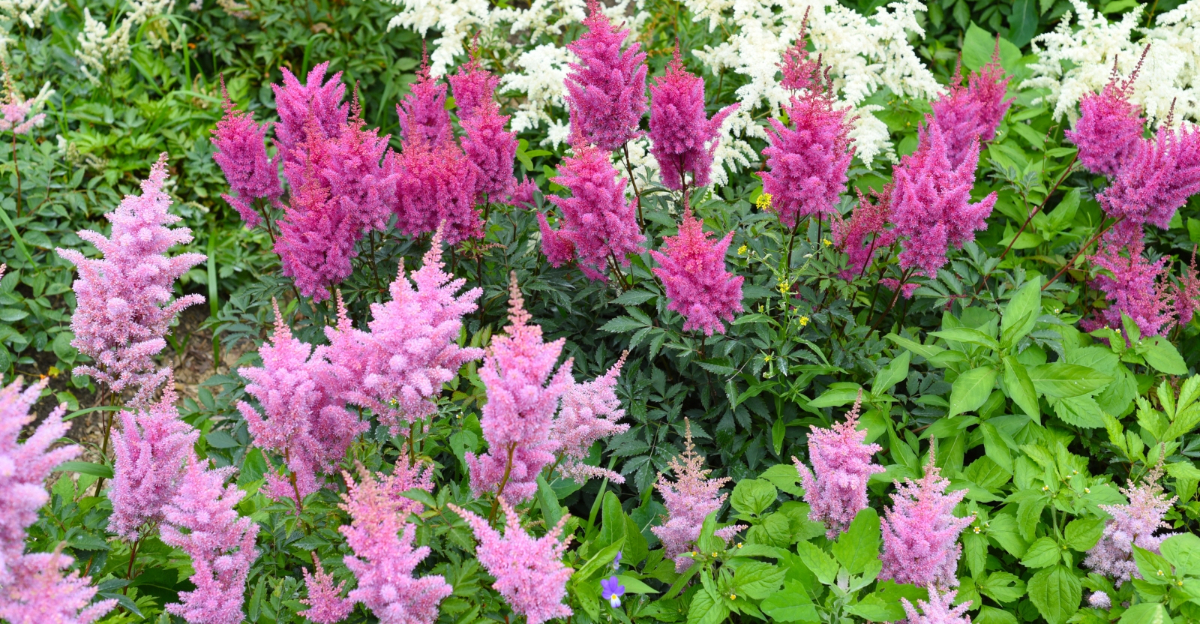
Does your Colorado garden feel harder to maintain each year, even though you’re putting in the same effort you always have?
Longer dry stretches, tighter water limits, and unpredictable weather are quietly changing which plants truly make sense in local landscapes.
Many once-popular choices now struggle more than they thrive, turning routine care into an ongoing source of frustration. That reality is pushing gardeners to question whether holding onto familiar plants is still worth the effort.
Drought-friendly options are no longer about settling for less, but about choosing plants that stay attractive with fewer demands.
Some of these replacements blend seamlessly into existing gardens, while others gently reshape how the space functions.
What makes them appealing is how naturally they handle Colorado’s conditions without constant attention.
Once you see how well these alternatives perform, keeping thirsty plants around starts to feel like an easy decision to let go.
1. Kentucky Bluegrass
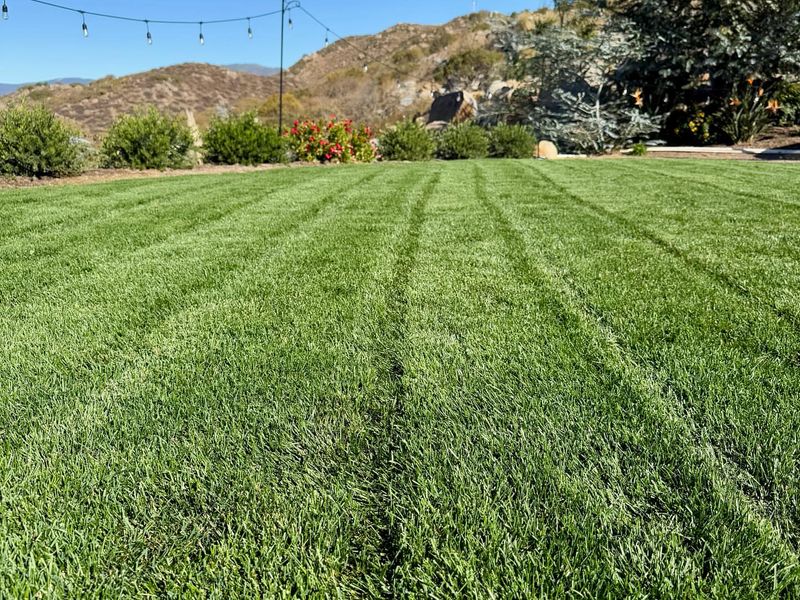
Lawns across the country have long featured this classic turf, but Colorado’s climate makes it a poor fit. Bluegrass needs constant watering to stay green, which can waste thousands of gallons each summer.
Most homeowners find themselves running sprinklers daily just to keep patches from turning brown.
Buffalo grass offers a much smarter choice for Colorado yards. Native to the Great Plains, it survives on rainfall alone once established.
The roots grow deep, reaching moisture that shallow bluegrass roots miss entirely.
Blue grama grass provides another excellent alternative with similar drought resistance. Both native options stay green longer without irrigation and require far less mowing.
Homeowners save money on water bills while supporting local ecosystems.
Switching from Kentucky bluegrass reduces outdoor water use by up to 50 percent in many Colorado communities. The transition takes some patience, but the payoff comes in lower maintenance and healthier landscapes.
Native grasses also provide better habitat for beneficial insects and pollinators.
Many Colorado municipalities now offer rebates for replacing traditional lawns with water-wise alternatives. These programs make the switch more affordable for budget-conscious families.
The environmental benefits extend beyond individual properties to entire watersheds.
2. Hydrangea
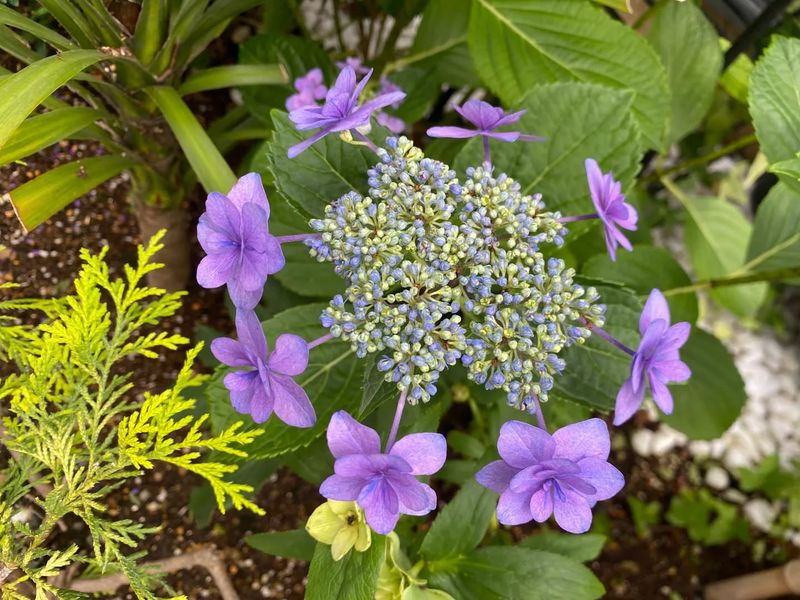
Gardens everywhere showcase these showy bloomers, but their water demands make them challenging in Colorado. Bigleaf hydrangeas wilt dramatically without frequent deep watering, often needing moisture every single day during summer.
Smooth hydrangeas fare slightly better but still require consistent irrigation to produce their signature blooms.
Potentilla shrubs deliver similar flowering appeal with far less fuss. These tough plants produce cheerful yellow, pink, or white blooms throughout summer without constant watering.
Colorado gardeners appreciate how potentilla handles heat and dry spells without dropping leaves or flowers.
Rabbitbrush provides another water-smart option with golden fall blooms that rival any hydrangea display. Native to Colorado’s high desert regions, it thrives on neglect and poor soil.
The silvery foliage adds texture to landscapes year-round.
Russian sage offers purple-blue flower spikes that attract pollinators while using minimal water. Its aromatic foliage and airy growth habit create a softer look than rigid hydrangeas.
Colorado’s intense sunshine actually improves flowering rather than causing stress.
Replacing hydrangeas with drought-tolerant shrubs reduces garden water needs by hundreds of gallons monthly. The alternatives bloom longer and require less pruning and fussing.
3. Impatiens
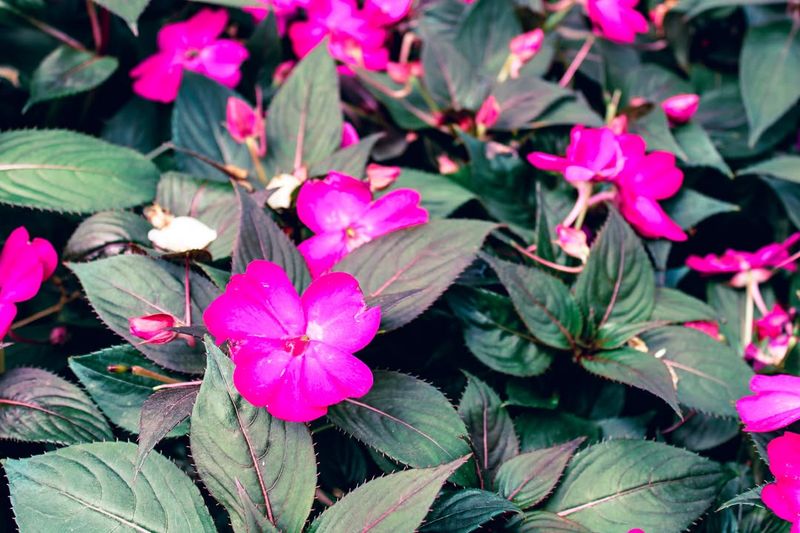
Shady spots in humid climates come alive with these colorful annuals, but Colorado’s dry air makes them struggle. Impatiens demand daily watering and wilt pathetically if the soil dries even slightly.
Their shallow roots cannot reach deeper moisture, leaving them constantly thirsty.
Columbine thrives in Colorado’s mountain shade with minimal care. As the state flower, it’s perfectly adapted to local conditions and attracts hummingbirds with delicate blooms.
The plants reseed themselves, creating naturalized patches that return year after year.
Coral bells provide colorful foliage that outshines any impatiens bloom. Available in purple, burgundy, lime, and bronze shades, these perennials add interest even when not flowering.
Colorado gardeners love how coral bells handle both sun and shade while needing little water.
Creeping phlox carpets shady areas with spring blooms in pink, purple, or white. The evergreen foliage looks attractive all season without constant moisture.
This groundcover spreads slowly, filling in bare spots without becoming invasive.
Switching from impatiens to drought-tolerant shade plants cuts watering time significantly. The perennial alternatives also eliminate the need to replant annuals every spring, saving both money and effort throughout Colorado’s short growing season.
4. Petunia
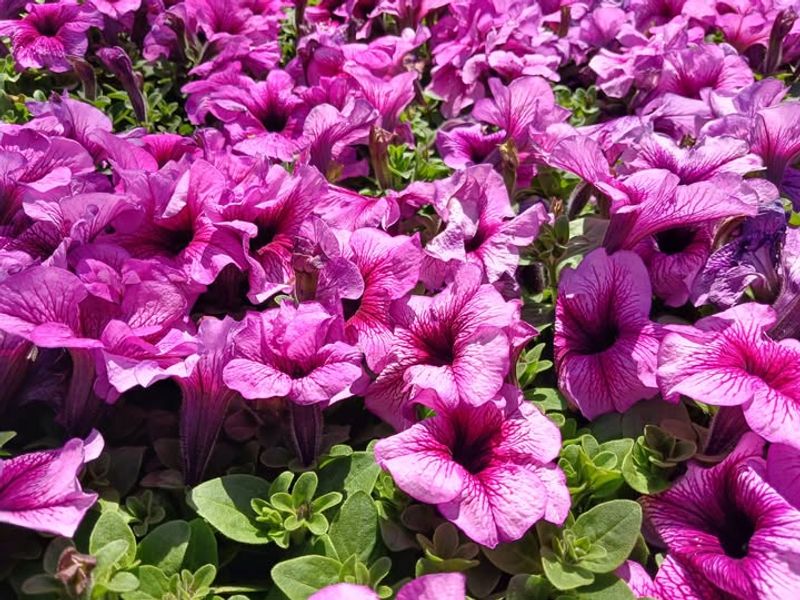
Hanging baskets and flower beds across America feature these popular annuals, but Colorado’s conditions make them high-maintenance. Petunias need frequent watering to prevent wilting, sometimes requiring attention twice daily in peak summer.
Their soft leaves lose moisture rapidly in low humidity.
Portulaca delivers even brighter colors with succulent leaves that store water efficiently. Also called moss rose, it thrives in Colorado’s hottest, driest spots where petunias would shrivel.
The flowers close at night and reopen each morning in a delightful daily show.
Blanket flower produces cheerful red and yellow blooms that last all summer without deadheading. Native to Colorado prairies, it handles wind, heat, and neglect with ease.
Pollinators flock to the daisy-like flowers, adding movement and life to gardens.
California poppy self-seeds readily, creating drifts of orange and gold that return each year. These cheerful flowers close in cloudy weather and open wide in sunshine.
Colorado’s bright days keep them blooming prolifically without any supplemental watering.
Replacing petunias with drought-tolerant annuals means less time spent watering and more time enjoying the garden. The alternatives often reseed themselves, creating a naturalized look that feels more connected to Colorado’s native landscape and requires minimal intervention.
5. Hosta
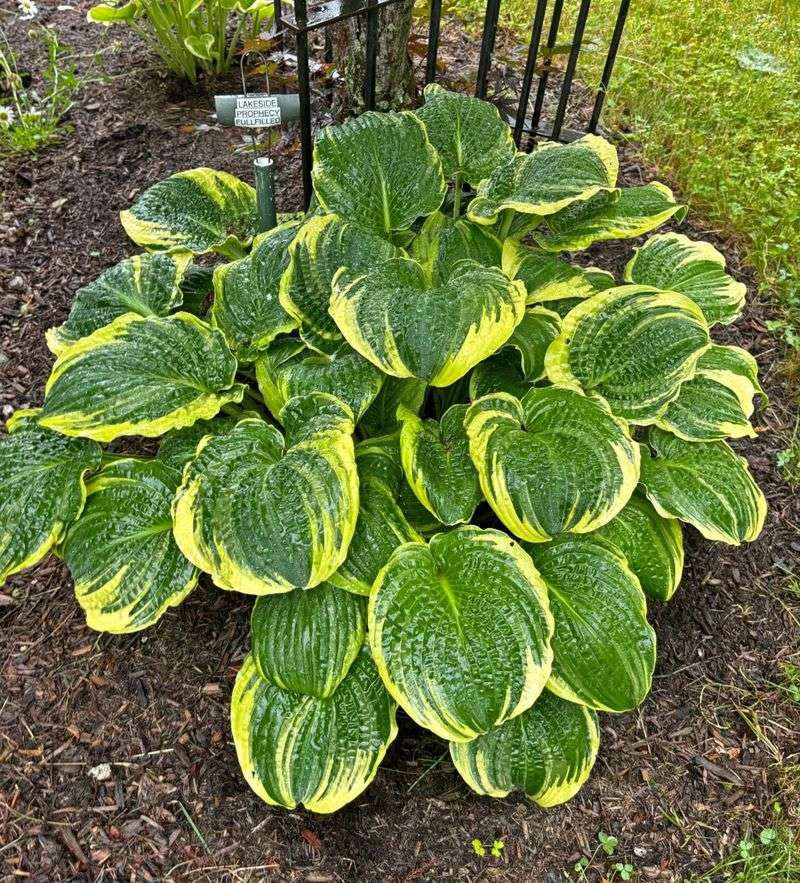
Shade gardens in eastern states rely heavily on these foliage plants, but Colorado’s climate challenges them. Hostas need consistent moisture and high humidity to keep their leaves looking fresh.
Without frequent watering, the foliage develops brown edges and looks shabby by midsummer.
Lamb’s ear provides silvery foliage that adds a similar textural element to shady spots. The fuzzy leaves feel soft to touch and create a striking contrast with darker plants.
Colorado’s dry air actually helps prevent the fungal issues that plague lamb’s ear in humid regions.
Artemisia offers feathery silver foliage that brightens shady areas without any special watering. Several varieties work well in Colorado gardens, from low groundcovers to taller accent plants.
The aromatic leaves smell pleasant when brushed and deer avoid them completely.
Sedum comes in numerous varieties with succulent leaves that store moisture efficiently. Many types handle part shade while offering interesting textures and colors.
Colorado gardeners appreciate how sedum stays attractive from spring through fall without constant attention.
Yucca provides bold architectural foliage that creates drama in dry shade. The sword-like leaves stay evergreen year-round, providing winter interest that hostas cannot match.
Tall flower spikes appear in summer, adding vertical appeal to Colorado landscapes while using minimal water throughout the growing season.
6. Astilbe
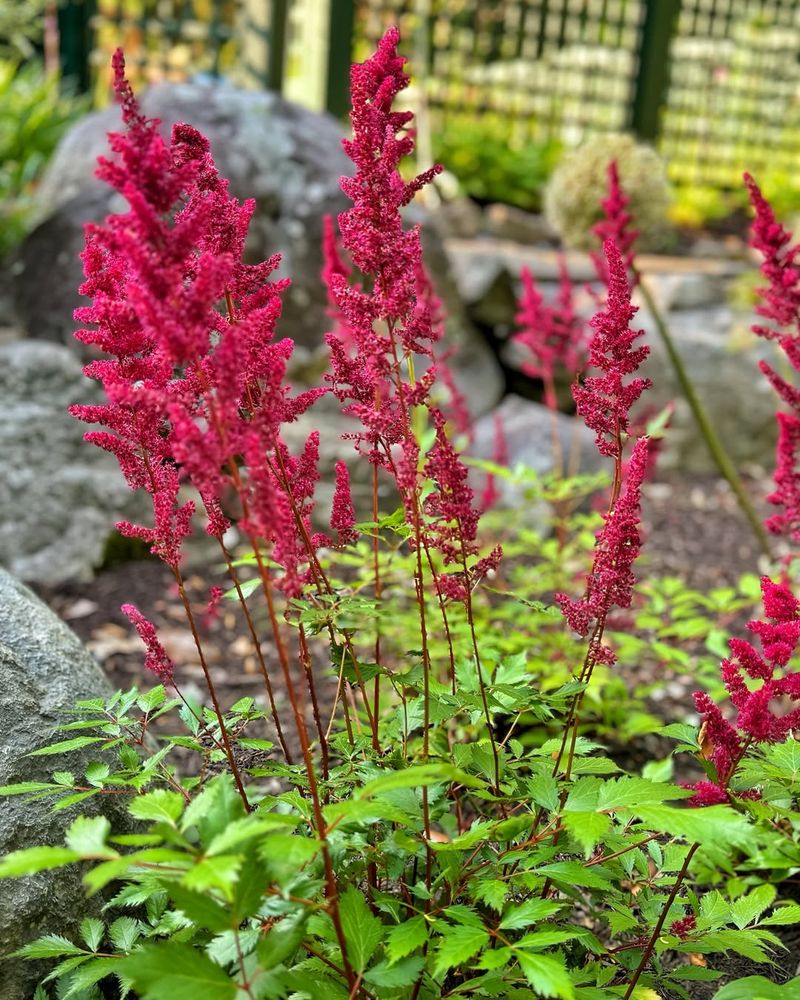
Woodland gardens in moist climates showcase these feathery bloomers, but Colorado’s dry conditions make them impractical. Astilbe requires boggy soil and wilts dramatically when moisture levels drop.
The plants often look stressed even with regular watering in Colorado’s low humidity.
Penstemon produces similar flower spikes in shades of pink, purple, red, and white. Native species thrive throughout Colorado without supplemental irrigation once established.
The tubular blooms attract hummingbirds and bees while standing up to wind and intense sun.
Salvia offers spiky blooms that resemble astilbe’s feathery plumes but need far less water. Many varieties flourish in Colorado gardens, from low-growing groundcovers to tall border plants.
The aromatic foliage deters deer and rabbits while attracting beneficial pollinators.
Catmint creates soft purple flower spikes that bloom repeatedly throughout summer. Colorado gardeners love how this perennial rebounds quickly after shearing, producing fresh flowers within weeks.
The silvery foliage looks attractive even between bloom cycles.
Russian sage provides airy flower spikes that create a similar effect to astilbe without the water demands. Its tall stems sway gracefully in Colorado’s frequent breezes, adding movement to gardens.
The plant thrives in poor soil and actually performs better with minimal watering, making it perfectly suited to the state’s challenging growing conditions.
7. Fern
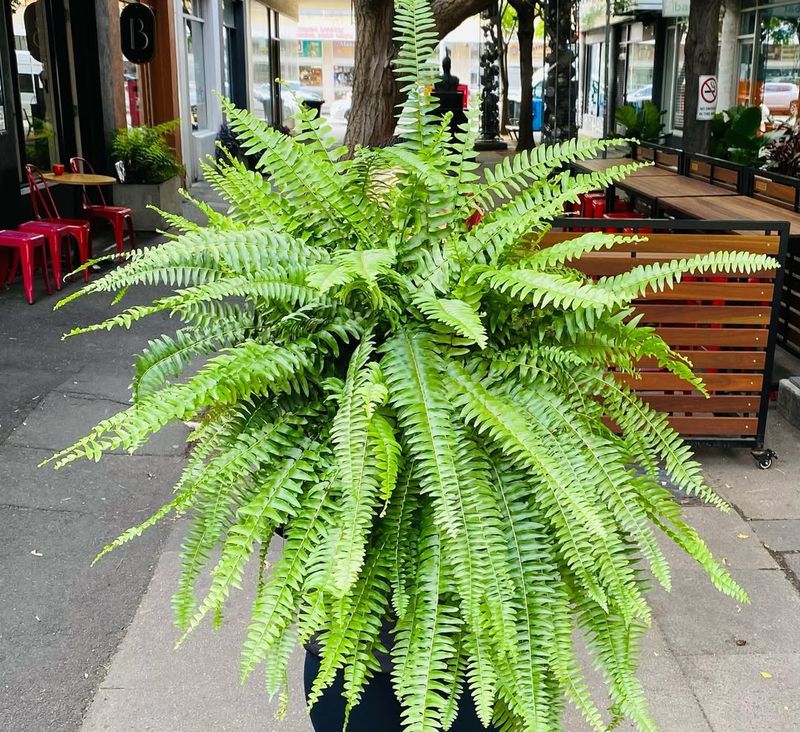
Humid forest floors support these delicate plants, but Colorado’s arid climate makes fern-growing frustrating. Boston ferns and lady ferns need constant moisture and high humidity to prevent fronds from browning.
Most gardeners find themselves watering multiple times daily just to keep ferns alive through summer.
Ornamental grasses provide similar textural interest with far greater drought tolerance. Blue fescue forms tidy clumps of fine-textured foliage that stays attractive year-round.
Colorado’s sunshine intensifies the blue color, creating eye-catching accents in dry gardens.
Threadleaf coreopsis offers ferny foliage topped with cheerful yellow blooms all summer. The delicate leaves create a soft, airy appearance similar to ferns but handle heat and drought with ease.
This perennial reseeds gently, filling in bare spots naturally.
Yarrow produces feathery foliage and flat-topped flower clusters in numerous colors. Native varieties thrive in Colorado with zero supplemental watering once established.
The plants spread slowly to create natural-looking drifts that mimic fern colonies.
Switching from ferns to drought-tolerant alternatives saves enormous amounts of water in Colorado gardens. The replacements often provide blooms as a bonus, adding color that ferns cannot offer.
These tough plants also handle Colorado’s temperature fluctuations and intense UV exposure without the stress that causes ferns to decline rapidly.
8. Delphinium
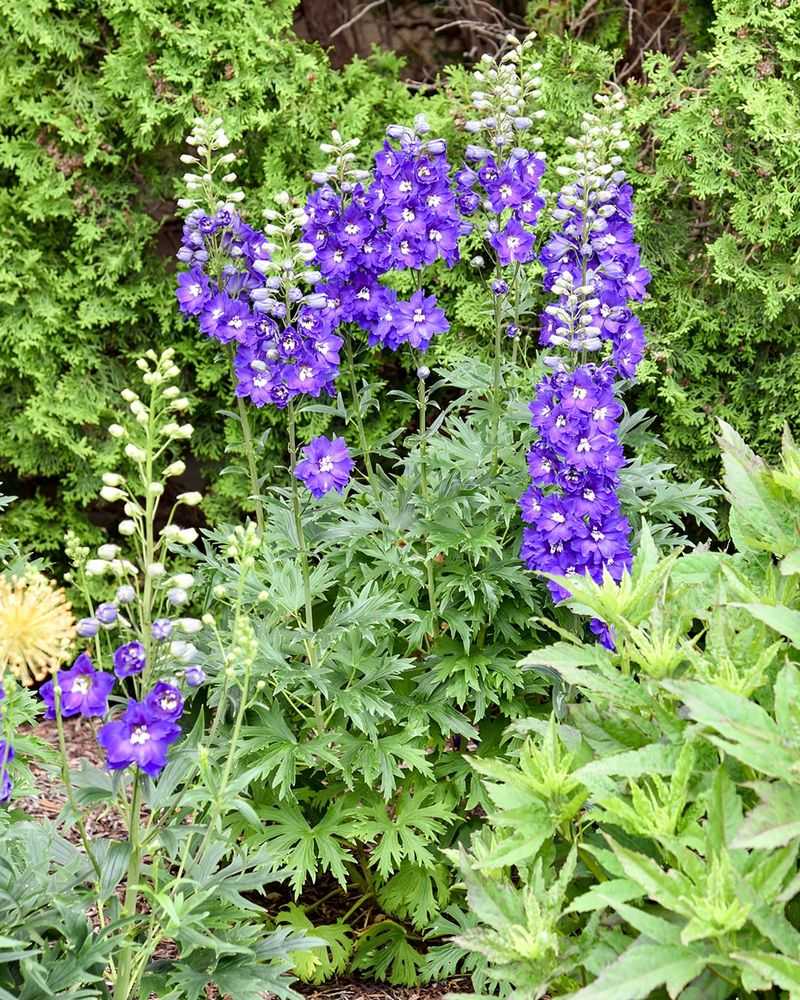
English cottage gardens feature these towering flower spikes, but Colorado’s conditions make them short-lived. Delphiniums demand rich, moist soil and cool temperatures that rarely occur together in Colorado.
The plants often collapse after one season despite careful watering and fertilizing.
Larkspur provides similar tall flower spikes in blue, purple, pink, and white shades. As a Colorado native, it self-seeds readily and returns reliably each year.
The airy blooms attract hummingbirds and create vertical interest without constant maintenance.
Hollyhocks offer old-fashioned charm with tall flower stalks that reach similar heights to delphiniums. These cottage garden classics handle Colorado’s dry conditions much better than their fussier cousins.
Single-flowered varieties reseed themselves, creating naturalized colonies that return annually.
Desert four o’clock produces tubular flowers on bushy plants that reach several feet tall. The blooms open in late afternoon, filling Colorado gardens with sweet fragrance.
This drought-tolerant perennial thrives on neglect and spreads slowly to fill bare areas.
Replacing delphiniums with water-wise alternatives eliminates the frustration of watching expensive plants struggle. The substitutes adapt naturally to Colorado’s alkaline soil and temperature swings.
These tough perennials provide reliable vertical accents that return year after year without the coddling that delphiniums demand but rarely reward in the state’s challenging climate.
9. Lupine
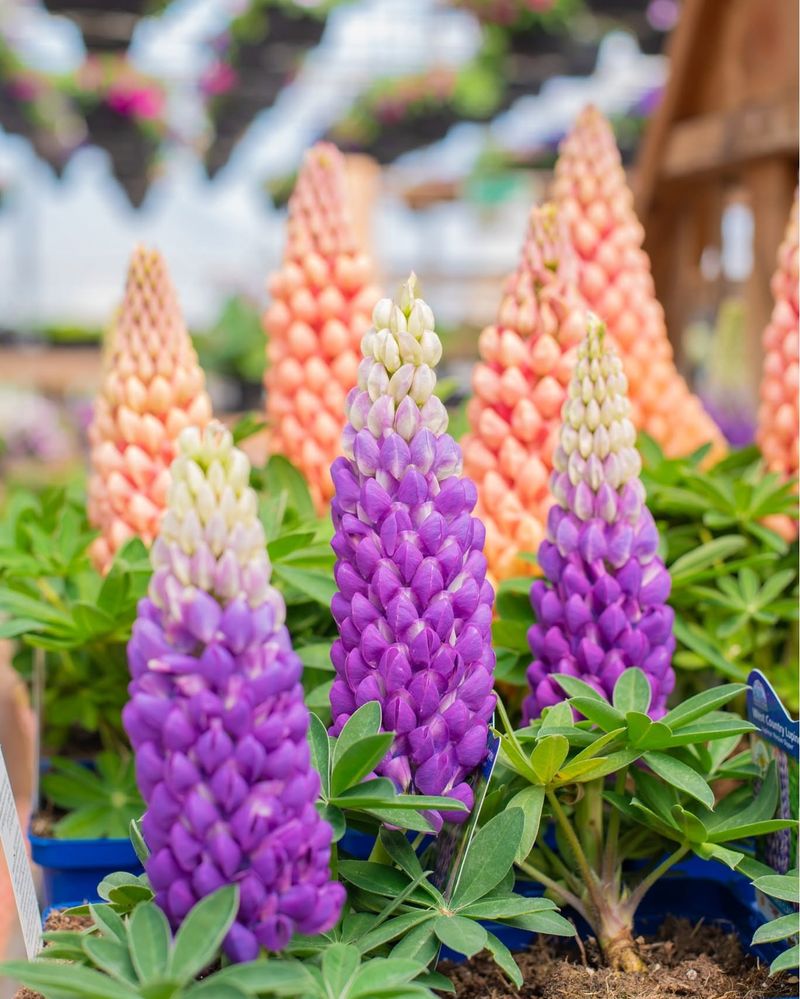
Mountain meadows in the Pacific Northwest explode with these colorful spikes, but Colorado lupines require specific conditions. Wild lupines thrive in Colorado’s mountains but garden varieties struggle with heat and dry soil.
The plants often bloom once then decline rapidly without consistent moisture.
Beardtongue offers similar flower spikes in an incredible range of colors. Colorado boasts numerous native species perfectly adapted to local conditions.
These tough perennials bloom prolifically without supplemental watering once their roots establish.
Red hot poker produces exotic-looking flower spikes that create even more drama than lupines. The torch-like blooms attract hummingbirds and add tropical flair to Colorado gardens.
Despite their exotic appearance, these plants handle drought and cold winters with ease.
Agastache provides fragrant flower spikes beloved by pollinators and gardeners alike. Many varieties thrive in Colorado’s dry climate, blooming from early summer through frost.
The aromatic foliage smells minty or licorice-like depending on the variety.
Switching from finicky garden lupines to drought-tolerant alternatives eliminates disappointment. The replacements bloom longer and require no special soil amendments or watering schedules.
Colorado gardeners find these substitutes more reliable and better suited to the state’s unique combination of intense sun, low humidity, alkaline soil, and unpredictable weather patterns that make traditional lupine cultivation challenging at best.
10. Japanese Maple
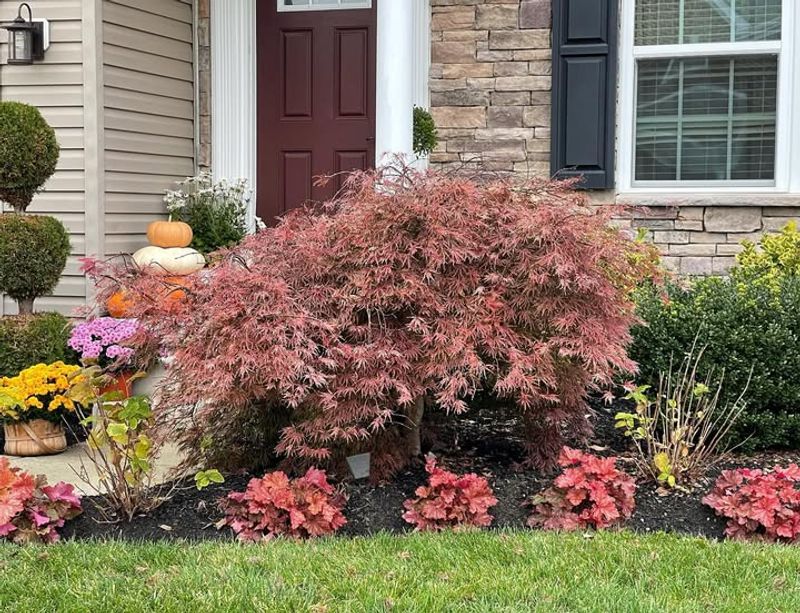
Elegant Asian gardens showcase these refined trees, but Colorado’s climate stresses them severely. Japanese maples need consistent moisture, protection from wind, and moderate temperatures.
The delicate leaves scorch in Colorado’s intense sun and dry winds, even with regular watering.
Serviceberry provides similar multi-season interest with far greater toughness. Native to Colorado’s foothills, it offers spring flowers, edible summer berries, and brilliant fall color.
The tree handles drought, cold, and wind without the leaf damage that plagues Japanese maples.
Smoke tree creates a similar refined appearance with purple or chartreuse foliage. The billowy flower clusters resemble puffs of smoke, adding ethereal beauty to Colorado landscapes.
This tough tree thrives in poor soil and needs minimal water once established.
Chokecherry grows naturally throughout Colorado and provides spring blooms and fall color. The small stature makes it a good Japanese maple substitute in compact spaces.
Birds love the summer fruits, adding wildlife interest to yards.
Replacing Japanese maples with adapted trees eliminates the frustration of watching expensive specimens struggle. The alternatives provide similar ornamental value without constant worry about wind damage, sunscorch, or winter injury.
Colorado gardeners find these substitutes more rewarding and better suited to the state’s challenging conditions, creating beautiful landscapes that work with the climate rather than fighting against it season after season.