Restricted Plants Michigan Gardeners Should Check For Before Spring Planting
Did you notice Michigan finally decided to stop acting like it’s February? As the snow retreats, we all get that frantic itch to scrub the flower beds and fix up the shoreline.
It is a glorious time of year, but hold onto your sun hat for just a second. Before you go on a shopping spree at the local nursery, take a detective’s magnifying glass to your own property edges.
Some of those “pretty” greens that have lived near your pond or drainage ditch for years might actually be on Michigan’s naughty list.
Our state takes its wetlands and waterways very seriously, and a few of those quiet residents are actually regulated troublemakers.
Finding them now saves you a massive headache later this summer. Let’s walk through your yard and identify which plants deserve a permanent eviction notice and which ones are the local heroes your garden truly needs this season.
1. Flowering Rush Adds Showy Color Near Water
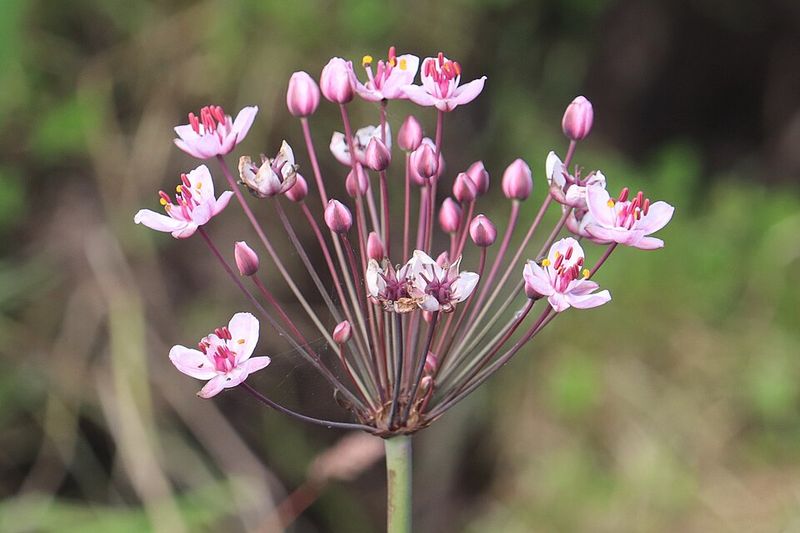
Walking along a Michigan shoreline in late spring, it is easy to pause and admire a plant with soft pink blooms rising above the water’s edge.
Flowering rush, known scientifically as Butomus umbellatus, can look like a graceful ornamental addition to a backyard pond or lakefront property.
That appealing appearance is exactly what makes it easy to overlook as a concern.
This plant grows in shallow water, wet soil, and along stream banks, which are spots that are common on many Michigan properties near lakes, rivers, or drainage areas. Its long, narrow leaves stand upright and can reach several feet in height.
The flower clusters appear in rounded, umbrella-like groups of pink to rose-colored blooms that draw genuine admiration.
In Michigan, flowering rush is a restricted species, meaning it is established in the state and raises concerns about its spread into natural waterways.
Once it takes hold in a wetland or lakeshore area, it can form dense patches that crowd out native aquatic and shoreline plants.
Waterfowl habitat and native vegetation can both feel the effects of this shift over time.
Before adding any new plants near your Michigan water feature or shoreline, scanning for flowering rush first is a worthwhile step.
If you spot it growing along your property edge, reaching out to a local extension office for guidance on responsible management is a reasonable starting point rather than attempting removal on your own near regulated waterways.
2. Autumn Olive Forms Silvery Growth Along Edges
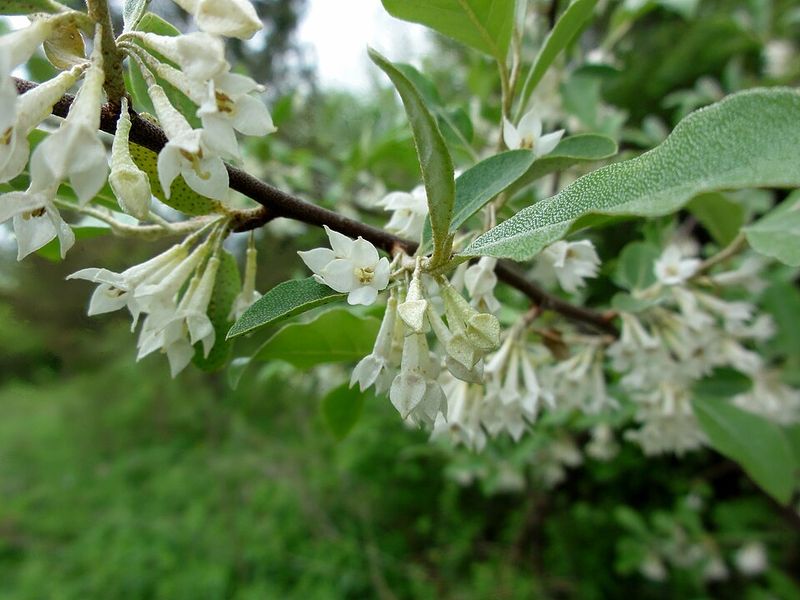
Scan the edge of a Michigan field, fence line, or abandoned lot in spring, and you may spot a shrub pushing out small, silvery-green leaves earlier than most of its neighbors.
Autumn olive, or Elaeagnus umbellata, tends to leaf out ahead of native shrubs, which gives it a head start on the growing season and makes it one of the more recognizable plants along Michigan property edges once you know what to look for.
Your Michigan Garden Changes Every Week. Your Plan Should Too.
Gardening in Michigan changes quickly throughout the season. Every Friday you’ll receive a simple weekly plan showing exactly what to plant, prune, fertilize, harvest, and protect so you never miss the right timing.
The leaves have a distinctive silvery or speckled underside that catches light in a way that feels almost decorative. Small, creamy-yellow flowers appear in spring and carry a noticeable fragrance.
By late summer, the shrub produces clusters of small red berries that birds find attractive, which unfortunately helps spread the seeds widely across Michigan landscapes.
Autumn olive is a restricted species in Michigan.
It was once promoted for wildlife habitat and erosion control, but its ability to fix nitrogen in the soil gives it a competitive edge over native plants, allowing it to spread aggressively into open fields, roadsides, and woodland edges.
If you have a shrub along your property edge that fits this description, taking a photo and checking it against Michigan invasive species resources before spring planting is a smart move.
Replacing autumn olive with native shrubs like serviceberry or native viburnums can support local birds and pollinators in a way that works better for the broader Michigan landscape.
3. Purple Loosestrife Brings Bright Spikes To Wet Areas
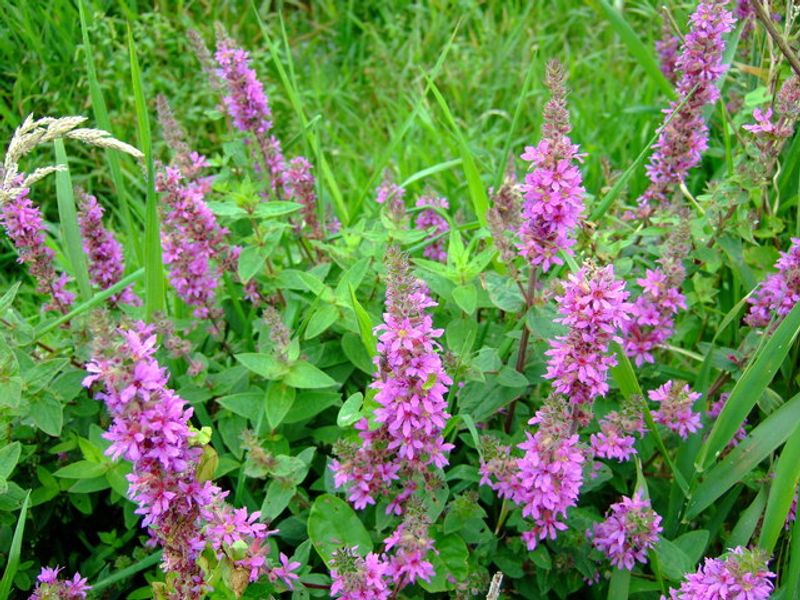
Few plants make as dramatic a visual impression in a Michigan wetland as purple loosestrife in full bloom.
The tall magenta or rose-purple flower spikes rise above marshy areas, roadside ditches, and pond edges in summer with a kind of confident boldness that once made this plant a popular ornamental choice.
That striking color is now one of the clearest warning signs to watch for near wet areas on your Michigan property.
Purple loosestrife, or Lythrum salicaria, is a perennial that returns each year from an established root system. In spring, new growth emerges as reddish-green shoots from the base, which can help with early identification before the blooms appear.
The stems are square in cross-section, and the leaves are lance-shaped and arranged in pairs or whorls.
In Michigan, this plant is restricted due to its well-documented ability to spread across wetland areas and crowd out native vegetation like cattails and sedges.
Dense stands reduce the habitat value of wetlands for native wildlife and can change the hydrology of low-lying areas over time.
A single mature plant can produce an enormous number of seeds in one season.
Gardeners with wet spots, rain gardens, or shoreline areas should scan for purple loosestrife before adding new plants this spring.
Native wetland alternatives like blue flag iris, swamp milkweed, or Joe-Pye weed offer color and ecological value without the spread concerns that make loosestrife a regulated plant in Michigan.
4. Eurasian Watermilfoil Creates Dense Growth In Water
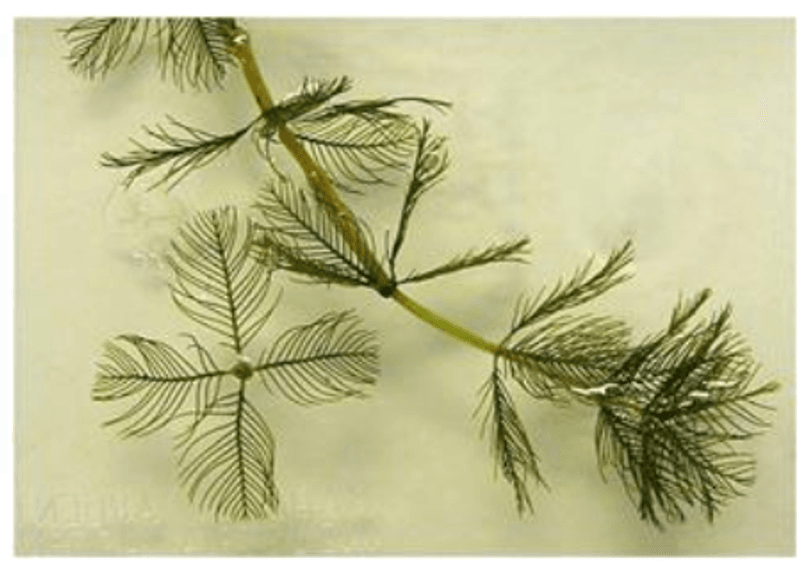
Peering into a Michigan lake or pond in late spring, you might notice feathery green stems rising from the bottom and spreading out just below the surface in thick, tangled layers.
Eurasian watermilfoil, or Myriophyllum spicatum, is an aquatic plant that thrives in the calm, nutrient-rich waters found in many Michigan inland lakes and slow-moving waterways.
Its growth pattern can shift the character of a water body noticeably within a few seasons.
The plant has finely divided, feathery leaves arranged in whorls around the stem, giving it a soft, almost delicate appearance underwater. In summer, small reddish flower spikes extend just above the water surface.
Fragments of the plant can break off and take root elsewhere, which is one reason it spreads readily through lakes connected by boat traffic or water flow.
For Michigan homeowners with lakefront or pond-adjacent properties, spring is a good time to observe what is growing in the water before launching boats, installing docks, or adding aquatic plantings.
Eurasian watermilfoil is a restricted species in Michigan, and dense mats can interfere with swimming, boating, and the natural habitat that native aquatic plants and fish rely on.
Removing aquatic plants in Michigan waterways requires following state guidelines, so connecting with EGLE or a local lake association before taking action is a practical first step.
Choosing native aquatic plants for any water garden or shoreline restoration project helps support the balance that Michigan lakes depend on through every season.
5. Phragmites Forms Tall Stands In Marshy Spots
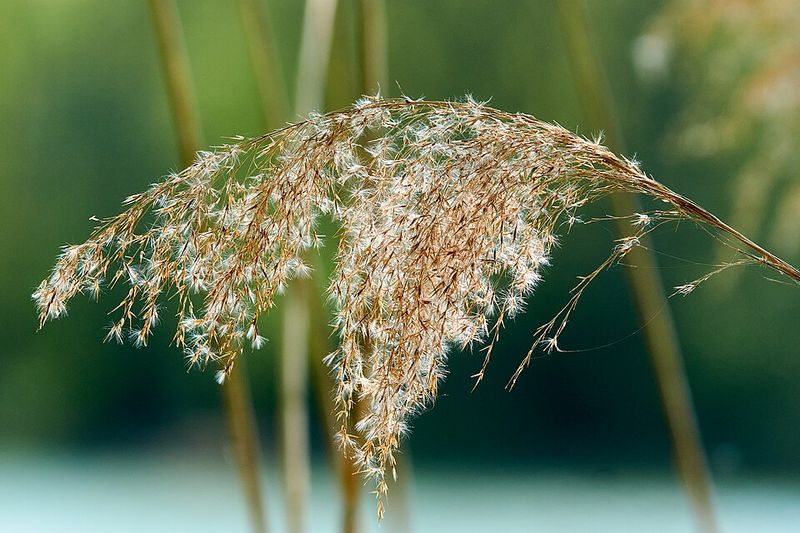
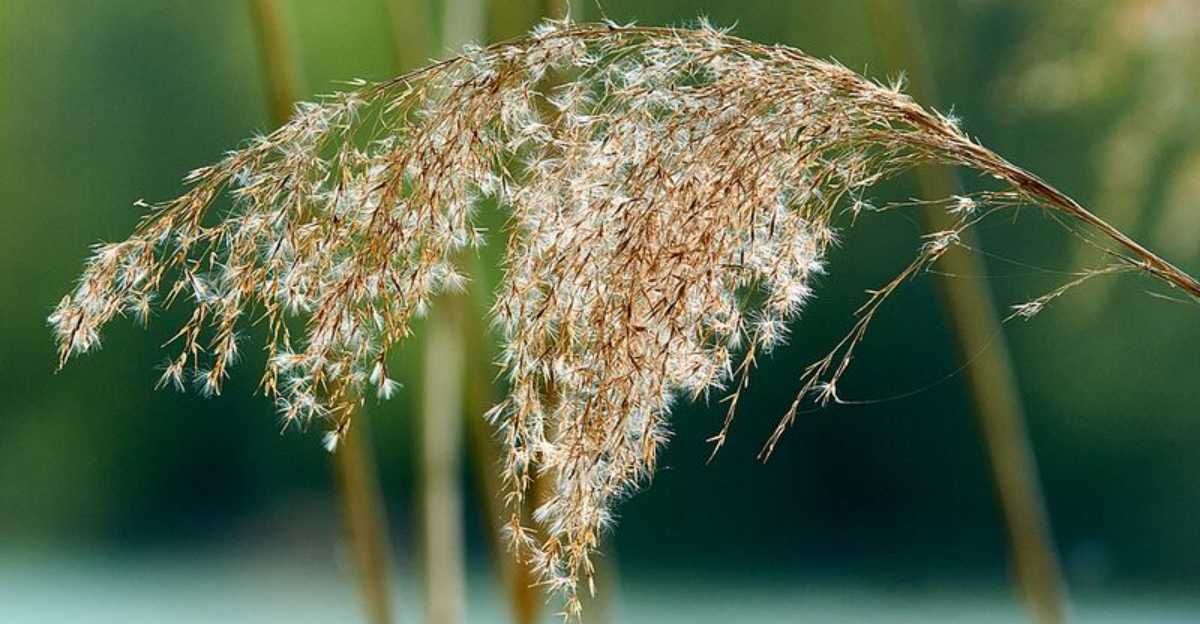
There is something visually dramatic about a stand of Phragmites rising along a Michigan marsh or roadside ditch, the tall brown plumes swaying above a dense wall of thick stems that can reach well over ten feet.
This common reed, Phragmites australis, is one of the most recognizable plants in Michigan wetlands, and it has become one of the most closely watched as well.
Non-native Phragmites spreads aggressively through rhizomes underground and can take over large areas of wetland edge, lakeshore, and drainage corridor in a relatively short time.
In spring, new green shoots push up from the base while the previous season’s dry stems still stand tall, creating a layered look that signals an established and expanding colony.
The leaves are long, flat, and blue-green, and the stems are noticeably stiff.
Michigan has made significant efforts to address non-native Phragmites in coastal and inland wetland areas.
It is a restricted species in the state, and its spread is linked to reduced habitat quality for native birds, amphibians, and plants that depend on open, diverse wetland structure.
Dense stands also increase the risk of fire along dry road margins in summer and fall.
If you have a low-lying or wet area on your Michigan property and notice tall reed growth emerging in spring, documenting the location and checking with a local conservation district or extension office is a useful starting point.
Managing established Phragmites typically requires a coordinated, multi-season approach rather than a single removal effort.
6. Curly Leaf Pondweed Appears Early In Spring Water
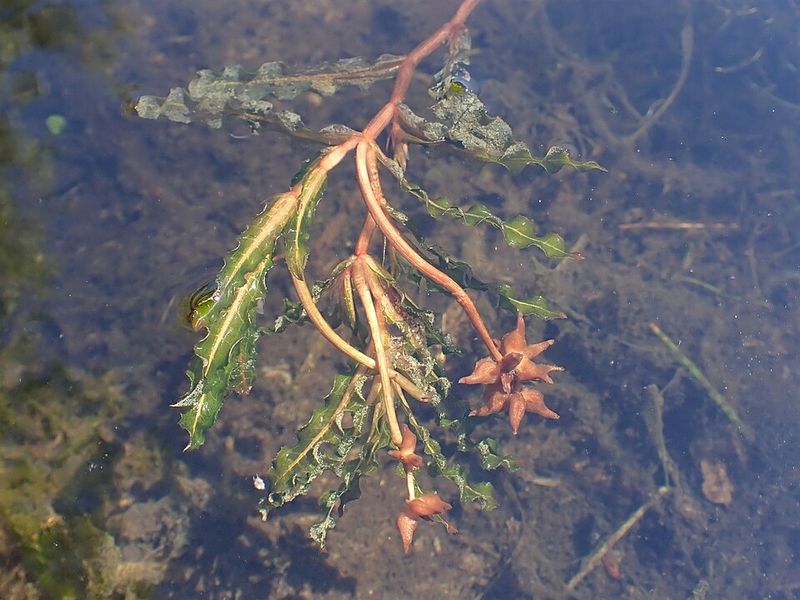
One of the earliest signs of aquatic plant activity in Michigan lakes and ponds each spring is the appearance of curly leaf pondweed, Potamogeton crispus, which begins growing in late winter or early spring when water temperatures are still cold.
That early start sets it apart from most native aquatic plants and gives it a notable advantage in shallow Michigan water bodies.
The leaves are distinctive, with a wavy or crinkled edge that gives the plant its name. They tend to be somewhat translucent, with a reddish-green or olive color that can be visible from the surface in clear, shallow water.
The plant produces small, turion-like reproductive structures in late spring that sink and persist in the sediment, ready to sprout again the following season.
Curly leaf pondweed is a restricted species in Michigan because its dense early-season growth can shade out native aquatic plants before they have a chance to establish.
As summer warms the water, the plant tends to decline and decompose, which can contribute to nutrient loading and algae issues in some Michigan lakes.
For homeowners with ponds, water features, or lakefront property, noticing this plant in early spring before adding any aquatic plantings is a practical habit to develop.
Keeping boats and equipment clean when moving between Michigan water bodies also helps slow the spread of curly leaf pondweed and other aquatic invasives to new locations across the state.