9 Root Crops Oregon Gardeners Can Plant Even In Cold March Soil
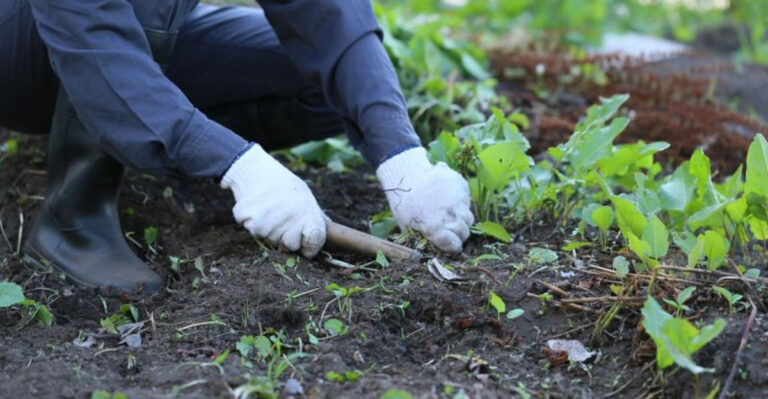
That moment when you’re staring at your garden beds, seed packets in hand, wondering if it’s still too early to plant. The soil feels cold, the mornings are frosty, and spring seems like it’s taking its time showing up.
Here’s the surprising part. Some vegetables are perfectly happy getting started while the soil is still chilly.
In fact, a few crops actually prefer it and can get growing long before many other plants are ready for the garden.
Root crops are the quiet champions of early planting. While tender plants wait for warmer days, these tough growers get busy underground where conditions stay a bit more stable.
They sprout, settle in, and start developing long before the rest of the garden wakes up.
So if you’re eager to plant something now and finally scratch that gardening itch, there are a few reliable crops that won’t mind the cold one bit.
1. Carrots
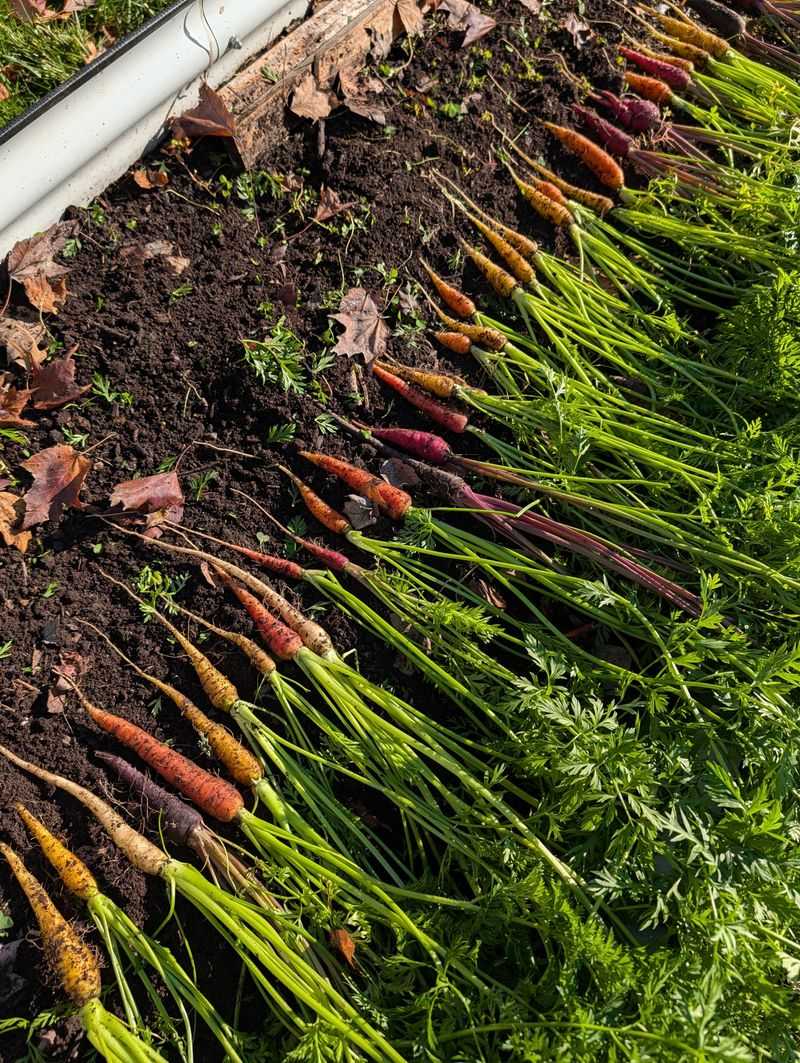
Few vegetables reward patient gardeners quite like a crunchy, sweet carrot pulled straight from the ground. In Oregon, March is a surprisingly good time to get carrot seeds in the soil.
The cool, moist conditions slow down moisture loss and help seeds stay hydrated while they sprout.
Varieties like Royal Chantenay and Scarlet Nantes are especially popular with Oregon gardeners because they handle cool soil really well. Chantenay types are shorter and chunkier, which makes them great for heavier or clay-rich soils.
Nantes types grow smoother and sweeter, perfect for raised beds or well-amended garden plots.
Carrots need loose, deep, rock-free soil to grow straight and strong. Before planting, loosen the soil at least 12 inches deep and mix in some compost.
Sow seeds about a quarter inch deep and keep them consistently moist until they sprout, which can take up to three weeks in cold March soil. Thin seedlings to about two inches apart once they reach an inch tall.
Skipping thinning leads to crowded, twisted roots. Oregon gardeners who prep their soil well in March are usually rewarded with a beautiful summer carrot harvest.
2. Radishes
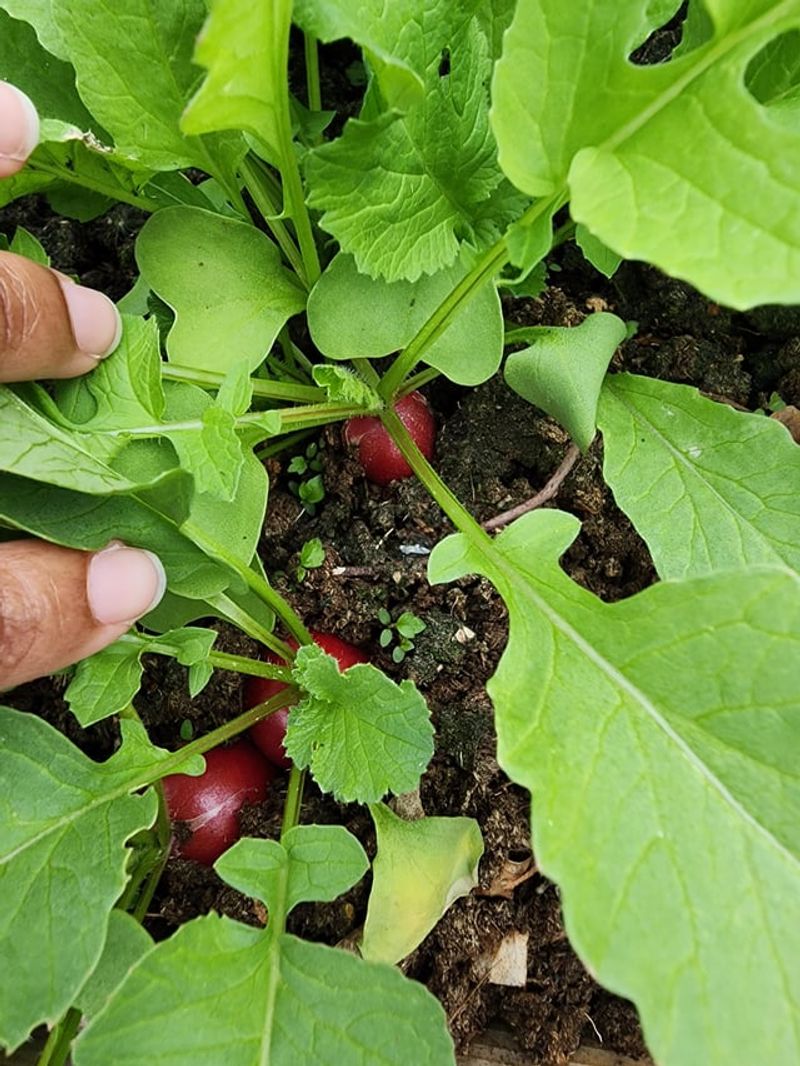
Radishes are probably the fastest reward you can get from a garden. Plant them in March in Oregon and you could be pulling crisp, spicy roots in as little as 25 to 30 days.
That quick turnaround makes them a favorite for gardeners who want early results without a long wait.
Cool soil is actually where radishes shine the most. Warm temperatures cause them to bolt, meaning they rush to flower and seed instead of forming plump, tasty roots.
Oregon’s cool March weather keeps that from happening, giving roots plenty of time to develop fully before temperatures climb.
Sow radish seeds about half an inch deep and one inch apart in rows or scattered across a wide bed. They do not need much space, so you can tuck them between slower-growing crops like carrots or beets.
Water regularly but avoid soaking the soil, since too much moisture can cause the roots to crack. Cherry Belle and French Breakfast are two varieties that perform especially well in Oregon’s spring conditions.
Radishes are also great for loosening compact soil as they push through the ground, making them a helpful neighbor to other root crops planted nearby.
3. Beets
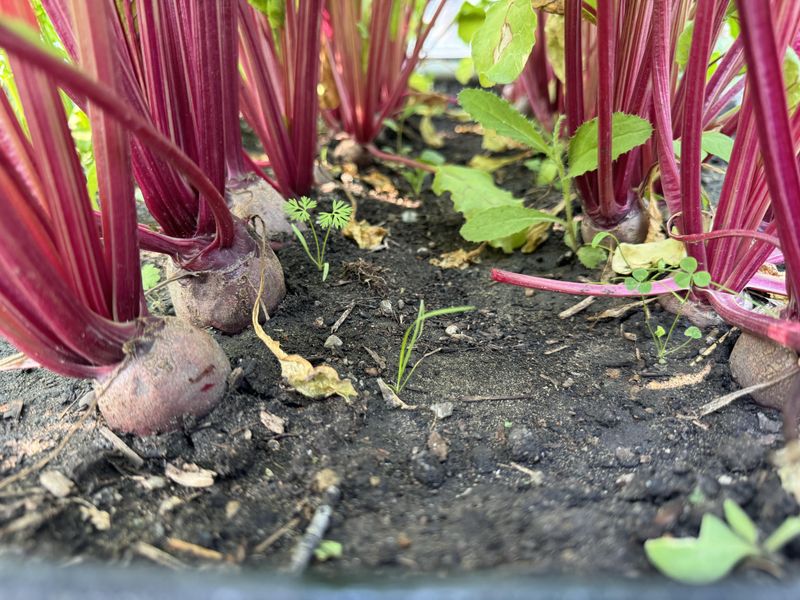
Beets are workhorses of the early spring garden. Not only do the roots taste amazing roasted or pickled, but the leafy greens are also completely edible and packed with nutrients.
Oregon gardeners get double the value from every seed they plant.
Varieties like Cylindra and Forono are especially well-suited for Oregon gardens. These elongated beet types produce roots that can reach six to eight inches long, making them easier to slice and store than round varieties.
They also tend to hold up well in Oregon’s wet spring conditions without rotting at the crown.
Beet seeds are actually seed clusters, meaning one seed can sprout two or three plants at once. Once seedlings are about two inches tall, thin them to three to four inches apart so each root has room to swell properly.
Plant seeds about half an inch deep in loose, well-drained soil with plenty of organic matter mixed in. Keep the soil evenly moist but not soggy.
Beets are cold-hardy enough to handle a light frost, which makes them a solid choice for Oregon’s unpredictable March weather. With a little patience, expect to harvest full-sized roots in about 55 to 70 days after planting.
4. Turnips
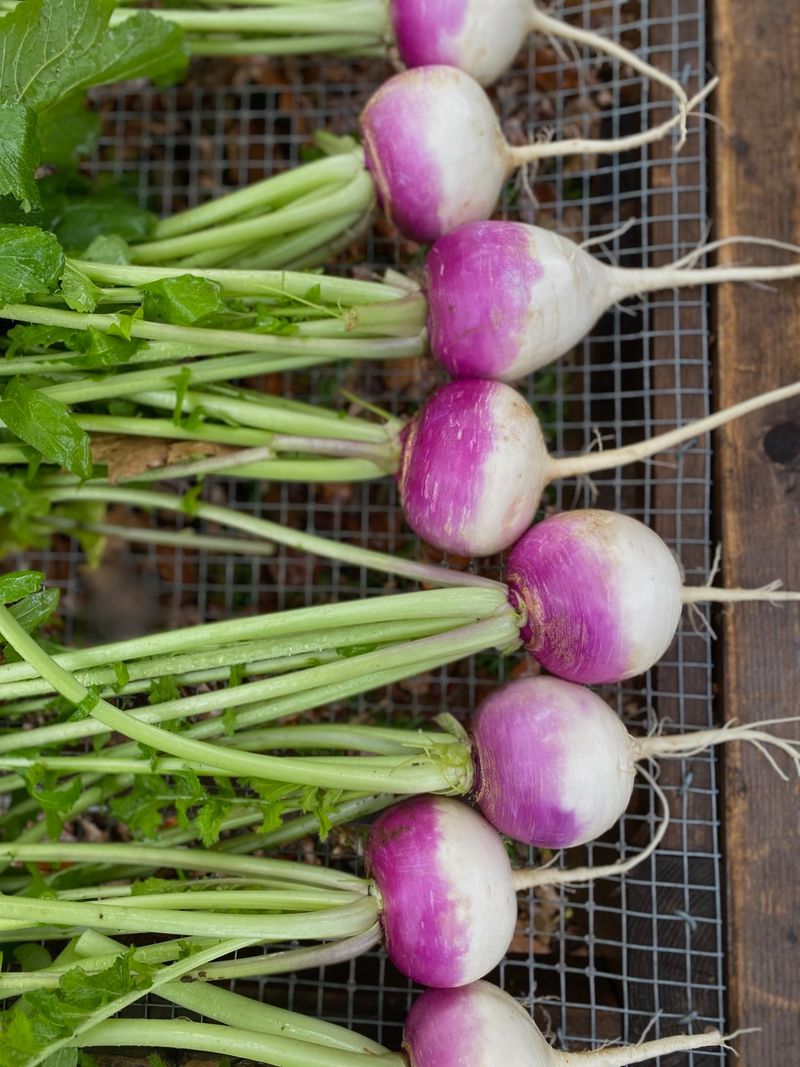
Turnips have been feeding people through cold seasons for thousands of years, and they are just as reliable today. Hardy and fast-growing, they are one of the easiest root crops to establish in Oregon’s cool March soil.
Gardeners who overlook turnips are missing out on a truly low-maintenance vegetable.
Like beets, turnips give you two crops in one. The roots are mild and slightly sweet when harvested young, and the leafy greens, called turnip tops or turnip greens, are delicious sauteed with a little garlic and olive oil.
Harvesting greens early also gives the roots more energy to keep growing.
Sow turnip seeds directly into the garden about a quarter to half an inch deep. Space seeds two to three inches apart, then thin to about four to six inches once plants are established.
Turnips prefer loose, slightly sandy soil that drains well. Heavy clay soils in parts of Oregon can cause misshapen roots, so adding compost or coarse sand helps a lot.
Most turnip varieties are ready to harvest in about 45 to 60 days. Pull them when roots are about two to three inches across for the best flavor.
Leaving them too long in the ground makes them woody and bitter.
5. Parsnips
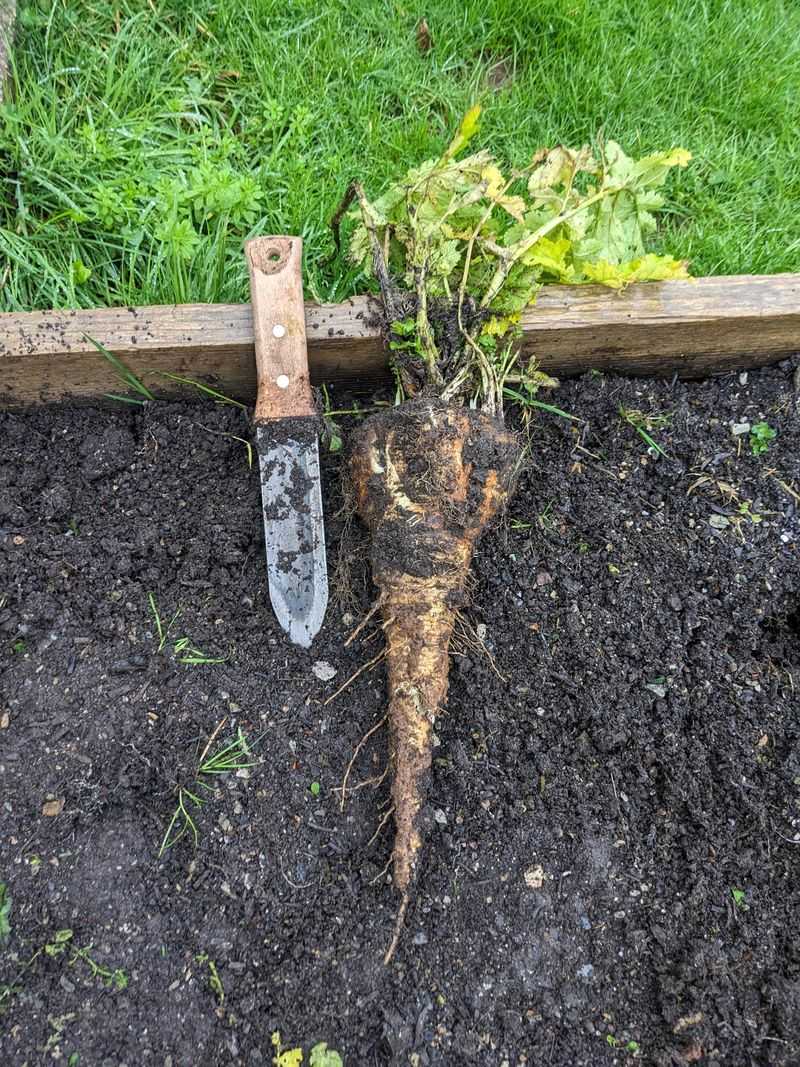
Parsnips are the quiet overachievers of the root vegetable world. They look a lot like white carrots but taste completely different, with a nutty, slightly sweet flavor that gets even better after a frost.
Oregon’s cold March soil is actually ideal for getting parsnip seeds to germinate, since they need cool, moist conditions to wake up properly.
One thing to know upfront is that parsnips are slow. They can take 14 to 21 days just to sprout and around 120 days to reach full size.
Planting them in March in Oregon gives them the long growing season they need to develop fully before fall arrives.
Parsnip seeds lose viability quickly, so always start with fresh seeds each year. Sow them about half an inch deep in deeply loosened soil, at least 12 to 15 inches down, since parsnip roots can grow quite long.
Thin seedlings to about three to four inches apart once they emerge. Keep soil consistently moist during germination because letting it dry out can stop sprouting altogether.
Oregon gardeners in the Willamette Valley especially love parsnips because the mild, long growing season there suits them perfectly. Roasted parsnips with olive oil and herbs are a fall favorite worth every bit of the wait.
6. Rutabagas
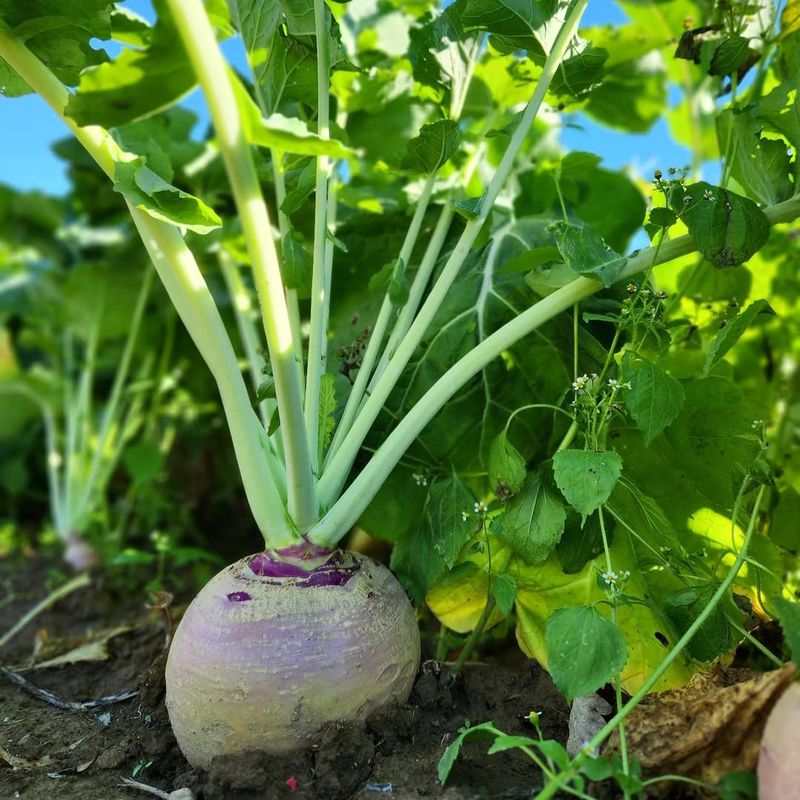
Rutabagas are beets and turnips rolled into one big, satisfying package. They are larger, denser, and sweeter than turnips, with a rich flavor that really shines in soups, stews, and roasted vegetable dishes.
Oregon gardeners who try rutabagas for the first time are often surprised by how much they enjoy them.
Planting rutabagas in March works well in Oregon because they need a long, cool growing season of about 90 to 100 days. Starting them early gives them plenty of time to bulk up before warm summer weather sets in.
They actually taste better when they experience some cool or frosty weather near harvest time, which happens naturally in Oregon’s fall.
Sow seeds directly into the garden about half an inch deep and two to three inches apart. Once seedlings are a few inches tall, thin them to about eight inches apart so the large roots have room to expand.
Rutabagas grow best in loose, fertile soil with good drainage. Adding aged compost before planting makes a big difference in root size and quality.
Keep soil evenly moist throughout the season. American Purple Top is a classic variety that Oregon gardeners have grown for generations and still remains one of the most dependable choices available today.
7. Potatoes
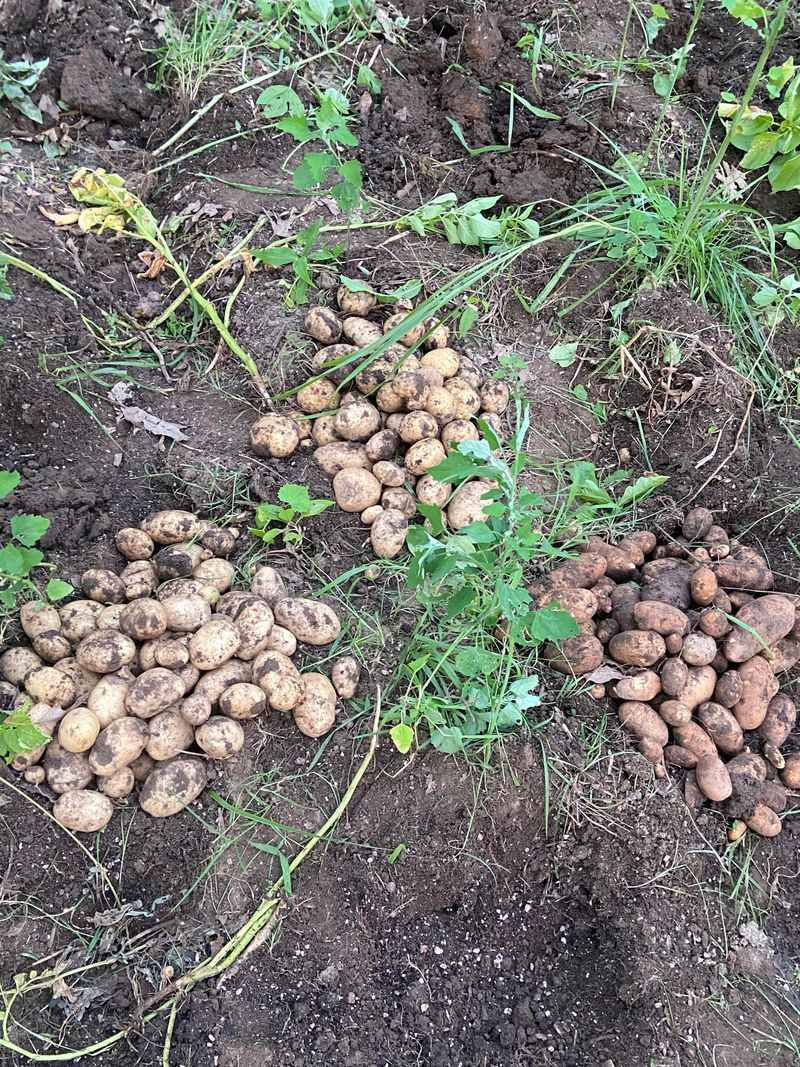
Potatoes are one of the most satisfying crops any Oregon gardener can grow. There is something almost magical about digging through the soil at harvest time and pulling up a pile of golden, creamy, or purple tubers.
March is the right time to get started, especially in western Oregon where soil temperatures begin to rise just enough for early planting.
You do not plant potato seeds the way you plant most vegetables. Instead, you plant pieces of potato called seed potatoes, each containing at least one or two eyes, which are the little sprout buds.
Cut larger seed potatoes into chunks and let the cut sides dry for a day or two before planting to reduce the chance of rotting in cold soil.
Plant seed potato pieces about four inches deep and 12 inches apart in rows spaced about two to three feet apart. As plants grow, mound soil up around the stems, a process called hilling, which encourages more tubers to form.
Yukon Gold and Red Pontiac are two varieties that do especially well in Oregon’s cool spring conditions. Keep soil consistently moist but not waterlogged.
Most potato varieties are ready to harvest in 70 to 120 days, depending on whether you prefer small new potatoes or full-sized ones.
8. Garlic
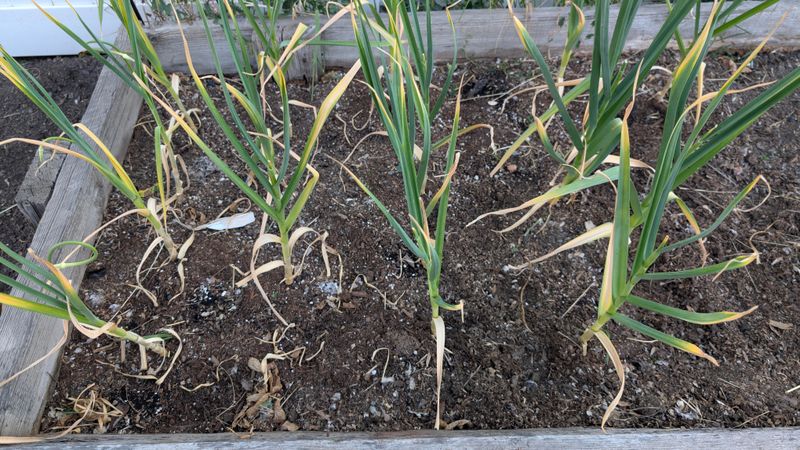
Technically, garlic is often planted in fall, but Oregon gardeners can also get great results planting it in March, especially in colder regions of the state where fall planting is trickier. Spring-planted garlic produces smaller bulbs than fall-planted, but it still delivers plenty of flavor and is absolutely worth growing.
Garlic loves well-drained, fertile soil with plenty of organic matter. Break apart a garlic bulb into individual cloves just before planting.
Each clove becomes one full bulb by harvest time. Plant cloves about two inches deep with the pointed tip facing up, spacing them about six inches apart in rows eight to ten inches apart.
Mulching around garlic plants with straw or wood chips helps retain moisture and keeps weeds down, which is especially helpful in Oregon’s wet spring months when weeds can take over fast. Water regularly but make sure the soil does not stay soggy.
Stop watering when the lower leaves start turning yellow, which signals that bulbs are nearly ready. Hardneck varieties like Chesnok Red and German Red tend to perform well in Oregon’s climate.
Harvest garlic when about half the leaves have turned brown, then cure bulbs in a dry, shaded spot for several weeks before storing.
9. Onions
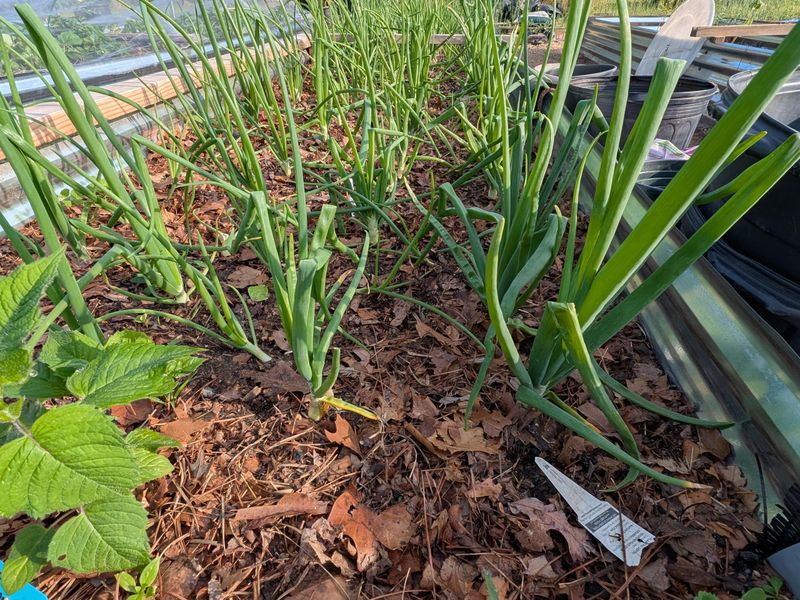
Onions are a garden staple that Oregon cooks rely on all year long. Starting them in March gives bulbs a long, cool growing season to develop fully before summer arrives.
Oregon’s mild, moist spring climate is actually one of the better environments in the entire Pacific Northwest for growing large, flavorful onion bulbs.
You can grow onions from seeds, sets, or transplants. Sets are small dry bulbs that are the easiest and fastest option for most home gardeners.
Transplants started indoors about eight to ten weeks before planting are another popular choice. Both methods work well when planted in March in Oregon’s garden beds.
Plant sets or transplants about one inch deep and four to six inches apart in rows spaced about 12 inches apart. Onions are heavy feeders, so work in a balanced fertilizer or plenty of compost before planting.
Keep soil consistently moist, especially during bulb formation in early summer. Day length plays a big role in onion bulb development.
Oregon sits in a long-day zone, so choose long-day varieties like Walla Walla Sweet or Yellow Granex for the best results. Harvest when tops fall over naturally and start to dry out.
Cure onions in a warm, airy space for two to three weeks before storing them in a cool, dry location.