9 Rosemary Uses Georgia Gardeners Should Know For 2026

Rosemary has always been a kitchen staple, but Georgia gardeners are finding new ways to put this woody herb to work heading into 2026.
In a warm climate where rosemary thrives year-round, its usefulness extends far beyond flavor.
From natural pest control to household uses and wellness traditions, rosemary proves itself indispensable.
It’s drought-tolerant, evergreen, and resilient—everything Georgia gardeners appreciate in a plant.
Those who grow rosemary often discover its value grows with time.
Once you start using it intentionally, rosemary becomes less of an herb and more of a lifestyle plant.
1. Natural Pest Deterrent For Vegetable Gardens

Planting rosemary near your vegetable beds creates a natural barrier against unwanted insects that might otherwise feast on your precious crops.
The strong aromatic oils released by rosemary leaves confuse and repel many common garden pests, including cabbage moths, carrot flies, and bean beetles.
Georgia gardeners have discovered that positioning rosemary plants at the corners of raised beds or interspersing them throughout vegetable rows provides excellent protection without harsh chemicals.
The fragrance works continuously, day and night, creating an invisible shield that keeps your vegetables safer.
This method proves especially valuable for organic gardeners who want to avoid synthetic pesticides while maintaining healthy, productive gardens.
Beyond pest control, rosemary attracts beneficial pollinators like bees and butterflies when it blooms, adding another layer of garden support.
Your tomatoes, peppers, and squash will benefit from having rosemary nearby, and you’ll enjoy watching fewer pest problems develop throughout the growing season.
The best part is that rosemary requires minimal maintenance once established, making it a set-it-and-forget-it solution for pest management.
Position plants where they’ll receive full sun and good drainage for optimal pest-repelling performance.
This companion planting strategy has been tested by generations of gardeners and continues to prove its worth in modern Georgia gardens.
2. Culinary Herb For Fresh Southern Cooking
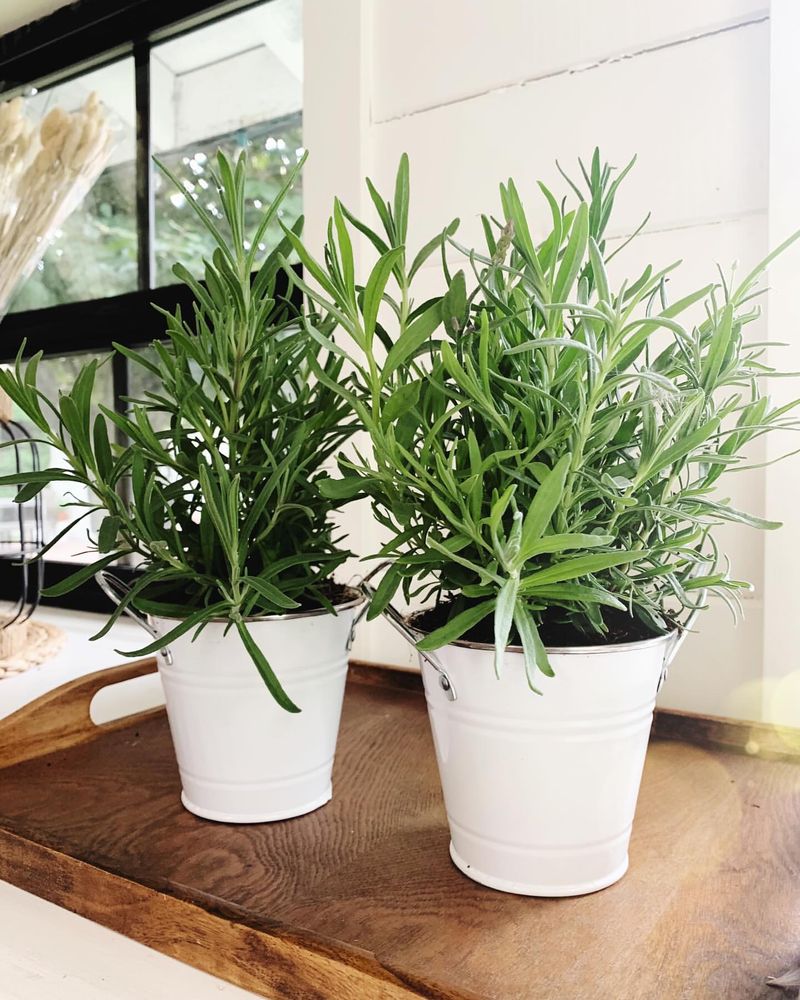
Fresh rosemary transforms ordinary meals into extraordinary culinary experiences, bringing bold, pine-like flavors that complement countless Southern dishes.
Georgia cooks treasure having rosemary growing just steps from their kitchen doors, ready to snip whenever recipes call for this aromatic herb.
The needle-like leaves pack intense flavor, so a little goes a long way in seasoning roasted chicken, grilled vegetables, or homemade bread.
Southern barbecue enthusiasts have discovered that tossing rosemary branches directly onto hot coals infuses meats with subtle, smoky herbal notes that guests always notice.
Fresh rosemary also elevates simple side dishes like roasted potatoes, turning them into memorable accompaniments that family members request repeatedly.
Unlike dried herbs that lose potency over time, living rosemary plants provide consistently fresh, flavorful leaves throughout the year in Georgia’s climate.
Many gardeners keep multiple plants to ensure they never run short during peak cooking seasons.
The herb pairs beautifully with lemon, garlic, and olive oil, creating classic flavor combinations that work across breakfast, lunch, and dinner menus.
Growing your own rosemary saves money compared to purchasing expensive fresh herbs from grocery stores.
Plus, homegrown rosemary tastes noticeably fresher and more vibrant than anything you’ll find in plastic packages at the supermarket.
3. Drought-Tolerant Landscaping Solution

Georgia summers can test even the hardiest plants, but rosemary thrives with minimal water once its roots establish themselves in your landscape.
This Mediterranean native evolved in dry climates, making it perfectly suited for water-wise gardening approaches that save both resources and effort.
Landscape designers increasingly recommend rosemary as a foundational plant for Georgia gardens facing water restrictions or naturally dry conditions.
The evergreen foliage maintains its appearance year-round, providing consistent visual interest even during winter months when many other plants look sparse.
Rosemary works beautifully as a low hedge, border plant, or specimen feature, offering versatility that few other drought-tolerant plants can match.
Its upright or trailing growth habits, depending on the variety, allow creative landscaping applications from formal gardens to casual cottage designs.
During establishment, water regularly, but after the first growing season, rosemary typically needs supplemental irrigation only during extended dry spells.
This independence from constant watering makes rosemary ideal for busy gardeners who want beautiful landscapes without demanding maintenance schedules.
The silvery-green foliage contrasts nicely with darker green plants, creating visual depth and dimension in garden beds.
By choosing rosemary for your landscape, you’re investing in a plant that delivers beauty, fragrance, and practicality while respecting our precious water resources.
4. Pollinator-Friendly Blooming Plant
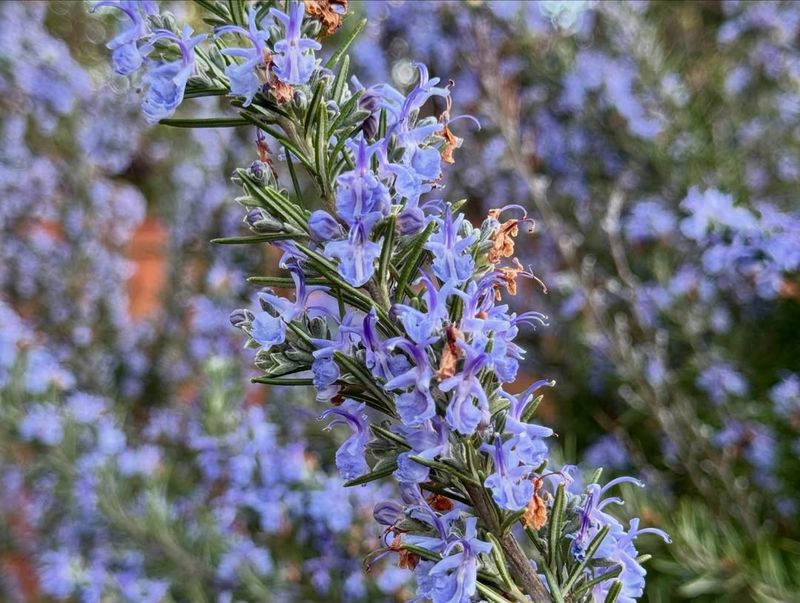
When rosemary bursts into bloom, typically in late winter through early spring in Georgia, it becomes a magnet for hungry pollinators emerging from dormancy.
The delicate blue, purple, or white flowers appear in clusters along the stems, creating a stunning display that signals the changing seasons.
Bees particularly love rosemary blossoms, visiting them repeatedly throughout the day to gather nectar and pollen for their hives.
Butterflies and beneficial insects also frequent blooming rosemary, making your garden a hub of helpful activity that supports the broader ecosystem.
Georgia gardeners concerned about declining pollinator populations can make a real difference by including rosemary in their planting schemes.
The early blooming period proves especially valuable because few other plants offer substantial nectar sources during late winter and early spring.
This timing helps sustain pollinator populations during a critical transition period when food sources remain scarce.
Watching bees work rosemary flowers provides endless entertainment and reminds us of the interconnected relationships that make gardens thrive.
The flowers themselves add ornamental value, softening the herb’s otherwise utilitarian appearance with delicate color and texture.
After blooming finishes, simply trim back spent flower stems to encourage bushier growth and potentially trigger additional blooming cycles later in the season.
5. Homemade Natural Cleaning Products
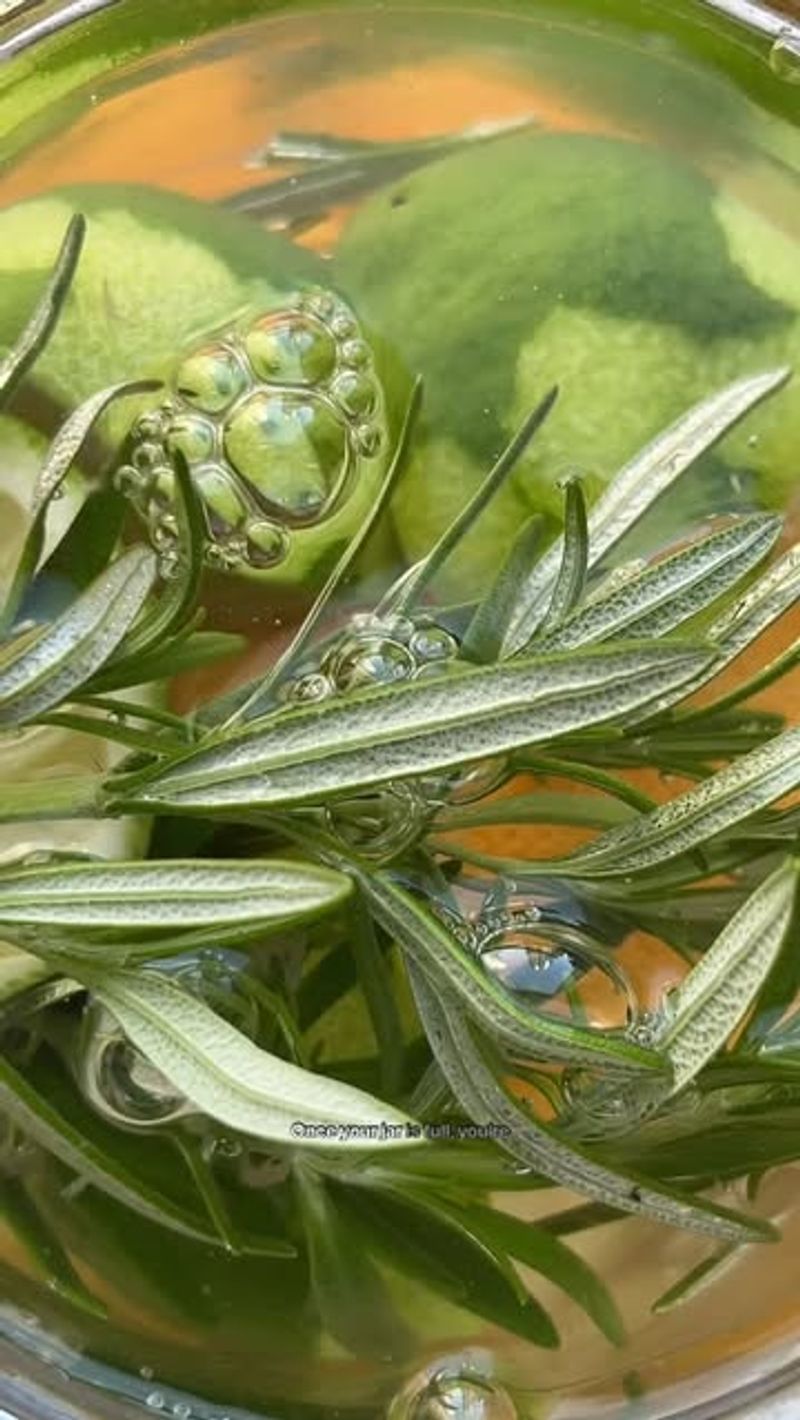
Rosemary’s antibacterial and antifungal properties make it an excellent ingredient for creating effective, chemical-free cleaning solutions at home.
Georgia gardeners who grow abundant rosemary often discover that the herb’s usefulness extends well beyond the kitchen into household maintenance.
Creating rosemary-infused vinegar cleaner requires nothing more than steeping fresh rosemary sprigs in white vinegar for several weeks.
The resulting solution cuts through grease, eliminates odors, and leaves surfaces sparkling clean while filling your home with a fresh, herbal scent.
This approach allows you to avoid harsh commercial cleaners that may contain ingredients harmful to children, pets, or the environment.
Many people find that rosemary cleaners work just as effectively as store-bought products while costing a fraction of the price.
The natural antibacterial action helps sanitize kitchen counters, bathroom surfaces, and other high-touch areas throughout your home.
You can also add rosemary essential oil to homemade laundry detergent, dish soap, or all-purpose spray formulations for enhanced cleaning power.
Friends and family members often appreciate receiving homemade rosemary cleaning products as thoughtful, practical gifts that show you care about their health.
Growing your own rosemary specifically for household cleaning projects ensures you always have fresh material available whenever you need to mix up a new batch.
6. Aromatic Pathway Border Planting

Positioning rosemary along walkways and garden paths creates an interactive sensory experience that delights visitors and residents alike.
As people brush past the plants while walking, their clothing releases the herb’s signature fragrance into the air, creating moments of unexpected pleasure.
This design technique, borrowed from traditional Mediterranean gardens, works exceptionally well in Georgia landscapes where outdoor living spaces receive heavy use.
The sturdy, woody stems of mature rosemary plants withstand occasional contact without sustaining damage, making them more suitable for pathway borders than delicate flowers.
Georgia’s warm climate allows rosemary to maintain its foliage year-round, ensuring your pathways look finished and intentional even during winter months.
The evergreen nature eliminates the bare-ground appearance that deciduous border plants create when they lose leaves seasonally.
Rosemary’s upright growth habit naturally contains itself within designated spaces, requiring less frequent trimming than many traditional border plants.
Evening walks become particularly enjoyable when the day’s warmth has intensified the aromatic oils in rosemary foliage, filling the air with herbal perfume.
This planting strategy works equally well for formal garden designs and casual, cottage-style landscapes, demonstrating rosemary’s remarkable versatility.
Consider spacing plants about eighteen inches apart along pathways to create a full, cohesive border that matures into a seamless green ribbon within two growing seasons.
7. Container Garden Centerpiece

Rosemary adapts beautifully to container life, making it perfect for Georgia gardeners working with limited space or challenging soil conditions.
Patio and balcony gardens benefit tremendously from rosemary’s upright, sculptural form that adds vertical interest to otherwise flat arrangements.
The herb’s evergreen foliage ensures your container displays look attractive throughout all four seasons, never leaving embarrassing bare spots.
Container-grown rosemary can be positioned strategically near outdoor seating areas where its fragrance enhances relaxation and conversation.
Georgia’s mild winters allow rosemary containers to remain outdoors year-round in most regions, though extremely cold snaps may require temporary protection.
Growing rosemary in pots also gives you flexibility to move plants around as sun patterns change or as you redesign your outdoor spaces.
Terra cotta pots work particularly well for rosemary because their porous material allows excess moisture to evaporate, preventing root rot.
The key to successful container rosemary involves using well-draining potting mix and avoiding overwatering, which remains the most common cause of problems.
Larger containers, at least twelve inches in diameter, provide sufficient root space for rosemary to develop into substantial, long-lived specimens.
Regular harvesting keeps container rosemary bushy and compact while providing fresh herbs for your kitchen, creating a perfect circle of productivity and beauty.
8. Natural Hair And Skin Care Ingredient

Rosemary contains compounds that promote healthy hair growth and improve scalp condition, making it a valued ingredient in natural beauty routines.
Georgia gardeners who embrace homemade personal care products find rosemary incredibly useful for creating effective, chemical-free alternatives to commercial products.
A simple rosemary hair rinse, made by steeping fresh sprigs in hot water, can strengthen hair, add shine, and potentially stimulate growth.
The herb’s natural astringent properties help balance oil production on the scalp, benefiting both dry and oily hair types.
Rosemary-infused oils serve as excellent bases for homemade lotions, balms, and massage oils that nourish skin while providing aromatherapy benefits.
The antioxidants in rosemary may help protect skin from environmental damage, though more research continues to explore these potential benefits.
Many people report that rosemary’s invigorating scent helps them feel more alert and focused, making morning showers with rosemary products particularly refreshing.
Creating your own rosemary beauty products allows complete control over ingredients, ensuring you avoid synthetic fragrances, preservatives, and other additives.
The process of harvesting rosemary from your garden and transforming it into personal care items connects you more deeply to the plants you grow.
Friends often express amazement when they learn that beautiful, effective beauty products can be created from a simple herb growing right outside your door.
9. Fragrant Wreath And Craft Material

Rosemary’s sturdy stems and aromatic foliage make it ideal for creating beautiful wreaths, garlands, and other decorative crafts that bring garden freshness indoors.
Georgia gardeners with established rosemary plants can harvest substantial quantities of stems for crafting without harming the plants’ overall health.
Fresh rosemary wreaths release wonderful fragrance for weeks, naturally perfuming entryways and living spaces without artificial air fresheners.
The herb’s symbolic associations with remembrance and friendship make rosemary wreaths particularly meaningful gifts for special occasions and holidays.
Creating wreaths provides an excellent way to use prunings from regular maintenance, transforming what might be waste into something beautiful and functional.
Rosemary’s evergreen nature means you can harvest material year-round, unlike many other wreath materials that remain available only seasonally.
As wreaths dry, they retain their shape and fragrance remarkably well, transitioning from fresh decorations to long-lasting dried arrangements.
Combining rosemary with other garden materials like lavender, sage, or decorative berries creates custom wreaths that reflect your personal style.
Many crafters find that working with fresh rosemary provides therapeutic benefits, as the aromatic oils released during handling promote relaxation and creativity.
Whether adorning your own home or creating gifts for others, rosemary wreaths represent the perfect intersection of gardening, crafting, and sharing the abundance your Georgia garden produces.