11 Safe Actions To Take When A Coyote Visits Your New York Yard And 3 Mistakes That Increase Risk
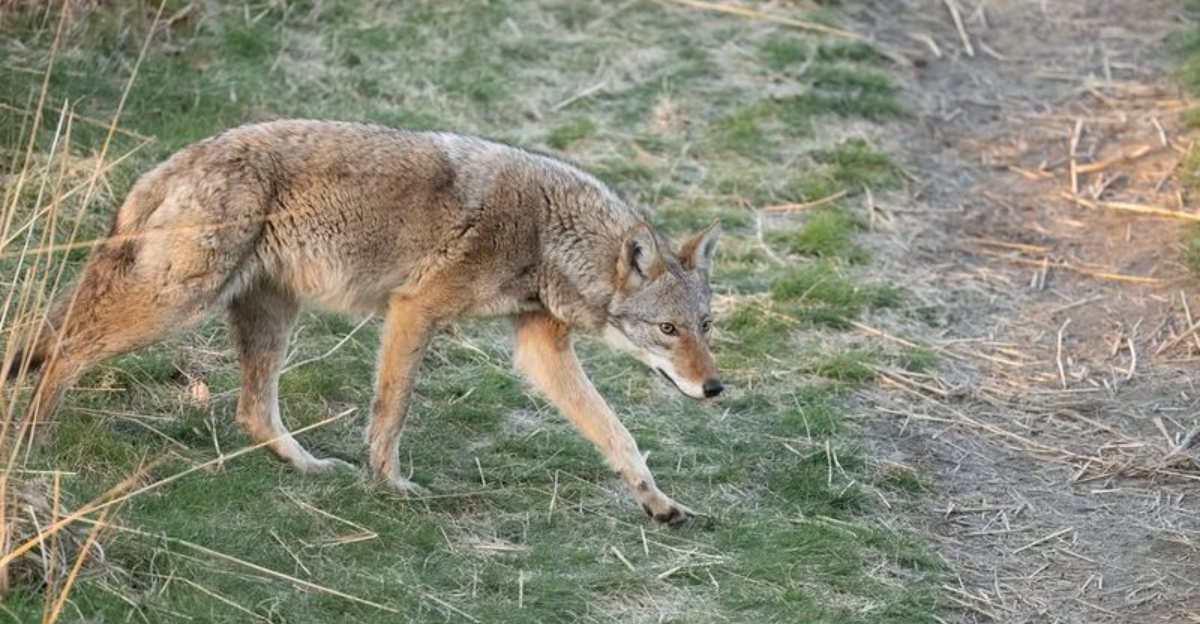
Coyotes have become surprisingly common neighbors in New York, showing up in backyards from Long Island to upstate communities.
Spotting one of these wild canines near your home can feel alarming, but knowing how to respond makes all the difference between a safe encounter and a dangerous situation.
Knowing how to respond—and how to avoid actions that could escalate the situation—when a coyote wanders into your yard is key to keeping your family, pets, and the coyote safe.
Taking proactive steps, like securing pets, removing attractants, and using safe deterrents, can prevent conflicts before they happen.
Being prepared and aware allows you to coexist responsibly with wildlife while minimizing stress and danger for everyone involved.
1. Never Leave Pet Food Or Garbage Outside
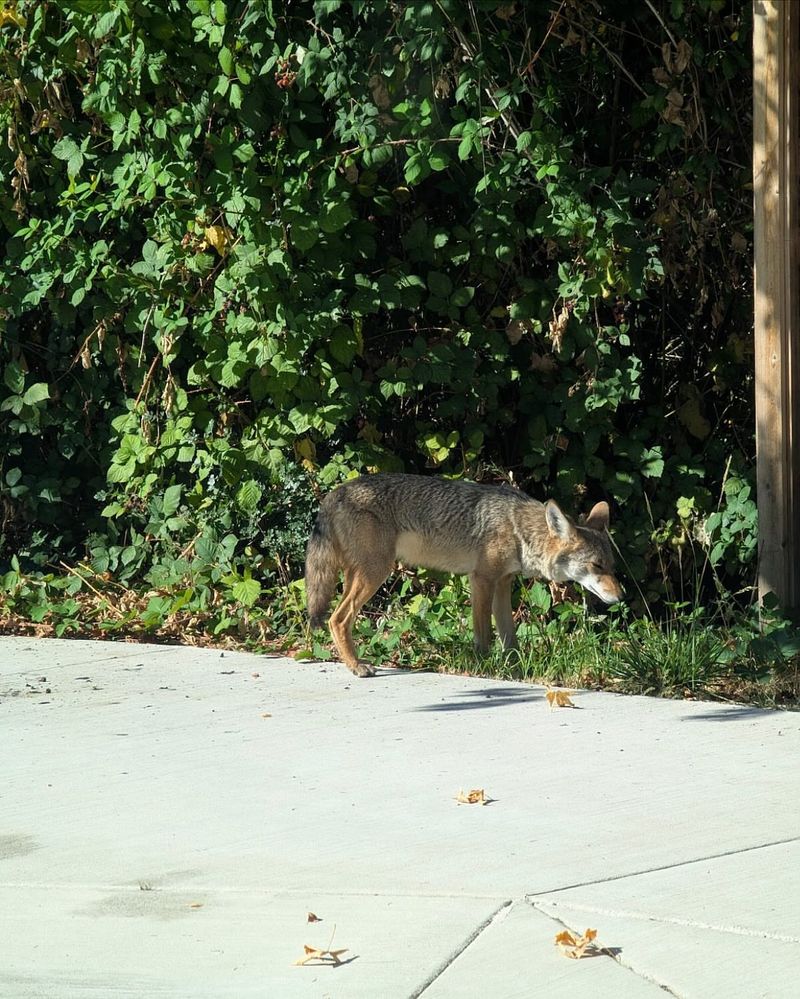
Coyotes possess incredibly sharp noses that can detect food from remarkable distances, turning your yard into an unintentional buffet. Leaving pet food bowls outside overnight is like sending an open invitation to every hungry coyote in the neighborhood.
Even small amounts of kibble left in outdoor dishes can attract these opportunistic feeders. They’ll remember where they found an easy meal and return regularly, establishing your property as part of their feeding routine.
Garbage presents an equally tempting target, especially when bags sit outside waiting for collection day. Coyotes can tear through plastic bags effortlessly, scattering trash across your lawn while rewarding themselves with discarded food scraps.
Store all trash in metal cans with secure, locking lids that coyotes cannot pry open with their paws or snouts. Keep these containers in your garage or a sturdy shed until collection morning rather than leaving them at the curb overnight.
Feed your pets indoors whenever possible, or if outdoor feeding is necessary, remove bowls immediately after your pet finishes eating. Clean up any spilled food around feeding areas promptly.
Bird feeders also deserve attention since seeds that fall to the ground attract rodents, which in turn attract coyotes hunting for prey. Managing all food sources eliminates the primary reason coyotes visit residential yards.
2. Avoid Approaching Or Attempting To Feed Them
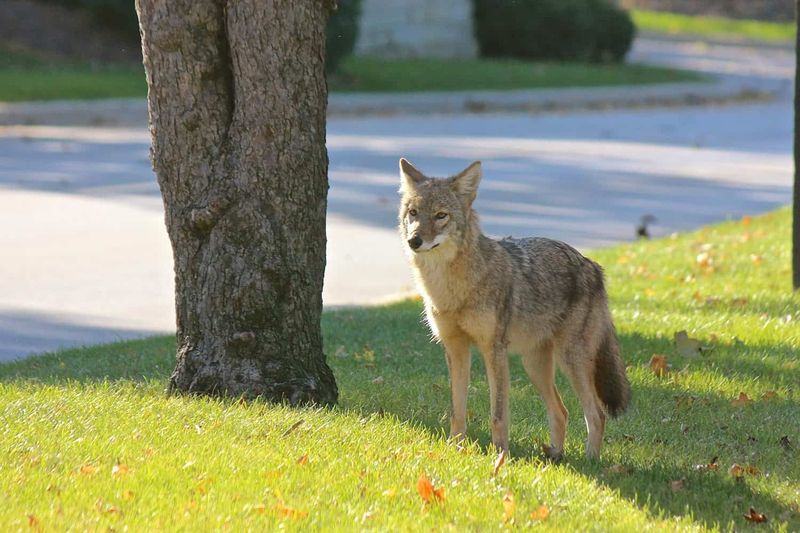
Some people find coyotes fascinating and feel tempted to get closer for a better look or even offer food to these wild visitors. This seemingly harmless curiosity creates serious problems that endanger everyone in the community.
Feeding coyotes, whether intentionally or accidentally, removes their natural fear of humans and teaches them to associate people with easy meals. Once this association forms, coyotes become bolder, approaching homes and people more frequently and with less caution.
This habituation process transforms naturally shy animals into potential threats, especially around children and small pets. Bold coyotes may enter yards even when people are present, creating dangerous encounters that could have been prevented.
Approaching a coyote for photos or closer observation also sends the wrong message, suggesting that humans aren’t threatening. This reduces the healthy distance that should exist between wild animals and residential areas.
Young children sometimes want to treat coyotes like neighborhood dogs, not understanding the difference between domestic and wild animals. Adults must model appropriate behavior by keeping distance and demonstrating respect for wildlife boundaries.
If your neighbors are feeding coyotes, politely educate them about the risks this behavior creates for the entire community. Many people genuinely don’t realize that their kindness creates problems that wildlife officials may eventually need to address through removal programs.
3. Secure Your Pets

Imagine your furry friend exploring the backyard on a chilly December evening when a coyote suddenly appears nearby.
Keeping pets on a leash or in a securely fenced area is absolutely vital for their protection.
Coyotes see small animals as potential prey, so supervision while your pets are outdoors is essential to prevent dangerous encounters.
Ensuring the yard is fully enclosed with strong fencing helps deter curious coyotes from entering your property.
Adding double gates or latches provides an extra layer of security, keeping both pets and coyotes safe.
Taking time to train your pets to come when called can be lifesaving in unexpected situations, especially at night.
This simple precaution not only protects pets but also prevents coyotes from becoming familiar or bold around human spaces.
Regularly inspecting fences, gates, and hedges for gaps ensures ongoing protection throughout the winter months when coyotes may roam closer to homes for food.
Even small modifications, like adding motion sensors near pet doors, can help alert you to wildlife activity.
4. Install Motion-Activated Lights
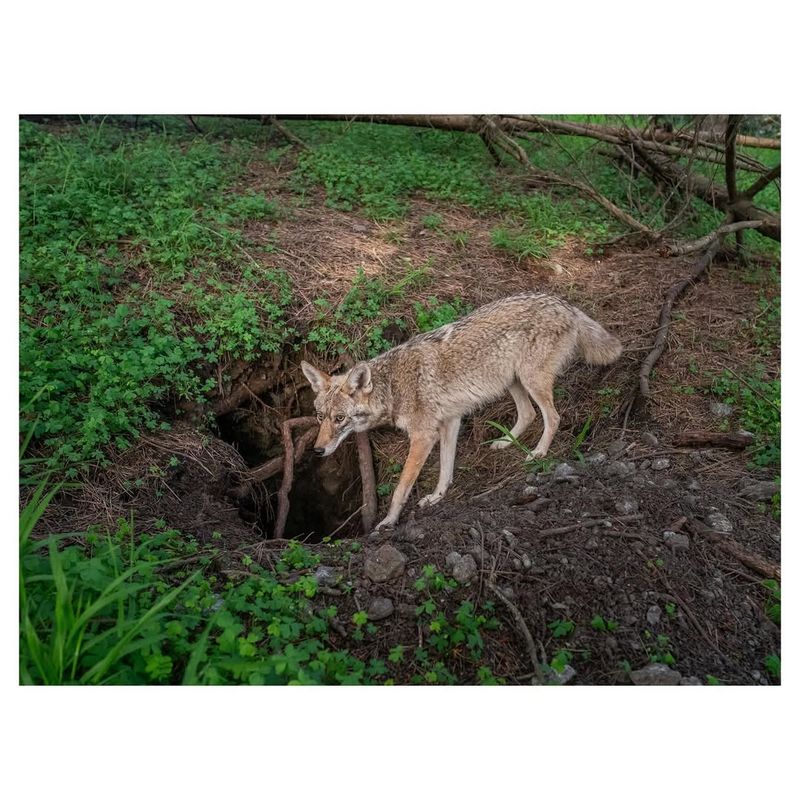
The sudden flicker of a motion-activated light can startle a coyote, making it reconsider approaching your yard.
Such lighting mimics human activity, which is especially effective at discouraging nocturnal wildlife visits during longer winter nights.
Installing motion-sensor lights in key areas, like near patios, driveways, or garden beds, creates a safer perimeter around your home.
This simple addition provides peace of mind and helps keep your yard a coyote-free zone after dark.
Energy-efficient LED options are excellent because they combine safety with reduced energy consumption.
Positioning lights strategically around potential entry points or dark corners ensures maximum deterrence without lighting up the entire yard.
Regularly testing and adjusting sensors ensures they respond properly throughout the winter months, when early sunsets make nighttime activity more frequent.
Combining lights with reflective objects or motion-activated sounds can create a multi-sensory deterrent that reinforces safety measures.
5. Use Natural Deterrents
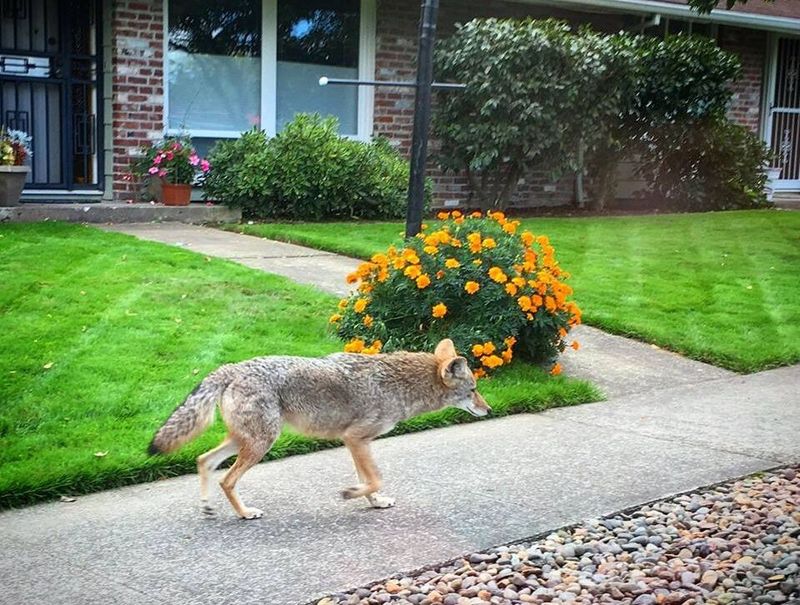
Nature provides gentle and effective ways to keep coyotes at bay without harming them.
Citrus peels, marigolds, and other aromatic plants emit scents that coyotes naturally dislike, helping to form an invisible barrier.
Strategically placing these deterrents around your yard, especially near fences or garden edges, creates a protective zone.
These plants not only act as deterrents but also enhance your outdoor space with vibrant colors and pleasant fragrances.
Using natural methods promotes a harmonious ecosystem, keeping wildlife at a safe distance while maintaining yard beauty.
Refreshing or replacing deterrent plants periodically ensures their effectiveness remains consistent through colder months.
Pairing plants with other natural strategies, like thorny bushes or sound deterrents, increases overall protection and creates layered defenses.
6. Create Noise Barriers
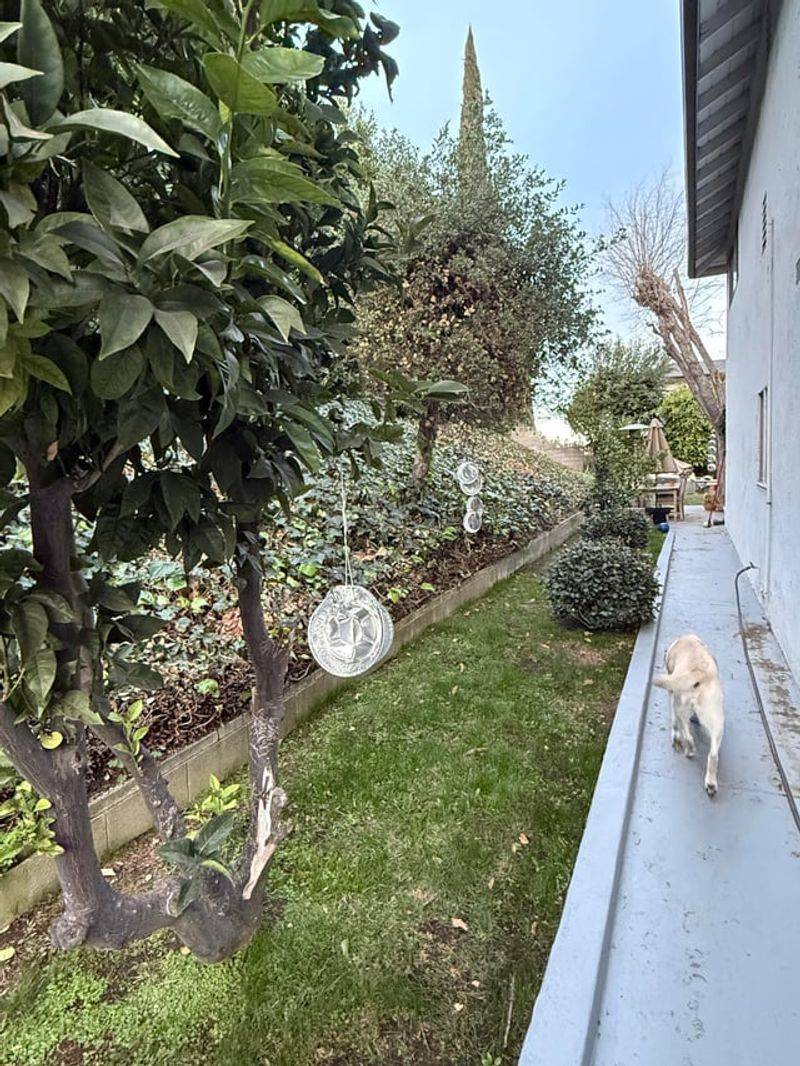
Wind chimes, radios, and gentle sound machines can help prevent coyotes from approaching by creating unfamiliar auditory stimuli.
These noise barriers confuse coyotes, making them think twice before entering your yard.
Experimenting with different sounds and volume levels can prevent coyotes from becoming accustomed to a single noise pattern.
Using a mix of melodies, chimes, and natural sounds creates variety, which keeps coyotes cautious and adds charm to your yard.
This method improves safety while contributing to a pleasant outdoor ambiance for humans.
Changing the location or type of sound devices periodically enhances effectiveness, especially during the winter when coyotes are searching for food.
Noise barriers work best when combined with visual deterrents or lighting for a fully protected yard.
7. Secure Compost Bins

Compost piles can attract coyotes if not properly secured, especially during winter months when food is scarce.
Investing in a bin with a tight-fitting, lockable lid prevents coyotes and other wildlife from gaining access.
Placing compost bins away from high-traffic human areas further reduces risk and discourages persistent visits.
Properly securing compost deters wildlife while also keeping your yard cleaner and more sanitary.
Winter-proofing bins ensures they remain effective against animals even in harsh weather.
Elevating bins slightly off the ground can prevent digging underneath, which some coyotes attempt to reach scraps.
Regular maintenance, including removing spoiled or particularly aromatic food, reduces attraction and keeps your yard less inviting to wildlife.
8. Plant Thorny Bushes

Thorny bushes such as holly, hawthorn, or barberry serve as natural barriers to coyotes.
Planting these around your property discourages coyotes from venturing too close to homes and pets.
Beyond safety, these bushes add aesthetic appeal, seasonal color, and structure to your landscape.
Maintaining dense thorny hedges along perimeters enhances security without harming animals.
Pruning and refreshing bushes in winter ensures they remain effective and visually appealing throughout the year.
Combining thorny plants with other deterrents, like lights or motion sensors, creates a layered protective approach that is both practical and attractive.
9. Use Coyote-Proof Trash Cans
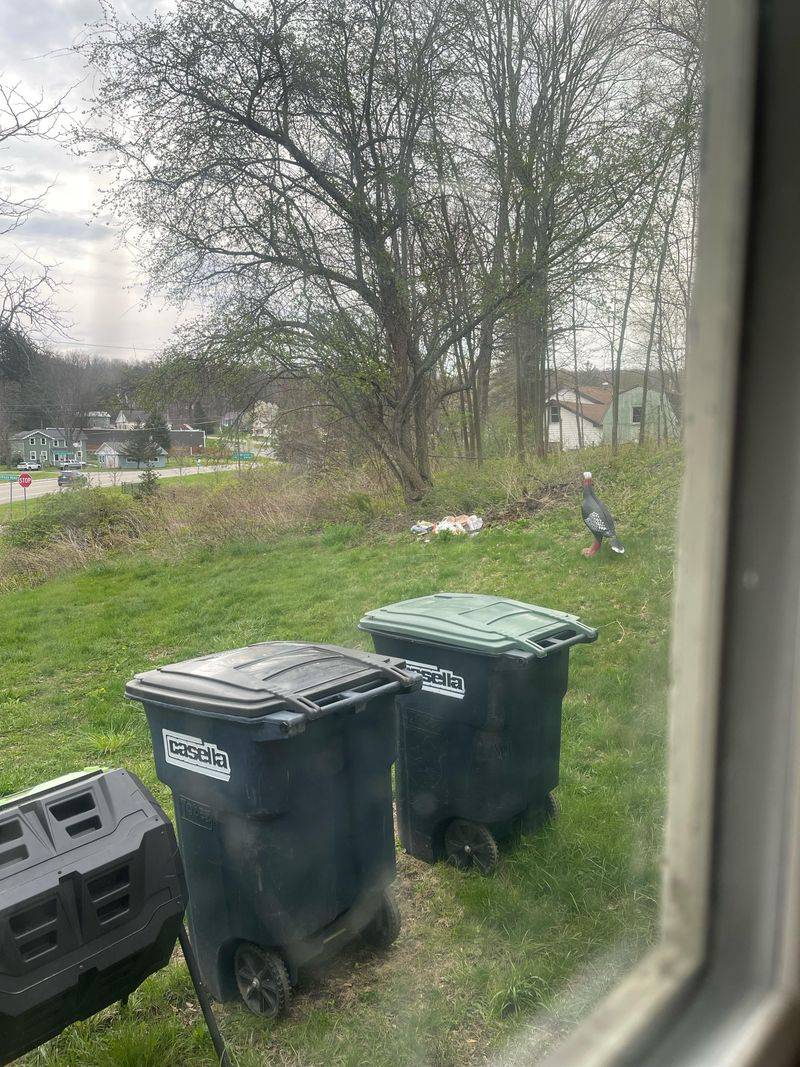
Coyotes are opportunistic feeders, and improperly secured garbage is an easy target.
Investing in coyote-proof trash cans with sturdy, lockable lids keeps your waste out of reach.
Positioning cans away from fences or elevated surfaces prevents coyotes from using them as climbing aids.
Maintaining secure bins reduces the chance that your yard becomes a regular feeding spot for wildlife.
Regularly checking that lids are tightly closed and bins remain upright enhances effectiveness, especially during high wildlife activity in winter.
Combining coyote-proof bins with compost security ensures all potential food sources are protected.
10. Create A Watchful Environment

Installing security cameras allows you to monitor activity around your property at all times.
Cameras not only record footage but can act as a deterrent to coyotes who notice movement or flash lights.
Placing cameras in strategic locations captures potential wildlife intrusions while providing peace of mind.
Remote access and mobile notifications ensure you can respond promptly, even if you’re not home.
Coupling cameras with motion-activated lights or sounds strengthens your backyard defenses during long winter nights.
Consistent monitoring helps detect patterns and alerts you to repeated attempts by wildlife to enter your yard.
11. Keep Bird Feeders Clean

Bird feeders can attract wildlife, including coyotes, if not maintained properly.
Regular cleaning removes fallen seeds that may draw rodents or coyotes searching for food.
Placing feeders at heights or locations inaccessible to coyotes further reduces risk.
Maintaining feeders ensures your bird-watching activities remain safe and enjoyable.
In winter, when food is scarcer, vigilance is key to preventing coyotes from associating your yard with easy meals.
12. Mistake: Ignoring Coyote Sightings
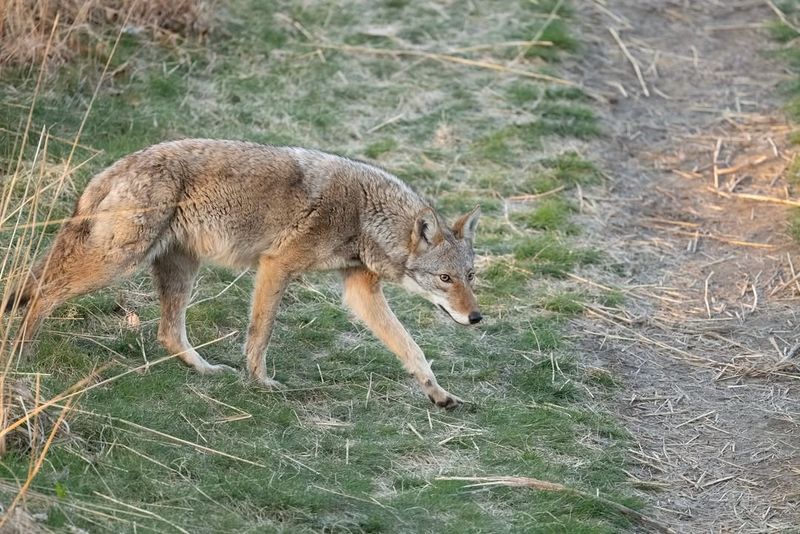
Ignoring coyote sightings allows these animals to feel comfortable in human spaces.
Failing to report or take appropriate precautions increases the risk for pets and property.
Encouraging neighbors to share sightings fosters community awareness and safety.
Early communication and collaboration can prevent coyotes from establishing regular routes through neighborhoods.
Tracking and reporting sightings during winter months is especially important when coyotes may venture closer to human habitats for food.
13. Mistake: Leaving Pets Unsupervised
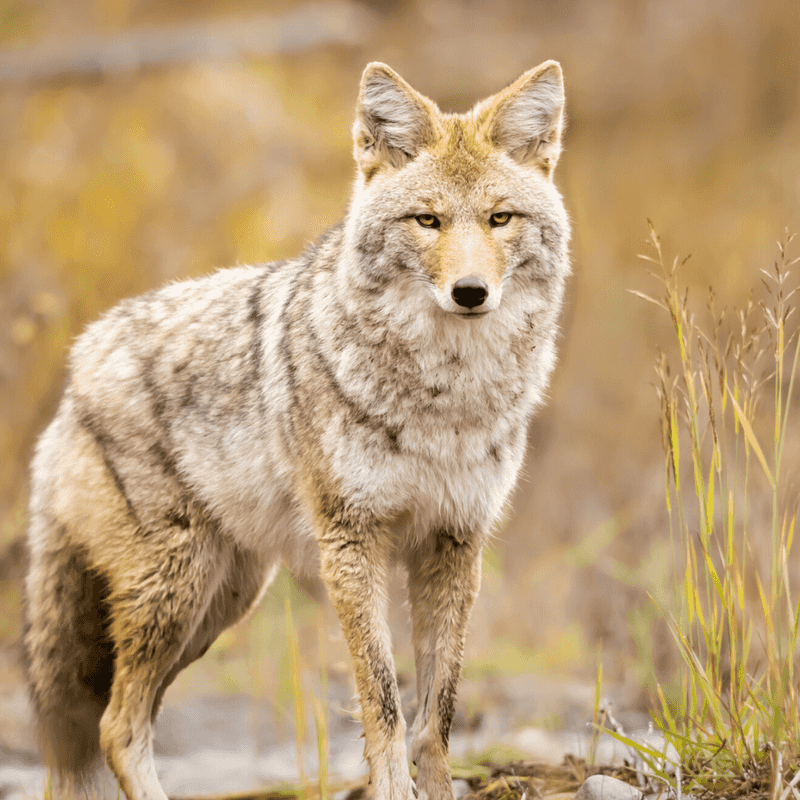
Allowing pets to roam freely unsupervised is one of the riskiest mistakes a homeowner can make, especially during the winter months when coyotes are more actively foraging.
Coyotes are fast, agile, and highly adaptable predators, which makes any unsupervised pet immediately vulnerable to potential attacks.
Even brief moments without attention, such as letting a dog wander in the yard while you run inside, can result in dangerous encounters that could have lasting consequences.
Pet owners should take proactive measures to ensure that all animals are always visible, leashed, or securely enclosed in a protected area like a fenced yard or kennel.
Implementing consistent supervision, combined with training pets to respond reliably to recall commands, greatly reduces the risk of conflicts and promotes safe coexistence with local wildlife throughout the winter season.
By staying vigilant and maintaining control over outdoor pet activity, you not only protect your animals but also discourage coyotes from becoming comfortable around your property.
14. Mistake: Using Inappropriate Deterrents
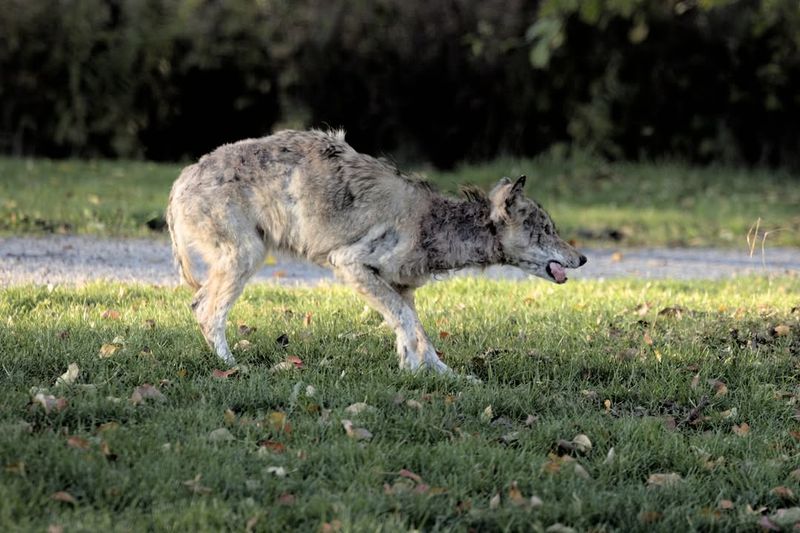
Using the wrong deterrents, such as firecrackers, loud noises, or harmful chemicals, can backfire by making coyotes more aggressive, bolder, or overly curious about your yard.
These approaches may escalate encounters rather than prevent them, putting pets, children, and even adults at risk.
Opting instead for humane, eco-friendly deterrents, such as motion-activated lights, sprinklers, or natural scents, ensures that interactions with coyotes remain non-confrontational and stress-free.
Educating yourself on which deterrents are effective and safe is key to preventing conflicts and protecting both local wildlife and your family.
Combining these safe methods with proper yard management—like securing trash, compost, and pet areas—creates a comprehensive strategy for deterring coyotes.
Regularly evaluating and adjusting your deterrent strategies throughout the winter months ensures that they remain effective as coyotes adapt to changing conditions.
By taking a thoughtful, proactive approach, you can keep your yard safe while coexisting responsibly with the wildlife in your neighborhood.