9 Safe Shade Trees Nevada Homeowners Use To Reduce Heat Around The House
Nevada’s heat doesn’t just make summers uncomfortable, it slowly changes how people use their homes, pushing activity indoors and driving cooling systems harder than they were ever meant to work.
Over time, that constant exposure takes a toll on energy bills, outdoor spaces, and even parts of the house that bake in direct sun every afternoon.
Many homeowners look for quick fixes like awnings or patio covers, not realizing how much long-term relief comes from planting the right kind of tree in the right place.
Certain shade trees are chosen again and again across Nevada because they handle intense sun, dry air, and temperature swings without becoming risky or high-maintenance.
When positioned correctly, they cool walls, windows, and surrounding ground in a way artificial shade rarely matches. Safety matters just as much as shade in this climate.
Trees with aggressive roots, weak wood, or heavy water demands can create new problems instead of solving old ones.
That’s why Nevada homeowners tend to rely on a specific group of shade trees that reduce heat without threatening foundations, utilities, or long-term stability.
1. Desert Willow
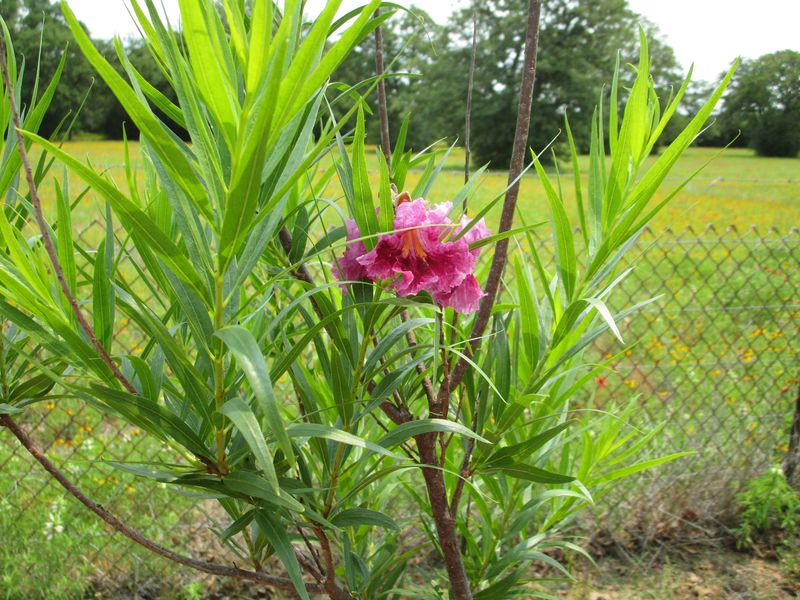
Stunning trumpet-shaped flowers make this tree a favorite among Nevada gardeners who want both shade and visual appeal in their landscapes. The blooms appear in shades of pink, purple, and white throughout the warm months, attracting hummingbirds and butterflies to your yard.
Unlike traditional willows, this variety thrives in dry conditions and requires minimal water once established.
Homeowners across Nevada appreciate how quickly this tree grows, reaching heights of 15 to 25 feet within just a few years. The open, airy canopy provides filtered shade that cools the ground beneath without creating complete darkness.
This makes it perfect for planting near patios where you want relief from the sun but still enjoy natural light.
Drought tolerance is one of the biggest advantages this tree offers in Nevada’s challenging climate. Once the roots establish themselves, watering needs drop significantly, saving you time and money on irrigation.
The tree naturally sheds its leaves in winter, which helps prevent damage from occasional freezes.
Planting this beauty near your home creates a microclimate that reduces heat radiating from walls and windows.
The delicate, willow-like foliage moves gracefully in the breeze, adding movement and sound to your outdoor space. Maintenance is remarkably simple, requiring only occasional pruning to remove damaged or unproductive branches.
Nevada soil conditions rarely pose problems for this adaptable species, which tolerates everything from sandy loam to rocky terrain.
2. Chinese Pistache
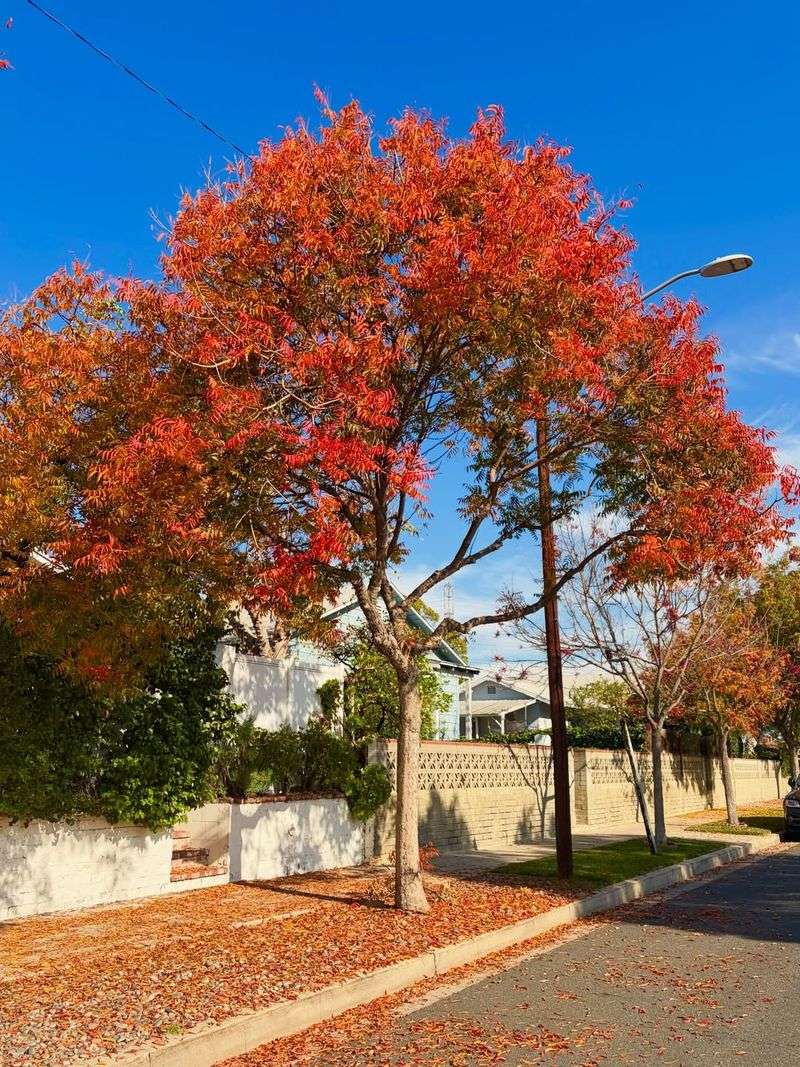
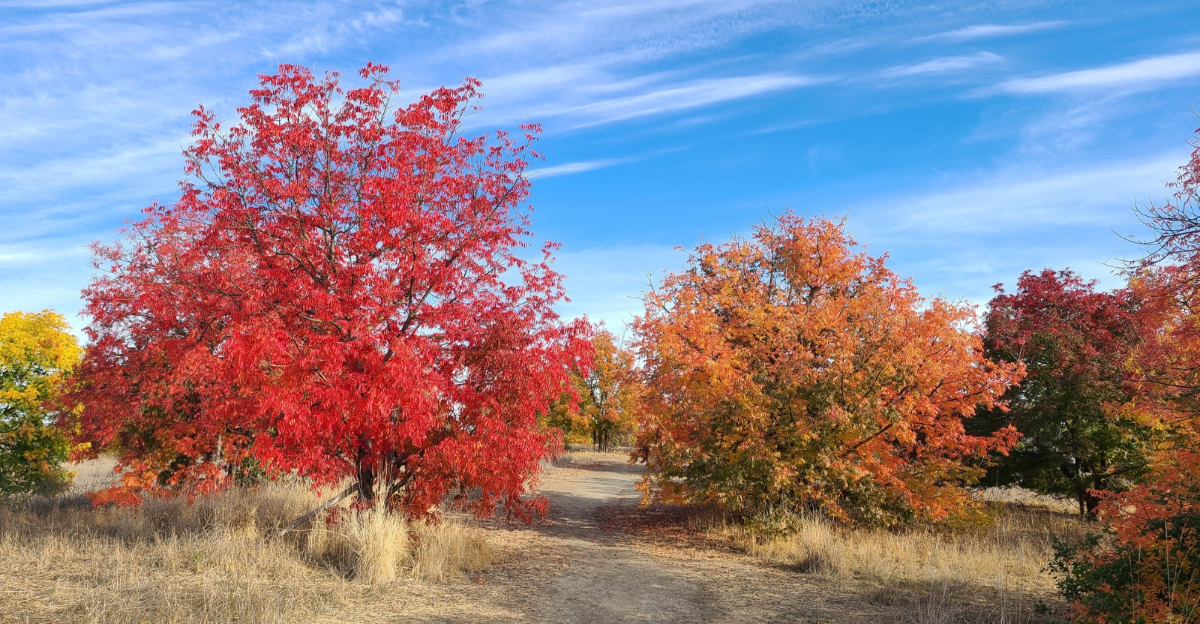
Brilliant fall colors transform this tree into a showstopper when most Nevada landscapes turn brown and dormant for winter. Leaves shift from green to stunning shades of orange, red, and yellow, creating a spectacular display that rivals any New England autumn scene.
Few other trees adapted to Nevada’s climate offer such dramatic seasonal interest.
Moderate growth rates mean this tree reaches a mature height of 25 to 35 feet, providing substantial shade without overwhelming smaller yards. The rounded canopy spreads wide, creating a comfortable shaded area perfect for outdoor furniture or play equipment.
Homeowners love how the dense foliage blocks intense summer sun while still allowing some dappled light through.
Heat tolerance is exceptional, making this species ideal for Nevada’s scorching summer temperatures that regularly exceed 100 degrees. The tree continues growing vigorously even during the hottest months when other species struggle or go dormant.
Established trees require only occasional deep watering, making them water-wise choices for desert communities.
Strong branch structure resists breakage during Nevada’s occasional windstorms and rare heavy snow events. The tree’s overall form is naturally attractive, requiring minimal pruning to maintain a pleasing shape.
Male and female trees exist, with females producing small red berries that birds enjoy but can create minor cleanup work.
Planting this tree on the east or west side of your Nevada home provides excellent morning or afternoon shade.
3. Arizona Ash
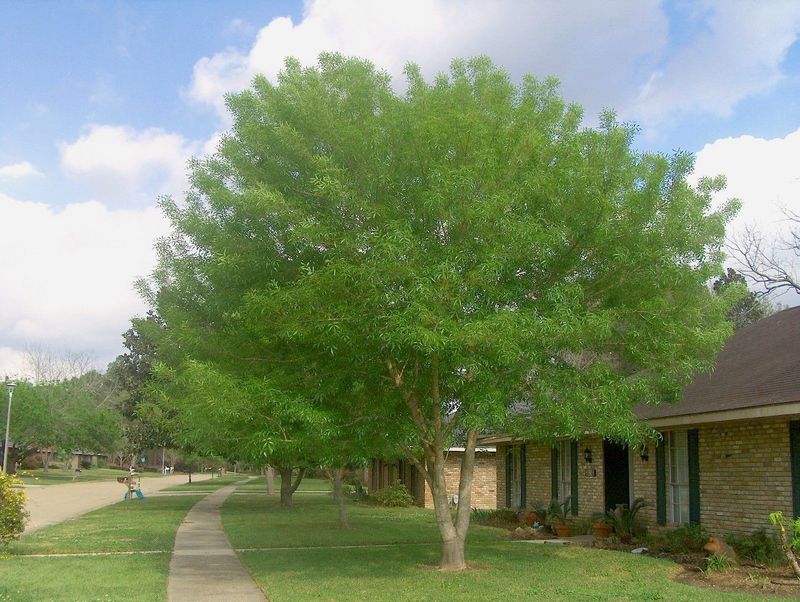
Rapid growth makes this tree a top choice for Nevada homeowners who need shade quickly and don’t want to wait years for results. Within just three to five years, this species can reach heights of 20 to 30 feet, transforming a barren yard into a cool oasis.
The fast development is especially appealing for new construction homes with minimal existing landscaping.
Lush green foliage creates a dense canopy that blocks intense Nevada sunlight more effectively than many other desert-adapted species. The leaves are compound and feathery, giving the tree a soft, elegant appearance that contrasts nicely with the harsh desert environment.
During summer, the thick shade underneath provides a noticeably cooler space for outdoor activities.
Water requirements are moderate, making this tree more thirsty than some desert natives but still manageable with smart irrigation practices. Established trees in Nevada need deep watering every week or two during summer, depending on soil type and temperature.
The cooling benefits and rapid growth often justify the additional water use for many homeowners.
Yellow fall color adds seasonal interest before the tree drops its leaves for winter dormancy. The autumn display is subtle compared to some species but still provides a pleasant change from the evergreen desert landscape.
Bare branches in winter allow maximum sunlight to warm your home during cooler months.
Planting this tree strategically on the south or west side of Nevada homes provides maximum cooling during the hottest part of the day.
4. Lacebark Elm
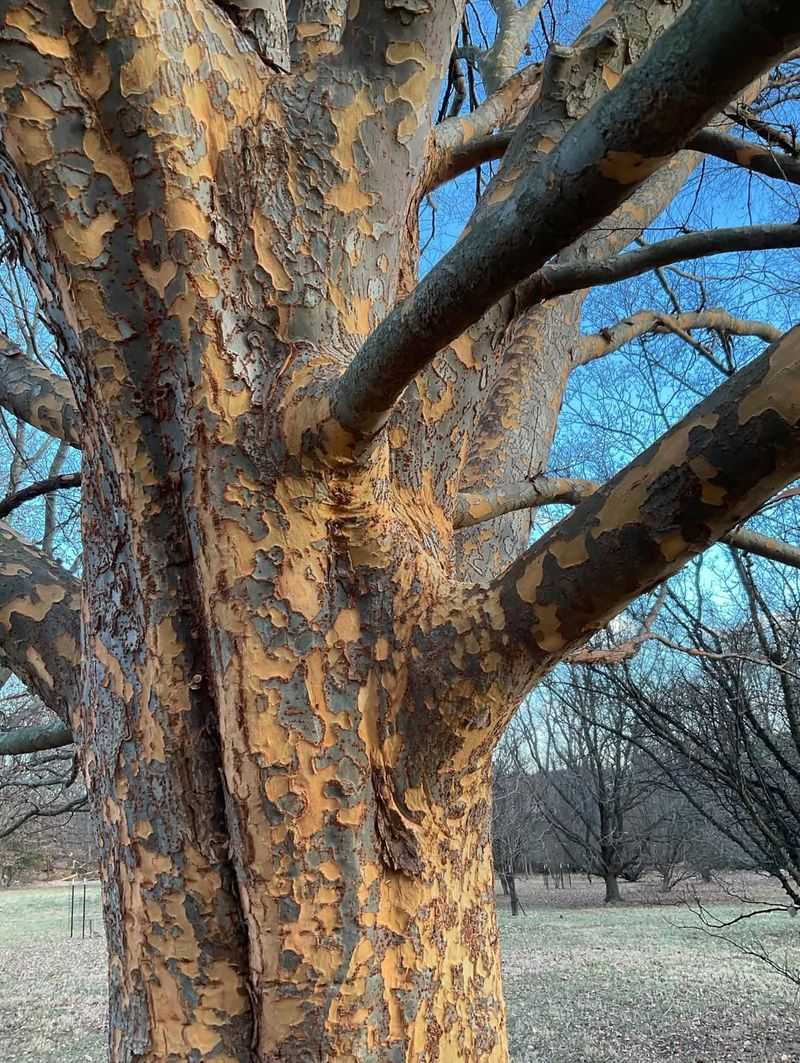
Exfoliating bark creates year-round visual interest, with the trunk revealing patches of orange, gray, green, and brown in a mottled pattern. This unique feature makes the tree attractive even in winter when leaves have fallen and many Nevada landscapes look barren.
Homeowners who appreciate artistic natural elements find this tree particularly appealing.
Graceful, arching branches form a rounded canopy that provides excellent shade coverage without appearing heavy or overwhelming. The fine-textured leaves create a lacy appearance that softens harsh desert landscapes and adds elegance to residential properties.
In Nevada’s bright sunlight, the dappled shade underneath feels refreshing and comfortable.
Disease resistance is exceptional, especially compared to other elm species that suffer from Dutch elm disease and other serious problems. Lacebark elms remain healthy and vigorous in Nevada with minimal intervention or chemical treatments.
This reliability makes them a smart long-term investment for homeowners seeking low-maintenance shade solutions.
Heat and drought tolerance improve each year as the root system establishes and expands into deeper soil layers. Mature trees in Nevada need only occasional deep watering during extended dry periods, making them quite water-efficient.
The tree continues growing steadily even during hot summers that stress many other species.
Moderate growth rates mean this tree typically reaches 40 to 50 feet at maturity, though it may stay smaller in Nevada’s challenging conditions. The size is substantial enough to provide meaningful shade for homes and outdoor living spaces.
Planting on the east or west side of your property offers excellent cooling benefits during morning and afternoon hours.
Fall color ranges from yellow to reddish-purple, depending on growing conditions and individual tree genetics. The autumn display is pleasant though not as dramatic as some other species on this list.
Leaf drop is relatively clean, with foliage breaking down quickly and not creating excessive cleanup work.
Soil adaptability is impressive, with lacebark elms thriving in Nevada’s alkaline soils that challenge many other tree species.
5. Honey Locust (Thornless Varieties)
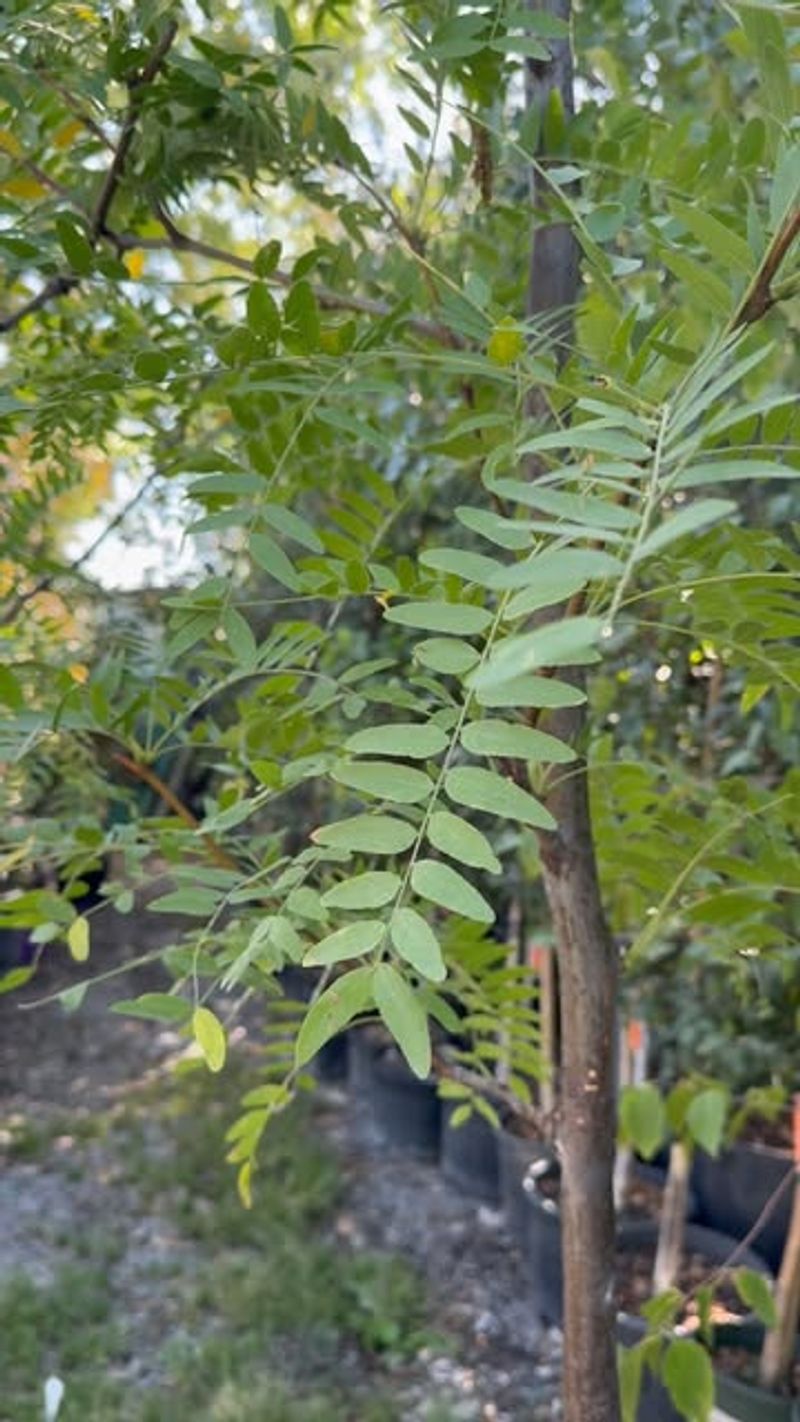
Filtered shade from tiny, delicate leaflets allows grass and other plants to grow underneath, solving a common problem with dense-canopy trees. The fine texture creates a light, airy feeling rather than heavy darkness, making the space beneath more usable and attractive.
Nevada homeowners appreciate this quality for creating comfortable outdoor living areas that don’t feel closed in.
Thornless varieties eliminate the safety concerns and maintenance hassles associated with the species’ thorny wild relatives. Modern cultivars developed for landscaping are completely smooth, making them safe for yards where children and pets play.
The absence of thorns also makes pruning and cleanup much easier.
Extreme temperature tolerance is remarkable, with honey locusts handling both Nevada’s scorching summers and occasional harsh winter conditions. The tree continues growing vigorously even when temperatures exceed 105 degrees for extended periods.
Cold hardiness protects it during rare freezes in northern Nevada locations.
Fast growth rates mean this tree quickly reaches a useful size, typically adding two feet or more per year under good conditions. Within five to seven years, a young tree can provide substantial shade for Nevada homes and yards.
The eventual height of 30 to 50 feet makes it suitable for larger properties with space for a significant tree.
Drought tolerance improves dramatically once the root system establishes, usually after two or three growing seasons.
6. Shamel Ash
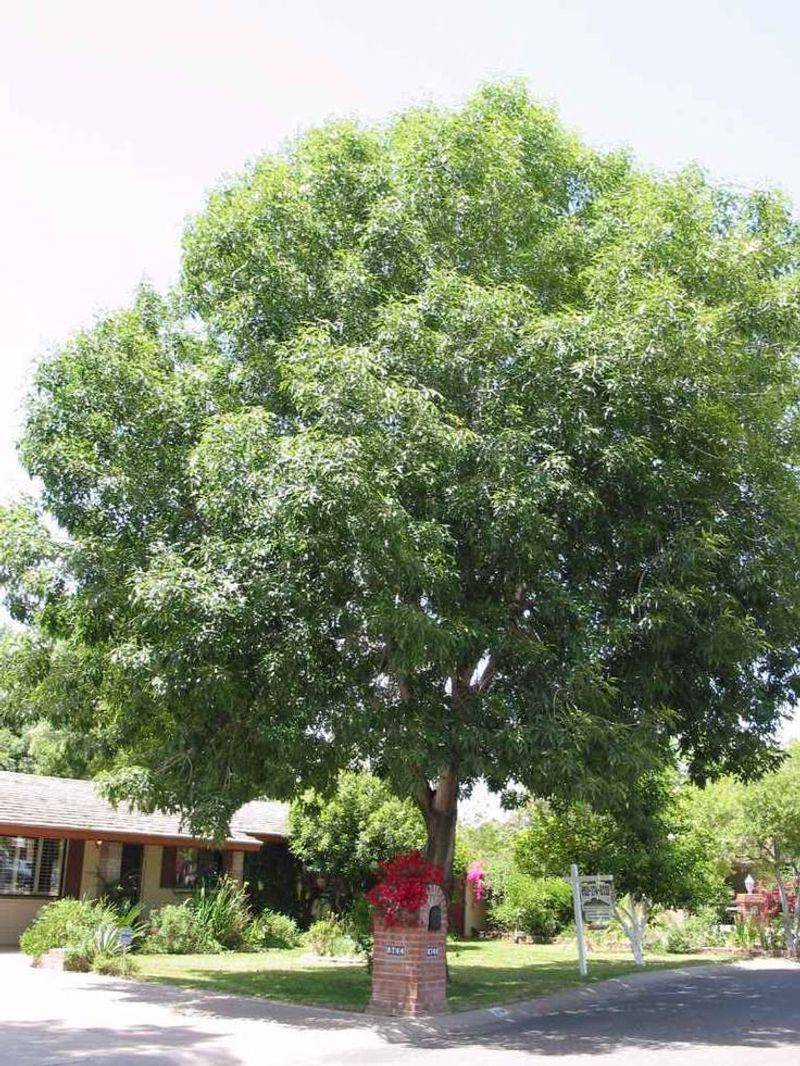
In southern Nevada, this tree often holds its foliage through much of the year, providing extended shade and greenery compared to most ash species.
This characteristic makes it especially valuable for homeowners who want consistent shade and privacy throughout all seasons.
Glossy, dark green leaves create a lush, tropical appearance that contrasts beautifully with Nevada’s desert environment. The foliage stays attractive and healthy-looking even during the hottest summer months when many other trees look stressed.
This visual appeal adds significant value and curb appeal to residential properties.
Fast growth is a major advantage for Nevada homeowners who need shade quickly and don’t want to wait years for results. Shamel ash trees can grow three feet or more annually under ideal conditions, rapidly reaching heights of 25 to 40 feet.
The quick development makes this species popular for new homes with minimal existing landscaping.
Dense canopy coverage provides substantial shade that noticeably reduces temperatures underneath and in adjacent structures. Planting this tree on the south or west side of Nevada homes blocks intense afternoon sun, lowering cooling costs.
The thick foliage also acts as a windbreak, reducing heat loss during winter months.
Water needs are moderate to high, requiring regular irrigation to maintain the lush appearance and vigorous growth. Established Shamel ash trees in Nevada typically need deep watering once or twice weekly during summer.
7. Chitalpa
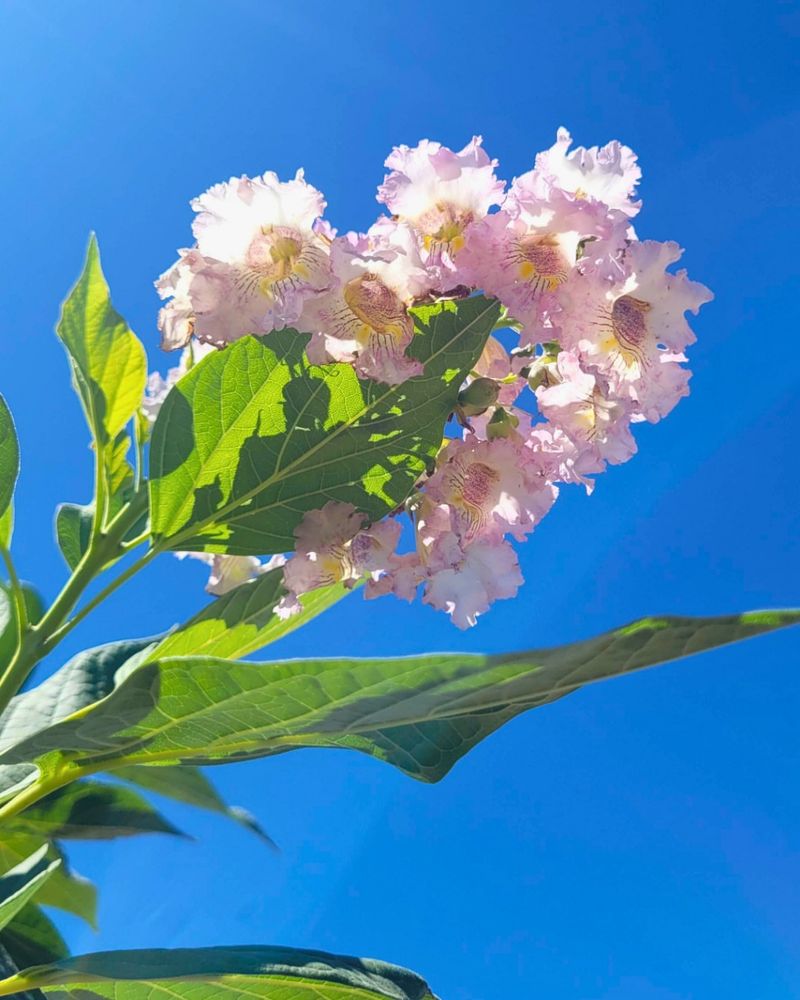
Showy orchid-like flowers cover this tree from late spring through summer, creating a stunning display that few shade trees can match. The blooms appear in shades of pink, lavender, and white, attracting hummingbirds and butterflies to Nevada yards.
Combining beautiful flowers with functional shade makes this tree a favorite among homeowners who want both aesthetics and cooling benefits.
Compact size makes chitalpa ideal for smaller Nevada yards where space is limited but shade is still needed. The tree typically reaches 15 to 25 feet tall with a similar spread, fitting comfortably in urban and suburban lots.
Despite its modest size, the cooling effect is substantial when the tree is planted strategically near patios or windows.
Exceptional heat tolerance means this hybrid thrives in Nevada’s intense summer conditions that stress many other flowering trees. The blooms continue appearing even when temperatures soar above 110 degrees, providing color and interest throughout the hottest months.
This resilience makes chitalpa particularly valuable for the most challenging desert locations.
Drought resistance is excellent once the root system establishes, typically after two growing seasons in Nevada. Mature trees need only occasional deep watering during extended dry periods, making them water-wise landscape choices.
The combination of low water needs and high ornamental value appeals to environmentally conscious homeowners.
Deciduous nature means the tree drops its leaves in winter, allowing warming sunlight to reach Nevada homes during cooler months.
8. California Sycamore
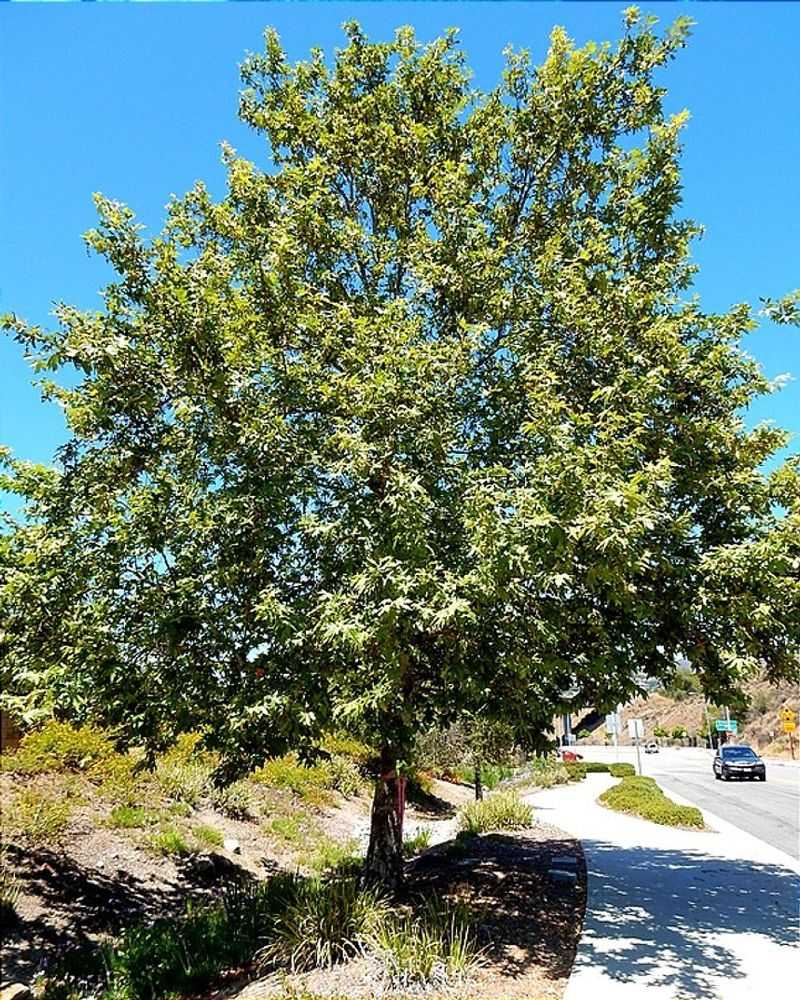
Massive size and impressive stature make this tree ideal for large Nevada properties with room for a substantial shade specimen. Mature trees can reach 40 to 80 feet tall with equally wide canopies, creating extensive cooling coverage.
The grand scale brings a sense of permanence and natural majesty to residential landscapes.
Distinctive mottled bark peels away in patches, revealing white, tan, and green inner bark in an attractive camouflage pattern. This unique feature provides year-round visual interest and makes the tree instantly recognizable.
The sculptural trunk and branches create dramatic focal points in Nevada yards.
Large, maple-like leaves provide dense shade that significantly reduces temperatures underneath and in nearby structures. The foliage creates a lush, almost tropical feeling that contrasts beautifully with Nevada’s arid environment.
During summer, the thick canopy blocks intense sun and creates comfortable outdoor spaces.
Water requirements are higher than many desert-adapted species, making this tree best suited for areas with reliable irrigation. California sycamores in Nevada need regular deep watering to maintain health and vigor, especially during hot summer months.
The cooling benefits and impressive presence often justify the additional water use for homeowners with adequate resources.
Fast growth during early years means young trees quickly develop into substantial shade providers. Under good conditions, California sycamores can add three feet or more annually.
9. Afghan Pine
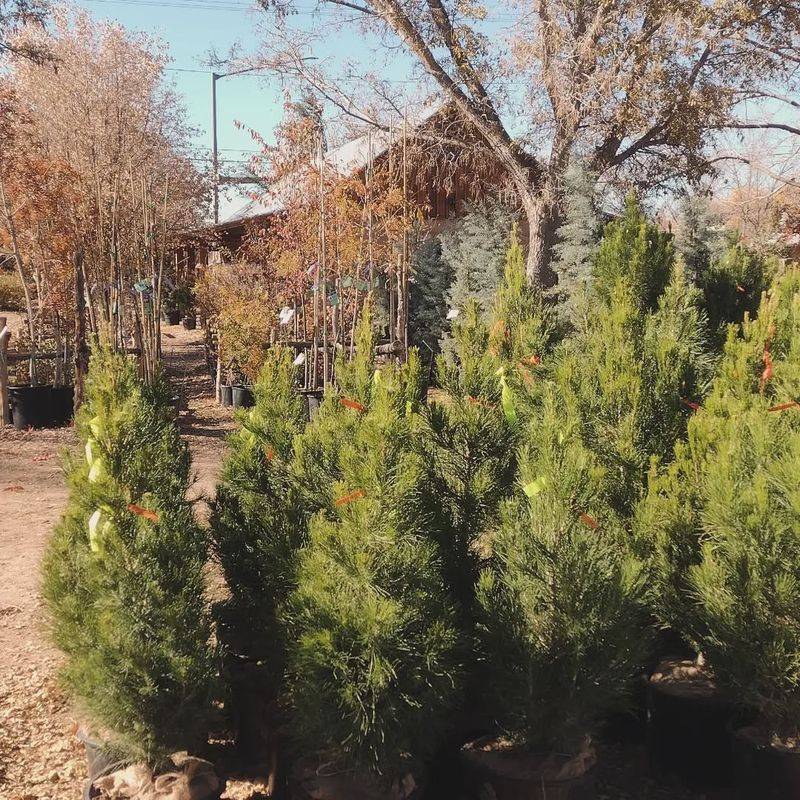
Evergreen needles provide year-round shade and greenery, making this conifer an excellent choice for Nevada homeowners wanting consistent coverage. The tree maintains its appearance and function through all seasons, never dropping leaves and leaving structures exposed.
This reliability is particularly valuable for privacy screens and windbreaks.
Elegant form with sweeping branches gives this pine a graceful appearance that softens harsh desert landscapes. The long needles create a soft, flowing texture that moves beautifully in Nevada breezes.
Mature trees develop an attractive irregular shape that adds character and natural beauty to properties.
Excellent drought tolerance once established makes Afghan pine ideal for water-conscious Nevada landscaping. The deep root system seeks moisture far below the surface, allowing the tree to survive extended dry periods.
Occasional deep watering during summer keeps trees healthy without requiring constant irrigation.
Heat resistance is exceptional, with this species thriving in Nevada’s intense summer temperatures that stress many other evergreens. The tree continues growing steadily even when temperatures exceed 100 degrees for weeks at a time.
This toughness makes it reliable for the most challenging desert locations throughout the state.
Moderate growth rates mean this tree takes several years to reach substantial size, eventually growing 30 to 50 feet tall.