7 Safety Steps To Take If A Feral Hog Enters Your South Carolina Yard And 3 To Skip
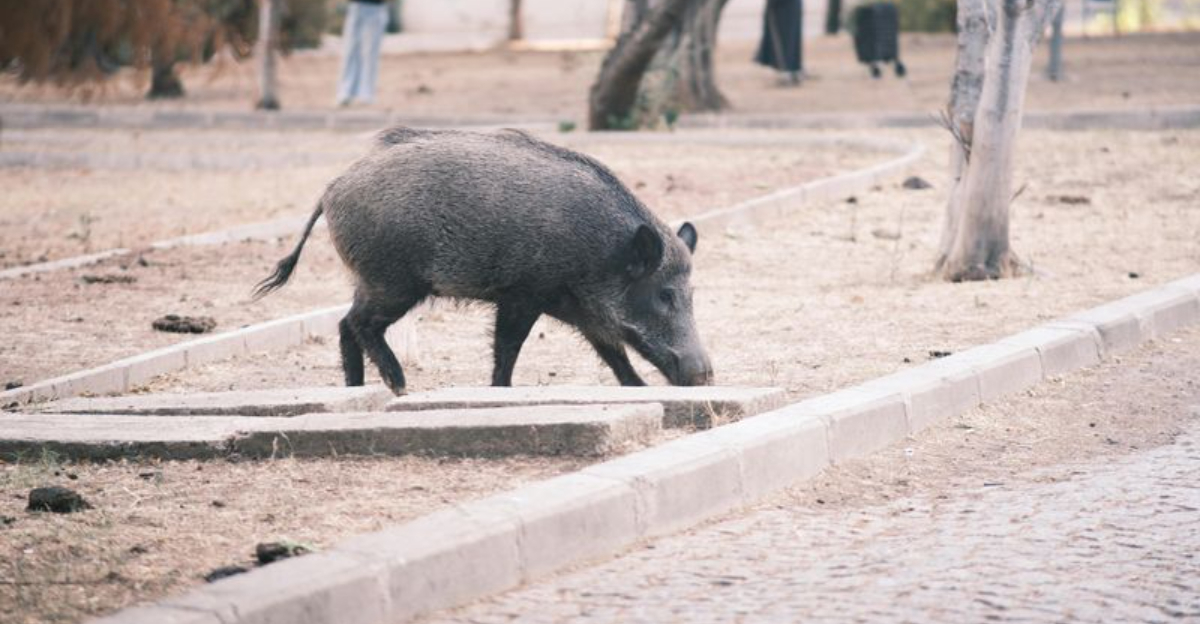
Feral hogs have become a growing problem across South Carolina, and finding one in your yard can be a frightening experience for families.
These wild animals are unpredictable and can cause serious harm if you make the wrong move during an unexpected encounter with them.
Knowing which safety steps to follow and which mistakes to avoid could make all the difference when protecting yourself and loved ones.
This guide will walk you through seven smart actions to take and three common errors that could put you in danger unnecessarily.
1. Stay Calm And Keep Your Distance
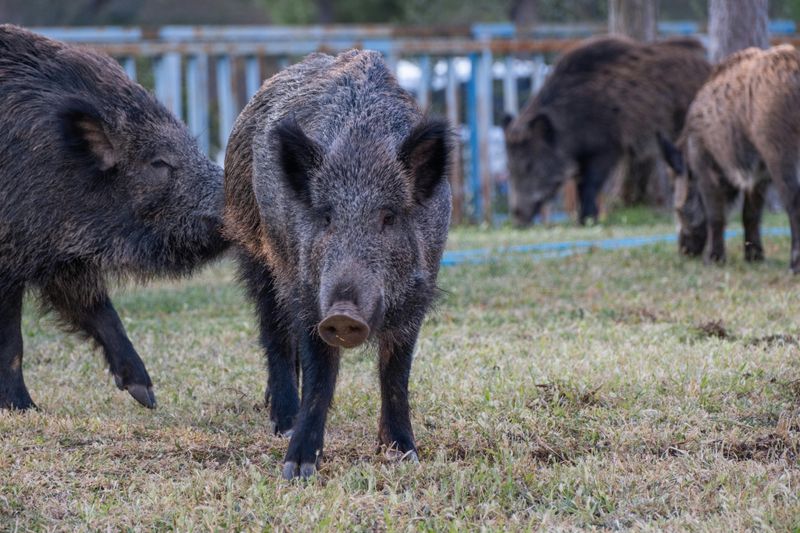
Panic can cloud your judgment when a feral hog suddenly appears in your South Carolina yard, so taking deep breaths helps you think clearly.
Wild hogs can sense fear and agitation, which might make them more defensive or aggressive if you start moving erratically around them.
Keeping your cool allows you to assess the situation properly and decide on the safest course of action without making sudden movements.
Maintaining a safe distance of at least fifty feet is crucial because feral hogs can charge surprisingly fast when they feel threatened.
These animals have sharp tusks and powerful bodies that can cause serious injuries if they decide to attack you or anyone nearby.
Never assume a hog will simply ignore you and walk away without any provocation from your side at all.
South Carolina wildlife experts recommend standing still and observing the hog from afar rather than trying to get a closer look at it.
If the animal seems unaware of your presence, slowly back away while keeping your eyes on it the entire time carefully.
Sudden movements or loud yelling can startle the hog and trigger an unpredictable response that puts everyone in the area at risk.
2. Get Indoors Immediately If Possible
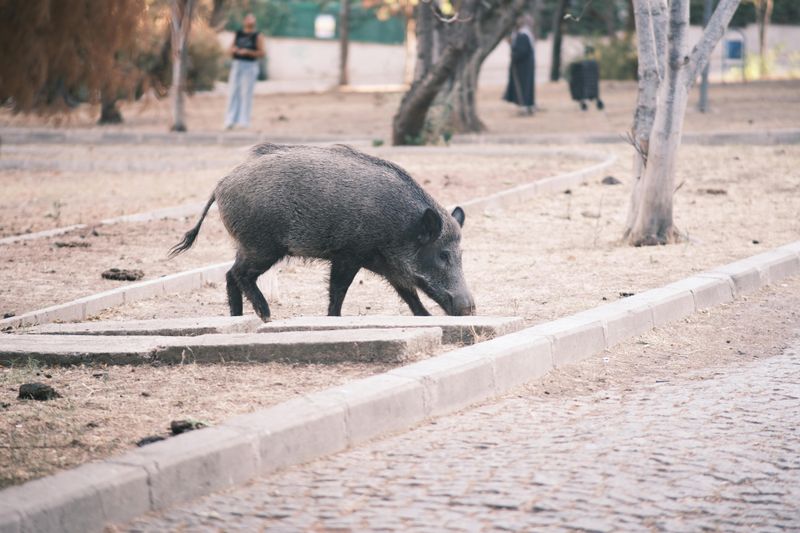
Your home provides the best protection against a feral hog, so heading inside should be your top priority if the animal is nearby.
Walls and doors create a solid barrier that keeps you completely safe from any potential aggression the hog might display toward people.
Once you are indoors, you can monitor the situation through windows and contact authorities without putting yourself in harm’s way at all.
If you are outside when you spot the hog, move toward your house calmly without running or making sudden gestures that attract attention.
Running can trigger a chase response in wild animals, and feral hogs are surprisingly quick despite their bulky appearance and heavy build.
Walk backward slowly if the hog is between you and your door, keeping your eyes on the animal the entire time.
South Carolina residents should always have a clear path to their home when spending time outdoors, especially in areas with known hog activity.
Lock your doors once you are safely inside because feral hogs have been known to push through screen doors or weak barriers.
Stay indoors until the animal leaves your property or wildlife control arrives to handle the situation professionally and safely.
3. Keep Children And Pets Inside
Children often do not understand the danger feral hogs pose, and their natural curiosity might lead them to approach the animal without thinking.
Kids can make sudden movements or loud noises that provoke a defensive reaction from the hog, putting them at serious risk.
Immediately call your children indoors and explain the situation calmly so they understand why they need to stay inside until help arrives.
Pets like dogs and cats can also trigger aggressive behavior from feral hogs because the animals see them as territorial threats.
Dogs may bark or try to chase the hog, which could result in a violent confrontation that injures your beloved pet.
Even small pets can provoke a hog into charging, so keeping all animals safely inside your home is absolutely essential.
South Carolina families should create a safety plan that includes quickly gathering everyone indoors if a feral hog appears in the yard.
Practice this plan with your children so they know exactly what to do and where to go when you give the signal.
Keep pets on leashes when outside and never let them roam freely in areas where feral hogs have been spotted recently.
4. Create A Barrier Using A Fence, Vehicle, Or Solid Structure
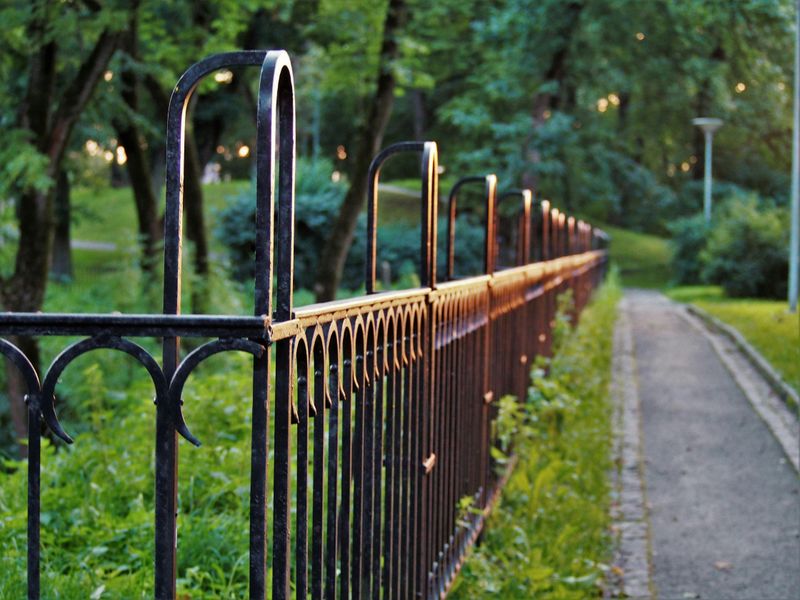
Physical barriers can protect you if you cannot reach your home immediately when a feral hog enters your South Carolina yard unexpectedly.
Vehicles, fences, sheds, and other solid structures provide temporary safety while you figure out your next move or wait for help.
Position yourself behind something sturdy that the hog cannot easily push over or squeeze through to reach you.
Cars and trucks work especially well as barriers because feral hogs cannot climb or jump over them.
Stand on the opposite side of the vehicle from the hog and move around it if the animal tries to circle.
Fences should be at least four feet tall and made of strong materials like wood or metal to effectively block the hog.
South Carolina residents should survey their property and identify potential barriers they could use in an emergency.
Weak or damaged fences might not hold up against a determined feral hog, so repair any problem areas as soon as possible.
If you are trapped outside without a solid barrier nearby, slowly move toward the nearest structure while keeping the hog in sight.
5. Make Loud Noises From A Safe Location To Encourage It To Leave
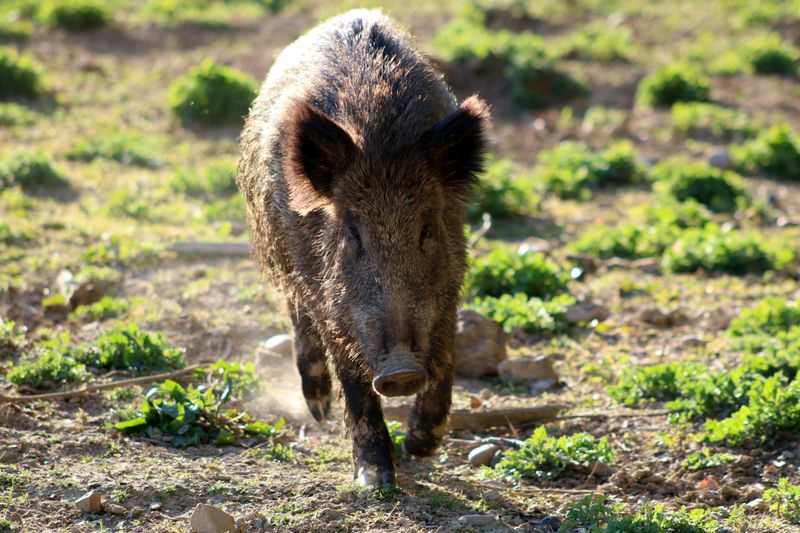
Feral hogs often prefer to avoid human contact, and loud noises can sometimes convince them to leave your property on their own.
Banging pots and pans together, blowing an air horn, or shouting from inside your home might startle the animal enough to send it running.
This method works best when you are safely indoors or behind a solid barrier where the hog cannot reach you.
Never approach the hog while making noise because this could be interpreted as aggression and provoke an attack instead.
The goal is to create enough commotion that the animal decides your yard is not a safe place to stay.
If the hog does not respond to noise after a few minutes, stop trying and wait for professional help instead.
South Carolina wildlife officials suggest keeping noise-making tools near your back door for quick access during emergencies.
Air horns, whistles, and even portable speakers can be effective when used correctly from a safe distance.
Some hogs may be habituated to human presence and might not respond to noise at all, especially in suburban areas.
6. Give The Hog A Clear Escape Route Away From People
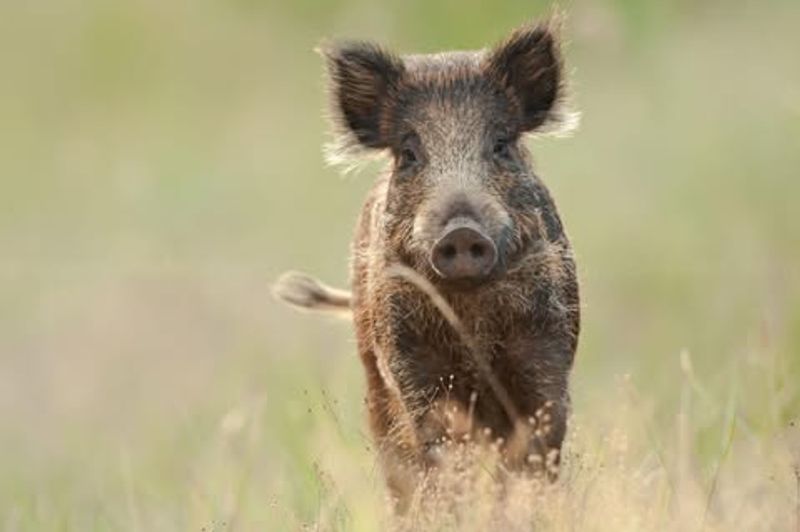
Wild animals need a way out when they feel trapped, and blocking all exits can force a feral hog into defensive aggression.
Observe where the hog entered your property and make sure that path remains open so the animal can leave the same way.
If the hog wandered in through a gap in your fence or from a wooded area, avoid standing near that exit point.
Cornered animals are far more dangerous than those with room to retreat, so never position yourself between the hog and its escape route.
If the hog seems confused or agitated, step away from any openings and give it plenty of space.
Sometimes simply creating distance is enough to help the animal calm down and leave on its own.
South Carolina homeowners should inspect their property for natural escape routes that wildlife might use.
Removing obstacles like piles of debris or closed gates can make it easier for a feral hog to exit quickly.
Resist the urge to herd or chase the hog because this tactic usually backfires badly.
7. Call Local Wildlife Control Or Law Enforcement If The Animal Won’t Leave
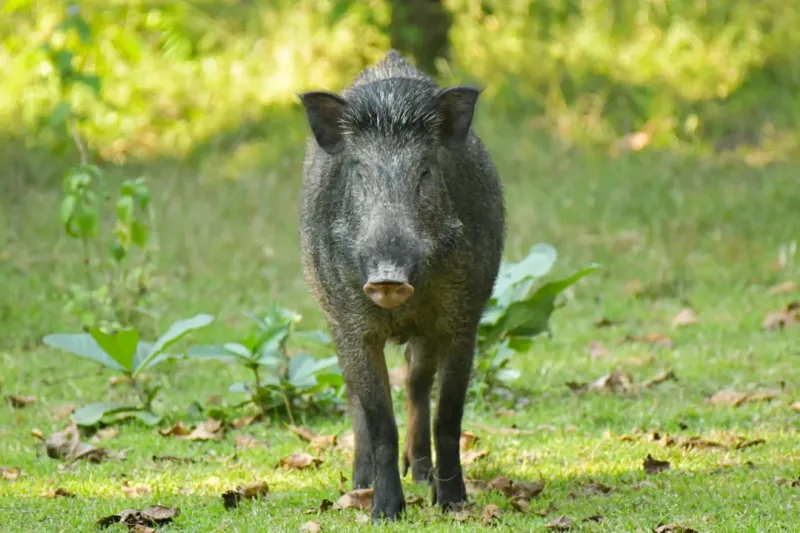
Professional help is necessary when a feral hog refuses to leave your South Carolina yard despite your best efforts to encourage it.
Wildlife control officers have the training and equipment needed to safely remove the animal without putting anyone in danger during the process.
Local law enforcement can also assist by coordinating with wildlife experts or providing guidance until help arrives at your property quickly.
Contact your county wildlife department or the South Carolina Department of Natural Resources for assistance with feral hog removal in your area.
Provide a detailed description of the hog, including its size and behavior, so responders know what to expect when they arrive.
Stay indoors and keep all family members and pets inside until professionals give you the all-clear signal to come back outside.
Some South Carolina counties have specific protocols for dealing with feral hogs, so familiarize yourself with local resources before an emergency happens at home.
Save important phone numbers in your phone so you can quickly reach the right authorities without wasting valuable time searching online.
Never attempt to handle the situation yourself if the hog appears aggressive or has been in your yard for an extended period.
8. Do Not Approach Or Attempt To Chase The Hog
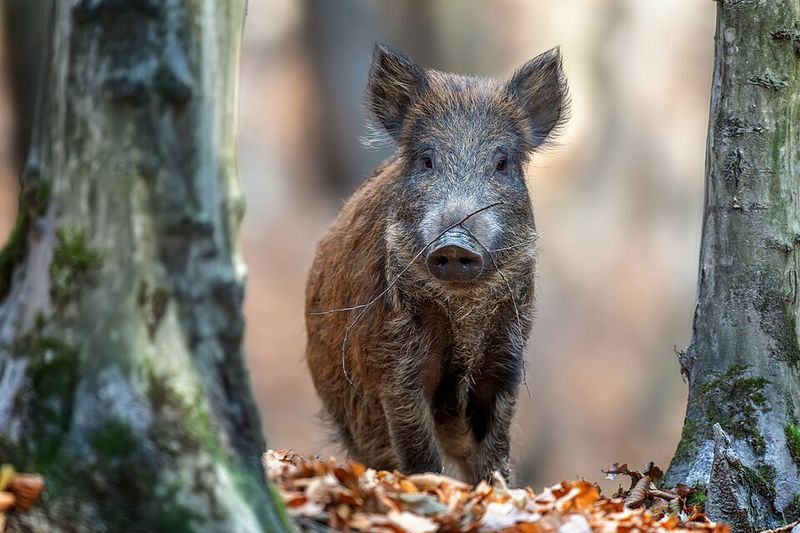
Chasing a feral hog might seem like a quick way to get it off your property, but this action is extremely dangerous.
Hogs can turn and charge when pursued, using their sharp tusks and powerful bodies to defend themselves against perceived threats from humans.
What starts as an attempt to scare the animal away can quickly escalate into a violent confrontation that results in serious injuries.
Approaching a feral hog closely is equally risky because you cannot predict how the animal will react to your presence near it.
Some hogs may appear calm but can become aggressive without warning if they feel threatened or cornered by your movements toward them.
Maintaining distance is always safer than trying to get a closer look or attempting to drive the animal away yourself manually.
South Carolina residents should remember that feral hogs are wild animals, not domesticated pigs, and they do not respond to human commands.
Chasing or approaching a hog also puts you at risk of tripping, falling, or being injured in other ways during the pursuit.
Let the hog leave on its own or wait for trained professionals to handle the removal instead of taking unnecessary risks.
9. Do Not Corner It Or Block Its Escape
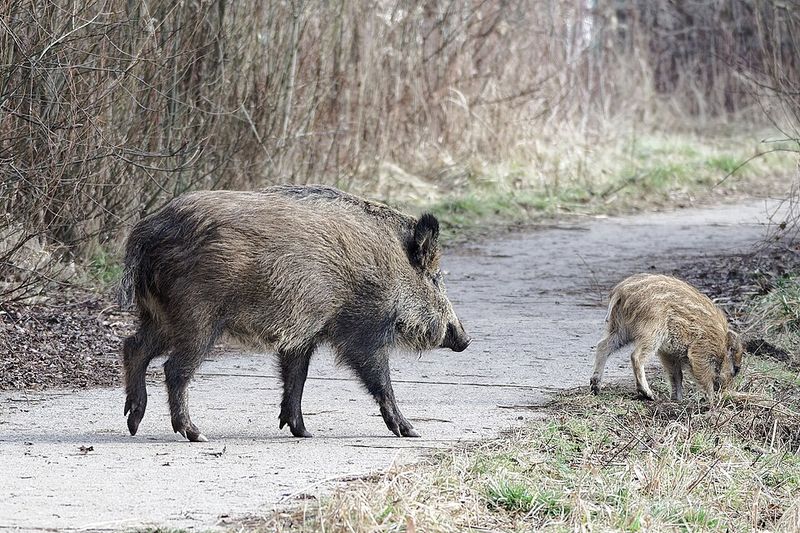
Trapping a feral hog in a confined space eliminates its ability to flee, which forces the animal into fight mode almost immediately.
When hogs feel they have no way out, they become desperate and unpredictable, making them far more likely to charge aggressively.
Blocking exits or surrounding the animal with people or objects is one of the most dangerous mistakes you can make during encounters.
Many South Carolina residents mistakenly believe that cornering a hog will make it easier to capture or control, but this approach backfires badly.
The hog will focus all its energy on breaking through the barrier you have created, and you might be directly in its path.
Even if you think you are helping by guiding the hog toward an exit, blocking other routes can confuse and agitate it.
Always ensure the hog has at least one clear path away from your location and the area where people are gathered nearby.
Observe the animal from a distance and avoid moving into positions that cut off its access to open space or wooded areas.
If the hog seems stuck or confused, back away and let it figure out its own escape route without interference from you.
10. Do Not Try To Feed Or Photograph It Up Close
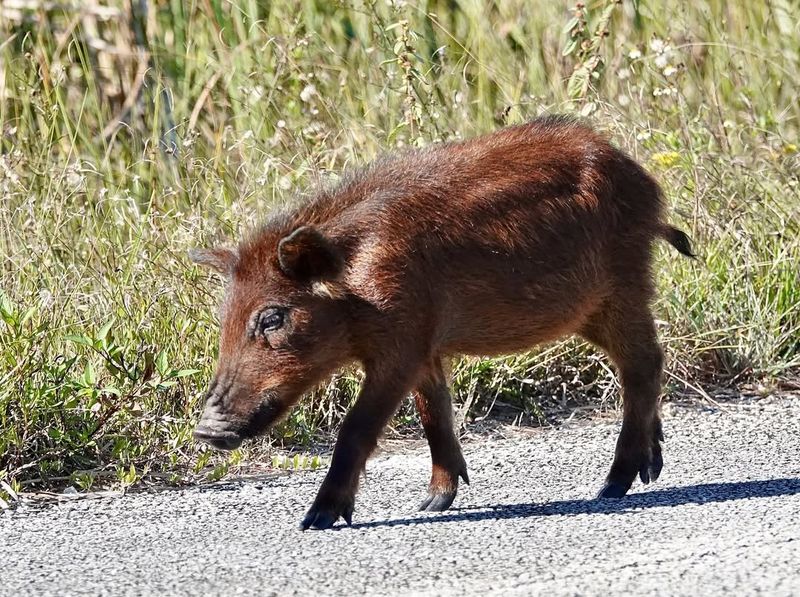
Feeding a feral hog might seem harmless or even kind, but it teaches the animal to associate humans with food sources nearby.
This behavior encourages the hog to return to your property repeatedly and potentially become more aggressive when demanding food from people.
Once a wild animal loses its natural fear of humans, it becomes a much greater danger to everyone in the neighborhood.
Taking close-up photographs of a feral hog is another risky behavior that puts you within striking distance of the animal unnecessarily.
People often underestimate how quickly hogs can move and how much damage they can cause with their tusks and powerful bodies.
South Carolina wildlife experts strongly discourage any interaction with feral hogs, including feeding, photographing, or attempting to touch them in any way.
If you want to document the hog’s presence, take photos from inside your home or from a safe distance using zoom features.
Report the sighting to local authorities so they can track feral hog activity in your area and take appropriate management actions.