Satellite Images Show Drought Slowly Reducing Kansas’s Irrigated Crop Areas
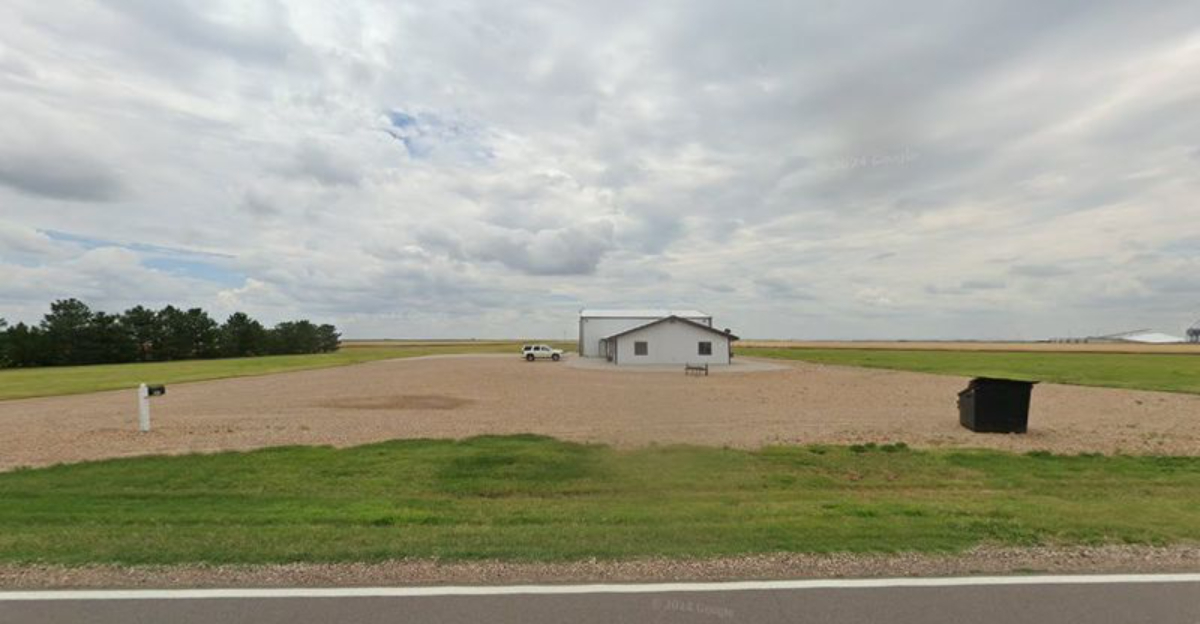
Satellite images are starting to tell a pretty eye-opening story about Kansas’s fields, and it’s surprising how clearly you can see those irrigated areas shrinking.
It feels a little unreal watching the changes from above, almost like you’re seeing the land quietly adjust day by day without anyone noticing at ground level.
And once you spot it, you can’t help but wonder how much more these crops can handle as the drought keeps pushing everything a little harder.
1. Finney County Farmlands Near Garden City
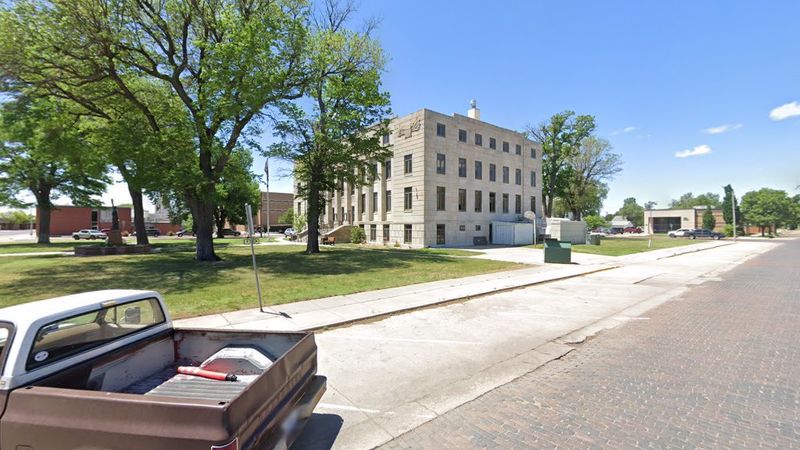
Finney County sits in the heart of Kansas agricultural country, where farming families have relied on irrigation for generations to grow their crops successfully.
Satellite images captured over the past few years show dramatic reductions in the green circular patterns that indicate healthy irrigated fields throughout this region.
The Ogallala Aquifer beneath this area has been dropping steadily, forcing farmers to pump water from deeper levels or abandon some fields entirely.
Located near 425 North 8th Street in Garden City, KS 67846, this county produces significant amounts of corn, wheat, and other essential food crops.
Water restrictions have become more common as local authorities try to balance agricultural needs with long-term sustainability goals for the entire community here.
Many farmers have switched to drought-resistant crop varieties or reduced their planted acreage to conserve precious water resources during these challenging dry periods.
Climate patterns suggest that Kansas will continue experiencing irregular rainfall, making adaptation strategies crucial for survival in this important agricultural region of America.
2. Haskell County Agricultural Zones
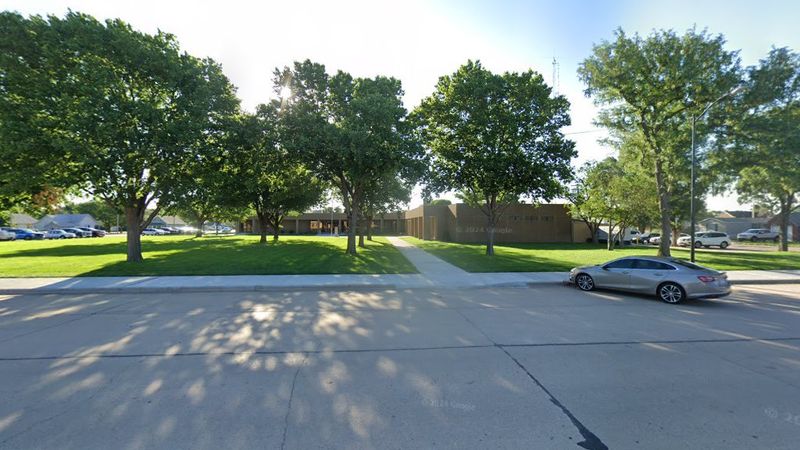
Agriculture defines life in Haskell County, where families have cultivated the land for over a century using advanced irrigation techniques to maximize production.
Recent satellite observations reveal troubling trends as formerly lush green circles of irrigated crops have shrunk noticeably or disappeared completely from the landscape.
Groundwater levels have declined significantly, leaving some wells unable to provide adequate water flow for the demanding needs of modern large-scale farming operations.
You can find this struggling agricultural region near 300 South Inman Street, Sublette, KS 67877, where county offices coordinate drought response efforts effectively.
Farmers report spending more money on deeper wells and more efficient irrigation equipment, but these investments cannot overcome the fundamental shortage of water.
Crop yields have fallen in many areas, forcing difficult decisions about which fields to irrigate and which to leave fallow during growing seasons.
Kansas communities like those in Haskell County demonstrate resilience, but the ongoing drought tests their ability to maintain traditional farming practices for future generations.
3. Grant County Center Pivot Systems
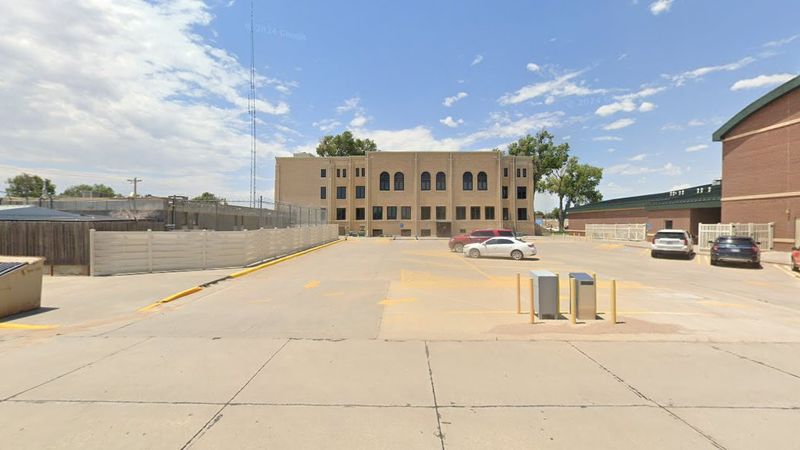
Grant County farmers have long depended on center pivot irrigation systems that create distinctive circular patterns visible from space when crops are growing well.
Satellite data collected over multiple growing seasons shows these circles becoming smaller, less vibrant, and sometimes completely brown instead of the healthy green color.
Water table measurements indicate that the aquifer supplying this region cannot recharge fast enough to keep pace with agricultural water withdrawal rates during summer.
The county seat is located at 108 South Glenn Street, Ulysses, KS 67880, where agricultural extension offices provide guidance to struggling farming operations.
Equipment sits idle in some fields because pumping water has become too expensive or impossible when wells run dry during peak irrigation months.
Local cooperatives have organized water conservation workshops, teaching farmers techniques to reduce consumption while maintaining economically viable crop production levels throughout Kansas.
Economic impacts extend beyond farms as businesses serving the agricultural sector also feel the effects of reduced crop production in this region.
4. Gray County Corn and Wheat Fields
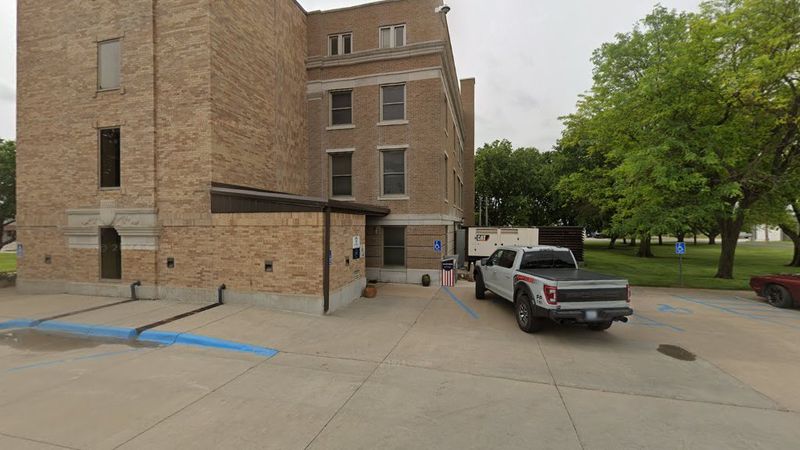
Corn and wheat production has been the economic backbone of Gray County for decades, supporting families and communities across this Kansas farming region.
Overhead satellite imagery clearly documents how irrigated acreage has contracted, with many fields showing signs of severe water stress and reduced plant health.
Aquifer depletion forces farmers to make tough choices about which crops to plant, knowing that water supplies may not last through the entire season.
County resources are centered near 300 South Main Street, Cimarron, KS 67835, where officials work on long-term water management plans for sustainability.
Some agricultural producers have transitioned to dryland farming methods that rely solely on rainfall, though yields are typically much lower than irrigated operations.
Conservation tillage and other soil moisture retention techniques have gained popularity as farmers adapt to the reality of diminishing water availability in Kansas.
Younger farmers entering the profession face uncertainty about whether irrigation-dependent agriculture will remain viable in Gray County for their children and grandchildren.
5. Stanton County Irrigation Districts
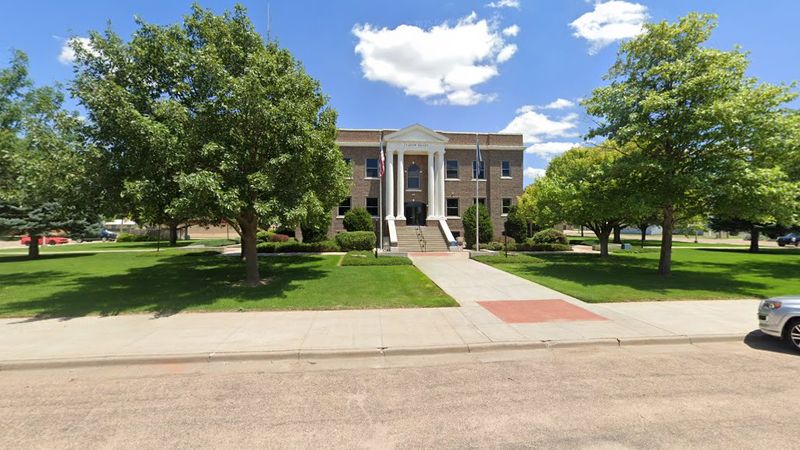
Stanton County represents one of the most water-intensive agricultural areas in Kansas, where irrigation has transformed naturally arid land into productive farmland.
Satellite monitoring programs track changes in vegetation health and irrigation patterns, revealing significant reductions in the total area receiving adequate water for crops.
Wells that once provided abundant water now struggle to meet demand, and some have been permanently abandoned as economically unviable to operate.
You can locate county administrative services at 201 North Main Street, Johnson City, KS 67855, where drought mitigation strategies are regularly discussed and implemented.
Water conservation districts have implemented stricter pumping regulations, limiting how much water individual farmers can extract during specified periods throughout the growing season.
Economic studies show that reduced irrigation directly impacts local employment, equipment sales, and the overall prosperity of rural communities dependent on agriculture.
Kansas policymakers face difficult decisions balancing immediate agricultural needs against long-term water sustainability for future generations living in this challenging environment today.
6. Seward County Cattle and Crop Operations
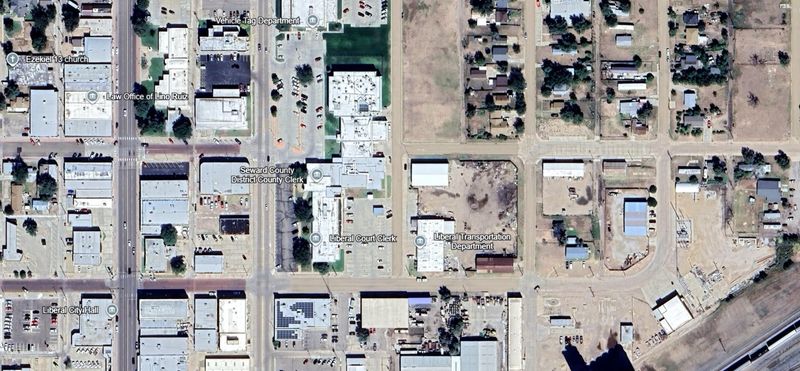
Seward County hosts diverse agricultural operations that combine cattle ranching with crop production, creating an integrated farming system dependent on reliable water supplies.
Satellite images reveal how drought has impacted both irrigated pastures for livestock and feed crop production areas that support the cattle industry here.
Ranchers face double challenges as grazing land dries up while the cost of growing feed crops like corn and alfalfa increases due to irrigation.
The main county offices are found at 415 North Washington Avenue, Liberal, KS 67901, where agricultural support services help producers navigate these difficulties.
Some operations have reduced herd sizes because they cannot produce enough feed or maintain adequate water supplies for animals during hot Kansas summers.
Feed costs have risen as farmers pay more for water or transport feed from distant locations where irrigation remains more reliable and affordable.
Communities throughout Kansas watch situations like Seward County closely, knowing that livestock operations provide essential economic diversity beyond traditional row crop farming alone.
7. Kearny County High Plains Aquifer Region
Kearny County sits directly above the High Plains Aquifer system, which has been the lifeblood of agriculture in this part of Kansas.
Satellite data combined with well measurements paint a concerning picture of aquifer depletion that directly correlates with shrinking irrigated crop areas visible from space.
Scientific studies estimate that water levels have dropped dozens of feet in some locations, making pumping increasingly difficult and expensive for farmers.
County services operate from 305 North Main Street, Lakin, KS 67860, where water conservation education programs help farmers understand sustainable practices better.
Farmers have invested in more efficient irrigation technology like drip systems and soil moisture sensors, but these cannot create water that simply is not there.
Agricultural economists predict that some areas may eventually return to dryland farming or alternative land uses if aquifer depletion continues at current rates.
Kansas legislators consider various policy options to address water use, balancing property rights with collective responsibility for preserving this vital resource for everyone.
8. Hamilton County Western Border Farms
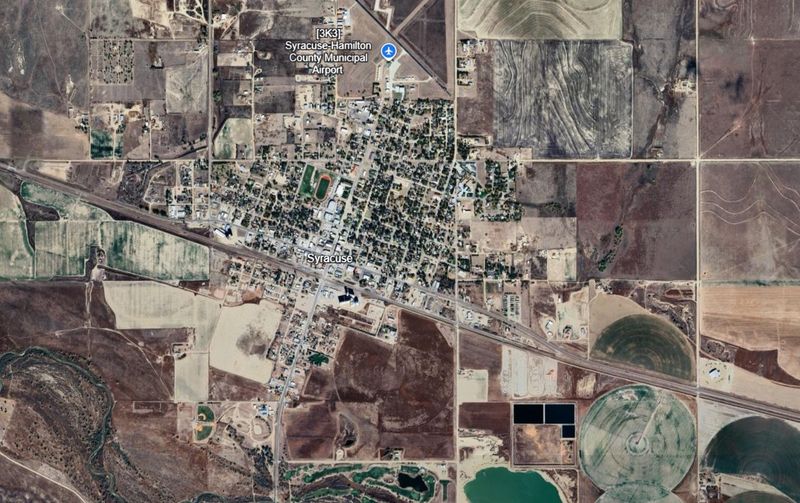
Hamilton County occupies Kansas western border, where agricultural conditions mirror challenges faced throughout the entire High Plains region of the United States.
Satellite imagery clearly shows how farms along this border have experienced significant reductions in irrigated acreage as drought conditions persist year after year.
Cross-border water management becomes complex as aquifer systems do not respect state lines, requiring cooperation between Kansas and Colorado officials for solutions.
The county courthouse stands at 219 North Main Street, Syracuse, KS 67878, serving as the administrative center for drought response coordination efforts.
Farmers near the state line have organized cooperatives to share water-saving technologies and strategies that help them survive these increasingly difficult conditions.
Weather patterns in this region show increasing variability, with longer dry periods interrupted by occasional intense storms that cause runoff rather than replenishment.
Kansas agricultural communities demonstrate remarkable adaptability, but the physical limits of available water ultimately constrain what even the most innovative farmers can achieve here.
9. Meade County Groundwater Management District
Meade County established one of Kansas earliest groundwater management districts, recognizing decades ago that water conservation would be essential for long-term survival.
Despite proactive management efforts, satellite images document steady declines in irrigated crop areas as the aquifer continues depleting faster than natural recharge processes.
Management district regulations limit new well permits and restrict pumping amounts, but existing agricultural demands still exceed sustainable water availability in this area.
You can find district offices and county services near 200 North Fowler Avenue, Meade, KS 67864, where water use records are carefully monitored.
Farmers participate in voluntary conservation programs that provide financial incentives for reducing water use or converting to less water-intensive crops throughout Kansas farmland.
Educational initiatives teach younger generations about water stewardship, hoping that cultural changes will support necessary transitions in agricultural practices over coming decades.
Kansas serves as a testing ground for water management approaches that may become necessary in other agricultural regions facing similar challenges worldwide.
10. Stevens County Southern Plains Farmland
Stevens County farmland stretches across Kansas southern plains, where agriculture has flourished for generations thanks to irrigation technology and abundant underground water supplies.
Satellite monitoring over recent years reveals disturbing trends as the percentage of actively irrigated land decreases while fallow or dryland fields increase significantly.
Farmers describe watching their wells produce less water each season, forcing them to irrigate fewer acres or abandon fields that become uneconomical to farm.
County administrative functions operate from 200 East 6th Street, Hugoton, KS 67951, where agricultural support services assist producers facing water shortages and challenges.
Natural gas production in this region adds complexity as energy operations also require water, creating competition between different economic sectors for limited resources.
Community leaders work to diversify local economies beyond agriculture alone, recognizing that water limitations may permanently change the economic landscape of Kansas.
Kansas experiences with drought adaptation provide valuable lessons about resilience, innovation, and the importance of long-term planning for sustainable resource use everywhere.