Satellite Images Show How Georgia’s Rapid Growth Is Cutting Into Wildlife Corridors
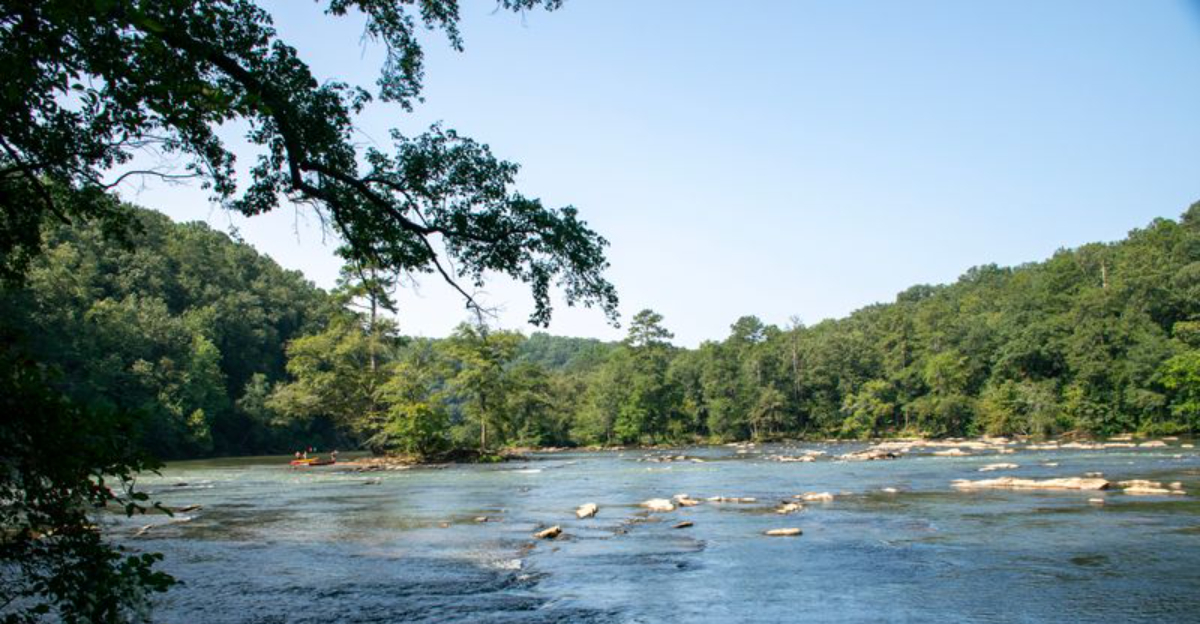
Georgia keeps growing fast, and those new neighborhoods and roads are starting to squeeze the quiet paths wildlife has used for years.
You can see the changes clearly from above, with satellite images showing how forests, marsh edges, and open fields are slowly breaking apart.
It’s a little wild to realize how quickly the landscape shifts, and it makes you look at familiar places with a whole new kind of attention.
1. North Fulton County Corridor Fragmentation
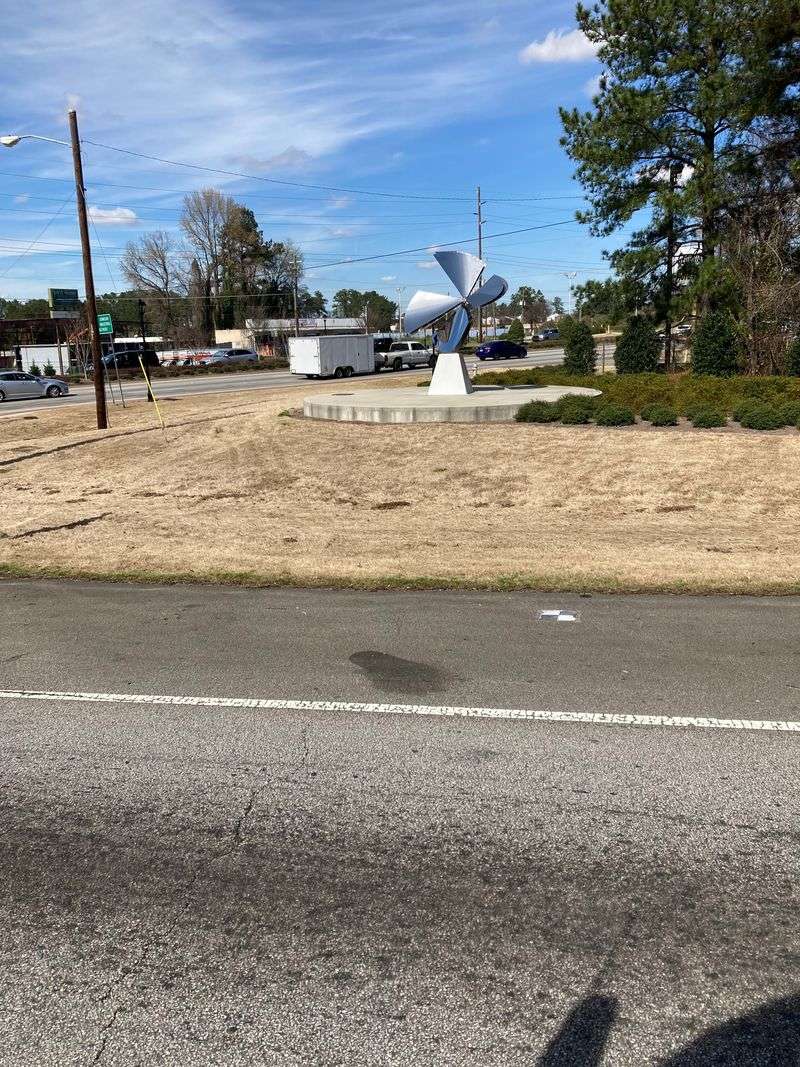
North Fulton County near Alpharetta has transformed dramatically over the past decade as residential neighborhoods replace once continuous forest habitat areas.
Deer, foxes, and countless bird species struggle to navigate between isolated patches of green space as roads and homes divide landscapes.
Areas around Old Alabama Road have seen particularly intense construction activity that fragments crucial movement paths for local wildlife populations throughout Georgia.
Developers continue building upscale communities that appeal to families but leave animals with fewer safe routes to travel between feeding grounds.
Native species must now cross busy streets and navigate backyard fences just to reach water sources or find mates during seasons.
Conservation groups worry that continued growth without wildlife-friendly planning will isolate animal populations and reduce genetic diversity in the region.
Local residents can help by creating backyard habitats and supporting green space preservation efforts in their North Fulton County neighborhoods today.
2. Chattahoochee River National Recreation Area Edges
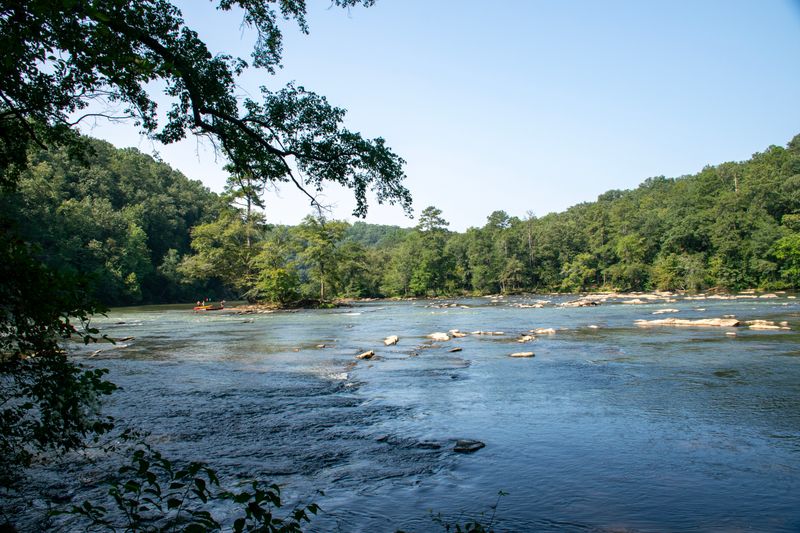
The Chattahoochee River National Recreation Area near 1978 Island Ford Parkway faces mounting pressure from surrounding development across multiple metro Atlanta counties.
While the park itself remains protected, adjacent lands are rapidly converting to residential and commercial uses that squeeze wildlife into smaller areas.
Otters, beavers, and wading birds depend on buffer zones around the river to forage and nest away from human disturbance sources.
Construction noise and artificial lighting from new buildings disrupt natural behaviors and breeding patterns for sensitive species living along Georgia’s waterways.
Runoff from paved surfaces carries pollutants into streams that flow toward the Chattahoochee, degrading water quality for aquatic creatures downstream.
Park officials collaborate with local governments to encourage thoughtful development that minimizes impacts on wildlife using the river corridor as habitat.
Visitors can support conservation by staying on marked trails and respecting wildlife viewing guidelines when exploring this treasured Georgia natural area.
3. Henry County Southern Crescent Development
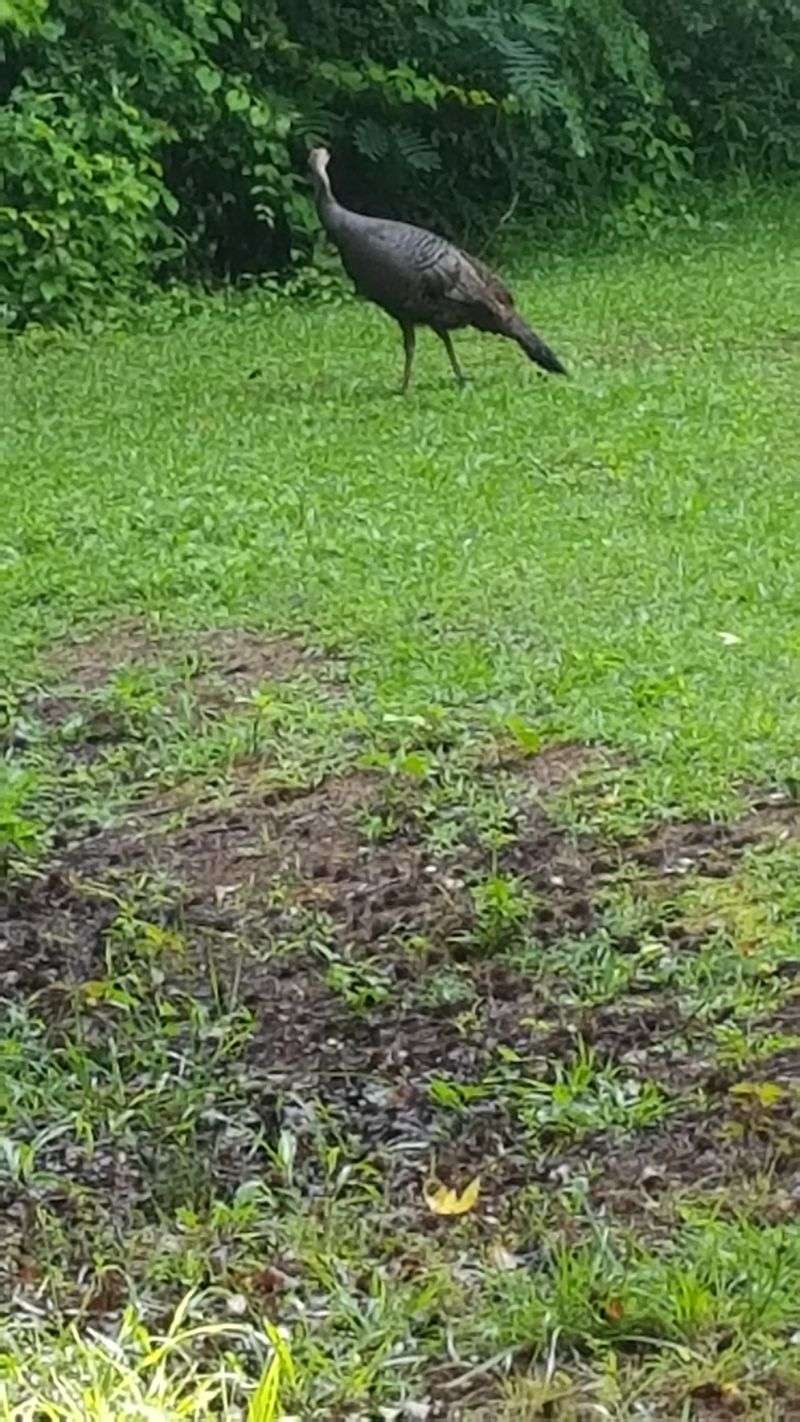
Henry County’s southern crescent along Highway 75 has exploded with warehouse facilities and subdivisions that eliminate agricultural lands once used by wildlife.
Open fields that provided habitat for rabbits, hawks, and ground-nesting birds are now covered with asphalt and concrete structures everywhere.
The rapid transformation leaves little time for animals to adapt or relocate to suitable alternative habitats within this Georgia county’s boundaries.
Logistics companies favor Henry County for its highway access, but their massive distribution centers create impassable barriers for terrestrial wildlife movement.
Migrating songbirds lose crucial stopover points where they once rested and refueled during long journeys across the southeastern United States.
Local environmental advocates push for developers to incorporate green buffers and wildlife crossings into their plans before breaking ground on projects.
Citizens attending county planning meetings can voice support for ordinances that require habitat assessments and mitigation measures for new Georgia developments.
4. Savannah Port Expansion Wetland Impacts
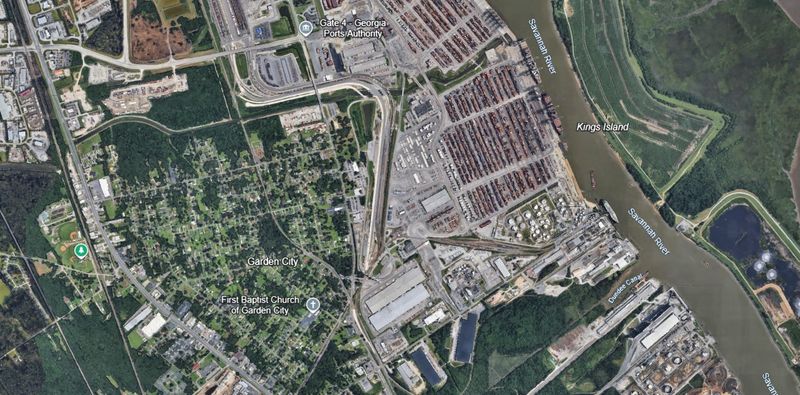
The Port of Savannah near Ocean Highway continues expanding to accommodate larger ships, directly impacting surrounding wetlands that support diverse wildlife communities.
Marshes along the Savannah River provide essential habitat for wading birds, crabs, and juvenile fish that depend on these nursery areas.
Dredging operations and container terminal construction destroy vegetation and alter water flow patterns critical for maintaining healthy coastal ecosystems in Georgia.
Shorebirds migrating along the Atlantic Flyway rely on these wetlands as stopover sites, but development reduces available resting and feeding areas.
Industrial noise and increased vessel traffic disturb nesting colonies and force wildlife to abandon traditional breeding sites they’ve used for generations.
Environmental reviews attempt to balance economic benefits with ecological costs, but wildlife often loses ground in these complex development negotiations statewide.
Supporting organizations that monitor port impacts and advocate for mitigation helps protect remaining coastal wildlife corridors throughout Georgia’s shoreline regions.
5. Hall County Gainesville Urban Sprawl
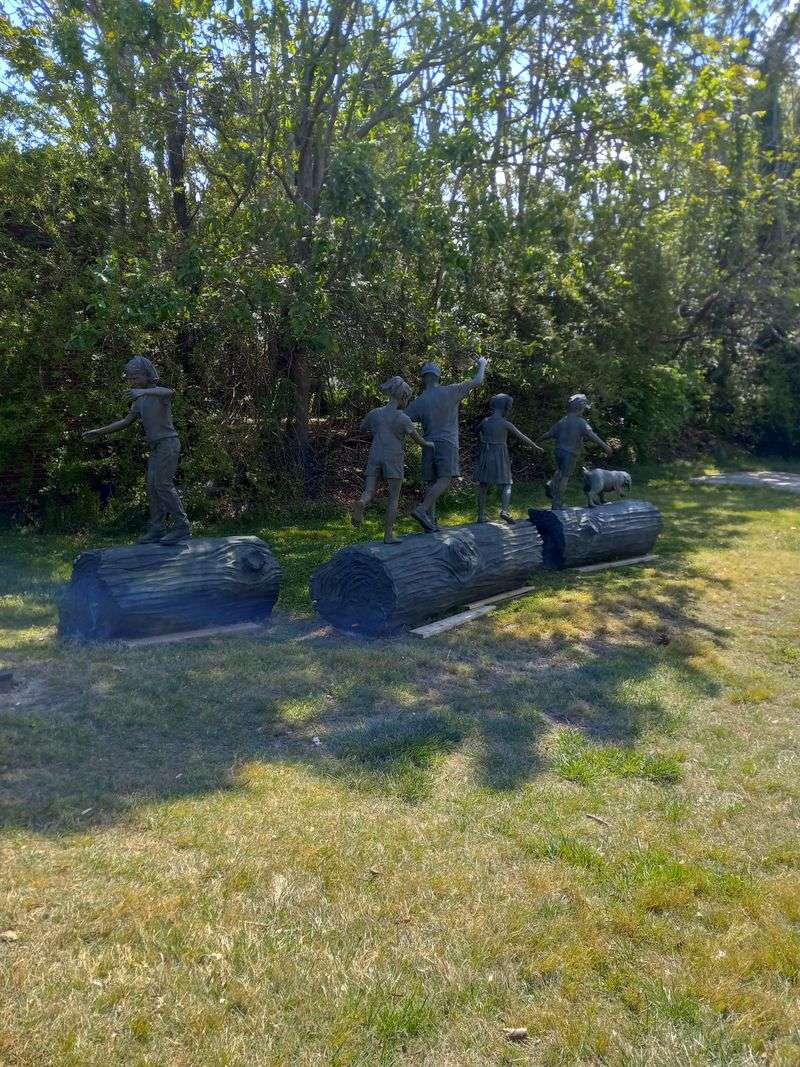
Hall County around Gainesville and Jesse Jewell Parkway experiences relentless suburban expansion that consumes forested hillsides and stream valleys used by wildlife.
Lake Lanier’s popularity drives residential growth, but new lakefront communities fragment habitats that once connected upland forests with shoreline feeding areas.
White-tailed deer, wild turkeys, and black bears find their traditional movement routes blocked by fences, roads, and walls throughout this Georgia region.
Steep terrain that once discouraged development now features terraced lots that require extensive grading and removal of native vegetation and trees.
Stormwater runoff from impervious surfaces increases erosion and sediment loading in creeks that flow into Lake Lanier, harming aquatic wildlife populations.
County planners face pressure to approve projects that boost tax revenues while trying to preserve natural resources for future generations of Georgians.
Residents can participate in watershed protection programs and support land trusts working to conserve critical wildlife corridors in Hall County today.
6. Augusta Richmond County Industrial Growth
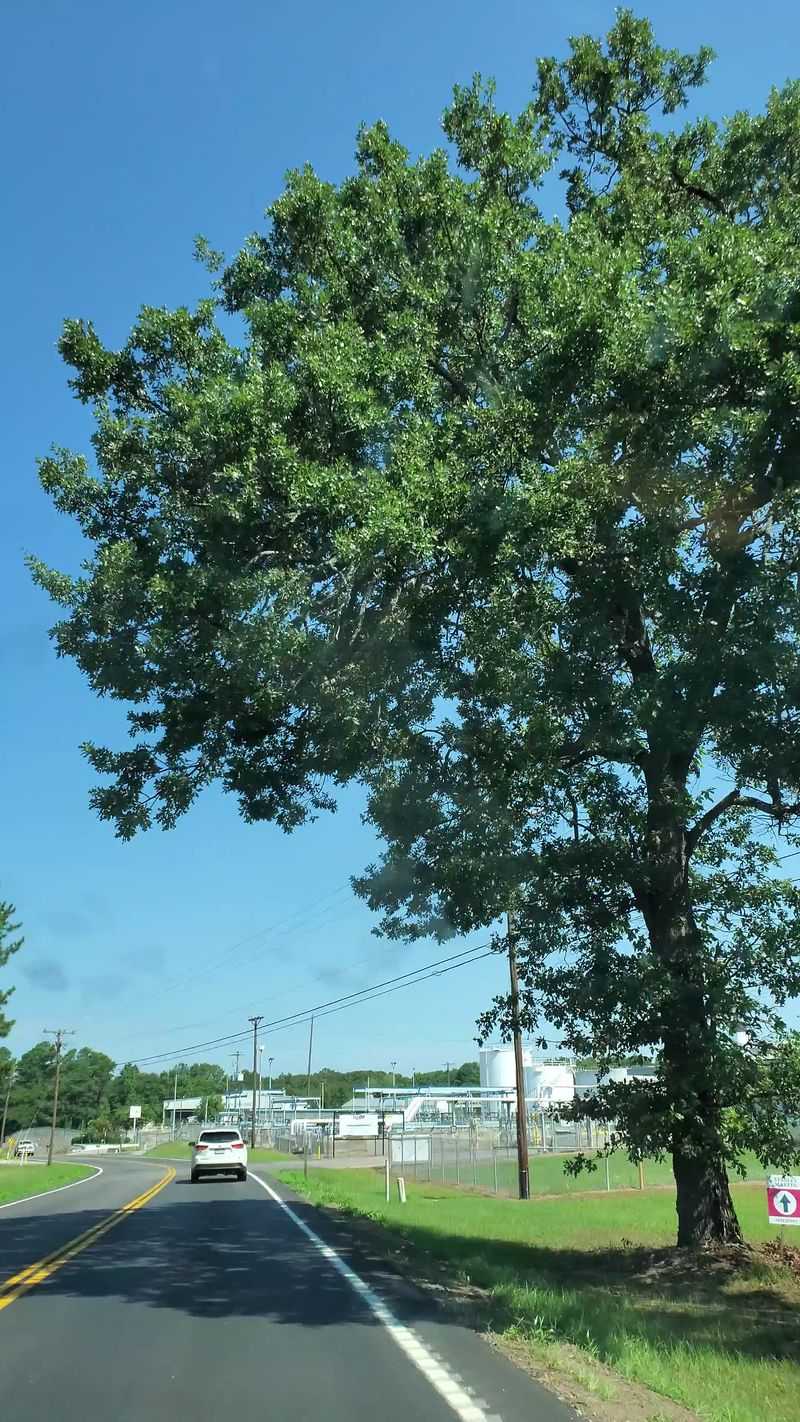
Augusta Richmond County along Riverwatch Parkway attracts manufacturing facilities that consume open lands previously serving as wildlife movement corridors near the river.
The Savannah River basin supports diverse species, but industrial development on its banks disrupts connections between upland forests and aquatic habitats.
Bald eagles, river otters, and freshwater mussels all require intact riparian zones that provide food, shelter, and clean water in Georgia.
Tax incentives for industrial projects encourage rapid development without always requiring comprehensive wildlife impact assessments or mitigation plans for local species.
Increased truck traffic and nighttime lighting associated with manufacturing operations create additional hazards for animals attempting to cross developed areas safely.
Community groups monitor development proposals and advocate for preserving buffer zones that protect water quality and maintain habitat connectivity throughout the county.
Attending public hearings and contacting elected officials helps ensure wildlife considerations receive appropriate attention during the development review process in Augusta.
7. Forsyth County Residential Boom
Forsyth County near Cumming and Peachtree Parkway ranks among Georgia’s fastest-growing counties, with residential construction consuming farmland and forests at an alarming rate.
Schools and shopping centers follow housing developments, creating sprawling suburban landscapes that leave little room for wildlife to move or survive safely.
Bobcats, coyotes, and numerous reptile species lose habitat connectivity as subdivisions spread across former agricultural lands throughout this booming Georgia county.
Homeowners often complain about wildlife encounters, not realizing their new houses occupy spaces animals have used for generations as travel routes.
Road mortality increases dramatically as wildlife attempts to cross widened highways connecting new residential areas to employment centers and commercial districts.
County officials struggle to provide infrastructure for rapid population growth while addressing environmental concerns raised by conservation organizations and concerned citizens alike.
Supporting smart growth initiatives and participating in land use planning helps balance development needs with wildlife conservation goals in Forsyth County.
8. Columbus Chattahoochee Riverfront Development
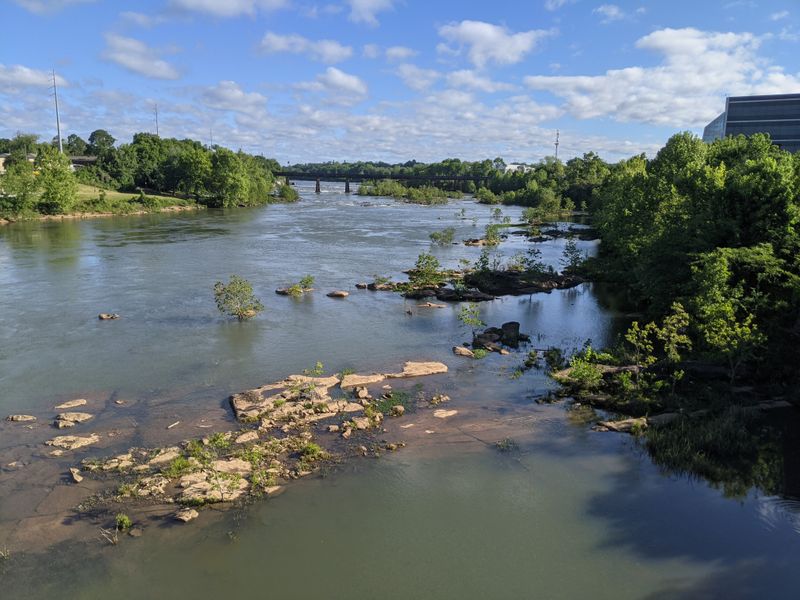
Columbus has revitalized its downtown riverfront near Bay Avenue, creating parks and commercial spaces that alter natural shoreline habitats along the Chattahoochee River.
While urban renewal brings economic benefits, hardened riverbanks and increased human activity displace wildlife that depends on natural shoreline vegetation in Georgia.
Turtles, wading birds, and small mammals require undisturbed areas along rivers to nest, hunt, and raise young away from constant disturbance.
Whitewater rafting facilities and riverside restaurants attract visitors but reduce the quiet spaces wildlife needs to thrive in urban river environments.
Native fish populations face challenges from altered water flows and reduced riparian vegetation that once provided shade and organic matter inputs.
City planners attempt to incorporate green infrastructure and wildlife-friendly features into riverfront projects, though commercial interests often take priority in discussions.
Residents can advocate for balanced riverfront development that preserves natural areas and creates wildlife viewing opportunities that benefit both people and animals.
9. Gwinnett County Highway Corridor Expansion
Gwinnett County’s highway corridors along I-85 and Pleasant Hill Road feature continuous commercial strips that eliminate wildlife movement routes between remaining forest patches.
Big box stores, strip malls, and office parks create vast expanses of pavement that wildlife cannot safely cross or use for habitat.
Nocturnal animals like raccoons, opossums, and flying squirrels face particular challenges navigating brightly lit commercial areas throughout this densely developed Georgia county.
Stream corridors that once served as natural wildlife highways now run through culverts under parking lots, blocking access and degrading water quality.
Native plant communities disappear as development replaces diverse habitats with maintained lawns and ornamental landscaping that provides little value for wildlife.
County environmental programs encourage businesses to incorporate native plantings and wildlife-friendly practices, though participation remains voluntary and inconsistent across different areas.
Shopping at businesses that demonstrate environmental stewardship and supporting green building practices helps create market demand for wildlife-conscious development in Gwinnett County.
10. Warner Robins Air Force Base Perimeter Growth
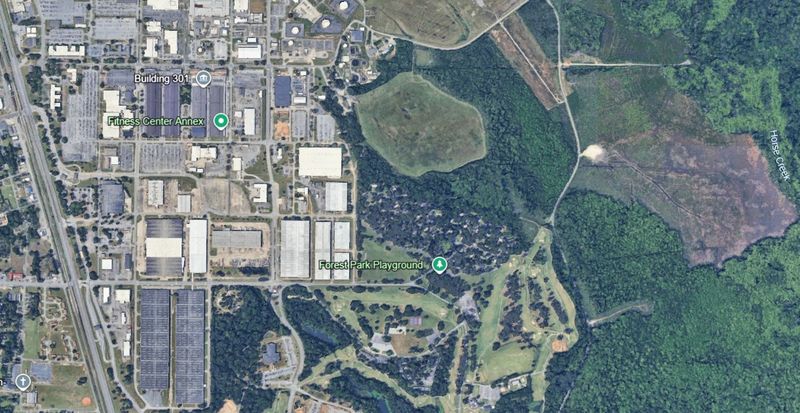
Warner Robins near Robins Air Force Base and Watson Boulevard experiences significant growth driven by military employment, consuming wildlife habitat around the installation.
Ironically, the base itself provides protected habitat, but surrounding development creates barriers preventing wildlife from accessing these relatively undisturbed areas in Georgia.
Gopher tortoises, a species of concern, lose sandy upland habitats as residential neighborhoods spread across suitable terrain outside the base fence.
Commercial development along highway approaches to the base fragments remaining natural areas and increases wildlife-vehicle collisions on busy roads serving thousands.
Noise from increased traffic and development disrupts breeding behaviors for birds and mammals that require quiet environments during sensitive reproductive periods.
Local planning departments work with military environmental staff to identify priority conservation areas, though development pressure makes protection challenging in practice.
Citizens can support conservation easements and habitat restoration projects that maintain connectivity between protected base lands and surrounding natural areas in Georgia.