Save Your Tomato Harvest With Early-August Tasks For New York Gardeners
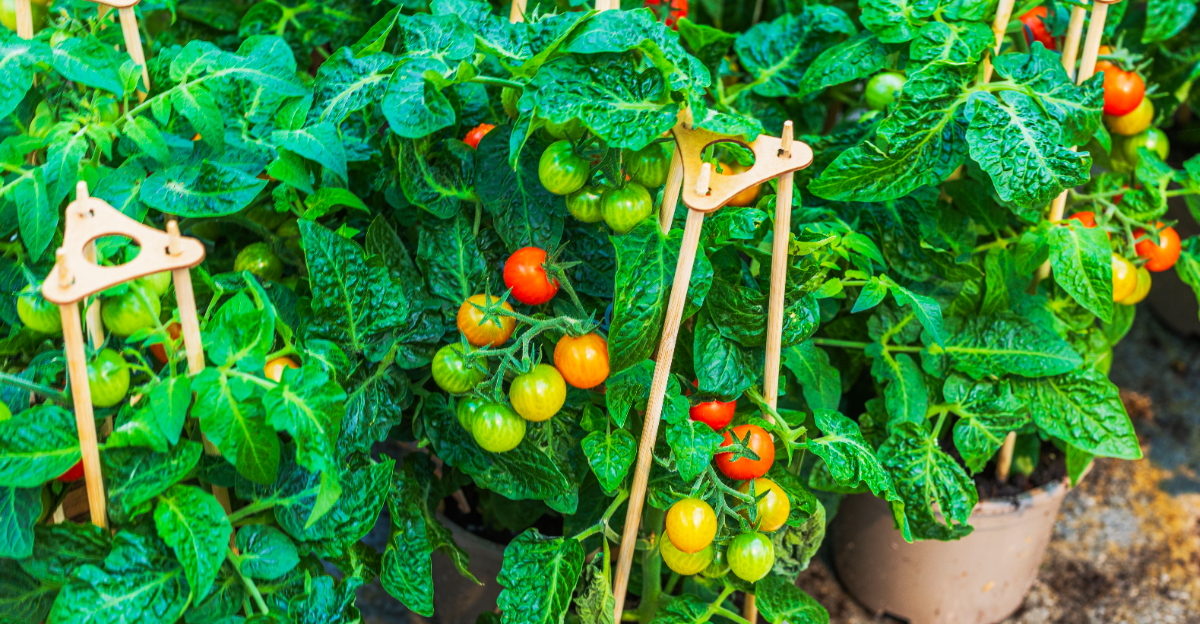
Tomatoes shift fast once August nights turn cool. Vines can decline quickly as conditions shift. New York gardens face a narrow window before conditions change fast and without warning.
Humid air lets fungus spread across healthy leaves quickly. Waiting even a few extra days costs you valuable, hard-earned fruit. Garden conditions change quickly without regular attention.
Pruning shears become your sharpest tool in this final stretch. Every choice you make right now decides ripening or loss. Weather across New York shifts quickly and unpredictably during late summer.
Rain can undo recent maintenance work. Your tomatoes need real attention before this entire season moves on. Timing matters more than soil, sun, or effort combined.
Some gardeners delay because the tasks feel overwhelming. Others act now, and their harvest holds firm. Acting promptly improves your results.
1. Prune Suckers To Focus Plant Energy
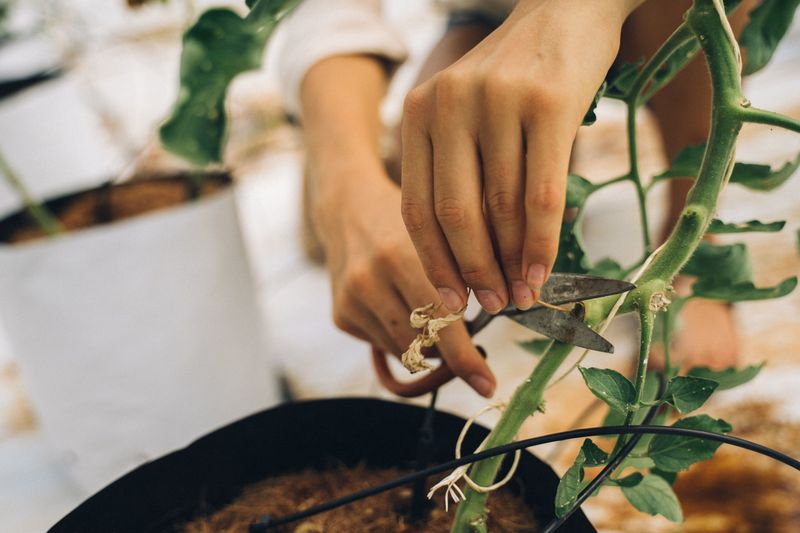
Suckers are sneaky little growth shoots that pop up between the main stem and a branch. Left alone, they quietly steal energy your plant could spend on ripening fruit instead.
Each sucker you remove sends a clear signal to the plant: focus everything on the tomatoes already forming.
That redirection of energy becomes essential as you head into the final stretch of late summer. Pinch small suckers off with your fingers once they are under an inch long.
Larger suckers should be cut cleanly with sanitized pruners to avoid tearing or damaging the stem. New York summers can swing fast, shifting from hot and dry to cool and rainy within days.
Pruning suckers also improves airflow through the plant, which helps prevent fungal problems that thrive in humid, stagnant conditions. Still, do not prune every single shoot without thinking it through first.
Keep one or two suckers low on the plant if you want a backup stem ready in case of damage. The goal is a focused, well-shaped plant with strong stems and heavy clusters of ripening tomatoes.
A little disciplined pruning now pays off at harvest time, so do not skip this step before the weather turns against you. Morning hours work best for pruning, since cuts seal faster in dry air.
Avoid handling wet foliage, as damp conditions spread disease from plant to plant through your fingers. Sanitize your pruners between plants using rubbing alcohol to stop any bacterial transfer entirely.
Consistency here rewards you later with fewer diseased leaves and noticeably stronger, more productive vines throughout the season.
2. Remove Lower Yellowing Leaves Promptly
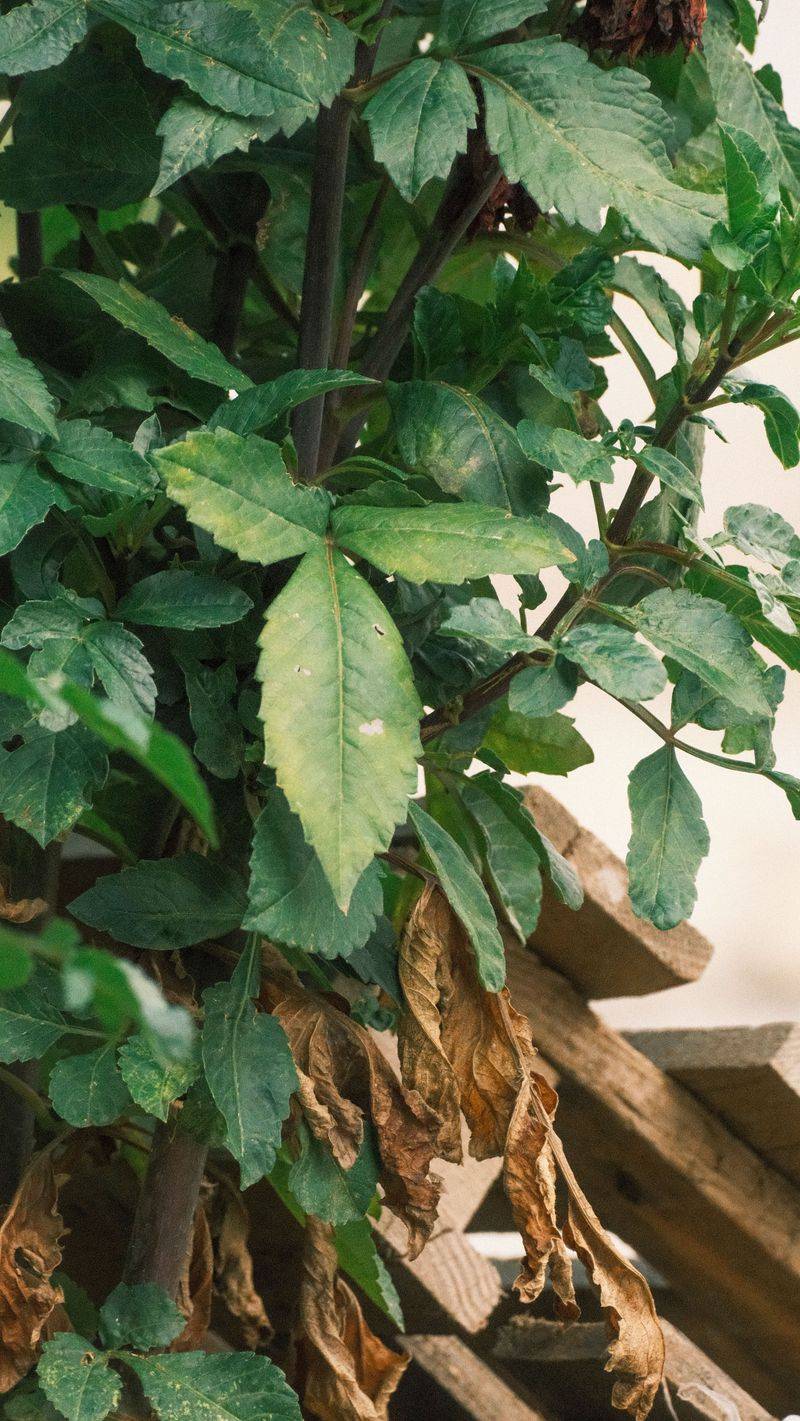
Yellow leaves at the bottom of your tomato plant are not just unsightly. They are a clear warning sign that disease or stress is already creeping in.
Early blight and Septoria leaf spot both start low on the plant and climb upward fast. Removing those leaves early stops the spread before it ever reaches your fruit-bearing branches.
Grab a clean pair of scissors or pruners and snip yellowing leaves right at the base of the stem. Drop them straight into a sealed bag and toss them out, never into your compost pile.
Your New York Garden Changes Every Week. Your Plan Should Too.
Gardening in New York changes quickly throughout the season. Every Friday you’ll receive a simple weekly plan showing exactly what to plant, prune, fertilize, harvest, and protect so you never miss the right timing.
Composting diseased leaves can spread spores right back into your garden next season without warning. That one simple habit change protects both your current crop and your future harvests.
Clearing away lower leaves also lets sunlight reach the soil around your plants more directly. Warm, dry soil near the base reduces the moisture buildup that fungal spores absolutely thrive on.
Check your plants every two to three days throughout August without exception. New York’s late-summer humidity can push problems along surprisingly fast if you look away.
Staying ahead of it consistently keeps your entire harvest intact and healthy. Think of this simple routine as giving your plants a genuine clean slate.
Fresh airflow, dry soil, and a tidy stem line all add up quickly. Together, they produce healthier, more resilient tomatoes ripening steadily on your plate this season.
3. Water Deeply For Consistent Moisture
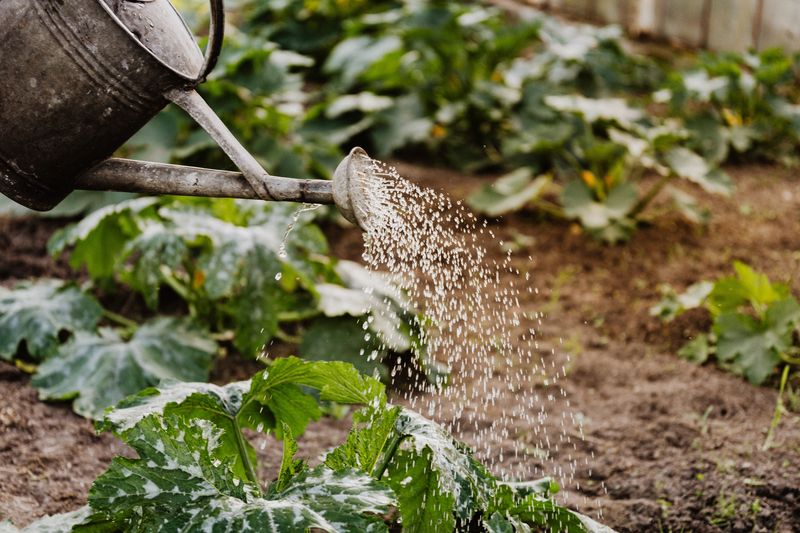
Inconsistent watering is one of the sneakiest ways to ruin a tomato harvest completely. Blossom end rot, cracking, and dropped fruit all trace back to uneven moisture in the soil.
Deep watering once or twice a week beats shallow daily sprinkles every single time. When water soaks down six to eight inches, roots follow it deeper and stay far more stable.
Shallow roots dry out fast during hot August afternoons without much warning at all. Deep roots keep the plant steady even when the top inch of soil looks completely bone dry.
Water at the base of your plants, never overhead from above. Wet foliage is an open invitation for fungal diseases, especially during New York’s muggy late-summer evenings.
A simple trick is pushing your finger two inches into the soil near the plant base. If it feels dry at that depth, it is time to water thoroughly and generously.
Drip irrigation or a soaker hose does this job beautifully and consistently, without much effort. Both deliver moisture right where roots need it most, without splashing leaves or wasting water on bare walkways nearby.
Mulching around the base helps lock that moisture in longer between waterings. Straw, shredded leaves, or untreated grass clippings all work well for New York gardens.
Consistency matters more than volume when it comes to keeping tomato plants truly thriving. A predictable schedule trains roots to expect water, reducing the stress that causes splitting and rot.
4. Feed With Low-Nitrogen, High-Potassium Fertilizer
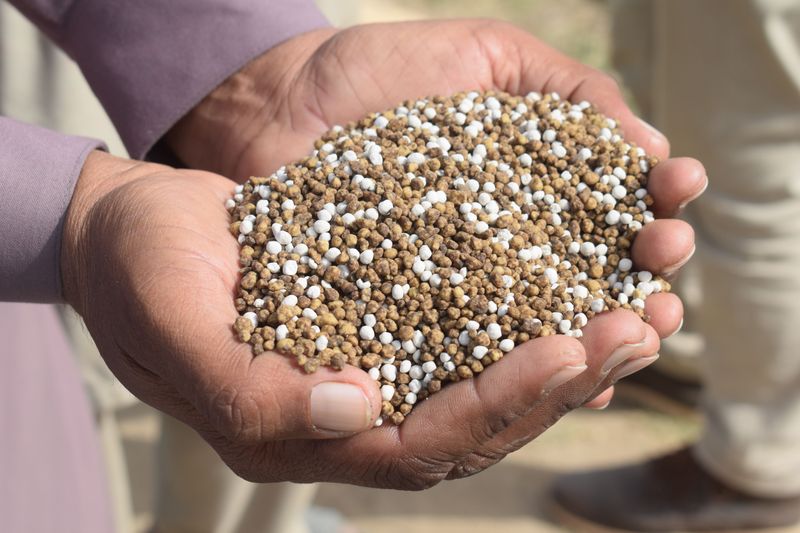
By early August, your tomato plants have shifted from growing taller to ripening fruit. Their nutritional needs change completely during this phase, and your fertilizer should change too.
High-nitrogen fertilizers push leafy green growth, which is great in June but counterproductive now. Too much nitrogen in August gives you big bushy plants with very few ripe tomatoes.
Switch to a fertilizer higher in potassium and phosphorus, often labeled as a tomato or fruit fertilizer. These nutrients support strong cell walls, better color, and sweeter flavor in ripening fruit.
Look for a product with an NPK ratio like 5-10-10 or 4-9-13. The lower first number means less nitrogen, and the higher last number signals more potassium for fruit development.
Apply according to package directions and resist the urge to add extra. Over-fertilizing burns roots and can stress the plant right when it needs to be calm and productive.
Liquid fertilizers work fast and absorb quickly through both roots and leaves. Granular options release more slowly, which works well if you want steady feeding over several weeks.
Healthy, well-fed plants resist disease better and recover faster from pest damage. A smart feeding shift in early August can be the difference between a mediocre yield and a truly satisfying harvest.
5. Top Plants To Stop Vertical Growth
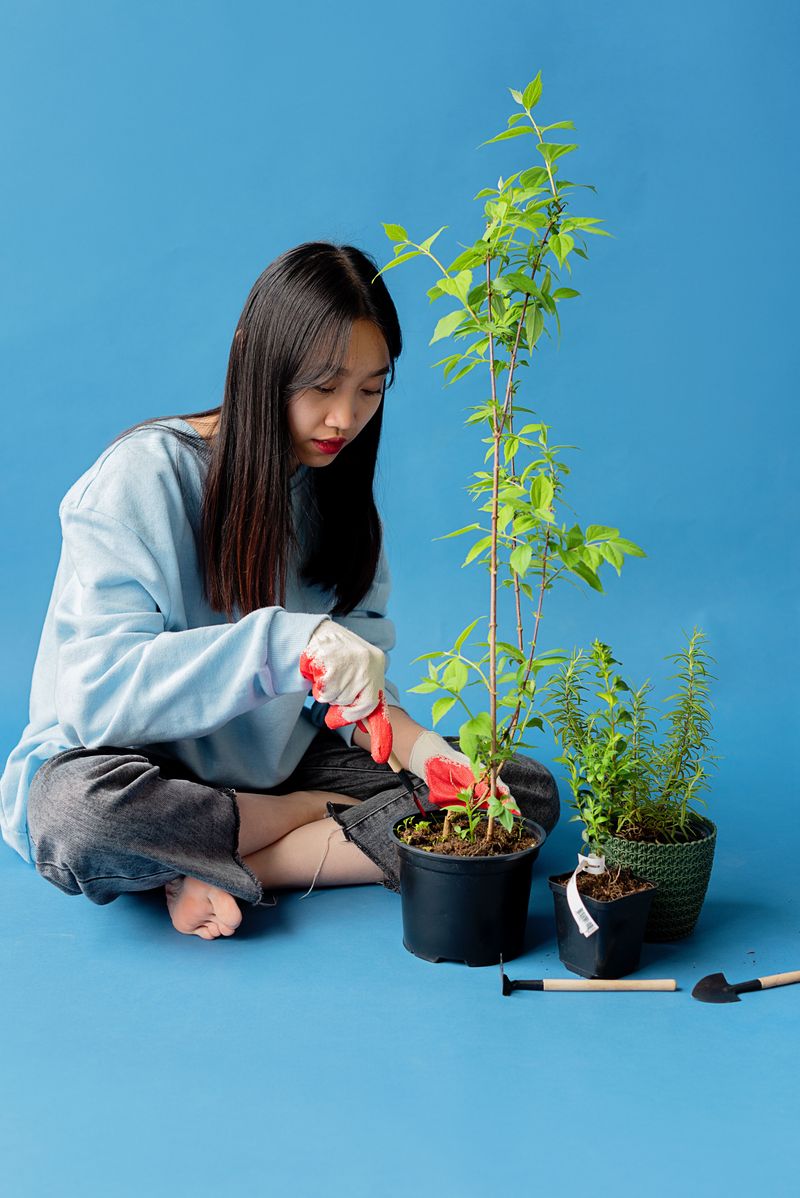
Topping a tomato plant sounds dramatic, but it is one of the smartest moves you can make in early August. Cutting off the top growing tip stops the plant from pushing energy into new height.
Instead of reaching for the sky, the plant redirects its resources toward the tomatoes already on the vine. That energy shift can help speed up ripening in many cases.
Count the weeks until your average first frost date in your area of New York. If you have fewer than eight weeks left, topping is a smart precaution for your harvest.
Use clean, sharp pruners to cut just above the last flower cluster you want to keep. A clean cut heals faster and reduces the chance of disease sneaking into the wound.
Do not panic if the cut site looks a little rough for a day or two. The plant will seal itself off and redirect its focus without any help from you.
Topping also makes the plant easier to manage physically. Shorter plants stay inside their cages better and are less likely to snap under the weight of a heavy fruit load.
Think of it as giving your plant a clear finish line. Once it stops growing up, it puts everything it has into getting those tomatoes ripe and ready for your table.
6. Mulch Heavily To Retain Soil Heat
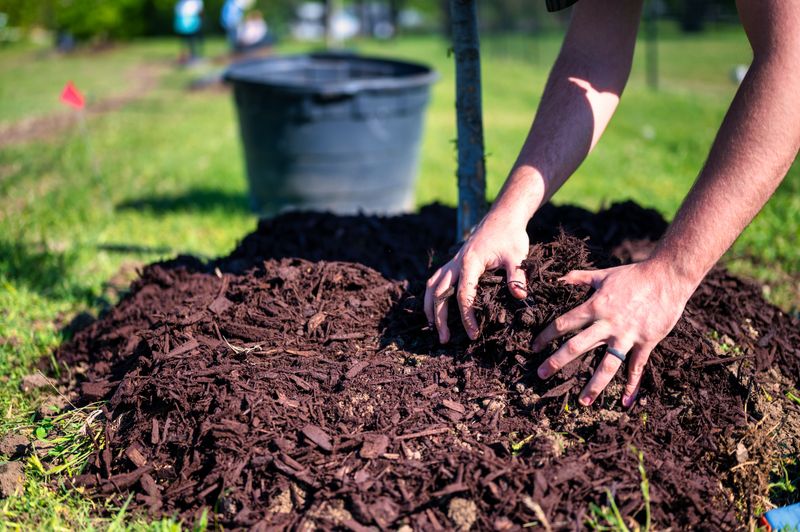
Soil temperature matters more than most gardeners realize when tomatoes are in their final push toward ripeness. Warm soil keeps roots active, feeding the plant efficiently even as air temperatures start to drop at night.
A thick layer of mulch, about three to four inches deep, traps heat in the soil through those cooler August evenings. Straw, shredded leaves, or wood chips all work well for this purpose.
Mulch also cuts down on how often you need to water. It slows evaporation significantly, keeping moisture in the root zone longer between your watering sessions.
Spread mulch in a circle around each plant, keeping it a couple of inches away from the main stem. Mulch piled directly against the stem can trap moisture and encourage rot at the base.
Another bonus of heavy mulching is weed suppression. Fewer weeds mean less competition for water and nutrients, which your tomato plants need all to themselves right now.
Dark-colored mulches like cocoa hulls or black plastic absorb more sunlight and transfer extra warmth into the soil below. In a short-season growing zone, every extra degree of soil warmth counts.
Refreshing your mulch layer now sets your plants up for a strong August finish. A well-insulated root zone is quiet, steady support that works around the clock without any extra effort from you.
7. Check Stakes And Cages For Support
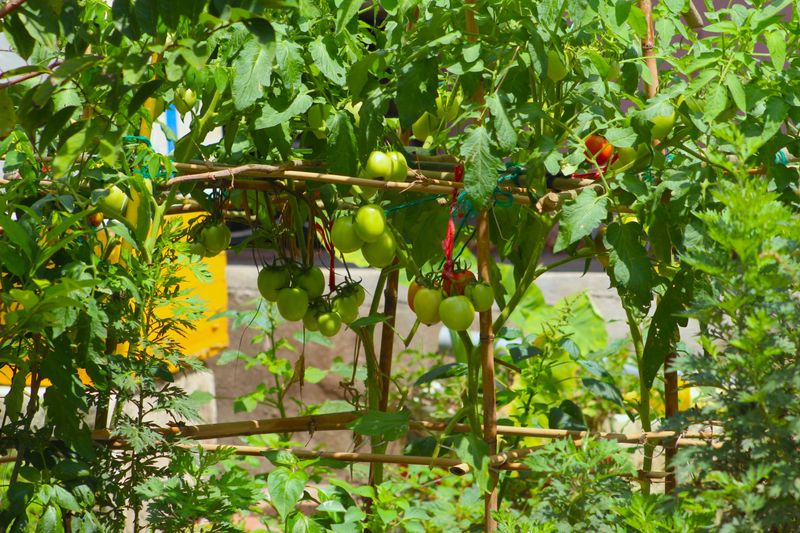
August tomato plants are heavy, and the stakes or cages you set up back in June may not be holding up as well as you think. A plant loaded with fruit can snap a stem or topple a cage in one gusty afternoon storm.
Walk through your garden and give every support structure a firm shake. If it wobbles, push it deeper into the soil or add a second stake alongside the first.
Tie any drooping branches back to their supports using soft garden twine or stretchy plant tape. Avoid wire or zip ties, which can cut into stems as the plant grows.
Pay special attention to branches carrying the heaviest fruit clusters. Those are the ones most likely to crack or split if a sudden rain adds extra weight overnight.
Tomato cages can spread outward under pressure from a big plant. Wrap a length of twine around the outside of a bulging cage to pull it back into shape and hold it there.
Wooden stakes sometimes rot at the soil line after a wet summer. If a stake feels soft or spongy near the ground, replace it before the plant falls and breaks stems.
A few minutes checking supports now can prevent serious storm damage later. Strong support means your plants stay upright and keep ripening right through to harvest day.
8. Monitor For Hornworms And Blight
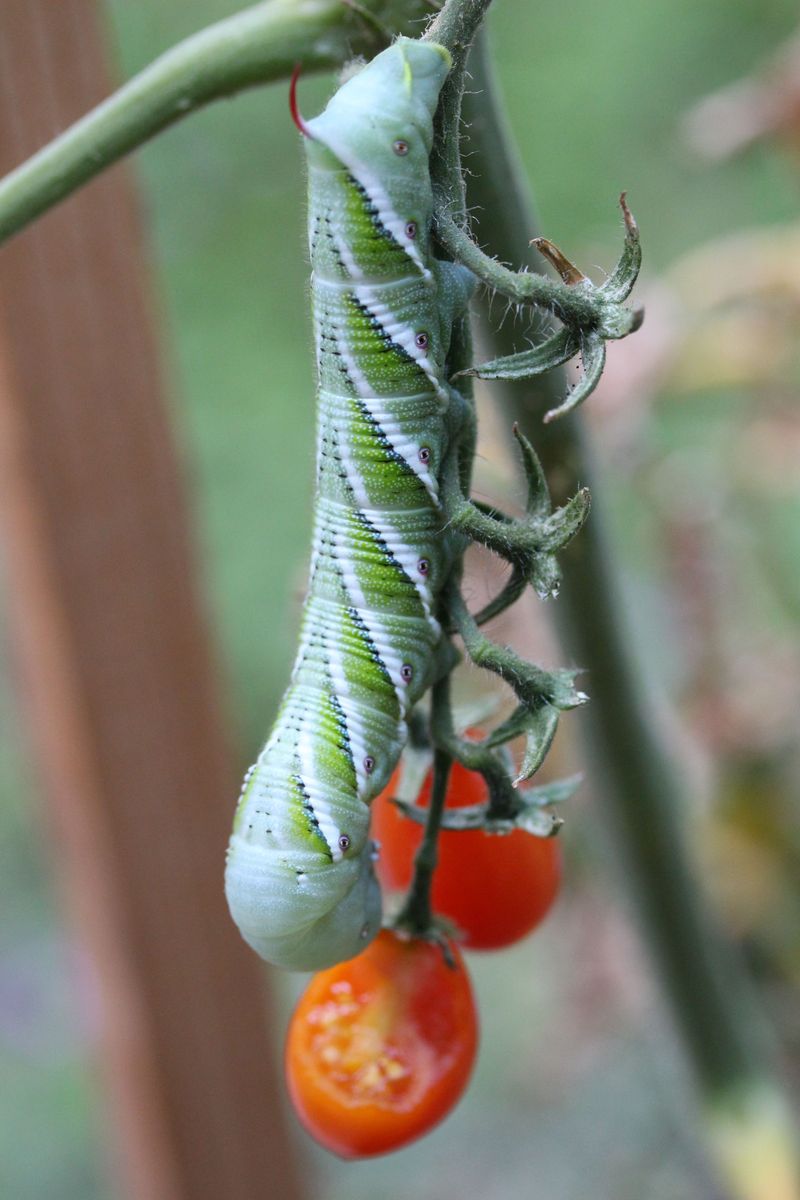
Tomato hornworms are large, fast-feeding larvae that can damage plants quickly. A single hornworm can strip a branch bare surprisingly fast, especially at full size.
Scan your plants every morning, checking the undersides of leaves and along main stems. Hornworms are green and blend in perfectly, so look for dark droppings on leaves below as a clue.
Pick hornworms off by hand and drop them into soapy water. If you spot ones covered in small white cocoons, leave those alone since the cocoons belong to parasitic wasps that will handle future pests for you.
Blight is the other major threat in August, especially during wet, humid stretches that New York gets regularly. Early blight shows up as dark spots with yellow rings on lower leaves, while late blight creates large, water-soaked gray patches.
Catch blight early and you can slow its spread significantly. Remove affected leaves immediately, improve airflow around plants, and avoid wetting foliage when you water.
Copper-based fungicide sprays offer protection when applied before or at the very first sign of infection. Follow label directions carefully and reapply after heavy rain washes the coating away.
Staying on top of both hornworms and blight during early August is how you protect your tomato harvest through to the end of the season. Consistent monitoring is the simplest and most powerful tool you have.