12 Scented Plants That Fill North Carolina Yards With Beautiful Smells
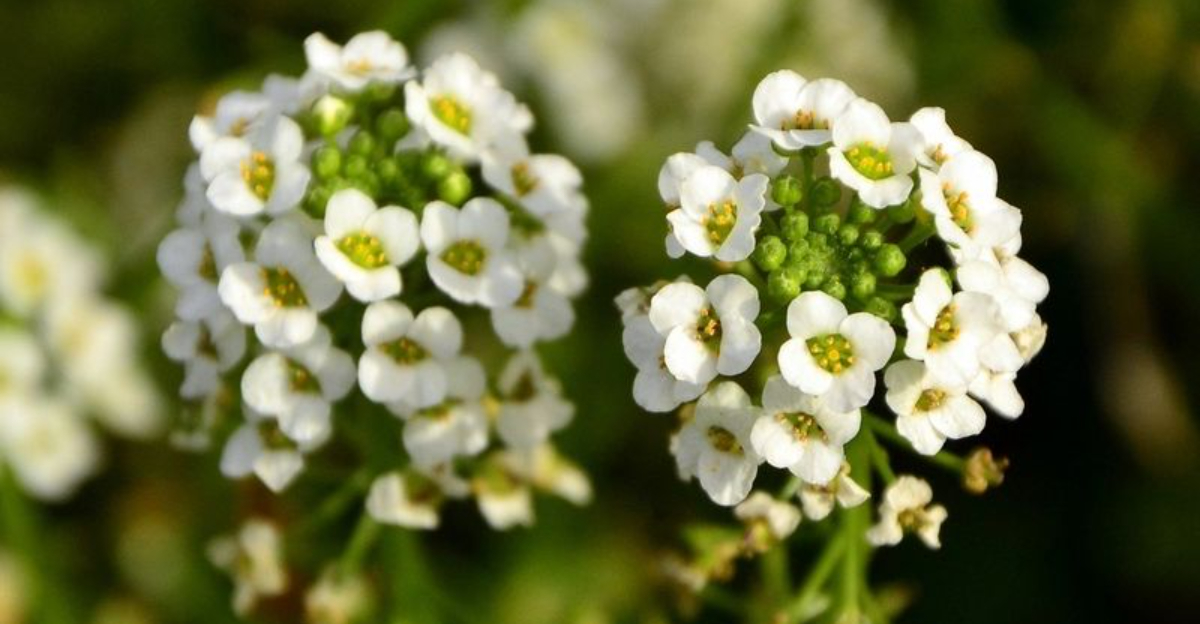
A walk through a North Carolina yard can do more than please the eye.
With the right plants, it can stop people in their tracks and pull them closer on nothing but scent alone.
Warm days, humid nights, and long growing seasons give fragrant plants room to shine, and some release perfume so rich it hangs in the air like a welcome sign.
One breeze can carry notes of citrus, spice, honey, or vanilla straight to the porch.
These plants turn patios into retreats and ordinary paths into memory-makers.
Pick wisely, and a yard feels alive even with eyes closed.
Pick poorly, and the magic never shows.
Fragrance adds depth that flowers alone cannot match, shaping mood and marking seasons without a word.
1. Gardenia
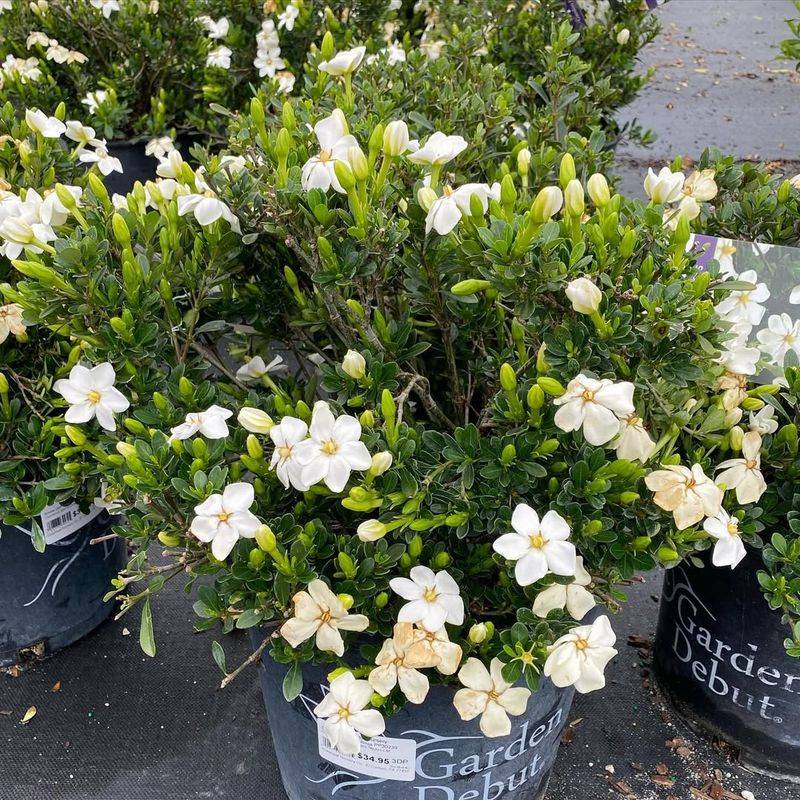
Few flowers can match the intoxicating perfume that gardenias produce during their bloom season.
The creamy white blossoms release a sweet, tropical fragrance that drifts across yards on warm evenings.
Gardenias prefer the acidic soils common in many North Carolina regions, making them well-suited to local conditions.
Their glossy evergreen foliage provides year-round visual interest even when flowers are absent.
Plant them near patios, walkways, or windows where you can fully appreciate their remarkable scent.
Gardenias bloom from late spring through summer, with peak fragrance during June in most areas.
They require consistent moisture and benefit from mulching to keep roots cool during hot months.
Morning sun with afternoon shade produces the healthiest plants and most abundant blooms.
Regular feeding with acid-forming fertilizers helps maintain the deep green leaf color gardeners admire.
Dwarf varieties work wonderfully in containers on decks and porches, bringing fragrance right to outdoor living spaces.
The scent has been described as jasmine-like with hints of coconut and vanilla.
Gardenias remain a Southern garden classic for excellent reasons.
2. Confederate Jasmine
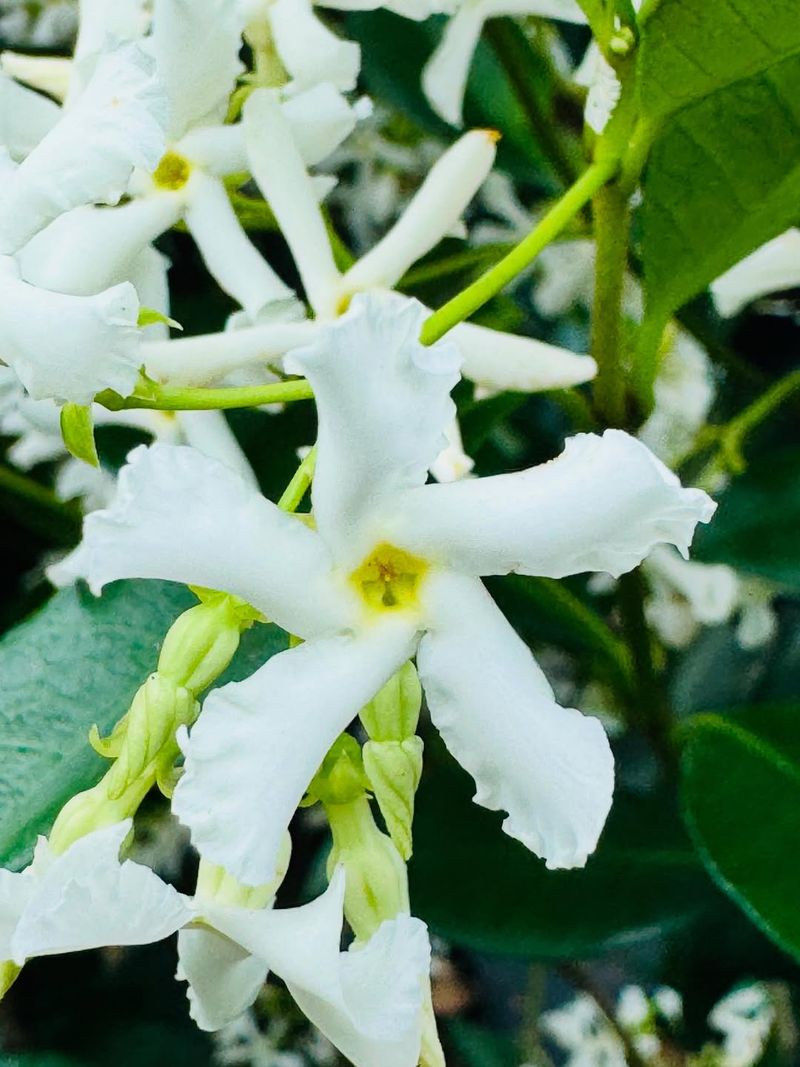
This vigorous evergreen vine produces masses of small white star-shaped flowers that smell absolutely divine.
Confederate jasmine blooms heavily in spring, creating a fragrant curtain wherever it grows
The perfume carries well across yards, announcing its presence even before you see the flowers.
Despite its common name, this plant is actually a member of the dogbane family rather than a true jasmine.
Its twining habit makes it perfect for covering fences, arbors, mailboxes, and pergolas throughout North Carolina.
The dark green glossy leaves create an attractive backdrop for the profuse white blooms.
Once established, confederate jasmine tolerates heat and drought remarkably well.
It grows in full sun to partial shade, adapting to various garden situations with ease.
The fragrance intensifies during evening hours, making it ideal near outdoor seating areas.
Some gardeners train it as a ground cover on slopes where its spreading nature prevents erosion.
Light pruning after flowering keeps the vine tidy and encourages bushier growth.
Confederate jasmine remains one of the most beloved fragrant vines in Southern landscapes.
3. Tea Olive
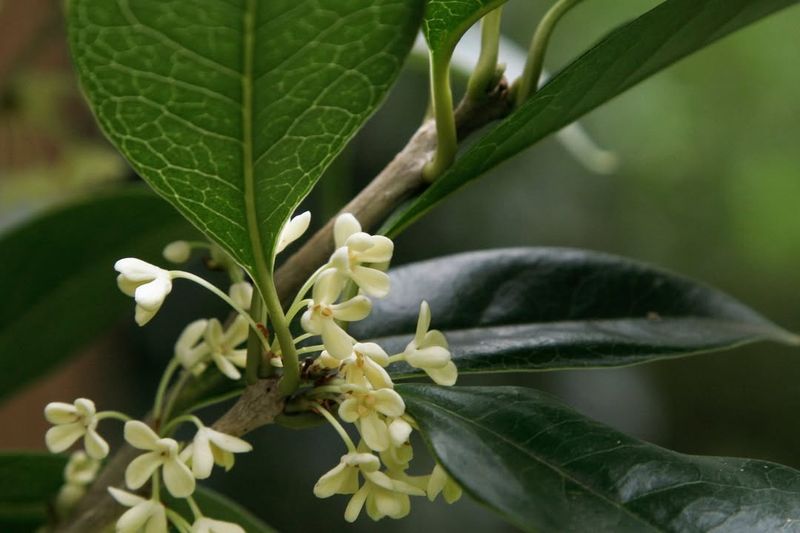
Imagine stepping outside and catching a wave of apricot-like sweetness that seems to come from nowhere.
Tea olive produces that magical experience with its tiny but powerfully fragrant flowers.
The small creamy blooms hide among the foliage yet release a scent that can perfume entire neighborhoods.
This evergreen shrub blooms sporadically from fall through spring, with heaviest flowering during cooler months.
Tea olive thrives in North Carolina’s climate, handling both coastal and piedmont conditions beautifully.
It grows slowly into a dense, rounded form that requires minimal pruning or maintenance.
The fragrance has been compared to peaches, apricots, and gardenias all blended together.
Gardeners often plant tea olive near entrances where everyone can enjoy the surprise of its perfume.
It tolerates shade well, making it valuable for woodland garden settings or under tree canopies.
The shrub also works as a foundation plant, privacy screen, or specimen in mixed borders.
Tea olive rarely suffers from serious pest or disease problems, adding to its appeal.
Its unexpected bursts of fragrance during cool weather make autumn and winter gardens far more enjoyable.
4. Lavender
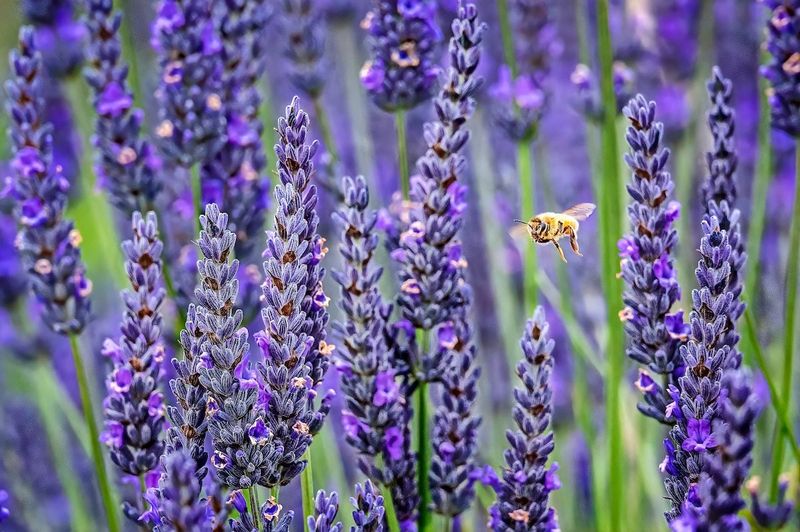
Lavender brings the essence of Mediterranean hillsides right to North Carolina yards.
The silvery-green foliage releases a clean, herbaceous scent when brushed against or touched.
Tall flower spikes appear in early summer, adding visual beauty to the already aromatic foliage.
Bees and butterflies adore lavender, making it a magnet for beneficial pollinators.
English and Spanish lavender varieties both perform well in the state’s varied growing regions.
Full sun and excellent drainage are essential for success with this classic herb.
Sandy or amended soils work better than heavy clay, which can cause root problems.
Lavender’s fragrance is both relaxing and invigorating, perfect for cutting and drying.
Fresh or dried stems can be used in sachets, wreaths, and homemade beauty products.
The plants form attractive mounds that look wonderful edging pathways or herb gardens.
Pruning after flowering encourages compact growth and prevents the plants from becoming woody.
Lavender also deters certain pests, making it a useful companion plant near vegetables and roses.
Its timeless appeal and multiple uses keep it popular in gardens everywhere.
5. Sweet Autumn Clematis
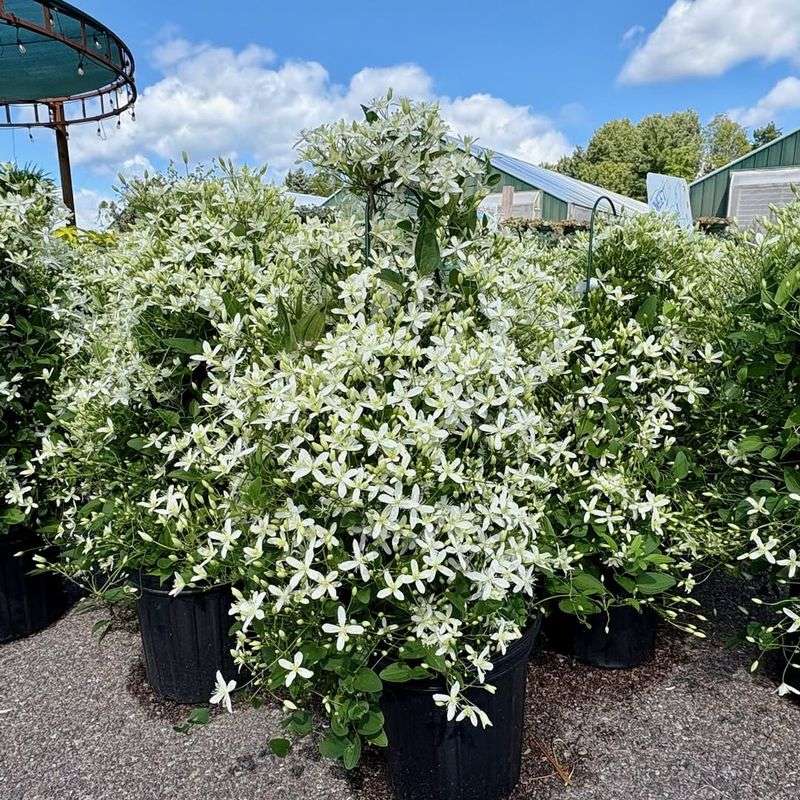
When most flowering vines have finished their show, sweet autumn clematis steals the spotlight.
This vigorous climber explodes with thousands of small white flowers in late summer and fall.
The blooms produce a sweet vanilla-like fragrance that intensifies during warm afternoons.
Sweet autumn clematis grows rapidly, quickly covering fences, trellises, and arbors with lush greenery.
Its timing makes it especially valuable since few other fragrant plants bloom heavily in September.
The white flowers create a stunning contrast against the dark green foliage.
After blooming, silvery seed heads add another season of interest to the vine.
This clematis tolerates a wide range of soil conditions and grows in sun or partial shade.
It can become quite enthusiastic in ideal conditions, so give it room to spread.
Some gardeners grow it up into trees, creating the illusion of blooming branches.
The fragrance attracts butterflies and other pollinators during their fall migration period.
Sweet autumn clematis requires little care once established, making it perfect for low-maintenance landscapes.
Its late-season performance brings renewed interest when many gardens start looking tired.
6. Banana Shrub
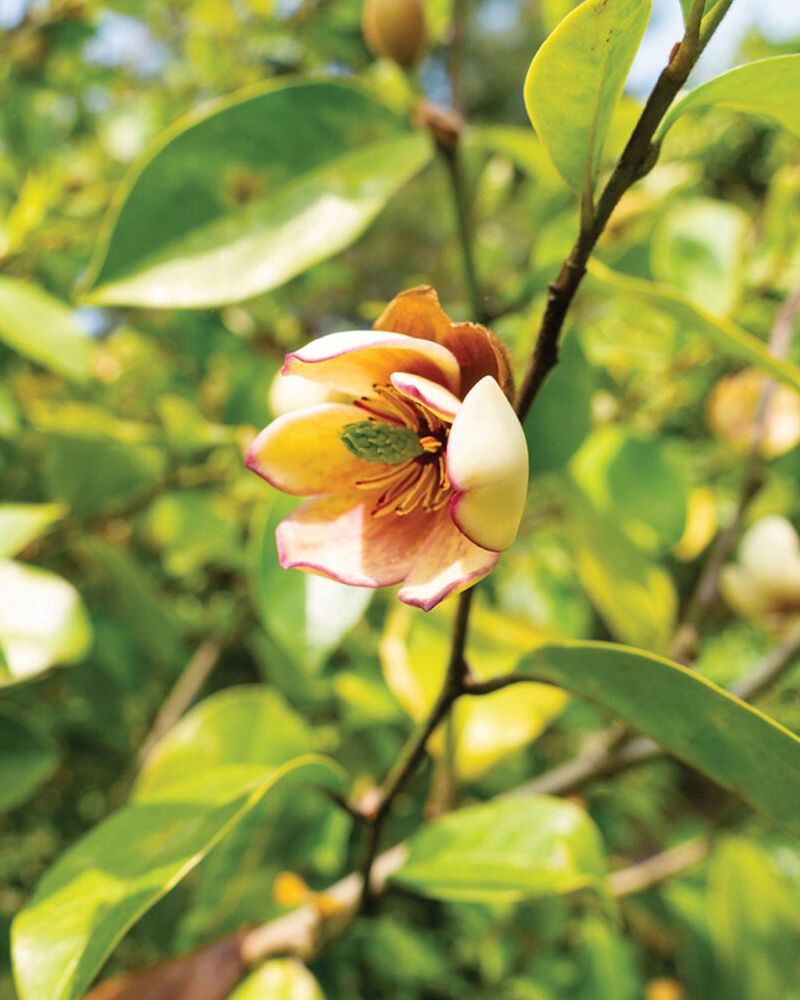
One whiff of banana shrub flowers and you’ll understand the common name immediately.
The small cream-colored blooms edged in maroon smell remarkably like ripe bananas with hints of magnolia.
This evergreen shrub blooms heavily in spring, filling gardens with its fruity fragrance.
Banana shrub grows slowly into a dense, rounded form that fits well in foundation plantings.
The glossy leaves provide year-round structure and backdrop for seasonal flowers.
It performs best in partial shade with protection from harsh afternoon sun.
Moist, well-drained acidic soil produces the healthiest plants and most abundant blooms.
Gardeners appreciate that banana shrub requires minimal pruning to maintain its attractive shape.
The fragrance carries well but isn’t overwhelming, making it suitable near windows and outdoor living areas.
This shrub originated in China but has adapted beautifully to Southern growing conditions.
It rarely suffers from serious pest problems and tolerates North Carolina’s occasional cold snaps.
Banana shrub works wonderfully as a specimen plant, in mixed borders, or as an informal hedge.
Its unique fragrance creates conversation and adds unexpected delight to spring gardens.
7. Honeysuckle
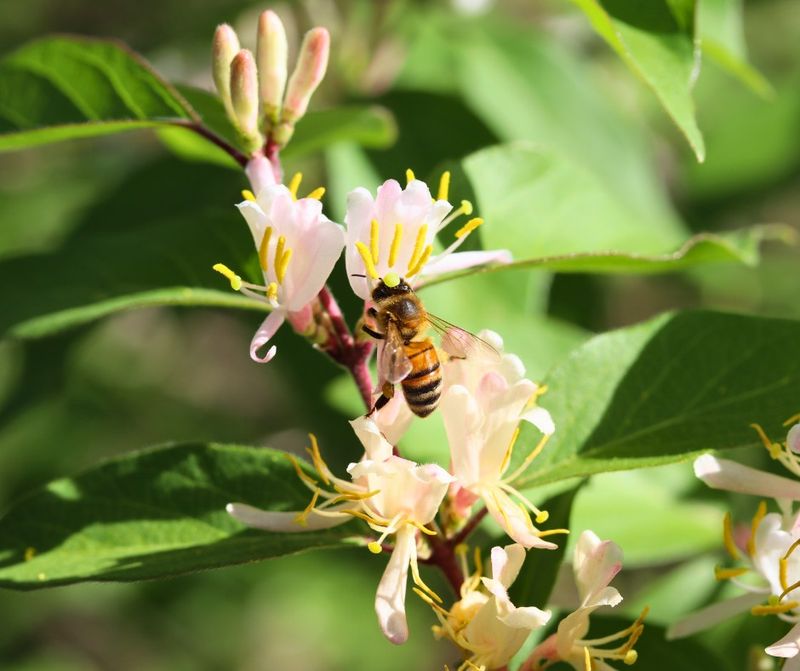
Native coral honeysuckle offers beauty and fragrance without the invasive tendencies of its Asian cousins.
The tubular red and yellow flowers bloom from spring through fall, attracting hummingbirds constantly.
While not as powerfully scented as Japanese honeysuckle, coral honeysuckle produces a pleasant sweet fragrance.
This vine supports North Carolina’s native wildlife while adding vertical interest to gardens.
It climbs by twining around supports rather than clinging with aerial roots.
Coral honeysuckle grows well in sun or partial shade throughout the state.
The blue-green foliage provides an attractive backdrop for the bright tubular flowers.
Red berries follow the blooms, offering food for songbirds during fall and winter.
This honeysuckle stays much more manageable than invasive species, requiring less aggressive pruning.
It works beautifully on mailboxes, lamp posts, small trellises, and arbors.
Gardeners can enjoy the light fragrance without worrying about the vine taking over neighboring properties.
Several improved cultivars offer longer bloom periods and more compact growth habits.
Choosing native coral honeysuckle supports local ecosystems while still providing lovely scent and color.
8. Roses
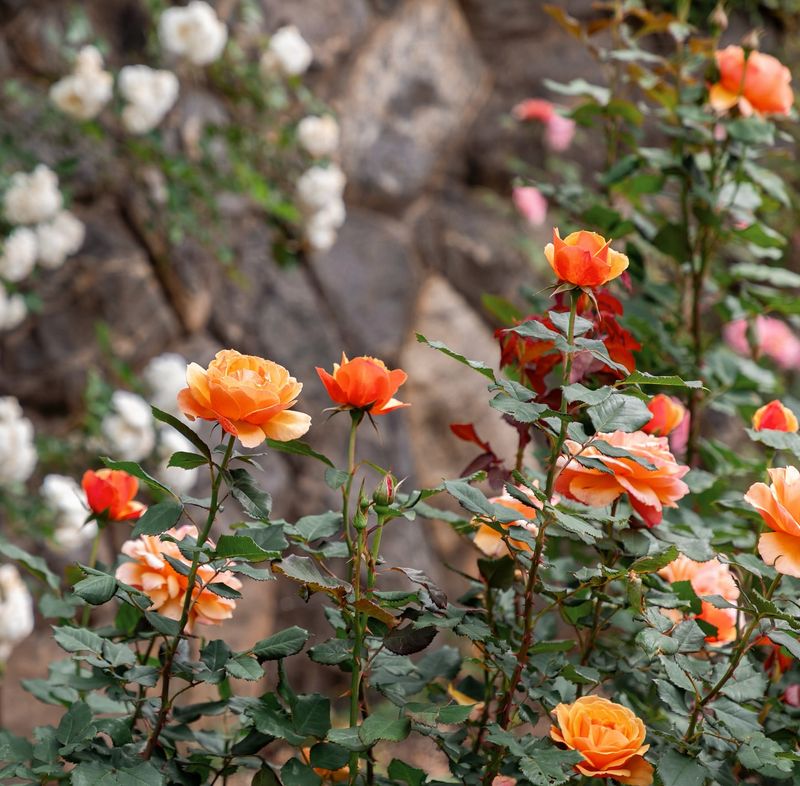
Classic rose fragrance remains unmatched in its complexity and appeal to gardeners everywhere.
Not all roses smell wonderful, but selecting fragrant varieties rewards you with incredible perfume.
Old garden roses and many modern David Austin varieties offer the strongest scents.
North Carolina’s climate suits roses well, with long growing seasons and adequate winter chill.
Fragrant roses range from light tea scents to deep, spicy perfumes that vary by variety.
Plant them where you’ll pass by frequently to enjoy their scent throughout the day.
Roses need at least six hours of sun daily and well-drained soil enriched with organic matter.
Regular deadheading encourages continuous blooming from spring through fall in most regions.
Disease-resistant varieties reduce maintenance while still providing abundant fragrant flowers.
Climbing roses can be trained on arbors and pergolas, creating fragrant overhead canopies.
Shrub roses work well in mixed borders where they blend with perennials and other flowering plants.
The fragrance intensifies during warm, humid weather, filling entire gardens with perfume.
Cutting fragrant roses for indoor arrangements brings their beautiful scent inside your home.
9. Mock Orange
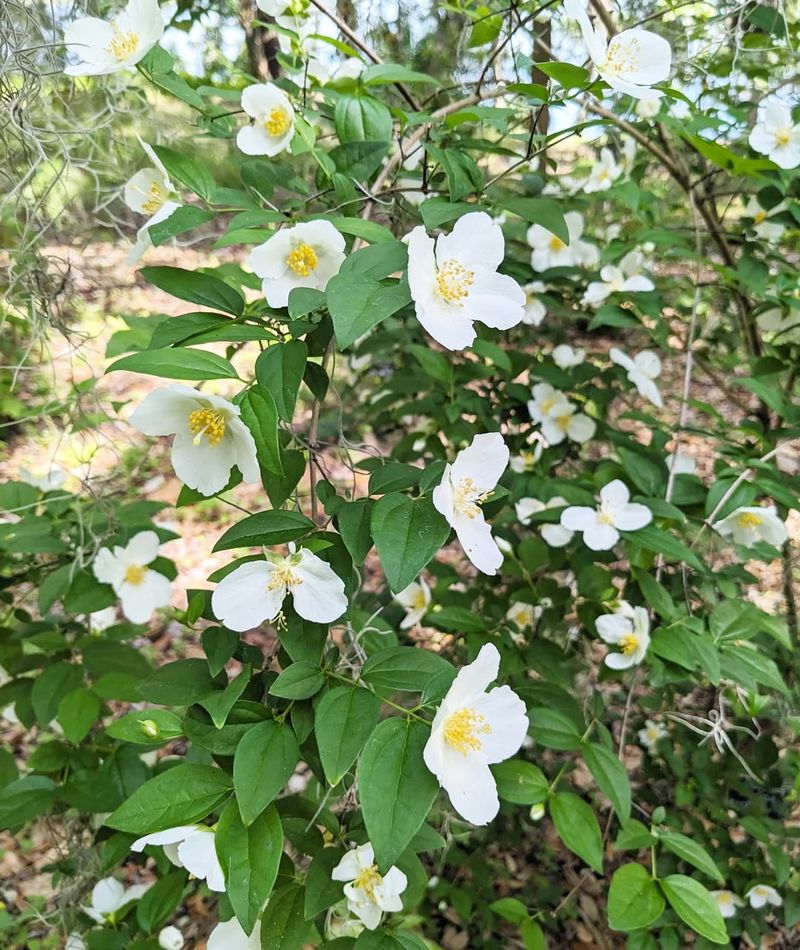
Mock orange earns its name from flowers that smell remarkably similar to orange blossoms.
The white four-petaled blooms appear in late spring, creating a spectacular fragrant display.
This deciduous shrub grows vigorously, quickly forming a substantial presence in garden beds.
The sweet citrus fragrance carries well across yards, announcing the arrival of early summer.
Mock orange tolerates a wide range of soil conditions and grows throughout North Carolina.
It performs well in full sun to partial shade, adapting to various garden situations.
The arching branches become completely covered with blooms during peak flowering period.
After flowering, the green foliage provides a neutral backdrop for later-blooming perennials.
Mock orange works well as a specimen plant, in shrub borders, or as an informal hedge.
Older varieties grow quite large, but newer cultivars offer more compact sizes for smaller yards.
Prune immediately after flowering to shape the plant and encourage strong growth for next year.
The shrub requires minimal care once established and rarely suffers from serious problems.
Mock orange brings old-fashioned charm and wonderful fragrance to modern landscapes.
10. Sweet Alyssum
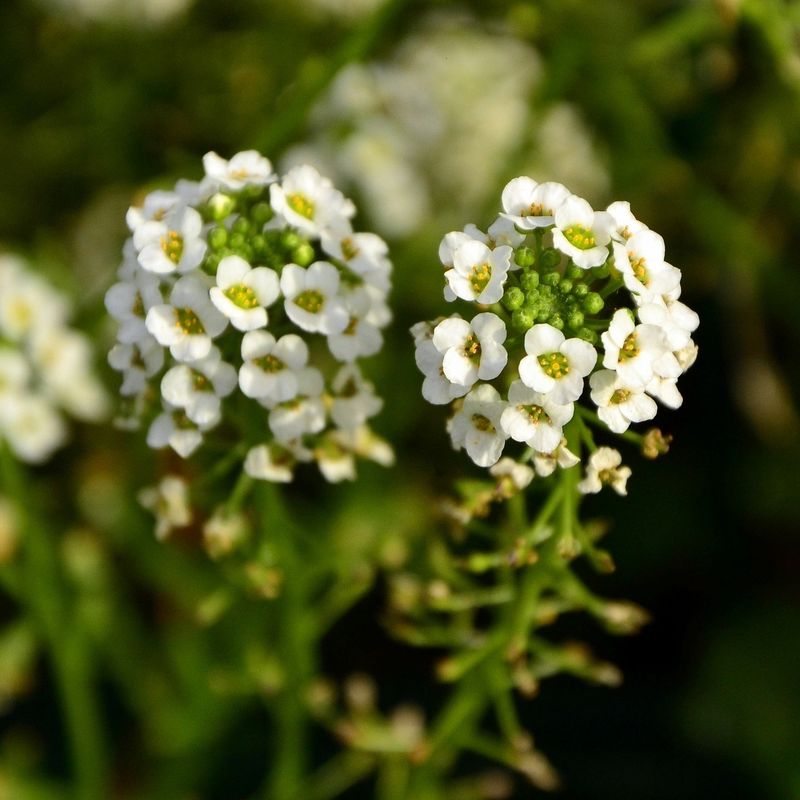
Don’t overlook this tiny annual just because of its small stature and delicate appearance.
Sweet alyssum produces masses of honey-scented flowers that carpet garden edges and containers.
The fragrance is subtle but lovely, especially noticeable during evening hours.
This low-growing plant blooms continuously from spring through fall in North Carolina gardens.
It thrives in cool weather and often continues flowering through mild winters in coastal areas.
Sweet alyssum self-seeds readily, returning year after year without replanting in many gardens.
The tiny white, pink, or purple flowers attract beneficial insects including tiny parasitic wasps.
It works perfectly for edging beds, filling gaps between pavers, and cascading from containers.
Sweet alyssum tolerates light foot traffic, making it useful for planting between stepping stones.
The plants prefer full sun but appreciate some afternoon shade during the hottest months.
Shearing back leggy growth during summer encourages fresh flowering and maintains neat appearance.
This annual combines easily with spring bulbs, covering fading foliage with fresh blooms.
Its affordable price and reliable performance make sweet alyssum a favorite for mass plantings.
11. Lemon Balm
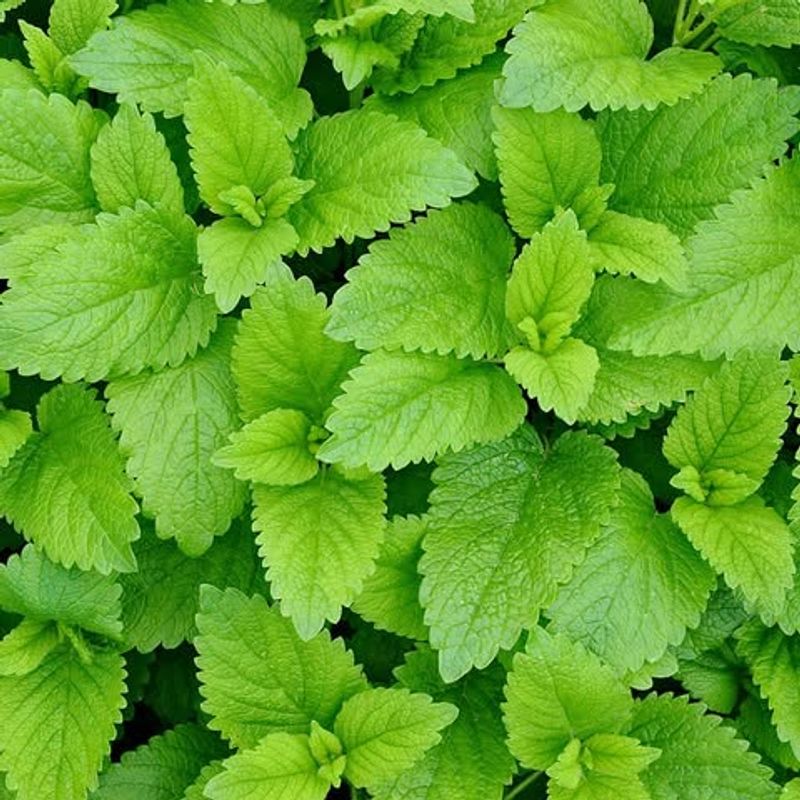
Brush against lemon balm foliage and enjoy an instant burst of fresh citrus fragrance.
This easy-growing herb thrives in North Carolina gardens with almost no special care required.
The bright green crinkled leaves release their scent whenever touched or crushed.
Lemon balm belongs to the mint family and shares that family’s vigorous growing habits.
Fresh leaves make delicious tea, add flavor to summer drinks, and enhance salads beautifully.
The plant grows in sun or shade, adapting to various garden conditions with ease.
Small white flowers appear in summer, attracting bees and other beneficial pollinators.
Lemon balm can spread enthusiastically, so consider planting it in containers or defined spaces.
Regular harvesting keeps plants bushy and prevents excessive self-seeding throughout the garden.
The lemony scent is refreshing and uplifting, perfect for planting near outdoor seating areas.
Dried leaves retain their fragrance well for use in sachets and potpourri mixtures.
This herb has been used for centuries in traditional medicine and remains popular today.
Lemon balm combines beauty, fragrance, and usefulness in one easy-care package.
12. Magnolia
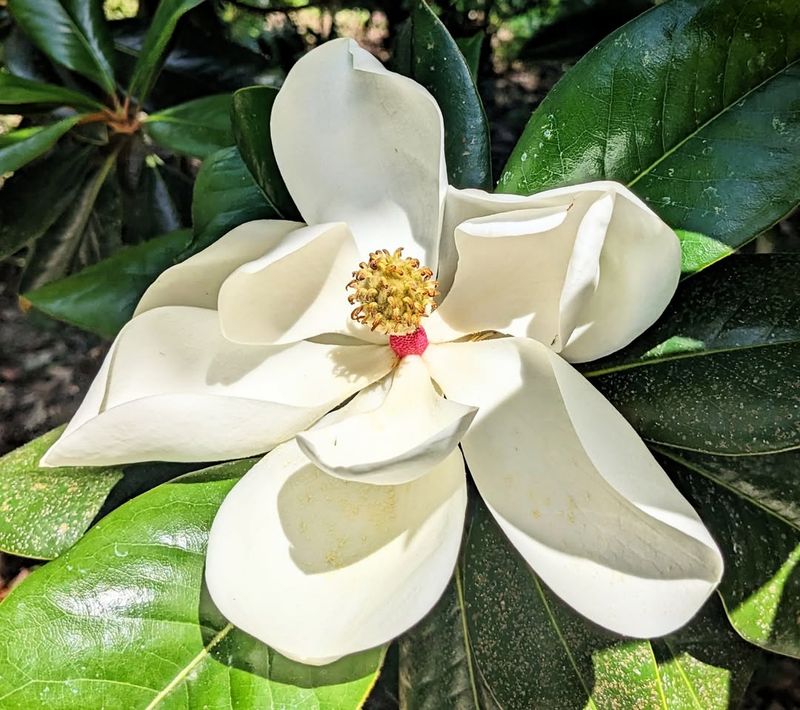
Southern magnolia trees represent classic North Carolina landscapes with their massive fragrant blooms.
The enormous white flowers produce a rich, lemony perfume that fills entire yards.
Each bloom can measure up to twelve inches across, creating dramatic visual impact.
Magnolias bloom from late spring through summer, with peak flowering in May and June.
The glossy evergreen leaves provide year-round beauty and privacy when used as screens.
Smaller magnolia varieties like Little Gem work better for modern yards with limited space.
Star magnolia blooms earlier in spring with smaller but equally fragrant white flowers.
These trees prefer acidic soil and consistent moisture, conditions common throughout North Carolina.
Magnolias grow slowly but eventually become impressive specimens that anchor landscape designs.
The fragrance attracts beetles, which serve as the primary pollinators for these ancient trees.
Fallen petals create natural mulch beneath the trees, enriching soil as they decompose.
Magnolias rarely require pruning except to remove damaged branches or control size.
Their combination of fragrance, flowers, and evergreen foliage makes them invaluable landscape plants.