9 Sculptural Plants That Add Drama To Southern Gardens In Georgia
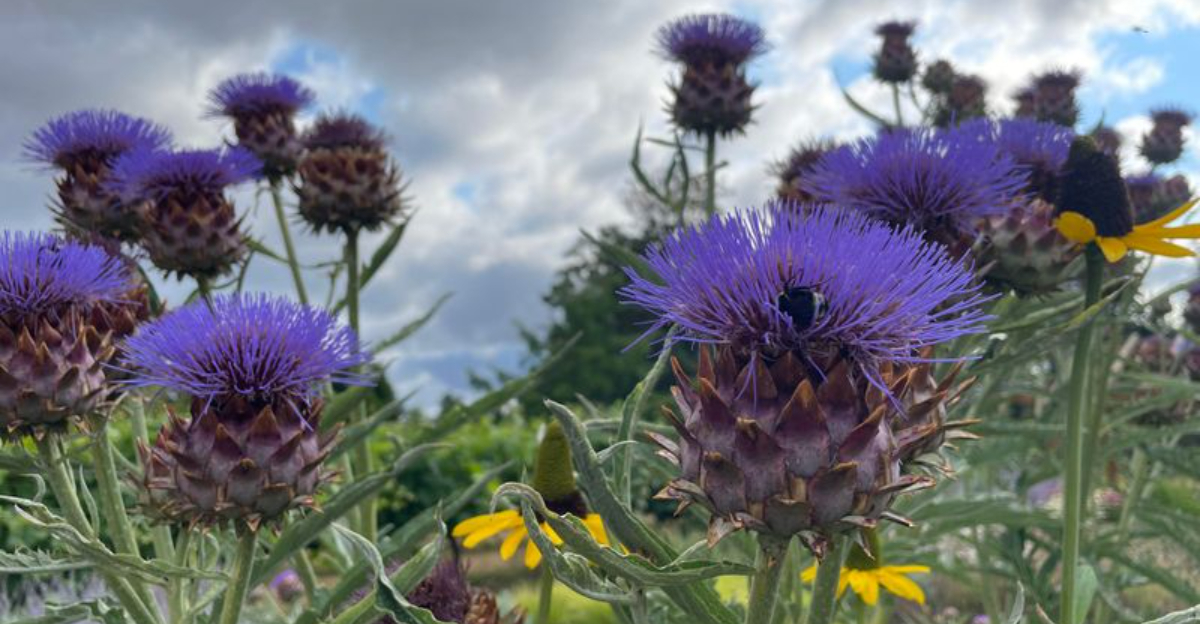
Sculptural plants bring instant presence to Southern Georgia gardens, creating bold shapes that stand out even without flowers.
Strong lines, striking forms, and confident silhouettes give landscapes a sense of movement and intention.
These plants thrive in Southern conditions while delivering visual impact that feels almost architectural.
Used thoughtfully, sculptural plants turn gardens into spaces that feel dramatic, expressive, and impossible to overlook.
1. Yucca
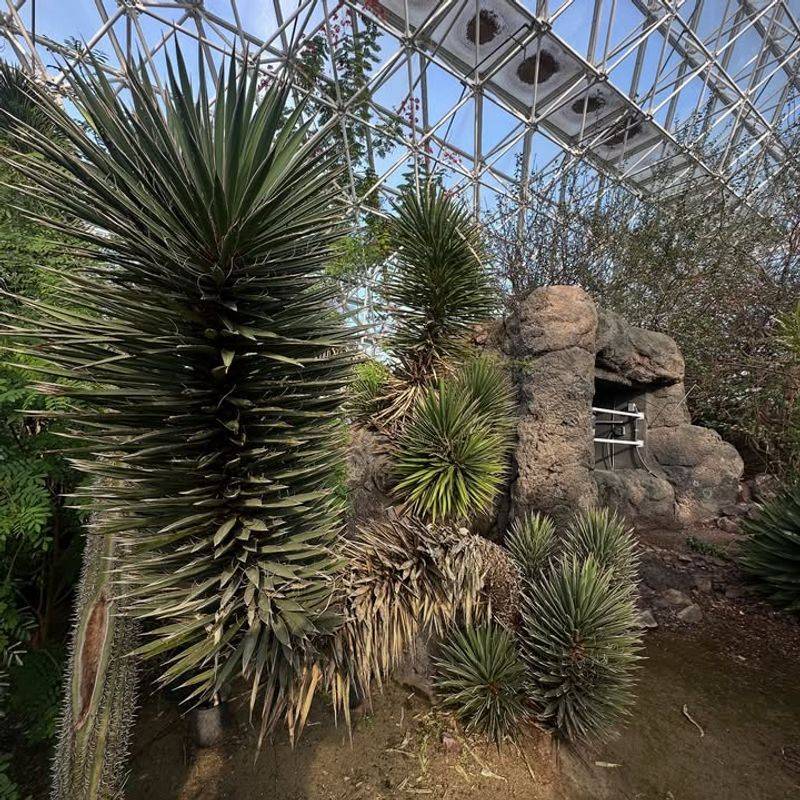
Bold sword-like leaves emerge from a central crown, creating an instant focal point that commands attention in any Georgia landscape setting.
Yucca plants thrive in Georgia’s hot summers, requiring minimal water once established, making them perfect for low-maintenance gardens throughout the region.
Their striking silhouette adds vertical drama, especially when paired with softer plants that contrast beautifully against those sharp, rigid leaves.
Mature specimens send up towering flower spikes covered in creamy white blooms that hummingbirds and bees visit enthusiastically during late spring.
Plant yucca in full sun locations with well-draining soil to prevent root rot, which can occur in Georgia’s occasional heavy rains.
These tough plants handle drought, heat, and poor soil conditions better than most ornamentals, making them ideal for challenging garden spots.
Varieties like Adam’s Needle and Spanish Dagger perform exceptionally well across Georgia, from coastal areas to northern mountain regions with equal success.
Their evergreen nature ensures your garden maintains structure and visual interest even during the coldest winter months when other plants disappear.
2. Giant Bird of Paradise
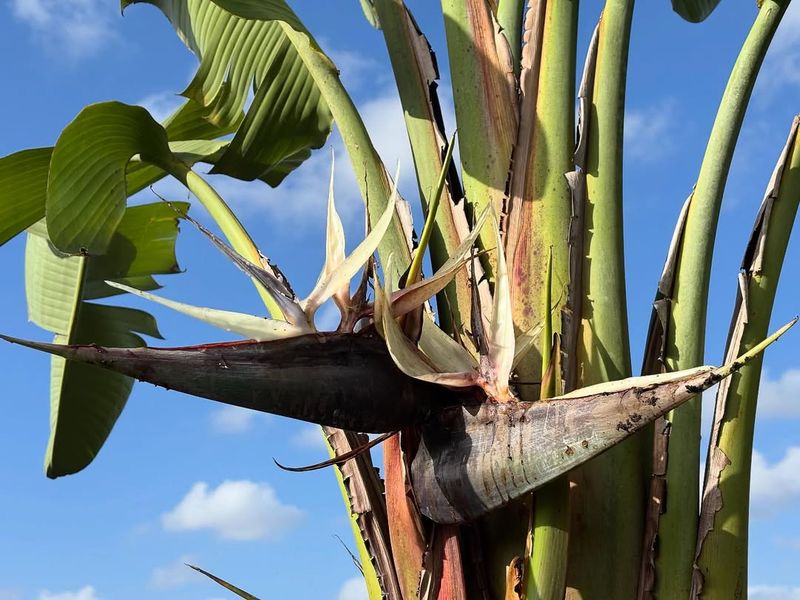
Enormous paddle-shaped leaves unfurl like natural works of art, bringing instant tropical elegance to gardens throughout Georgia’s warmer zones.
This dramatic specimen grows rapidly during Georgia summers, reaching impressive heights that create privacy screens or bold backyard statements within seasons.
Unlike its smaller cousin, the giant variety focuses on foliage rather than flowers, though mature plants occasionally produce striking orange blooms.
Positioning this beauty near patios or entryways makes a powerful design statement that guests will remember long after visiting your home.
Georgia gardeners in zones 8b and warmer can grow these beauties outdoors year-round, while colder areas require container planting.
Rich, moisture-retentive soil and partial shade produce the healthiest specimens, though they tolerate full sun with adequate water during hot months.
Wind can shred those magnificent leaves, so plant in protected locations where buildings or other vegetation provide shelter from strong gusts.
Regular fertilization during growing season keeps foliage vibrant and encourages that lush, tropical appearance that makes this plant so desirable for dramatic landscapes.
3. Agave
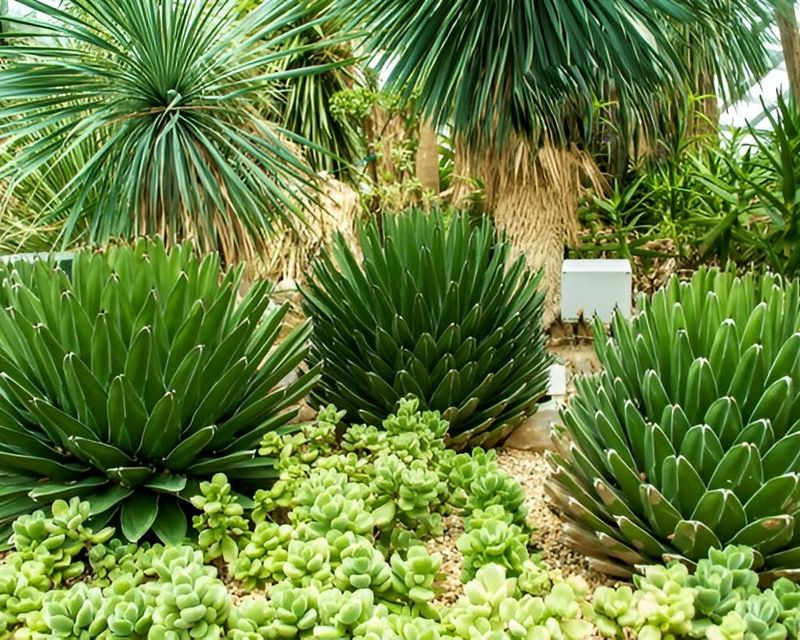
Geometric perfection defines these stunning succulents, with leaves arranged in precise rosettes that look hand-designed by nature’s most meticulous architect.
Georgia gardeners appreciate agave’s drought tolerance and sculptural presence, especially in modern landscapes where clean lines and bold forms reign supreme.
Varieties range from compact specimens perfect for containers to massive plants that become landscape centerpieces demanding attention from every viewing angle.
Their thick, fleshy leaves store water efficiently, allowing them to survive Georgia’s occasional dry spells without supplemental irrigation or special care.
Plant agave in locations with excellent drainage and full sun exposure to achieve the most compact growth and intense leaf coloration.
Some varieties display stunning blue-gray tones, while others feature variegated patterns or dramatic spines that add extra visual interest to arrangements.
These plants work beautifully in rock gardens, Mediterranean-style landscapes, or contemporary designs where their strong forms create unforgettable focal points.
Remember that many agaves are monocarpic, meaning they flower once then slowly decline, but offsets ensure continuous presence in Georgia gardens.
4. Japanese Fiber Banana
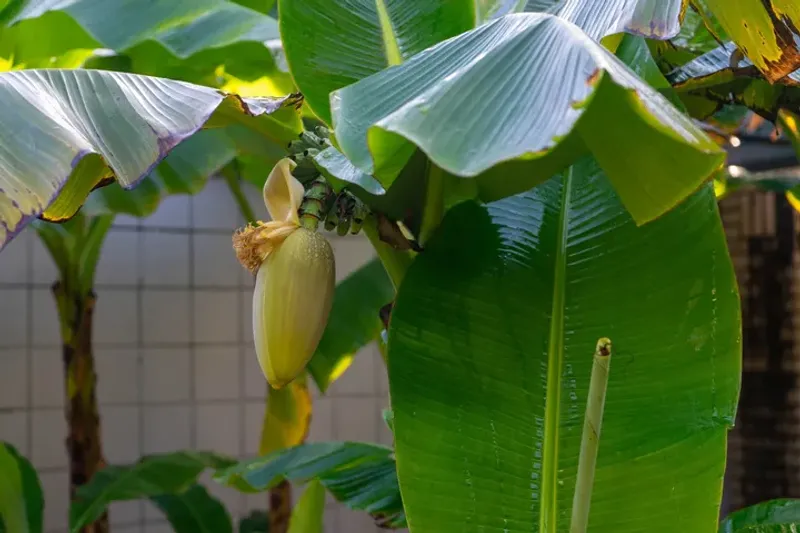
Massive leaves with distinctive burgundy markings create an exotic atmosphere that transforms ordinary Georgia yards into tropical paradise retreats instantly.
This cold-hardy banana survives Georgia winters far better than true bananas, reliably returning from roots even after hard freezes damage foliage.
Fast growth during warm months means new plants quickly reach impressive sizes, filling empty spaces with bold texture and dramatic presence.
Positioning several plants together creates a jungle-like effect that feels worlds away from typical suburban landscapes found throughout Georgia neighborhoods.
Rich soil amended with compost and regular watering during summer heat produces the largest, most impressive leaves that showcase this plant’s potential.
While flowers rarely appear in Georgia’s climate, the foliage alone justifies space in any garden seeking dramatic impact and tropical flair.
Mulch heavily around the base before winter to protect roots from extreme cold, ensuring vigorous regrowth when spring temperatures warm up.
Pair with ferns, hostas, or other shade-lovers beneath its canopy to maximize planting space and create layered, professional-looking garden compositions.
5. Cardoon
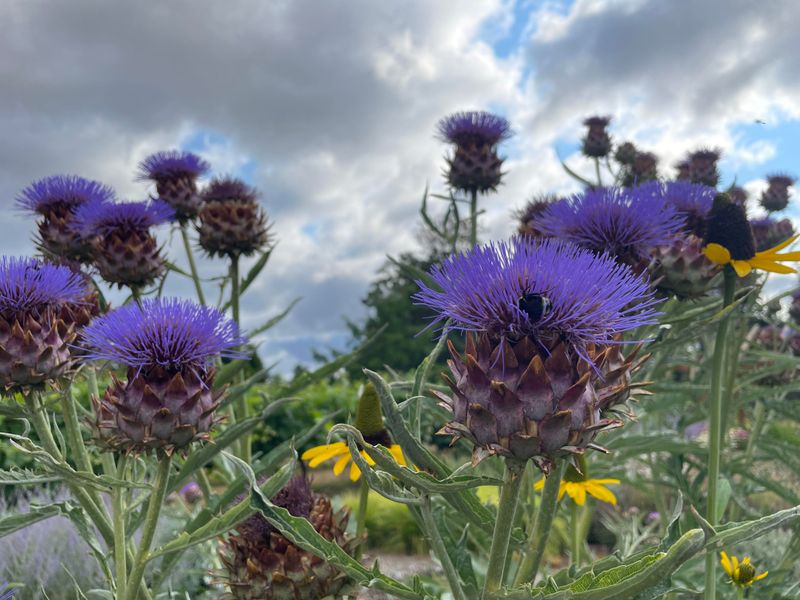
Deeply divided silver-gray foliage creates a fountain-like effect that brings ethereal beauty and striking contrast to Georgia’s typically green-dominated garden palettes.
Related to artichokes, cardoon produces similar purple thistle-like flowers atop tall stalks that tower above the foliage in late spring or summer.
Georgia’s hot, humid summers suit this Mediterranean native surprisingly well, especially when planted in locations with good air circulation and drainage.
The silvery leaves practically glow in moonlight, making cardoon an exceptional choice for gardens viewed during evening hours or outdoor entertaining spaces.
Plant in full sun and lean soil to encourage compact growth and the most intense silver coloration that makes this specimen truly spectacular.
These architectural beauties work wonderfully as specimen plants or in mixed borders where their unique texture contrasts with darker-leafed or flowering companions.
Cardoon tolerates Georgia’s winter temperatures in most regions, though mulching provides extra protection in colder northern counties during harsh cold snaps.
Regular deadheading prevents excessive self-seeding, though some gardeners appreciate the seedlings that appear, providing plants to share with friends and neighbors.
6. Sago Palm
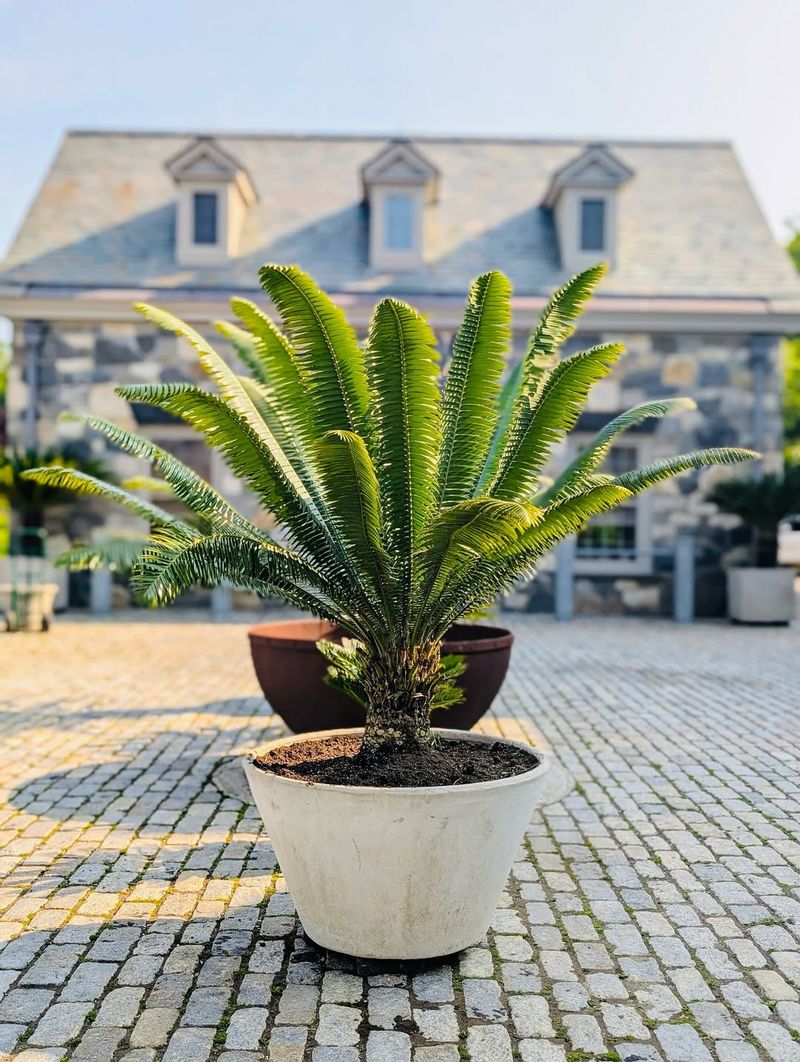
Despite its common name, this prehistoric survivor is actually a cycad that has remained virtually unchanged for millions of years.
Slow growth makes sago palm an investment in long-term landscape beauty, with specimens gradually developing impressive trunks that increase their sculptural impact.
Symmetrical fronds emerge in flushes, creating perfect crowns of glossy, dark green foliage that maintain their beauty throughout Georgia’s seasons.
These tough plants handle Georgia’s heat with ease, thriving in both full sun and partial shade locations with minimal care required.
Container specimens add instant sophistication to patios, entryways, or pool areas, bringing a resort-like atmosphere to residential properties throughout the state.
Well-drained soil is essential, as soggy conditions quickly lead to root problems that can compromise these otherwise indestructible-seeming plants.
Established sago palms tolerate short periods of freezing temperatures, though Georgia gardeners in colder zones should provide winter protection during extreme weather.
Their formal appearance suits traditional landscapes beautifully, while their architectural form also complements contemporary designs with equal success and visual impact.
7. Pampas Grass
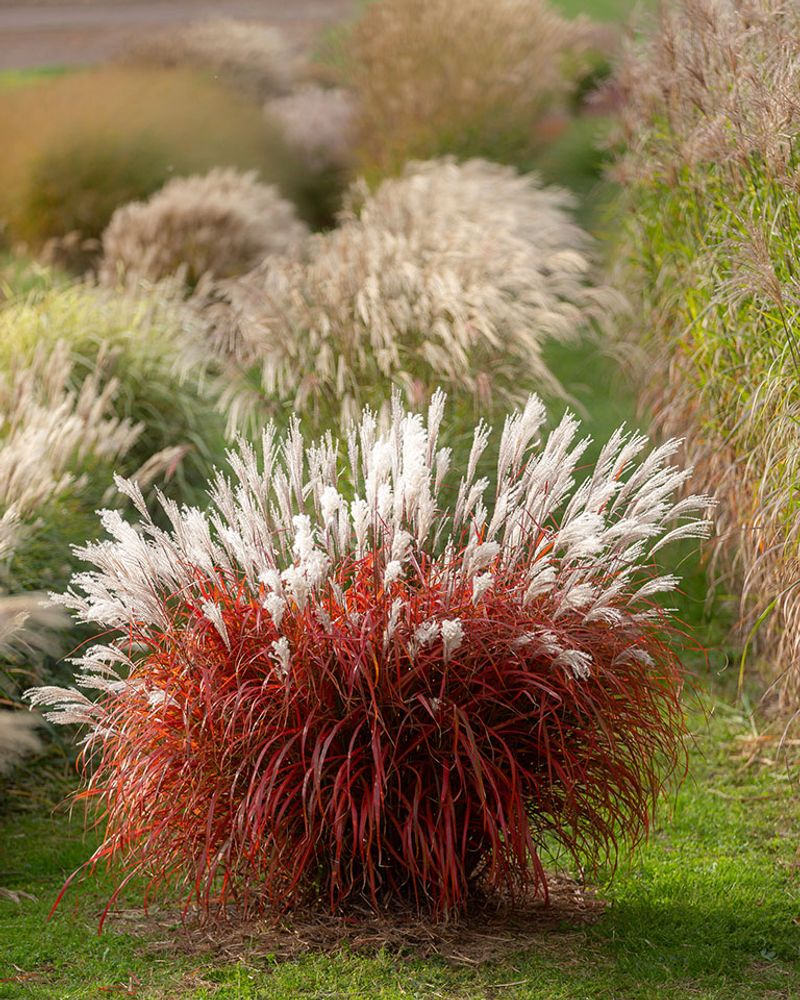
Towering plumes of silky flowers rise dramatically above cascading foliage, creating movement and texture that catches every breeze in Georgia gardens.
This ornamental grass makes a powerful statement, quickly growing into massive clumps that serve as living sculptures or privacy screens throughout the region.
Silvery-white or pink plumes appear in late summer, persisting through fall and winter, providing months of visual interest when many plants fade.
Georgia’s climate suits pampas grass perfectly, with hot summers encouraging vigorous growth and mild winters allowing foliage to remain semi-evergreen.
Plant in full sun with plenty of space, as mature specimens can reach ten feet tall and equally wide, dominating their landscape area.
These grasses tolerate drought, poor soil, and neglect once established, making them ideal for low-maintenance landscapes or difficult-to-irrigate areas.
Sharp leaf edges require careful placement away from walkways or play areas where people might brush against them and risk minor cuts.
Annual cutback in late winter removes old foliage before new growth emerges, maintaining the plant’s sculptural form and preventing accumulated dead material.
8. Century Plant
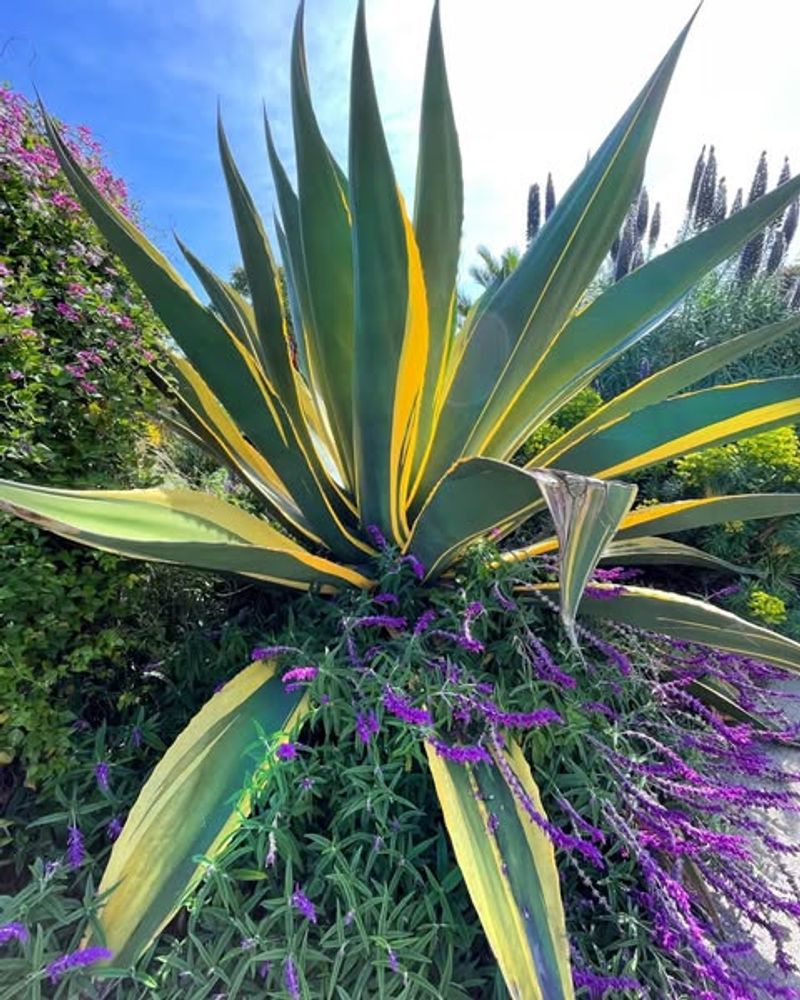
Massive blue-gray leaves armed with wicked spines create an unforgettable presence that announces itself boldly in any Georgia landscape setting.
Don’t let the name fool you—these agaves typically flower after fifteen to twenty-five years, not a full century, though the wait is worthwhile.
When bloom time arrives, a spectacular flower stalk shoots skyward, sometimes reaching twenty feet or more before producing countless yellow flowers.
Georgia gardeners treasure these architectural giants for their year-round structure and ability to anchor entire garden beds with their commanding presence.
Full sun and excellent drainage are non-negotiable requirements, as soggy soil quickly rots roots despite this plant’s otherwise bulletproof nature.
Variegated forms with cream or yellow stripes add extra visual punch, creating even more dramatic focal points in contemporary or desert-inspired landscapes.
These plants need substantial space to spread, so position them where their eventual size won’t overwhelm nearby plants or encroach on pathways.
After flowering, the main rosette slowly declines, but offsets produced around the base ensure the next generation continues your garden’s sculptural tradition.
9. Windmill Palm

Fan-shaped fronds create a distinctive silhouette that brings tropical elegance to Georgia gardens while tolerating cold better than most palm species.
The trunk’s unique hairy covering adds textural interest, distinguishing windmill palms from other varieties and increasing their sculptural appeal in landscape settings.
Slow to moderate growth means these palms won’t quickly outgrow their space, making them suitable for smaller Georgia yards seeking tropical character.
They perform beautifully in both sun and partial shade, offering flexibility for placement throughout your property’s various microclimates and exposure levels.
Georgia’s winters rarely challenge windmill palms, as they survive temperatures well below freezing, even in the state’s northernmost counties without damage.
Single-trunk specimens create vertical accents, while multi-trunk varieties offer fuller, more substantial presence in landscape compositions and garden bed arrangements.
Consistent moisture during establishment helps these palms settle in, though mature specimens tolerate short dry periods without showing stress or decline.
Pair with bamboo, ornamental grasses, or bold-leafed perennials to create layered tropical effects that transport visitors to far more exotic climates instantly.