11 Sculptural Plants That Thrive With Little Effort In Arizona’s Warm Gardens
Arizona’s blazing sun and dry climate create unique challenges for gardeners who want beautiful outdoor spaces without constant maintenance or high water bills.
Sculptural plants offer dramatic shapes and textures that transform yards into living art galleries while requiring minimal care once they settle into their spots.
These architectural wonders have evolved to handle intense heat and scarce rainfall, making them perfect choices for busy homeowners seeking low-maintenance desert beauty.
Choosing the right sculptural plants means enjoying stunning gardens that practically take care of themselves while celebrating Arizona’s distinctive landscape and natural character.
1. Saguaro Cactus
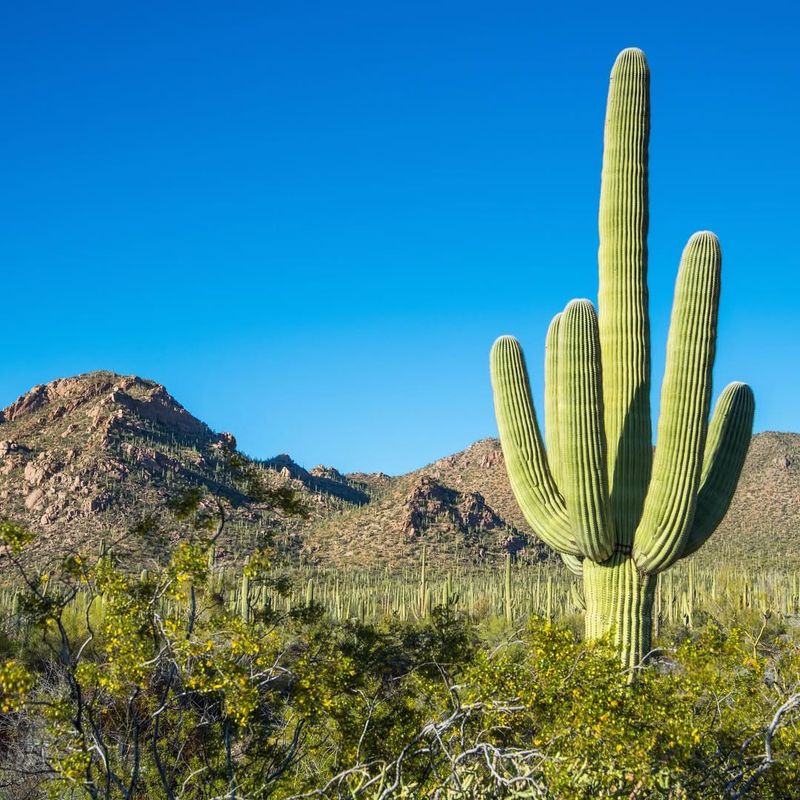
Standing tall like ancient sentinels, saguaros bring instant southwestern character to any landscape with their iconic arms reaching skyward toward endless blue skies.
These magnificent giants grow slowly but reward patience with decades of dramatic presence that defines Arizona gardens more than any other plant.
Native to the Sonoran Desert, saguaros need virtually no supplemental watering once established and thrive in full sun without any special soil amendments.
Their vertical lines create striking focal points that contrast beautifully with lower-growing succulents and colorful wildflowers blooming at their sturdy bases each spring.
Birds nest in their flesh, creating natural wildlife habitats that bring movement and life to your yard throughout the year without extra effort.
Young saguaros adapt well to garden settings when planted correctly, establishing strong root systems that anchor them against monsoon winds and storms.
These living sculptures require almost no pruning or maintenance beyond occasional inspection, making them perfect for homeowners seeking dramatic impact with minimal work.
Their slow growth means your garden’s character develops gradually, creating a timeless landscape that improves steadily over many years of effortless enjoyment.
2. Ocotillo
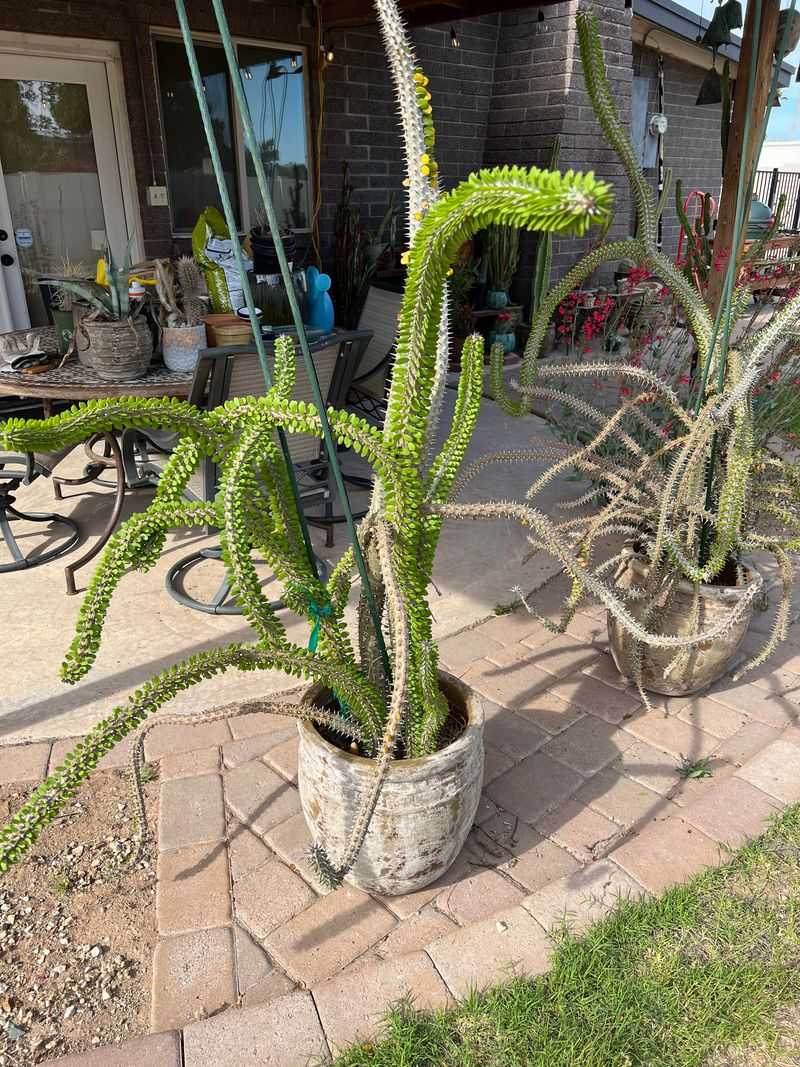
Ocotillo transforms from bare, whip-like stems into explosions of green leaves and fiery red blooms whenever moisture arrives, creating seasonal drama automatically.
Each stem shoots upward like a fountain frozen in time, with thorny surfaces that add texture and visual interest even during dormant periods.
Arizona gardeners appreciate how ocotillos signal seasonal changes, leafing out after rains and decorating their tips with tubular flowers that hummingbirds adore completely.
Planting them requires simply burying stems a few inches deep in well-draining soil, then stepping back while nature handles everything else beautifully.
Their vertical forms work wonderfully as natural fences or privacy screens that never need trimming, shaping, or any traditional hedge maintenance whatsoever.
Ocotillos tolerate extreme heat and cold fluctuations that would stress many ornamental plants, making them incredibly reliable choices for unpredictable desert conditions.
Grouping several together creates stunning architectural statements that change appearance throughout seasons without requiring fertilizers, pesticides, or constant watering schedules.
These adaptable natives bring authentic desert character to modern landscapes while asking almost nothing in return except occasional appreciation of their remarkable resilience.
3. Barrel Cactus
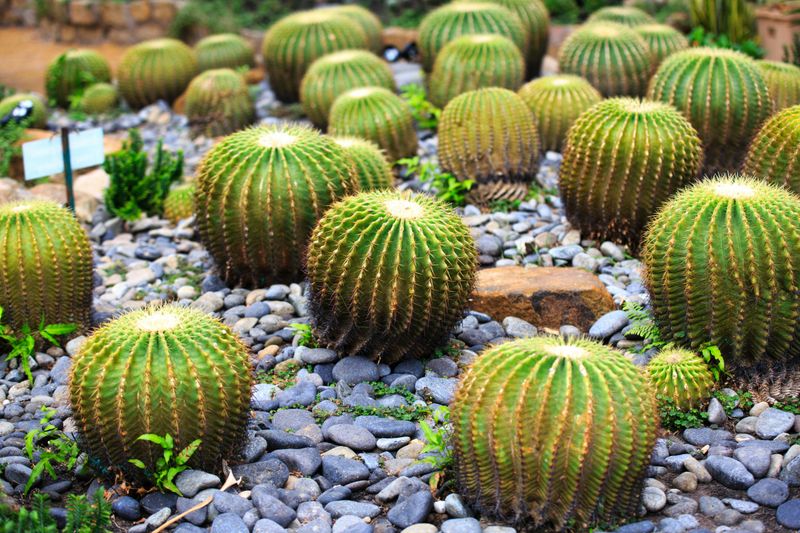
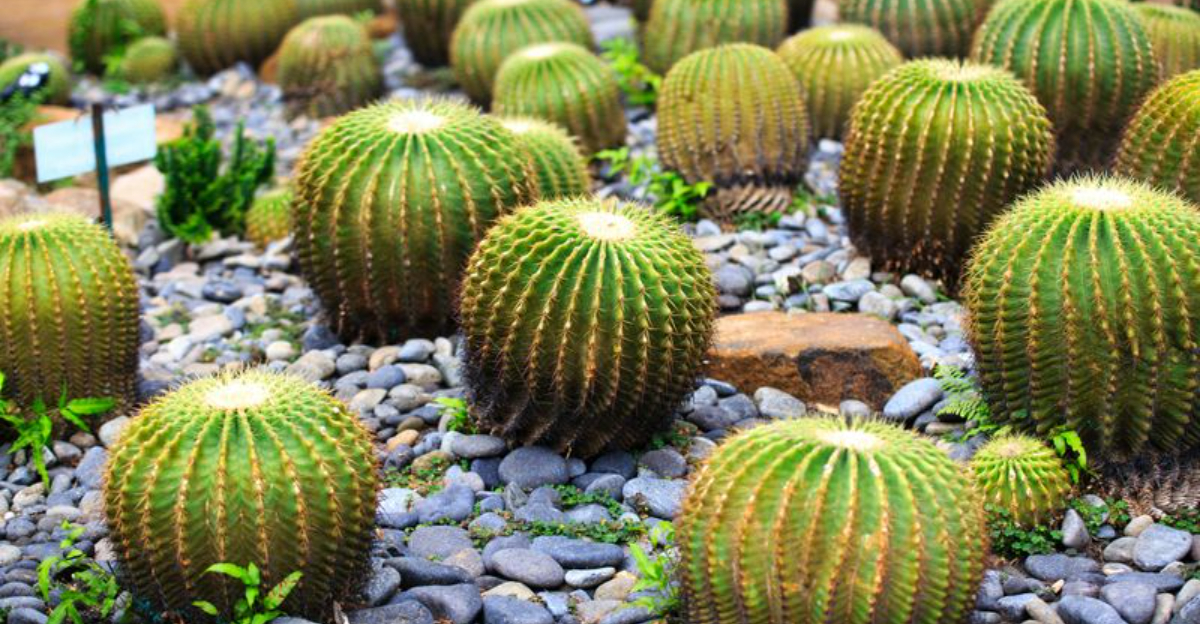
Round and sturdy like nature’s own pottery, barrel cacti add sculptural geometry that contrasts perfectly with angular rocks and flowing gravel in desert designs.
Their ribbed surfaces catch light differently throughout the day, creating shadow patterns that shift and dance across golden spines without any human intervention.
Some varieties lean slightly southward as they mature, earning them the nickname compass cactus and adding quirky personality to otherwise static garden arrangements.
Barrel cacti bloom with cheerful yellow or orange flowers crowning their tops each spring, rewarding gardeners with color bursts that require zero deadheading.
These compact spheres fit beautifully into smaller garden spaces where larger cacti might overwhelm, offering dramatic presence without demanding excessive square footage or room.
Their slow growth means they maintain proportions for years without outgrowing their designated spots or requiring transplanting to larger areas later on.
Barrel cacti handle reflected heat from walls and pavement better than many plants, making them excellent choices for challenging spots near buildings.
Planting them involves simply ensuring good drainage, then forgetting about them completely while they thrive independently through scorching summers and chilly winters.
4. Agave Americana
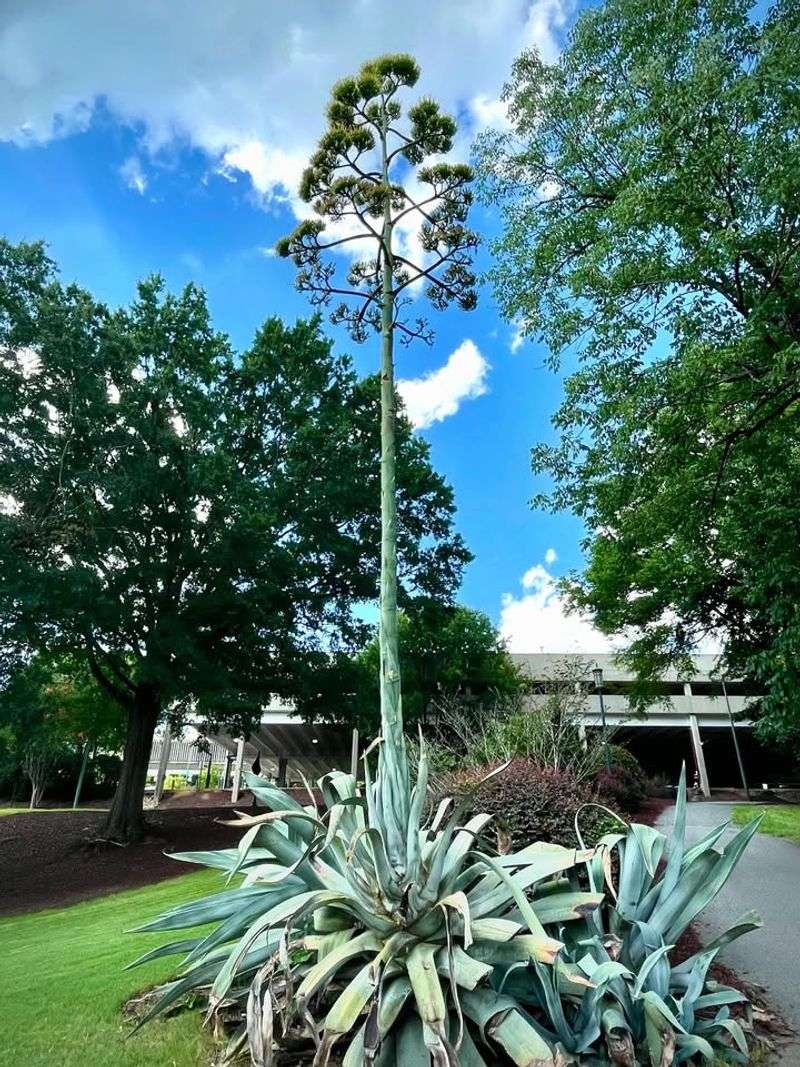
Massive blue-gray leaves radiate outward like frozen explosions, creating bold rosettes that command attention and anchor garden compositions with their substantial presence.
Each leaf terminates in a sharp spine that adds drama while discouraging unwanted foot traffic naturally, eliminating needs for artificial barriers or fencing.
Agave americana tolerates neglect better than most ornamentals, thriving on rainfall alone and actually preferring dry conditions over constant moisture or attention.
Their architectural symmetry brings order to wild desert landscapes, creating focal points that draw eyes across yards and highlight other plantings arranged nearby.
These century plants eventually send up towering flower stalks reaching heights of twenty feet, providing spectacular finale displays after decades of reliable service.
Offsets form around mature plants, offering free propagation material that gardeners can transplant elsewhere or share with neighbors seeking similar sculptural additions.
Agaves work beautifully in containers or ground plantings, adapting equally well to formal courtyards and sprawling naturalistic desert gardens without special care.
Their thick leaves store water efficiently, allowing them to maintain plump, healthy appearances even during extended droughts that stress less-adapted species significantly.
5. Yucca Rostrata
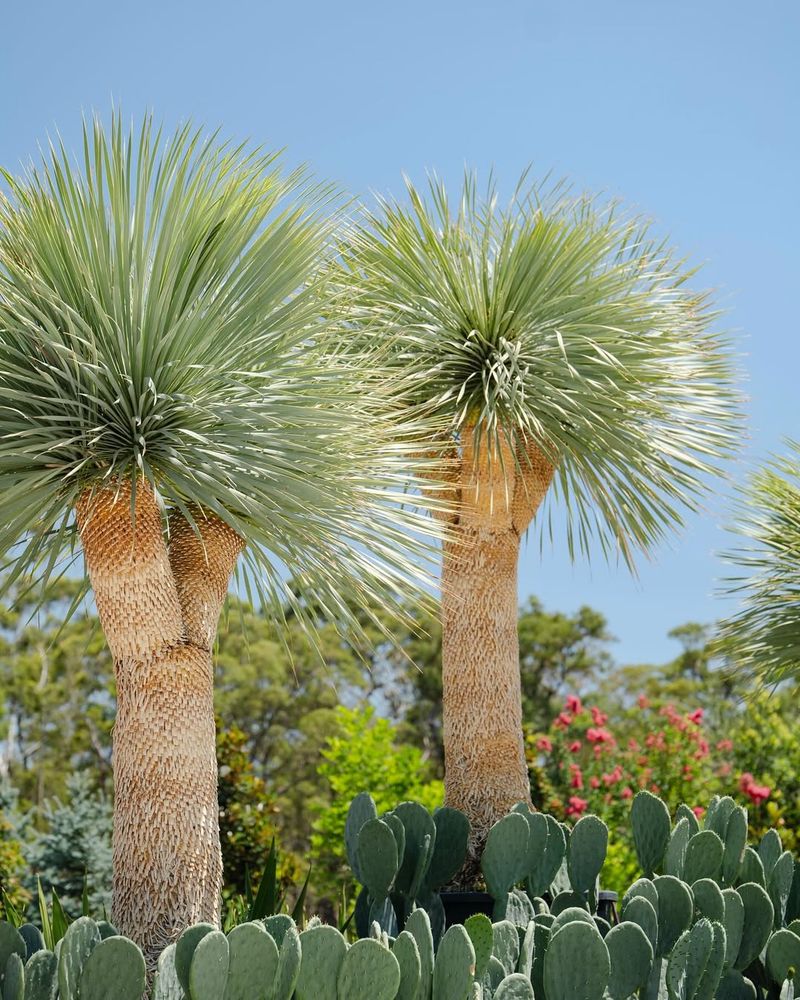
Perfectly spherical heads of blue-green needles perch atop sturdy trunks, creating living sculptures that resemble abstract art installations more than traditional garden plants.
This Mexican native handles Arizona’s climate effortlessly, asking only for sunshine and decent drainage while providing year-round architectural interest that never fades.
Yucca rostrata’s compact form fits modern landscape designs beautifully, complementing contemporary architecture with clean lines and minimalist appeal that feels intentionally curated.
Their soft blue coloring cools down hot desert palettes visually, offering refreshing contrast against warm earth tones and rusty reds common in southwestern gardens.
Unlike sprawling yuccas that send up shoots everywhere, rostrata maintains tidy proportions with single or occasionally branched trunks that stay manageable indefinitely.
Tall flower spikes emerge in late spring, bearing creamy white blooms that attract pollinators and add vertical drama without requiring deadheading afterward.
These elegant specimens work equally well as standalone focal points or grouped in odd-numbered clusters that create rhythm and repetition across larger spaces.
Frost-tolerant and heat-loving, yucca rostrata thrives throughout Arizona’s varied elevations, from low deserts to higher mountain communities without special winter protection needed.
6. Prickly Pear Cactus
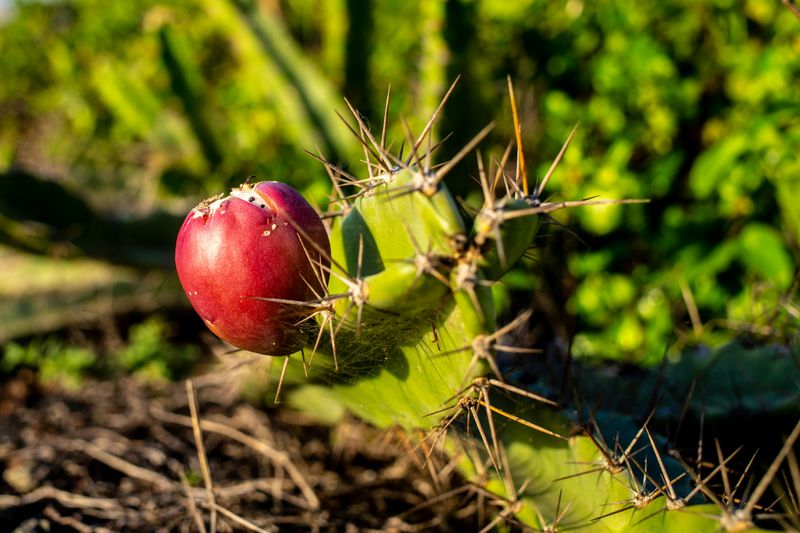
Flat green pads stack and spread like nature’s own building blocks, creating informal sculptures that expand gradually over time without overwhelming their surroundings.
Bright yellow, orange, or magenta flowers appear along pad edges each spring, followed by colorful fruits that wildlife enjoys while adding seasonal interest.
Prickly pears adapt to almost any Arizona location, from scorching low deserts to cooler mountain elevations, proving their remarkable versatility and toughness repeatedly.
Their spreading habit fills spaces naturally, eliminating weeds and reducing maintenance while creating textured groundcovers that feel intentional rather than accidental or messy.
New pads root easily when they touch soil, allowing gardeners to control size through simple removal of unwanted sections during occasional tidying sessions.
These cacti provide food and shelter for desert creatures, supporting local ecosystems while requiring zero inputs beyond initial planting and occasional observation.
Prickly pears tolerate poor soils that defeat other ornamentals, thriving in rocky, compacted, or nutritionally deficient ground that would require expensive amendments otherwise.
Their informal character suits naturalistic desert gardens perfectly while also working surprisingly well in more structured landscapes when pruned selectively for shape.
7. Desert Spoon
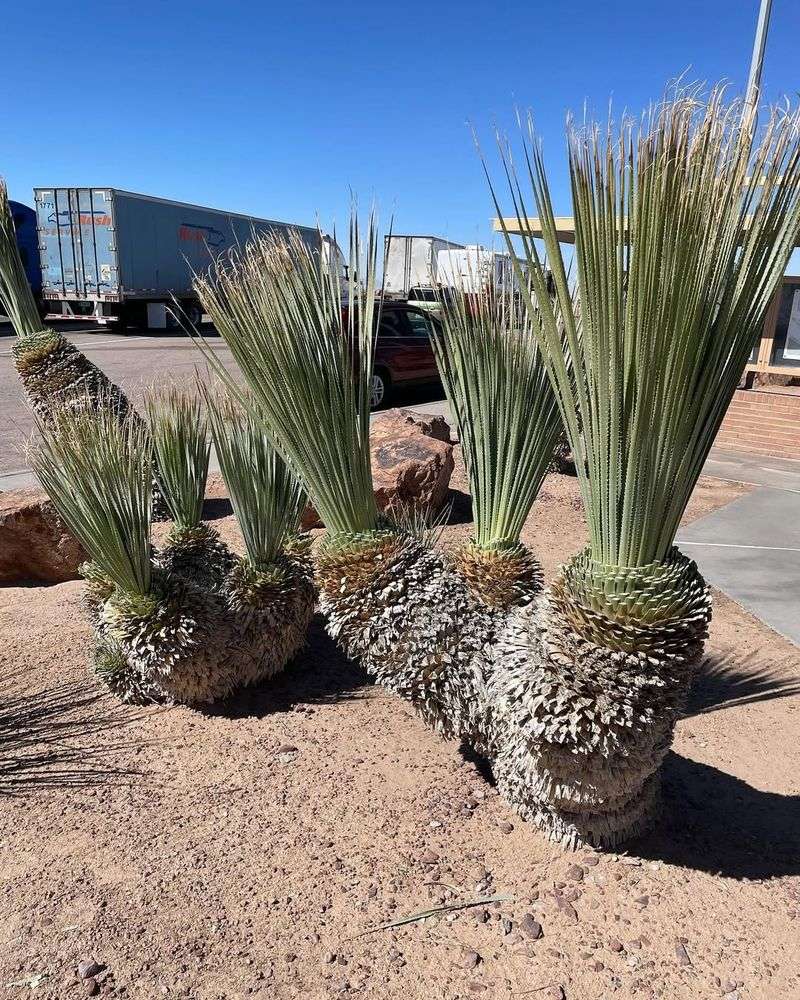
Hundreds of silvery-gray leaves radiate outward from central crowns, each one edged with tiny teeth that catch sunlight and create shimmering effects throughout the day.
Desert spoon’s compact rosettes maintain neat proportions without pruning, making them ideal for gardeners who want sculptural impact without constant trimming or shaping.
Native to southwestern deserts and northern Mexico, these tough plants laugh at Arizona’s heat while requiring watering only during establishment periods or extreme droughts.
Mature specimens send up dramatic flower stalks reaching heights of fifteen feet, bearing clusters of small blooms that tower over surrounding plants spectacularly.
Their spoon-shaped leaf bases give this plant its common name and add unique textural details that distinguish them from similar-looking agaves and yuccas.
Desert spoons work beautifully as transition plants between cultivated garden areas and wild desert beyond, softening boundaries while maintaining cohesive design flow.
These evergreen perennials provide consistent visual interest throughout all seasons, never going dormant or losing leaves that would create cleanup chores later.
Combining desert spoons with contrasting forms like vertical cacti or rounded boulders creates dynamic compositions that feel professionally designed yet remain effortlessly low-maintenance.
8. Golden Barrel Cactus
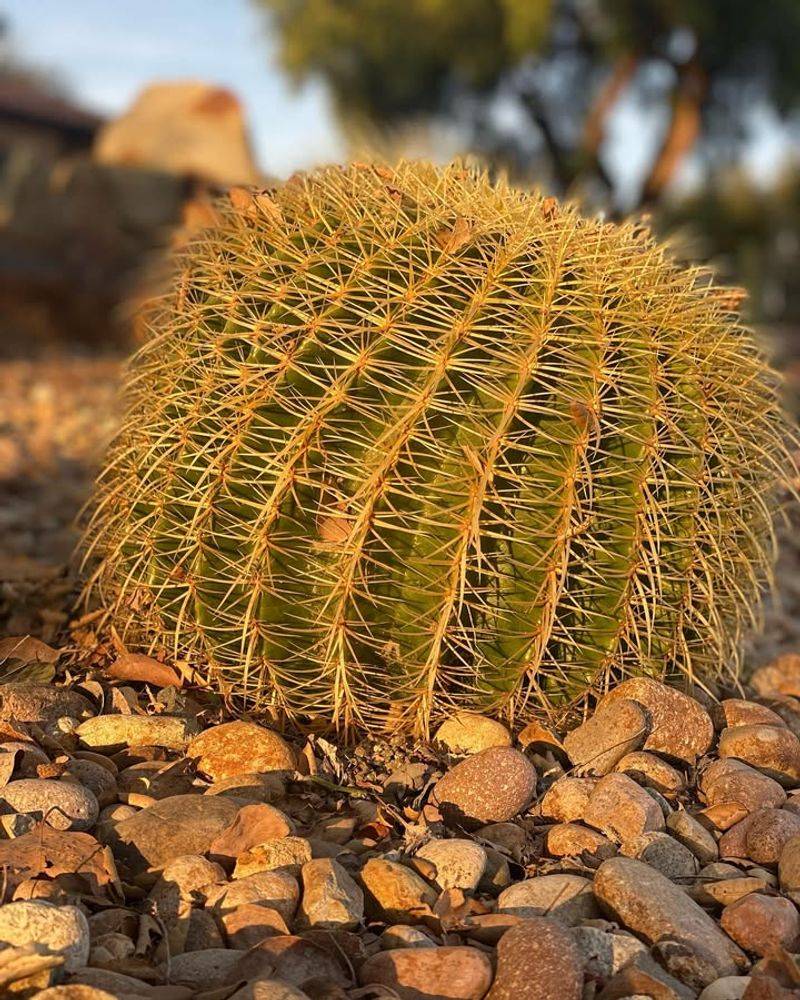
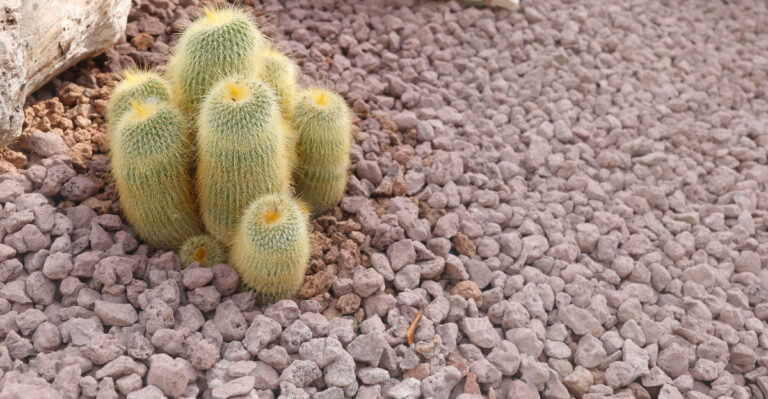
Glowing like small suns dropped into desert gardens, golden barrels bring cheerful warmth through their bright yellow spines that radiate from perfectly rounded forms.
These Mexican natives have become Arizona favorites thanks to their reliable performance and stunning appearance that improves as plants mature over many years.
Unlike some cacti that grow tall or sprawling, golden barrels maintain tidy spherical shapes that fit beautifully into smaller spaces or container arrangements.
Their bright coloring creates natural focal points that draw eyes across landscapes, especially when planted in groups of three or five for maximum impact.
Golden barrels tolerate reflected heat from south-facing walls and paved areas better than many alternatives, solving difficult planting challenges with colorful style.
Yellow flowers crown mature specimens each summer, adding extra brightness without requiring any deadheading, fertilizing, or other follow-up care from busy gardeners.
These slow-growing gems maintain their proportions for decades, meaning design compositions remain balanced without plants outgrowing their intended roles or spaces allocated.
Pairing golden barrels with darker rocks or purple-flowering groundcovers creates stunning color contrasts that make both elements pop visually without additional effort.
9. Totem Pole Cactus
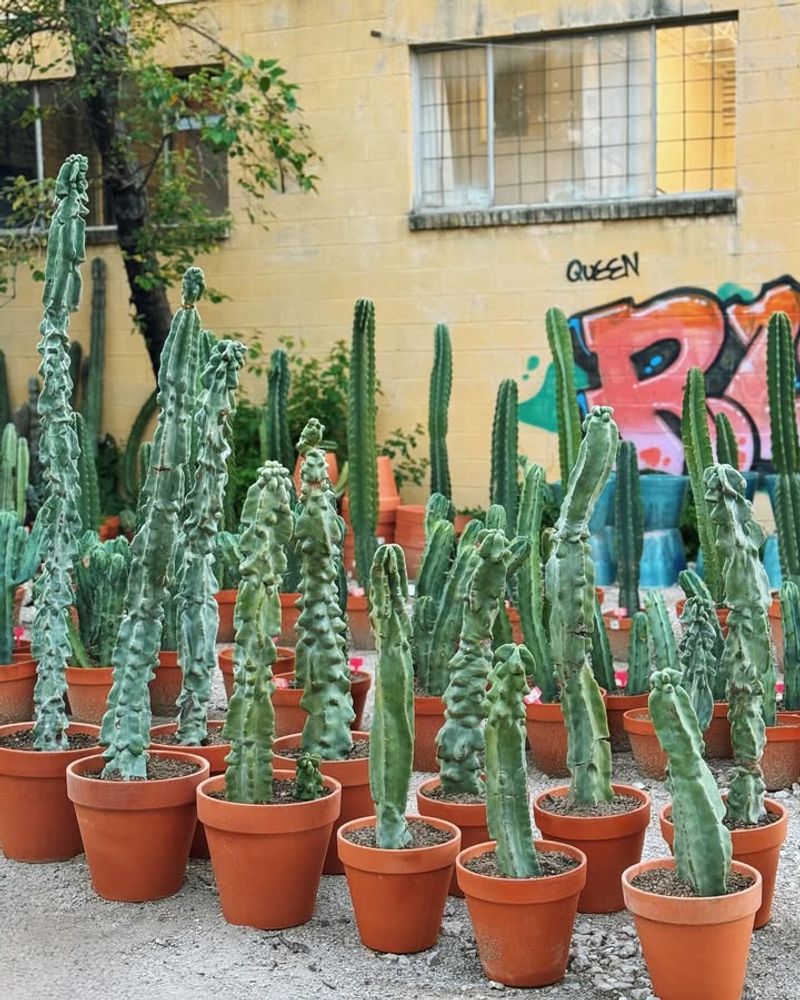
Smooth, spineless columns rise skyward like ancient carved totems, offering vertical drama without the defensive armament typical of most desert cacti around them.
This unusual mutation of the organ pipe cactus brings sculptural interest through its bumpy, knobby surface texture that resembles abstract art more than living plant material.
Totem poles grow slowly upward, eventually forming clusters of columns that create living architectural elements requiring absolutely no pruning or training whatsoever.
Their lack of spines makes them safer choices for gardens where children play or pathways pass closely, eliminating painful encounters while maintaining desert character.
These cacti thrive in full Arizona sun with minimal watering, establishing deep roots that support their tall structures through windy monsoon seasons reliably.
Totem poles work wonderfully as corner accents or entryway sentinels, framing spaces with their distinctive forms that guests always notice and comment upon.
Their smooth surfaces catch light beautifully, creating subtle shadow patterns that change throughout the day and add visual interest to otherwise static garden compositions.
Pairing totem poles with lower, spreading plants creates pleasing height variations that make small gardens feel larger and more thoughtfully designed than they actually are.
10. Fairy Duster
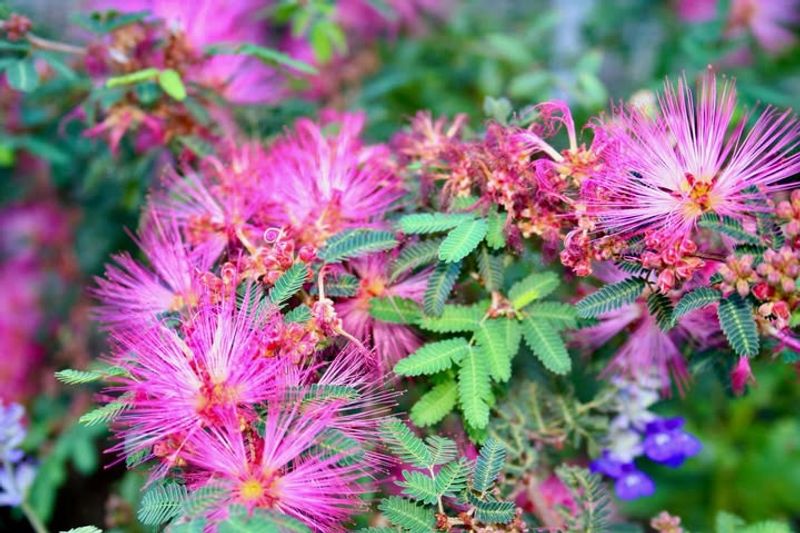
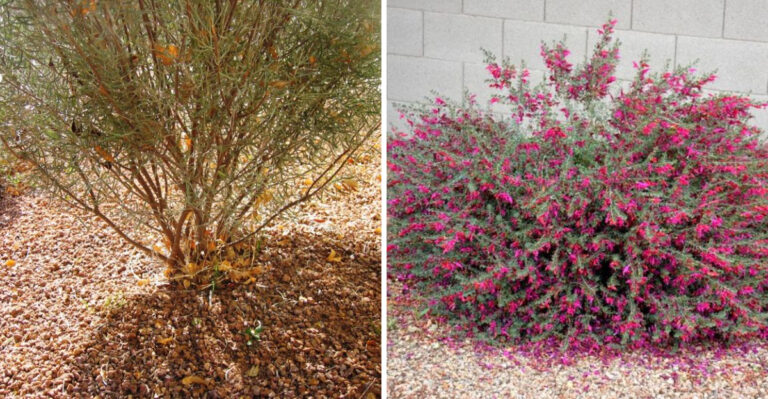
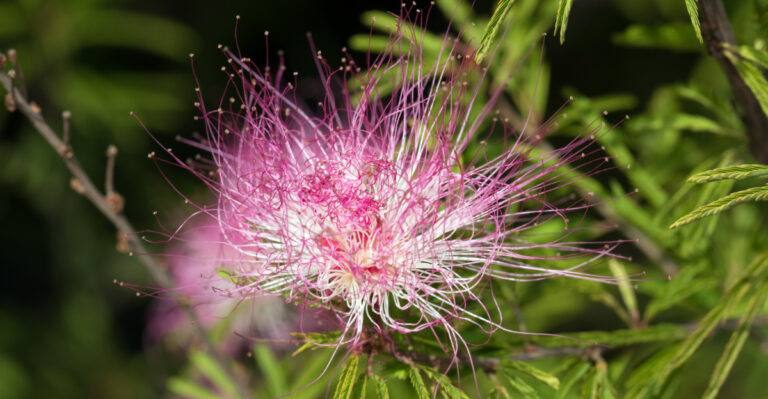
Delicate pink puffball flowers appear throughout warm months, bringing soft textures and cheerful color to gardens dominated by spiky, architectural cacti and succulents nearby.
This native shrub combines sculptural branching patterns with fine, feathery foliage that moves gracefully in breezes, adding motion and life to static landscapes.
Fairy duster’s airy appearance belies its toughness, as it handles Arizona’s heat, drought, and poor soils without complaint or need for constant intervention.
Hummingbirds flock to its nectar-rich blooms, creating natural entertainment that brings movement, color, and life to yards throughout spring and summer months.
Unlike many flowering shrubs requiring regular deadheading and pruning, fairy duster maintains attractive form naturally with only occasional shaping if desired for aesthetics.
Its moderate size fits beautifully into mid-layer plantings, bridging gaps between tall cacti and low groundcovers while softening harsh desert edges with gentle curves.
Fairy duster tolerates reflected heat from walls and hardscapes, making it perfect for challenging spots where other flowering plants might struggle or fail completely.
Combining fairy duster’s soft pink blooms with blue-gray agaves or golden barrel cacti creates stunning color harmonies that feel professionally designed yet remain effortless.
11. Mexican Fence Post Cactus
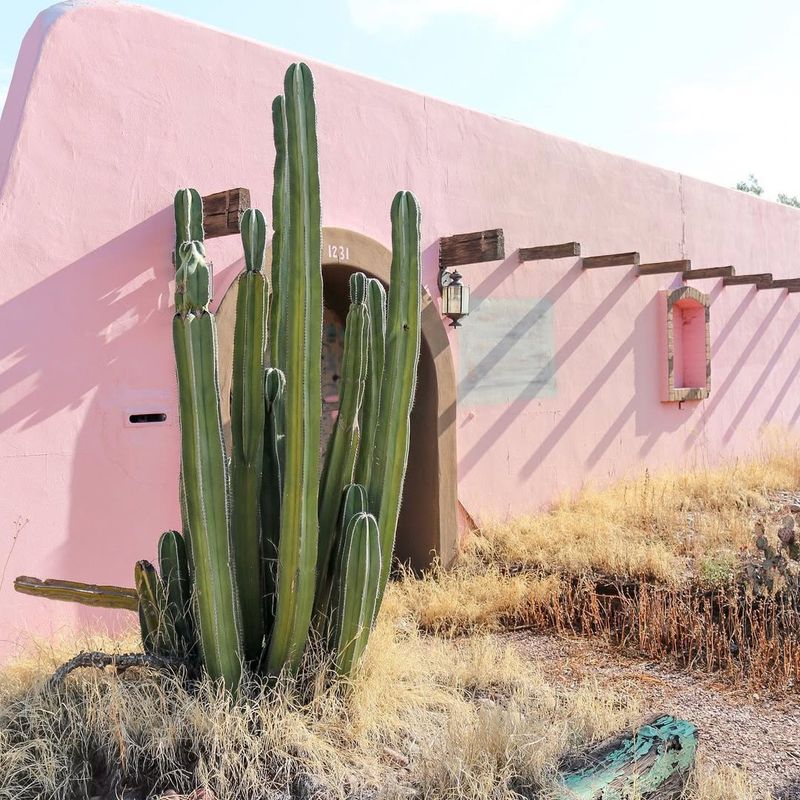
Tall, slender columns grow perfectly straight like living fence posts, creating natural barriers and privacy screens that never need painting, repairing, or replacing over time.
These smooth-skinned cacti develop subtle ribs running vertically along their stems, adding textural interest while maintaining clean, contemporary lines that suit modern landscapes.
Mexican fence posts thrive throughout Arizona’s varied climates, from low desert valleys to higher elevations, proving their adaptability and reliable performance across regions.
Their vertical growth habit draws eyes upward, making gardens feel taller and more spacious while occupying minimal ground space at their narrow bases.
Mature specimens occasionally produce small white flowers and colorful fruits, adding seasonal bonuses without requiring any special care or attention from gardeners.
These cacti work beautifully in rows for actual fencing effects or as standalone specimens that punctuate garden beds with exclamation points of green.
Mexican fence posts tolerate neglect gracefully, asking only for decent drainage and sunshine while providing decades of sculptural beauty that improves with age.
Pairing them with lower, mounding plants creates pleasing contrasts in form and height that make landscape compositions feel balanced, intentional, and professionally executed.