9 Secret Gardens In Michigan That Feel Truly Magical
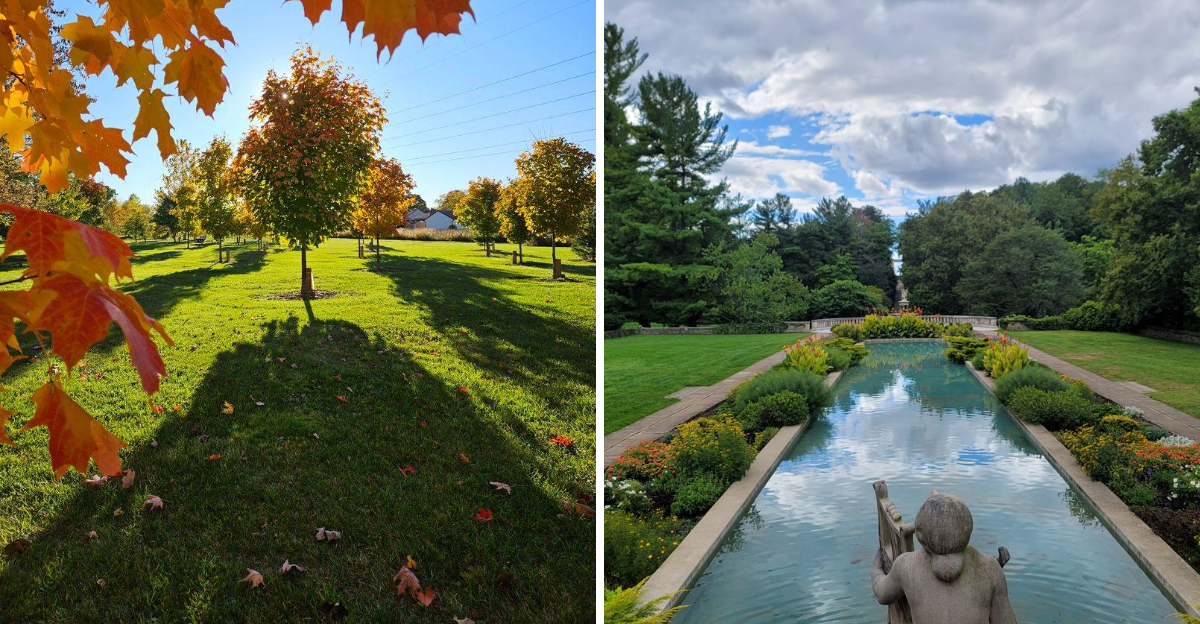
Winding down a quiet country lane in Michigan, you suddenly spot an open gate, a hidden path, and a splash of blooms you never expected. That moment of discovery is exactly what makes secret gardens so special.
These tucked-away spaces feel like they were pulled from a storybook, lush corners, hidden seating nooks, aromatic flowers, and peaceful places that seem miles away from everyday life.
Some are tucked behind historic homes, others bloom beside lakes or in reclaimed urban lots, but all share the same enchanting feel.
They are the places you wander into and forget the clock exists. Garden lovers across the state have started sharing photos and stories, and suddenly these once-quiet spots are getting the attention they deserve.
If you crave outdoor spaces that feel intimate, soulful, and just a little bit magical, this list is your invitation to explore Michigan’s best kept garden secrets.
1. Hidden Lake Gardens – Tipton, MI
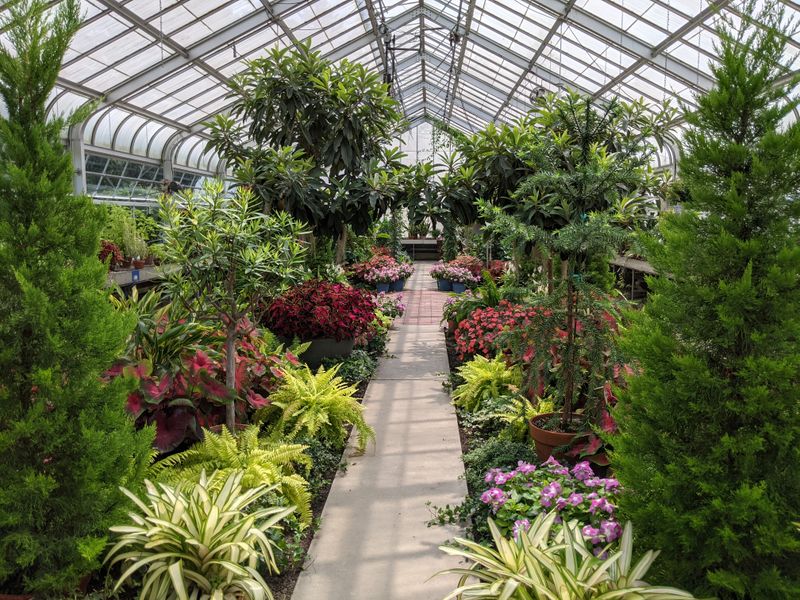
Spanning an impressive 755 acres, this botanical wonderland operated by Michigan State University offers visitors a chance to explore nature at its finest.
The property features a stunning conservatory housing three distinct climate zones, allowing you to experience tropical, arid, and temperate plant collections all under one roof.
Winding drives and walking trails lead you through mature forests, past the namesake hidden lake, and into carefully designed garden spaces.
The hosta hillside showcases hundreds of varieties, while the bonsai collection demonstrates the art of miniature tree cultivation. Each season brings new colors and textures, from spring bulbs to autumn foliage.
Located at 6214 Monroe Road (Hwy M-50), Tipton, MI 49287, United States, this garden provides both educational opportunities and peaceful retreats.
Families appreciate the accessible pathways, while serious gardeners find inspiration in the extensive plant labeling and themed collections.
The combination of natural woodlands and cultivated gardens creates a balanced experience that feels both wild and refined.
Visitors often spend hours exploring different areas, discovering quiet benches perfect for reflection, and photographing the ever-changing landscape that makes this destination truly special.
2. Matthaei Botanical Gardens – Ann Arbor, MI
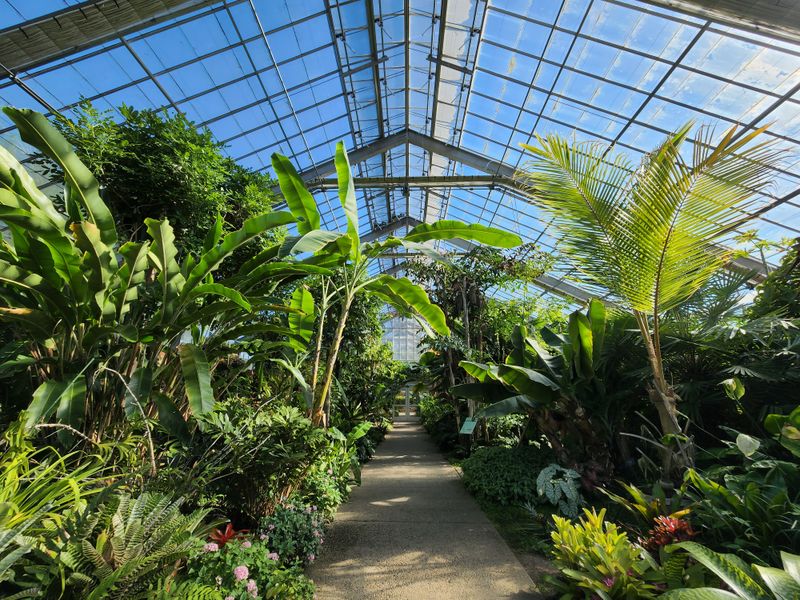
Covering extensive grounds with both indoor and outdoor spaces, this University of Michigan facility ranks among the state’s most impressive garden destinations.
The conservatory houses remarkable tropical and desert plant collections, creating year-round growing environments that showcase botanical diversity from around the world.
Outside, themed gardens demonstrate sustainable landscaping practices and native plant communities. The prairie restoration area bursts with wildflowers during summer months, attracting butterflies and pollinators.
Woodland trails wind through natural areas where visitors observe Michigan’s native flora in authentic habitats.
You’ll find this treasure at 882P+QP, 1800 N Dixboro Rd, Ann Arbor, MI 48105, United States, where research and public enjoyment merge seamlessly.
The Gaffield Children’s Garden offers interactive experiences for younger visitors, featuring whimsical plantings and hands-on discovery opportunities.
Climate-focused planting zones educate visitors about adapting gardens to changing environmental conditions. Educational programs throughout the year teach sustainable gardening techniques and plant identification skills.
The combination of scientific research facilities and public garden spaces creates a unique atmosphere where learning happens naturally while exploring beautiful surroundings that change dramatically with Michigan’s distinct seasons.
3. Anna Scripps Whitcomb Conservatory – Detroit, MI
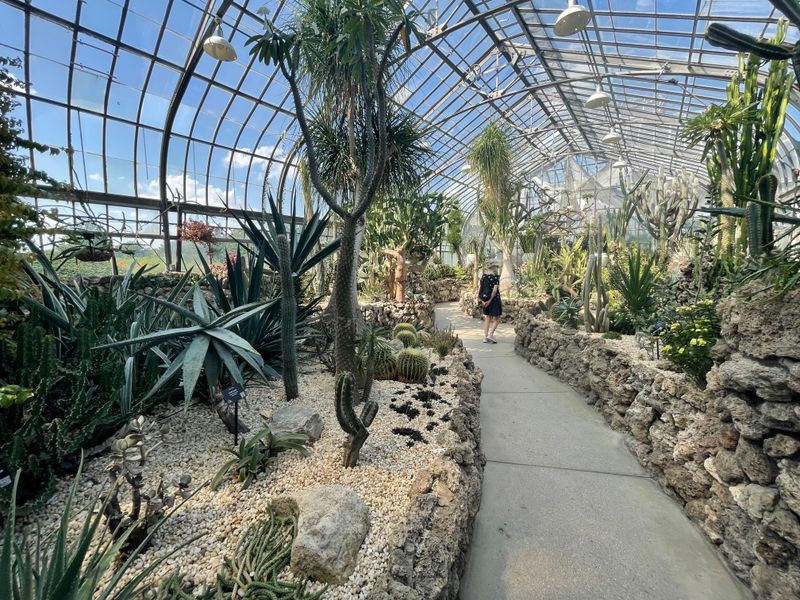
Standing as one of America’s oldest continuously operating conservatories, this Belle Isle landmark has welcomed visitors since 1904.
The elegant glass structure houses one of the country’s finest collections of orchids, cacti, and tropical plants, creating an unexpected oasis within Detroit’s urban landscape.
Inside, you’ll discover towering palms reaching toward the glass ceiling, exotic ferns creating jungle-like atmospheres, and seasonal flower shows that transform spaces into spectacular color displays.
The lily pond room features aquatic plants floating peacefully, while the cactus house showcases desert adaptations in fascinating forms.
Located at 4 Inselruhe Ave, Detroit, MI 48207, United States, this conservatory offers free admission, making botanical beauty accessible to everyone.
The historic architecture itself deserves attention, with its ornate ironwork and classic design representing an earlier era of public garden construction.
Seasonal shows highlight chrysanthemums in fall, poinsettias during winter holidays, and spring bulbs that announce warmer weather’s arrival. The conservatory staff maintains plant collections with expertise passed down through generations of horticulturists.
Visiting feels like stepping into a verdant sanctuary where city noise fades away, replaced by the gentle sounds of water features and rustling leaves.
4. Cranbrook House & Gardens – Bloomfield Hills, MI
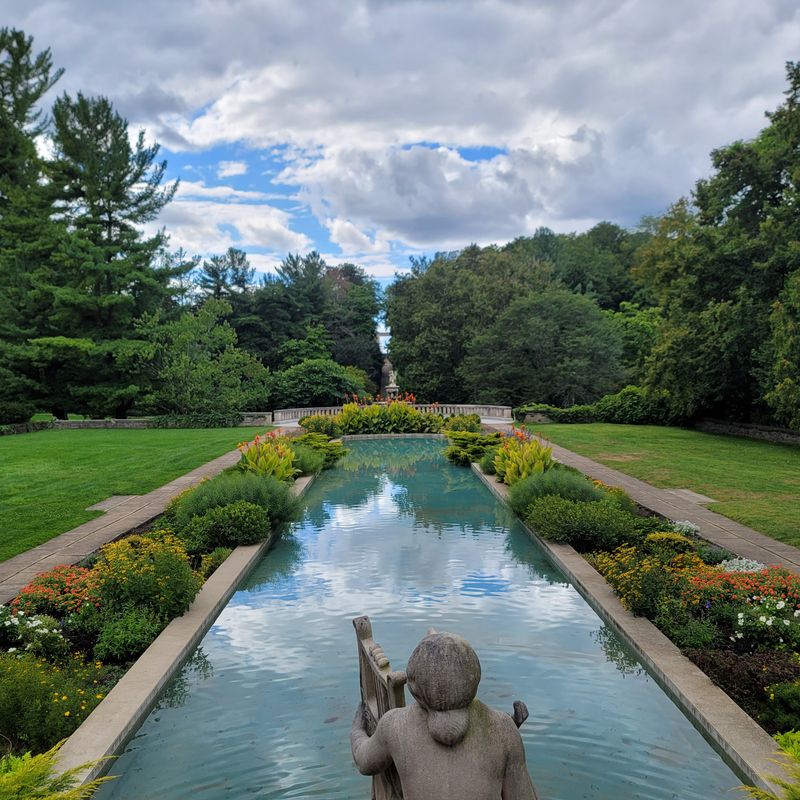
This Arts and Crafts estate garden represents one of Michigan’s most refined landscape designs, created during the early 20th century for the Booth family.
Formal garden rooms unfold like chapters in a storybook, each offering distinct character through careful plant selection and architectural features.
Sunken gardens, terraced beds, and carefully pruned hedges create outdoor rooms that invite exploration.
Stone pathways lead through perennial borders bursting with color during growing seasons, while sculptures and fountains provide focal points throughout the grounds. The design philosophy emphasizes harmony between architecture and nature.
Situated at 380 Lone Pine Rd, Bloomfield Hills, MI 48304, United States, these gardens maintain their original character while adapting to modern horticultural practices.
Visitors can tour both the historic house and extensive grounds, gaining insight into early 20th-century garden design principles.
Spring brings flowering bulbs and blooming trees, summer showcases perennial gardens at peak performance, and autumn foliage creates golden backdrops for the garden structures. Educational programs teach garden history and design concepts.
The peaceful atmosphere encourages slow wandering, allowing visitors to appreciate details like carved stone benches, hidden alcoves, and the thoughtful placement of plants that bloom in succession throughout seasons.
5. Edsel & Eleanor Ford House – Grosse Pointe Shores, MI
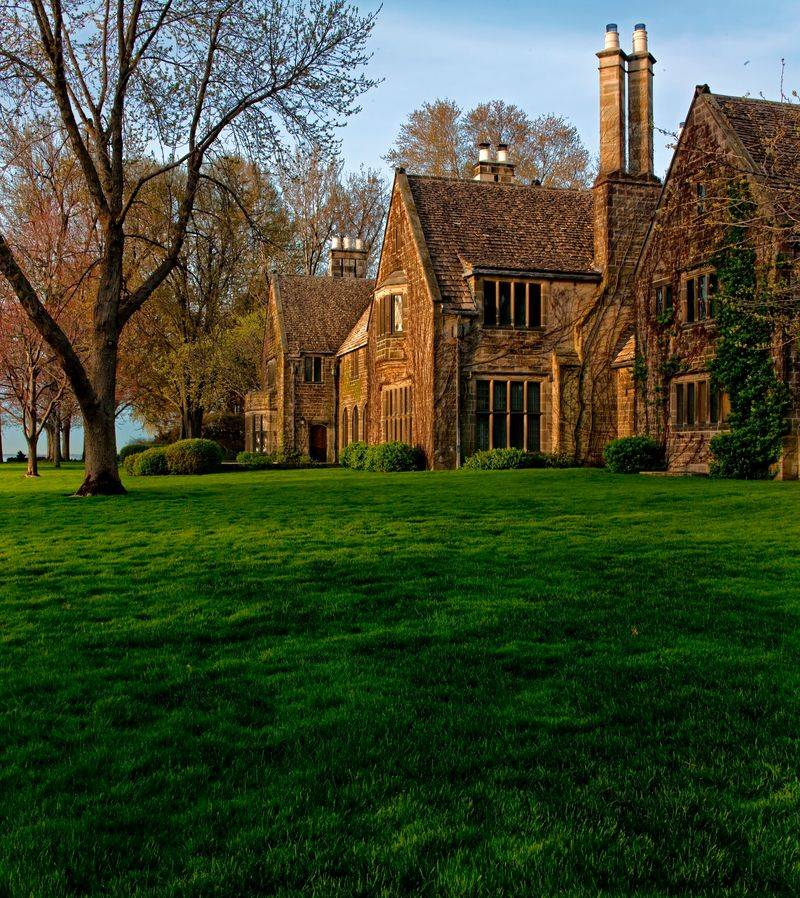
Overlooking Lake St. Clair, this estate garden reflects the refined taste of the Ford family during the 1920s.
Renowned landscape architect Jens Jensen designed the grounds to complement the Cotswold-style mansion, creating flowing transitions between formal and natural areas.
The meadow features native plantings that change with seasons, while formal gardens near the house display carefully chosen perennials and shrubs. Lakeside pathways offer stunning water views, and mature trees provide shade and structure to the landscape.
The design philosophy emphasizes regional plant materials and natural beauty. You can explore these grounds at 1100 Lake Shore Rd, Grosse Pointe Shores, MI 48236, United States, where history and horticulture blend seamlessly.
The estate hosts seasonal garden tours that explain design choices and plant selections specific to Michigan’s climate.
Perennial borders demonstrate how traditional garden styles adapt to Great Lakes growing conditions. The rose garden showcases varieties that thrive in this region, while woodland areas preserve native plant communities.
Educational programs explore connections between landscape architecture and environmental stewardship.
Walking these grounds provides inspiration for home gardeners while offering peaceful moments beside the sparkling lake, where Eleanor Ford once strolled through her beloved gardens.
6. The Secret Garden – Mackinac Island, MI
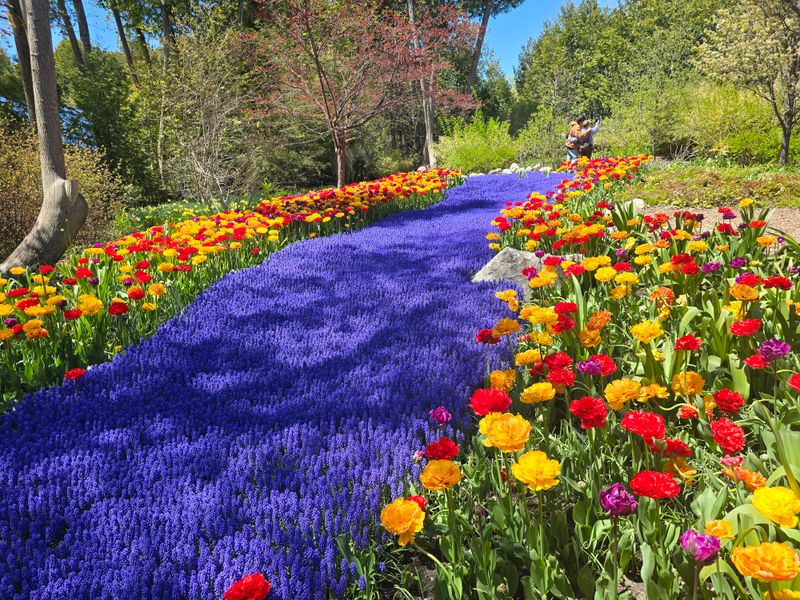
True to its evocative name, this small garden space on Mackinac Island offers visitors a tucked-away retreat from the island’s busier attractions.
The intimate scale creates a sense of discovery, as if you’ve stumbled upon a private sanctuary meant only for those who seek it out.
Flowering plants chosen for their ability to thrive in the island’s unique microclimate fill beds along winding paths. Benches positioned throughout invite quiet contemplation, while the surrounding woodland provides natural privacy.
The garden’s design emphasizes simplicity and natural beauty rather than grand displays. Located at Woodlands Activity Center, 7798 W Bluff Rd, Mackinac Island, MI 49757, United States, this garden complements the island’s car-free, slower-paced atmosphere.
Visitors arriving by bicycle or on foot find the garden particularly rewarding after exploring other island destinations.
The secluded setting allows for genuine connection with plants and nature, away from crowds that gather at more famous island landmarks. Seasonal plantings ensure visual interest throughout the summer months when most visitors explore Mackinac Island.
The garden demonstrates how even small spaces can create powerful experiences when thoughtfully designed, offering proof that magic doesn’t require vast acreage, just careful attention to creating peaceful, beautiful environments.
7. Tomlinson Arboretum – Clinton Township, MI
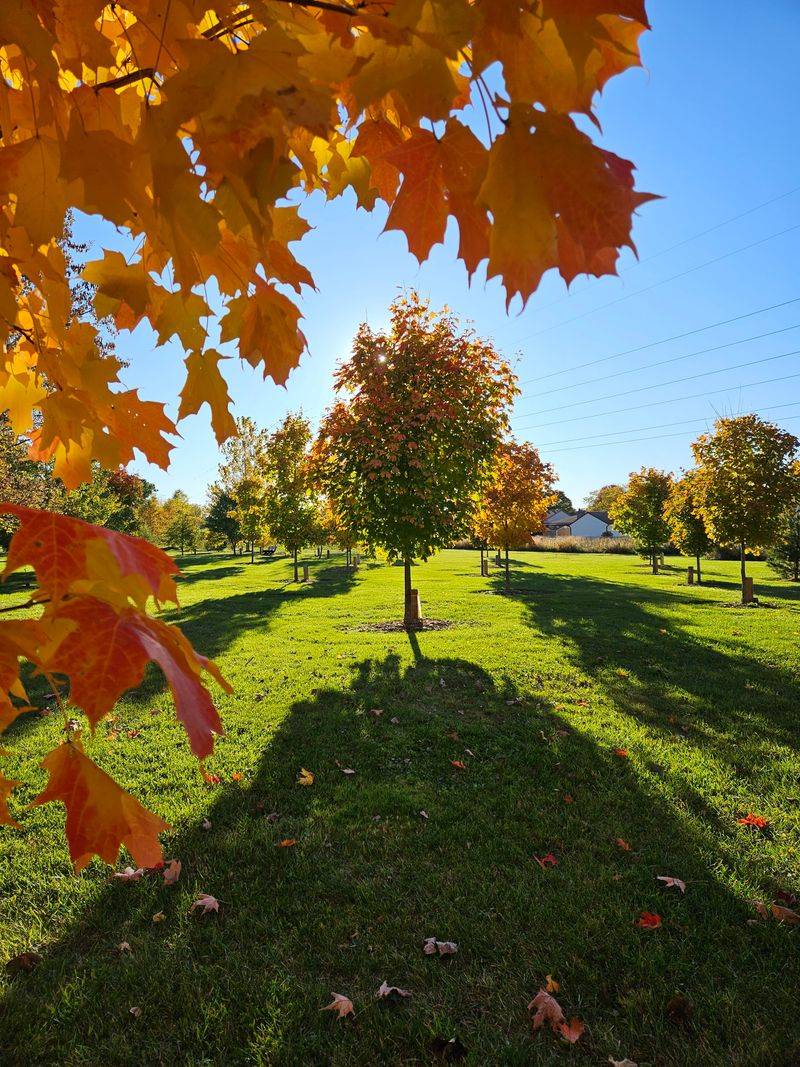
Functioning as a living museum of trees and woody plants, this arboretum presents extensive collections organized for both education and enjoyment.
The property showcases trees from around the world adapted to Michigan’s climate, demonstrating diversity within this important plant group.
Shaded pathways wind through groves of labeled specimens, allowing visitors to learn botanical names while experiencing different tree forms and foliage types.
The gallery-like approach to plant display makes identifying and comparing species straightforward, appealing to both casual visitors and serious plant enthusiasts.
Find this woodland treasure at 17798 18 Mile Rd, Clinton Township, MI 48038, United States, where the focus remains firmly on woody plant collections. The arboretum serves as a resource for understanding which trees thrive in southeastern Michigan’s conditions.
Seasonal changes transform the arboretum dramatically, from spring flowering trees to summer’s full canopy and autumn’s spectacular color show.
Winter reveals branch structures and bark patterns often hidden by leaves. Educational programs teach tree identification skills and proper planting techniques.
The peaceful, contemplative atmosphere encourages slow observation, helping visitors develop deeper appreciation for trees that often go unnoticed in daily life, yet provide essential beauty and environmental benefits to our communities and landscapes.
8. Chelsea Community Garden – Chelsea, MI
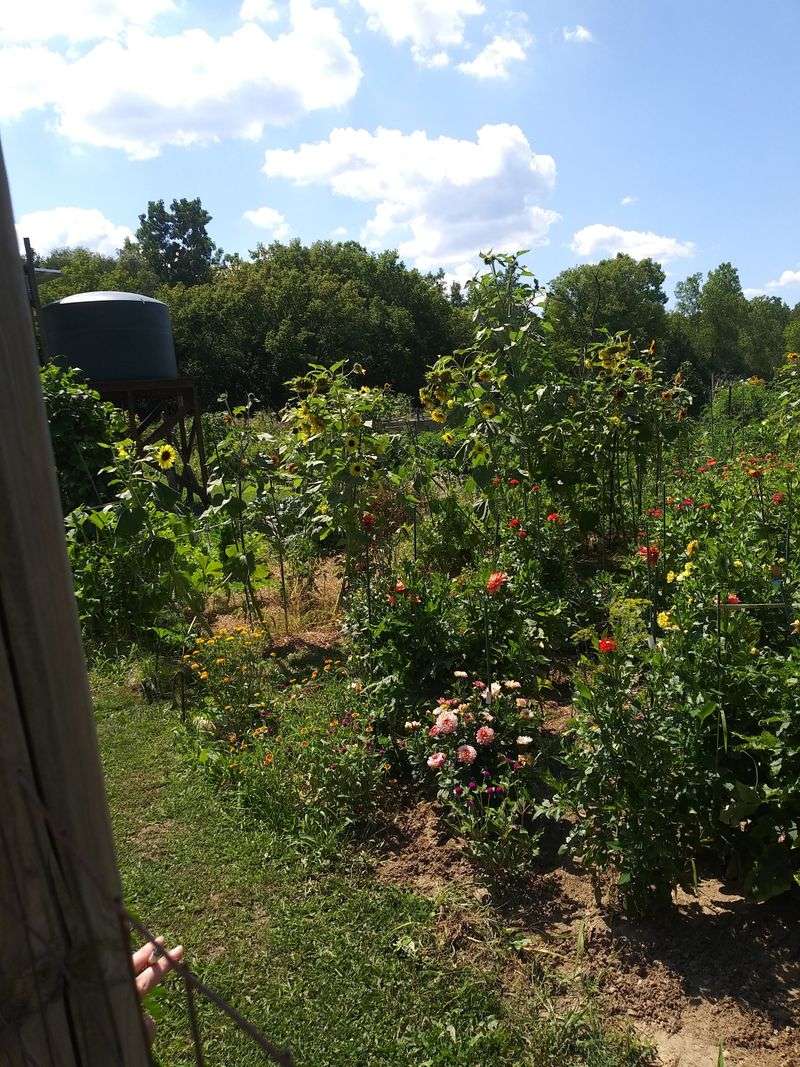
Community gardens represent grassroots gardening at its finest, and this Chelsea location exemplifies how shared spaces create beauty while bringing neighbors together.
Individual plots maintained by local residents showcase diverse gardening styles and plant choices, creating a patchwork of colors and textures throughout growing seasons.
Beyond vegetable production, many gardeners incorporate flowers and ornamental plants into their plots, resulting in displays that rival formal garden spaces. Walking paths between plots allow visitors to observe different gardening techniques and discover new plant varieties.
The sense of community pride shows in the well-maintained beds and creative garden structures. Located along Sibley Rd, Chelsea, MI 48118, United States, this garden space demonstrates how communities create green sanctuaries even in smaller towns.
The garden club members share knowledge and resources, fostering learning among gardeners of all experience levels.
Seasonal displays change as crops rotate and flowers bloom in succession. Spring brings enthusiasm with new plantings, summer showcases gardens at peak production, and autumn features harvest celebrations.
The community aspect adds warmth often missing from formal botanical gardens, as gardeners frequently share tips, surplus produce, and friendship.
Visiting reminds us that gardens need not be grand or professionally designed to bring joy and beauty into our world.
9. Dahlia Hill – Midland, MI
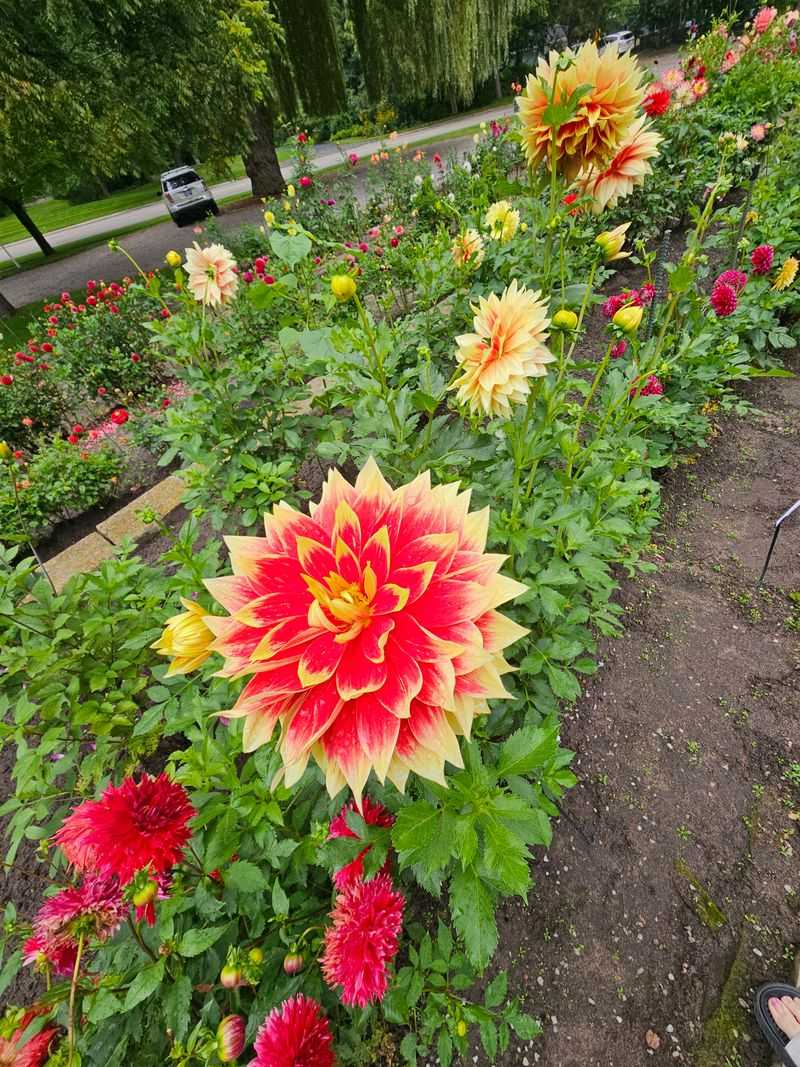
When dahlias reach peak bloom, few garden sights rival the spectacular color show at this hillside location.
Hundreds of dahlia varieties in every imaginable color and form create waves of blooms cascading down terraced beds, transforming the landscape into a painter’s palette come to life.
Stone pathways allow close inspection of different dahlia types, from dinner-plate sized giants to petite pompoms.
Each variety displays unique petal arrangements, colors, and growth habits, demonstrating the remarkable diversity within this single flower genus. Bloom season typically runs from midsummer through first frost.
Visit this floral spectacle at 1300 W Main St, Midland, MI 48640, United States, or at the 2809 Orchard Dr, where dedicated volunteers maintain the extensive dahlia collection.
The terraced design provides excellent drainage while creating visual interest through elevation changes.
Dahlia enthusiasts travel considerable distances to study varieties and gather growing inspiration from this collection. The garden proves that focusing on a single plant type can create powerful impact when done with expertise and passion.
Educational information helps visitors understand dahlia cultivation techniques and variety selection. Photography opportunities abound throughout bloom season, as morning light illuminates petals still fresh with dew.
The garden celebrates summer’s abundance in spectacular fashion, reminding us that sometimes focusing deeply on one thing creates more magic than spreading efforts thinly across many.