8 Secrets For Growing Big Organic Strawberry Harvests In Michigan
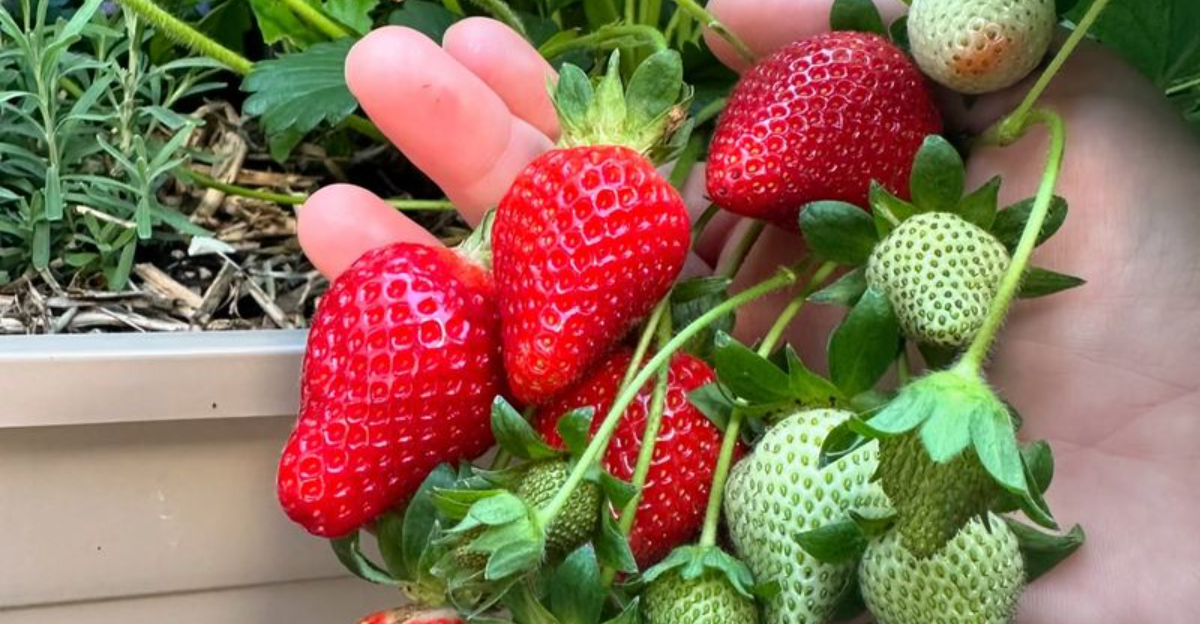
Michigan gardeners know that growing strawberries organically takes skill, timing, and careful attention. When done right, you can enjoy sweet, juicy berries while keeping your garden chemical-free and environmentally friendly.
Grow strawberries that are healthy, flavorful, and abundant. These secrets include choosing the right varieties for Michigan’s climate, preparing nutrient-rich soil, proper spacing, mulching, watering consistently, rotating crops, protecting plants from pests naturally, and pruning runners strategically.
Following these steps helps strawberries thrive, produces larger fruits, and encourages continuous harvests throughout the season. Healthy soil, careful care, and organic practices lead to bigger, tastier berries.
Michigan gardeners who implement these techniques enjoy bountiful, delicious organic strawberries and a thriving garden that supports pollinators and sustainable practices. Use these secrets to grow impressive strawberry harvests in your backyard.
1. Choose Cold-Hardy Strawberry Varieties
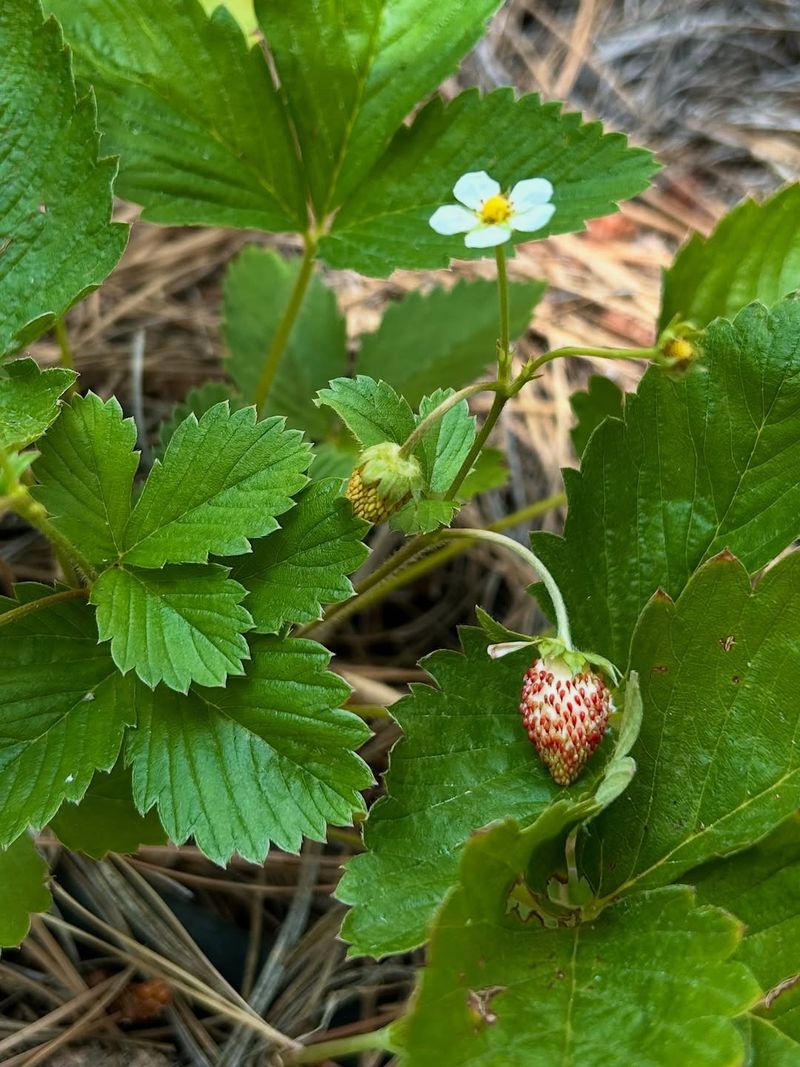
Michigan winters can be brutal, with temperatures plummeting well below freezing and snow covering the ground for months. Selecting strawberry varieties bred to withstand these harsh conditions is absolutely essential for consistent harvests year after year.
Varieties like Earliglow, Jewel, Allstar, and Honeoye have been developed specifically to survive cold snaps and bounce back vigorously when spring arrives.
Earliglow is a favorite among Michigan gardeners because it produces early-season berries with exceptional sweetness and disease resistance. Jewel offers large, firm fruits that hold up beautifully through unpredictable weather swings.
Allstar provides reliable mid-season yields and adapts well to various soil types found across the state.
Honeoye delivers impressive early crops with bright red berries that are perfect for fresh eating or preserving. Choosing the right variety means your plants will establish strong root systems before winter and emerge ready to produce abundantly when warmer weather returns.
Cold-hardy varieties also tend to resist common diseases better, reducing the need for interventions and keeping your garden truly organic.
By investing in varieties proven to thrive in Michigan’s climate, you set the foundation for bountiful harvests that continue season after season without the frustration of losing plants to winter stress.
2. Plant In Full Sun Locations
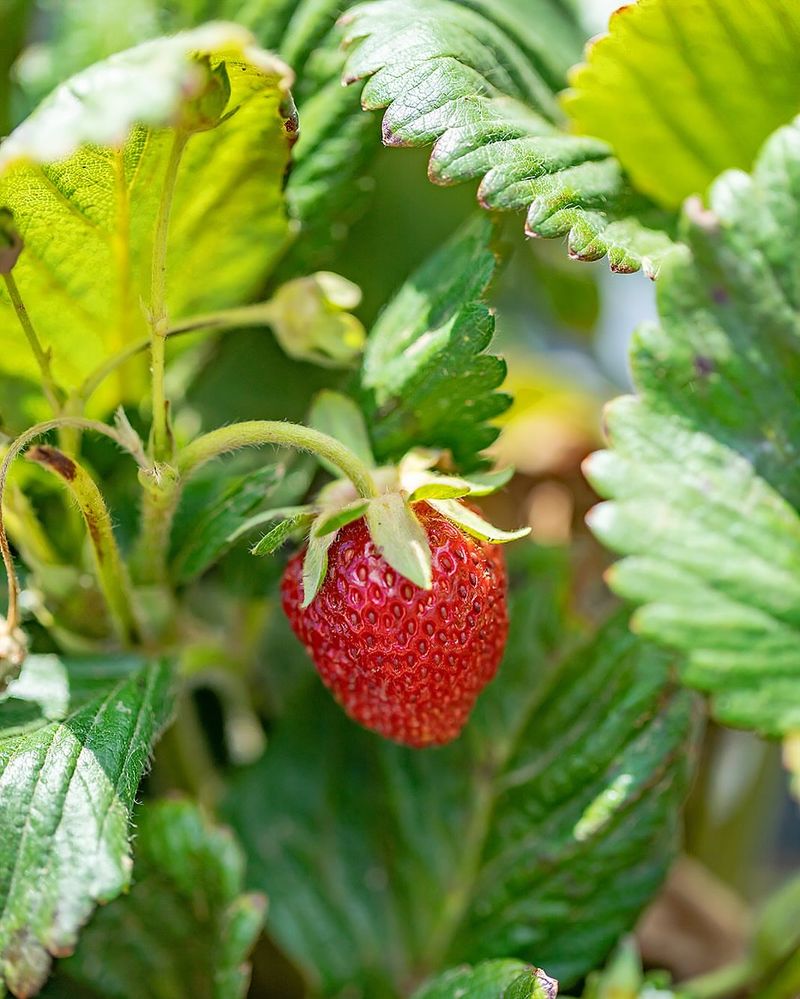
Strawberries are sun-loving plants that absolutely thrive when they receive generous amounts of direct sunlight throughout the day.
In Michigan, where cloudy days can be common, finding a spot that gets at least six to eight hours of unfiltered sunshine is crucial for maximizing both fruit size and sweetness.
Without adequate light, plants produce smaller berries with less sugar content and weaker overall growth.
Full sun exposure encourages robust photosynthesis, which fuels the development of large, flavorful fruits and healthy foliage. Plants grown in shady conditions often struggle with poor yields and become more susceptible to fungal issues because moisture lingers on leaves longer.
Michigan’s relatively short growing season makes every ray of sunshine count, so placing your strawberry patch in the sunniest part of your yard pays off dramatically.
South-facing slopes or open garden beds away from tall trees and buildings work best. Morning sun is particularly valuable because it dries dew quickly, reducing the risk of disease.
Even a few extra hours of sunlight each day can translate into noticeably sweeter berries and more prolific production throughout the season.
When you prioritize full sun locations, your strawberry plants reward you with vibrant growth, abundant blossoms, and harvests that are both larger and more flavorful than those grown in partially shaded areas.
3. Improve Soil With Organic Matter Before Planting
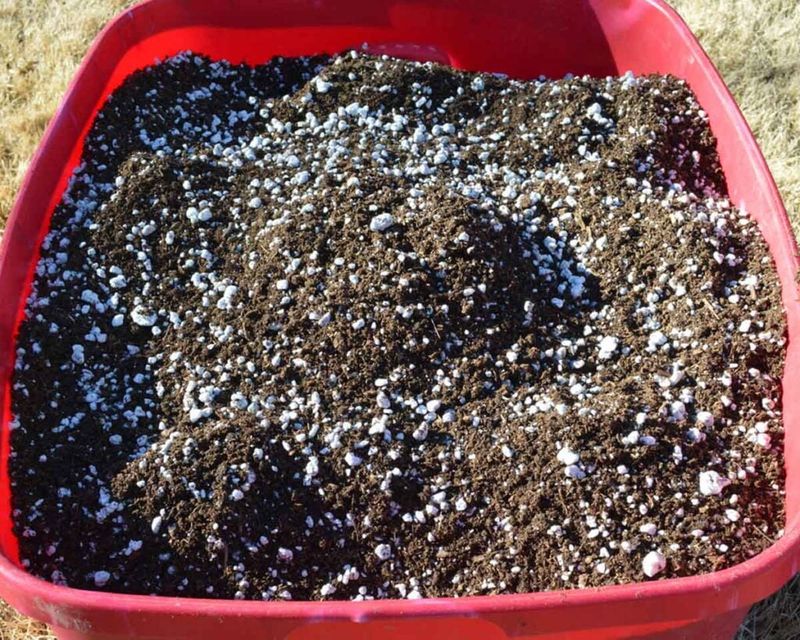
Michigan soils vary widely, from heavy clay in some regions to sandy loam in others, and neither extreme is ideal for strawberries without amendment.
Incorporating generous amounts of compost and well-aged manure before planting transforms challenging soil into a nutrient-rich environment that supports vigorous root development and abundant fruiting.
Organic matter improves drainage in clay soils while increasing water retention in sandy areas, creating the perfect balance strawberries need.
Aim for a soil texture that is loose, crumbly, and rich in nutrients, allowing roots to spread easily and access moisture and minerals efficiently. Strawberries prefer a slightly acidic pH range between 5.5 and 6.5, which you can achieve by testing your soil and adjusting with organic amendments as needed.
Compost also introduces beneficial microorganisms that help plants absorb nutrients and resist diseases naturally.
Spread a two to three inch layer of compost or aged manure over your planting area and work it into the top six to eight inches of soil several weeks before setting out plants. This gives the organic matter time to integrate and stabilize, creating an ideal growing medium.
By investing effort in soil preparation, you provide your strawberries with the foundation they need to produce large, sweet berries and maintain healthy growth throughout the entire season without relying on synthetic fertilizers.
4. Use Straw Mulch For Moisture Control And Winter Protection
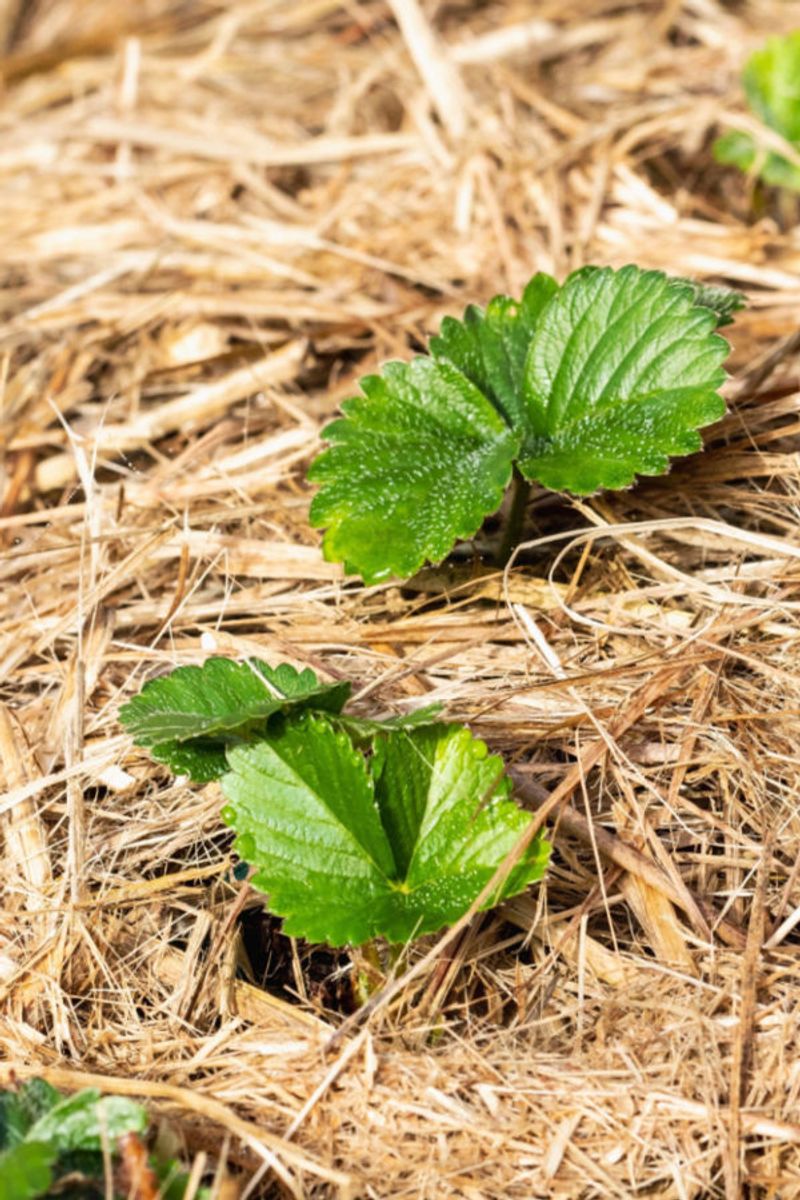
Straw mulch is one of the most effective tools Michigan gardeners have for protecting strawberry plants through both summer heat and harsh winter cold.
A thick layer of clean straw spread around plants helps regulate soil temperature, keeping roots cool during hot spells and insulating crowns when temperatures plunge below freezing.
This simple organic material also conserves moisture by reducing evaporation, which is especially valuable during dry periods when strawberries are developing fruit.
Apply mulch to a depth of about two to three inches around established plants in late fall, covering the crowns completely once the ground begins to freeze. This winter blanket protects delicate growing points from frost heaving and temperature fluctuations that can weaken or damage plants.
When spring arrives and new growth begins to emerge, carefully pull back the mulch to allow shoots to reach sunlight while leaving some straw around the base to suppress weeds and keep berries clean.
Straw mulch also prevents soil from splashing onto fruit during rain, reducing the risk of rot and keeping your harvest pristine. Using organic straw ensures no synthetic chemicals enter your garden, maintaining the integrity of your organic growing practices.
By incorporating straw mulch into your strawberry care routine, you create a protective environment that supports healthy plants, conserves resources, and delivers consistently impressive harvests year after year.
5. Space Plants Properly For Airflow
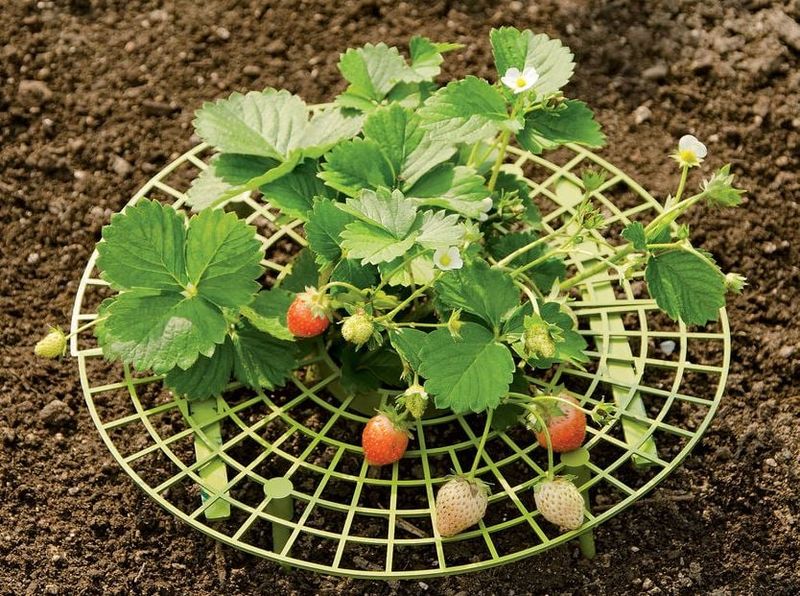
Proper spacing between strawberry plants might seem like a minor detail, but it plays a major role in preventing disease and promoting vigorous growth.
When plants are crowded together, moisture from rain, dew, and irrigation lingers on leaves and crowns, creating perfect conditions for fungal problems like powdery mildew and gray mold.
Adequate spacing allows air to circulate freely, drying foliage quickly and keeping your plants healthier without needing any chemical treatments.
For June-bearing strawberries, space plants about 18 to 24 inches apart in rows that are three to four feet apart. Everbearing varieties can be placed slightly closer, around 12 to 18 inches apart, since they typically produce fewer runners.
These distances give each plant room to spread naturally while maintaining good airflow throughout the growing season.
Good air circulation also helps regulate temperature around plants, reducing heat stress during Michigan’s occasional summer hot spells.
Well-spaced plants develop stronger root systems because they are not competing intensely for nutrients and water. This results in more robust growth and larger, more flavorful berries.
Taking the time to space your strawberry plants correctly from the start saves you trouble later by reducing disease pressure and improving overall productivity, making your organic garden easier to manage and more rewarding to harvest from throughout the season.
6. Water Deeply And Consistently
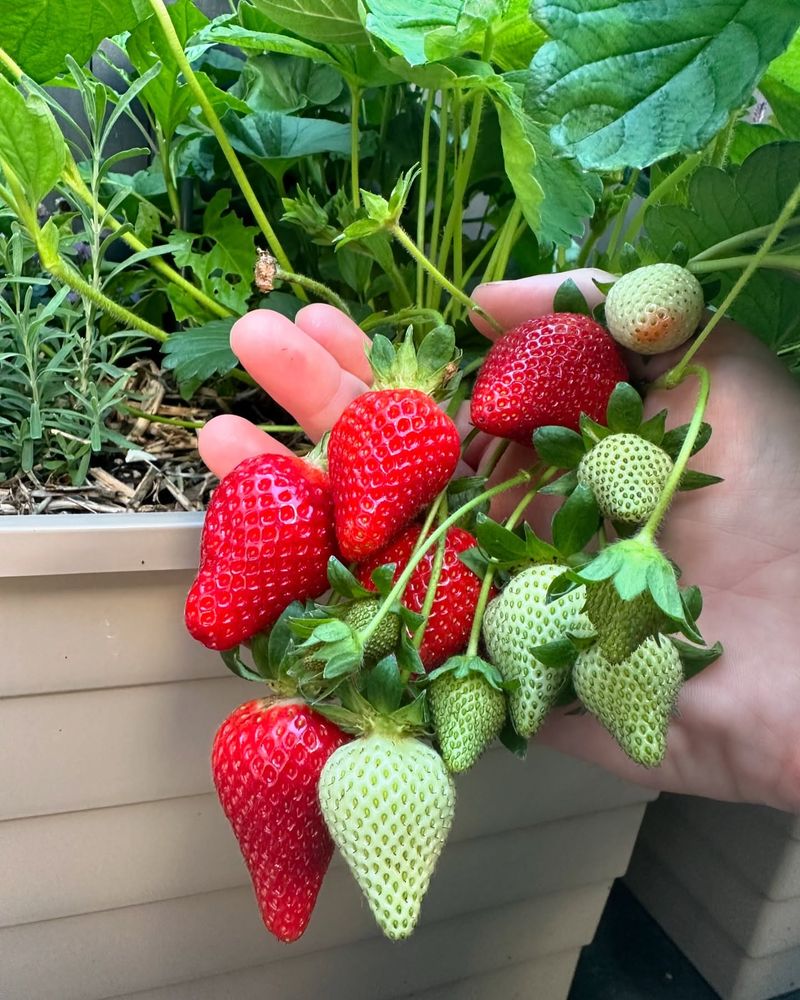
Strawberries have shallow root systems that require steady moisture, especially during flowering and fruit development when plants are working hardest to produce your harvest. Inconsistent watering leads to small, misshapen berries and stressed plants that are more vulnerable to pests and diseases.
In Michigan, where summer rainfall can be unpredictable, taking control of your watering schedule ensures your plants get exactly what they need when they need it.
Aim to provide about one to one and a half inches of water per week, either from rain or irrigation. Deep watering encourages roots to grow downward, making plants more resilient during dry spells.
Drip irrigation is ideal because it delivers water directly to the root zone without wetting foliage, reducing disease risk and conserving water at the same time.
Water early in the morning so any moisture that does land on leaves has time to dry before evening, minimizing fungal issues.
During peak fruiting periods, monitor soil moisture closely and adjust your watering as needed to keep the soil consistently moist but never waterlogged.
Consistent watering also improves berry flavor by preventing stress that can make fruit taste bland or uneven.
By maintaining steady moisture levels throughout the growing season, you support healthy plant growth and maximize both the size and sweetness of your organic strawberry harvest.
7. Remove Excess Runners To Focus Energy On Fruit Production
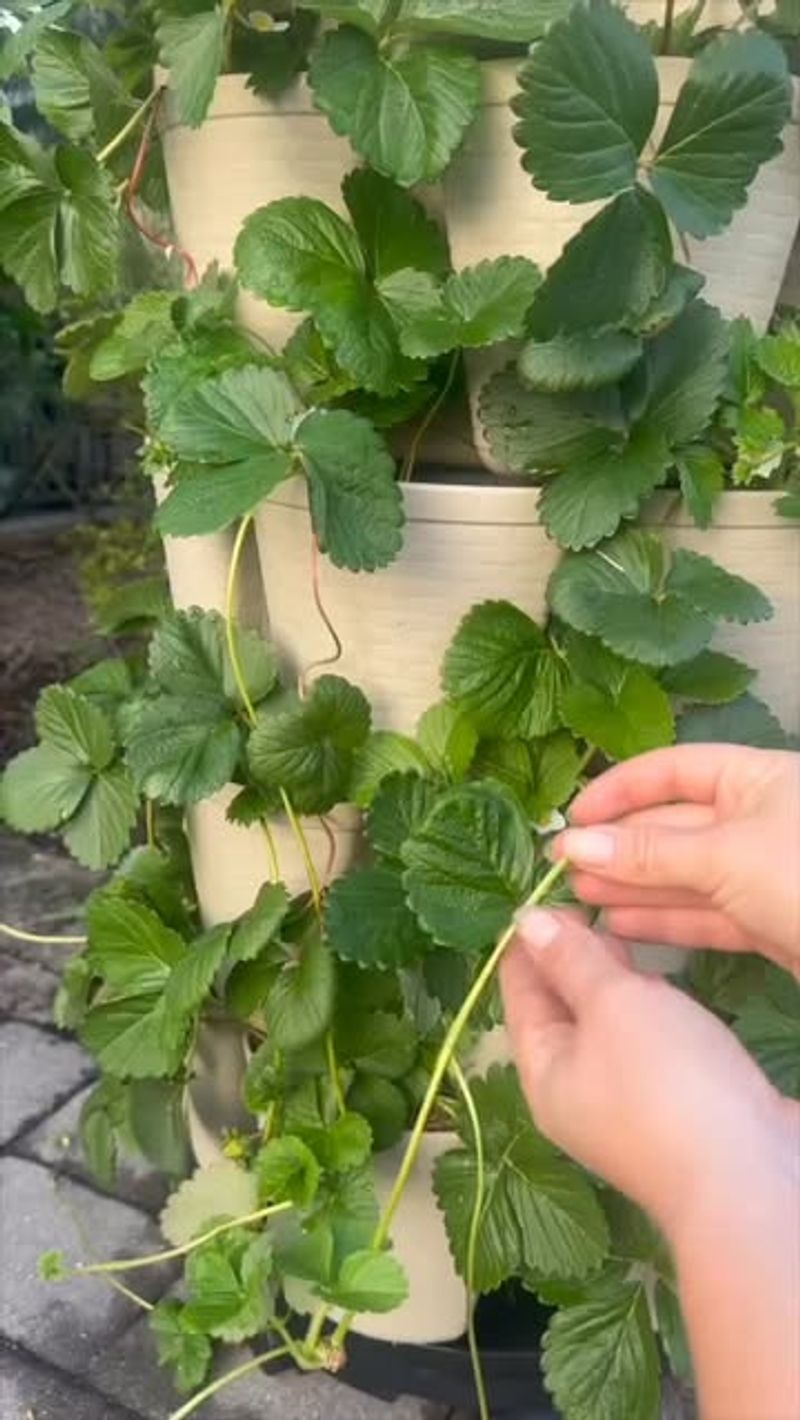
Strawberry plants naturally produce runners, which are long stems that sprout new baby plants at their tips.
While this is a great way to expand your strawberry patch over time, allowing too many runners to grow unchecked diverts energy away from fruit production and can quickly turn your garden into a tangled mess.
Managing runner growth strategically helps your plants channel their resources into developing larger, sweeter berries instead of endless foliage.
During the first growing season, many gardeners remove all runners to encourage plants to establish strong root systems and produce robust crowns. In subsequent years, you can allow a few runners to develop if you want to fill in gaps or expand your bed, but trim away the rest regularly.
Use clean scissors or pruning shears to snip runners close to the mother plant, which prevents disease transmission and keeps your garden tidy.
Timing matters as well because removing runners early in the season has the greatest impact on fruit size. Plants that are not supporting numerous baby plants can focus their energy on producing larger quantities of bigger berries.
This simple practice can noticeably increase your harvest without any additional inputs or expenses.
By controlling runner growth thoughtfully, you maintain a productive, manageable strawberry patch that delivers impressive organic harvests season after season while avoiding overcrowding and the problems that come with it.
8. Feed With Organic Fertilizers At The Right Time
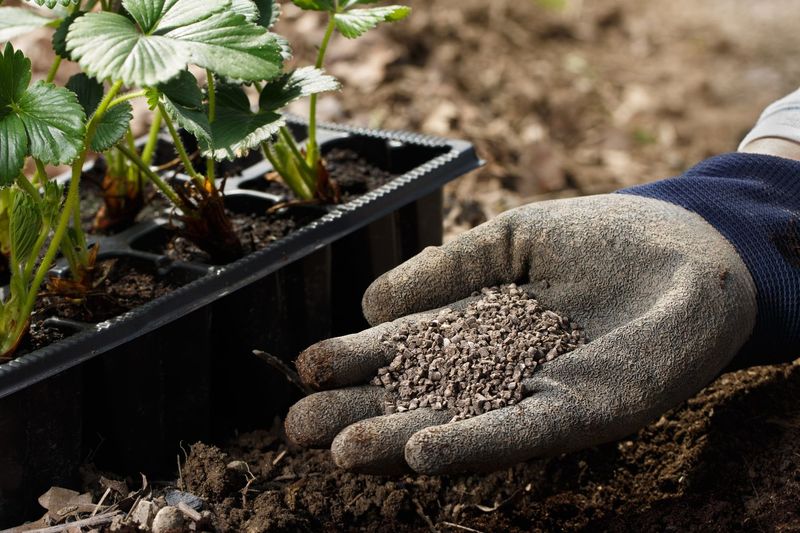
Even with excellent soil preparation, strawberry plants benefit from periodic feeding to maintain vigorous growth and abundant fruiting throughout the season.
Organic fertilizers like compost tea, fish emulsion, and balanced organic blends provide a steady supply of nutrients without the risk of chemical buildup or harm to beneficial soil organisms.
Timing your fertilizer applications correctly maximizes their effectiveness and supports plants when they need nutrition most.
Apply a balanced organic fertilizer in early spring as new growth begins, which gives plants the boost they need to develop strong foliage and abundant blossoms. Fish emulsion is particularly effective at this stage because it provides readily available nitrogen that encourages lush green growth.
Compost tea applied every few weeks during the growing season supplies a gentle, continuous source of nutrients and beneficial microbes that improve soil health.
After your main harvest is complete, apply another round of organic fertilizer to help plants recover and build reserves for the following year. Avoid over-fertilizing, which can lead to excessive foliage growth at the expense of fruit production and attract pests.
By feeding your strawberry plants with organic fertilizers at strategic times, you support healthy, productive growth while maintaining the purity and sustainability of your organic garden, ensuring that every berry you harvest is as wholesome and delicious as possible.